
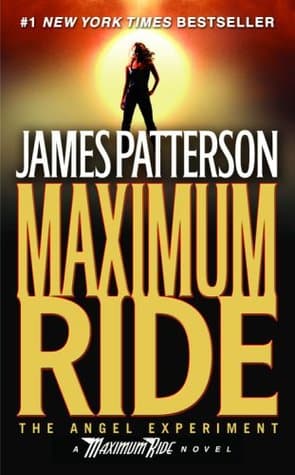
Synopsis
Covers the whole plot, including the ending.
- Difficulty
- Easy
- Pacing
- Fast
- Mood
- Action-packed, Suspenseful, Adventurous, Gritty
- Read it if
- You enjoy fast-paced, action-packed YA adventures with a blend of sci-fi and fantasy, focusing on found family and a group of superpowered kids on the run.
- Skip it if
- You prefer deep character studies over plot-driven action, or are looking for highly original world-building rather than a more conventional 'mutant' narrative.
The Angel Experiment Plot Summary
Covers the whole plot, including the ending.
The Flock's Sanctuary Under Attack
The story begins with Max, a fourteen-year-old with wings, and her 'Flock' – Fang, Iggy, Nudge, Gazzy, and Angel – living in a secluded mountain cave. They are engineered human-avian hybrids. They escaped a research facility called 'The School' years ago with help from a scientist, Jeb Batchelder. Their quiet life ends when Erasers, wolf-human hybrids from The School, attack their home. During the chaos, Angel, the youngest at six, is captured and taken back to the facility. Max, fiercely loyal to her family, decides they must rescue Angel, despite the great danger.
Journey to New York City
Following a hint from Angel that 'The School' is in New York City, Max leads the Flock on a dangerous journey. They find food and supplies, always avoiding Erasers and other threats. Max discovers new abilities, like enhanced hearing and mind-reading, which she struggles to control. They reach New York, a large city very different from their mountains. The many people there make them feel both exposed and anonymous. The city itself brings new problems, from navigating its layout to finding safe places to rest.
The Institute for Higher Living
In New York, the Flock finds a building called 'The Institute for Higher Living,' which they believe is connected to The School. Max, Fang, and Iggy use their flying to scout the area. They see strange activities and tight security, confirming their suspicions. They decide to get into the institute, which looks like a normal research facility. The Flock knows better. Their plan is to find Angel and information about their origins, while avoiding the scientists and Erasers working there.
Reunion with Jeb Batchelder
Inside The Institute, Max is shocked to see Jeb Batchelder, the scientist who helped them escape The School years ago and who they thought was dead. Jeb is alive and, to Max's horror, seems to work for the organization they are trying to escape. This discovery destroys Max's trust and creates confusion, as Jeb was like a father to them. He claims he is trying to help them, but Max deeply suspects his motives and sudden return.
Angel's Condition and Experiments
The Flock finds Angel in The Institute. She is in a lab, distressed and weaker. Angel, using her telepathic abilities, tells Max about the terrible experiments she has faced, including painful tests and manipulation of her powers. She also shares bits of information about The School's goals and the nature of their research. Angel's suffering strengthens the Flock, making them determined to rescue her and uncover the truth behind their creation and The School's plans.
The Truth About Erasers
Through Angel's telepathic insights and information from The Institute's computers, the Flock learns the truth about the Erasers. They find out that Erasers are not just monsters, but also genetically modified humans, made at The School to hunt and kill avian-human hybrids like Max and her Flock. This news adds more horror to their lives, as they realize their enemies are twisted versions of themselves, products of the same unethical science. It also shows the danger they face, fighting opponents made to counter their abilities.
A Glimpse into Their Origins
While moving through The Institute, Max gets into some encrypted files. She finds fragmented data and cryptic messages that hint at the Flock's true purpose. The records suggest they were not just random experiments, but possibly created for a specific, larger goal: to save the world from an environmental disaster or a similar global threat. This information is overwhelming, making Max consider that their existence carries a huge responsibility, a burden much greater than just surviving and escaping The School.
Escape and Confrontation
With Angel rescued, the Flock makes a desperate run for freedom from The Institute. They fight many Erasers, using their combined flying and fighting skills to escape the heavily guarded facility. During their escape, Jeb Batchelder appears again, offering them a choice: return with him to The School, where he claims they will be safe, or face constant pursuit. Max, still very distrustful, rejects his offer, choosing freedom and uncertainty over possible manipulation. The escape is hard, strengthening their resolve to stay together and free.
Betrayal and a New Path
As the Flock makes their final escape from The Institute, Jeb Batchelder confronts Max one last time. His words are unclear, hinting at a larger plan and his mixed role within The School. He does not stop them by force, but instead gives Max a vague warning about future dangers and points them toward a new place where they might find more answers about their origins. His actions leave Max and the Flock questioning his true loyalty: is he an ally, a double agent, or just another manipulator? They leave The Institute, carrying Angel and the weight of the new information they have found.
The Search for Answers Continues
After successfully escaping The Institute with Angel, the Flock is again on the run, but now with more knowledge about their origins and The School's intentions. Max understands that their journey is not over; they are not just fugitives but possibly humanity's last hope. The idea of their role in saving the world weighs on Max, who struggles with the responsibility. They are free, but the threat of the Erasers and The School still exists, pushing them to continue their search for a safe place and the full truth of their existence.
Principal Figures
Max Ride
Protagonist
The strong-willed, fiercely protective leader of the Flock.
Max is a fourteen-year-old avian-human hybrid with large, feathered wings. She is the de facto leader of the Flock, characterized by her fierce independence, quick thinking, and unwavering loyalty to her family. Max is often burdened by the responsibility of protecting her younger siblings, making tough decisions, and putting their safety above her own. She possesses enhanced strength, speed, and senses, along with the ability to fly. Throughout the story, she also discovers latent telepathic abilities, which she struggles to control. Her primary motivation is to keep her Flock safe and uncover the truth about their origins.
Relationships: Fang (Best friend, loyal companion, potential romantic interest); Iggy (Close friend, fellow Flock member); Nudge (Close friend, fellow Flock member); Gazzy (Close friend, fellow Flock member); Angel (Youngest Flock member, Max is fiercely protective of her); Jeb Batchelder (Father figure, later perceived as a betrayer)
Fang
Supporting
Max's quiet, loyal second-in-command with a dark sense of humor.
Fang is a fifteen-year-old avian-human hybrid, often described as Max's silent, stoic counterpart. He is loyal, brave, and possesses an uncanny ability to remain calm under pressure. Fang is an excellent fighter and strategist, often anticipating Max's moves and providing crucial support. He has a dry, sarcastic wit that surfaces occasionally. While not as outwardly expressive as Max, his actions consistently demonstrate his devotion to the Flock, especially to Max. He has wings and similar enhanced physical abilities to Max, but his strength lies in his quiet observational skills and unwavering presence.
Relationships: Max Ride (Best friend, loyal companion, potential romantic interest); Iggy (Fellow Flock member); Nudge (Fellow Flock member); Gazzy (Fellow Flock member); Angel (Fellow Flock member)
Iggy
Supporting
A blind but highly perceptive Flock member with a talent for explosives.
Iggy is a fourteen-year-old avian-human hybrid who was blinded by experiments at The School. Despite his lack of sight, he possesses incredibly heightened senses, particularly hearing and touch, which allow him to navigate and perceive the world with remarkable accuracy. He is a skilled inventor and has a surprising talent for creating and disarming explosives, often using his other senses to compensate for his blindness. Iggy is generally good-natured but can be moody. His resourcefulness proves invaluable to the Flock in many desperate situations, especially when stealth and ingenuity are required.
Relationships: Max Ride (Close friend, fellow Flock member); Fang (Fellow Flock member); Nudge (Close friend, fellow Flock member); Gazzy (Best friend, fellow Flock member, often partners with him); Angel (Fellow Flock member)
Nudge
Supporting
The talkative and curious Flock member with an affinity for technology.
Nudge is an eleven-year-old avian-human hybrid, known for her incessant talking and insatiable curiosity. She is highly observant and often picks up on details that others miss. Nudge has a unique ability to sense the history of objects by touching them, which, while not fully explored, hints at psychometric powers. She is fascinated by technology and human culture, often asking questions about the world outside their secluded existence. Her chatter can sometimes be annoying, but her genuine enthusiasm and sharp observations are often helpful to the Flock. She's a loyal and energetic member, always eager to help.
Relationships: Max Ride (Close friend, fellow Flock member); Fang (Fellow Flock member); Iggy (Close friend, fellow Flock member); Gazzy (Fellow Flock member); Angel (Fellow Flock member)
Gazzy (The Gasman)
Supporting
The mischievous and flatulent eight-year-old with a knack for mimicry.
Gazzy, affectionately known as 'The Gasman' due to his digestive issues, is an eight-year-old avian-human hybrid. He is Iggy's best friend and often partners with him in mischievous schemes. Gazzy is known for his ability to mimic voices and sounds perfectly, which often comes in handy for distractions and diversions. Despite his young age and often crude humor, he is brave and fiercely loyal to his family. He can be a bit of a troublemaker but always steps up when the Flock is in danger. His innocent demeanor often hides a sharp mind and a surprising capacity for courage.
Relationships: Max Ride (Close friend, fellow Flock member); Fang (Fellow Flock member); Iggy (Best friend, fellow Flock member, often partners with him); Nudge (Fellow Flock member); Angel (Fellow Flock member)
Angel
Supporting
The youngest Flock member with powerful telepathic abilities.
Angel is a six-year-old avian-human hybrid and the youngest member of the Flock. She possesses powerful telepathic abilities, including mind-reading, mind control, and the ability to communicate with animals. These powers are still developing and sometimes manifest unpredictably. Her capture by the Erasers at the beginning of the story serves as the primary catalyst for the Flock's journey to The School. Despite her young age, Angel is incredibly brave and resilient, often using her unique abilities to provide crucial information or assistance to Max and the others, though the experiments at The School take a toll on her.
Relationships: Max Ride (Max is fiercely protective of her, almost like a daughter); Fang (Fellow Flock member); Iggy (Fellow Flock member); Nudge (Fellow Flock member); Gazzy (Fellow Flock member)
Jeb Batchelder
Supporting
The ambiguous former scientist who helped the Flock escape, now seemingly working for their enemies.
Jeb Batchelder is a human scientist who, years prior to the main events, helped Max and the Flock escape from The School. He served as a father figure to them for a time before seemingly dying. His unexpected reappearance at The Institute, apparently working for the very organization he helped them escape, creates a deep sense of betrayal and confusion for Max. His motives remain ambiguous throughout the book; he claims to be trying to help them, but his actions are often contradictory. He represents the complex moral grey areas surrounding their creation and purpose.
Relationships: Max Ride (Father figure, later perceived as a betrayer/puzzling ally); The Flock (Savior in the past, now a figure of suspicion)
Erasers
Antagonist
Genetically engineered wolf-human hybrids designed to hunt the Flock.
The Erasers are the primary physical antagonists in the story. They are genetically engineered wolf-human hybrids, created at The School specifically to hunt down and eliminate the avian-human hybrids like Max and her Flock. They possess enhanced strength, speed, and senses, as well as sharp claws and teeth. They are relentless pursuers, often appearing in large numbers and posing a constant threat to the Flock's survival. They are essentially mindless enforcers of The School's will, representing the brutal and dehumanizing nature of the genetic experimentation that created both them and the Flock.
Relationships: The Flock (Hunter and hunted)
The Director
Antagonist
The unseen, overarching leader of The School.
The Director is the shadowy, unseen figure in charge of The School and its horrific genetic experiments. While not physically present, his influence and directives drive the actions of the scientists and Erasers. He represents the ultimate authority behind the Flock's creation and persecution. The Director's motivations are hinted at as being tied to a larger, potentially world-saving (or world-dominating) agenda, making him a complex antagonist whose full scope of evil is yet to be revealed. He embodies the cold, calculating nature of unethical scientific pursuit.
Relationships: The Flock (Creator and persecutor); Jeb Batchelder (Superior, possibly manipulative)
Themes & Insights
Family and Belonging
At the heart of 'The Angel Experiment' is the found family of the Flock. Though not biologically related, their bond is stronger than a typical family. Max's strong protection of Angel and the others, and their reliance on each other for survival, show this theme. Their constant struggle to find safety and their refusal to abandon one another (as seen when they risk everything to rescue Angel) highlights their deep sense of belonging and loyalty. They are outsiders from human society, yet they have made their own strong unit.
“We're a family. We stick together. Always.”
Identity and Purpose
The Flock constantly deals with who they are. Are they human? Are they experiments? Are they monsters? This question of identity is central to their journey. The discovery of their avian DNA and unique abilities sets them apart, making them question their place in the world. As they uncover bits of information about their creation, the idea that they were made for a greater purpose – to save the world – adds a new layer to their identity, changing them from mere survivors to potential saviors. This search for purpose drives much of their quest for answers.
“We were different. We were winged. We were... experiments. But what were we for?”
The Ethics of Scientific Experimentation
The entire basis of the novel involves the unethical genetic engineering done by 'The School.' The creation of both the avian-human hybrids (the Flock) and the wolf-human hybrids (the Erasers) raises questions about the limits of science. Angel's suffering in the labs, the forced mutations, and the use of living beings as tools for an unknown goal show the moral failure of The School's operations. The story hints that 'saving the world' does not justify terrible methods and the violation of basic rights.
“They took us, changed us, twisted us. For what? So they could play God?”
Freedom vs. Control
The Flock's entire life is a flight from control. They escaped The School, a place where they were treated as property and faced horrific experiments. Their journey is a continuous fight to keep their freedom against the constant pursuit of the Erasers and the manipulative attempts of people like Jeb Batchelder. The choice Max faces – to return to The School for 'safety' under Jeb's care or to continue their dangerous, independent life – shows this theme. They value their independence and the right to choose their own future, even if it means constant danger, over any form of controlled security.
“We'd rather die free than live in a cage.”
Plot Devices & Literary Techniques
The 'School' as a MacGuffin/Antagonistic Force
The mysterious research facility that created the Flock and hunts them relentlessly.
The School serves as both a central mystery and the primary antagonistic force. It is the origin point of the Flock's creation and their subsequent trauma. While its exact purpose and ultimate goals are only partially revealed, its existence drives the plot forward, as the Flock seeks to escape its clutches and uncover its secrets. It functions as a MacGuffin in the sense that its full nature is elusive, yet its influence is paramount, compelling the characters to act and guiding their journey to New York and The Institute.
Angel's Telepathy
A crucial plot device for gaining information and foreshadowing.
Angel's developing telepathic abilities are a vital plot device. Her power to read minds and communicate non-verbally allows the Flock to gain crucial information about their captors, the Erasers, and the inner workings of The School. It also serves as a means of foreshadowing, as her fragmented visions or overheard thoughts often hint at future dangers or revelations. Her unique ability makes her both a valuable asset and a vulnerable target, directly leading to her capture and initiating the main rescue mission of the plot.
The Ambiguous Ally (Jeb Batchelder)
A character whose loyalty is constantly questioned, creating suspense and moral dilemma.
Jeb Batchelder's character functions as an ambiguous ally, a classic plot device. He initially saved the Flock, fostering a sense of trust, but his reappearance working for The School shatters this trust. His conflicting actions and cryptic statements keep both the characters and the reader guessing about his true intentions. This ambiguity creates suspense, moral dilemmas for Max, and prevents easy categorization of good versus evil, adding complexity to the narrative and highlighting the difficult choices the Flock must make without clear guidance.
Max's Inner Monologue/First-Person POV
Provides direct insight into Max's thoughts, fears, and leadership struggles.
The use of Max's first-person point of view and extensive inner monologue is a key plot device. It allows the reader direct access to Max's thoughts, fears, and the heavy burden of leadership she carries. This perspective builds empathy for her character and allows the author to reveal information gradually through her discoveries and interpretations. It also provides a direct, unfiltered account of the Flock's experiences, enhancing the sense of urgency and personal stakes in their fight for survival and understanding.
The Angel Experiment Quotes
“We knew we were different. Not just because we could fly, or because we had wings, or because we were, well, experiments.”
“Home wasn't a place, it was us.”
“The world was a dangerous place. But then, so were we.”
“I'm not saying I'm a good leader. I'm just saying I'm the only one.”
“Sometimes, the hardest thing to do is to keep going, even when you want to give up.”
“They want us back. Like we're some kind of lost puppies. Or lost experiments.”
“I was a bird, a girl, a weapon. Sometimes all three at once.”
“Fear can be a good thing. It can keep you alive. But too much fear can paralyze you.”
“We didn't have a past, not really. Just a present, and a future we were making up as we went along.”
“Being different isn't a curse. It's a superpower.”
“You can't save everyone. But you can try.”
“Even angels have to fight sometimes.”
“We were a family, forged in fire and fear and a whole lot of weird science.”
“Sometimes, the only way to find out what you're capable of is to be pushed to your limits.”
Quiz
10 questions on the plot and the characters. Each answer comes with a short explanation.
Question 1
What unique physical ability do Max and her friends possess, which makes them different from ordinary humans?
- Super strength
- Invisibility
- The ability to fly
- Telekinesis
Show answer
C. The ability to fly Max and her flock are avian-human hybrids, genetically engineered to have wings and the ability to fly.
Question 2
Who is the youngest member of the flock, known for being able to talk to electronics?
- Iggy
- Angel
- Nudge
- Gazzy
Show answer
B. Angel Angel is the youngest of the flock and has unique abilities, including mind-reading and talking to fish and electronics.
Question 3
What is the name of the facility where Max and the flock were created and held captive before escaping?
- The Haven
- The School
- The Lab
- The Institute
Show answer
B. The School The children refer to the horrific experimentation facility where they were created and tortured as 'The School'.
Question 4
Who is the primary antagonist organization hunting Max and her friends throughout the book?
- The Erasers
- The Cleaners
- The Trackers
- The Hunters
Show answer
A. The Erasers The Erasers are the main antagonists, genetically altered human-wolf hybrids who work for the scientists at The School.
Question 5
What is the full name of the man who rescued the flock from The School when they were younger, and who they consider their father figure?
- Dr. Hans Gunther
- Jeb Batchelder
- Dr. Martinez
- Agent Smith
Show answer
B. Jeb Batchelder Jeb Batchelder is the man who rescued the flock from The School years ago and lived with them in the mountains.
Question 6
What specific item do the Erasers primarily use to track the flock, which Max learns about from a captured Eraser?
- Thermal signatures
- Microchips implanted in their skin
- Their unique scent
- Cell phone signals
Show answer
B. Microchips implanted in their skin Max discovers that the flock has microchips implanted in their necks, which the Erasers use to track them.
Question 7
What is the primary motivation behind the scientists' experiments to create the avian-human hybrids like Max and her flock?
- To create a new form of entertainment
- To develop advanced military weapons
- To create a superior species to replace humanity
- To study human evolution
Show answer
C. To create a superior species to replace humanity The ultimate goal of the scientists, particularly the 'Itex' corporation, is to create a new, superior species to replace humanity, seeing the current human race as a failure.
Question 8
What is the name of the human girl who helps the flock after they arrive in New York City, offering them shelter and supplies?
- Ella
- Frannie
- Anne
- Sarah
Show answer
C. Anne Anne is a kind woman who takes in the flock, provides them with a safe place to stay, and helps them get food and clothes.
Question 9
What startling revelation does Max discover about the true nature of the Erasers, specifically their relation to the flock?
- They are robots controlled by the scientists.
- They are failed experiments, also created at The School.
- They are humans who willingly joined the scientists.
- They are an ancient supernatural race.
Show answer
B. They are failed experiments, also created at The School. Max learns that the Erasers are also creations of The School, failed human-wolf hybrids, making them 'siblings' in a twisted sense.
Question 10
What is the name of the dog that the flock rescues and takes with them on their journey?
- Buddy
- Max
- Total
- Fang
Show answer
C. Total The flock rescues a talking dog named Total from The School during their escape, and he becomes a loyal member of their group.
The Angel Experiment FAQ
What is the core premise of 'The Angel Experiment'?
The book follows Maximum Ride, a 14-year-old girl with wings, and her 'flock' of five younger, genetically engineered bird-human hybrids as they flee from the scientists who created them. Their peaceful, isolated life is shattered when the youngest member, Angel, is kidnapped by Erasers, wolf-like human hybrids, forcing Max and the others to venture into the outside world to rescue her.
Who are the main members of the Flock?
The Flock consists of Maximum Ride (14, leader), Fang (14, quiet and loyal), Iggy (14, blind but with enhanced senses), Nudge (11, talkative and curious), Gazzy (8, adept with explosives), and Angel (6, telepathic and able to control others). Each possesses unique abilities beyond flight, making them a formidable, if unconventional, family unit.
What are the 'Erasers' and what is their role in the story?
Erasers are genetically modified humans with canine features and enhanced strength, agility, and a violent disposition, created by the same organization as the Flock. They serve as the primary antagonists, tasked with hunting down and capturing the bird-kids, acting as enforcers for the School and its mysterious agenda.
What is 'the School' and why is it significant?
The School is the ominous, high-tech research facility where Max and her Flock were created and held captive for years, subjected to cruel experiments. It represents the oppressive force trying to control and exploit their genetic modifications, acting as the central hub of the scientific conspiracy against them.
How does the Flock discover their true origins?
While on their rescue mission for Angel, the Flock infiltrates the School and discovers files and video logs detailing their creation as avian-human hybrids through genetic splicing. They learn that they are part of 'The Angel Experiment,' designed to create a new species, raising questions about their purpose and humanity.
What is the significance of Jeb Batchelder in the Flock's past?
Jeb Batchelder was a scientist at the School and acted as a parental figure to the Flock, helping them escape years prior. His reappearance later in the book, seemingly working with the very people who created them, creates a profound sense of betrayal and confusion for Max, challenging her trust and understanding of their past.
Are there subtle hints about Angel's unique abilities before they are fully revealed?
Yes, Angel often seems to know things she shouldn't or influences minor events without explicit instruction, such as knowing where to find hidden items or subtly guiding the Flock's decisions. These instances foreshadow her later revealed telepathic and mind-control powers, hinting at her exceptional genetic modifications.
What is the implied broader purpose of the Angel Experiment beyond just creating flying humans?
The book hints that the Angel Experiment is part of a larger, more sinister project to create a 'perfect' new species, potentially to replace humanity or control its evolution. The existence of Erasers and the constant experimentation suggest a desire to engineer different types of humanoids for various purposes, indicating a global-scale genetic manipulation agenda.
How does Max's leadership style develop throughout the initial crisis?
Max, initially burdened by the responsibility of protecting her Flock, evolves from a reactive leader to a more strategic and self-sacrificing one. She learns to delegate, trust her instincts more, and prioritize the safety and emotional well-being of her family above all else, even when facing overwhelming odds.
What psychological impact does their isolation and constant danger have on the younger Flock members?
The constant threat and lack of a normal childhood manifest in various ways: Gazzy uses humor and explosives as coping mechanisms, Nudge struggles with a yearning for normalcy and connection, and Angel, despite her powers, exhibits a childlike vulnerability and fear of abandonment. Their resilience is tempered by underlying trauma.
How does Fang's quiet nature contribute to the Flock's dynamic and Max's reliance on him?
Fang's stoicism and unwavering loyalty provide a crucial anchor for Max, offering a silent strength and a calm presence amidst chaos. His ability to anticipate Max's needs and act decisively without verbal instruction makes him her most trusted confidant and second-in-command, balancing her often impulsive decisions.
What is the psychological toll of discovering their 'unnatural' origins?
The revelation that they are genetically engineered creates an identity crisis for the Flock, particularly Max, as it challenges their sense of humanity and belonging. They grapple with feelings of being lab experiments rather than natural beings, leading to questions about their purpose and whether they can ever truly be 'normal'.
Is the ending ambiguous regarding the Flock's future and their purpose?
Yes, the ending leaves many questions unanswered about the Flock's ultimate destiny and the full scope of the Angel Experiment. While they rescue Angel, the threat of the School remains, and their true purpose—whether they are meant to save or destroy humanity—is left open for future exploration, setting up subsequent books.
How does the book explore themes of family, even in an unconventional sense?
Despite being genetically engineered and not biologically related, the Flock demonstrates deep familial bonds, relying on each other for survival, emotional support, and identity. Max acts as a protective older sister/mother figure, highlighting that family is defined by love and loyalty rather than traditional blood ties or origins.
To what extent is the 'experiment' a metaphor for societal pressures on youth?
The 'experiment' can be interpreted as a metaphor for how society often tries to mold, control, and define young people, pushing them into roles or expectations. The Flock's struggle for freedom and self-determination mirrors the universal adolescent desire to break free from imposed identities and forge their own path.
What ethical questions does the existence of the Flock and the School raise?
The book raises profound ethical questions about genetic engineering, the boundaries of scientific research, and the moral implications of creating sentient life for experimentation. It challenges readers to consider the rights of genetically modified beings and the responsibility of their creators, highlighting the dangers of playing 'God'.
How does the book balance its fantasy and science fiction elements?
The book skillfully blends the fantastical element of flying humanoids with the scientific underpinnings of genetic engineering and advanced technology. While the powers are extraordinary, they are explained through a sci-fi lens of laboratory creation, grounding the fantasy in a plausible, albeit speculative, scientific framework.
About the author
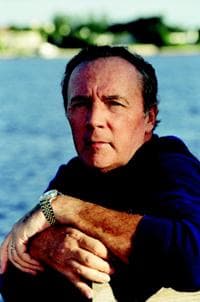
James Patterson is an American author known for his contributions to the thriller and fiction genres. His notable works include "Along Came a Spider," "Kiss the Girls," "1st to Die," "The Angel Experiment," "Suzanne's Diary for Nicholas," and "School's Out—Forever." Patterson has received multiple awards for his writing, including the Edgar Award.
Similar books
- The Hunger Games
Suzanne Collins
4.3 (6.4M) average on GoodreadsFantasyFeatures a strong female protagonist leading a group of young people in a fight against an oppressive system.
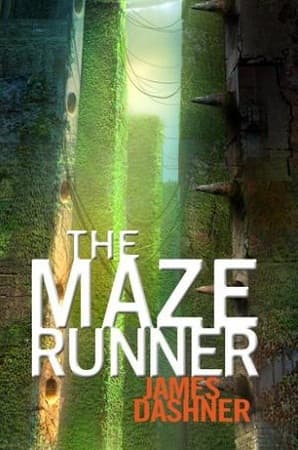
- The Maze Runner
James Dashner
4.0 (1.1M) average on GoodreadsFantasyGroup of young people trying to escape a deadly, mysterious facility while uncovering the truth about their past.
- Uglies
Scott Westerfeld
3.9 (560k) average on GoodreadsFantasyUglies excels in its nuanced exploration of conformity, beauty standards, and governmental control, presenting a more intellectually stimulating narrative with complex moral dilemmas and character arcs. The Angel Experiment, in contrast, focuses more on physical escape and immediate threats, with less emphasis on philosophical or societal critique.
- Harry Potter and the Sorcerer's Stone
J.K. Rowling
4.5 (7M) average on GoodreadsFantasyRescued from a miserable life under the stairs, an orphaned boy discovers he's a wizard destined for a magical school, where he uncovers a dangerous secret tied to the dark wizard who murdered his parents.
- 1984
George Orwell
4.2 (3.1M) average on GoodreadsPoliticsIn a future where surveillance and thought control are absolute, a man's search for truth clashes with the Party, showing that hope can be a form of rebellion.
- Divergent
Veronica Roth
4.2 (2.9M) average on GoodreadsFantasyIn a society divided by virtues, a sixteen-year-old's difference from the norm starts a rebellion that threatens her world.





Enjoyed the summary?
A summary gives you the shape of the book. The book itself has the detail, the examples and the voice.
Find The Angel Experiment on AmazonAs an Amazon Associate, BookBrief earns from qualifying purchases. How we're funded