
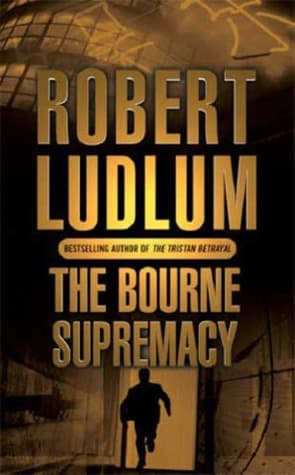
Synopsis
Covers the whole plot, including the ending.
- Difficulty
- Medium
- Pacing
- Fast
- Mood
- Intense, Suspenseful, Paranoid, Action-packed, Conspiratorial
The Bourne Supremacy Plot Summary
Covers the whole plot, including the ending.
The Hong Kong Assassin
In Hong Kong, a mysterious assassin, using the name 'Jason Bourne,' meticulously plans and executes the murder of Yu Chun, a high-ranking Chinese Vice-Premier. The assassination is made to look like a professional hit, creating an international incident and escalating tensions between China and the United States. This new 'Bourne' is a phantom, leaving a trail that implicates the original Jason Bourne. The real Jason Bourne, living quietly as David Webb, a professor of Oriental Studies at the University of Maine, knows nothing of these events, believing his past is behind him. News of the assassination and the name 'Jason Bourne' quickly reaches international intelligence agencies, especially the CIA, who are both alarmed and bewildered by the return of their former operative.
CIA's Alarm and David Webb's Return
The CIA, specifically Director of Consular Operations Alex Conklin and his colleague Peter Holland, are in crisis because of the Hong Kong assassination. They believe the original Jason Bourne has resurfaced and gone rogue, jeopardizing delicate international relations. Despite their past dealings with him, they decide the threat is too great to ignore. They initiate 'Medusa,' a protocol to locate and neutralize Bourne. This involves contacting David Webb's wife, Marie St. Jacques, and subtly manipulating her to alert Webb. Webb, now teaching peacefully, is at first reluctant to believe he is being targeted again, but the evidence and the reappearance of figures from his past force him to confront the terrifying possibility that his old identity is being used as a weapon.
Marie's Plea and Webb's Decision
Marie St. Jacques, after being contacted by the CIA and seeing suspicious activities around their home, confronts David about the 'Jason Bourne' incidents. She understands how serious the situation is and the danger it poses to their lives, especially their children. David wants to remain in his new identity, but Marie, drawing on her own strength and understanding of his past, convinces him that the only way to truly protect their family is to find and stop the imposter. This conversation is an important moment, as it marks David Webb's reluctant but determined decision to embrace the Bourne persona once more, not as an assassin, but as a hunter seeking justice and clarity.
The Trail to Hong Kong
Jason Bourne, now fully reactivated, begins his investigation, starting with the limited information from the CIA and his own instincts. He discovers that the assassin's methods, while superficially similar, have subtle differences that suggest a sophisticated mimicry. His path leads him back to the familiar, yet dangerous, streets of Hong Kong, a city deeply connected with his original Bourne identity. There, he navigates the criminal underworld, using his old contacts and skills to gather intelligence. He encounters figures like the enigmatic and dangerous head of the Hong Kong Triads, who provides cryptic clues and challenges, forcing Bourne to confront elements of his forgotten past.
The Shadow of Krupkin
As Bourne goes deeper into the Hong Kong underworld, he uncovers fragments of a larger conspiracy. He learns that the imposter Bourne is not merely a rogue assassin but is connected to a powerful, shadowy organization. The name 'Krupkin' surfaces, a legendary, almost mythical Soviet assassin believed to be long dead. Bourne realizes that Krupkin, or someone operating with his methods and resources, is orchestrating these events, using the 'Bourne' identity as a smokescreen. This revelation raises the stakes significantly, as Bourne now faces an adversary with immense power and a deep understanding of his own past.
Krupkin's Master Plan
Bourne, through deduction, interrogation, and dangerous encounters, uncovers Krupkin's true plan. Krupkin, a former KGB operative with a deep hatred for both the United States and China, is manipulating events to ignite a major conflict between the two superpowers. The assassination of Yu Chun was just the first step. Krupkin aims to use the 'Bourne' identity to commit further atrocities, escalating tensions to an irreversible point, thereby creating a new world order from the chaos. Bourne realizes the imposter is a pawn, and Krupkin is the true puppet master, pulling strings from the shadows.
The Imposter's Identity Revealed
Through intense confrontations and intelligence gathering, Bourne finally identifies the man posing as him. The imposter is not a random killer but a highly trained former intelligence operative, a product of a defunct Soviet program, who has been meticulously groomed and conditioned by Krupkin to mimic Bourne's skills and mannerisms. This revelation is unsettling for Bourne, as he sees a distorted reflection of his own past in his adversary. The imposter is driven by a deep loyalty to Krupkin and a warped sense of purpose, making him a formidable and dangerous opponent who believes he is fulfilling a greater destiny.
The Confrontation in Macau
The pursuit of the imposter leads Bourne to Macau. Here, Bourne and the imposter engage in a high-stakes cat-and-mouse game across the city's labyrinthine streets, casinos, and hidden alleys. The imposter, believing himself to be the true Bourne, is equally determined to eliminate his 'rival.' Their encounters are brutal and intense, testing Bourne's skills to their limits. Bourne, however, is fighting for his life, his identity, and the truth. He uses his knowledge of the imposter's training and Krupkin's methods to anticipate his moves, turning the hunter into the hunted.
Krupkin's Trap and Bourne's Escape
Krupkin, seeing the confrontation between the two Bournes as an opportunity to tie up loose ends, sets a trap to eliminate both of them. He orchestrates a scenario where the two Bournes are forced into a deadly encounter, with Krupkin's forces waiting to finish off the survivor. Bourne senses the manipulation, however, and manages to outwit Krupkin. He uses his superior tactical intelligence and understanding of Krupkin's cold logic to turn the trap against its creator, escaping the ambush and further solidifying his resolve to bring Krupkin down. This escape is a turning point, as Bourne now has the upper hand.
The Final Showdown with Krupkin
Bourne tracks Krupkin to his hidden base of operations, a formidable stronghold protected by a network of loyal operatives. In a climactic showdown, Bourne infiltrates Krupkin's lair, confronting the mastermind behind the entire conspiracy. The battle is not just physical but also a clash of ideologies and wills. Bourne systematically dismantles Krupkin's network, exposing his agents and thwarting his final plans to plunge the world into chaos. Ultimately, Bourne defeats Krupkin, ending his reign of terror and the threat he posed to global stability. The defeat of Krupkin also allows Bourne to reclaim his identity and clear his name.
Clearing the Name and Lingering Questions
With Krupkin defeated and his network exposed, Bourne gathers irrefutable evidence proving his innocence and the true nature of Krupkin's plot. He delivers this evidence to the CIA, specifically to Alex Conklin and Peter Holland, effectively clearing his name and preventing further international incidents. While the immediate threat is neutralized, Bourne knows that the shadows of his past, the original Treadstone project, and the lingering questions about his identity will always be a part of him. He returns to Marie, seeking solace and a return to their quiet life, but the experience has again reminded him of the fragile line between David Webb and Jason Bourne.
A Fragile Peace
David Webb and Marie St. Jacques return to their secluded life, attempting to pick up the pieces and rebuild the peaceful existence they had before. However, the events of the 'Bourne Supremacy' have left a lasting mark. David is more aware than ever of the world's memory of Jason Bourne and the potential for that identity to be resurrected or misused again. While he finds comfort in Marie and their family, the echoes of his past and the skills he possesses remain. The ending suggests a fragile peace, a constant vigilance, and the understanding that while Krupkin is gone, the world of espionage is always lurking, and Jason Bourne may be called upon again.
The Bourne Supremacy Characters
Jason Bourne / David Webb
Protagonist
A former assassin now trying to live a normal life as a professor.
David Webb is an expert in Oriental Studies, living a quiet life with his wife, Marie, and their children. He is intelligent, analytical, and deeply desires to leave his violent past as Jason Bourne behind. However, the resurgence of the 'Bourne' identity forces him to confront his ingrained skills, tactical genius, and ruthlessness. He is driven by a powerful need to protect his family and clear his name, even if it means re-entering the dangerous world he despises. He struggles with the psychological toll of his past and the constant threat it poses to his present.
Relationships: Marie St. Jacques (Wife, confidante, emotional anchor); Alex Conklin (Former handler, uneasy ally); Peter Holland (CIA contact, uneasy ally); Krupkin (Arch-nemesis); The Imposter Bourne (Doppelgänger, adversary)
Marie St. Jacques
Supporting
Bourne's wife, his emotional anchor and voice of reason.
Marie is David Webb's devoted wife, a strong, intelligent, and resilient woman. She understands the dark complexities of David's past as Jason Bourne better than anyone and serves as his moral compass. Despite the constant danger and emotional strain, she remains steadfastly loyal, urging David to confront the new threat not out of vengeance, but to protect their family and their future. Her unwavering love and practical resolve are crucial in grounding David and motivating him to fight for his identity and peace.
Relationships: Jason Bourne / David Webb (Husband, love interest)
Alex Conklin
Supporting
A pragmatic and ruthless CIA director.
Alex Conklin is the Director of Consular Operations for the CIA, a position that gives him significant power and responsibility. He is shrewd, pragmatic, and often ruthless in his methods, always prioritizing national security, even if it means bending rules or manipulating individuals. He has a complex history with Bourne, having been his handler during the Treadstone project. He initially believes Bourne has gone rogue and is determined to neutralize him, but as the conspiracy unfolds, he becomes a reluctant and uneasy ally, driven by the desire to protect American interests.
Relationships: Jason Bourne / David Webb (Former handler, uneasy ally); Peter Holland (Colleague, subordinate)
Peter Holland
Supporting
Conklin's cautious and observant CIA colleague.
Peter Holland is a senior CIA official who works closely with Alex Conklin. He is more cautious and less impulsive than Conklin, often questioning the more extreme measures taken by his superior. Holland is intelligent and observant, playing a key role in analyzing intelligence and understanding the nuances of the unfolding crisis. While he shares Conklin's commitment to national security, he also possesses a degree of moral awareness, making him a slightly more sympathetic figure within the CIA's often morally ambiguous landscape. He acts as a sounding board and sometimes a brake for Conklin's more aggressive impulses.
Relationships: Alex Conklin (Colleague, superior); Jason Bourne / David Webb (Contact, wary observer)
Krupkin
Antagonist
A legendary, enigmatic Soviet assassin and mastermind.
Krupkin is a mythical figure in the world of espionage, a former KGB assassin believed to be long dead. He is the true mastermind behind the 'Bourne Supremacy' plot, driven by a profound hatred for both the United States and China. Krupkin is brilliant, manipulative, and utterly ruthless, with a vast network of operatives and resources. He operates from the shadows, orchestrating events to ignite a global conflict and reshape the world order to his twisted vision. He views the imposter Bourne as a tool and the real Bourne as a dangerous obstacle to be eliminated.
Relationships: Jason Bourne / David Webb (Arch-nemesis, target); The Imposter Bourne (Pawn, operative)
The Imposter Bourne
Antagonist
A highly trained operative mimicking Bourne's identity.
The Imposter Bourne is a highly skilled and dangerous assassin, meticulously trained and conditioned by Krupkin to mimic the original Jason Bourne's techniques and mannerisms. He is a product of a defunct Soviet program, driven by a deep-seated loyalty to Krupkin and a warped sense of purpose. He believes himself to be the 'true' Bourne or at least a superior version, making him a formidable and psychologically complex adversary. He is ruthless, efficient, and utterly committed to carrying out Krupkin's orders, creating an international incident that implicates David Webb.
Relationships: Jason Bourne / David Webb (Doppelgänger, adversary); Krupkin (Handler, mentor, master)
Yu Chun
Supporting
The assassinated Chinese Vice-Premier.
Yu Chun is a high-ranking Chinese Vice-Premier whose assassination in Hong Kong by the imposter 'Jason Bourne' sets off the entire chain of events in the novel. His death is not merely a political assassination but a strategic move by Krupkin to destabilize international relations between China and the United States. While his presence in the narrative is brief, his death is the catalyst that forces David Webb back into the world of espionage and propels the plot forward, highlighting the high stakes of Krupkin's conspiracy.
The Hong Kong Triads
Supporting
Criminal organizations providing information and obstacles.
The Hong Kong Triads represent the city's powerful and dangerous criminal underworld. They are a complex network of organizations with their own codes, hierarchies, and agendas. Bourne navigates this world, using his old contacts and skills to extract information about the imposter and Krupkin's operations. While some Triad members are hostile, others provide cryptic clues or unexpected assistance, highlighting the intricate and often morally ambiguous nature of international espionage. They serve as both a resource and a significant obstacle for Bourne.
Relationships: Jason Bourne / David Webb (Uneasy interactions, source of information)
The Bourne Supremacy Themes
Identity and Memory
The novel centers on Jason Bourne's fragmented identity and his constant struggle to reconcile his violent past with his desire for a normal life as David Webb. The existence of an imposter Bourne forces him to confront who he is and the lasting mark his past has left. He grapples with memories that are both a burden and a key to understanding the present, constantly questioning where David Webb ends and Jason Bourne begins, and whether true escape from his past is ever possible. The imposter acts as a terrifying mirror, reflecting the person Bourne once was.
“He was Jason Bourne, and he was David Webb, and the two were inextricably linked, a tormenting, terrifying bond he could never fully break.”
The Nature of Deception and Impersonation
Deception is central to the plot, from Krupkin's elaborate scheme to frame Bourne to the imposter's careful mimicry of his identity. The novel explores how identity can be weaponized and manipulated, blurring the lines between truth and fabrication. Bourne must not only fight a physical enemy but also disentangle a web of lies designed to sow chaos and incriminate him. This theme highlights the psychological warfare in espionage, where perception can be as powerful, if not more so, than reality, and where one's name can be stolen and used against them.
“The greatest weapon was not a gun, but a name, a reputation, twisted and turned against its rightful owner.”
The Cost of Secrecy and Espionage
The book portrays the immense personal and international costs of the clandestine world. Bourne's life shows the psychological scars left by government programs like Treadstone. The plot is a cascade of international incidents triggered by a rogue agent's actions, demonstrating how secrets and covert operations can destabilize global relations. The CIA's own internal struggles and moral compromises further highlight the heavy price paid by individuals and nations caught in the web of espionage, where trust is a luxury and betrayal is a constant threat.
“In this world, alliances were written in sand, and loyalty was a word whispered in the dark, easily forgotten.”
Family and Protection
At its heart, the novel is driven by Bourne's fierce desire to protect his family. Marie and his children represent the normal life he desperately craves and the anchor that keeps him from fully succumbing to his past. His decision to re-enter the dangerous world of espionage is not for personal glory or vengeance, but solely to eliminate the threat that endangers those he loves. This theme highlights the contrast between the cold, brutal world of spies and the warmth and vulnerability of domestic life, showing that even the most hardened operative can be motivated by deep personal bonds.
“He fought not for country, nor for flag, but for the quiet laughter of his children and the steady hand of his wife.”
The Ethics of Power and Control
The novel examines the ethical dilemmas faced by intelligence agencies and individuals wielding immense power. Krupkin's desire to manipulate global events for his own agenda is a prime example of unchecked power, while the CIA's initial willingness to target Bourne, even if he were innocent, highlights the 'ends justify the means' mentality prevalent in intelligence. The story questions who controls these powerful assets and what moral boundaries are crossed in the name of national security, forcing characters like Conklin and Holland to grapple with difficult decisions.
“Power was a corrosive agent, eating away at conscience until only the objective remained.”
Plot Devices & Literary Techniques
The Doppelgänger
An imposter mirroring the protagonist's identity and skills.
The imposter 'Jason Bourne' serves as a crucial doppelgänger, creating confusion and directly threatening the real Bourne's identity and life. This device not only drives the plot forward by forcing Bourne out of hiding but also serves as a psychological torment, forcing him to confront a distorted reflection of his past self. The imposter's existence raises questions about what defines an identity and how easily it can be stolen or duplicated, adding a layer of existential dread to Bourne's mission.
The MacGuffin (Krupkin's Master Plan)
The central, driving objective that propels the plot.
Krupkin's intricate master plan to destabilize global powers and ignite a conflict between China and the US acts as the primary MacGuffin. While the details of the plan are gradually revealed, its existence and the threat it poses are what motivate Bourne, the CIA, and other factions. It provides the overarching stakes and urgency for the entire narrative, giving Bourne's individual quest to clear his name a much larger, world-saving significance, pushing the story towards a global climax.
Fragmented Memory/Amnesia
Bourne's incomplete and returning memories of his past.
Although less central than in 'The Bourne Identity,' Bourne's fragmented memories continue to be a significant plot device. His incomplete understanding of his own past, particularly his original training and contacts, creates both obstacles and unexpected advantages. These returning flashes of memory often provide crucial clues or insights into the imposter's methods and Krupkin's network, while simultaneously serving as a constant reminder of the trauma that shaped him, adding depth to his character and motivations.
The Unreliable Narrator (external perception)
How external characters misinterpret Bourne's actions and identity.
The perception of Jason Bourne by other characters, particularly the CIA and international agencies, acts as a form of external unreliable narration. They initially believe the real Bourne has gone rogue, based on the imposter's actions. This misinterpretation drives much of the early conflict and forces Bourne to not only fight Krupkin but also to clear his name against the backdrop of powerful organizations determined to neutralize him. It highlights the difficulty of discerning truth in the world of espionage and emphasizes Bourne's isolation.
Quiz
10 questions on the plot and the characters. Each answer comes with a short explanation.
Question 1
What is the protagonist's name in "The Bourne Supremacy"?
- David Webb
- Jason Bourne
- Carlos
- Alexander Conklin
Show answer
B. Jason Bourne The protagonist's name is clearly stated as Jason Bourne.
Question 2
What is a recurring issue for Jason Bourne throughout the novel?
- Financial debt
- A lost love
- Splintered nightmares of his former life
- A political conspiracy against him
Show answer
C. Splintered nightmares of his former life The synopsis mentions Bourne is "still plagued by the splintered nightmares of his former life."
Question 3
What is the central conflict in "The Bourne Supremacy"?
- Jason Bourne trying to regain his memory
- Someone else has taken on the Bourne identity and must be stopped
- Jason Bourne uncovering a CIA plot
- Jason Bourne seeking revenge for a past wrong
Show answer
B. Someone else has taken on the Bourne identity and must be stopped The synopsis states, "For someone else has taken on the Bourne identity—a ruthless killer who must be stopped."
Question 4
What kind of world does Jason Bourne navigate in this novel?
- The corporate business world
- The criminal underworld
- The shadowy world of international espionage
- The political arena of Washington D.C.
Show answer
C. The shadowy world of international espionage The synopsis explicitly mentions he must "maneuver through the dangerous labyrinth of international espionage."
Question 5
What elements are present in the world of international espionage described in the book?
- Only government agencies and diplomats
- CIA plots, turncoat agents, and shifting alliances
- Economic forums and trade negotiations
- Cultural exchanges and artistic collaborations
Show answer
B. CIA plots, turncoat agents, and shifting alliances The synopsis lists "CIA plots, turncoat agents, and ever-shifting alliances" as elements of this world.
Question 6
What is the ultimate goal Jason Bourne hopes to achieve besides stopping the imposter?
- To become a respected member of society
- To find the truth behind his haunted memories and fragmented past
- To expose a global financial conspiracy
- To retire and live a quiet life
Show answer
B. To find the truth behind his haunted memories and fragmented past The synopsis states he is "hoping to find the truth behind his haunted memories and the answers to his own fragmented past."
Question 7
What is the ultimate consequence if the imposter Bourne is not stopped?
- A minor political scandal
- The world will pay a devastating price
- A localized conflict
- The collapse of a single government
Show answer
B. The world will pay a devastating price The synopsis warns that the imposter "must be stopped or the world will pay a devastating price."
Question 8
What does "splintered nightmares" suggest about Jason Bourne's past?
- He has recurring dreams of being in a splinter factory.
- His memories of the past are fragmented and disturbing.
- He suffers from insomnia due to trauma.
- His past involves a lot of physical damage and injury.
Show answer
B. His memories of the past are fragmented and disturbing. "Splintered" implies fragmentation and breakage, suggesting his memories are not whole and are likely traumatic, leading to nightmares.
Question 9
The phrase "a name the world wanted to forget" implies that Jason Bourne was once associated with:
- A heroic act that was later covered up.
- A universally celebrated event.
- Something infamous or dangerous.
- A forgotten historical figure.
Show answer
C. Something infamous or dangerous. If a name is something the world wants to forget, it usually means the person or their actions were associated with negative, perhaps criminal or destructive, events.
Question 10
The statement "this time there are two Bournes—and one must die" creates a sense of:
- Familiarity and comfort.
- Resolution and peace.
- Intense conflict and a high-stakes, possibly fatal, confrontation.
- A simple case of mistaken identity.
Show answer
C. Intense conflict and a high-stakes, possibly fatal, confrontation. The phrase "one must die" clearly indicates a life-or-death struggle between two identical identities, implying extreme danger and a necessary, fatal outcome for one of them.
The Bourne Supremacy FAQ
What is the plot of The Bourne Supremacy?
The Bourne Supremacy follows Jason Bourne, an assassin suffering from amnesia, as he discovers someone else has assumed his identity to commit terrible acts. He must stop this imposter while also trying to uncover the truth about his own past and the shadowy world of espionage he's trapped in.
Who is the main character in The Bourne Supremacy?
The main character is Jason Bourne, a highly skilled assassin with fragmented memories of his past. He is on a mission to clear his name and stop a dangerous imposter.
What genre is The Bourne Supremacy?
The Bourne Supremacy is a thriller and mystery novel, heavily featuring elements of international espionage and suspense.
What is the central conflict in The Bourne Supremacy?
The central conflict revolves around Jason Bourne needing to stop a killer who is using his name and identity, while simultaneously battling his own amnesia and uncovering conspiracies.
Does The Bourne Supremacy explain Jason Bourne's past?
While the book delves into Jason Bourne's fragmented memories and his search for answers, it primarily focuses on the immediate threat of the imposter. The full resolution of his past is often explored across the series.
Is The Bourne Supremacy a standalone novel?
The Bourne Supremacy is the second book in the Jason Bourne series by Robert Ludlum. While it can be read on its own, reading The Bourne Identity first provides essential background for the character and his situation.
What are the main themes in The Bourne Supremacy?
Key themes include identity, memory, conspiracy, betrayal, and the moral complexities of espionage. Bourne struggles with who he is and what he's capable of.
How does The Bourne Supremacy compare to the movie adaptation?
The movie adaptation of The Bourne Supremacy takes significant liberties with the plot and characters from the novel. While both feature an assassin with amnesia, the specific events, motivations, and supporting characters often differ considerably.
What kind of action can I expect in The Bourne Supremacy?
Readers can expect intense action sequences, including hand-to-hand combat, car chases, and strategic maneuvers typical of spy thrillers. The pacing is generally fast-paced and suspenseful.
Who is the author of The Bourne Supremacy?
The Bourne Supremacy was written by Robert Ludlum, a renowned author famous for his intricate plots and thrill-a-minute pacing in the spy genre.
About the author
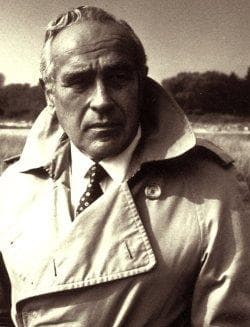
Robert Ludlum was an American author known for his espionage and thriller novels. His notable works include The Bourne Identity, The Bourne Supremacy, The Bourne Ultimatum, The Matarese Circle, and The Scarlatti Inheritance, which often feature intricate plots and complex characters. Ludlum's writing has had a significant impact on the thriller genre, particularly with the popular Bourne series.
Similar books
- The Hunt for Red October
Tom Clancy
4.1 (336k) average on GoodreadsThrillerWhile both Ludlum and Clancy excel in the thriller genre, "The Bourne Supremacy" focuses heavily on individual identity and psychological torment within a world of espionage, whereas "The Hunt for Red October" is more concerned with geopolitical strategy, military hardware, and the mechanics of intelligence operations. Ludlum's prose is more immediate and visceral, driving action through Bourne's personal crisis, while Clancy's is more detailed and technical, building tension through strategic maneuvers and realistic military detail. Ludlum's world is one of shadowy figures and personal betrayal, Clancy's is one of state-sponsored chess matches.
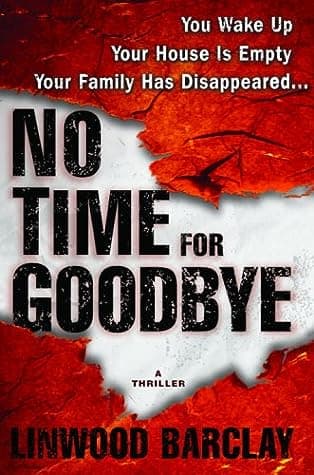
- No Time for Goodbye
Linwood Barclay
4.0 (33k) average on GoodreadsThrillerBoth "The Bourne Supremacy" and "No Time for Goodbye" involve protagonists grappling with a mysterious past and the consequences of forgotten events. However, Ludlum's novel is firmly rooted in international espionage and high-octane action, with Bourne's amnesia directly tied to his life as a super-assassin. Barclay's book, while also a mystery, is a domestic thriller focused on a protagonist's family's disappearance, delving into suburban secrets and a more personal, localized conspiracy. Ludlum's scope is global, with life-or-death stakes for world powers, while Barclay's is more intimate, focusing on the emotional fallout and unraveling of a family's dark history.
- Angels & Demons
Dan Brown
3.9 (2.7M) average on GoodreadsThrillerA Harvard symbologist races through Rome's ancient sites, deciphering cryptic clues to unmask the Illuminati and stop a vengeful plot to destroy the Vatican with a stolen antimatter weapon.
- Gone Girl
Gillian Flynn
4.1 (2.3M) average on GoodreadsThrillerA wife's sudden disappearance on her fifth anniversary reveals a web of lies and psychological warfare, exposing the secrets within a seemingly perfect marriage.
- The Girl on the Train
Paula Hawkins
3.9 (2.1M) average on GoodreadsThrillerA woman’s fascination with a seemingly perfect couple she watches from her daily train commute leads her into a dark investigation when she witnesses something that shatters their idyllic image.
- The Da Vinci Code
Dan Brown
3.9 (1.9M) average on GoodreadsThrillerA symbologist and a cryptologist race through European landmarks, deciphering ancient codes and uncovering a conspiracy that could rewrite the foundations of Christianity.





Enjoyed the summary?
A summary gives you the shape of the book. The book itself has the detail, the examples and the voice.
Find The Bourne Supremacy on AmazonAs an Amazon Associate, BookBrief earns from qualifying purchases. How we're funded