
Estimated read time: 8 min read
One Sentence Summary
A lonely, retired man moves to Brooklyn seeking peace but finds unexpected purpose and connection through a series of quirky encounters and family reunions.
Table of Contents
Introduction
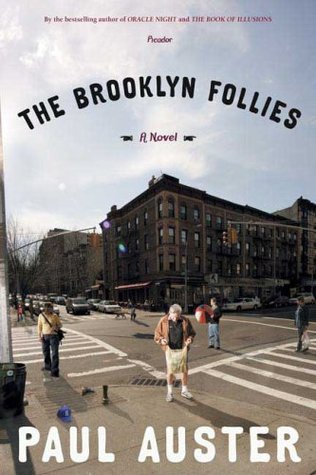
If you’ve ever wandered through Brooklyn’s brownstone streets and wondered what stories simmer behind its windows, The Brooklyn Follies by Paul Auster will feel like a familiar daydream. With a blend of sardonic humor and emotional candor, Auster invites us into the heart—and sometimes the absurdity—of ordinary lives. Set on the eve of the 21st century, this novel weaves together themes of redemption, chance encounters, and the quiet heroism of survival. Whether you’re a literature major, a casual reader, or a lecturer seeking a fresh text to spark discussion, The Brooklyn Follies is an irresistible, thought-provoking journey.
Historical Context
Set in the early 2000s, just before the seismic events of 9/11, The Brooklyn Follies captures a neighborhood (and a nation) at a crossroads. Brooklyn, traditionally a blue-collar borough, is in the midst of transformation—gentrification, cultural shifts, and the collision of old and new New York. This context is critical: characters search for meaning and connection in a city that is itself redefining its identity. The shadow of the looming millennium and a sense of pre-apocalyptic calm give the story poignancy and urgency.
Paul Auster, a lifelong New Yorker, draws on his own experiences and the borough’s rich history. Real-life inspirations come through in references to local haunts and community eccentricities, grounding the novel in a recognizable world.
Brief Synopsis
Plot Overview
Nathan Glass, freshly retired and recently divorced, moves to Brooklyn seeking "a quiet place to die." Instead, he stumbles into a web of unlikely friendships, family reconnections, and existential escapades. What begins as his personal quest for oblivion quickly becomes a celebration—albeit a quirky one—of second chances and human resilience. Nathan’s reunion with his estranged nephew Tom, and the arrival of the mysterious young Lucy, propel the story toward both chaos and catharsis.
Setting
The novel unfolds in Park Slope, Brooklyn—a neighborhood brimming with stoop culture, mom-and-pop shops, and an ever-present sense of reinvention. The atmosphere is both nostalgic and lively, capturing Brooklyn’s role as a crucible for change. The time period, just before 9/11, infuses every scene with a bittersweet sense of innocence and impending loss.
Main Characters
Here’s a quick reference guide to the key players:
| Name | Role | Key Traits | Importance to Plot |
|---|---|---|---|
| Nathan Glass | Protagonist | Cynical, reflective, witty | The story’s narrator; seeking meaning after illness and divorce |
| Tom Wood | Nathan’s nephew | Lost, intelligent, kind | Reconnects with Nathan; his own journey mirrors the search for redemption |
| Lucy | Tom’s niece/Nathan’s grand-niece | Silent, traumatized, innocent | Her arrival sparks transformation for all characters |
| Harry Brightman | Tom’s boss | Eccentric, mysterious, charming | Catalyst for much of the story’s chaos and humor |
| Aurora | Tom’s love interest | Artistic, compassionate | Represents hope and new beginnings |
| Nancy Mazzucchelli | Nathan’s ex-sister-in-law | Assertive, practical | Connects the family threads and grounds the narrative |
Plot Summary
Part 1: A Place to Die (Finding Brooklyn)
Nathan Glass, recently in remission from lung cancer and abandoned by his wife, moves to Brooklyn for what he expects to be a quiet, anonymous end. But Brooklyn, with its oddball denizens and unpredictable energy, has other plans for him. Nathan’s initial attempts at withdrawal—writing a "Book of Human Folly" cataloging the absurdities of daily life—are interrupted by a chance reunion with his nephew Tom.
Part 2: Lost and Found
Tom, once a promising graduate student, now works in a used bookstore and lives a life defined by inertia. The two men, both battered and bruised by life, slowly forge a tentative bond. Their conversations—equal parts hilarious and heartbreaking—anchor the novel’s exploration of family and forgiveness.
Part 3: The Arrival of Lucy
A bolt from the blue: Lucy, Tom’s young niece, suddenly appears, traumatized and mute. Her presence upends the household, forcing Nathan and Tom to become accidental guardians. Through Lucy, both men find a sense of purpose. Their world gradually expands to include Aurora, Tom’s love interest, and Harry Brightman, Tom’s flamboyant boss with a shady past.
Part 4: Chaos and Catharsis
The cast of characters is swept up in a series of misadventures: business schemes, romantic entanglements, and brushes with the law. Auster’s touch is light, his humor wry, even as he explores weighty themes of mortality and responsibility. As the story unfolds, each character is forced to confront their past—and their capacity for change.
Part 5: Redemption and Uncertainty
By the novel’s end, Nathan’s initial plan for a quiet death is long forgotten. Instead, he finds himself at the heart of a new, chosen family. The story concludes with a sense of hope, but also a recognition of life’s inherent uncertainty—a fitting coda for a novel set on the brink of a changed world.
Themes and Motifs
Major Themes
- Redemption and Second Chances: The novel is a testament to the human capacity for renewal. Every major character is, in some way, starting over.
- Chance and Coincidence: Auster is famous for his fascination with fate. Here, the serendipitous encounters in Brooklyn drive the plot—and mirror real-life unpredictability.
- Isolation vs. Community: Characters begin in isolation and gradually, almost reluctantly, form a community. Brooklyn itself becomes a character—welcoming, chaotic, and endlessly surprising.
- Family and Forgiveness: The bonds between Nathan, Tom, and Lucy are at the story’s emotional core. Forgiveness—of oneself and others—is the novel’s real triumph.
- Mortality and Meaning: Nathan’s struggle with illness and his "Book of Human Folly" set the stage for meditations on mortality, meaning, and the absurdity of existence.
Key Motifs
- Books and Storytelling: The used bookstore, Nathan’s manuscript, and countless literary references frame the story as a celebration of narrative itself.
- Urban Transformation: The shifting landscape of Brooklyn mirrors the characters’ internal transformations.
- Silence and Speech: Lucy’s muteness and her gradual recovery symbolize the journey from trauma to healing.
Literary Techniques and Style
Paul Auster’s writing in The Brooklyn Follies is marked by:
- Conversational Narrative Voice: Nathan’s first-person narration is intimate, confessional, and often darkly funny.
- Interwoven Storylines: Auster skillfully braids together the lives of disparate characters, using coincidence as a narrative engine.
- Realist Detailing: The depiction of Brooklyn is vivid—smells, sounds, and street names root the reader in place.
- Meta-narrative Elements: Nathan’s "Book of Human Folly" provides a running commentary on the absurdities of life, adding depth and humor.
- Symbolism: Objects (books, letters, photographs) carry emotional weight and signal change.
Author's Background
Paul Auster is a celebrated American novelist, screenwriter, and director, best known for his postmodern sensibilities and his exploration of chance, identity, and storytelling. Born in Newark, New Jersey, and a longtime Brooklyn resident, Auster’s own experiences color much of his fiction. His best-known works include The New York Trilogy, Moon Palace, and The Music of Chance.
Auster’s style is unmistakable—wry, philosophical, and deeply human. He has been nominated for numerous literary awards and his influence on contemporary American fiction is significant, particularly in the realm of urban, existential storytelling.
Key Takeaways
- The Brooklyn Follies is a celebration of second chances and the unexpected joys that emerge from chaos.
- The novel reminds us that community can be forged in the unlikeliest of places.
- Humor and tragedy often coexist; laughter is as necessary as tears.
- Small acts of kindness can ripple outward, transforming lives.
- Even in the face of mortality and loss, hope and connection are possible.
Reader's Takeaway
Whether you’re in the throes of personal upheaval or just feeling adrift, The Brooklyn Follies offers both comfort and provocation. Auster’s characters are flawed, funny, and fiercely human. You’ll find yourself rooting for them—not because they’re heroes, but because they remind us of ourselves. This is a novel about embracing life’s messiness, finding beauty in imperfection, and daring to hope even when hope seems foolish.
Conclusion
The Brooklyn Follies is more than a snapshot of a neighborhood; it’s a meditation on survival, storytelling, and the stubborn resilience of the human spirit. Paul Auster’s wit and warmth make this novel a pleasure to read, while its themes linger long after the last page. For students and lecturers alike, it’s a rich text for discussion—about fate, family, and the ways we make meaning out of chaos. If you’re looking for a book to reignite your sense of wonder (and maybe make you laugh out loud in the process), let this be your next read. Brooklyn—and life—await.
The Brooklyn Follies FAQ
What is 'The Brooklyn Follies' about?
'The Brooklyn Follies' is a novel by Paul Auster that follows Nathan Glass, a retired insurance salesman who moves to Brooklyn seeking solitude and a quiet place to die after surviving lung cancer and a divorce. Instead, he reconnects with his estranged nephew and becomes involved in an unexpected web of relationships and events, discovering hope and meaning in life once again.
Who are the main characters in 'The Brooklyn Follies'?
The main characters include Nathan Glass, the protagonist and narrator; Tom Wood, Nathan's nephew; Harry Brightman, Tom's boss; and Lucy, a mysterious little girl who appears in their lives. The novel also features several secondary characters who contribute to the vibrant Brooklyn setting.
What themes are explored in 'The Brooklyn Follies'?
Key themes in the novel include redemption, second chances, the search for meaning, the importance of human connection, and the unpredictability of life. The book also reflects on family relationships and the process of healing from personal trauma.
Is 'The Brooklyn Follies' a humorous novel?
Yes, the novel contains elements of wit and irony, with moments of dark humor and absurdity woven throughout the narrative. Despite dealing with serious subjects, Paul Auster uses humor to highlight the follies of everyday life.
Where does 'The Brooklyn Follies' take place?
The story is set primarily in Brooklyn, New York, and the borough's neighborhoods, streets, and atmosphere play a significant role in shaping the narrative and the characters' experiences.
What is the significance of the title 'The Brooklyn Follies'?
The title refers to the various mistakes, mishaps, and absurdities that the characters experience in Brooklyn. It also alludes to Nathan's project of writing about human follies, as well as the broader follies of life itself.
Do I need to read any other books before 'The Brooklyn Follies'?
No, 'The Brooklyn Follies' is a standalone novel and does not require any prior reading of Paul Auster's other works.
What genre is 'The Brooklyn Follies'?
'The Brooklyn Follies' is primarily considered literary fiction, with elements of drama, humor, and social observation.
Who would enjoy reading 'The Brooklyn Follies'?
Readers who appreciate character-driven stories, explorations of human relationships, and Paul Auster's distinctive narrative style will likely enjoy this novel. It is also suitable for those interested in stories set in Brooklyn or about personal transformation.
When was 'The Brooklyn Follies' published?
'The Brooklyn Follies' was first published in 2005.