
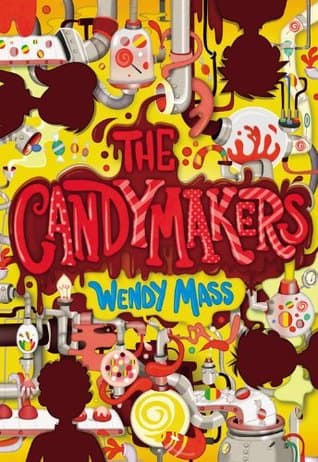
Synopsis
Covers the whole plot, including the ending.
- Difficulty
- Easy
- Pacing
- Moderate
- Mood
- Whimsical, Mysterious, Heartwarming, Sweet
- Read it if
- You love whimsical mysteries, stories told from multiple perspectives, and charming characters with unique talents. Perfect for young readers who enjoy a blend of fantasy and adventure.
- Skip it if
- You prefer gritty realism, fast-paced thrillers, or stories without a strong emphasis on friendship and discovery.
The Candymakers Plot Summary
Covers the whole plot, including the ending.
The Arrival at the Life Is Sweet Factory
Logan, Miles, Daisy, and Philip arrive at the Life Is Sweet candy factory, owned by Logan's father, Mr. Salt. They are the four finalists in a national candymaking competition, vying for the chance to have their winning confection produced and sold. Each child has a unique personality: Logan is quiet and sensitive, Miles is quirky and prone to allergies, Daisy is strong and cheerful, and Philip is mysterious and constantly takes notes. Mr. Salt introduces them to the factory and the rules of the competition, stressing secrecy and originality. The children are given their own workstations and begin to explore the world of candy around them, unaware that there's more to this competition than meets the eye.
First Impressions and Secret Observations
As the competition officially begins, the children start experimenting with various ingredients. Logan, having grown up in the factory, has an intuitive understanding of flavors and textures, even identifying chocolate colors by touch. Miles struggles with his allergies, particularly to the color pink, which causes him to break out in hives. Daisy, with her surprising strength, effortlessly handles large quantities of ingredients. Philip, however, stands out for his constant scribbling in a small notebook, meticulously recording details about the factory, the other contestants, and even the candymaking process itself. His secretive behavior makes the others, especially Logan, suspicious, leading them to believe he might be a spy or cheating.
Unraveling the Mystery of the Lost Candymaker
While working in the factory, the children stumble upon various hidden clues and whispers of a legendary 'Lost Candymaker' and a secret, perfect candy recipe that was never completed. Logan overhears his father and other factory workers discussing this mystery. Miles, with his keen observational skills, notices peculiar patterns and hidden symbols. Daisy, exploring the factory's less-used areas, finds old documents and forgotten tools. Philip's notes also seem to revolve around this mystery, though he keeps their contents private. The children realize that the competition might be a cover for something much larger and more significant, a quest to uncover the factory's deepest secret.
The Revelation of the True Purpose
The tension surrounding Philip's secrecy culminates when he finally reveals his true identity: he is not a typical competitor but a representative of the 'Royal Order of the Candymakers,' a secret society dedicated to preserving the art of candymaking. He explains that the competition is actually a test designed to identify children with exceptional candymaking talent and a special connection to the craft. The goal is to find the rightful heir to the legacy of the Lost Candymaker and complete the legendary 'Everlasting Gobstopper' (though not explicitly named as such, it functions as this kind of legendary, perfect candy) recipe, which holds the key to the factory's future and the Order's survival. This revelation shifts the children's focus from winning the competition to collaborating on a grander mission.
A Journey into the Factory's Hidden Depths
Guided by clues from Philip's research and their own discoveries, the four children venture into the hidden, forgotten parts of the Life Is Sweet factory. They navigate secret passages, solve riddles embedded in the factory's architecture, and decipher cryptic messages left by the Lost Candymaker. This adventure tests their individual strengths and forces them to work together. Logan's sensory expertise helps them identify hidden ingredients, Miles's attention to detail uncovers overlooked symbols, Daisy's strength moves obstacles, and Philip's knowledge of the Order's history provides context. Their journey leads them deeper into the factory's past, revealing the story of the enigmatic founder.
The Legacy of Penelope and the Heart of the Factory
The children finally uncover the truth about the Lost Candymaker: her name was Penelope, and she was Mr. Salt's sister and Logan's aunt, a brilliant candymaker who disappeared years ago after a tragic accident involving an experimental candy. They find her secret workshop, filled with unfinished recipes, experimental ingredients, and personal journals. They learn that Penelope had a unique philosophy about candy, believing it should bring joy and wonder, not just be a commercial product. The workshop itself is a marvel, designed with mechanisms and hidden compartments. The children realize that Penelope's 'lost' recipe wasn't just a candy but a symbol of her innovative spirit and the factory's true heart.
The True Heir and the Unfinished Recipe
Through a series of subtle clues and shared memories, it becomes clear that Logan is the true heir to Penelope's legacy. He has an innate understanding of candy, a sensory sensitivity, and a creative spirit that mirrors his aunt's. His connection to the factory and his family history makes him suited to complete Penelope's unfinished 'Everlasting Gobstopper' recipe. The children find the final, crucial component of the recipe, not a physical ingredient, but a philosophical one: the candy needs to be made with true joy and friendship. This understanding shifts their approach from individual competition to collective creation.
Collaboration and the Birth of a New Candy
With Logan leading, the four children combine their unique talents to complete Penelope's legendary candy recipe. Logan uses his refined palate and intuition, Miles contributes his scientific precision and allergy awareness, Daisy provides her strength and positive energy, and Philip offers his knowledge of candymaking history and techniques. They work together, not as competitors, but as a team, each contributing an essential piece to the puzzle. The process is challenging but filled with camaraderie and shared discovery. They realize that the journey of making the candy, together, is as important as the final product itself, embodying the spirit of Penelope's vision.
The Unveiling and a New Beginning
The children present their completed candy, a confection that embodies Penelope's vision of joy, wonder, and the magic of friendship. It's not just a delicious treat but a symbol of their collective journey and the factory's rich history. Mr. Salt and the members of the Royal Order of the Candymakers are moved by the children's creation and their understanding of the factory's true legacy. The competition's initial purpose is overshadowed by this discovery. The factory is revitalized, not just by a new candy, but by a renewed sense of purpose and the promise of a future guided by collaboration and passion. The children, now friends, have found their place within the world of candymaking.
A Future of Sweet Possibilities
The competition concludes with the children having forged an unbreakable bond and discovered their true calling. While there isn't a single 'winner' in the traditional sense, they all emerge victorious, having found friendship, purpose, and a deeper understanding of themselves and the world of candy. Logan embraces his role as the inheritor of Penelope's legacy. Miles finds a place where his unique sensitivities are valued. Daisy discovers a community that appreciates her spirit and strength. Philip, having fulfilled his mission for the Royal Order, finds new allies. The Life Is Sweet factory is poised for a new era, with these four young candymakers at its heart, ensuring that the magic of candy continues for generations to come.
Principal Figures
Logan
Protagonist
The Candymaker's son, with a natural talent for flavors and a connection to the factory's past.
Logan is Mr. Salt's son, quiet, sensitive, and initially somewhat insecure despite growing up in the Life Is Sweet factory. He possesses an extraordinary sensory ability, able to identify ingredients and even the color of chocolate by touch and smell alone. Logan feels the pressure of his father's legacy but often struggles to articulate his own ideas. His journey involves uncovering his family's hidden history, particularly his aunt Penelope's story, and realizing his own inherent talent and connection to the art of candymaking. He is kind-hearted and observant, often the first to notice subtle clues.
Relationships: Mr. Salt (Father-son, initially strained by unspoken expectations, later understanding); Penelope (Aunt (deceased), a profound influence and source of inspiration); Miles (Friend and collaborator, initially suspicious, later close); Daisy (Friend and collaborator, initially cautious, later close); Philip (Friend and collaborator, initially suspicious, later close)
Miles
Protagonist
The quirky, allergy-prone boy with an analytical mind and keen observation skills.
Miles is a highly intelligent and observant boy, characterized by his numerous allergies and phobias, including a strong aversion to the color pink and merry-go-rounds. He approaches candymaking with a scientific, almost clinical precision, meticulously measuring and analyzing. Despite his eccentricities, Miles is kind and loyal, though initially reserved. His allergies often present challenges, but he learns to adapt and even use them to his advantage, noticing details others miss. He is driven by a desire to understand and categorize the world around him, which proves invaluable in solving the factory's mysteries.
Relationships: Logan (Friend and collaborator, initially wary, later close); Daisy (Friend and collaborator, initially finds her overwhelming, later appreciates her energy); Philip (Friend and collaborator, respects his knowledge)
Daisy
Protagonist
The cheerful, super-strong girl with an optimistic outlook and a knack for finding joy.
Daisy is an incredibly cheerful and energetic girl, possessing surprising physical strength that allows her to lift heavy ingredients with ease. She is perpetually optimistic and brings a sense of fun and adventure to the group. Daisy is less concerned with the technicalities of candymaking and more focused on the joy it brings. Her outgoing personality often helps to break the ice between the more reserved Logan and Miles. She is driven by a desire for connection and happiness, and her positive attitude proves infectious and essential during their quest.
Relationships: Logan (Friend and collaborator, initially finds him quiet, later appreciates his depth); Miles (Friend and collaborator, initially finds him peculiar, later appreciates his intellect); Philip (Friend and collaborator, intrigued by his secrets)
Philip
Protagonist/Supporting
The mysterious, suit-wearing boy who is secretly a member of the Royal Order of the Candymakers.
Philip initially appears as a serious, suit-wearing boy who constantly scribbles in a notebook, making him seem suspicious and aloof. He is highly intelligent, knowledgeable about candymaking history, and possesses a refined demeanor. His initial secrecy stems from his true identity as a representative of the Royal Order of the Candymakers, a secret society dedicated to preserving candymaking traditions. Philip's role is to observe and guide the other children, revealing the true purpose of the competition. He is driven by a sense of duty and a deep respect for the art of candymaking.
Relationships: Logan (Friend and collaborator, initially observed, later allied); Miles (Friend and collaborator, initially observed, later allied); Daisy (Friend and collaborator, initially observed, later allied); Mr. Salt (Colleague within the broader candymaking world)
Mr. Salt
Supporting
Logan's father and the owner of the Life Is Sweet factory, carrying a secret burden.
Mr. Salt is the owner of the magnificent Life Is Sweet candy factory and Logan's father. He is a respected candymaker but carries a hidden burden related to his sister, Penelope's, disappearance and the factory's past. He initially presents the competition as a straightforward contest, but his true motivations are more complex, tied to preserving Penelope's legacy and finding a worthy successor. He is a kind man, but his grief and the weight of his responsibilities sometimes make him seem distant. He is deeply proud of his factory and the art of candymaking.
Relationships: Logan (Father-son, initially distant due to secrets, later closer); Penelope (Sister (deceased), source of grief and inspiration); Philip (Acquaintance/colleague, aware of the Royal Order's role)
Penelope
Mentioned/Supporting
The legendary 'Lost Candymaker', Mr. Salt's sister and Logan's aunt, whose legacy drives the plot.
Penelope is the enigmatic 'Lost Candymaker,' Mr. Salt's sister, and Logan's aunt. Though she is deceased, her spirit and legacy permeate the Life Is Sweet factory. She was a brilliant and innovative candymaker who disappeared years ago after an accident involving an experimental candy. Her secret workshop and unfinished recipes become the central mystery of the story. Penelope believed that candy should bring joy and wonder, and her philosophical approach to candymaking is what the children ultimately discover and embrace. She represents the true, magical heart of the factory.
Relationships: Mr. Salt (Brother, deeply mourned and remembered); Logan (Nephew, shares a deep, innate connection and inherits her legacy)
Mrs. Higgins
Supporting
The factory's kind and observant housekeeper who looks after the children.
Mrs. Higgins is the kind and motherly housekeeper at the Life Is Sweet factory. She looks after the children, ensuring they are comfortable and well-fed. She is observant and often provides subtle guidance or comfort without directly interfering in the competition. She represents a comforting, nurturing presence amidst the factory's mysteries and the children's competitive pressures. Her warmth helps the children feel at home and provides a sense of stability.
Relationships: Logan (Familiar, almost like a second mother); Miles (Caretaker, attentive to his allergies); Daisy (Caretaker, appreciative of her cheerfulness); Philip (Caretaker, respectful of his demeanor)
The Royal Order of the Candymakers
Mentioned/Plot Device
A secret society dedicated to preserving the art and magic of candymaking.
The Royal Order of the Candymakers is a clandestine organization responsible for overseeing the true purpose of the competition. Philip is a young representative of this order. Their goal is to identify and nurture true candymaking talent, protect ancient recipes, and ensure the magical essence of candy endures. They operate in secrecy, guiding events from behind the scenes, and their ultimate aim is to find someone worthy of completing Penelope's legendary candy and inheriting the factory's true legacy. They represent the deeper, more mystical side of the candymaking world.
Relationships: Philip (Member and agent); Mr. Salt (Known by him and works with him on a deeper level)
Themes & Insights
Identity and Self-Discovery
Each child goes on a journey of self-discovery, moving beyond their initial perceptions and societal roles. Logan learns to embrace his unique sensory talents and his family's legacy, realizing his calling as a candymaker. Miles finds that his eccentricities and keen observations are valuable assets. Daisy discovers that her strength is not just physical but also emotional, creating connection. Philip sheds his secretive facade to reveal his true purpose and finds genuine friendship. Their individual quests intertwine with the larger mystery, helping them understand who they are and where they belong.
“You don't just make candy, Logan. You *are* a candymaker. You always have been.”
Collaboration vs. Competition
Initially framed as a competition, the story shifts its focus to the power of collaboration. The children learn that their individual strengths are amplified when they work together. Logan's intuition, Miles's precision, Daisy's strength and optimism, and Philip's knowledge are all essential to solving the factory's mysteries and completing Penelope's recipe. The 'winning' candy is not the product of a single genius but the result of their combined efforts and the friendships they forge, showing that shared success is more fulfilling than individual victory.
“Sometimes, the best candy isn't made by one person, but by many, each bringing their own sweetness to the mix.”
The Magic of Creation and Imagination
The book celebrates the joy and wonder of creating something new, especially candy. The Life Is Sweet factory itself is a magical place, full of imaginative possibilities. Penelope's legacy shows that candy is more than just a treat; it's a vehicle for imagination, memory, and happiness. The children's journey is fueled by their own creativity and curiosity, transforming ordinary ingredients into extraordinary confections. The story emphasizes that true magic lies in the act of creation and the ability to inspire wonder in others.
“Candy isn't just sugar and flavorings. It's dreams, memories, and a little bit of magic, all rolled into one.”
Family and Legacy
The theme of family and legacy is central, especially through Logan's relationship with his father, Mr. Salt, and his deceased aunt, Penelope. Logan initially feels the weight of his family's candymaking legacy but ultimately discovers a deeper, more personal connection to it through Penelope's story. The factory itself shows generations of candymaking. The children's quest to complete Penelope's recipe is not just about a candy, but about honoring a forgotten family member and ensuring her innovative spirit continues, shaping the future of the Life Is Sweet family business.
“A legacy isn't just something you inherit; it's something you live, something you create, every single day.”
Secrets and Unveiling Truths
The narrative is driven by layers of secrets: Philip's true identity, the mystery of the Lost Candymaker, Penelope's disappearance, and the purpose of the competition. As the children explore the factory, they uncover hidden passages, cryptic clues, and untold stories. The gradual unveiling of these truths moves the plot forward and deepens the characters' understanding of the world around them and their own roles within it. The journey of discovery is as significant as the truths themselves, showing that appearances can be deceiving.
“The sweetest secrets are often hidden in plain sight, waiting for the right eyes to see them.”
Plot Devices & Literary Techniques
Multiple Perspectives
The story is told from the alternating viewpoints of the four main child characters.
The novel employs a rotating first-person narrative, with each chapter shifting to the perspective of Logan, Miles, Daisy, or Philip. This device allows the reader to gain deep insight into each character's unique thoughts, feelings, and interpretations of events. It builds suspense around Philip's secrecy and gradually reveals the complex motivations and backstories of all four children, enriching the overall understanding of the plot and the underlying mystery. This technique also highlights how different personalities perceive and react to the same situations.
The Life Is Sweet Factory
The setting itself functions as a character and a repository of secrets.
The Life Is Sweet factory is more than just a backdrop; it's a vibrant, magical, and mysterious entity. Its sprawling layout, secret passages, forgotten workshops, and intricate machinery are integral to the plot. The factory holds the key to Penelope's past and the legendary candy recipe. Its hidden corners and historical elements serve as clues, guiding the children's quest. The factory's atmosphere, with its wondrous smells and sights, also reflects the magic and wonder of candymaking itself, making it a character in its own right.
The Lost Candymaker / Penelope's Legacy
A central mystery and driving force for the plot.
The legend of the 'Lost Candymaker' (Penelope) and her unfinished, perfect candy recipe acts as the primary MacGuffin and central mystery of the story. Her disappearance and the quest to complete her work drive the narrative, providing the children with a common goal beyond the initial competition. Penelope's journals, workshop, and philosophical approach to candy serve as guiding lights, revealing the true meaning of candymaking and the factory's purpose. Her legacy shapes the character arcs of Logan and the others, transforming them from competitors into collaborators.
Sensory Details and Synesthesia
Extensive use of taste, smell, and touch to immerse the reader and define characters.
Wendy Mass heavily utilizes vivid sensory descriptions, particularly those related to taste, smell, and touch, to bring the world of candymaking to life. Logan's ability to 'see' the color of chocolate by touch or taste is a form of synesthesia and a key character trait. These details immerse the reader in the factory's atmosphere and the process of creating candy. The rich descriptions of various confections, ingredients, and the factory's unique aromas not only create a delicious backdrop but also emphasize the magical and artistic nature of the craft.
The Candymakers Quotes
“When you open a candy, you don't just eat it. You experience it.”
“The secret ingredient is always imagination.”
“Sometimes the best way to find something is to stop looking for it.”
“Every candy has a story, and every story has a flavor.”
“It's not about winning; it's about the magic you make along the way.”
“You can't rush perfection, especially when it comes to chocolate.”
“The world is full of wonders, if you only know where to look, or taste.”
“Sometimes the smallest details hold the biggest secrets.”
“A true candymaker doesn't just follow recipes; they invent them.”
“Fear is just a flavor you haven't learned to appreciate yet.”
“The best kind of magic is the one you create yourself.”
“Friendship is like a good lollipop; it lasts a long time if you don't bite too hard.”
“There's a fine line between a mistake and a happy accident.”
“The greatest treasures aren't always gold; sometimes they're just really good ideas.”
Quiz
10 questions on the plot and the characters. Each answer comes with a short explanation.
Question 1
Which of the four main contestants is allergic to merry-go-rounds and the color pink?
- Logan
- Miles
- Daisy
- Philip
Show answer
B. Miles Miles is introduced as the boy with unusual allergies, including merry-go-rounds and the color pink, making him distinct among the contestants.
Question 2
What special ability does Logan, the Candymaker's son, possess related to chocolate?
- He can taste the exact ingredients of any chocolate.
- He can detect the color of chocolate by touch alone.
- He can make chocolate appear out of thin air.
- He can predict the sales of any new chocolate bar.
Show answer
B. He can detect the color of chocolate by touch alone. The book description specifically highlights Logan's unique talent: his ability to determine the color of chocolate solely through touch, a skill passed down from his candymaker lineage.
Question 3
What is Daisy's remarkable physical ability mentioned in the book's description?
- She can run faster than anyone in the factory.
- She has an incredibly sensitive sense of smell for ingredients.
- She can lift a fifty-pound lump of taffy like it's a feather.
- She can perfectly temper chocolate by hand.
Show answer
C. She can lift a fifty-pound lump of taffy like it's a feather. Daisy is characterized by her cheerful demeanor and surprising strength, specifically noted for her ability to effortlessly lift a heavy lump of taffy.
Question 4
From whose perspective is the story primarily told?
- Solely Logan's perspective.
- An omniscient narrator.
- From each contestant's perspective.
- Primarily Philip's perspective with occasional insights from others.
Show answer
C. From each contestant's perspective. The book description states that the story is 'told from each contestant's perspective,' indicating a multi-perspective narrative style.
Question 5
What is Philip often seen doing, which hints at his mysterious nature?
- Constantly sketching candy designs.
- Always scribbling in a secret notebook.
- Experimenting with unusual flavor combinations.
- Wearing a chef's hat and apron.
Show answer
B. Always scribbling in a secret notebook. Philip is portrayed as the more formal, mysterious contestant, often seen in a suit and tie and characterized by his habit of scribbling in a secret notebook.
Question 6
What type of competition are the four children participating in?
- A baking competition for cakes and pastries.
- A national competition to find the tastiest confection.
- A contest to design the most elaborate candy packaging.
- A factory tour where they learn about candy making.
Show answer
B. A national competition to find the tastiest confection. The central premise of the book is a 'national competition to find the tastiest confection in the country,' driving the plot forward.
Question 7
Which of these is NOT mentioned as a characteristic of the story in the description?
- Mystery
- Friendship
- Romance
- Juicy revelations
Show answer
C. Romance The description highlights 'mystery, friendship, and juicy revelations' as key elements of the story, but does not mention romance.
Question 8
What is the primary genre classification of 'The Candymakers'?
- Historical Fiction
- Science Fiction
- Fantasy, Children's, Mystery, Young Adult
- Thriller
Show answer
C. Fantasy, Children's, Mystery, Young Adult The provided book information lists 'Fantasy, Children's, Mystery, Young Adult' as the genres for 'The Candymakers'.
Question 9
The book mentions two existing candies, 'Oozing Crunchorama' and 'Neon Lightning Chew.' What is their purpose in the context of the competition?
- They are the grand prizes for the winners.
- They are examples of the type of delicious confections the contestants aim to surpass.
- They are secret ingredients the children must identify.
- They are forbidden candies in the factory.
Show answer
B. They are examples of the type of delicious confections the contestants aim to surpass. The question 'Who will invent a candy more delicious than the Oozing Crunchorama or the Neon Lightning Chew?' implies these are benchmark candies that the contestants are challenged to exceed in deliciousness.
Question 10
What does the phrase 'juicy revelations' imply about the plot of 'The Candymakers'?
- The candies themselves contain fruit juice.
- There will be important and exciting discoveries or disclosures within the story.
- The characters will reveal their favorite fruit flavors.
- The story will involve a secret recipe for a fruit-flavored candy.
Show answer
B. There will be important and exciting discoveries or disclosures within the story. In literary context, 'juicy revelations' refers to exciting, intriguing, or significant disclosures of information, secrets, or truths that unfold during the narrative, adding depth and intrigue to the plot.
The Candymakers FAQ
What is "The Candymakers" about?
"The Candymakers" by Wendy Mass is about four unique children – Logan, Miles, Daisy, and Philip – who are selected to compete in a national candy-making contest at the legendary Life is Sweet factory. Each child harbors a secret, and as they invent their confections, they also uncover mysteries about the factory, the competition, and their own intertwined pasts, all while striving to create the most delicious candy.
Why should I read "The Candymakers"?
You should read "The Candymakers" for its delightful blend of mystery, friendship, and imaginative candy-making. The story is told from the alternating perspectives of the four protagonists, offering deep insight into their individual quirks, hidden motivations, and the surprising connections between them. It's a charming adventure filled with clever puzzles and heartwarming revelations that will appeal to readers of all ages.
What is the background/setting of "The Candymakers"?
The story is primarily set within the fantastical and secretive Life is Sweet candy factory, a place full of whirring machines, secret passages, and an endless supply of exotic ingredients. This iconic factory, owned by Logan's father, serves as the backdrop for the national candy-making competition, where each contestant has access to incredible resources and guarded secrets.
What are the most memorable quotes?
While the book doesn't feature many standalone 'famous' quotes, its charm lies in its descriptive language and character insights. Memorable lines often highlight the children's unique perspectives, such as Philip's precise, almost scientific observations about candy, or Daisy's cheerful, strength-filled pronouncements about her creations. The book's narrative style itself is a memorable 'voice' for each character.
What writing style does the author use?
Wendy Mass employs an engaging and multi-perspective writing style, with each chapter narrated by one of the four main characters: Logan, Miles, Daisy, or Philip. This technique allows readers to delve deeply into each child's thoughts, feelings, and secret backstory, creating a rich tapestry of interwoven narratives that gradually reveal the full scope of the mystery and their connections.
What minor details add significant meaning?
Miles's numerous allergies, particularly to seemingly innocuous things like merry-go-rounds and the color pink, initially seem like quirky character traits but later hint at his protected and unusual upbringing, which is tied to his true identity. Also, the repeated mention of the factory's hidden rooms and secret passages, often dismissed as mere lore, becomes crucial when the children start uncovering the factory's deeper mysteries and their own shared history.
What are some subtle foreshadowing moments?
Subtle foreshadowing includes Philip's constant scribbling in a secret notebook, which hints at his investigative nature and his true purpose at the factory. Another is Logan's innate ability to 'feel' the color of chocolate, which suggests a deeper, almost genetic connection to candymaking and the factory's legacy that goes beyond simply being the owner's son.
What unexpected character connections exist?
The most significant unexpected connection is revealed towards the end: all four children – Logan, Miles, Daisy, and Philip – were born on the same day, in the same hospital, and are linked to a secret experiment involving a 'super-candy' and the factory's past. This shared origin explains why they were all chosen for the competition and why their lives are so uniquely intertwined.
What are unspoken character motivations?
Philip's unspoken motivation is to investigate the factory and the competition, driven by a deep-seated suspicion and a desire to uncover the truth about his own past, which he believes is connected to the factory. Daisy, despite her cheerful demeanor, is motivated by a yearning for belonging and a desire to prove herself, stemming from a somewhat transient and unusual childhood.
What psychological complexities do characters exhibit?
Logan grapples with the pressure of living up to his father's legacy and the fear of failure, leading to self-doubt despite his talent. Miles exhibits significant anxiety and a need for control due to his allergies and sheltered upbringing, which masks a deep curiosity and desire for connection. Philip's analytical and somewhat detached nature hides a profound emotional need to understand his origins.
What are the major emotional turning points?
A major emotional turning point occurs when the children begin to share their secrets and vulnerabilities with each other, moving from competitors to genuine friends. Another is the moment they collectively realize their shared birthdate and the deeper mystery connecting them, shifting their focus from winning the competition to uncovering the truth about their pasts.
How do relationship dynamics evolve?
Initially, the children are wary competitors, sizing each other up. As they spend more time together, sharing meals, working on their candies, and facing challenges, their relationship evolves into a strong friendship built on mutual respect and support. By the end, they are a united team, bound by a shared secret and a deep understanding of each other's unique strengths and quirks, becoming almost like a chosen family.
Which parts remain ambiguous or open-ended?
While the main mystery of the children's origins is resolved, the long-term implications of the 'super-candy' experiment and the full extent of its impact on the children's abilities or health are left somewhat open-ended. The future of the Life is Sweet factory under the new revelations, and how the children will integrate their unique connections into their everyday lives, also remain open for reader interpretation.
What are controversial scenes or decisions?
A potentially controversial element, though presented with a light touch in a children's book, is the ethical ambiguity surrounding the 'super-candy' experiment conducted by the original candymakers. The decision to involve newborn babies, even with seemingly benign intentions, raises questions about consent and the manipulation of human biology, though these themes are handled in a way appropriate for the target audience.
The Candymakers ending explained: how it ends & what it means
The book ends with the four children not only creating incredible candies for the competition but also discovering their profound connection: they were all born on the same day, in the same hospital, as part of a secret experiment involving a special 'super-candy.' They realize they were unknowingly chosen for the competition because of this shared past. The ending signifies that their bond of friendship and the truth of their origins are far more valuable than winning any contest, leaving them with a deeper understanding of themselves and their unique place in the world, ready to face the future together.
About the author

Wendy Mass is an American author known for her works of children's and young adult fiction. Some of her notable books include "11 Birthdays," "The Candymakers," "Every Soul a Star," "Jeremy Fink and the Meaning of Life," "Finally," and "13 Gifts." Her stories often explore themes of friendship, self-discovery, and the magic of everyday life.
Similar books
- Charlie and the Chocolate Factory
Roald Dahl
4.1 (665k) average on GoodreadsFantasyFeatures a magical candy factory, a competition, and a group of children with distinct personalities.
- The Mysterious Benedict Society
Trenton Lee Stewart
4.2 (123k) average on GoodreadsFantasyFollows a group of gifted children solving a mystery with their unique abilities.
- Serafina and the Black Cloak
Robert Beatty
3.9 (29k) average on GoodreadsFantasyA children's mystery set in an atmospheric, historical location with a unique protagonist.
- Harry Potter and the Sorcerer's Stone
J.K. Rowling
4.5 (7M) average on GoodreadsFantasyRescued from a miserable life under the stairs, an orphaned boy discovers he's a wizard destined for a magical school, where he uncovers a dangerous secret tied to the dark wizard who murdered his parents.
- The Hunger Games
Suzanne Collins
4.3 (6.4M) average on GoodreadsFantasyIn a future where children fight to the death on live television, Katniss Everdeen volunteers for the arena, turning a death sentence into a fight for survival and a spark of rebellion.
- 1984
George Orwell
4.2 (3.1M) average on GoodreadsPoliticsIn a future where surveillance and thought control are absolute, a man's search for truth clashes with the Party, showing that hope can be a form of rebellion.





Enjoyed the summary?
A summary gives you the shape of the book. The book itself has the detail, the examples and the voice.
Find The Candymakers on AmazonAs an Amazon Associate, BookBrief earns from qualifying purchases. How we're funded