

Synopsis
Covers the whole plot, including the ending.
- Difficulty
- Easy
- Pacing
- Moderate
- Mood
- Observational, Reflective, Charming, Bittersweet
- Read it if
- You enjoy coming-of-age stories with a distinctive, observant young narrator and small-town dynamics.
- Skip it if
- You prefer fast-paced plots with high-stakes action or straightforward narratives without much subtext.
The Center of Everything Plot Summary
Covers the whole plot, including the ending.
Kerrville and the Bucknows
Evelyn Bucknow, a perceptive young girl, introduces the reader to her life in Kerrville, Kansas, a seemingly unremarkable town she nonetheless sees as the 'center of everything.' She lives with her free-spirited single mother, Tina, in a small apartment above a dance studio. Tina works various odd jobs, like waitressing and cleaning, and struggles financially, often relying on others' generosity. Evelyn often thinks about her mother's past relationships and her absent father, a topic Tina avoids. Evelyn's narrative voice immediately shows her as a sharp, analytical, and somewhat anxious observer of the world around her, especially the adult dramas in her community.
The Arrival of Mr. Henderson
A new tenant, Mr. Henderson, moves into the apartment across the hall from Evelyn and Tina. He is a quiet, reserved man who works as a substitute teacher at Evelyn's school. Evelyn is immediately curious about him, finding him both mysterious and unsettling. She observes his routines, his car, and his sparse apartment, developing elaborate theories about his past and intentions. Tina, ever the romantic, is also drawn to Mr. Henderson's quiet charm, and a tentative friendship begins between them, much to Evelyn's wary observation. Evelyn's imagination runs wild, fueled by her desire to understand adult relationships and the secrets she believes everyone keeps.
School, Friendship, and First Crushes
At school, Evelyn deals with typical adolescent challenges. Her best friend, Amy, is more conventional and often contrasts with Evelyn's introspective nature. Evelyn develops a crush on a boy named Michael, experiencing the awkwardness and excitement of first love. These school experiences are filtered through Evelyn's unique view, showing her struggle to fit in while keeping her individuality. She observes social hierarchies, unspoken rules, and the often-cruel dynamics of her peers. Her academic life is also a source of both pride and anxiety, as she strives for good grades while feeling the pressure of her unconventional home life.
Tina's Relationships and Evelyn's Concerns
Tina's relationship with Mr. Henderson deepens, becoming more serious than her previous fleeting romances. Evelyn, while initially wary, begins to see Mr. Henderson as a potential source of stability for her mother, something she desperately wants. However, her anxieties resurface as she notices inconsistencies in Mr. Henderson's stories and a certain guardedness about him. Tina, meanwhile, seems to overlook these details, caught up in the romance. Evelyn's observations lead her to believe that Mr. Henderson might be hiding something significant, and she feels a growing responsibility to protect her mother, even if it means uncovering uncomfortable truths.
Uncovering Secrets
Driven by her growing suspicions, Evelyn begins her own investigation into Mr. Henderson. She looks through his mail, searches for his name in old yearbooks, and questions people who might know him. Her efforts lead her to discover that Mr. Henderson has a different last name listed on some documents and that his past is not as straightforward as he claims. These discoveries fuel Evelyn's fear and confirm her belief that Mr. Henderson is not who he appears to be. She struggles with how to confront her mother, knowing that revealing her findings could shatter Tina's newfound happiness and potentially put them both in an even more precarious position.
The Confrontation and its Aftermath
Evelyn, unable to keep her discoveries to herself, finally confronts Tina with the information she has gathered about Mr. Henderson's true identity and hidden past. The confrontation is difficult and emotional, with Tina initially defensive and dismissive of Evelyn's concerns. However, the weight of Evelyn's evidence and her persistent worries eventually force Tina to acknowledge the truth. The revelation creates a rift between mother and daughter, as Tina feels betrayed by Evelyn's snooping and Evelyn feels frustrated by her mother's naivety. The immediate aftermath is tense, with both women grappling with the implications of Mr. Henderson's deception and the precariousness of their lives.
Mr. Henderson's Departure
Following the confrontation, Mr. Henderson, exposed and unable to maintain his facade, quietly leaves Kerrville. His departure leaves Tina devastated and heartbroken, plunging her into a period of deep sadness and withdrawal. Evelyn feels a complex mix of relief that the threat is gone, but also a profound sadness for her mother's pain. She deals with the unintended consequences of her actions, realizing that while she protected Tina from a potential deception, she also caused her immense emotional suffering. This event further solidifies Evelyn's understanding of the complexities of love, trust, and the often-unpredictable nature of adult relationships.
The Search for Answers
In the wake of the Mr. Henderson incident, Evelyn's long-standing curiosity about her own absent father intensifies. She presses Tina for more details, trying to piece together her origins and understand why her father is not in her life. Tina, still reeling from her heartbreak, is initially reluctant to discuss the past, but Evelyn's persistence eventually leads to fragmented revelations. Evelyn begins to understand how Tina's past experiences with men have shaped her present choices and vulnerabilities, creating a deeper, albeit sometimes painful, connection between mother and daughter. The search for her father becomes a quest for self-identity and understanding.
Growing Pains and New Perspectives
As Evelyn continues to mature, she re-evaluates her relationships with Amy, Michael, and the other people in Kerrville. She experiences the bittersweet nature of changing friendships and the fleetingness of first loves. Her unique perspective on Kerrville, initially shaped by her childhood imagination, begins to shift as she gains a more nuanced understanding of the adult world. She sees the struggles and quiet triumphs of her neighbors and her mother with greater empathy and less judgment. Evelyn's narrative voice evolves, becoming more reflective and self-aware, showing her growth from a curious child to a more understanding young woman.
Embracing the Center
By the end of the novel, Evelyn has come to a deeper understanding of what it means for Kerrville to be the 'center of everything.' It is not about geographical importance, but about the human experiences that unfold within its seemingly ordinary confines. She accepts her mother's imperfections and her own unique family situation, finding strength and love in their unconventional bond. Evelyn realizes that despite the challenges and heartbreaks, her life in Kerrville, with its cast of quirky and complex characters, has shaped her. She embraces her identity and her place in the world, recognizing the beauty and significance in the everyday.
Principal Figures
Evelyn Bucknow
Protagonist
An observant, intelligent, and anxious young girl navigating adolescence and her unconventional family.
Evelyn is the perceptive, often anxious, and highly intelligent narrator of the story. She possesses a unique ability to observe and analyze the world around her, particularly the complex adult relationships and unspoken truths of Kerrville. She is fiercely protective of her mother, Tina, and longs for stability and a deeper understanding of her own origins. Despite her youth, Evelyn exhibits a wisdom beyond her years, constantly questioning, theorizing, and trying to make sense of the world's ambiguities. Her internal monologues are rich with insight and humor, making her an endearing and relatable character.
Relationships: Tina Bucknow (Daughter, protector, sometimes critical observer); Amy (Best friend, confidante, foil); Mr. Henderson (Object of suspicion and investigation, temporary romantic interest for Tina); Michael (First crush)
Tina Bucknow
Supporting
Evelyn's free-spirited, romantic, and financially struggling single mother.
Tina is Evelyn's mother, a woman who is as charming and optimistic as she is sometimes naive and irresponsible. She works various odd jobs, struggles to make ends meet, and often falls for men who are not entirely suitable. Despite her financial instability and a tendency to avoid difficult truths, Tina possesses a deep love for Evelyn and a vibrant, hopeful spirit. She embodies the challenges and resilience of a single mother trying to make a life for herself and her daughter in a small town. Her romantic nature often leads her into complicated situations, providing much of the drama Evelyn observes.
Relationships: Evelyn Bucknow (Mother, reliant on her daughter's perceptiveness); Mr. Henderson (Romantic interest, source of heartbreak)
Mr. Henderson
Supporting/Antagonist
A mysterious new neighbor and substitute teacher who becomes Tina's romantic interest.
Mr. Henderson is initially presented as a quiet, reserved, and somewhat mysterious man who moves into the apartment complex. He works as a substitute teacher at Evelyn's school and quickly captures Tina's romantic interest. Evelyn's observations, however, reveal him to be guarded and inconsistent, ultimately uncovering a hidden past and a different identity. He serves as a catalyst for Evelyn's investigation and her deeper understanding of deception and trust in adult relationships. His character embodies the idea that people are not always who they seem, and his presence drives a significant portion of the plot.
Relationships: Tina Bucknow (Romantic partner); Evelyn Bucknow (Object of suspicion and investigation)
Amy
Supporting
Evelyn's best friend, a more conventional and pragmatic girl.
Amy is Evelyn's best friend and a grounding presence in Evelyn's often-unconventional life. She is more pragmatic and less prone to Evelyn's deep philosophical musings or anxieties. Amy represents a more typical adolescent experience, offering Evelyn a mirror to her own uniqueness and a confidante for her daily struggles. Their friendship, while strong, also highlights the differences in their backgrounds and perspectives, providing a contrast that enriches Evelyn's characterization. Amy's presence allows Evelyn to explore themes of loyalty, peer pressure, and the evolving nature of childhood friendships.
Relationships: Evelyn Bucknow (Best friend)
Michael
Supporting
Evelyn's first crush, representing the innocent awkwardness of young love.
Michael is a boy at Evelyn's school who becomes her first significant crush. He represents the innocent, often awkward, and exciting experience of young love and attraction. His interactions with Evelyn are brief but impactful, contributing to Evelyn's exploration of her own emotions and her understanding of social dynamics. Michael is not a deeply developed character but serves as an important benchmark in Evelyn's journey through adolescence, adding another layer to her coming-of-age experiences and her observations about human connection.
Relationships: Evelyn Bucknow (First crush)
Brenda
Supporting
Tina's friend and co-worker, a pragmatic and supportive presence.
Brenda is one of Tina's friends and co-workers, often seen interacting with Tina at the diner. She is a more grounded and practical character compared to Tina, often offering advice or a dose of reality. Brenda represents the network of supportive, working-class women in Kerrville who look out for each other. Her presence highlights Tina's social world and provides Evelyn with another adult perspective on life and relationships, even if sometimes through overheard conversations. She is a reliable, if minor, fixture in the community.
Relationships: Tina Bucknow (Friend and co-worker)
Mrs. Nelson
Supporting
The owner of the dance studio below Evelyn's apartment, a kind and understanding figure.
Mrs. Nelson is the owner of the dance studio located beneath Evelyn and Tina's apartment. She is a kind, patient, and understanding woman who often acts as a benevolent landlord and a quiet observer of the Bucknows' lives. Her presence provides a sense of stability and community for Evelyn, as she is a consistent and non-judgmental adult figure. Mrs. Nelson's character embodies the quiet strength and decency found in the small-town community of Kerrville, offering a contrast to some of the more chaotic elements of Evelyn's life.
Relationships: Evelyn Bucknow (Landlord, kind adult figure); Tina Bucknow (Tenant, often lenient with rent)
Themes & Insights
The Nature of Truth and Deception
This theme explores how truth is perceived, sought, and often hidden, especially in adult relationships. Evelyn's quest to uncover Mr. Henderson's true identity is central to this. She observes how adults, including her mother, often choose to believe comforting lies or avoid uncomfortable truths. The novel highlights the tension between the desire for honesty and the human tendency towards self-deception or the protection of others. Evelyn's journey forces her to confront the painful consequences of revealing truth and the complexities of distinguishing reality from illusion, especially when it comes to love and trust, as seen after Mr. Henderson's exposure.
“I thought about how grown-ups sometimes tried to make things seem like they weren’t, and how you had to try and figure out what was really going on, even if it was something sad.”
Coming-of-Age and Loss of Innocence
The novel is a coming-of-age story, tracing Evelyn's transition from childhood innocence to a more nuanced understanding of the adult world. She loses her innocence not through a single traumatic event, but through a gradual accumulation of observations about her mother's struggles, the complexities of love, and the imperfections of the adults around her. Her first crush, the unraveling of Mr. Henderson's deception, and her increasing awareness of her mother's vulnerabilities all contribute to her evolving perspective. Evelyn learns that life is messy, love is imperfect, and happiness often comes with a cost, preparing her for the challenges of adolescence and beyond.
“Sometimes I thought growing up was just a long process of learning how to pretend you knew what you were doing.”
The Meaning of 'Home' and Belonging
Kerrville, despite being a small, unremarkable town, is presented by Evelyn as 'the center of everything,' embodying the theme of finding meaning and belonging in one's immediate surroundings. The narrative explores how a sense of home is created not just by a physical place, but by the relationships, shared experiences, and unique characters that inhabit it. Evelyn's feelings about her home are tied to her mother, her friends, and the quirky community. Even as she yearns for stability, she ultimately finds a profound sense of belonging in her unconventional life, realizing that the 'center' is wherever one finds love, connection, and self-acceptance, regardless of its perceived importance to the outside world.
“Maybe the center of everything wasn’t a place on a map, but a feeling you had when you were exactly where you were supposed to be.”
Mother-Daughter Relationships
The complex and evolving relationship between Evelyn and Tina is at the heart of the novel. It explores themes of fierce loyalty, unspoken understanding, and the challenges of parental responsibility and filial devotion. Evelyn often acts as a caretaker and protector for her more impulsive mother, creating an inverted dynamic. Their bond is tested by Tina's romantic entanglements and Evelyn's investigative nature, leading to moments of conflict and misunderstanding. Ultimately, their relationship deepens, built on a foundation of unconditional love, mutual reliance, and a growing acceptance of each other's flaws, showing the enduring strength of familial ties despite adversity.
“I knew my mom loved me more than anything. It was just that sometimes, she loved other things too, and it was hard to tell which was more.”
Plot Devices & Literary Techniques
First-Person Child Narrator
Evelyn's unique perspective shapes the entire narrative, offering insightful and often humorous observations.
The story is told entirely through the eyes of Evelyn Bucknow, a young girl. This device allows for a fresh, innocent, yet surprisingly astute perspective on adult issues. Evelyn's observations are unvarnished and her interpretations, while sometimes naive, often cut to the core of human behavior. Her internal monologues are rich with detailed descriptions and philosophical musings, making the mundane extraordinary and the complex accessible. This narrative voice creates intimacy with the reader and allows for a gradual revelation of plot details as Evelyn herself processes them, enhancing the coming-of-age aspect of the story.
Symbolism of 'The Center of Everything'
The title phrase evolves from a literal geographical idea to a metaphor for personal significance and belonging.
The phrase 'The Center of Everything' initially refers to Evelyn's small town, Kerrville, Kansas, which she perceives with a child's magnified sense of importance. As the narrative progresses, this concept transforms into a metaphor for personal significance, emotional grounding, and the realization that one's own experiences and relationships, no matter how seemingly small, hold immense meaning. It symbolizes Evelyn's journey to find her place in the world and to understand that the 'center' is not a physical location but a state of mind and belonging, reinforcing the theme of home and self-discovery.
Dramatic Irony
The reader often understands more about adult situations than Evelyn initially does, creating tension and empathy.
Dramatic irony is frequently employed, particularly in Evelyn's observations of her mother's relationships and the suspicious behavior of Mr. Henderson. The reader, with an adult's understanding, often picks up on subtle clues or implications that Evelyn, due to her youth and limited experience, either misinterprets or doesn't fully grasp until later. This device generates suspense and allows the reader to anticipate events, creating a sense of foreboding and empathy for Evelyn's eventual disillusionment. It highlights the gap between child and adult understanding and underscores Evelyn's journey of discovery.
Foreshadowing
Subtle hints and Evelyn's anxieties prepare the reader for future revelations and conflicts.
Throughout the novel, subtle hints and Evelyn's own anxious premonitions foreshadow significant plot developments, particularly concerning Mr. Henderson's true identity. Evelyn's detailed observations of his apartment, his car, and inconsistencies in his stories, along with her general feeling of unease, all serve to build anticipation for the eventual revelation. This device creates tension and engagement, prompting the reader to piece together clues alongside Evelyn and reinforcing the idea that her instincts, despite her youth, are often correct. It underscores the theme of truth and deception.
The Center of Everything Quotes
“The thing about endings is that they’re not always neat. Sometimes they’re messy and painful, and sometimes they just… fade.”
“It’s funny how you can live your whole life in a place and still not really know it, not know all the secrets it keeps.”
“Sometimes the bravest thing you can do is admit you’re scared.”
“We all have these stories we tell ourselves, about who we are and where we come from. And sometimes, those stories are lies.”
“The hardest part about growing up isn't just about figuring out who you are, it's about figuring out who everyone else is too.”
“Hope is a tricky thing. It can keep you going, or it can break your heart.”
“You can’t change the past, but you can choose what you do with it.”
“There’s a difference between knowing something and understanding it.”
“Sometimes the people who are supposed to protect you are the ones who hurt you the most.”
“Grief is like a wave. It comes and goes, and sometimes it knocks you down when you least expect it.”
“The truth isn't always pretty, but it's always important.”
“Even when everything feels like it's falling apart, there's still a center, a place you can hold onto.”
“Maybe love isn't about finding the perfect person, but about seeing an imperfect person perfectly.”
“The world keeps turning, even when your own world feels like it's stopped.”
Quiz
10 questions on the plot and the characters. Each answer comes with a short explanation.
Question 1
What is the name of the main protagonist and narrator of 'The Center of Everything'?
- Sarah Jenkins
- Evelyn Bucknow
- Laura Moriarty
- Karen Miller
Show answer
B. Evelyn Bucknow The book is told from the perspective of Evelyn Bucknow, an endearing young girl navigating adolescence.
Question 2
In which state and town is 'The Center of Everything' primarily set?
- Texas, Austin
- Kansas, Kerrville
- Missouri, Springfield
- Oklahoma, Tulsa
Show answer
B. Kansas, Kerrville The story takes place in the small town of Kerrville, Kansas, which is described as being 'in the middle of nowhere but also at the center of everything'.
Question 3
What is Evelyn's living situation at the beginning of the book?
- She lives with her grandparents on a farm.
- She lives with her single mother in a small apartment.
- She lives with her father and stepmother in a large house.
- She lives in a boarding school.
Show answer
B. She lives with her single mother in a small apartment. The synopsis states that Evelyn lives 'with her single mother in a small apartment', highlighting her humble beginnings.
Question 4
What significant event or discovery involving Evelyn's mother leads to a major shift in their relationship or Evelyn's understanding of her mother?
- Evelyn discovers her mother is secretly planning to move them to a different state.
- Evelyn finds a hidden box of letters from her mother's past love.
- Evelyn learns her mother has been secretly taking night classes to earn a degree.
- Evelyn uncovers her mother's secret identity as a local activist.
Show answer
B. Evelyn finds a hidden box of letters from her mother's past love. A key plot point in the novel involves Evelyn uncovering details about her mother's past, often through discoveries like hidden letters, which challenge Evelyn's perceptions.
Question 5
How does Evelyn's 'refreshing way of looking at the world' manifest in her interactions with the community of Kerrville?
- She often criticizes the small-town mentality and dreams of leaving.
- She observes the dramas and lives of the community members with a unique blend of innocence and insight.
- She actively tries to change the community by organizing protests and events.
- She isolates herself from the community, preferring to read books.
Show answer
B. She observes the dramas and lives of the community members with a unique blend of innocence and insight. The description highlights Evelyn's 'refreshing way of looking at the world' and how she 'immerses the reader in the dramas of an entire community,' suggesting an observant and unique perspective rather than active criticism or isolation.
Question 6
What is a central theme explored through the 'universal dilemmas of love and belief' in the context of the Kerrville community?
- The conflict between urban development and rural preservation.
- The complexities of human relationships, faith, and finding meaning in an ordinary existence.
- The struggle for economic prosperity in a declining small town.
- The impact of technological advancements on traditional values.
Show answer
B. The complexities of human relationships, faith, and finding meaning in an ordinary existence. The synopsis explicitly mentions Moriarty drawing on 'universal dilemmas of love and belief' to explore the story, indicating that the emotional core revolves around these human experiences within the community.
Question 7
How does Evelyn's relationship with her best friend evolve as they both navigate the challenges of adolescence in Kerrville?
- They grow apart due to different interests and new social circles.
- Their friendship strengthens as they face every challenge together.
- They become rivals in school and for romantic attention.
- Their friendship remains static and unchanging throughout the book.
Show answer
A. They grow apart due to different interests and new social circles. A common element in coming-of-age stories like this is the evolution and sometimes strain of adolescent friendships as characters develop individual identities and interests, often leading to growing apart.
Question 8
What specific event in the Kerrville community serves as a catalyst for Evelyn to question her long-held beliefs or the perceived stability of her world?
- A major natural disaster, like a tornado, hits the town.
- A scandal involving a respected community leader is exposed.
- The town's main employer announces its closure, threatening economic collapse.
- Evelyn wins a scholarship to leave Kerrville, forcing a decision.
Show answer
B. A scandal involving a respected community leader is exposed. Often in narratives about small communities and personal growth, a revelation or scandal involving a trusted figure can profoundly challenge a protagonist's understanding of their world and the people in it.
Question 9
How does Evelyn's understanding of her own identity and place in the world shift by the novel's conclusion?
- She completely rejects Kerrville and makes plans to move away immediately.
- She gains a more nuanced understanding of herself, her family, and the complexities of her community, embracing both its flaws and its unique charm.
- She becomes disillusioned with humanity and retreats into herself.
- She decides to dedicate her life to solving all of Kerrville's problems.
Show answer
B. She gains a more nuanced understanding of herself, her family, and the complexities of her community, embracing both its flaws and its unique charm. The description implies a deep emotional intensity and a story that 'lifts the reader to heights,' suggesting a resolution where Evelyn achieves a profound and nuanced understanding, characteristic of strong coming-of-age narratives.
Question 10
What specific type of 'universal dilemma' is most poignantly explored through Evelyn's personal struggles with her mother's past and her own future in Kerrville?
- The dilemma of choosing between material wealth and spiritual fulfillment.
- The dilemma of reconciling idealized versions of family and home with complex realities, and forging one's own path amidst inherited circumstances.
- The dilemma of navigating political corruption in a small-town government.
- The dilemma of adapting to rapid technological change in a traditional setting.
Show answer
B. The dilemma of reconciling idealized versions of family and home with complex realities, and forging one's own path amidst inherited circumstances. Given Evelyn's 'wincing her way through adolescence' with a single mother in a small town, and the focus on 'love and belief,' the core dilemma for a young adult protagonist often involves understanding their origins, their family's past, and how that shapes their own identity and future choices.
The Center of Everything FAQ
What is the central premise of 'The Center of Everything'?
The novel follows Evelyn Bucknow, a young girl navigating adolescence and the complexities of her small town, Kerrville, Kansas. She lives with her single mother and observes the intertwined lives and dramas of her community, all while grappling with universal themes of love, belief, and belonging.
Who is Evelyn Bucknow, and what makes her a unique narrator?
Evelyn Bucknow is the young protagonist and narrator, characterized by her endearing and refreshing perspective on the world. Her voice is charming and recognizable, allowing her to immerse the reader deeply in the dramas and eccentricities of Kerrville's inhabitants through her unique observations.
Where is the story set, and how does the setting influence the narrative?
The story is set in Kerrville, Kansas, a seemingly unremarkable small town that Evelyn describes as being 'in the middle of nowhere but also at the center of everything.' This setting emphasizes the universal nature of the community's dilemmas and allows for an intimate portrayal of interconnected lives.
What kind of relationship does Evelyn have with her single mother?
Evelyn lives with her single mother in a small apartment, and their relationship is a significant dynamic in the book. While not explicitly detailed in the synopsis, it suggests a close, perhaps co-dependent, bond shaped by their shared living situation and Evelyn's coming-of-age.
What role do the other residents of Kerrville play in Evelyn's story?
The people of Kerrville are central to the narrative, serving as the 'source' from which Moriarty draws universal dilemmas. Their individual dramas and interconnected lives provide the rich tapestry against which Evelyn's own journey unfolds, shaping her understanding of love and belief.
Are there any recurring symbols or motifs related to the 'center of everything' idea?
The title itself, 'The Center of Everything,' is a core motif, suggesting that even a small, seemingly insignificant town can hold profound universal truths. This idea likely manifests through Evelyn's observations, highlighting how personal experiences in Kerrville resonate with broader human conditions.
Does Evelyn's unique perspective reveal any hidden biases or unspoken truths about the community?
Evelyn's refreshing way of looking at the world likely allows her to perceive subtle hypocrisies, unspoken rules, or deep-seated beliefs within Kerrville that an adult narrator might overlook. Her innocence could expose the raw, unfiltered realities of her neighbors.
Are there specific 'dramas of an entire community' that connect to Evelyn's personal growth?
The community dramas are implicitly linked to Evelyn's development. As she observes the loves, losses, and conflicts of Kerrville's residents, these experiences likely serve as a mirror or a lesson, informing her own understanding of the world and her place within it.
How does Evelyn's coming-of-age coincide with the unfolding community events?
Evelyn's 'wincing her way through adolescence' suggests that her personal growth is deeply interwoven with the community's events. The dramas she witnesses likely challenge her innocence, force her to confront difficult truths, and contribute to her evolving identity.
What psychological impact does living in a small, interconnected community have on Evelyn?
Living in a small town like Kerrville means constant observation and involvement in others' lives, which could lead to a heightened sense of empathy, but also potential pressure or a feeling of being constantly watched. This environment likely shapes Evelyn's sense of self and belonging.
How does Evelyn's 'refreshing way of looking at the world' protect or challenge her psychologically during adolescence?
Her unique perspective might offer a degree of psychological resilience, allowing her to process difficult events with a certain detachment or humor. However, it could also make her more sensitive to the 'wincing' aspects of adolescence and community dramas, as she sees things others might ignore.
In what ways does Evelyn's emotional intensity grow throughout the narrative?
The synopsis mentions the story growing in 'emotional intensity' until it 'lifts the reader to heights.' This suggests Evelyn's own emotional journey will deepen, moving from perhaps naive observation to a profound understanding and feeling for the dilemmas she witnesses.
Does the book suggest that 'love and belief' are inherently difficult or universally attainable?
By drawing on 'universal dilemmas of love and belief,' the book likely explores the complexities and challenges inherent in both. It probably suggests that while love and belief are fundamental human needs, their paths are often fraught with difficulty and require resilience.
What is the significance of Kerrville being 'at once in the middle of nowhere but also at the center of everything'?
This paradox suggests that profound human experiences are not exclusive to grand stages but can be found in the most unassuming places. It elevates the seemingly ordinary lives of Kerrville's residents to a universal relevance, making their stories deeply relatable.
How does the author use Evelyn's voice to achieve 'heights achieved only by the finest of fiction'?
Evelyn's charming and recognizable voice is likely key to this achievement. Her unique lens allows the author to explore complex themes with authenticity and emotional depth, making the reader deeply connect with the characters and the story's profound truths.
Does the book ultimately offer a hopeful or a more bittersweet outlook on life and community?
The description of growing emotional intensity and lifting the reader to 'heights' suggests a powerful, potentially uplifting, resolution or insight. However, exploring 'dilemmas' often implies a nuanced view, so it could be a blend of hope and bittersweet realism.
What kind of 'universal dilemmas' are specifically explored through the characters in Kerrville?
While the synopsis mentions 'love and belief,' these are broad. The dilemmas likely include themes such as unspoken secrets, the struggle for identity, the conflict between tradition and change, the pain of loss, and the search for meaning within a small community's confines.
Is Evelyn an active participant in the community's dramas, or primarily an observer?
The description of her 'immersing the reader in the dramas' and 'wincing her way through adolescence' suggests she is primarily an astute observer. However, as a young adult, her observations likely lead to her becoming an indirect, or even direct, participant in some events.
About the author

Laura Moriarty is an American author known for her fiction. Her notable works include "The Chaperone," which explores themes of identity and societal change, and "The Center of Everything," a coming-of-age story set in the Midwest. Moriarty's writing often delves into personal and historical narratives.
Similar books
- To Kill a Mockingbird
Harper Lee
4.3 (4.5M) average on GoodreadsHistorical FictionFeatures a wise young narrator observing adult secrets and societal complexities in a small town.
- A Tree Grows in Brooklyn
Betty Smith
4.3 (388k) average on GoodreadsHistorical FictionA poignant coming-of-age story of a young girl navigating hardship and discovery.
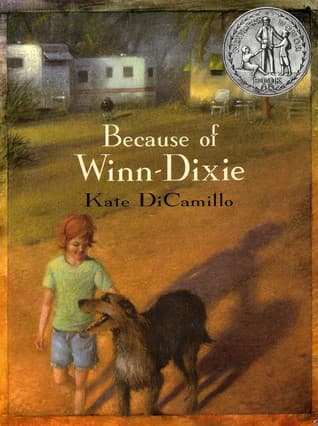
- Because of Winn-Dixie
Kate DiCamillo
4.0 (206k) average on GoodreadsChildren'sExplores the life of a young girl finding her place and understanding her community.
- Wonder
R.J. Palacio
4.4 (733k) average on GoodreadsChildren'sWhile Wonder focuses on external differences and acceptance, The Center of Everything delves into the internal landscape of moral ambiguity and the complexities of trust within a community, offering a different lens on social challenges.
- The Fault in Our Stars
John Green
4.2 (3.6M) average on GoodreadsYoung AdultGreen's novel uses humor and philosophical discourse to explore serious themes like illness and mortality. Moriarty's approach is more grounded in realism and the quiet, internal processing of difficult experiences, with less reliance on overt wit or intellectual discussions.
- Harry Potter and the Sorcerer's Stone
J.K. Rowling
4.5 (7M) average on GoodreadsFantasyRescued from a miserable life under the stairs, an orphaned boy discovers he's a wizard destined for a magical school, where he uncovers a dangerous secret tied to the dark wizard who murdered his parents.





Enjoyed the summary?
A summary gives you the shape of the book. The book itself has the detail, the examples and the voice.
Find The Center of Everything on AmazonAs an Amazon Associate, BookBrief earns from qualifying purchases. How we're funded