

Synopsis
Covers the whole plot, including the ending.
- Difficulty
- Medium
- Pacing
- Moderate
- Mood
- Nostalgic, Poignant, Resilient, Reflective
- Read it if
- You enjoy rich character studies, coming-of-age stories, and immersive historical settings that explore themes of poverty, resilience, and the power of literature.
- Skip it if
- You prefer fast-paced plots with minimal introspection or are sensitive to detailed depictions of hardship and alcoholism.
A Tree Grows in Brooklyn Plot Summary
Covers the whole plot, including the ending.
The Francie Nolan's World
The story begins with ten-year-old Francie Nolan and her younger brother, Neeley, collecting junk to sell for pennies. They live in a tenement in Williamsburg, Brooklyn, with their parents, Katie and Johnny Nolan. Francie loves her weekly trips to the library, where she reads every book from A to Z, developing a deep love for literature. Their mother, Katie, is practical and hardworking, always trying to provide for her children, often at great personal cost. Their father, Johnny, is a charming but alcoholic singing waiter who struggles to keep a job, causing financial trouble and stress for the family, especially Katie. Despite being poor, Francie finds beauty in everyday life, observing the world with a sharp, imaginative eye.
The Nolan Family Christmas
The Nolan family's Christmas Eve traditions show their poverty but strong family bonds. Johnny, despite his drinking, brings home a small, imperfect Christmas tree. Francie and Neeley are sent to buy stale bread and penny candy, seeing the reality of their financial situation. A scene shows neighborhood children gathering, hoping for a free tree after the Christmas tree seller gives up for the night. The seller, a gruff but kind man, throws the trees at the children, making them fight for them. Francie, though scared, endures this humiliation to get a tree for her family. This event highlights the family's strength and Francie's growing awareness of the world's unfairness, while also showing the simple joys they find despite hardship.
Katie's Resilience and Sacrifices
Katie Nolan's character develops further, showing her great strength and practicality. She makes many sacrifices for her children, saving every penny for their education. She cleans the tenement building carefully, putting up with the disdain of wealthier tenants, all to secure a better future for Francie and Neeley. Her resourcefulness shows in how she manages the small household budget, often going without herself. Katie also teaches Francie the importance of education and self-reliance, wanting her children to have chances she never had. She is a strict but loving mother, often seeming stern, but her actions always come from a deep wish to protect her family. Her determination inspires Francie but also puts pressure on her.
Johnny's Decline and Death
Johnny Nolan's fight with alcoholism gets worse, making him unable to keep steady work and causing him to pull away from family duties. Despite his charm and deep love for his children, his addiction takes over. He tries various jobs, often failing because of his drinking, which causes great stress and disappointment for Katie. Francie, though she loves her father, sees his decline and the pain it causes her mother. Eventually, Johnny dies from pneumonia, made worse by his alcoholism. His death is a great loss for the family, especially for Francie, who valued his dreams and his ability to see beauty in the world, even as it leaves Katie to carry the family's burdens alone.
Life After Johnny
After Johnny's death, the Nolan family faces even greater financial trouble. Katie takes on more work, cleaning and sewing, to support her children. Francie and Neeley also help by working after school, selling junk and doing odd jobs. Francie takes a job in a flower factory, experiencing the harsh realities of child labor. The family moves to a smaller, cheaper apartment, showing their difficult circumstances. Despite the grief and increased struggles, the family remains strong. Katie's resolve to provide for her children remains firm, and Francie, though sad about her father's absence, continues her pursuit of knowledge and her observations of the world, growing up quickly under new responsibilities.
Francie's Education and Aspirations
Francie's experiences in public school are detailed, showing her intelligence and her awareness of social inequalities. She struggles with the impersonal nature of crowded public schools but finds comfort in writing and reading. She often feels misunderstood by her teachers, who sometimes favor her brother Neeley or do not see her unique perspective. Francie eventually decides to transfer to a different school, hoping for a better learning environment. Her love for books and her wish to become a writer grow stronger, becoming a main goal in her life. Despite the family's poverty, Francie is determined to get an education, even if it means working extra jobs to afford school supplies or tuition for higher education, showing her strong ambition.
Aunt Sissy's Influence
Aunt Sissy, Katie's older sister, is a lively and unconventional character who contrasts with Katie's practicality. Sissy is known for her many marriages (though she always introduces her current partner as 'her husband'), her generosity, and her deep affection for Francie. She is a kind and loving figure who offers Francie unconditional love and a sense of freedom that Francie often lacks at home. Sissy's stories and her way of life, though sometimes scandalous, teach Francie about compassion, acceptance, and living life on her own terms. She often gives Francie small gifts and comforts her, acting as a needed emotional support and a source of joy amidst the family's struggles.
Francie's First Love and Heartbreak
As Francie enters her teenage years, she experiences her first romantic interest in a young soldier named Lee Rhynor. She is charmed by him and the attention he gives her, imagining a future together. They spend time together, and Francie falls in love. However, Lee is soon deployed to fight in World War I. Before he leaves, he tells Francie that he has a fiancée back home and that his feelings for Francie were just a brief wartime romance. This news breaks Francie's heart, leaving her sad and disappointed. This experience is a significant coming-of-age moment for Francie, teaching her about love's complexities and pain, and adding to her growing understanding of the world's harsh realities.
The Promise of a Better Future
Despite the heartbreak and the family's ongoing financial struggles, Francie remains determined to pursue higher education. She works hard, saving money and studying diligently. She eventually takes the entrance exams for the University of Michigan, a major achievement for a girl from her background. Her acceptance shows her intelligence, perseverance, and her mother's sacrifices. This marks a turning point for Francie, symbolizing her potential escape from the cycle of poverty that has defined her family for generations. The idea of college fills her with hope and excitement, representing a future with learning and opportunities that were once unimaginable, though she feels a bittersweet sadness about leaving her familiar Brooklyn behind.
Katie's Remarriage and New Beginnings
After years of being a widow and facing hardship, Katie Nolan finds love and stability with Sergeant McShane, a kind and reliable police officer. McShane is a good, steady man who provides the financial security and emotional support that Katie and her children have long needed. Their marriage brings peace and normalcy to the family. They move into a more comfortable home, a sharp contrast to their previous tenement life. This new chapter means a significant improvement in the family's fortunes. While Francie is happy for her mother, she also feels a sense of detachment, knowing that her own path is now separate, leading her towards an independent future away from the familiar struggles of her childhood. The family's journey from extreme poverty to relative comfort is complete.
Leaving Brooklyn
As Francie prepares to leave for college, she takes a final walk through her old neighborhood in Williamsburg, Brooklyn. She revisits familiar places, thinking about her childhood, her family's struggles, and the people who shaped her. She sees a young girl, much like herself, collecting junk, a reminder of her own past. Francie feels a mix of sadness and hope, acknowledging the bittersweet nature of leaving her roots behind. She realizes that while she is moving on to a different life, the experiences and lessons learned in Brooklyn will always be a part of her. She carries with her her mother's strength, her father's dreams, and her neighborhood's spirit, ready for her future's challenges and opportunities, symbolizing her successful coming-of-age.
Principal Figures
Francie Nolan
Protagonist
An imaginative and intelligent girl growing up in poverty in early 20th-century Brooklyn.
Francie is the central character, a sensitive and observant girl with an insatiable love for reading and learning. Despite her family's extreme poverty, she possesses a vivid imagination and a keen intellect. She is often caught between the harsh realities of her environment and her dreams of a better life. Francie is thoughtful and introspective, constantly observing the world around her and trying to make sense of its injustices and beauty. She is deeply attached to her family, particularly her father, and struggles with the limitations placed upon her by her social class. Her resilience and determination to achieve an education are defining traits.
Relationships: Katie Nolan (Daughter, often feels misunderstood but deeply loves and respects her mother's strength.); Johnny Nolan (Daughter, adores her charming but flawed father, who inspires her imagination.); Neeley Nolan (Older sister, protective and sometimes envious of her brother's easier path.); Aunt Sissy (Niece, finds comfort and unconventional wisdom in her aunt's free spirit.); Lee Rhynor (First love, experiences her first heartbreak with him.)
Katie Nolan
Supporting
Francie's pragmatic, hardworking, and fiercely determined mother.
Katie is the matriarch of the Nolan family, a strong and resilient woman who shoulders the burden of supporting her children. She is practical, frugal, and often appears stern, but her actions are driven by a deep, unwavering love and a fierce desire to ensure her children have a better life than she did. Katie makes immense sacrifices, working tirelessly and enduring hardship, all to provide for Francie and Neeley. She values education above all else and instills in her children the importance of hard work and self-reliance. Her stoicism often makes her seem distant to Francie, but her commitment to her family is absolute.
Relationships: Francie Nolan (Mother, pushes her daughter to achieve, sometimes perceived as harsh but deeply loving.); Johnny Nolan (Wife, loves him despite his flaws, but is constantly pained by his alcoholism and irresponsibility.); Neeley Nolan (Mother, sees him as easier to understand and sometimes favors him.); Sissy Rommely (Sister, a complex relationship with mutual love despite their contrasting personalities.); Sergeant McShane (Second husband, finds stability and comfort with him.)
Johnny Nolan
Supporting
Francie's charming but alcoholic father, a singing waiter with a poetic soul.
Johnny is Francie's father, a handsome and charming singing waiter with a deeply poetic and sensitive nature. He is beloved by his children for his stories, his songs, and his ability to find beauty in the world. However, Johnny struggles with severe alcoholism, which prevents him from holding down a steady job and fulfilling his responsibilities as a provider. His addiction causes immense pain and hardship for his family, particularly Katie. Despite his flaws, he genuinely loves his children and dreams of a better life for them, often inspiring Francie with his imaginative spirit. His early death is a major turning point for the family.
Relationships: Francie Nolan (Father, deeply loved and admired by Francie, who sees his sensitivity and charm.); Katie Nolan (Husband, loves her but disappoints her repeatedly due to his addiction.); Neeley Nolan (Father, shares a loving bond with his son.)
Neeley Nolan
Supporting
Francie's younger brother, more pragmatic and less imaginative.
Neeley is Francie's younger brother, often described as more practical and less imaginative than Francie. He is well-behaved and generally easier for Katie to manage. Neeley also has a talent for music, inheriting some of his father's charm but not his destructive habits. While he loves his sister, their relationship is sometimes marked by typical sibling rivalry and Francie's feeling that he is favored. He works alongside Francie to contribute to the family income and eventually finds a stable path, embodying the success that Katie worked so hard to achieve for her children. He represents a more straightforward path to stability compared to Francie's intellectual pursuits.
Relationships: Francie Nolan (Brother, typical sibling relationship, sometimes favored by Katie.); Katie Nolan (Son, generally obedient and less troublesome than Francie in Katie's eyes.); Johnny Nolan (Son, shares a loving bond with his father.)
Aunt Sissy Rommely
Supporting
Katie's free-spirited and generous older sister.
Aunt Sissy is Katie's older sister and a colorful, unconventional character. She is known for her numerous 'husbands' (though not always legally married) and her boundless generosity and affection. Sissy is warm-hearted, compassionate, and always ready to offer comfort and gifts to Francie and Neeley. She possesses a unique wisdom and a complete lack of concern for societal norms, which often puts her at odds with the more strait-laced Katie. Sissy represents a different kind of strength and resilience, one rooted in love and acceptance, providing Francie with an alternative perspective on life and a much-needed source of unconditional love.
Relationships: Francie Nolan (Aunt, a loving and comforting figure who offers unconditional affection.); Katie Nolan (Sister, a complex relationship with mutual love despite their contrasting personalities.)
Sergeant McShane
Supporting
A kind and stable police officer who marries Katie.
Sergeant McShane is a kind, steady, and reliable police officer who enters the Nolan family's life after Johnny's death. He is a stark contrast to Johnny, offering Katie and her children the financial security and emotional stability they have long lacked. McShane is patient, understanding, and genuinely caring. His marriage to Katie brings a much-needed sense of peace and comfort to the family, allowing them to move into a better home and escape the worst of their poverty. He represents the promise of a stable, secure future for Katie and a more comfortable environment for Francie and Neeley as they grow up.
Relationships: Katie Nolan (Second husband, provides stability and security.); Francie Nolan (Stepfather, a kind and benevolent figure.)
Miss Lizzie Tynmore
Supporting
Francie's piano teacher.
Miss Lizzie Tynmore is Francie's piano teacher, a character who embodies the struggle of maintaining dignity and passion in the face of poverty. She is a talented musician who, due to circumstances, teaches piano to children in the tenements for meager fees. Francie takes lessons from her, and Miss Tynmore represents the pursuit of art and beauty even in the harshest environments. She is a quiet but significant presence, offering Francie a glimpse into a world of artistic expression and refined taste that contrasts with her rough surroundings. Her presence underscores the aspirations for culture and self-improvement that persist even among the poor.
Relationships: Francie Nolan (Piano teacher, a figure of artistic aspiration.)
Mr. Jenson
Mentioned
The ragpicker, a minor but recurring figure in Francie's early life.
Mr. Jenson is the local ragpicker to whom Francie and Neeley sell their collected junk for small change. He is a gruff but honest man who provides a crucial, if humble, source of income for the Nolan family. His presence highlights the extreme poverty of the neighborhood and the ingenuity required for survival. Though a minor character, he is a recurring fixture in Francie's early childhood, symbolizing the daily grind and the small victories of making ends meet. He is a realistic portrayal of a working-class figure in early 20th-century Brooklyn.
Relationships: Francie Nolan (Customer, a source of meager income for Francie.)
Themes & Insights
The Power of Education and Books
Education, especially through books, is Francie's main escape from poverty and a path to a better future. Her weekly trips to the library are important, offering her comfort, knowledge, and a look into worlds beyond Williamsburg. Books spark her imagination, teach her about life, and inspire her to become a writer. Katie, though she cannot read, strongly supports education for her children, making great sacrifices to ensure they attend school. This theme appears when Francie transfers schools to find a better learning environment and ultimately works to put herself through college, seeing it as her only true way to improve her life and find self-fulfillment.
“From that time on, the world was hers for the reading. She would never be lonely again.”
Resilience in the Face of Poverty
The Nolan family, especially Katie and Francie, shows great strength when facing extreme poverty. They constantly find ways to survive, whether selling junk, making do with stale bread, or Katie's constant work cleaning tenements. Despite constant hunger, poor housing, and the emotional toll of Johnny's alcoholism, they never completely lose hope. Francie's ability to find beauty in her surroundings, even a small Christmas tree, shows this strength. The family's enduring spirit is a central message, showing how people can adapt and keep going even in the hardest situations, always hoping for a better tomorrow.
“Each day was a survival. But Katie Nolan, she was a survivor.”
The American Dream and Social Mobility
The novel looks at how hard it is for immigrant and working-class families to achieve the American Dream in early 20th-century America. The Nolans, Irish immigrants, struggle to move up in society. While Johnny has grand dreams, it is Katie's practical, constant efforts and Francie's dedication to education that slowly break the cycle of poverty. Francie's journey from a tenement child to a college-bound young woman symbolizes the difficult possibility of achieving the American Dream through hard work. The difference between Francie's goals and her environment's limits highlights the big challenges poor people face in seeking a better life.
“She wanted to be a writer. She wanted to be able to tell the truth. And she wanted to write a book about Brooklyn.”
The Complexities of Family Love
The novel shows family love as a strong, but often complicated and painful, force. Katie's love for her children drives her many sacrifices, but her quiet nature sometimes creates distance. Francie's deep love for her charming but flawed father, Johnny, exists alongside the pain and disappointment his alcoholism causes. The relationship between Francie and Neeley involves both affection and rivalry. Aunt Sissy's unconventional love gives Francie warmth and acceptance. The family's love is not always shown openly or perfectly, but it is the bond that holds them together through great hardship and provides the emotional base for Francie's growth. It shows how love can last and appear in many forms, even during struggle.
“It was a good thing to be a Nolan. It was a good thing to be a Rommely.”
Coming-of-Age and Identity
Francie's story is a classic coming-of-age tale, tracing her growth from a naive child to a thoughtful young woman. She tries to understand her place in the world, her family's struggles, and her own goals. Her experiences with poverty, her father's death, her first heartbreak, and her pursuit of education all help her develop her identity. She learns to deal with social injustices, to find her voice through writing, and to balance her love for her Brooklyn roots with her desire for a different future. By the end, Francie has a strong sense of self, shaped by her unique experiences, ready to start an independent life, yet always marked by the tree that grew in Brooklyn.
“She was an individual, and she had to live her life her own way.”
Plot Devices & Literary Techniques
Symbolism of the Tree
The ailanthus tree symbolizes resilience, growth, and the enduring spirit of life in harsh conditions.
The 'tree of heaven,' or ailanthus, that grows in the impoverished Brooklyn neighborhood is a central symbol. It thrives in concrete, pushing through cracks and surviving in conditions where other plants would perish. This tree mirrors Francie Nolan's own journey: growing up in a harsh, unforgiving environment, yet managing to flourish, learn, and aspire to something greater. It represents resilience, the enduring nature of life, and the ability to find beauty and strength even in the most difficult circumstances. The tree is a constant, silent witness to Francie's life, reflecting her own quiet strength and perseverance.
First-Person Limited Narration
The story is told primarily through Francie Nolan's perspective, offering intimate insight into her thoughts and feelings.
The novel uses a first-person limited narration, focusing almost exclusively on Francie Nolan's experiences, perceptions, and emotional responses. While technically a third-person narrative, the perspective is tightly bound to Francie's viewpoint, allowing readers to deeply empathize with her struggles, joys, and internal growth. This device makes Francie's coming-of-age journey incredibly personal and intimate, as readers witness her observations and evolving understanding of the world. It also highlights her imaginative and sensitive nature, as we see the world through her unique, often poetic, lens, making her growth feel authentic and impactful.
Foreshadowing (Francie's Future as a Writer)
Early hints and Francie's passion for writing foreshadow her eventual path as an author.
From a young age, Francie demonstrates a profound love for reading and a burgeoning talent for writing. She meticulously copies compositions from a book, practices writing stories, and observes the world with a keen eye for detail, constantly formulating narratives in her mind. These early inclinations serve as clear foreshadowing of her future aspirations and eventual success as a writer. This device builds anticipation and provides a sense of purpose to Francie's intellectual development, showing that her early passions are not just childish whims but fundamental aspects of her identity and destiny. It underscores the theme of education and self-actualization.
Juxtaposition (Poverty vs. Dreams)
The stark contrast between the Nolans' poverty and Francie's rich inner life and aspirations.
The novel frequently employs juxtaposition to highlight the stark contrast between the Nolan family's extreme poverty and Francie's vibrant inner world, her dreams, and her intellectual aspirations. Scenes depicting hunger, tattered clothes, and the grim reality of tenement life are often immediately followed by Francie's imaginative flights, her deep engagement with books, or her poetic observations of beauty. This device emphasizes the power of the human spirit to transcend difficult circumstances and the role of imagination and education as an escape. It underscores that despite external hardships, Francie's spirit and intellect remain undiminished, creating a powerful emotional impact on the reader.
A Tree Grows in Brooklyn Quotes
“Oh, God, I'm going to live, I'm going to live, I'm going to live!”
“The world was an oyster, but it was an oyster that had to be pried open with a crowbar.”
“It was a good thing to be a child, to be an animal, to be a tree, to be a house, to be a street.”
“Look at everything always as though you were seeing it either for the first or last time: Thus is your time on earth filled with glory.”
“I shall be a writer. I shall write about my life, I shall write about Brooklyn, I shall write about the poor.”
“Dear God, let me be something every blessed day. Let me be a human being, let me be a person, let me be a Francie Nolan.”
“The tree in the yard was the only thing that grew in Brooklyn.”
“From that time on, the world was hers for the reading.”
“It was a good thing to be poor. It made you want to get rich.”
“She was made of sugar and spice and everything nice, and he was made of snips and snails and puppy-dog tails. But they were made for each other.”
“Everything in the world was in the books.”
“She wanted to be a woman, not a girl, not a child, but a woman with a purpose and a place.”
“She knew that it was time to leave Brooklyn, but she also knew that she would never really leave it.”
“The world had a million roads to choose from, and she was going to walk down every one of them.”
Quiz
10 questions on the plot and the characters. Each answer comes with a short explanation.
Question 1
What is the name of Francie Nolan's younger brother?
- Willie
- Neeley
- Frankie
- Johnny
Show answer
B. Neeley Francie's younger brother, who she often feels a strong bond with and responsibility for, is named Neeley.
Question 2
What specific type of tree grows outside the Nolans' tenement window, symbolizing resilience and hope?
- Oak tree
- Maple tree
- Tree of Heaven (Ailanthus altissima)
- Elm tree
Show answer
C. Tree of Heaven (Ailanthus altissima) The tree outside their window is specifically identified as a Tree of Heaven, known for its ability to grow in harsh conditions, mirroring Francie's own resilience.
Question 3
What is Katie Nolan's primary occupation to support her family after Johnny's death?
- Seamstress
- Factory worker
- Janitress/Cleaning buildings
- Sales clerk
Show answer
C. Janitress/Cleaning buildings Katie Nolan works as a janitress, cleaning various buildings, to provide for her children, demonstrating her immense strength and determination.
Question 4
What is the primary reason Francie and Neeley are sent to different schools, despite their mother's initial preference?
- Francie was too advanced for the local school.
- Neeley was given a scholarship to a private school.
- Katie believed Neeley would learn more from the 'good' school, while Francie needed to attend the 'bad' school to learn about life.
- They were separated due to overcrowding in the public school system.
Show answer
C. Katie believed Neeley would learn more from the 'good' school, while Francie needed to attend the 'bad' school to learn about life. Katie deliberately sends Neeley to the better school and Francie to the rougher one, believing Neeley needs a formal education, while Francie needs to experience the 'real' world to become a writer.
Question 5
What is the significance of the library and reading to Francie throughout her childhood?
- It is a place where she meets her friends for social gatherings.
- It provides an escape from her difficult reality and fuels her imagination and desire for knowledge.
- It is where she learns to sew and mend clothes for her family.
- Her mother forces her to go there for extra lessons.
Show answer
B. It provides an escape from her difficult reality and fuels her imagination and desire for knowledge. The library is Francie's sanctuary, a place where she can immerse herself in stories and knowledge, providing a crucial escape and shaping her intellectual development.
Question 6
Which of Francie's aunts marries a man named Uncle Willie, who is known for his eccentric behavior and passion for horses?
- Aunt Sissy
- Aunt Evy
- Aunt Mary
- Aunt Helen
Show answer
B. Aunt Evy Aunt Evy marries Uncle Willie, who is depicted as a kind but somewhat peculiar man with a deep love for his horse, Drummer.
Question 7
What is the primary theme explored through Johnny Nolan's character and his struggles?
- The importance of strict discipline in child-rearing.
- The destructive nature of alcoholism and the challenges of poverty.
- The pursuit of artistic fame and recognition.
- The benefits of a large, extended family.
Show answer
B. The destructive nature of alcoholism and the challenges of poverty. Johnny's character vividly portrays the devastating effects of alcoholism and how it exacerbates the already immense difficulties of living in poverty, impacting his family profoundly.
Question 8
Francie makes a significant sacrifice by pretending to be older to get a job. What job does she secure by lying about her age?
- A position as a telephone operator
- A job in a department store selling clothes
- Working in a factory assembling small parts
- Clerical work as a reader for a clipping bureau
Show answer
D. Clerical work as a reader for a clipping bureau Francie lies about her age to get a job at a clipping bureau, reading newspapers and magazines, which she initially enjoys for the exposure to words, though the work becomes monotonous.
Question 9
How does Francie's view of her father, Johnny, evolve from idealization to a more complex understanding as she matures?
- She increasingly resents him for his failures and never forgives him.
- She realizes his flaws but comes to understand the context of his struggles and retains a deep love for his spirit and kindness.
- She completely forgets him, focusing solely on her own future.
- She idealizes him even more after his death, refusing to acknowledge any of his shortcomings.
Show answer
B. She realizes his flaws but comes to understand the context of his struggles and retains a deep love for his spirit and kindness. Francie's journey involves a painful but ultimately compassionate understanding of her father's weaknesses, recognizing his charm and kindness while also acknowledging his inability to overcome his addiction and provide for the family.
Question 10
What specific item does Katie insist on buying for the new home after Johnny's death, despite the family's extreme poverty, symbolizing hope and moving forward?
- A new set of dishes
- A piano
- A small, decorative rug
- A new set of curtains
Show answer
D. A new set of curtains After Johnny's death and the family moves, Katie insists on buying new curtains, a small but significant gesture of creating a new, hopeful home despite their ongoing financial struggles.
A Tree Grows in Brooklyn FAQ
What is the central premise of 'A Tree Grows in Brooklyn'?
The novel follows Francie Nolan, a sensitive and imaginative girl, as she navigates the harsh realities of poverty and familial struggles in Williamsburg, Brooklyn, during the early 20th century. It chronicles her coming-of-age, her education, and her resilient spirit in the face of numerous hardships, always striving for beauty and knowledge amidst squalor.
Who are the key members of Francie Nolan's family?
Francie's family includes her loving but alcoholic father, Johnny; her pragmatic and hardworking mother, Katie; her younger brother, Neeley, with whom she shares a close bond; and her two formidable aunts, Sissy and Evy, who each embody different aspects of womanhood and survival.
What role does education play in Francie's life?
Education is a crucial escape and a path to a better future for Francie. Despite attending overcrowded and often unsympathetic public schools, she is a voracious reader and a keen observer, constantly seeking knowledge. Her mother, Katie, strongly emphasizes the importance of education, even sacrificing for her children's schooling.
How does Francie cope with the extreme poverty her family faces?
Francie copes with poverty through her vivid imagination, her love of reading, and her ability to find beauty in small things, like the tree outside her window. She also learns resilience from her mother, Katie, who works tirelessly and instills in her children the importance of perseverance and self-reliance.
What is the significance of the 'tree' in the book's title?
The 'Tree of Heaven' growing in the Brooklyn tenements symbolizes resilience, survival, and the ability to thrive in harsh conditions. It represents Francie herself and her family's indomitable spirit, always reaching for the sky despite being rooted in poverty and struggle, just as the tree grows from concrete.
What is the implied fate of Francie's first love, Ben Blake?
Ben Blake, Francie's intelligent and ambitious high school crush, is implied to achieve great success, perhaps becoming a lawyer or politician. While their paths diverge, Ben represents a different world of opportunity and intellect that Francie aspires to, and his departure signifies her growing independence and readiness for new experiences.
How do the different teachers Francie encounters reflect societal attitudes towards the poor?
Francie encounters both sympathetic and unsympathetic teachers. Mrs. Keddy, for example, is overtly prejudiced against the poor, while Miss Carrol tries to encourage Francie's writing. These teachers highlight the class divisions and the varied, often harsh, judgments placed upon children from impoverished backgrounds in the educational system.
What is the subtle significance of the Nolan family's weekly ritual of cleaning and scrubbing?
The weekly cleaning ritual, particularly scrubbing their bodies and clothes, is a profound act of defiance against their squalid surroundings and a means of maintaining dignity and self-respect. It symbolizes their internal cleanliness and their refusal to let poverty define their worth, an unspoken lesson from Katie to her children.
What does the changing neighborhood of Williamsburg signify throughout Francie's childhood?
The changing neighborhood reflects the broader industrial and social shifts occurring in early 20th-century America. As new immigrants arrive and old businesses fade, it highlights the constant flux of urban life and the challenges faced by families like the Nolans who are trying to establish roots amidst economic uncertainty and demographic shifts.
Analyze Johnny Nolan's psychological complexity as an alcoholic father.
Johnny is a complex character, simultaneously loving and deeply flawed. His alcoholism stems from a sensitive, artistic temperament unable to cope with the harsh realities of poverty and his responsibilities. He genuinely adores his children and represents the tragic figure of a man whose dreams are crushed by circumstance, leading to self-destruction.
How does Katie Nolan's pragmatism serve as a psychological coping mechanism?
Katie's extreme pragmatism and often harsh demeanor are a psychological defense mechanism against the overwhelming despair of poverty. She channels her emotions into relentless work and practical solutions, ensuring her children's survival. This allows her to maintain control and provide stability in a chaotic world, even at the cost of emotional warmth.
Explore the psychological impact of Francie's 'two selves' – the observing self and the participating self.
Francie's 'two selves' reflect her highly developed introspection and her coping strategy. The observing self allows her to detach from painful realities, process experiences, and maintain a sense of individuality and artistic distance. The participating self engages with the world, but the observing self always filters and interprets, shaping her unique perspective.
How does the novel portray the psychological effects of poverty beyond just material deprivation?
The novel delves into the psychological toll of poverty, showing how it breeds shame, limits aspirations, and forces impossible choices. It highlights the constant anxiety, the erosion of dignity, and the internal struggles to maintain hope and self-worth when society often judges and dismisses the poor, impacting mental well-being profoundly.
Is 'A Tree Grows in Brooklyn' primarily a story of optimism or realism?
While deeply rooted in stark realism about poverty and hardship, the novel ultimately leans towards optimism through Francie's unwavering spirit and resilience. It acknowledges the brutal realities but emphasizes the human capacity for hope, growth, and finding beauty and meaning even in the most challenging circumstances, making it a story of enduring optimism.
To what extent does the novel romanticize poverty?
The novel does not romanticize poverty but rather romanticizes the human spirit's ability to overcome it. It vividly depicts the squalor, hunger, and despair without glorifying them. Instead, it highlights the strength, love, and creativity that can emerge despite, not because of,, these conditions, offering a nuanced view.
How does Francie's relationship with her mother, Katie, evolve and what does it represent?
Francie's relationship with Katie is complex, marked by both admiration and a sense of emotional distance. It evolves from a child's dependence to a young woman's understanding of her mother's sacrifices. It represents the generational struggle and the difficult choices women made to ensure their family's survival, often at the expense of their own emotional expression.
What is the enduring message about the 'American Dream' presented in the novel?
The novel presents a nuanced view of the 'American Dream,' suggesting it's not easily attainable for everyone, especially the impoverished. It implies that while hard work is essential, systemic barriers exist. However, it also champions a more personal 'dream' – the pursuit of knowledge, dignity, and a better life through resilience and self-improvement, even if traditional success remains elusive.
Does the ending suggest Francie completely escapes her past?
The ending suggests Francie is moving towards a new chapter, but not a complete escape from her past. The image of the new tree growing implies continuity and the indelible mark of her Brooklyn upbringing. She carries the lessons, strength, and memories of her family and neighborhood, which will always be a part of who she is, even as she ventures into the future.
About the author

Betty Smith was an American playwright and novelist, who wrote the 1943 bestseller A Tree Grows in Brooklyn.
Similar books
- Angela's Ashes
Frank McCourt
4.1 (540k) average on GoodreadsBiographyExplores childhood poverty and resilience in a similar historical setting.
- The Glass Castle
Jeannette Walls
4.3 (903k) average on GoodreadsBiographyFeatures a strong female protagonist overcoming a challenging upbringing.
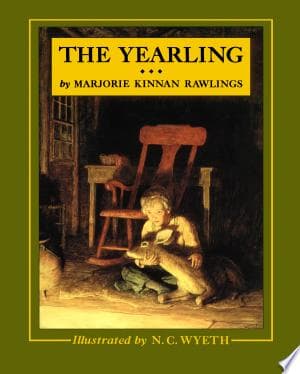
- The Yearling
Marjorie Kinnan Rawlings
4.0 (26k) average on GoodreadsChildren'sWhile both novels feature a young protagonist (Jody in The Yearling, Francie in A Tree Grows in Brooklyn) coming of age amidst hardship, Rawlings's work is set in rural Florida and focuses on the struggles with nature and survival in a wilderness environment. Smith's novel is distinctly urban, exploring systemic poverty, social class, and the human-made challenges of city life, offering a different lens on childhood resilience.
- To Kill a Mockingbird
Harper Lee
4.3 (4.5M) average on GoodreadsHistorical FictionBoth novels feature intelligent, observant young female protagonists (Scout in To Kill a Mockingbird, Francie in A Tree Grows in Brooklyn) navigating complex social worlds. However, Lee's novel primarily addresses themes of racial injustice, morality, and prejudice in the American South, with a more direct focus on a central legal drama. Smith's work, while touching on class distinctions, offers a more intimate, less overtly political exploration of personal growth, family dynamics, and the pursuit of education in the context of economic struggle in an urban Northern setting.
- The Great Gatsby
F. Scott Fitzgerald
3.9 (3.8M) average on GoodreadsHistorical FictionIn the opulent Roaring Twenties, a mysterious millionaire's lavish parties hide his desperate, tragic pursuit of a lost love, exposing the emptiness within the American Dream.
- Pride and Prejudice
Jane Austen
4.3 (3M) average on GoodreadsHistorical FictionIn a society focused on status and money, Elizabeth Bennet navigates love and pride, challenging Mr. Darcy and social expectations to find true affection.





Enjoyed the summary?
A summary gives you the shape of the book. The book itself has the detail, the examples and the voice.
Find A Tree Grows in Brooklyn on AmazonAs an Amazon Associate, BookBrief earns from qualifying purchases. How we're funded