
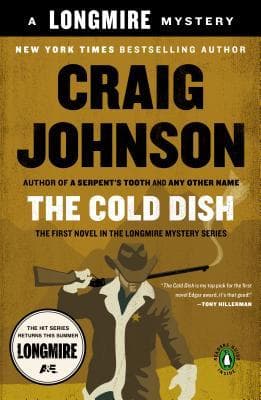
Synopsis
Covers the whole plot, including the ending.
- Difficulty
- Medium
- Pacing
- Moderate
- Mood
- Gritty, Reflective, Suspenseful, Melancholy
- Read it if
- You enjoy character-driven mysteries set in the American West, featuring a morally complex protagonist and exploring themes of justice and revenge.
- Skip it if
- You prefer fast-paced, action-heavy thrillers or are sensitive to themes of sexual assault and vigilantism.
The Cold Dish Plot Summary
Covers the whole plot, including the ending.
A Body in the Cold Creek
Sheriff Walt Longmire is having a quiet morning when he gets a call about a body in a cold creek on the Cheyenne reservation. The victim is Cody Pritchard, a young man who, two years earlier, with three friends – Lonnie Little Bird, Kip Landis, and Miller Jenks – received a suspended sentence for the rape of Melissa Little Bird, a Northern Cheyenne girl. Walt immediately sees the potential for a revenge killing, a feeling increased by the community's anger over the light sentence. As Walt starts his investigation, his deputy, Victoria 'Vic' Moretti, and his friend, Henry Standing Bear, a Cheyenne bar owner and tracker, join him. The scene suggests a fight, and Walt finds a hand-carved piece of wood near the body, suggesting a personal form of justice.
The Ghost of Justice Past
The discovery of Cody's body makes Walt remember Melissa Little Bird's rape case. Melissa, a smart Cheyenne woman, was severely brain-damaged after the attack, now in a wheelchair and unable to speak. The four attackers, all sons of powerful local families, received suspended sentences from Judge Henry F. Miller. This decision caused anger and accusations of racial bias. Walt had investigated the original crime and felt the court's leniency was wrong. Now, with Cody dead, Walt thinks someone, perhaps a member of Melissa's family or a sympathetic Cheyenne person, is taking justice into their own hands, seeking what the legal system did not provide. He knows he must be careful, balancing his duty to uphold the law with his understanding of the community's strong grievances.
Another Victim, Another Message
The investigation gets more intense when Lonnie Little Bird, another of the four rapists, is found dead after falling from a cliff. His death looks suspicious, and Walt quickly connects it to Cody's murder. Both victims were involved in the same crime, and their deaths seem deliberate. Walt's suspicion that a vigilante is working grows stronger. He examines Lonnie's body and the scene, noting no sign of a struggle, which suggests Lonnie might have known his attacker or been ambushed. The pattern of revenge is clearer, and Walt realizes he is racing to stop the killer before the remaining two, Kip Landis and Miller Jenks, die too. The community says nothing, making Walt's job harder as he deals with the quiet approval of those who might secretly agree with the killings.
Confronting the Remaining Perpetrators
With two of the four rapists dead, Walt and Vic focus on Kip Landis and Miller Jenks. They find both men are afraid, knowing they are likely the next targets. Kip, clearly shaken, gives little useful information, mostly showing his fear. Miller Jenks is paranoid, hiding and heavily armed. Walt tries to offer them protection, but their past actions and the community's anger make them unwilling to fully cooperate, fearing both the killer and the law. Walt sees the psychological effect on them, a grim justice in itself, but he knows he cannot let the violence continue. He must find the killer, not just to protect the men, but to stop more bloodshed and keep order in Absaroka County.
A Clue from the Past
During his investigation, Walt remembers a detail from the original rape case: a hunting knife with a unique, hand-carved handle. He realizes this description matches the piece of wood he found near Cody Pritchard's body. This detail reminds him of a specific knife owned by a community member, known for his hunting skills and connection to Cheyenne culture. Walt starts to figure out how this knife might connect to the killer, understanding that such an item would be a significant personal possession. He talks to Henry Standing Bear, whose knowledge of local customs and people helps narrow down potential suspects who might have such a unique weapon. The knife is a key link, suggesting a personal and deliberate method of retribution.
The Judge's Secret
Walt confronts Judge Henry F. Miller, the man who gave the light sentences, asking him about his controversial decision. Judge Miller, at first defensive, eventually reveals a personal connection to the case that affected his judgment. He admits he was once a victim of a similar injustice, seeing his own sister suffer an attack years ago, with her attackers never facing justice. This personal trauma made him believe the legal system was flawed and that true justice, in some cases, might be found outside it. He also confesses a more recent secret: his daughter, Cady, was involved with one of the rapists, Miller Jenks, a relationship that made him less impartial and contributed to his leniency. This reveals a more complex picture of the judge, not just as a figure of injustice, but as a man affected by his past and present problems.
The Killer Revealed: Martha Pritchard
After much thought and putting together clues, Walt realizes the killer is Martha Pritchard, Cody's mother. He understands that Martha, filled with grief and guilt over her son's actions and the light sentencing, decided to take justice into her own hands. She was not seeking revenge for Melissa, but a twisted form of atonement for her son's crime, believing that by removing the other attackers, she was somehow correcting the injustice and preventing more harm. The hunting knife, which belonged to her family, and her knowledge of the victims' routines, all point to her. Walt understands the deep psychological break a mother must have experienced to turn on her son's accomplices this way, driven by shame, despair, and a misguided sense of right. This twist changes Walt's first ideas about revenge.
A Mother's Twisted Justice
Walt confronts Martha Pritchard at her home. At first, she denies involvement, but Walt presents his evidence, including the family hunting knife and her knowledge of the victims' lives. Faced with the truth, Martha cries and confesses. She explains her reason, showing deep guilt and a warped sense of responsibility. She believed her son, Cody, was beyond help, and by removing the other boys, she was stopping them from doing more bad things, and perhaps, in a dark way, making up for her son's sins. She saw herself as an instrument of divine justice, punishing those who had escaped the law. Her confession is a mix of regret and conviction, showing the psychological state she was in, driven by a mother's despair and a deep sense of moral outrage.
The Judge's Ultimate Confession
After Martha's confession, the pieces still do not quite fit for Walt. He realizes Martha only confessed to Cody's murder. Returning to Judge Miller, Walt pushes him more, and the judge finally tells the full extent of his involvement. Judge Miller, filled with guilt and knowing his daughter's connection to Miller Jenks, and seeing Martha's vigilante actions, decided to act too. He admits to planning the deaths of Lonnie Little Bird and Miller Jenks, believing these men, having avoided legal justice, deserved a harsher fate. He saw Martha's actions as a trigger, and perhaps, a convenient cover for his own desire for retribution. His confession shows a man deeply affected by his personal history and a deep disappointment with the justice system he represented.
The Final Confrontation and Aftermath
Walt, shocked by the judge's full confession, arrests Judge Miller. The news of a respected judge acting as a vigilante shocks Absaroka County. Martha Pritchard is also arrested for Cody's murder. The case is officially closed, but the emotional impact on the community, and on Walt, is deep. Melissa Little Bird remains in her vegetative state, a constant reminder of the original injustice. Walt thinks about justice, revenge, and the blurred lines between right and wrong. He understands that while the law has been upheld, the deeper wounds of the community, especially the Cheyenne people, will take longer to heal. The case leaves Walt with a renewed, but tired, commitment to his duty as sheriff, knowing that true justice is often hard to find and complicated.
The Cold Dish Characters
Sheriff Walt Longmire
Protagonist
Absaroka County Sheriff, seeking justice and upholding the law in a complex community.
Walt Longmire is the seasoned, sagacious sheriff of Absaroka County, Wyoming. In his early fifties, he's a man of quiet integrity, deeply rooted in the land and its people, both white and Cheyenne. He possesses a dry wit, a strong moral compass, and a profound sense of duty, often wrestling with the ethical ambiguities of his profession. Walt is a widower, still grieving his wife Martha, which adds a layer of melancholy to his character. He relies on his intuition, his understanding of human nature, and his deep respect for the Cheyenne culture. His driving force is to ensure justice, even when it conflicts with personal sympathies, and to prevent further violence in his county.
Relationships: Victoria 'Vic' Moretti (Deputy and close confidante); Henry Standing Bear (Best friend and cultural advisor); Melissa Little Bird (Victim of the original crime, whose fate deeply affects him); Judge Henry F. Miller (Adversary and later, a co-conspirator in the vigilante killings)
Victoria 'Vic' Moretti
Supporting
Walt's feisty, loyal, and street-smart deputy from Philadelphia.
Vic Moretti is Walt's sharp-witted and often hot-headed deputy. A former Philadelphia homicide detective, she provides a contrasting, more cynical perspective to Walt's stoicism. Vic is fiercely loyal to Walt, though she frequently challenges his methods and opinions. She is quick to anger, especially when confronted with injustice, and her urban background often clashes humorously with the rural Wyoming setting. Despite her tough exterior, she deeply cares for the people of Absaroka County and is committed to her role, proving herself to be a capable and brave officer.
Relationships: Sheriff Walt Longmire (Boss and mentor, with a complex, unspoken bond); Henry Standing Bear (Friendly acquaintance)
Henry Standing Bear
Supporting
Walt's best friend, a Cheyenne bar owner, and a man of deep wisdom and cultural insight.
Henry Standing Bear, proprietor of the Red Pony bar, is Walt's oldest and closest friend. A Northern Cheyenne, Henry is a man of few words but profound wisdom, often speaking in riddles or parables that resonate with Cheyenne tradition. He acts as Walt's cultural interpreter and confidant, providing insights into the Cheyenne community that Walt, as an outsider, might miss. Henry is fiercely protective of his people and deeply affected by the injustice against Melissa Little Bird. He is also a skilled tracker and a formidable presence, capable of great loyalty and quiet strength.
Relationships: Sheriff Walt Longmire (Best friend and trusted advisor); Melissa Little Bird (Relative and victim, whose suffering fuels his quiet anger); Martha Pritchard (Known to him as a local)
Melissa Little Bird
Mentioned
The Northern Cheyenne girl whose brutal rape and its aftermath spark the central conflict.
Melissa Little Bird is the catalyst for the entire series of events. A bright and promising Northern Cheyenne girl, she was brutally raped by four young men, leaving her in a vegetative state, confined to a wheelchair and unable to communicate. Her condition and the subsequent lenient sentencing of her attackers ignited widespread outrage and a deep sense of injustice within the community, particularly among the Cheyenne people. Although she does not appear actively in the plot, her suffering is the driving force behind the vigilante actions and the moral dilemma faced by Walt and others.
Relationships: Henry Standing Bear (Relative (cousin) and protector); Cody Pritchard (One of her rapists); Lonnie Little Bird (One of her rapists); Kip Landis (One of her rapists); Miller Jenks (One of her rapists)
Cody Pritchard
Supporting
The first victim of the vigilante, one of Melissa Little Bird's rapists.
Cody Pritchard is one of the four young men who raped Melissa Little Bird. He is the first to be found dead, his body discovered in a cold creek, setting the murder investigation in motion. Cody is depicted as a reckless and morally bankrupt individual, part of a group of entitled youths who believed they could escape consequences due to their families' influence. His death immediately points Walt towards a revenge motive, forcing the sheriff to revisit the painful original case and the community's lingering resentment.
Relationships: Melissa Little Bird (His rape victim); Lonnie Little Bird (Co-conspirator in the rape); Kip Landis (Co-conspirator in the rape); Miller Jenks (Co-conspirator in the rape); Martha Pritchard (His mother and first killer)
Lonnie Little Bird
Supporting
The second victim of the vigilante, also one of Melissa Little Bird's rapists.
Lonnie Little Bird is another of Melissa's four rapists and the second victim found dead, having fallen from a cliff. His death further confirms Walt's suspicion of a revenge plot, escalating the urgency of the investigation. While sharing the surname 'Little Bird' with Melissa, there is no indication of a direct family relationship, highlighting the complex social dynamics within the community. Lonnie, like Cody, represents the failure of the justice system to adequately punish the perpetrators, making him a target for those seeking retribution.
Relationships: Melissa Little Bird (His rape victim); Cody Pritchard (Co-conspirator in the rape); Kip Landis (Co-conspirator in the rape); Miller Jenks (Co-conspirator in the rape); Judge Henry F. Miller (His killer)
Kip Landis
Supporting
One of the surviving rapists, living in fear of the vigilante.
Kip Landis is one of the four young men who raped Melissa Little Bird and one of the two remaining targets of the vigilante. He is depicted as terrified and paranoid after the deaths of Cody Pritchard and Lonnie Little Bird. His fear and lack of cooperation highlight the psychological impact of the ongoing murders on the remaining perpetrators, even as Walt tries to protect him. Kip represents the direct consequences of escaping legal justice, now facing a more brutal, extralegal form of punishment.
Relationships: Melissa Little Bird (His rape victim); Cody Pritchard (Co-conspirator in the rape); Lonnie Little Bird (Co-conspirator in the rape); Miller Jenks (Co-conspirator in the rape)
Miller Jenks
Supporting
The final rapist targeted by the vigilante, with a hidden connection to Judge Miller.
Miller Jenks is the last of Melissa's rapists to be targeted. He is found in a state of extreme paranoia, heavily armed and barricaded, reflecting the escalating terror among the surviving perpetrators. His eventual death at the hands of Judge Miller reveals a deeper, more personal connection to the judge, as Miller Jenks had been involved with Judge Miller's daughter, Cady. This hidden relationship adds a layer of complexity to the judge's original lenient sentencing and his later actions as a vigilante.
Relationships: Melissa Little Bird (His rape victim); Cody Pritchard (Co-conspirator in the rape); Lonnie Little Bird (Co-conspirator in the rape); Kip Landis (Co-conspirator in the rape); Cady Miller (His girlfriend); Judge Henry F. Miller (His killer)
Judge Henry F. Miller
Antagonist
The judge who gave lenient sentences and later becomes a vigilante himself.
Judge Henry F. Miller is the local judge who controversially handed down suspended sentences to Melissa Little Bird's rapists. Initially appearing as a symbol of the flawed justice system, he is later revealed to be a vigilante himself, responsible for the deaths of Lonnie Little Bird and Miller Jenks. His motives are complex, driven by a past personal trauma (his sister's rape) and the more recent revelation of his daughter Cady's involvement with Miller Jenks. He rationalizes his actions as a form of justice outside the law, believing these men deserved more severe punishment. His character explores the moral compromises and personal burdens that can corrupt even those entrusted with upholding justice.
Relationships: Sheriff Walt Longmire (Initial professional acquaintance, later adversary); Cady Miller (His daughter); Miller Jenks (His daughter's boyfriend and his victim); Lonnie Little Bird (His victim)
Martha Pritchard
Antagonist
Cody Pritchard's mother, who begins the vigilante killings.
Martha Pritchard is Cody Pritchard's mother and the first person Walt identifies as a vigilante. Driven by a profound sense of shame, guilt, and a twisted desire for atonement for her son's actions, she murders Cody. Her motives are complex: she believes her son was beyond redemption and that by eliminating his accomplices, she was preventing further harm and perhaps rectifying the injustice. She is a desperate woman, pushed to extreme measures by her son's crime and the community's silent condemnation. Her actions highlight the personal devastation wrought by the original crime and the blurred lines of maternal love and justice.
Relationships: Cody Pritchard (Her son and first victim); Lonnie Little Bird (An accomplice of her son); Kip Landis (An accomplice of her son); Miller Jenks (An accomplice of her son)
The Cold Dish Themes
Justice vs. Vengeance
The novel's main theme explores the line between seeking justice and personal vengeance. The light sentencing of Melissa Little Bird's rapists makes the community, and Walt, feel that true justice was denied. This leads to the vigilante actions of Martha Pritchard and Judge Miller, who take the law into their own hands. Walt, as sheriff, must uphold the law even when he understands the emotional reasons for revenge, dealing with the moral complexities of his duty. The book asks if 'justice served cold' is truly justice or just more violence.
“Revenge, a dish that is best served cold, is never served at all. That was the phrase that kept echoing in Walt’s head, a reminder of his duty.”
The Flaws of the Legal System
The novel looks at the problems and biases in the American legal system, especially concerning race and social standing. The suspended sentences given to the four rapists, all sons of powerful white families, for the brutal rape of a Northern Cheyenne girl, show how money and power can avoid justice. This system failure directly causes the vigilante killings, as people lose faith in the system's ability to be fair. The judge's personal reasons make the situation more complex, showing how even those meant to uphold the law can be compromised.
“He knew the law, good and bad, and sometimes, mostly bad, it just didn’t make sense.”
Grief, Guilt, and Atonement
Grief and guilt strongly motivate several characters. Martha Pritchard's actions come from deep guilt over her son's crime and a twisted desire for atonement. Judge Miller's past trauma and his daughter's involvement with one of the rapists lead him to vigilantism, driven by guilt and a need to correct past wrongs. Walt also carries the grief of his wife's death, which adds to his empathy and understanding of human suffering, while also strengthening his commitment to preventing more tragedy. The novel explores how these intense emotions can distort judgment and lead to extreme, often violent, actions.
“Guilt was a funny thing; it could twist a person inside out until they didn’t know what was right or wrong anymore.”
Community and Cultural Identity
Absaroka County, with its mix of white and Northern Cheyenne communities, is important to the novel's themes. The divide and lingering anger between these groups, especially after the rape case, show issues of cultural identity and historical injustice. Henry Standing Bear shows the Cheyenne perspective, giving Walt important insights into their customs, beliefs, and their quiet but deep sense of grievance. The community's silence and subtle support for the vigilante actions reflect a shared desire for justice that goes beyond legal boundaries, showing how cultural identity shapes ideas of right and wrong.
“The Cheyenne knew a different kind of justice, one carved from the bone of memory and the blood of their ancestors.”
The Nature of Evil
The book looks at the nature of evil, not just through the initial act of rape, but also through the vigilante killings. It shows how evil can appear in different ways: the casual cruelty of the rapists, the system's failure, and the desperate, misguided actions of those seeking retribution. The vigilante killers are not purely evil but are driven by complex reasons of grief, guilt, and a warped sense of justice, challenging simple ideas of good versus evil and exploring the darkness that can exist in seemingly ordinary people.
“Evil wasn’t always a monster under the bed; sometimes it wore a suit and tie, or a mother’s apron.”
Plot Devices & Literary Techniques
The 'Cold Dish' Motif
A central metaphor for delayed and often brutal revenge.
The title itself, 'The Cold Dish,' directly references the proverb 'Revenge is a dish best served cold.' This motif permeates the entire narrative, framing the vigilante killings as a calculated, long-awaited retribution for the injustice against Melissa Little Bird. It highlights the patient, simmering anger that motivates the killers, contrasting with Walt's duty to deliver immediate, impartial justice. The 'coldness' implies both the time elapsed since the original crime and the lack of emotional heat in the execution of the revenge, suggesting a chilling premeditation rather than a crime of passion.
The Distinctive Hunting Knife/Carving
A key physical clue that links the killer to the first murder and their background.
The piece of hand-carved wood found near Cody Pritchard's body, later identified as part of a distinctive hunting knife, serves as a crucial physical plot device. It provides Walt with a tangible link to the killer, pointing towards someone with a specific cultural connection and personal history with such an item. This detail grounds the investigation in specific, local knowledge and helps Walt narrow down his suspects, eventually leading him to Martha Pritchard, whose family owned such a knife. It represents a personalized form of justice, tied to the killer's identity and background.
The Unreliable Narrator (Subtle)
Walt's perspective shapes the initial understanding of justice and revenge.
While Walt Longmire is generally reliable, the narrative is filtered through his perspective, which initially assumes the killer is someone from Melissa Little Bird's family or the Cheyenne community seeking direct retribution. This 'unreliable' aspect isn't about Walt lying, but about his initial assumptions and biases, which are later challenged and subverted when the true identities of the killers (Martha Pritchard and Judge Miller) are revealed. This device allows for a major plot twist, forcing both Walt and the reader to re-evaluate their understanding of the motives and sources of revenge, proving that appearances can be deceiving.
Foreshadowing through Community Silence
The community's lack of cooperation hints at deeper, unspoken approval of the vigilante acts.
Throughout the investigation, Walt encounters a pervasive silence and lack of cooperation from the community, especially concerning the deaths of the rapists. This collective reticence acts as a powerful form of foreshadowing, hinting that many residents, both white and Cheyenne, secretly condone or even approve of the vigilante actions. This silence suggests a widespread disillusionment with the official justice system and a quiet satisfaction that someone is finally delivering the 'cold dish' that the courts failed to provide. It creates an atmosphere of complicity and makes Walt's job significantly harder, as he fights against an unspoken societal consensus.
The Cold Dish Quotes
“The wind was a living thing out here, a predator with teeth and claws, always looking for a weakness.”
“There are some things you can't outrun, no matter how fast you are or how far you go. Some things just follow you.”
“Sometimes the only way to get to the truth is to stir up a little trouble.”
“Revenge is a dish best served cold, but sometimes it just tastes like ash.”
“People always think they know what's right, until they're the ones holding the gun.”
“The dead don't talk, but they leave plenty of clues if you know how to look.”
“Silence can be louder than any scream, especially when you're waiting for the other shoe to drop.”
“You can change your address, but you can't change who you are, or what you've done.”
“There's a fine line between justice and vengeance, and sometimes it's hard to tell the difference.”
“Some secrets are like heavy stones; they just keep sinking until they drag everyone down with them.”
“The world is full of people who think they're doing good, and sometimes those are the most dangerous ones of all.”
“It’s amazing how much you can learn about a person from the things they leave behind, and the things they take with them.”
“Sometimes the only way to get closure is to open up old wounds.”
“The truth doesn't care if you're ready for it or not. It just is.”
Quiz
10 questions on the plot and the characters. Each answer comes with a short explanation.
Question 1
What is the name of the victim whose death initiates the investigation in 'The Cold Dish'?
- Danny Two Stars
- Cody Pritchard
- Jimmy Shoeshone
- Marcus Standing Horse
Show answer
B. Cody Pritchard The book opens with the discovery of Cody Pritchard's body, setting in motion Walt Longmire's investigation into who might be seeking revenge for his past crime.
Question 2
What past crime did Cody Pritchard and his accomplices commit that serves as the likely motive for his murder?
- Armed robbery of a local bank
- Assault and battery of a tribal elder
- The rape of a Northern Cheyenne girl
- Drug trafficking on the reservation
Show answer
C. The rape of a Northern Cheyenne girl Cody Pritchard and three others had received suspended sentences for raping a Northern Cheyenne girl two years prior, a key detail that points towards revenge as the motive.
Question 3
How many accomplices were given suspended sentences along with Cody Pritchard for their original crime?
- Two
- Three
- Four
- Five
Show answer
B. Three The book states that Cody and three accomplices were given suspended sentences, meaning a total of four individuals were involved in the original crime.
Question 4
What is Walt Longmire's primary goal in investigating the murder of Cody Pritchard?
- To ensure that justice is served to the Pritchard family for their loss.
- To prevent further acts of vengeance and maintain law and order.
- To expose corruption within the tribal justice system.
- To prove that the original suspended sentences were unjust.
Show answer
B. To prevent further acts of vengeance and maintain law and order. Walt's stated goal is 'to see that revenge, a dish that is best served cold, is never served at all,' indicating his desire to stop the cycle of vengeance.
Question 5
In which county and state does Walt Longmire serve as sheriff?
- Bighorn County, Montana
- Absaroka County, Wyoming
- Yellowstone County, Wyoming
- Shoshone County, Montana
Show answer
B. Absaroka County, Wyoming Walt Longmire is the sheriff of Absaroka County, Wyoming, which is the consistent setting for the series.
Question 6
Why is this case described as 'one of the more volatile and challenging' for Sheriff Longmire?
- The involvement of powerful political figures in the original crime.
- The strong emotions and potential for tribal conflict surrounding the motive of revenge.
- The lack of any physical evidence at the crime scene.
- The personal connection Walt has to the victim's family.
Show answer
B. The strong emotions and potential for tribal conflict surrounding the motive of revenge. The case is volatile due to the deep-seated anger over the original rape and the perceived injustice, making the search for a revenge killer highly sensitive and prone to further conflict.
Question 7
What is the significance of the phrase 'a dish that is best served cold' in the context of the book's title and plot?
- It refers to a traditional Native American meal served at funerals.
- It's a metaphor for revenge, implying it is more satisfying when planned and executed with patience.
- It describes the cold, harsh Wyoming winter during which the events take place.
- It suggests the killer left the victim's body in a cold, isolated location.
Show answer
B. It's a metaphor for revenge, implying it is more satisfying when planned and executed with patience. The phrase 'revenge is a dish best served cold' is a well-known idiom, and its inclusion in the title directly references the central theme of delayed retribution that drives the plot.
Question 8
What is the underlying societal issue highlighted by the original crime and its lenient sentencing?
- The struggle for economic development on reservations.
- The challenges of inter-tribal relations and land disputes.
- Disparities in justice and the treatment of Native American victims.
- The prevalence of drug abuse in rural communities.
Show answer
C. Disparities in justice and the treatment of Native American victims. The outrage over the suspended sentences for the rape of a Northern Cheyenne girl by non-Native perpetrators points to systemic issues of unequal justice and the devaluation of Native American lives within the broader legal system.
Question 9
Why might the identity of the killer be particularly complex to uncover in this type of revenge scenario?
- The killer could be anyone from a vast network of organized crime.
- The killer is likely a professional assassin with no personal ties.
- The killer could be someone deeply affected by the original crime, possibly acting alone or with quiet community support.
- The killer is an unknown drifter passing through town.
Show answer
C. The killer could be someone deeply affected by the original crime, possibly acting alone or with quiet community support. In a revenge plot stemming from a deeply emotional and unjust event, the killer is often someone with a personal connection to the victim or the original crime, making their motive clear but their identity potentially hidden within a sympathetic community.
Question 10
What aspect of Walt Longmire's character is emphasized by his determination to prevent further revenge killings?
- His desire to strictly uphold the letter of the law, regardless of moral implications.
- His pragmatic approach to law enforcement, prioritizing peace over justice.
- His commitment to justice and preventing a cycle of violence, even when the initial justice system failed.
- His personal vendetta against the Pritchard family.
Show answer
C. His commitment to justice and preventing a cycle of violence, even when the initial justice system failed. Despite the perceived injustice of the original sentences, Walt's resolve to stop the revenge killings highlights his moral compass and dedication to preventing further bloodshed and maintaining order, even if it means protecting those who committed past wrongs.
The Cold Dish FAQ
What is 'The Cold Dish' about?
'The Cold Dish' thrusts Sheriff Walt Longmire into a tense murder investigation after Cody Pritchard, one of four men who raped a Northern Cheyenne girl two years prior, is found dead. The prime suspects are the victim's family and community, leading Walt to confront themes of justice, revenge, and the deep-seated tensions between the local community and the Cheyenne reservation, all while navigating a dangerously cold Wyoming winter.
Why should I read 'The Cold Dish'?
You should read 'The Cold Dish' for its compelling exploration of frontier justice and moral ambiguity, set against the stark, beautiful backdrop of Wyoming. It offers a gripping mystery with high emotional stakes, complex characters like Walt Longmire and Henry Standing Bear, and thought-provoking insights into cultural conflict and the nature of vengeance.
What is the background/setting of 'The Cold Dish'?
The story is set in Absaroka County, Wyoming, primarily during a harsh winter. This remote, snow-covered landscape plays a crucial role, isolating characters and intensifying the feeling of a world where traditional justice often clashes with legal systems. The setting also highlights the ongoing cultural dynamics and tensions between the local white community and the Northern Cheyenne reservation.
What are the most memorable quotes?
One memorable quote is Walt's internal reflection: 'Revenge, a dish that is best served cold, is never served at all.' This encapsulates his central struggle to prevent further violence. Another is Henry Standing Bear's stoic wisdom, often delivered with dry humor, which provides a counterpoint to Walt's more direct approach to justice.
What writing style does the author use?
Craig Johnson employs a rich, evocative writing style characterized by vivid descriptions of the Wyoming landscape, sharp, often humorous dialogue, and a deep, introspective narrative voice for Walt Longmire. His prose is both gritty and poetic, blending elements of classic Westerns with modern mystery, and often infused with a sense of melancholic wisdom.
What minor details add significant meaning?
The recurring motif of the severe Wyoming winter and its impact on travel and isolation significantly amplifies the tension and the sense of being cut off from external help. Also, the specific details of Cheyenne spiritual beliefs and traditions, as shared by Henry Standing Bear, provide crucial context and alternative perspectives on justice and retribution, influencing Walt's understanding of the case.
What are some subtle foreshadowing moments?
Early mentions of the close-knit nature of the Cheyenne community and their deep-seated respect for elders, especially the victim's grandmother, subtly hint at the orchestrated, community-wide nature of the revenge. Also, Walt's initial underestimation of the group's capabilities, despite Henry's warnings, foreshadows the cunning and coordinated plan he eventually uncovers.
What unexpected character connections exist?
The most unexpected connection is the deep, unspoken bond and mutual respect between Walt Longmire and the matriarch of the victim's family, Nighthorse, despite their positions on opposing sides of the law. This connection, rooted in shared history and understanding of justice, allows for a nuanced resolution that transcends simple legal definitions.
What are unspoken character motivations?
Beneath his gruff exterior, Walt Longmire is driven by a profound sense of moral duty and a desire to protect his community, even from themselves. The victim's family, particularly Nighthorse, is motivated not just by revenge, but by a deeper need to restore balance and honor to their community, feeling that the legal system failed them completely.
What psychological complexities do characters exhibit?
Walt grapples with the psychological complexity of understanding and, to some extent, empathizing with the vigilantes, even as he hunts them. He struggles with the line between justice and vengeance, recognizing the profound pain that fueled the murders. Henry Standing Bear, too, displays a complex loyalty, balancing his friendship with Walt against his cultural ties and understanding of his people's suffering.
What are the major emotional turning points?
A major emotional turning point is when Walt discovers the full extent of the community's involvement in the revenge plot, realizing it wasn't just a few individuals but a carefully orchestrated collective act. This forces him to confront the limitations of the law and the deep-seated anger that simmered for two years, leading to a profound shift in his understanding of the case.
How do relationship dynamics evolve?
The relationship between Walt and Henry Standing Bear deepens significantly, as Henry's quiet support and cultural insights become indispensable to Walt. Their bond is tested by the conflict between legal and traditional justice, yet it ultimately strengthens through shared respect. Walt's relationship with his deputy, Vic Moretti, also evolves, showing her growing competence and loyalty under pressure.
Which parts remain ambiguous or open-ended?
While the perpetrators of the revenge are identified, the precise details of every individual's involvement in the killings are deliberately left somewhat ambiguous, allowing for a broader interpretation of collective responsibility. The full extent of Walt's internal struggle with the 'justice' served also remains open to reader interpretation, as he doesn't fully condemn the actions despite his duty.
What are controversial scenes or decisions?
The most controversial aspect is Walt's ultimate decision regarding the prosecution of the Cheyenne elders involved in the revenge. His choice to allow them to escape legal consequences, effectively endorsing a form of extra-legal justice, is a highly debated moment that challenges conventional notions of law enforcement and morality.
'The Cold Dish' ending explained: how it ends & what it means
The book ends with Walt Longmire allowing the elderly Cheyenne women, led by Nighthorse, to escape prosecution for the murders of the rapists. He understands their actions were born from a profound failure of the justice system and a need to restore balance within their community. This ending signifies Walt's deep moral compass, prioritizing a form of restorative justice over strict legal adherence, and acknowledging the complex, often tragic, nature of justice in the American West.
About the author

Craig Johnson is the author of the widely acclaimed Walt Longmire mystery series, which inspired the Netflix television show 'Longmire.' Books like 'The Cold Dish' and 'Kindness Goes Unpunished' have established him as a prominent voice in contemporary crime fiction. His work is celebrated for its vivid portrayal of the American West and its complex characters.
Similar books
- The Dry
Jane Harper
4.0 (156k) average on GoodreadsThrillerFeatures a detective returning to a small, isolated town to investigate a murder with deep community secrets.
- Dark Places
Gillian Flynn
3.9 (578k) average on GoodreadsThrillerExplores the aftermath of a violent crime and a survivor's quest for truth, with a darker, more psychological tone.
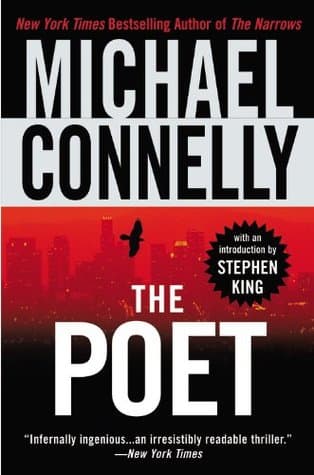
- The Poet
Michael Connelly
4.2 (82k) average on GoodreadsThrillerConnelly's Harry Bosch series is known for intricate plotting, procedural detail, and urban grit. Johnson's 'The Cold Dish' offers a more character-driven narrative set against a natural, isolated backdrop, focusing on community, personal ethics, and the unique challenges of rural law enforcement, rather than complex criminal networks.
- Angels & Demons
Dan Brown
3.9 (2.7M) average on GoodreadsThrillerA Harvard symbologist races through Rome's ancient sites, deciphering cryptic clues to unmask the Illuminati and stop a vengeful plot to destroy the Vatican with a stolen antimatter weapon.
- Gone Girl
Gillian Flynn
4.1 (2.3M) average on GoodreadsThrillerA wife's sudden disappearance on her fifth anniversary reveals a web of lies and psychological warfare, exposing the secrets within a seemingly perfect marriage.
- The Girl on the Train
Paula Hawkins
3.9 (2.1M) average on GoodreadsThrillerA woman’s fascination with a seemingly perfect couple she watches from her daily train commute leads her into a dark investigation when she witnesses something that shatters their idyllic image.





Enjoyed the summary?
A summary gives you the shape of the book. The book itself has the detail, the examples and the voice.
Find The Cold Dish on AmazonAs an Amazon Associate, BookBrief earns from qualifying purchases. How we're funded