

Synopsis
Covers the whole plot, including the ending.
- Difficulty
- Medium
- Pacing
- Variable
- Mood
- Suspenseful, Melancholy, Prophetic, Dark
- Read it if
- You enjoy thrillers with a supernatural element, moral dilemmas, and a strong focus on character. Fans of Stephen King's more grounded, suspenseful works will appreciate the blend of psychic powers with political intrigue and a race against time.
- Skip it if
- You prefer pure horror or fantasy, or if you dislike stories where the protagonist faces a seemingly insurmountable moral burden and a tragic end.
The Dead Zone Plot Summary
Covers the whole plot, including the ending.
The Accident and the Coma
In 1970, Johnny Smith, a high school teacher in Pownal, Maine, is in love with his colleague, Sarah Bracknell. After a night at a carnival where he wins big, Johnny drives Sarah home. On the way back to his own house, an incident with a deer causes him to swerve, leading to a car accident. Johnny sustains a severe head injury and falls into a deep coma. Sarah visits him frequently, but as months turn into years, she moves on, marrying Walt Hazlett and starting a family.
Awakening and the Gift
Four and a half years later, in 1975, Johnny awakens from his coma. He finds his body is weak, and his life has changed: Sarah is married with a child, and his mother has become very religious. More surprisingly, Johnny begins to experience vivid visions when he touches people or objects. His doctor, Sam Weizak, dismisses these as hallucinations, but Johnny quickly realizes they are glimpses into the past or future. His first clear vision is of Sam's deceased mother, revealing a hidden detail that convinces Sam of Johnny's new ability.
The Castle Rock Killer
As Johnny tries to adapt to his new life and his 'gift,' he moves to Castle Rock, Maine. The town is afraid because of a serial killer known as the 'Castle Rock Strangler.' Sheriff George Bannerman, initially doubtful, asks for Johnny's help after many dead ends. Johnny touches a victim's scarf and experiences a vision that leads him to a local deputy, Frank Dodd. Dodd, a seemingly good citizen, is shown through Johnny's visions to be the killer. Dodd is cornered and commits suicide, leaving a note confessing his crimes. The experience leaves Johnny emotionally tired and publicly known.
Meeting Greg Stillson
After the Castle Rock incident, Johnny tries to live a quiet life, working as a tutor. During a political rally in New Hampshire, Johnny, encouraged by a friend, shakes the hand of Greg Stillson, a charismatic but volatile congressional candidate. Upon contact, Johnny is overwhelmed by a vision: Stillson, as President, orders a pre-emptive nuclear strike, starting global thermonuclear war. The vision is so vivid that Johnny recoils, realizing the danger Stillson poses to the world. He keeps this vision a secret, dealing with its implications.
The Stillson Dilemma
Haunted by the vision of Stillson's presidency and the apocalypse, Johnny becomes focused on preventing this future. He discusses the ethical problem with Reverend Purdy, his former high school principal, and even with Sam Weizak, using the idea of killing Hitler as a child to prevent the Holocaust. Both advise caution, stressing the moral difficulties of such an act and the unknown results of altering destiny. Johnny, however, feels a sense of responsibility, believing his gift is meant to avert this specific catastrophe. His health also begins to get worse, a consequence of his powers.
A Life in Exile and Deteriorating Health
Johnny's visions become more frequent and weakening, causing severe headaches and blackouts. He moves to a secluded cabin, trying to withdraw from society and the demands of his 'gift.' His relationship with Sarah, though platonic, remains a source of comfort and pain. He experiences another tragic vision concerning a student he tutors, revealing that the boy will die in a house fire, which Johnny cannot prevent. This event reinforces his belief that some futures are fixed, but the Stillson vision remains a unique, active threat, pushing him towards a drastic solution.
The Assassination Attempt
Convinced that Stillson's presidency will lead to global destruction, Johnny decides to assassinate him. He plans his attack, getting a rifle and researching Stillson's public appearances. He chooses a political rally at a high school gymnasium in Ridgeway, Maine, where Stillson is scheduled to speak. Johnny intends to shoot Stillson from the catwalks above the stage, believing this is the only way to save humanity. He writes letters to Sarah and his father, explaining his motives and expressing his love, fully aware of the consequences.
The Confrontation and Aftermath
At the rally, Johnny positions himself on the catwalk. As Stillson begins his speech, Johnny aims. However, Stillson uses a child as a human shield, grabbing the boy and holding him in front of himself. Johnny hesitates, unable to shoot an innocent child. He fires two shots, missing Stillson but hitting a light fixture, causing it to crash down and create a panic. In the chaos, Stillson shoves the child away, clearly more concerned for his own safety and showing his true, uncaring character to the horrified crowd and news photographers. Johnny is then shot multiple times by Stillson's bodyguards.
Stillson's Downfall and Johnny's Death
Mortally wounded, Johnny collapses. Before he dies, he has one final vision: Stillson's political career is destroyed by the widely circulated photographs of him using a child as a shield. The public outrage and media scrutiny lead to Stillson's political ruin. Johnny dies knowing he has prevented the nuclear war. Sarah, who was at the rally, rushes to his side, holding him as he passes away. His sacrifice, though tragic, saves the world by exposing the true nature of a dangerous man.
Principal Figures
Johnny Smith
Protagonist
A high school teacher who gains precognitive abilities after a traumatic accident.
Johnny Smith is a kind, intelligent, and initially ordinary man whose life is irrevocably altered by a car accident and a subsequent four-and-a-half-year coma. Upon awakening, he discovers he possesses 'the sight' – the ability to see glimpses of the past or future through touch. This gift becomes both a blessing and a curse, isolating him and causing physical and emotional pain. He struggles with the moral implications of his visions, particularly when faced with the potential for preventing future tragedies. His journey is one of immense personal sacrifice, driven by a deep sense of responsibility for humanity's future.
Relationships: Sarah Bracknell (Fiancée turned lifelong confidante); Greg Stillson (Antagonist, the future threat Johnny must stop); Sam Weizak (Doctor and trusted friend); Vera Smith (Overbearing, religiously zealous mother); Herb Smith (Supportive but distant father)
Sarah Bracknell
Supporting
Johnny's former fiancée, who moves on but remains a significant figure in his life.
Sarah is Johnny's fiancée at the time of his accident. She is loving, practical, and deeply affected by Johnny's coma. After years of waiting, she makes the difficult decision to move on, marrying Walt Hazlett and raising a family. Despite her new life, she maintains a deep affection and concern for Johnny, becoming one of his few constants and a source of emotional support after he awakens. She represents the normal life Johnny lost and the enduring power of love and friendship, even in changed circumstances. Her presence humanizes Johnny's extraordinary existence.
Relationships: Johnny Smith (Former fiancée, enduring love and friendship); Walt Hazlett (Husband); Denise Hazlett (Daughter)
Greg Stillson
Antagonist
A charismatic and ruthless politician destined to trigger a nuclear war.
Greg Stillson is the primary antagonist, a populist politician whose ambition masks a deep-seated psychopathy and violent tendencies. He starts as a congressional candidate and rapidly climbs the political ladder, manipulating the public with his folksy charm and aggressive rhetoric. Johnny's vision reveals Stillson's ultimate destiny: as president, he will initiate a nuclear holocaust. Stillson is characterized by his lack of empathy, his willingness to exploit others, and his volatile temper. He represents the danger of unchecked power and the potential for a single individual to bring about global catastrophe.
Relationships: Johnny Smith (Target of Johnny's assassination attempt); Roger Chatsworth (Political aide)
Sam Weizak
Supporting
Johnny's doctor and one of the few who believes in his abilities.
Dr. Sam Weizak is Johnny's attending physician during and after his coma. Initially skeptical of Johnny's claims of precognition, Sam becomes a believer after Johnny reveals details about his deceased mother that only Sam could know. He serves as Johnny's confidante and a voice of reason, offering medical and psychological support. Sam grapples with the scientific impossibility of Johnny's gift but ultimately accepts it, providing a grounding influence for Johnny in his extraordinary circumstances. He symbolizes the struggle between science and the supernatural.
Relationships: Johnny Smith (Doctor and trusted friend)
Sheriff George Bannerman
Supporting
The Castle Rock Sheriff who enlists Johnny's help to solve a serial killer case.
Sheriff Bannerman is the head of the Castle Rock police force, a dedicated but frustrated law enforcement officer. He is initially highly skeptical of Johnny's psychic abilities, viewing them with suspicion and even contempt. However, the desperation of the unsolved 'Castle Rock Strangler' case forces him to consider Johnny's unorthodox help. After Johnny's visions lead directly to the killer, Frank Dodd, Bannerman becomes a reluctant believer, acknowledging Johnny's extraordinary gift. He represents the conventional world's struggle to accept the inexplicable.
Relationships: Johnny Smith (Reluctant collaborator on the Dodd case); Frank Dodd (Deputy and serial killer)
Frank Dodd
Antagonist
A seemingly respectable deputy who is secretly the 'Castle Rock Strangler'.
Frank Dodd is a seemingly normal, even respected, deputy sheriff in Castle Rock. Beneath his facade, however, he is a disturbed and violent serial killer, preying on women in the town. Johnny's visions expose Dodd's heinous crimes, revealing his dark secret. Dodd's character highlights the idea that evil can hide in plain sight and the difficulty of discerning it without extraordinary means. His eventual unmasking and suicide bring a temporary sense of justice and relief to Castle Rock, but also a chilling reminder of the darkness within humanity.
Relationships: Johnny Smith (The one who exposed his crimes); Sheriff George Bannerman (His superior)
Vera Smith
Supporting
Johnny's religiously zealous mother.
Vera Smith is Johnny's mother, who undergoes a profound and unsettling transformation during his coma. She becomes an intensely religious zealot, believing Johnny's accident and subsequent awakening are signs of divine intervention or a struggle between good and evil. Her faith is dogmatic and often suffocating, making it difficult for Johnny to connect with her. She struggles to understand or accept Johnny's 'gift,' often viewing it through a lens of biblical prophecy. She represents the clash between rational explanation and extreme faith.
Relationships: Johnny Smith (Son, whom she struggles to understand); Herb Smith (Husband)
Herb Smith
Supporting
Johnny's quiet and supportive father.
Herb Smith is Johnny's father, a quiet and steady presence in his life. Unlike Vera, he is less demonstrative but offers Johnny practical support and understanding. He is deeply affected by Johnny's accident and coma but handles it with a stoic resignation. Herb provides a contrast to Vera's fanaticism, representing a more grounded and traditional parental love. He is one of the few people Johnny feels he can truly rely on, offering a sense of normalcy in Johnny's increasingly abnormal existence.
Relationships: Johnny Smith (Son); Vera Smith (Wife)
Walt Hazlett
Supporting
Sarah's husband after Johnny's coma.
Walt Hazlett is the man Sarah marries while Johnny is in his coma. He is a good, stable man who provides Sarah with the family and security she needs. Though initially a source of awkwardness and pain for Johnny, Walt proves to be understanding and mature, never standing in the way of Sarah's enduring affection for Johnny. He represents the life that Johnny could have had and the passage of time that Johnny missed. His presence highlights the complex dynamics of love and loyalty in extraordinary circumstances.
Relationships: Sarah Bracknell (Husband); Denise Hazlett (Daughter)
Reverend Purdy
Supporting
Johnny's former principal and a moral compass.
Reverend Purdy is Johnny's former high school principal and a man of strong moral convictions. Johnny consults him when grappling with the ethical dilemma of potentially assassinating Greg Stillson. Purdy offers a theological perspective on free will, destiny, and the sin of murder, advising Johnny to consider the profound implications of his actions. He represents the traditional moral framework that Johnny, with his unique powers, is forced to challenge. His counsel helps Johnny articulate the weight of his decision.
Relationships: Johnny Smith (Former student, seeking moral guidance)
Themes & Insights
Fate vs. Free Will
The central theme of the novel is whether Johnny can change the future he foresees, or if events are predetermined. Johnny deals with the moral problem of his precognitive abilities: is he an observer, or is he meant to intervene? This is most clear in his struggle with the Stillson vision, where he considers assassinating a man to prevent a global catastrophe. The book explores the ethical difficulties of altering destiny, questioning whether such intervention is right, and if trying to change fate might itself be part of a larger, unavoidable plan. His inability to prevent the house fire tragedy, compared with his success in stopping Stillson, shows the nuanced nature of this theme.
“What if you saw a future that was terrible, a future in which a madman became President and started a nuclear war? What if you knew you could stop it? Wouldn't you have to?”
The Burden of Knowledge
Johnny's 'gift' is shown less as a blessing and more as a curse. His precognitive abilities bring him suffering, isolation, and physical deterioration. He sees bad events, both personal and global, and often feels powerless to prevent them, or is forced to make difficult moral choices. The knowledge he possesses separates him from ordinary life and relationships, making him a reluctant prophet. This theme is clear in his despair over the house fire and his emotional and physical toll after exposing Frank Dodd and confronting Stillson.
“The dead zone. That was what he had come to call it. That place where the future was not fixed, where it could be changed. But the price of seeing that zone was terrible.”
Good vs. Evil
The novel presents a clear difference between good and evil, shown by Johnny Smith and Greg Stillson. Johnny, despite his flaws and the weight of his burden, tries to do what is right, even at great personal cost. Stillson, on the other hand, shows pure, self-serving malice and a capacity for destruction. The struggle between them is not just political or personal, but a battle for the fate of humanity. The exposure of Frank Dodd also shows this theme, revealing hidden evil within a community.
“He saw a dark and terrible future, a future that could not be allowed to happen. And he knew, with a terrible certainty, that he was the only one who could stop it.”
Sacrifice and Redemption
Johnny's ultimate act is one of self-sacrifice. He knowingly puts his life on the line to prevent Stillson from becoming President and starting a nuclear war. His death, though tragic, is presented as an act that saves countless lives and the world. This theme is woven throughout his journey, as he sacrifices his normal life, his relationships, and his health for the greater good. His final moments, witnessing Stillson's downfall, provide a sense of purpose and closure to his tormented existence.
“He had done it. He had saved them. He had saved the world. And the price… the price was his life.”
The Nature of Power
The novel explores different forms of power: Johnny's psychic ability, Stillson's political charisma, and the power of the media. Johnny's power is involuntary and destructive to him, yet it allows him to uncover hidden truths and avert disaster. Stillson uses political power, manipulating crowds and rising through the ranks, showing how easily charisma can hide malice. Ultimately, the power of the press, capturing Stillson's act of using a child as a shield, destroys his political career, illustrating the power of public perception and accountability over even the most cunning demagogue.
“The gift. The curse. It was a power, and like all power, it had its price.”
Plot Devices & Literary Techniques
Precognition/Psychic Visions
Johnny's ability to see the past and future through touch.
This is the central plot device, driving the entire narrative. Johnny's 'gift' allows him to experience vivid, often terrifying, visions of past or future events by touching people or objects. These visions are crucial for advancing the plot, from solving the Castle Rock Strangler case to revealing Greg Stillson's apocalyptic future. The device creates suspense, moral dilemmas, and defines Johnny's character arc, transforming him from an ordinary man into a burdened prophet. It also acts as a catalyst for his isolation and physical decline.
The 'Dead Zone'
The metaphorical and literal space where the future is uncertain or can be changed.
The 'Dead Zone' refers to the part of Johnny's brain that was damaged in the accident, but metaphorically, it represents the unpredictable areas of the future. It's the space where his visions are not fixed and can potentially be altered, particularly in the case of Greg Stillson. This concept introduces the element of free will versus determinism, as Johnny grapples with whether he can or should intervene in the future he perceives. It's a crucial element in establishing the moral stakes of his actions.
The Wheel of Fortune
A recurring symbol representing fate, chance, and the turning points in Johnny's life.
The wheel of fortune Johnny wins big on just before his accident serves as a powerful symbol. It represents the arbitrary nature of fate and the sudden, unpredictable turns life can take. His 'win' on the wheel leads directly to his accident, coma, and the acquisition of his powers, ironically ushering in a life of suffering rather than fortune. The symbol underscores the theme of fate, suggesting that some events, like his accident and subsequent 'gift,' were predetermined, while others, like Stillson's rise, might be subject to change.
The Stillson Photograph
A crucial visual element that exposes Stillson's true nature and leads to his downfall.
The photograph of Greg Stillson using a child as a human shield during Johnny's assassination attempt is a pivotal plot device. It serves as irrefutable proof of Stillson's depravity and callousness, instantly destroying his carefully crafted public image. This visual evidence, captured by the media, becomes the instrument of Stillson's political ruin, effectively preventing the nuclear apocalypse Johnny foresaw. It highlights the power of media and public opinion in shaping destiny, and serves as the ultimate justification for Johnny's sacrifice.
The Dead Zone Quotes
“The future is a dead zone. A place where nothing will grow.”
“God's a comedian, honey, and he's got a show running twenty-four hours a day, seven days a week.”
“The world was a much more dangerous place than he had ever imagined, and much more wonderful.”
“You can't fight fate, Johnny. You can only meet it.”
“The past is a ghost, the future a dream, and all we ever have is now.”
“Sometimes the things you can't change end up changing you.”
“He knew, with a certainty that was both chilling and comforting, that he had to do it.”
“A man who would let himself be led by a ghost is a man who has already lost his way.”
“The dead zone was the place where the future had been murdered.”
“No one ever really knows what's in another person's heart.”
“Power corrupts, and absolute power corrupts absolutely.”
“There are no accidents. There is only destiny.”
“He was a man who saw too much, and because of it, he had to do too much.”
Quiz
10 questions on the plot and the characters. Each answer comes with a short explanation.
Question 1
What event initially caused Johnny Smith to enter 'The Dead Zone' and gain his precognitive abilities?
- He was struck by lightning while walking home.
- He fell into a coma after a severe car accident.
- He had a near-fatal allergic reaction to a bee sting.
- He was exposed to a mysterious chemical while working in a lab.
Show answer
B. He fell into a coma after a severe car accident. Johnny Smith's abilities awaken after he suffers a severe car accident and spends four and a half years in a coma, which is referred to as 'The Dead Zone'.
Question 2
What is the primary nature of Johnny Smith's precognitive visions?
- He sees the future of random strangers he passes on the street.
- He experiences flashes of past events when touching objects.
- He sees future events, often catastrophic, when making physical contact with people or objects.
- He can only see the future of his own personal life.
Show answer
C. He sees future events, often catastrophic, when making physical contact with people or objects. Johnny's visions are triggered by physical contact and primarily show him future events, frequently involving danger or tragedy, which he feels compelled to try and prevent.
Question 3
Who is the political figure that Johnny Smith foresees causing a catastrophic future event?
- Sheriff George Bannerman
- Greg Stillson
- Frank Dodd
- Reverend Gene Denault
Show answer
B. Greg Stillson Johnny's most terrifying vision involves Greg Stillson, a charismatic but unstable politician, who he foresees initiating a nuclear holocaust as President.
Question 4
What is the first major public event Johnny successfully intervenes in using his abilities?
- Preventing a school bus accident.
- Locating a missing child in a fire.
- Identifying and stopping the Castle Rock Strangler.
- Predicting a stock market crash.
Show answer
C. Identifying and stopping the Castle Rock Strangler. Johnny helps Sheriff Bannerman identify Frank Dodd as the serial killer known as the Castle Rock Strangler, leading to Dodd's death and the end of the murders.
Question 5
How does Johnny's relationship with Sarah Bracknell change after his accident and coma?
- They get married shortly after he awakens.
- She has moved on and married another man, though they remain connected.
- She becomes his live-in caretaker and assistant.
- She completely severs ties with him.
Show answer
B. She has moved on and married another man, though they remain connected. While Johnny was in his coma, Sarah, his fiancée, married another man, Walt Hazlett. Despite this, their bond remains significant throughout the story.
Question 6
What is the central ethical dilemma Johnny faces regarding Greg Stillson?
- Whether to expose Stillson's past financial frauds.
- Whether to use his power to get Stillson elected to prevent a worse outcome.
- Whether it is morally justifiable to assassinate Stillson to prevent a future global catastrophe.
- Whether to warn Stillson about his impending political downfall.
Show answer
C. Whether it is morally justifiable to assassinate Stillson to prevent a future global catastrophe. Johnny grapples with the 'trolley problem' on a grand scale: is it permissible to kill one man (Stillson) to save millions, perhaps billions, from a nuclear war he foresees Stillson initiating?
Question 7
What specific 'tell' or action does Johnny observe in Stillson that confirms his dangerous instability?
- Stillson constantly checks his watch during speeches.
- Stillson frequently stutters when questioned directly.
- Stillson has a habit of crushing small objects in his hand when angry or stressed.
- Stillson avoids eye contact with his constituents.
Show answer
C. Stillson has a habit of crushing small objects in his hand when angry or stressed. Johnny sees Stillson's habit of crushing small objects, like a pen or a glass, in his hand when under pressure or enraged, which becomes a key indicator of his dangerous psychological state and future actions.
Question 8
What is the ultimate fate of Johnny Smith?
- He lives a long life as a reclusive prophet.
- He manages to prevent the catastrophe and loses his powers.
- He is shot and killed while attempting to assassinate Greg Stillson, but his actions expose Stillson.
- He falls back into a coma and never awakens.
Show answer
C. He is shot and killed while attempting to assassinate Greg Stillson, but his actions expose Stillson. Johnny attempts to assassinate Greg Stillson at a rally. He is shot and killed by Stillson's bodyguards, but not before Stillson grabs a baby as a human shield, an act photographed and published, ending Stillson's political career.
Question 9
What does the 'Dead Zone' in Johnny's brain refer to?
- A specific area of his brain that was damaged in the accident, but also the source of his powers.
- The period of time he spent in a coma, devoid of normal brain activity.
- A region in his memory that he can no longer access after the trauma.
- A metaphorical term for the emotional numbness he feels after his powers emerge.
Show answer
A. A specific area of his brain that was damaged in the accident, but also the source of his powers. The 'Dead Zone' is a specific, damaged part of Johnny's brain identified by doctors. While it is 'dead' in a conventional sense, it paradoxically becomes the conduit for his psychic abilities, allowing him to perceive future events.
Question 10
What is the primary theme explored through Johnny Smith's character and his abilities?
- The corrupting influence of power and wealth.
- The burden of knowing the future and the moral responsibility to act.
- The inevitable triumph of good over evil.
- The importance of ignoring fate and living in the moment.
Show answer
B. The burden of knowing the future and the moral responsibility to act. The novel heavily explores the ethical and personal burden placed on Johnny by his precognitive abilities. He constantly struggles with whether and how to use his knowledge to change potentially catastrophic futures, highlighting the immense responsibility that comes with such power.
The Dead Zone FAQ
What is The Dead Zone about?
The Dead Zone tells the story of Johnny Smith, a schoolteacher who awakens from a nearly five-year coma after a car accident with the ability of precognition through touch. He can see past, present, and future events related to people or objects he touches, a power that comes with a terrible cost and leads him to confront a dangerous political figure.
Why should I read The Dead Zone?
You should read The Dead Zone for its compelling blend of supernatural thriller and political suspense, exploring themes of fate, moral responsibility, and the burden of extraordinary power. Stephen King masterfully crafts a sympathetic protagonist in Johnny Smith and a terrifying antagonist in Greg Stillson, making for a gripping and thought-provoking read.
What is the background/setting of The Dead Zone?
The story is set primarily in the fictional towns of Castle Rock and Derry, Maine, during the 1970s. It captures the social and political anxieties of the era, particularly the rise of populist figures, providing a grounded backdrop for Johnny Smith's supernatural abilities and his eventual confrontation with presidential candidate Greg Stillson.
What are the most memorable quotes?
One memorable quote is Johnny Smith's recurring internal question, 'What is the dead zone?' referring to the blank or missing part of his visions. Another impactful line is 'God's will is for us to be free,' uttered by Frank Dodd, which chillingly foreshadows the dark paths some characters take.
What writing style does the author use?
Stephen King employs a direct, character-driven narrative style, rich with internal monologue and psychological insight. He uses vivid descriptions and builds suspense gradually, often interweaving Johnny Smith's personal struggles with broader societal anxieties, creating a deeply immersive and often unsettling reading experience.
What minor details add significant meaning?
The recurring motif of 'The Dead Zone' itself, the blank spot in Johnny's visions, is a minor detail that underscores the limits of his power and the ultimate unknowability of certain futures. Similarly, the childhood accident that briefly plunges Johnny into a coma foreshadows his later, more profound, coma and the awakening of his abilities.
What are some subtle foreshadowing moments?
Early in the book, Johnny's initial childhood accident and brief coma, where he experiences a strange 'dead zone,' subtly foreshadows his much longer coma and the emergence of his precognitive abilities. Also, the brief vision Johnny has of Greg Stillson's violent nature during a handshake, long before Stillson becomes a prominent figure, sets the stage for their inevitable conflict.
What unexpected character connections exist?
While not entirely unexpected, the deep, enduring connection between Johnny Smith and Sarah Bracknell, his fiancée before the coma, is crucial. Despite Sarah marrying another man during Johnny's coma, their bond remains a powerful emotional anchor for Johnny, influencing his decisions and providing a poignant contrast to his isolated existence.
What are unspoken character motivations?
Johnny Smith's unspoken motivation to use his powers for good, despite the personal cost, stems from a deep-seated moral compass and a lingering guilt over not acting sooner in certain situations. Greg Stillson's true, unspoken motivation for power is not just ambition, but a profound sociopathy and a desire for control, masked by a populist facade.
What psychological complexities do characters exhibit?
Johnny Smith grapples with immense psychological complexity, experiencing profound isolation, the burden of knowing terrible futures, and the moral dilemma of whether to intervene. His struggle with his 'gift' often pushes him to the brink of despair, highlighting the heavy toll precognition takes on his mental health and relationships.
What are the major emotional turning points?
A major emotional turning point for Johnny is when he has a vision of the serial killer Frank Dodd and realizes he could have prevented the tragedy if he had acted on his initial, confusing premonitions. This moment solidifies his resolve to use his power, even at great personal risk, leading him towards his confrontation with Stillson.
How do relationship dynamics evolve?
Johnny's relationship with Sarah Bracknell undergoes a significant evolution; it transforms from a passionate engagement into a more complex, bittersweet bond of enduring affection and regret after his coma and her subsequent marriage. His relationships with others, like his doctor and parents, also shift as they struggle to understand and cope with his unique ability.
Which parts remain ambiguous or open-ended?
The precise nature and origin of 'The Dead Zone' itself, the blank spots in Johnny's visions, remain somewhat ambiguous. While it's implied to be a limit to his power or a potential for change, its exact metaphysical explanation is left open to interpretation, adding to the mysterious quality of Johnny's gift.
What are controversial scenes or decisions?
Johnny Smith's ultimate decision to attempt to assassinate Greg Stillson is highly controversial. It forces readers to confront difficult ethical questions about whether one person has the right to take a life, even to prevent a greater future catastrophe, and whether the ends justify the means.
The Dead Zone ending explained: how it ends & what it means
The book ends with Johnny Smith attempting to assassinate presidential candidate Greg Stillson at a rally. Johnny is shot by Stillson's bodyguard but manages to wound Stillson, revealing Stillson's true cowardice and unsuitability for office through a photograph. Johnny dies, but his sacrifice is not in vain; Stillson's political career is ruined, preventing a catastrophic future presidency. It signifies the triumph of moral courage over evil, even at the ultimate personal cost.
About the author

Stephen Edwin King is an American author of horror, supernatural fiction, suspense, crime, science-fiction, and fantasy novels. Described as the "King of Horror", his books have sold more than 350 million copies as of 2006, and many have been adapted into films, television series, miniseries, and comic books. King has published over 65 novels/novellas, including seven under the pen name Richard Bachman, and five non-fiction books. He has also written approximately 200 short stories, most of which have been published in book collections.
Similar books
- Firestarter
Stephen King
3.9 (190k) average on GoodreadsThrillerFeatures a protagonist with psychic powers on the run, facing ethical dilemmas about their abilities.
- 11/22/63
Stephen King
4.3 (420k) average on GoodreadsThrillerExplores the moral complexities of changing the past to prevent a future catastrophe.
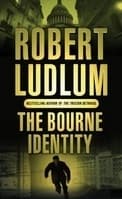
- The Bourne Identity
Robert Ludlum
4.0 (397k) average on GoodreadsThrillerWhile both are thrillers, Ludlum's novel focuses on espionage, amnesia, and action, lacking the deep moral introspection and exploration of psychic abilities central to The Dead Zone. King's work is more concerned with the psychological toll of prescience and ethical dilemmas.
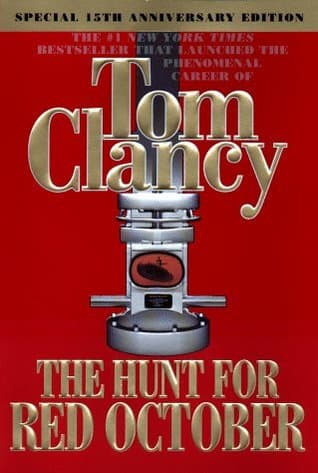
- The Hunt for Red October
Tom Clancy
4.1 (336k) average on GoodreadsThrillerClancy's novel is a meticulously detailed technothriller centered on military strategy and submarine warfare. It offers high suspense but does not delve into the personal cost of extraordinary abilities or the profound ethical questions of preventing future catastrophes in the same way King does with Johnny Smith's psychic powers.
- Angels & Demons
Dan Brown
3.9 (2.7M) average on GoodreadsThrillerA Harvard symbologist races through Rome's ancient sites, deciphering cryptic clues to unmask the Illuminati and stop a vengeful plot to destroy the Vatican with a stolen antimatter weapon.
- Gone Girl
Gillian Flynn
4.1 (2.3M) average on GoodreadsThrillerA wife's sudden disappearance on her fifth anniversary reveals a web of lies and psychological warfare, exposing the secrets within a seemingly perfect marriage.




Enjoyed the summary?
A summary gives you the shape of the book. The book itself has the detail, the examples and the voice.
Find The Dead Zone on AmazonAs an Amazon Associate, BookBrief earns from qualifying purchases. How we're funded