

Synopsis
Covers the whole plot, including the ending.
- Difficulty
- Medium
- Pacing
- Moderate
- Mood
- Intellectual, Suspenseful, Witty, Classic
- Read it if
- You enjoy classic, intricate detective mysteries where the detective outsmarts powerful institutions.
- Skip it if
- You prefer fast-paced thrillers with constant action rather than intellectual deduction.
The Doorbell Rang Plot Summary
Covers the whole plot, including the ending.
The Client's Plea
Rachel Bruner, a wealthy widow, arrives at Nero Wolfe's brownstone, distressed by constant FBI surveillance and harassment. She explains that after inheriting a large fortune, she gave a million dollars to a critic who wrote a book exposing FBI abuses. This, she believes, triggered the federal agency's relentless scrutiny: wiretaps, tails, and veiled threats. She wants Wolfe to make them stop, offering a large fee. Wolfe, intrigued by the challenge and the potential for a public confrontation with a powerful government agency, accepts the case. Archie Goodwin, Wolfe's assistant, is initially skeptical but prepares for the unusual investigation.
Initial Infiltration
To get firsthand evidence of the FBI's activities, Archie Goodwin moves into Rachel Bruner's luxurious apartment. He immediately notices signs of surveillance: phone calls with strange clicks, unexplained noises, and the general feeling of being watched. Archie's presence is meant to attract the agents, allowing him to document their methods. He also observes Rachel's paranoia and the psychological toll the harassment has taken on her. His goal is to identify the FBI's specific tactics and confirm the extent of their intrusion, setting the stage for Wolfe's strategy.
The Unexpected Death
While Archie is at Rachel Bruner's apartment, a shocking event happens: Barry Brattle, a frequent visitor and seemingly a suitor of Rachel's, is found dead. The circumstances of his death are suspicious, with initial assessments pointing to a professional killing. This murder drastically changes Wolfe's investigation, turning it from a civil liberties case into a homicide inquiry. The FBI, already involved in Rachel's life, now has an even stronger reason to be present, complicating matters and making it hard to figure out who is responsible for the killing and why.
FBI Interference
Barry Brattle's murder brings the FBI's tactics into sharper focus. Agents, led by District Attorney Mandelbaum and Inspector Cramer, immediately gather at Rachel Bruner's apartment, supposedly to investigate the murder. However, their actions seem more about controlling the story and intimidating anyone who might cooperate with Wolfe. They seize evidence, question witnesses aggressively, and try to discredit Wolfe and Archie. This obvious obstruction makes it clear that the FBI is not just observing but actively trying to manipulate the situation, making it very difficult for Wolfe to properly investigate Brattle's death.
Wolfe's Counter-Move
Recognizing that directly confronting the FBI is pointless, Nero Wolfe plans an elaborate scheme. He announces his intention to hold a public press conference where he will reveal the full extent of the FBI's harassment of Rachel Bruner and their obstruction of the murder investigation. This announcement is a calculated bluff, designed to provoke a response from the FBI. Wolfe believes the agency, desperate to avoid public scandal, will send their top operatives to his brownstone, giving him a chance to observe and perhaps manipulate them. He carefully sets up the scene, anticipating their every move.
The Gathering of Agents
As expected, Wolfe's announcement draws a significant response. Many men, whom Wolfe and Archie identify as FBI agents, arrive at the brownstone, demanding to speak with Wolfe and prevent his press conference. They are a diverse group, some appearing to be high-ranking officials, others more like field operatives. Wolfe orchestrates a complex scene, making them wait, observing their interactions, and subtly gathering information. He ensures that Archie meticulously records every detail and every person present. This controlled environment allows Wolfe to study their behavior and identify patterns that will be crucial to solving the mystery.
The Revelation of the Imposter
In a dramatic confrontation, Nero Wolfe gathers all the supposed FBI agents in his office. He carefully presents his deductions, revealing that Barry Brattle's murder was not an FBI operation but a personal act, and that the killer is among them, pretending to be an agent. He explains that the killer used the existing FBI surveillance on Rachel Bruner to hide their tracks, knowing the agency would be blamed. Wolfe then points directly to one of the men, identifying him as the actual murderer, whose motive was not political but deeply personal, likely related to financial gain or a personal vendetta against Brattle.
The Killer's Motive and Identity
Wolfe reveals that the killer is George Pratt, a man who had infiltrated Rachel Bruner's social circle pretending to be an FBI agent, but was actually a former associate of Barry Brattle. Pratt had a financial dispute with Brattle, who was blackmailing him over past dealings. Pratt saw an opportunity to kill Brattle and frame the FBI, knowing that the agency's existing harassment of Rachel would make them prime suspects. He skillfully manipulated the circumstances, using the FBI's own methods against them. Wolfe's careful observation of Pratt's reactions and inconsistencies during his time in the brownstone allowed him to pinpoint the true culprit.
The Aftermath and Resolution
With George Pratt exposed as the murderer, the FBI is in an embarrassing situation. While they initially tried to maintain control and intimidate Wolfe, their involvement in an actual murder investigation where one of their 'own' (or someone pretending to be) is the killer, is a significant blow to their public image. Rachel Bruner is finally free from immediate harassment, and her name is cleared regarding any involvement in Brattle's death. Wolfe, having successfully outmaneuvered a powerful government agency, collects his fee and returns to his orchids, leaving Archie to deal with the aftermath. The novel concludes with the understanding that while Wolfe won this battle, the power and reach of the FBI remain a formidable force.
The Doorbell Rang Characters
Nero Wolfe
Protagonist
The brilliant, reclusive, and eccentric private detective.
Nero Wolfe is a corpulent, highly intelligent private detective who rarely leaves his brownstone in New York City. He is renowned for his extraordinary deductive abilities, a sharp wit, and an almost pathological aversion to physical exertion and social interaction. His passions include gourmet food, expensive beer, and cultivating orchids. Wolfe operates on a strict schedule and demands absolute loyalty from his assistant, Archie Goodwin. He takes on cases that pique his intellectual curiosity or offer a substantial fee, often using his unique methods to outwit opponents, even powerful government agencies.
Relationships: Archie Goodwin (Employer/employee, close confidant and friend); Rachel Bruner (Client)
Archie Goodwin
Narrator and Protagonist's Assistant
Nero Wolfe's sharp-witted, action-oriented, and indispensable assistant.
Archie Goodwin is the loyal and capable assistant to Nero Wolfe, serving as the narrator of the story. Unlike Wolfe, Archie is active, outgoing, and handles the legwork of their investigations, including interviewing witnesses, surveillance, and dealing with the police. He possesses a keen observational eye, a quick wit, and a talent for detail, often providing the practical counterpoint to Wolfe's cerebral approach. Archie's dry humor and sardonic commentary provide much of the novel's charm and insight into Wolfe's peculiar world. He is fiercely loyal to Wolfe, though he often grumbles about his boss's eccentricities.
Relationships: Nero Wolfe (Employer/employee, close confidant and friend); Rachel Bruner (Client, whom he protects and observes)
Rachel Bruner
Client and Victim of Harassment
A wealthy widow targeted by the FBI after a controversial donation.
Rachel Bruner is a society widow who inherits a substantial fortune. She becomes Nero Wolfe's client after donating a million dollars to a critic who wrote a book exposing FBI abuses. This act leads to relentless surveillance and harassment by the federal agency, making her paranoid and desperate for help. She is initially portrayed as a victim, but her resilience and determination to fight back are evident in her decision to hire Wolfe. Her plight is the catalyst for the entire plot, representing the individual's struggle against overwhelming governmental power.
Relationships: Nero Wolfe (Client/detective); Archie Goodwin (Client/investigator, her temporary bodyguard)
Barry Brattle
Murder Victim
A man connected to Rachel Bruner, whose murder escalates the investigation.
Barry Brattle is a man who had been frequently visiting Rachel Bruner, possibly as a suitor or business associate, before his murder. His death is the central crime of the novel, transforming Wolfe's initial civil liberties case into a homicide investigation. Brattle's background is gradually revealed to be complex, involving past dealings and potential blackmail, which ultimately provides the motive for his killing. He is not a deeply developed character but serves as the crucial plot device that allows Wolfe to expose the deeper machinations at play.
Relationships: Rachel Bruner (Acquaintance/potential suitor); George Pratt (Former associate, current blackmailer victim and ultimately his murderer)
Inspector Cramer
Antagonist (initially) / Supporting Law Enforcement
The head of the Homicide Squad, often at odds with Wolfe but respects his abilities.
Inspector Cramer is the gruff and persistent head of the New York City Homicide Squad. He frequently clashes with Nero Wolfe due to Wolfe's unorthodox methods and secretive nature, yet he grudgingly respects Wolfe's unparalleled deductive skills. In 'The Doorbell Rang,' Cramer is initially presented as an antagonist, working alongside the FBI and obstructing Wolfe's investigation, but he eventually recognizes the deeper conspiracy at play. He represents the more traditional, by-the-book law enforcement, providing a contrast to Wolfe's independent approach.
Relationships: Nero Wolfe (Professional rivals, sometimes collaborators); Archie Goodwin (Professional acquaintance, often the recipient of Cramer's frustration)
George Pratt
Antagonist / Murderer
The true killer, posing as an FBI agent to cover his tracks.
George Pratt is the true antagonist and murderer of Barry Brattle. He infiltrates Rachel Bruner's life and Nero Wolfe's brownstone by posing as an FBI agent. Pratt is cunning and manipulative, exploiting the genuine FBI surveillance and harassment to create a perfect cover for his crime. His motive is revealed to be personal: he was being blackmailed by Brattle over past financial misdeeds. Pratt's ability to blend in and deflect suspicion makes him a formidable foe, but Wolfe's meticulous observation ultimately exposes his deception.
Relationships: Barry Brattle (Victim of his murder, former associate); Rachel Bruner (Target of his manipulation); Nero Wolfe (His ultimate unraveler)
District Attorney Mandelbaum
Antagonist / Law Enforcement
The District Attorney who actively supports the FBI's agenda.
District Attorney Mandelbaum represents the official legal establishment that, in this story, is aligned with the FBI's interests. He is portrayed as a figure of authority who is more concerned with protecting the FBI's reputation and power than with ensuring justice or individual rights. Mandelbaum actively participates in the obstruction of Wolfe's investigation, using his position to pressure witnesses and control information. He embodies the institutional power that Wolfe is fighting against, making him a key antagonist in the initial stages of the case.
Relationships: Nero Wolfe (Adversary); Inspector Cramer (Colleague, often giving orders to Cramer)
Lon Cohen
Supporting / Reporter
A trusted newspaper reporter who serves as Wolfe's media contact.
Lon Cohen is a respected newspaper reporter who frequently serves as Nero Wolfe's contact with the media. He is reliable, discreet, and understands the nuances of Wolfe's operations. In 'The Doorbell Rang,' Cohen is crucial for disseminating information and for setting up the 'press conference' that Wolfe uses as a trap for the FBI. He helps Wolfe control the flow of information to the public, amplifying Wolfe's strategic moves. Cohen represents the independent press, a vital tool in Wolfe's fight against governmental overreach.
Relationships: Nero Wolfe (Professional acquaintance, source of information for Wolfe); Archie Goodwin (Contact for Wolfe's communications)
The Doorbell Rang Themes
Abuse of Power and Government Overreach
This is the main theme, exploring how a powerful government agency like the FBI can use its resources to harass and intimidate citizens who challenge its authority. Rachel Bruner's experience shows this, as her constitutional rights are violated simply for exercising free speech and supporting a critical book. The FBI's tactics, including illegal wiretaps, surveillance, and veiled threats, are detailed, showing the chilling effect such actions have on individuals. Wolfe's entire investigation directly confronts this abuse, highlighting the importance of holding institutions accountable, as seen in his plan to expose the agents in his own home.
“What are the limits of government power? When does surveillance become harassment? When does protection become tyranny?”
Individual Liberty vs. State Security
The novel directly pits Rachel Bruner's individual rights against the perceived need for state security, as claimed by the FBI. Wolfe champions individual liberty, arguing that no government agency should be above the law or allowed to terrorize its citizens. The story questions the reasons for excessive surveillance and the loss of privacy in the name of national interest. Wolfe's refusal to back down from the FBI, even when threatened, emphasizes the importance of defending basic freedoms, regardless of the opponent's power. The resolution, though partial, suggests a victory for individual rights in this specific case.
“A government that spies on its citizens is a government that fears its citizens.”
The Nature of Justice and Law
This theme explores the difference between legal justice and true justice, especially when the legal system is manipulated by powerful entities. The FBI, while supposedly upholding the law, acts outside of it by harassing Rachel. Wolfe, working outside conventional law enforcement, seeks to achieve a higher form of justice by exposing the truth and protecting his client's rights. The murder investigation further complicates this, as the FBI's attempts to control the narrative hide the real crime. The story suggests that true justice requires integrity and a willingness to challenge established powers, rather than blindly following institutional rules.
“The law is a weapon, and like any weapon, it can be misused.”
Deception and Appearances
Deception is a widespread theme, appearing in many layers. The FBI agents use various forms of deception—surveillance, anonymous threats, and psychological warfare—to intimidate Rachel. More importantly, the true murderer, George Pratt, uses the ultimate deception, posing as an FBI agent to commit his crime and frame the agency. This shows how appearances can be misleading and how easily trust can be manipulated, especially when authority figures are involved. Wolfe's genius is his ability to see through these layers of deception, distinguishing real threats from calculated bluffs, and ultimately unmasking the true villain.
“The greatest trick the devil ever pulled was convincing the world he didn't exist.”
Plot Devices & Literary Techniques
The Locked Room Mystery (Psychological)
A confined setting used to trap and observe suspects.
While not a traditional physical locked room, Wolfe creates a 'psychological locked room' by inviting all the suspected FBI agents into his brownstone. Once inside, they are under his direct observation, unable to leave without drawing suspicion, and forced to interact under his controlled conditions. This allows Wolfe to meticulously study their reactions, body language, and inconsistencies, which are crucial for identifying the true murderer and the genuine agents. It's a mental cage designed to reveal truths through forced proximity and scrutiny.
The Red Herring
The FBI's harassment as a misdirection for the true crime.
The FBI's relentless surveillance and intimidation of Rachel Bruner serve as a massive red herring. The initial focus of the investigation is on stopping the FBI's harassment, and when Barry Brattle is murdered, the immediate assumption is that the FBI is somehow responsible or involved. This misdirects both the characters and the reader, creating a plausible but ultimately false lead. It allows the true killer, George Pratt, to operate under the convenient cover of the FBI's existing presence, making his personal motive less obvious until Wolfe unravels the layers of deception.
The Unreliable Authority Figure
The FBI, a symbol of authority, is depicted as untrustworthy and obstructive.
The FBI, typically seen as a bastion of law and order, is portrayed as an unreliable and even antagonistic authority figure. Their actions are not for justice but for self-preservation and intimidation. They obstruct justice, harass a citizen, and attempt to control the narrative around a murder investigation. This subversion of the traditional authority role forces the reader to question institutions and highlights the necessity of independent scrutiny. It also makes Wolfe's role as a private citizen detective all the more heroic in his pursuit of truth against a powerful, corruptible force.
The Press Conference Bluff
A strategic fabrication used to manipulate opponents into revealing themselves.
Wolfe's announcement of a public press conference is a calculated bluff. He has no intention of actually holding one but uses the threat of public exposure to force the FBI's hand. He correctly anticipates that the agency, desperate to avoid scandal and protect its image, will send its top operatives directly to his brownstone to stop him. This maneuver allows Wolfe to gather all his 'suspects' (the various FBI agents) in one place, under his control, and observe their reactions, ultimately leading to the identification of the true killer and the exposure of the FBI's methods.
The Doorbell Rang Quotes
“There are only two kinds of people who are really interesting: people who know a lot and people who don't know anything at all. Everybody in between is just kind of a blur.”
“The greatest enemy of truth is very often not the lie—deliberate, contrived, and dishonest—but the myth—persistent, persuasive, and unrealistic.”
“It is not necessary to understand things in order to argue about them.”
“When you have eliminated the impossible, whatever remains, however improbable, must be the truth.”
“Conscience is a funny thing. It makes you feel guilty when you don't do something you shouldn't have done.”
“A man who thinks he knows everything is a great annoyance to those of us who do.”
“The trouble with people is not that they don't know, but that they know so much that ain't so.”
“I do not consider it a duty to prove something for which there is no evidence.”
“There is nothing more dangerous than a man who has nothing to lose.”
“Originality is nothing but judicious imitation.”
“A good memory is one that forgets nothing, but only when it is convenient.”
“I am not a detective. I am a private investigator. The difference is that a detective detects, and I investigate.”
“The fact that a man is a millionaire does not mean he has a brain.”
“It is difficult to make a man miserable while he feels he is worthy of himself and claims kindred to the great God who made him.”
Quiz
10 questions on the plot and the characters. Each answer comes with a short explanation.
Question 1
Why does Rachel Bruner initially hire Nero Wolfe?
- To find her missing brother.
- To investigate a theft from her home.
- To make the FBI stop harassing her.
- To manage her financial investments.
Show answer
C. To make the FBI stop harassing her. Rachel Bruner hires Nero Wolfe because she feels she is being unjustly harassed and investigated by the FBI, and she wants him to make them stop.
Question 2
What is the primary reason the FBI is harassing Rachel Bruner?
- They suspect her of tax evasion.
- She inherited a large sum of money from a controversial figure.
- She gave 10,000 copies of a critical book about the FBI to friends.
- She is suspected of espionage.
Show answer
C. She gave 10,000 copies of a critical book about the FBI to friends. The FBI's intense harassment of Rachel Bruner stems from her distribution of 10,000 copies of a book titled 'The FBI: The Men and the Myth' by Peter Byfield, which was highly critical of the agency.
Question 3
Who is the author of the book that Rachel Bruner distributed?
- Rex Stout
- Peter Byfield
- J. Edgar Hoover
- Archie Goodwin
Show answer
B. Peter Byfield The controversial book that Rachel Bruner distributed, which sparked the FBI's ire, was written by Peter Byfield.
Question 4
What unusual request does Nero Wolfe make of his staff when the FBI's surveillance becomes intense?
- To move all plants from the office.
- To leave the front door unlocked at all times.
- To eat all meals in the office to avoid being followed.
- To take their shoes off before entering the brownstone.
Show answer
D. To take their shoes off before entering the brownstone. Nero Wolfe, concerned about FBI agents potentially placing listening devices, instructs everyone entering the brownstone, including himself and his staff, to remove their shoes to minimize noise and detect any foreign objects.
Question 5
Which of Nero Wolfe's regular associates is most directly affected by the FBI's tactics, being followed and threatened?
- Fritz Brenner
- Saul Panzer
- Archie Goodwin
- Orrie Cather
Show answer
C. Archie Goodwin Archie Goodwin, as Wolfe's legman and primary contact with the outside world, bears the brunt of the FBI's surveillance and threats, experiencing tails and direct intimidation.
Question 6
What is the name of the high-ranking FBI agent who leads the efforts against Wolfe and Bruner?
- Inspector Cramer
- Agent Grantham
- Sergeant Purley Stebbins
- Director Hoover
Show answer
B. Agent Grantham Agent Grantham is the primary FBI agent who directly confronts Nero Wolfe and Archie Goodwin, representing the agency's efforts to intimidate Rachel Bruner and her protectors.
Question 7
How does Nero Wolfe plan to expose the FBI's activities and force their hand?
- By leaking information to the press.
- By publicly accusing the FBI of a specific crime.
- By provoking them into committing a public, undeniable act of harassment or illegal entry.
- By gathering evidence of their illegal wiretaps.
Show answer
C. By provoking them into committing a public, undeniable act of harassment or illegal entry. Wolfe's strategy involves creating a situation where the FBI is compelled to act overtly and illegally, ideally by breaking into his brownstone, thus providing irrefutable proof of their harassment.
Question 8
What object does Rachel Bruner bring to Nero Wolfe's office that becomes a key piece of evidence?
- A list of people who received the book.
- A recording of an FBI agent.
- A photograph of an FBI tail.
- A small, concealed microphone (bug) found in her home.
Show answer
D. A small, concealed microphone (bug) found in her home. Rachel Bruner brings a 'bug' that she discovered in her home to Wolfe, confirming the FBI's direct surveillance and providing tangible proof of their methods.
Question 9
What is the ultimate fate of the high-ranking FBI agents involved in the harassment, as implied by the ending?
- They are arrested and charged.
- They are publicly disgraced and fired.
- They are quietly reassigned or resign to avoid scandal.
- They continue their work unimpeded.
Show answer
C. They are quietly reassigned or resign to avoid scandal. While not explicitly stated as arrests, the ending suggests that the FBI, to avoid a major scandal and public exposure of their illegal tactics, quietly removes or reassigns the agents responsible, as a compromise brokered to protect the agency's image.
Question 10
What fundamental theme does 'The Doorbell Rang' explore regarding government power?
- The necessity of unchecked government surveillance for national security.
- The importance of individual privacy and the dangers of government overreach.
- The effectiveness of intimidation tactics in law enforcement.
- The inherent goodness of all government agencies.
Show answer
B. The importance of individual privacy and the dangers of government overreach. A central theme of the novel is the tension between individual liberty and governmental authority, specifically highlighting the dangers when powerful agencies like the FBI abuse their power and infringe upon citizens' rights to privacy and freedom of expression.
The Doorbell Rang FAQ
What is the central premise of 'The Doorbell Rang'?
Wealthy widow Rachel Bruner hires Nero Wolfe because she believes the FBI is harassing her without cause. She wants Wolfe to make them stop, a task that quickly proves more complicated and dangerous than initially anticipated, drawing Wolfe and Archie Goodwin into a direct confrontation with J. Edgar Hoover's agency.
Who is Rachel Bruner and why is she being targeted by the FBI?
Rachel Bruner is a very wealthy socialite who inherited her fortune. She believes the FBI is harassing her because she distributed 10,000 copies of a book critical of the FBI, 'The FBI Nobody Knows,' which paints the agency in a negative light and exposes its questionable tactics.
How does Nero Wolfe plan to 'make the FBI stop' their harassment?
Wolfe's initial plan involves exposing the FBI's tactics by gathering irrefutable proof of their illegal surveillance and intimidation, then using this evidence to leverage them into backing off. He aims to outsmart them at their own game rather than directly confront them through legal channels.
What role does Archie Goodwin play in Wolfe's investigation?
Archie is crucial as Wolfe's legman, handling all the fieldwork, including meeting clients, shadowing suspects, and directly interacting with the FBI agents. He faces the brunt of the FBI's surveillance and intimidation, providing the essential information Wolfe needs to formulate his strategy.
How does the FBI initially react to Nero Wolfe's involvement?
The FBI initially reacts with a show of force, placing Wolfe's brownstone under intense surveillance, bugging his office, and tailing Archie constantly. They attempt to intimidate Wolfe and his associates, asserting their authority and making it clear they will not tolerate interference.
What is the significance of the book 'The FBI Nobody Knows' within the plot?
The book is the catalyst for Rachel Bruner's troubles, as her widespread distribution of it angered the FBI. It also serves as a meta-commentary on the real-world criticisms of the FBI during the era, highlighting themes of government overreach and individual liberty.
How does Wolfe use the FBI's own tactics against them?
Wolfe shrewdly uses the FBI's constant surveillance to his advantage, knowing they are listening. He stages conversations, plants misinformation, and manipulates their expectations, essentially turning their own intelligence-gathering against them to control the narrative.
Are there any deeper connections between Rachel Bruner and the FBI beyond the book distribution?
Yes, it is revealed that Rachel Bruner's late husband, a prominent figure, had his own connections and dealings that the FBI was investigating, making her more than just a random target. This adds a layer of personal history and motive to the FBI's intense focus on her.
What is the underlying psychological impact of constant surveillance on Archie?
Archie experiences significant psychological stress from being constantly watched and followed, leading to paranoia and a feeling of being trapped. This pressure tests his resilience and loyalty, highlighting the invasive nature of the FBI's tactics and its toll on individual freedom.
How does Nero Wolfe's psychological state differ from Archie's under pressure?
Wolfe, accustomed to his structured routine and intellectual battles, remains outwardly calm and calculating, using his intellect to navigate the pressure. Unlike Archie, who is actively engaged in the field, Wolfe's psychological battle is more internal and strategic, focused on outmaneuvering his opponents mentally.
What does the novel suggest about the psychology of power and authority figures like those in the FBI?
The novel portrays the FBI agents as driven by a sense of unquestionable authority and a belief in their own righteousness, leading to an abuse of power. Their actions suggest a psychological need to control and eliminate dissent, viewing any opposition as a threat to national security.
How does the book explore the concept of paranoia and its justification?
The book masterfully blurs the line between justified suspicion and paranoia, showing that Rachel Bruner's initial 'paranoia' about FBI harassment is entirely valid. It forces the reader to question how much government surveillance is acceptable before it becomes a genuine threat to individual liberty.
Is 'The Doorbell Rang' a critique of government overreach or a specific agency?
The novel is widely interpreted as a direct and scathing critique of the FBI under J. Edgar Hoover, specifically targeting its methods of surveillance, intimidation, and perceived abuses of power. It raises broader questions about government accountability and civil liberties.
How does the ending of the novel resolve the conflict with the FBI?
Wolfe orchestrates a brilliant trap, exposing the FBI's illegal activities and forcing them into a humiliating retreat without direct legal confrontation. He doesn't bring them to trial but rather makes their continued harassment of Rachel Bruner politically untenable, achieving her desired outcome.
What is the ultimate message of the book regarding individual freedom versus state power?
The book champions individual freedom and the right to privacy against the encroaching power of the state. It suggests that even the most formidable government agencies can be challenged and defeated by intellect and determination, emphasizing the importance of standing up against injustice.
How does 'The Doorbell Rang' fit into the broader context of Rex Stout's work?
This novel stands out as one of Stout's most politically charged and serious works, moving beyond typical mystery plots to tackle contemporary social issues. It showcases Wolfe's moral compass and intellectual prowess in a high-stakes battle that resonates beyond a simple whodunit.
Could the FBI's actions in the book be considered justified in any way?
While the FBI might argue their actions were for national security, the book largely portrays their methods as excessive, illegal, and an abuse of power. It challenges the reader to consider whether any potential justification outweighs the violation of civil liberties and individual rights.
About the author
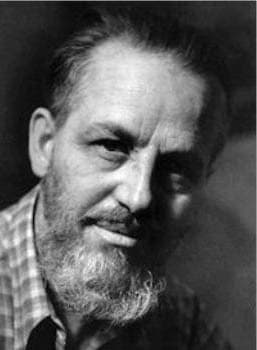
Rex Todhunter Stout was an American writer noted for his detective fiction. His best-known characters are the detective Nero Wolfe and his assistant Archie Goodwin, who were featured in 33 novels, and 41 novellas and short stories between 1934 and 1975.
Similar books
- The Maltese Falcon
Dashiell Hammett
3.9 (89k) average on GoodreadsThrillerFeatures a sharp-witted private detective against a backdrop of crime and intrigue.
- A Study in Scarlet
Arthur Conan Doyle
4.2 (324k) average on GoodreadsHistorical FictionShowcases a brilliant, eccentric detective solving complex cases through deduction.
- Gaudy Night
Dorothy L. Sayers
4.2 (23k) average on GoodreadsHistorical FictionA classic Golden Age mystery with a focus on character and intellectual puzzles.
- And Then There Were None
Agatha Christie
4.3 (822k) average on GoodreadsThrillerChristie's work excels in psychological tension and the closed-circle mystery format, but The Doorbell Rang offers a more direct and explicit socio-political critique, making the antagonist an institutional power rather than a hidden individual.
- Angels & Demons
Dan Brown
3.9 (2.7M) average on GoodreadsThrillerA Harvard symbologist races through Rome's ancient sites, deciphering cryptic clues to unmask the Illuminati and stop a vengeful plot to destroy the Vatican with a stolen antimatter weapon.
- Gone Girl
Gillian Flynn
4.1 (2.3M) average on GoodreadsThrillerA wife's sudden disappearance on her fifth anniversary reveals a web of lies and psychological warfare, exposing the secrets within a seemingly perfect marriage.





Enjoyed the summary?
A summary gives you the shape of the book. The book itself has the detail, the examples and the voice.
Find The Doorbell Rang on AmazonAs an Amazon Associate, BookBrief earns from qualifying purchases. How we're funded