
Estimated read time: 7 min read
One Sentence Summary
Three children discover a magical ring in an enchanted castle that grants invisibility and embark on whimsical adventures filled with friendship and mischief.
Table of Contents
Introduction
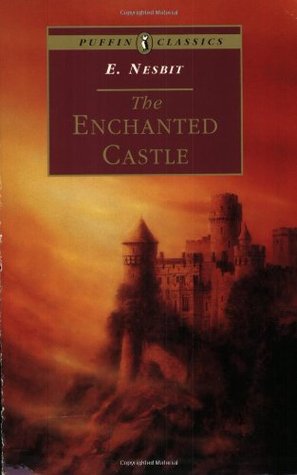
Imagine stumbling upon a mysterious castle in the countryside where magic feels just a heartbeat away. The Enchanted Castle by E. Nesbit, first published in 1907, invites readers into just such a world. This beloved children's fantasy novel combines whimsy, adventure, and subtle lessons about friendship and responsibility. Nesbit, a pioneer of children’s literature, crafts a timeless tale where ordinary children encounter extraordinary magic, sparking imaginations for over a century. This summary unpacks the story's core elements and explores its enduring charm for both students and educators.
Historical Context
At the dawn of the 20th century, England was a place balancing tradition and modernization. The Edwardian era, marked by relative peace and prosperity, allowed children’s literature to flourish as a distinct genre. E. Nesbit was among the first to portray children as real, complex characters rather than idealized mini-adults. The rise of fantasy and fairy tales in this period reflected both escapism and a longing for innocence amidst societal change. Nesbit’s work was influenced by contemporaries such as Lewis Carroll and George MacDonald but stood out for its relatable characters and grounded storytelling.
Brief Synopsis
Plot Overview
The Enchanted Castle follows siblings Joan, Jimmy, and their cousin Kathleen during a summer holiday in the English countryside. Their discovery of a hidden castle leads to encounters with a mysterious magical ring that grants wishes. As they navigate the consequences of their newfound powers, they face challenges that test their courage, creativity, and bonds of friendship.
Setting
The story unfolds in a lush, rural English setting, complete with rolling hills, ancient trees, and the enigmatic castle itself—a place where history and magic intertwine. The castle is both a physical location and a symbol of mystery and childhood wonder. The atmosphere blends pastoral tranquility with moments of enchantment and slight eeriness, perfectly embodying early 20th-century English countryside life mixed with fantasy.
Main Characters
| Name | Role | Key Traits | Importance to Plot |
|---|---|---|---|
| Joan | Older sister | Curious, brave, responsible | Protagonist who leads the group through adventures and moral choices. |
| Jimmy | Younger brother | Mischievous, imaginative | Provides comic relief and impulsive decisions that drive action. |
| Kathleen | Cousin | Kind, thoughtful, cautious | Balances the group with empathy and insight. |
| The Wizard | Mysterious figure | Enigmatic, magical | Catalyst for the magical elements and challenges faced by the children. |
| The Fairy | Magical helper | Playful, helpful | Aids the children in understanding and managing magic. |
Plot Summary
Discovery of the Castle
The adventure begins when Joan, Jimmy, and Kathleen explore the countryside and find an apparently abandoned castle. Their curiosity leads them inside, where they discover hidden rooms and secret passages. This discovery immediately sparks their imagination and sets the stage for the magical events to come.
The Magic Ring and Wishes
Inside the castle, the children find a magical ring with the power to grant wishes. At first, their wishes are innocent and playful—creating food, changing their appearances, or conjuring objects. However, they soon learn that magic is unpredictable. One wish, in particular, causes Jimmy to vanish, plunging the group into a tense search that teaches them the responsibility that comes with power.
Consequences and Responsibility
The children’s unwitting misuse of the magic ring leads to several complications. They realize that magic alone cannot solve their problems and that they must rely on their ingenuity and cooperation. This phase of the story emphasizes themes of consequence and maturity, as the children face the repercussions of their actions.
Resolution and Growth
With the help of the Fairy and the Wizard, the children restore normalcy and learn valuable lessons about honesty, bravery, and friendship. The enchanted castle remains a secret, a symbol of their shared experience and growth. By the story’s end, the children have matured, appreciating the magic in everyday life beyond mere wishes.
Themes and Motifs
Childhood and Imagination
At its heart, The Enchanted Castle celebrates the boundless imagination of childhood. The children’s adventures highlight how play and fantasy foster creativity and problem-solving skills.
Responsibility and Consequences
Nesbit subtly teaches that power—magical or otherwise—comes with responsibility. The children’s mistakes and their efforts to correct them reflect growing maturity.
Friendship and Cooperation
The narrative emphasizes teamwork and empathy. Joan, Jimmy, and Kathleen’s differing personalities complement each other, showcasing how collaboration helps overcome challenges.
Magic vs. Reality
Magic serves as a metaphor for the wonder in everyday life. The story balances fantastical elements with realistic character reactions, grounding the narrative in relatable experiences.
Literary Techniques and Style
E. Nesbit’s writing style in The Enchanted Castle is notable for its conversational tone, blending gentle humor with vivid descriptions. She employs:
- Narrative Voice: A warm, omniscient narrator who occasionally speaks directly to readers, creating intimacy.
- Realism in Characterization: Children behave authentically, with flaws and emotions that resonate with readers.
- Symbolism: The castle and ring symbolize childhood’s magical potential and the transition to responsibility.
- Pacing: Balanced between leisurely exploration and moments of suspense, maintaining engagement without overwhelming younger audiences.
Her prose is accessible yet rich, making the novel suitable for academic discussion and casual enjoyment alike.
Author's Background
E. Nesbit (1858–1924) was a prolific English author, poet, and social activist. She was a founding member of the Fabian Society, reflecting her deep interest in social reform. Nesbit’s works often feature children who navigate complex moral landscapes, reflecting her progressive views on education and childhood. Besides The Enchanted Castle, her notable works include The Railway Children and Five Children and It. Nesbit’s legacy lies in her pioneering realistic portrayal of children and imaginative storytelling that influenced authors such as C.S. Lewis and J.K. Rowling.
Key Takeaways
- Childhood imagination is a powerful tool for learning and growth.
- Power requires responsibility and thoughtful use.
- Friendship and teamwork are essential for overcoming adversity.
- Magic can be a metaphor for the wonder in everyday experiences.
- Realistic characters enhance the relatability and impact of fantasy stories.
Reader's Takeaway
Readers, whether students or educators, can expect to be transported into a world where the ordinary turns extraordinary. The book delights with humor and adventure while encouraging reflection on personal growth and ethical behavior. Its blend of magic and realism invites readers to appreciate the magic inherent in their own lives and relationships.
Conclusion
The Enchanted Castle remains a timeless classic that continues to enchant readers with its blend of whimsy, warmth, and wisdom. E. Nesbit’s masterful storytelling invites us into a world where childhood magic is more than fantasy—it’s a lens for understanding growth, friendship, and responsibility. Whether for academic study or personal enjoyment, this novel offers rich insights and delightful escapism, encouraging readers to explore the enchantments hidden in everyday life. Dive in and let the castle’s magic inspire your imagination!
The Enchanted Castle FAQ
Who is the author of 'The Enchanted Castle'?
'The Enchanted Castle' is written by E. Nesbit, a renowned British author known for her children's literature.
What is the main plot of 'The Enchanted Castle'?
The story follows three children who discover a magical castle and an enchanted ring that grants invisibility, leading to various adventures and challenges.
What age group is 'The Enchanted Castle' suitable for?
'The Enchanted Castle' is primarily targeted at children aged 8 to 12, but it can be enjoyed by readers of all ages who appreciate classic fantasy tales.
What themes are explored in 'The Enchanted Castle'?
Key themes include friendship, imagination, adventure, the consequences of misusing magic, and the importance of honesty.
Are there any magical elements in 'The Enchanted Castle'?
Yes, the story prominently features magical elements like an enchanted ring that grants invisibility and a castle with mysterious powers.
Is 'The Enchanted Castle' part of a series?
'The Enchanted Castle' is a standalone novel, though E. Nesbit has written other popular children's books with magical themes.
Where is the setting of 'The Enchanted Castle'?
The story is set in England, mainly around the countryside where the children discover the enchanted castle.
What makes 'The Enchanted Castle' a classic children's book?
Its timeless themes, engaging storytelling, imaginative plot, and the author's skillful blending of fantasy with real childhood experiences contribute to its classic status.
Has 'The Enchanted Castle' been adapted into other media?
Yes, the book has inspired various adaptations including radio plays and stage performances, reflecting its enduring popularity.


