Estimated read time: 6 min read
One Sentence Summary
In "The Executor" by Jesse Kellerman, a man investigates his father's mysterious death and uncovers dark family secrets while navigating a web of deceit and danger.
Table of Contents
Introduction
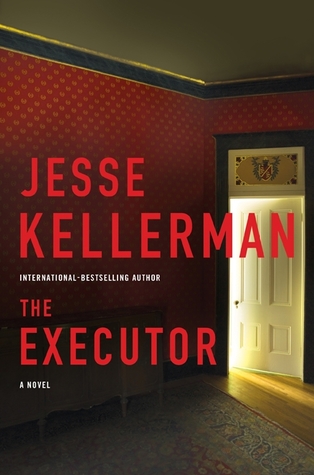
Imagine inheriting not just a house, but a tangled web of secrets, lies, and unsolved mysteries. The Executor by Jesse Kellerman plunges readers into such a labyrinth, blending psychological suspense with sharp family drama. This novel isn’t just a thriller; it’s a deep exploration of trust, memory, and the haunting shadows our pasts cast on the present. For college students and lecturers alike, The Executor offers rich material for discussion—from its intricate character studies to its clever narrative structure—making it a captivating read and an insightful academic resource.
Historical Context
Set in contemporary America, The Executor reflects modern societal anxieties about family legacy, wealth, and the facades people maintain. While not anchored to a specific historical event, the book resonates with ongoing conversations about inheritance law, the psychology of grief, and the complexities of family dynamics in the 21st century.
Jesse Kellerman, son of renowned mystery writer Faye Kellerman, draws from a lineage of literary craftsmanship that emphasizes psychological depth and moral ambiguity. Though the story is fictional, it echoes real-world issues like guardianship disputes and the intricate legal and emotional ties surrounding inheritance.
Brief Synopsis
Plot Overview
The story centers on Nathaniel, who unexpectedly becomes the executor of his estranged grandfather's estate. As Nathaniel delves into his grandfather's affairs, he uncovers a series of cryptic letters and hidden documents that suggest his grandfather led a double life. The deeper Nathaniel investigates, the more he realizes that unearthing the truth could have dangerous consequences—not just for him but for everyone around him.
Setting
The narrative unfolds primarily in a sprawling, aging mansion nestled in a quiet suburban town. The house itself is almost a character—its creaky halls and shadowed corners symbolizing the secrets lurking within the family. The modern-day setting juxtaposes the old-world charm of the estate with contemporary themes of betrayal and moral complexity, creating a tense atmosphere that keeps readers on edge.
Main Characters
| Name | Role | Key Traits | Importance to the Plot |
|---|---|---|---|
| Nathaniel | Protagonist, Executor | Curious, determined, conflicted | Drives the investigation and emotional core |
| Grandfather | Deceased, Estate Owner | Mysterious, secretive | Central figure whose past secrets unfold the plot |
| Claire | Nathaniel’s sister | Protective, skeptical | Challenges Nathaniel’s findings, adds family tension |
| Evelyn | Family friend | Supportive, cautious | Provides insight into the grandfather’s life |
| Marcus | Lawyer | Professional, enigmatic | Facilitates estate matters, holds key information |
Plot Summary
Part 1: The Inheritance
Nathaniel is thrust into the role of executor after his grandfather’s sudden death. Initially overwhelmed by the legal responsibilities, he soon discovers letters hinting at a hidden family history. The estate is more than just bricks and mortar—it’s a vault of secrets.
Part 2: Unearthing Secrets
As Nathaniel explores the mansion, he finds clues suggesting that his grandfather was involved in clandestine activities. These revelations strain his relationship with Claire, who suspects Nathaniel is digging too deep. Meanwhile, Evelyn shares stories that contradict Nathaniel’s understanding of their grandfather, complicating the truth.
Part 3: The Confrontation
Tensions escalate when Nathaniel confronts Marcus, the family lawyer, about discrepancies in the will. The confrontation reveals that some family members might have motives beyond inheritance, leading to a suspenseful climax where trust is tested.
Part 4: Resolution
Without giving away spoilers, the novel concludes by weaving together the threads of mystery and family strife, leaving readers to ponder the true nature of loyalty and legacy.
Themes and Motifs
Family and Legacy
At its core, The Executor probes the complexities of family relationships and the burdens of legacy. The story asks: How well do we really know our relatives? What happens when the past we inherit is darker than we imagined?
Secrets and Truth
The novel’s suspense hinges on the tension between appearance and reality. Hidden truths lurk beneath polite facades, underscoring the destructive power of secrets.
Trust and Betrayal
Trust is fragile in Kellerman’s narrative. Characters’ shifting loyalties and motives highlight how betrayal can fracture families and reshape identities.
Memory and Perception
Nathaniel’s journey reveals how memories can be selective and deceptive. The novel challenges readers to question whose version of reality is trustworthy.
Literary Techniques and Style
Jesse Kellerman employs a tight, third-person narrative that alternates between Nathaniel’s perspective and other key characters, enhancing the suspense. The prose is crisp and evocative, balancing detailed descriptions with brisk pacing.
Symbolism plays a significant role—the mansion represents the family’s hidden past, while recurring motifs like locked doors and faded photographs emphasize themes of secrecy and time.
Kellerman’s style is marked by psychological realism; characters are nuanced, their motivations complex, which elevates the novel beyond a simple thriller into a study of human nature.
Author’s Background
Jesse Kellerman is an accomplished novelist known for blending psychological depth with suspense. His background in psychology and literature informs his writing, bringing authenticity to his character portrayals. Son of Faye Kellerman and Jonathan Kellerman, both bestselling authors, Jesse has carved his own niche with works like The Executor that explore the darker recesses of family and identity.
His writings often explore moral ambiguity and the complexity of human relationships, making his books ideal for academic discussion in psychology, literature, and law courses.
Key Takeaways
- Family legacies are complicated and often fraught with hidden truths.
- Trust within families can be both a source of strength and vulnerability.
- Secrets can shape identity and influence behavior long after they are buried.
- Psychological realism enriches suspense narratives, making characters more relatable.
- Legal and ethical dilemmas surrounding inheritance provide fertile ground for drama.
Reader’s Takeaway
The Executor offers an intellectually stimulating and emotionally resonant experience. Readers are invited to unravel a mystery that is as much about the human psyche as it is about external events. The book challenges assumptions about family and identity, encouraging reflection on how our pasts shape our present.
Its gripping narrative and richly drawn characters make it a rewarding read for those interested in psychological thrillers, family dramas, and legal mysteries alike.
Conclusion
Jesse Kellerman’s The Executor stands out as a compelling novel that deftly weaves suspense with psychological insight. It offers readers a nuanced exploration of family secrets and the complexities of inheritance—both material and emotional. For students and scholars, it provides a fertile ground for analysis of narrative technique, thematic depth, and character development.
Whether you’re drawn to riveting mysteries or profound family stories, The Executor promises a captivating journey that lingers long after the last page. Dive in, and prepare to question what you thought you knew about the ties that bind us.
The Executor FAQ
What is the main plot of 'The Executor' by Jesse Kellerman?
'The Executor' follows a gripping psychological thriller plot where a man is forced to confront dark secrets and dangerous forces after inheriting a mysterious estate. The story weaves suspense, family secrets, and moral dilemmas into a compelling narrative.
Who is the protagonist in 'The Executor'?
The protagonist is a man who unexpectedly becomes the executor of a relative's estate and must navigate the complexities and hidden dangers that come with this responsibility.
What themes are explored in 'The Executor'?
The book explores themes such as family secrets, trust and betrayal, moral ambiguity, identity, and the consequences of past actions.
Is 'The Executor' part of a series or a standalone novel?
'The Executor' is a standalone novel by Jesse Kellerman, delivering a complete and self-contained story.
What genre does 'The Executor' belong to?
'The Executor' is primarily a psychological thriller with elements of suspense and mystery.
How does Jesse Kellerman develop suspense in 'The Executor'?
Kellerman uses tight pacing, complex characters, and unexpected plot twists to build tension and keep readers engaged throughout the novel.
Are there any notable twists in 'The Executor'?
Yes, the novel contains several surprising twists that challenge the protagonist’s understanding of his situation and the people around him.
What is the writing style of Jesse Kellerman in 'The Executor'?
Kellerman’s writing style is characterized by clear, concise prose with a focus on psychological depth and atmospheric tension.
Would you recommend 'The Executor' to fans of crime fiction?
Absolutely, fans of crime fiction, psychological thrillers, and suspense novels will find 'The Executor' highly engaging and well-crafted.
Where can I purchase or read 'The Executor'?
'The Executor' is available for purchase in bookstores, online retailers, and may also be available at libraries or as an ebook and audiobook.