

Synopsis
Covers the whole plot, including the ending.
- Difficulty
- Medium
- Pacing
- Variable
- Mood
- Atmospheric, Dark, Suspenseful, Haunting
- Read it if
- You enjoy complex psychological thrillers with a strong sense of place and a focus on the dark undercurrents of family life.
- Skip it if
- You prefer light, fast-paced reads or are sensitive to themes of tragedy, obsession, and moral decay.
The Falls Plot Summary
Covers the whole plot, including the ending.
The Widow Bride of the Falls
In 1950, young Ariah Littrell arrives in Niagara Falls for her honeymoon with her husband, the much older, wealthy Unitarian minister, Reverend Gilbert Erskine. Their wedding night is a disaster; Gilbert, tormented by an inner struggle, throws himself into the Horseshoe Falls. Ariah, left alone, becomes known as 'the Widow Bride of the Falls,' a tragic figure who waits by the roaring waters for seven days, hoping for the recovery of Gilbert's body. Her quiet presence draws attention, including that of Dirk Burnaby, a local attorney and confirmed bachelor, who finds himself drawn to her quiet grief.
An Unlikely Courtship
Dirk Burnaby, initially offering legal help and comfort, becomes increasingly focused on Ariah. Despite her plain looks and reserved nature, he is fascinated by her resilience and the mystery around her. He pursues her constantly, visiting her at her boarding house and giving her attention. Ariah, still recovering from the trauma of her husband's death and her own past, is at first hesitant. Their courtship is intense, combining real attraction with unease and the memory of Gilbert's suicide.
Marriage and the Shadow of the Falls
Against the advice of his family and many in the community, Dirk Burnaby marries Ariah. Their marriage, initially passionate and seemingly perfect, takes place under the constant presence of Niagara Falls. They have three children: Royall, Juliet, and Chandler. Despite outward appearances of a happy, successful family, a tension underlies their relationship. Ariah remains somewhat distant; her past and the circumstances of her first husband's death cast a long shadow. Dirk, though deeply in love, struggles with Ariah's elusive nature and his own worries about her connection to the Falls.
The First Tragedy: Royall's Drowning
Years into their marriage, tragedy strikes again when their eldest son, Royall, a sensitive and troubled boy, drowns in the Niagara River. The circumstances are unclear, raising questions about whether it was an accident or suicide, similar to Gilbert Erskine's death. This event shatters the family's fragile peace and increases their anxieties. Ariah is consumed by grief and guilt, while Dirk struggles with the loss and renewed scrutiny from the community, who whisper about a curse on the Burnaby family, especially Ariah's connection to the Falls.
The Burnaby Family's Decline
After Royall's death, the Burnaby family begins to fall apart. Ariah withdraws further, becoming isolated and focused on spiritualism and the memory of her lost son. Dirk, consumed by his legal work and his own inner struggles, grows distant from his remaining children, Juliet and Chandler. The children themselves struggle to find their place within the fractured family. Juliet, sensitive and artistic, seeks affection outside the home, while Chandler, rebellious and resentful, acts out. The once-promising Burnaby household becomes a place of unspoken resentments and deepening estrangement.
The 'Curse' of the Falls
The local community, already wary of Ariah since Reverend Erskine's suicide, begins to openly speculate about a 'curse' associated with her and the Burnaby family. Royall's drowning strengthens these superstitions, creating a sense of dread around Ariah. People whisper about her strange allure and the tragic events that seem to follow her. This societal pressure further isolates the Burnabys, reinforcing Dirk's protective instincts towards Ariah but also fueling his own doubts and fears about the dark forces at play in their lives.
Dirk's Obsession and Paranoia
Dirk Burnaby's initial interest in Ariah slowly becomes a possessive and paranoid obsession. He believes Ariah holds dark secrets, especially about Gilbert Erskine's death and, later, Royall's drowning. He begins to meticulously investigate her past, scrutinizing her every move. This paranoia pushes their marriage to its breaking point, as Ariah feels increasingly trapped and misunderstood, while Dirk's relentless search for the truth alienates her and fuels his own torment.
The Revelation of Ariah's Past
Through Dirk's investigations and Ariah's fragmented memories, details of her difficult childhood and repressed past emerge. She grew up in poverty, experiencing neglect and trauma that contributed to her withdrawn nature and her connection to the spiritual world. It becomes clear that Ariah's seemingly passive demeanor hides a deep inner life and a history of mental fragility. These revelations explain some of her mysterious behavior but also deepen the mystery around her true role in the tragedies that have befallen the Burnaby family.
The Fate of Chandler and Juliet
Juliet and Chandler, the surviving Burnaby children, struggle under the weight of their parents' dysfunctional marriage and the family's past tragedies. Juliet, seeking escape, becomes involved in a destructive relationship and tries to build an independent life away from Niagara Falls. Chandler, resentful and angry, struggles with his identity and inheritance. Both children are deeply affected by their mother's distant nature and their father's increasingly erratic behavior, trying to find meaning and stability amidst the chaos.
The Final Confrontation
Dirk Burnaby's obsession with uncovering the 'truth' about Ariah and the tragedies ends in a final, devastating confrontation. Driven by paranoia and a desperate need for answers, he pushes Ariah to confess what he believes she knows. The exact details of this climax are ambiguous, but it results in further tragedy, implying a direct or indirect role of Dirk's actions in the ultimate demise of their relationship or even Ariah herself. The 'curse' of the Falls seems to claim its final victim, leaving the Burnaby legacy shattered.
The Falls Characters
Ariah Littrell Burnaby
Protagonist
The enigmatic 'Widow Bride of the Falls' whose life is marked by tragedy and spiritual seeking.
Ariah is a quiet, plain, and deeply introverted woman. Orphaned and raised in poverty, she possesses a reserved demeanor that belies a complex inner world and a history of trauma. She is profoundly affected by the suicides of her first husband and her son, which leads her to a spiritualistic preoccupation with death and the afterlife. Ariah is often perceived as passive, yet she possesses a strange resilience and an enduring, if melancholic, connection to the natural world, particularly Niagara Falls. Her true feelings and motivations often remain elusive, even to those closest to her.
Relationships: Reverend Gilbert Erskine (First husband, whose suicide defines her early life.); Dirk Burnaby (Second husband, whose love becomes an obsessive, destructive force.); Royall Burnaby (Eldest son, whose death mirrors her first husband's, intensifying her grief and spiritualism.); Juliet Burnaby (Daughter, with whom she has a distant but complex relationship.); Chandler Burnaby (Son, who struggles with resentment towards her.)
Dirk Burnaby
Protagonist/Antagonist
A respected attorney whose love for Ariah devolves into obsessive paranoia.
Dirk Burnaby is initially portrayed as a pillar of the community, a successful and seemingly rational attorney. His fascination with Ariah, however, reveals a deeper, more obsessive and controlling nature. He is driven by a powerful, almost desperate love for Ariah, but this love is intertwined with a need to possess and understand her, to unravel the mysteries of her past. He struggles with societal expectations, his family's disapproval, and his own internal anxieties, which eventually manifest as paranoia and a relentless pursuit of 'truth' that ultimately destroys his family.
Relationships: Ariah Littrell Burnaby (Wife, whom he loves obsessively but also comes to fear and mistrust.); Reverend Gilbert Erskine (Ariah's first husband, whose death he investigates, fueling his paranoia.); Royall Burnaby (Son, whose death deeply affects him and fuels his suspicions.); Juliet Burnaby (Daughter, with whom he has a distant relationship.); Chandler Burnaby (Son, with whom he has a strained and often antagonistic relationship.)
Reverend Gilbert Erskine
Supporting/Catalyst
Ariah's first husband, whose sudden suicide sets the novel's tragic chain of events in motion.
Reverend Gilbert Erskine is a wealthy Unitarian minister, considerably older than Ariah, whose brief appearance in the novel is marked by his immediate and unexplained suicide into Niagara Falls on his wedding night. Though his presence is fleeting, his death is the catalyst for all subsequent events, making him a powerful, haunting figure. His internal torments remain largely unarticulated, leaving his motivations a mystery that fuels Dirk's later obsessions and Ariah's enduring grief and connection to the Falls. He represents the first victim of the Falls' symbolic power.
Relationships: Ariah Littrell (His young bride, whom he abandons through suicide.)
Royall Burnaby
Supporting
The sensitive eldest son whose drowning mirrors the first tragedy, deepening the family's woes.
Royall is the eldest son of Ariah and Dirk. He is portrayed as a sensitive, artistic, and somewhat melancholic child, deeply affected by the unspoken tensions within his family and the pervasive presence of the Falls. His drowning in the Niagara River, under ambiguous circumstances, serves as the second major tragedy in the family, mirroring Gilbert Erskine's suicide. Royall's death is a pivotal event, shattering the family's fragile peace and cementing the community's belief in a 'curse,' further isolating Ariah and fueling Dirk's paranoia.
Relationships: Ariah Littrell Burnaby (Mother, with whom he shares a deep, unspoken bond.); Dirk Burnaby (Father, from whom he feels somewhat distant.); Juliet Burnaby (Younger sister, with whom he has a close sibling relationship.); Chandler Burnaby (Younger brother.)
Juliet Burnaby
Supporting
The artistic daughter who seeks escape and independence from her troubled family.
Juliet is the middle child and only daughter of Ariah and Dirk. She is sensitive and artistic, often feeling overshadowed by her parents' intense, dysfunctional relationship and the family's tragedies. She attempts to forge her own identity, seeking affection and meaning outside the confines of her troubled home. Juliet represents a yearning for normalcy and escape from the 'curse' of the Falls, though she remains deeply affected by her family's past. Her struggles highlight the long-term impact of parental trauma and neglect on children.
Relationships: Ariah Littrell Burnaby (Mother, with whom she has a distant and often confusing relationship.); Dirk Burnaby (Father, from whom she feels emotionally detached.); Royall Burnaby (Older brother, whose death deeply impacts her.); Chandler Burnaby (Younger brother, with whom she shares a difficult sibling bond.)
Chandler Burnaby
Supporting
The rebellious youngest son, resentful of his family's past and seeking to escape its legacy.
Chandler is the youngest son of Ariah and Dirk. He is characterized by a rebellious and often angry demeanor, feeling the weight of his family's tragic history and his parents' dysfunctional marriage keenly. He struggles with his identity and inheritance, often acting out in defiance of his father and resentful of his mother's emotional unavailability. Chandler represents the raw, unchanneled anger and frustration that can arise from growing up in a household steeped in unresolved trauma and secrets. He is a stark contrast to his sensitive older siblings.
Relationships: Ariah Littrell Burnaby (Mother, whom he resents for her distance.); Dirk Burnaby (Father, with whom he has a strained and often confrontational relationship.); Royall Burnaby (Older brother, whose absence affects him.); Juliet Burnaby (Older sister, with whom he has a difficult sibling relationship.)
The Burnaby Family (extended)
Mentioned/Supporting
Dirk's conservative, disapproving family who represent societal judgment.
Dirk Burnaby's extended family consists of his parents and siblings, who are prominent and conservative members of the Niagara Falls community. They initially disapprove of Dirk's marriage to Ariah, viewing her as an unsuitable match due to her mysterious past and the scandal surrounding her first husband's death. They embody the societal pressures and judgments that weigh heavily on Dirk and Ariah, reinforcing the idea of a 'curse' and contributing to the Burnaby family's isolation. Their disapproval highlights the class and social divides within the narrative.
Relationships: Dirk Burnaby (His family, whose disapproval he defies to marry Ariah.); Ariah Littrell Burnaby (Dirk's wife, whom they view with suspicion and disdain.)
The Falls (Niagara Falls)
Antagonist/Setting
The iconic natural wonder that functions as a powerful, symbolic character in its own right.
Niagara Falls is more than just a setting; it is a pervasive, almost sentient presence that acts as a character and a powerful symbol throughout the novel. Its constant roar, immense power, and history of suicides imbue it with a dark, mythic quality. The Falls represents both beauty and terror, life and death, and becomes inextricably linked to the tragedies that befall Ariah and the Burnaby family. It symbolizes the inescapable forces of fate, the subconscious depths, and the destructive power of repressed emotions and societal judgment.
Relationships: Ariah Littrell Burnaby (She has a profound, almost mystical connection to the Falls.); Reverend Gilbert Erskine (His suicide into the Falls sets the story in motion.); Royall Burnaby (His drowning in the Falls further cements its tragic influence.)
The Falls Themes
The Destructive Power of Repressed Trauma and Secrets
The novel explores how unresolved trauma, both individual and familial, can fester and lead to devastating consequences. Ariah's childhood neglect and the unspoken circumstances of Gilbert Erskine's suicide create a foundation of secrets that permeate her marriage to Dirk. Dirk's relentless pursuit of these hidden truths, fueled by his anxieties, ultimately unravels their family. The repeated tragedies, especially Royall's drowning, are presented as manifestations of these unaddressed wounds, suggesting that what is suppressed inevitably resurfaces with destructive force.
“The past was not 'past,' but a living, breathing, festering thing, always present, always waiting.”
Obsessive Love and its Perils
Dirk Burnaby's love for Ariah, while passionate at first, quickly becomes an all-consuming obsession. His desire to possess, understand, and 'save' Ariah from her past becomes a destructive force, leading to paranoia and suspicion. He projects his own fears onto her, rather than truly seeing or accepting her. This theme shows how love, unchecked by trust and respect for individual autonomy, can become a prison, ultimately destroying the connection it seeks to preserve. The intensity of their bond is both its strength and its fatal flaw.
“He loved her with a ferocity that was indistinguishable from a desire to possess her utterly, to consume her secrets.”
Fate, Free Will, and the 'Curse' of Niagara Falls
The novel examines the interplay between fate and free will, especially through Niagara Falls. The repeated suicides and drownings in the Falls suggest a predetermined destiny for the Burnaby family, leading the community to believe in a 'curse.' However, the story also implies that characters' choices, their inability to confront truth, and their internal psychological states contribute to their tragic outcomes. The Falls acts as a powerful, indifferent backdrop, reflecting and amplifying the characters' inner turmoil, blurring the lines between external fate and internal compulsion.
“The Falls knew all secrets. The Falls would tell no secrets.”
The American Family in Crisis
Oates portrays the Burnaby family as a small example of the American family unit under immense strain. Despite outward appearances of success and respectability, the family is plagued by internal dysfunction, emotional distance, and a pervasive sense of tragedy. The inability of Ariah and Dirk to truly communicate, the children's struggles to find their place, and the generational impact of trauma all contribute to a picture of a family slowly disintegrating. This theme critiques the idealized image of the mid-century American family, revealing the dark undercurrents of repression, guilt, and unspoken suffering beneath the veneer of domestic bliss.
“The Burnaby household, outwardly so conventional, was a theatre of unspoken anxieties.”
The Nature of Truth and Perception
A central concern of the novel is the elusive nature of truth and how individual perception shapes reality. Dirk's relentless quest for 'the truth' about Ariah and the suicides often leads him further into his own delusions and paranoia, rather than to objective facts. Ariah's own fragmented memories and her withdrawn nature make her difficult to 'know.' The community's whispers and superstitions also show how collective perception can construct a 'truth' that may or may not align with reality. The story suggests that absolute truth is often unattainable, especially when filtered through trauma and subjective experience.
“Truth, like the Falls, was a thing of immense power, but also a thing of shifting mists and impossible depths.”
Plot Devices & Literary Techniques
Niagara Falls as a Character/Symbol
The iconic landmark functions as a powerful, almost sentient force shaping the characters' destinies.
Niagara Falls is not merely a setting but a dynamic, symbolic entity that influences the plot and characters. Its constant roar, immense power, and historical association with suicides make it a powerful symbol of fate, death, overwhelming emotion, and the subconscious. It reflects the characters' inner turmoil, particularly Ariah's, and seems to exert a gravitational pull on their tragic destinies. The Falls acts as a constant reminder of the initial tragedy and foreshadows subsequent ones, becoming an inescapable, brooding presence in the narrative.
The 'Curse' Motif
A recurring idea of an ancestral or environmental curse that explains the family's tragedies.
The 'curse' motif is employed by the community and, implicitly, by the narrative itself, to explain the repeated tragedies befalling Ariah and the Burnaby family. From Gilbert Erskine's suicide to Royall's drowning, the idea of a malevolent force or an inherited doom gains traction. This motif serves to externalize the profound psychological and emotional damage within the family, blurring the lines between supernatural influence and the consequences of trauma and repressed secrets. It heightens the sense of dread and inevitability surrounding the Burnabys' fate.
Ambiguity and Unreliable Narration
The narrative frequently withholds definitive answers, leaving key events and motivations open to interpretation.
Oates frequently uses ambiguity, particularly concerning the true motivations behind the suicides and the full extent of Ariah's knowledge or complicity. The narrative often shifts perspectives and presents fragmented memories, making it difficult for the reader to ascertain an objective 'truth.' This device immerses the reader in Dirk's paranoid quest for answers and Ariah's enigmatic internal world. It underscores the theme that truth is subjective and elusive, especially when dealing with trauma, mental states, and the complexities of human relationships.
Foreshadowing through Repetition
The recurrence of similar tragic events hints at future disasters.
The novel utilizes repetition, particularly the echo of Gilbert Erskine's suicide in Royall's drowning, as a powerful form of foreshadowing. This pattern suggests a cyclical nature to the family's tragedies and reinforces the idea of an inescapable fate or a 'curse.' Each repeated event deepens the sense of dread and inevitability, signaling that the initial trauma has not been resolved and will continue to manifest in new, devastating ways. It creates a palpable tension as the reader anticipates further misfortune.
The Falls Quotes
“It was the sound of something breaking, and something else beginning.”
“Niagara Falls, a place of pilgrimage, of honeymooners, of suicides.”
“There are no accidents, only the inevitable working out of what has already begun.”
“Grief was a country no one could visit without being changed forever.”
“The past was not merely prologue; it was the entire play, being re-enacted ceaselessly.”
“Love, she thought, was often just an agreement to be unhappy together.”
“Some secrets were meant to stay buried, like bodies in a deep, cold earth.”
“The roar of the Falls was a constant, a presence that swallowed all other sounds, all other thoughts.”
“He carried his guilt like a stone in his pocket, always there, always weighing him down.”
“The truth, when it finally emerged, was rarely as simple or as satisfying as one hoped.”
“She learned that to forgive was not to forget, but to carry the wound differently.”
“There was a kind of beauty in destruction, a terrible, magnetic allure.”
“Every family had its ghost, its unspoken tragedy, its private, festering wound.”
“The world was a stage, and we were all just playing our parts, some better than others, some more tragically.”
Quiz
10 questions on the plot and the characters. Each answer comes with a short explanation.
Question 1
What is the primary reason Ariah Erskine becomes known as 'the Widow Bride of the Falls'?
- She was a local legend who often visited the falls.
- Her husband committed suicide by jumping into Niagara Falls on their honeymoon.
- She was a tour guide who lost her husband in a boating accident at the falls.
- She owned a hotel overlooking the falls where many tragic events occurred.
Show answer
B. Her husband committed suicide by jumping into Niagara Falls on their honeymoon. Ariah's husband tragically commits suicide by jumping into Niagara Falls on their honeymoon night, leading to her moniker 'the Widow Bride of the Falls' due to the public spectacle of her vigil.
Question 2
How long does Ariah conduct her vigil by the falls, waiting for her first husband's body to be found?
- Three days
- Five days
- Seven days
- Ten days
Show answer
C. Seven days The synopsis explicitly states Ariah begins a 'relentless seven-day vigil in the mist' after her husband's suicide.
Question 3
Who is Dirk Burnaby in relation to Ariah Erskine's initial tragedy?
- He is a detective investigating her husband's death.
- He is a confirmed bachelor and pillar of the community who becomes drawn to her.
- He is a relative of her deceased husband, offering support.
- He is a journalist covering the story of her husband's suicide.
Show answer
B. He is a confirmed bachelor and pillar of the community who becomes drawn to her. Dirk Burnaby is described as a 'confirmed bachelor and pillar of the community' who is unexpectedly drawn to Ariah during her vigil.
Question 4
What is the initial perceived nature of the relationship that develops between Ariah and Dirk Burnaby?
- A cautious friendship based on mutual respect.
- A passionate love affair leading to marriage and family.
- A business partnership to rebuild Ariah's life.
- A mentor-mentee relationship as Dirk helps Ariah cope.
Show answer
B. A passionate love affair leading to marriage and family. The summary states 'What follows is a passionate love affair, marriage, and family--a seemingly perfect existence' between Ariah and Dirk.
Question 5
The novel is set against the backdrop of which iconic American location?
- The Grand Canyon
- Niagara Falls
- The Mississippi River
- Mount Rushmore
Show answer
B. Niagara Falls The title of the book, 'The Falls,' and the entire premise revolve around Niagara Falls, where Ariah's first husband commits suicide.
Question 6
What time period is the novel primarily set in?
- Early 1900s
- Late 1960s
- Mid-twentieth century, specifically beginning in 1950
- Present day
Show answer
C. Mid-twentieth century, specifically beginning in 1950 The synopsis explicitly states, 'It is 1950 and, after a disastrous honeymoon night...' and 'Set against the mythic-historic backdrop of Niagara Falls in the mid-twentieth century.'
Question 7
What is the primary theme that begins to 'shadow' Ariah and Dirk's seemingly perfect existence?
- The pressure of maintaining social appearances in a small town.
- The tragedy by which they were thrown together, leading to distrust, greed, and murder.
- A natural disaster threatening their home near the falls.
- Financial ruin due to Dirk's failed business ventures.
Show answer
B. The tragedy by which they were thrown together, leading to distrust, greed, and murder. The summary states, 'But the tragedy by which they were thrown together begins to shadow them, damaging their idyll with distrust, greed, and even murder.'
Question 8
How does the initial tragedy involving Ariah's first husband impact her later life with Dirk?
- It makes her appreciate the simple joys of life more deeply.
- It creates a foundation of strength and resilience for her family.
- It casts a long shadow, introducing elements of distrust, greed, and potentially violence into their lives.
- It leads to a career in public service, helping others cope with loss.
Show answer
C. It casts a long shadow, introducing elements of distrust, greed, and potentially violence into their lives. The synopsis clearly states that 'the tragedy by which they were thrown together begins to shadow them, damaging their idyll with distrust, greed, and even murder,' indicating a negative and profound impact.
Question 9
The description of Ariah as 'plain, strange woman' suggests what about her initial character and public perception?
- She was an eccentric artist who lived by the falls.
- She possessed an unconventional and perhaps overlooked quality that unexpectedly attracted Dirk.
- She was a recluse who avoided social interaction.
- She was a victim of circumstance, easily manipulated by others.
Show answer
B. She possessed an unconventional and perhaps overlooked quality that unexpectedly attracted Dirk. The phrase 'plain, strange woman' highlights that her attraction to Dirk was unexpected, suggesting she wasn't conventionally appealing or easily understood, making her character intriguing and complex from the outset.
Question 10
What does the phrase 'haunting exploration of the American family in crisis' suggest about the novel's overarching message?
- It focuses on the historical decline of traditional family values in America.
- It delves into the psychological and dramatic challenges faced by a seemingly ideal American family, revealing underlying turmoil.
- It is a ghost story set within a family home in America.
- It examines the economic struggles of American families during the mid-twentieth century.
Show answer
B. It delves into the psychological and dramatic challenges faced by a seemingly ideal American family, revealing underlying turmoil. This phrase, combined with the plot details, indicates the novel moves beyond a simple love story to explore the deeper, often hidden, dysfunctions and crises within a family that appears perfect on the surface, making it a psychological and thematic exploration.
The Falls FAQ
What is the central inciting incident that brings Ariah Erskine and Dirk Burnaby together?
The central inciting incident is the suicide of Ariah's first husband, Gilbert Erskine, who throws himself into Niagara Falls on their honeymoon night in 1950. Ariah's subsequent seven-day vigil at the falls, waiting for his body, draws the attention and eventual support of Dirk Burnaby, a prominent local lawyer.
Who is Ariah Erskine before she meets Dirk, and what is her initial reputation in Niagara Falls?
Before meeting Dirk, Ariah Erskine is a young, newlywed woman from a sheltered background, referred to as 'the Widow Bride of the Falls.' Her stoic and prolonged vigil at the falls after her husband's suicide makes her a local spectacle and object of both pity and morbid fascination, marking her as an outsider.
What role does Niagara Falls itself play in the narrative, beyond just a setting?
Niagara Falls acts as a powerful, symbolic force throughout the novel, representing both destructive power and irresistible allure. It is the site of tragedy, a constant backdrop to the characters' lives, and a metaphor for the overwhelming, uncontrollable forces of passion, fate, and hidden darkness that shape their existence.
Briefly describe the trajectory of Ariah and Dirk's relationship after Gilbert's death.
After Gilbert's death, Ariah and Dirk are drawn into a passionate affair, leading to a seemingly perfect marriage and family life with three children. However, their relationship is increasingly shadowed by the circumstances of their initial meeting, leading to growing distrust, secrets, and the unraveling of their domestic idyll.
What is the primary conflict that arises within the Burnaby family, despite their initial happiness?
The primary conflict within the Burnaby family stems from the unresolved mystery and trauma surrounding Gilbert Erskine's death and Dirk's potentially dubious role in it. This unresolved past creates a foundation of distrust, secrecy, and guilt that erodes their family bonds and leads to further tragedies and betrayals.
What specific 'hidden detail' about Gilbert Erskine's death eventually comes to light, or is strongly implied?
It is strongly implied, and later revealed through various hints and character reflections, that Gilbert Erskine's death might not have been a straightforward suicide. There are suggestions of foul play, with Dirk Burnaby potentially having played a more active, manipulative role in Gilbert's final moments or in pushing him to the brink.
How do the Burnaby children, particularly Royall, react to the underlying tension and secrets of their parents?
The Burnaby children, especially Royall, are deeply affected by the unspoken tensions and secrets of their parents. Royall becomes increasingly troubled and rebellious, internalizing the family's dysfunction and eventually acting out in destructive ways, mirroring the unresolved darkness that permeates their home.
Is there any significance to the 'seven-day vigil' Ariah undertakes after Gilbert's death?
The 'seven-day vigil' holds significant symbolic weight, evoking biblical periods of mourning and creation, and emphasizing Ariah's profound, almost ritualistic, commitment to her lost husband. It also serves to cement her public image as the 'Widow Bride' and draws Dirk's attention, setting the stage for their fated encounter.
What is the psychological impact of Gilbert's death on Ariah, even after she remarries Dirk?
Gilbert's death leaves Ariah with deep psychological scars, including a sense of guilt, a perpetual air of melancholy, and an underlying fragility. Even in her marriage to Dirk, she remains haunted by the past, which contributes to her quiet, often detached demeanor and her struggle to fully connect with her new life.
Analyze Dirk Burnaby's character: Is he genuinely drawn to Ariah, or are his motives more complex and self-serving?
Dirk Burnaby's character is complex; while he appears genuinely drawn to Ariah's unique stoicism and vulnerability, his motives also seem deeply intertwined with a desire for control, status, and perhaps even a perverse fascination with the tragedy he witnesses. His charm masks a calculating, manipulative nature.
How does the 'mythic-historic backdrop' of Niagara Falls influence the characters' psychology and sense of destiny?
The mythic-historic backdrop of Niagara Falls imbues the characters with a sense of being caught in a grand, inescapable destiny, much like the powerful, relentless flow of the water. This environment fosters a belief in overwhelming forces beyond individual control, influencing their fatalism and the acceptance of tragic events.
How does the novel explore themes of repression and the American family in the mid-twentieth century?
The novel explores themes of repression by depicting the Burnaby family's hidden secrets, unspoken desires, and the societal pressure to maintain a facade of perfection. This reflects the mid-twentieth century American ideal of the nuclear family, where appearances often masked deep-seated dysfunctions and emotional turmoil.
Is Ariah a victim of circumstance, or does she possess a degree of agency in her own tragic fate?
Ariah is largely portrayed as a victim of circumstance, thrust into a series of tragic events beyond her control, starting with her husband's suicide. However, her quiet resilience and her choice to remain with Dirk, despite growing doubts, suggest a subtle agency, even if it leads her deeper into a complex, damaging fate.
What is the ultimate 'murder' alluded to in the synopsis, and how does it relate to the initial tragedy?
The ultimate 'murder' alluded to in the synopsis refers to the death of Dirk Burnaby, which occurs later in the novel. This event is directly related to the initial tragedy of Gilbert's death, as it is a consequence of the long-simmering resentments, secrets, and the unraveling of the family fabric that began with that first suicide.
Does the novel offer any clear resolutions or does it leave certain questions open to interpretation regarding guilt and responsibility?
The novel deliberately leaves many questions open to interpretation, particularly regarding the full extent of Dirk's guilt in Gilbert's death and the precise responsibilities for the subsequent tragedies. It focuses more on the psychological unraveling and the pervasive shadow of the past, rather than neat resolutions.
How does Joyce Carol Oates use the 'thriller' and 'mystery' elements to explore deeper themes, rather than just plot?
Joyce Carol Oates uses the thriller and mystery elements not just for plot suspense, but to delve into the psychological depths of her characters and the dark undercurrents of the American family. The unfolding secrets and tragedies serve to reveal the corrosive effects of guilt, repression, and the destructive nature of obsession.
What is the significance of the title, 'The Falls'?
The title 'The Falls' refers literally to Niagara Falls, the setting and catalyst for the initial tragedy. Symbolically, it represents a series of 'falls' or collapses: the fall from innocence, the fall of a seemingly perfect family, and the moral and psychological downfall of its characters, all driven by irresistible, destructive forces.
How does the novel portray the concept of 'fate' versus 'free will'?
The novel heavily leans into the concept of fate, suggesting that the characters are inevitably drawn into a tragic destiny initiated by the first suicide at the falls. However, elements of free will exist in their choices, particularly Dirk's manipulations and Ariah's quiet complicity, which ultimately entangle them further in their predetermined path.
About the author

Joyce Carol Oates is an American author known for her extensive body of work in fiction. Her notable books include The Falls, Zombie, The Accursed, Them, and Wonderland, which explore themes of identity, violence, and the human experience. Oates has received numerous awards throughout her career, establishing her as a significant voice in contemporary literature.
Similar books
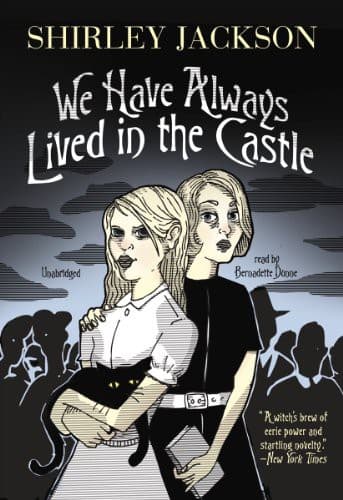
- We Have Always Lived in the Castle
Shirley Jackson
4.0 (118k) average on GoodreadsThrillerExplores psychological decay within a family and a haunting atmosphere.
- Gone Girl
Gillian Flynn
4.1 (2.3M) average on GoodreadsThrillerFeatures a complex, morally ambiguous female protagonist and themes of marital deception.
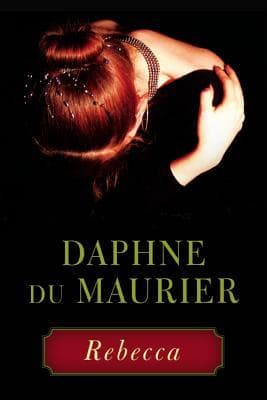
- Rebecca
Daphne du Maurier
4.2 (450k) average on GoodreadsThrillerDeals with a new marriage haunted by a past tragedy and a formidable setting.
- The Secret Place
Tana French
3.9 (63k) average on GoodreadsThrillerFrench's novel is a more traditional police procedural blended with psychological insight, focused on solving a specific crime within a defined timeframe. The Falls uses its central mystery as a springboard to examine the long-term impacts of trauma, societal expectations, and inherited madness, making the 'whodunit' aspect secondary to the profound literary and psychological exploration.
- Angels & Demons
Dan Brown
3.9 (2.7M) average on GoodreadsThrillerA Harvard symbologist races through Rome's ancient sites, deciphering cryptic clues to unmask the Illuminati and stop a vengeful plot to destroy the Vatican with a stolen antimatter weapon.
- The Girl on the Train
Paula Hawkins
3.9 (2.1M) average on GoodreadsThrillerA woman’s fascination with a seemingly perfect couple she watches from her daily train commute leads her into a dark investigation when she witnesses something that shatters their idyllic image.




Enjoyed the summary?
A summary gives you the shape of the book. The book itself has the detail, the examples and the voice.
Find The Falls on AmazonAs an Amazon Associate, BookBrief earns from qualifying purchases. How we're funded