
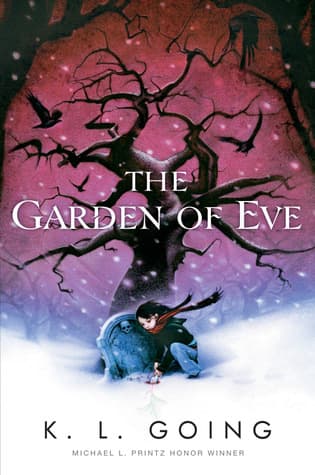
Synopsis
Covers the whole plot, including the ending.
- Difficulty
- Medium
- Pacing
- Moderate
- Mood
- Mysterious, Melancholy, Hopeful, Magical
- Read it if
- You enjoy magical realism, stories about processing grief, and mysteries with a touch of the supernatural.
- Skip it if
- You prefer hard fantasy over subtle magic, or are looking for a lighthearted read without themes of loss.
The Garden of Eve Plot Summary
Covers the whole plot, including the ending.
A New Beginning in Beaumont
Eleven-year-old Evie reluctantly moves with her widowed father, Robert, to Beaumont, New York, after her mother's death. Her father, a botanist, has bought a run-down apple orchard, ignoring local rumors that the town is cursed and the trees haven't borne fruit in decades. Evie, still grieving and cynical about anything magical after her mother's passing, finds the move unsettling. She misses her old life and struggles to connect with her father, who is focused on his dream of revitalizing the orchard. The house they move into is old and creaky, and the town itself feels isolated and unwelcoming, with its silent residents and the sense of a hidden past.
The Boy in the Orchard
Soon after arriving, Evie explores the overgrown apple orchard and meets a peculiar boy named Walter. He is pale, dressed in old clothes, and speaks in a way that suggests he's from another time. Walter startles Evie by claiming he's dead and that he's been waiting for someone to see him. He warns her about the orchard's curse and the 'Sleeping Trees.' Initially, Evie dismisses him as a strange local kid with an overactive imagination, but his knowledge of the town's history and his ethereal presence make her question her skepticism. Their unusual friendship slowly forms among the decaying apple trees.
An Unforgettable Birthday Gift
For her eleventh birthday, Evie's father gives her a small, unusual seed, hoping to spark her interest in botany. That night, she plants it in the backyard. To her astonishment, the seed grows into a magnificent, glowing tree overnight, bearing luminous, silver-skinned apples. However, only Evie and Walter can see the tree; to everyone else, it appears as a bare patch of ground. This magical event deeply disturbs Evie, forcing her to consider that the fantastical elements Walter speaks of might be real, challenging her rational worldview shaped by grief.
The Tree's Secret
Driven by curiosity, Evie and Walter venture into the glowing tree. They discover it is a portal, transporting them to the Beaumont of the past, specifically to a time when Walter was alive. Through these journeys, Evie learns about Walter's life and the history of the town's curse. She discovers that the curse was not just a myth but a real event tied to a tragic incident involving a young girl named Eleanor and a promise broken long ago. The tree allows them to witness moments that led to the orchard's barrenness and Walter's own fate.
Unraveling the Curse
Through multiple trips into the past via the magic tree, Evie and Walter piece together the full story of the curse. They learn that a young girl named Eleanor, Walter's sister, was deeply connected to the orchard. After a tragic accident, Eleanor wished for the trees to stop bearing fruit out of grief and anger, believing the orchard had taken something precious from her. Her sorrow solidified into the curse, affecting generations. Walter, who died trying to save her, became trapped between worlds, forever bound to the orchard, waiting for someone to help lift the curse.
Confronting Grief and Loss
As Evie looks into Eleanor's story, she sees a deep similarity between Eleanor's overwhelming grief for her lost loved one and her own sorrow over her mother's death. Both girls experienced a deep sense of injustice and helplessness, leading to a refusal to move on. This helps Evie understand the destructive power of unresolved grief and its ability to appear in tangible ways, like the curse on Beaumont. The shared experience of loss creates a strong, if indirect, bond between Evie and Eleanor across time.
The Father's Perspective
While Evie uncovers Beaumont's magical history, her father, Robert, remains unaware of the glowing tree and Walter. He works on the physical orchard, trying to find scientific solutions to the trees' barrenness. He struggles with his own grief over his wife's death, often retreating into his work. Evie observes his pain and his persistent hope, which mirrors her own journey towards healing. Their separate but parallel quests—his scientific, hers magical—show different ways people cope with loss and search for renewal.
The Sleeping Trees Awaken
Evie learns that the 'Sleeping Trees' are not merely barren but are dormant due to the lingering sorrow of Eleanor's wish. She understands that the curse isn't a spell to be broken by force, but a deep emotional wound that needs understanding, empathy, and forgiveness. The solution is not in magic tricks, but in addressing the cause of Eleanor's pain. Walter guides her, stressing the importance of acknowledging the past and finding peace.
A Shared Journey Towards Healing
Evie and Walter realize they must help Eleanor find peace. This means not just understanding her story but somehow communicating with her spirit across time. They use the magic tree as their connection, with Evie acting as the emotional bridge. Through their interactions with the past, Evie learns to express her own grief and, in doing so, begins to resonate with Eleanor's trapped sorrow. Walter, too, finds purpose in helping his sister, hoping to finally move on himself.
Breaking the Curse
In a moment within the magic tree, Evie confronts the manifestation of Eleanor's lingering grief. Evie, drawing on her own experience, offers Eleanor the empathy and understanding she never received. By acknowledging Eleanor's pain and helping her realize that holding onto anger and sorrow only perpetuates suffering, Evie helps Eleanor find release. As Eleanor finds peace, the curse on the orchard begins to lift. Walter, finally free from his earthly ties, says goodbye to Evie and moves on, his purpose fulfilled.
The Orchard Blooms Anew
With the curse broken, the apple trees in Beaumont's orchard miraculously begin to bloom and bear fruit, to the astonishment of Evie's father and the entire town. The silver-skinned apples from Evie's magic tree also appear on the regular trees, symbolizing the integration of magic and reality, and the healing of the land. Evie, having processed her own grief through her journey with Walter and Eleanor, feels a renewed sense of hope and connection. She and her father begin to truly heal, finding a new, stronger bond in their shared home and the revitalized orchard.
Principal Figures
Evie
Protagonist
A grieving eleven-year-old girl who discovers magic and heals from loss.
Evie is an eleven-year-old girl, initially cynical and withdrawn after the death of her mother. She struggles with grief, which manifests as a rejection of anything fantastical or hopeful, clinging instead to a pragmatic and often pessimistic view of the world. She resents moving to Beaumont and distrusts its strange rumors. However, her inherent curiosity and compassion gradually open her to the magic of the orchard and the plight of its spectral inhabitants. Her journey is one of emotional awakening and acceptance.
Relationships: Robert (Father) (Strained initially due to shared grief, but deepens into understanding and mutual support.); Walter (An unusual and profound friendship, bound by shared purpose and the magical tree.); Eleanor (An empathetic connection across time, based on shared experiences of profound loss.)
Walter
Supporting
A ghost boy from the past, trapped in the orchard, who guides Evie.
Walter is a spectral boy, trapped between worlds, who died tragically in the orchard decades ago. He is the brother of Eleanor and serves as Evie's primary guide to the history of Beaumont's curse. He appears as a pale, old-fashioned boy who only Evie can see. Walter is kind, patient, and longs for release, which he believes can only come by helping to lift the curse that binds him to the land. He represents the lingering past and the need for unresolved issues to be addressed.
Relationships: Evie (A unique friendship and partnership, with Walter acting as a mentor and confidant.); Eleanor (Brotherly love and a shared tragic history, he seeks to free her and himself from the curse.); Robert (Father) (Unknown to Robert, but Walter is tied to his land.)
Robert (Evie's Father)
Supporting
A widowed botanist determined to revive a cursed apple orchard.
Robert is Evie's father, a botanist who, after his wife's death, seeks a new beginning by purchasing the supposedly cursed apple orchard in Beaumont. He is a practical, scientific man who dismisses local superstitions, focusing on empirical solutions to the orchard's barrenness. He is deeply grieving his wife but often expresses it through work and a quiet distance from Evie. He represents the rational world, unknowingly interacting with the magical elements of the story through their physical manifestations.
Relationships: Evie (A loving but initially strained father-daughter relationship, healing through shared experience.); Walter (Unaware of Walter's existence.)
Eleanor
Mentioned/Supporting
A girl from the past whose grief caused the orchard's curse.
Eleanor is Walter's sister, a girl from Beaumont's past whose profound grief and anger after a personal tragedy led her to make a wish that cursed the apple orchard, causing it to become barren. Her story is revealed through Evie and Walter's journeys into the past. She represents the destructive power of unresolved sorrow and the lasting impact of emotional pain. Her spirit is intertwined with the curse, requiring understanding and forgiveness to find peace.
Relationships: Walter (Brother and sister, united by tragedy and the curse.); Evie (A recipient of empathy and understanding from Evie, leading to her release.)
Themes & Insights
Grief and Healing
The central theme explores grief and the journey towards healing. Evie's initial cynicism and emotional withdrawal are direct results of her mother's death. Her encounter with Walter and Eleanor's story allows her to process her own loss by understanding how unresolved grief can appear and impact the world. The barren orchard symbolizes the emotional desolation caused by grief, and its eventual blooming signifies the return of hope and life through acceptance and healing. Evie's father also deals with his own grief, showing different coping mechanisms.
“If fairy tales were real, her mom would still be alive.”
The Power of Story and Memory
The novel emphasizes how stories, both personal and collective, shape understanding and influence reality. The town of Beaumont is defined by the story of its curse, passed down through generations. Evie's journey involves uncovering the 'true' story behind the curse, piecing together fragments of the past through Walter's memories and her visits via the magic tree. This act of remembering and understanding history is key to breaking the cycle of sorrow. Her own story of loss connects deeply with Eleanor's, showing how shared human experiences cross time.
“Some stories aren't just stories. They're real, and they can change things.”
Connection Between Nature and Emotion
The apple orchard is not merely a setting but a living representation of the town's emotional state. The barrenness of the trees directly reflects the lingering grief and anger of Eleanor's curse. As Evie works to resolve the emotional trauma of the past, the physical landscape responds, with the trees eventually blooming. This theme suggests a deep, almost mystical, connection between the human heart and the natural world, where emotions can literally impact the environment. The magic tree itself is a connection between the emotional past and the present.
“The trees were sleeping, not dead. Sleeping because of a broken heart.”
Skepticism vs. Belief
Evie begins the story as a staunch skeptic, dismissing anything magical or supernatural as a childish fantasy, especially after her mother's death. Her encounter with Walter and the glowing tree directly challenges her rational worldview. The story explores moving from disbelief to acceptance, suggesting that some truths are beyond scientific explanation. Her father, a botanist, represents the scientific, rational mind, contrasting with the magical reality Evie uncovers. Ultimately, Evie learns to reconcile both perspectives, understanding that there are different ways of knowing and experiencing the world.
“Evie didn't believe in things like curses and fairy tales anymore.”
Plot Devices & Literary Techniques
The Magic Tree
A mysterious tree that grows overnight and serves as a portal to the past.
The magic tree, grown from a seed given to Evie, is a central plot device. It is visible only to Evie and Walter and bears luminous silver apples. Its primary function is as a portal, allowing them to travel back in time to witness key events related to the orchard's curse and Walter's past. The tree also physically manifests the healing of the curse, with its silver apples eventually appearing on the regular orchard trees. It symbolizes growth, hidden potential, and the connection between past and present.
The Orchard's Curse
A generations-old magical affliction causing the apple trees to be barren.
The curse on Beaumont's apple orchard is the primary conflict driver. It's introduced as a local legend but is revealed to be a tangible magical manifestation of Eleanor's unresolved grief and anger. The curse provides the central mystery that Evie and Walter must unravel. Its existence forces Evie to confront her skepticism and accept the reality of magic. Lifting the curse becomes the main objective, intertwining the magical quest with Evie's personal journey of healing.
Walter's Ghostly Presence
A spectral character who is aware of the past and guides Evie.
Walter's ghostly nature is a key plot device. As a character who is 'dead' but still present, he serves as Evie's direct link to the past events that led to the curse. His unique state allows him to perceive and interact with elements invisible to others, like the magic tree. His existence challenges Evie's rational beliefs and provides an immediate, personal stake in solving the mystery. His role as a guide and a figure trapped by the past drives much of the narrative's exploration of history and resolution.
The Garden of Eve Quotes
“The wind whispered secrets through the ancient trees, a language only the truly wild could understand.”
“Sometimes the greatest prisons are the ones we build for ourselves, out of fear and expectation.”
“A heart that truly listens can hear the song of the stars, even in the deepest night.”
“Not all monsters have fangs; some wear smiles and offer poisoned fruit.”
“The bravest act isn't always fighting; sometimes it's choosing to believe, even when hope seems lost.”
“Every seed holds the promise of a forest, if only it's given the chance to grow.”
“The past is a garden of memories; tend it carefully, for both beauty and thorns can grow there.”
“True magic isn't about spells and incantations; it's about seeing the wonder in the everyday.”
“You cannot truly know light until you have walked through the deepest shadow.”
“The greatest power lies not in controlling others, but in mastering oneself.”
“Home isn't a place on a map; it's where your heart finds its truest bloom.”
“Even the smallest ripple can change the course of a mighty river.”
“To truly live is to embrace both the sunshine and the storms.”
Quiz
10 questions on the plot and the characters. Each answer comes with a short explanation.
Question 1
Why does Evie and her father move to Beaumont, New York?
- Her father got a new job in the city.
- Her father inherited a house there.
- Her father bought an apple orchard.
- They wanted to be closer to extended family.
Show answer
C. Her father bought an apple orchard. Evie's widowed father bought an apple orchard in Beaumont, dismissing local rumors about the town.
Question 2
What is the primary reason Evie no longer believes in fairy tales?
- She thinks she's too old for them.
- Her mother passed away, making her doubt magical happy endings.
- She had a bad experience with a fairy tale book.
- Her father discouraged her from believing in them.
Show answer
B. Her mother passed away, making her doubt magical happy endings. The synopsis states, 'if fairy tales were real, her mom would still be alive,' indicating her grief has made her skeptical.
Question 3
What gift does Evie receive on her eleventh birthday that proves to be mysterious?
- A talking doll
- A magical locket
- A mysterious seed
- An old diary
Show answer
C. A mysterious seed Evie receives a mysterious seed as an eleventh-birthday gift, which quickly grows into a unique tree.
Question 4
What specific rumor surrounds the town of Beaumont and its apple trees?
- The town is haunted by ghosts.
- The town is cursed, and the trees haven't borne fruit in decades.
- The town experiences perpetual winter.
- The town's residents disappear mysteriously.
Show answer
B. The town is cursed, and the trees haven't borne fruit in decades. The father dismisses rumors 'that the town is cursed and the trees haven't borne fruit in decades.'
Question 5
Who is the only other character besides Evie who can see the tree that grows from her mysterious seed?
- Her father
- A local witch
- The boy who claims to be dead
- All the children in Beaumont
Show answer
C. The boy who claims to be dead The text explicitly states, 'only Evie and the dead boy can see it--or go where it leads.'
Question 6
What happens to the mysterious seed shortly after Evie plants it?
- It withers and dies.
- It grows into a tree overnight.
- It transforms into a magical creature.
- It glows with an eerie light.
Show answer
B. It grows into a tree overnight. The seed 'grows into a tree overnight,' indicating its unusual and magical nature.
Question 7
What overarching themes does 'The Garden of Eve' explore, according to the description?
- Adventure, friendship, and courage.
- Grief, healing, and growth.
- Mystery, detective work, and justice.
- Rebellion, freedom, and self-discovery.
Show answer
B. Grief, healing, and growth. The book 'beautifully explores grief, healing, and growth,' according to the summary.
Question 8
How does Evie's initial skepticism about fairy tales connect to the 'spine-tingling chills' mentioned in the description?
- Her skepticism makes her more vulnerable to the supernatural events.
- The chills are a direct result of her disbelief in magic.
- Her reluctance to believe sets up a contrast with the real, odd things happening, creating tension and suspense.
- The chills are explained away by her rational disbelief.
Show answer
C. Her reluctance to believe sets up a contrast with the real, odd things happening, creating tension and suspense. Evie's disbelief in fairy tales clashes with 'odd things' and the 'spine-tingling chills,' suggesting her journey involves confronting the supernatural despite her skepticism.
Question 9
Considering the details provided, what can be inferred about the nature of the 'dead boy' Evie meets?
- He is a metaphor for Evie's own lost innocence.
- He is a ghost or a spirit, given his claim and ability to see the magical tree.
- He is a regular boy who is just being dramatic.
- He is a figment of Evie's imagination due to her grief.
Show answer
B. He is a ghost or a spirit, given his claim and ability to see the magical tree. The boy 'claims to be dead' and shares the unique ability to see and travel with the magical tree, strongly implying he is a supernatural entity like a ghost or spirit.
Question 10
How does the father's dismissal of the town's curse rumors contribute to the narrative's setup?
- It highlights his own belief in the supernatural.
- It demonstrates his practical nature, contrasting with the magical events Evie experiences.
- It suggests he is secretly aware of the curse but hides it from Evie.
- It foreshadows his eventual acceptance of the magical elements.
Show answer
B. It demonstrates his practical nature, contrasting with the magical events Evie experiences. His dismissal of rumors positions him as a rational, grounded figure, creating a stark contrast with the 'odd things' and magical events Evie will encounter, thus setting up narrative tension.
The Garden of Eve FAQ
What is the central conflict Evie faces at the beginning of 'The Garden of Eve'?
Evie is grappling with the recent death of her mother and her father's decision to move them to Beaumont, New York, where he's bought a supposedly cursed apple orchard. She's deeply skeptical of anything magical or hopeful, believing that if fairy tales existed, her mother would still be alive, and she resists forming new connections or accepting her new reality.
What is the significance of the apple orchard in Beaumont, and why is it considered cursed?
The apple orchard is central to the town's identity and its long-standing misfortune; the trees haven't borne fruit in decades, leading to rumors of a curse. This barrenness mirrors Evie's own emotional state and the 'deadness' she feels after her mother's passing, setting the stage for the magical elements to challenge her skepticism.
Who is the mysterious boy Evie meets, and what is his unusual claim?
Evie meets a boy named Liam, who claims to be dead. He is an ethereal presence, only visible to Evie, and serves as her guide and companion in navigating the magical elements of Beaumont and the mysterious tree, hinting at a connection to the town's past and the curse.
What is the magical gift Evie receives for her eleventh birthday, and what makes it unique?
Evie receives a mysterious seed as an eleventh-birthday gift. When planted, this seed grows into a tree overnight, but only Evie and Liam can see it. This tree acts as a magical portal or gateway, allowing them to access other realms or perspectives, crucial for her journey of healing.
How does the 'Garden of Eve' tree function as a plot device?
The titular 'Garden of Eve' tree serves as a magical conduit, allowing Evie and Liam to travel to places related to memories, emotions, or past events, often revealing truths about the town's curse or Evie's grief. It's a physical manifestation of her inner journey, growing as she confronts her feelings.
What is the true nature of the curse affecting Beaumont and its apple orchard?
The curse on Beaumont is not simply a magical hex but a long-standing collective grief and despair tied to a past tragedy, possibly involving loss or betrayal, that has metaphorically 'killed' the town's ability to thrive and bear fruit. It's a spiritual blight that mirrors Evie's personal sorrow.
Are there any subtle clues early on that foreshadow Liam's true nature as a 'dead boy'?
Yes, subtle clues include his ability to appear and disappear, his lack of interaction with other living people besides Evie, and perhaps his profound understanding of grief and loss that seems beyond his apparent age. His knowledge of the town's history also hints at a connection beyond the present.
What is the symbolic significance of the 'unseen' nature of Evie's magical tree?
The fact that only Evie and Liam can see the tree symbolizes that her journey of grief and healing is deeply personal and internal, not easily understood or witnessed by others. It represents a private space for her to process her emotions and develop her inner strength, free from external judgment.
How does Evie's initial skepticism about fairy tales evolve throughout the book?
Evie begins with a cynical dismissal of fairy tales, seeing them as false comforts that failed to protect her mother. As she experiences the magic of Beaumont and the tree, she gradually opens up to the possibility of wonder and hope, realizing that 'fairy tales' can also represent resilience and the power of belief, even in the face of loss.
How does Liam's character help Evie process her grief?
Liam, as a 'dead boy,' uniquely understands loss and acts as a safe, non-judgmental confidant for Evie. His spectral nature allows her to confront her fears about death and separation, and his guidance through the magical tree provides a framework for her to revisit and reframe her memories of her mother, aiding her in healing.
In what ways does Evie's relationship with her father change as she heals?
As Evie begins to heal and accept her new reality, her relationship with her father improves. Initially, she resents his move and his attempts to move on, but as she processes her own grief, she becomes more empathetic to his struggles and they find ways to connect and support each other, rebuilding their family bond.
How does the growth of the magical tree parallel Evie's personal growth?
The rapid growth of the magical tree overnight symbolizes the accelerated, intense nature of Evie's internal journey of grief and healing. Just as the tree provides a conduit for new experiences, Evie's growth allows her to branch out, connect with others, and find new perspectives, ultimately bearing the 'fruit' of acceptance and hope.
Is the 'curse' on Beaumont a literal magical spell or a metaphor for something else?
While presented with magical undertones, the 'curse' is largely a metaphor for the collective, unresolved grief and stagnation of the town's inhabitants, stemming from past traumas. The barren orchard symbolizes their inability to move forward and find joy. Evie's healing process indirectly helps to break this metaphorical curse.
What is the ultimate message about grief and healing that 'The Garden of Eve' conveys?
The book conveys that grief is a deeply personal and often isolating journey, but it is also a necessary process for growth. It suggests that healing doesn't mean forgetting, but rather finding a way to carry love and memories forward, allowing new life and hope to emerge even after profound loss.
Could Liam be interpreted as a manifestation of Evie's grief or her subconscious desire for connection?
Liam can certainly be interpreted as more than just a literal 'dead boy'; he embodies aspects of Evie's internal world. He could represent her subconscious processing of death, her longing for a companion who understands her pain, or even a projection of her own lost innocence and buried hope, guiding her through her emotional landscape.
Does the ending suggest a complete eradication of the 'curse' or a new way of living with its legacy?
The ending likely suggests a new way of living with the legacy of the 'curse,' rather than its complete eradication. Evie's actions bring healing and a renewed sense of hope and growth to Beaumont, allowing the orchard to bear fruit again, implying that the town has learned to process its past rather than being perpetually defined by it.
How does the setting of an apple orchard contribute to the themes of the book?
An apple orchard, traditionally a symbol of life, fertility, knowledge, and sometimes temptation or loss, perfectly encapsulates the book's themes. Its barrenness reflects grief, while its potential for fruitfulness signifies healing and renewal. The 'Eve' in the title also evokes biblical themes of beginnings and profound choices.
Similar books
- Tuck Everlasting
Natalie Babbitt
3.9 (232k) average on GoodreadsFantasyExplores themes of immortality and a touch of magic within a realistic setting, with a young protagonist.
- Bridge to Terabithia
Katherine Paterson
4.0 (445k) average on GoodreadsFantasyDeals with themes of friendship, imagination, and coping with profound grief and loss in a children's narrative.
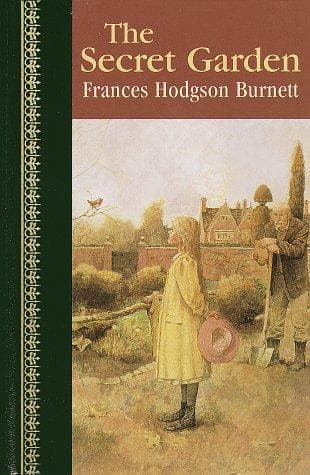
- The Secret Garden
Frances Hodgson Burnett
4.1 (891k) average on GoodreadsFantasyBoth books explore the healing power of nature and the transformation of a grieving child. 'The Garden of Eve' is more overtly magical, while 'The Secret Garden' employs a more subtle, psychological realism in its portrayal of nature's restorative effects.
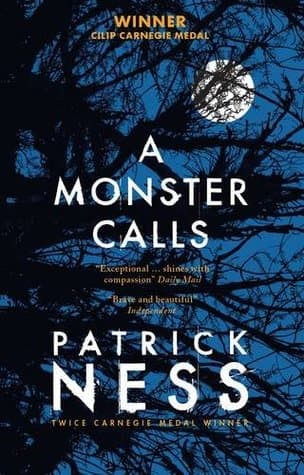
- A Monster Calls
Patrick Ness
4.3 (208k) average on GoodreadsFantasy'The Garden of Eve' offers a gentler and more comforting portrayal of grief compared to the unflinching and often brutal honesty of 'A Monster Calls'. While Going provides a hopeful path to healing, Ness delves into the raw, complex, and sometimes messy aspects of loss, offering a more challenging emotional experience.
- Harry Potter and the Sorcerer's Stone
J.K. Rowling
4.5 (7M) average on GoodreadsFantasyRescued from a miserable life under the stairs, an orphaned boy discovers he's a wizard destined for a magical school, where he uncovers a dangerous secret tied to the dark wizard who murdered his parents.
- The Hunger Games
Suzanne Collins
4.3 (6.4M) average on GoodreadsFantasyIn a future where children fight to the death on live television, Katniss Everdeen volunteers for the arena, turning a death sentence into a fight for survival and a spark of rebellion.




Enjoyed the summary?
A summary gives you the shape of the book. The book itself has the detail, the examples and the voice.
Find The Garden of Eve on AmazonAs an Amazon Associate, BookBrief earns from qualifying purchases. How we're funded