
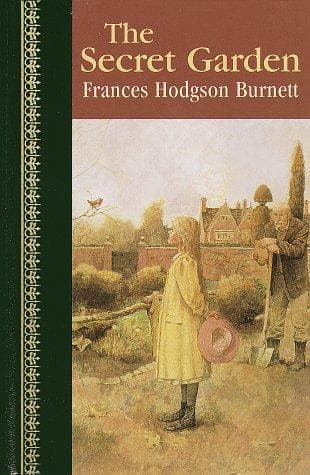
Synopsis
Covers the whole plot, including the ending.
- Difficulty
- Easy
- Pacing
- Moderate
- Mood
- Hopeful, Enchanting, Heartwarming, Reflective
- Read it if
- You enjoy classic children's literature, stories of transformation and healing, or tales where nature plays a significant role in character development.
- Skip it if
- You prefer fast-paced, modern fantasy or stories without strong themes of emotional growth and natural healing.
The Secret Garden Plot Summary
Covers the whole plot, including the ending.
Mary's Lonely Childhood in India
Mary Lennox is born in India to wealthy British parents who mostly ignore her. Her father is a busy government official, and her mother is a beautiful socialite who cares only for parties and her own looks. Mary is raised by ayahs, who spoil her to stop tantrums, but she never gets true affection. Because of this, Mary grows into a pale, ill-tempered, and self-centered child. She is often left alone, playing by herself, and feels deep resentment and unhappiness. This isolated, unloved childhood shapes her character at the start of the novel, making her very different from the lively, caring child she becomes.
Tragedy and Relocation to Misselthwaite Manor
A cholera epidemic in India kills Mary's parents and most of their household staff. Mary is forgotten in the chaos, found days later by British soldiers. She is then sent to live with Mr. Archibald Craven, her mother's brother, whom she has never met, at Misselthwaite Manor in the desolate moors of Yorkshire, England. The journey is long and uncomfortable. Mary arrives at the large, isolated manor feeling even more disagreeable and alone. The change from warm India to the cold, damp English countryside makes her feel even more out of place and unhappy.
Arrival at Misselthwaite and First Discoveries
When Mary arrives at Misselthwaite Manor, the stern housekeeper, Mrs. Medlock, greets her. Mary gets a kind, direct maid named Martha Sowerby, who encourages Mary to play outside. Mary is initially resistant and surly, but she slowly starts to explore the estate's large gardens and grounds. During her walks, Martha tells her about a secret garden that has been locked for ten years since her uncle's wife, Lilias, died there. The key was buried, and no one has entered it since. This mystery immediately interests Mary, sparking a bit of curiosity in her otherwise dull life.
Finding the Key and the Door
Mary's interest in the secret garden grows. She spends her days walking the large grounds, looking for clues. One windy day, a gust of wind uncovers a patch of earth, showing an old, rusty key. Later, while watching a robin, Mary sees a thick wall covered in ivy. The robin lands on an old, ivy-covered door, almost completely hidden. With the key, Mary unlocks the door and steps inside the long-abandoned garden. The discovery fills her with wonder and excitement, marking a turning point in her solitary life as she now has a secret to care for.
Meeting Ben Weatherstaff and Dickon
Inside the secret garden, Mary meets Ben Weatherstaff, the old, gruff gardener. He first disapproves of her but eventually warms to her. He confirms the garden's history and helps her understand the dormant plants. Martha also tells Mary about her brother, Dickon Sowerby, a kind and gentle boy who is good with animals and nature. Mary is interested and eventually meets Dickon. He is a welcome presence, teaching her about gardening, local wildlife, and the beauty of the Yorkshire moors. Dickon's gentle nature and practical knowledge begin to soften Mary's hardened heart, and together they start to care for the neglected garden.
The Mysterious Cries and Colin's Discovery
While exploring the large, silent corridors of Misselthwaite Manor, Mary repeatedly hears faint, sad cries that no one explains. Her curiosity is strong, and she decides to find the source. One night, following the sound, she discovers a hidden room where her cousin, Colin Craven, lies in bed. Colin is Mr. Craven's son, a sickly and bossy boy who is believed to be an invalid and will die young. He is kept isolated, always attended by servants, and has never been allowed outside. Mary is initially shocked by his fussiness but also feels a strange connection to his loneliness, seeing a similar spirit in his unhappiness.
Mary and Colin's Budding Friendship
Mary starts to visit Colin in secret, going against the doctor's orders and the servants' wishes. She listens to his endless complaints and his morbid belief that he will die. However, Mary, having changed herself, challenges his self-pity and encourages him to think differently. She tells him about the secret garden, sparking his curiosity and offering him a bit of hope beyond his sickroom. Mary's directness and refusal to spoil him are exactly what Colin needs. Their shared loneliness starts to build a tentative friendship, slowly breaking down Colin's long-held beliefs about his illness.
Colin's First Visit to the Secret Garden
Inspired by Mary's descriptions and Dickon's gentle persuasion, Colin wants to see the secret garden. Mary and Dickon secretly arrange for him to be taken outside in his wheelchair. It is Colin's first time outdoors in years, and the experience is overwhelming. The fresh air, the sounds of nature, and the garden's vibrant life fill him with wonder. In a moment of strong emotion, Colin tries to stand, proving to himself and others that his legs are not as weak as he thought. This act is a big turning point in his physical and mental recovery, showing the power of belief and nature's healing qualities.
The Magic of the Garden and Colin's Recovery
With regular visits to the secret garden, Colin's health gets much better. He begins to walk, then run, losing his invalid identity and gaining strength and confidence. He, Mary, and Dickon spend their days caring for the garden, which grows well under their care. They call the garden 'magic,' believing its power helps Colin's recovery. Colin develops a deep connection with nature, like Dickon. The children's laughter and joy fill the once-silent garden, changing it into a lively place of life and healing. Their shared secret experience strengthens their bonds and helps all three grow a lot.
Mr. Craven's Return and Revelation
While Colin changes, Mr. Craven is traveling abroad, trying to escape his grief. He has a recurring dream about his wife, Lilias, in the secret garden, which makes him return to Misselthwaite. As he nears the manor, he hears children's voices and laughter from the formerly silent secret garden. He finds the door unlocked and steps inside, where he is amazed to see his son, Colin, healthy, strong, and running. Overwhelmed with joy and disbelief, Mr. Craven embraces Colin, realizing the 'magic' that has healed his son and, by extension, his own broken heart. The family is reunited, and the garden is fully restored to life and happiness.
Principal Figures
Mary Lennox
Protagonist
An orphaned, initially ill-tempered girl who discovers the secret garden and transforms through its influence.
Mary begins the story as a sallow, sickly, and utterly unlikable child, accustomed to neglect and self-pity in India. She is described as 'mistress Mary quite contrary.' Upon arriving at Misselthwaite Manor, her bad temper and stubbornness persist. However, her curiosity about the locked garden and her interactions with Martha, Dickon, and eventually Colin, gradually chip away at her sour exterior. She develops a passion for gardening, a love for nature, and learns empathy, kindness, and selflessness, becoming a vibrant, healthy, and caring individual. Her journey is central to the novel's theme of regeneration.
Relationships: Mr. Archibald Craven (Uncle, initially distant but grows to be loving); Martha Sowerby (Maid and first friend, brings her a sense of belonging); Dickon Sowerby (Close friend, teaches her about nature and kindness); Colin Craven (Cousin and closest friend, they heal each other)
Colin Craven
Supporting
Mary's invalid cousin, believed to be dying, who finds healing and strength in the secret garden.
Colin is Mr. Craven's ten-year-old son, who has been confined to his bed since birth due to a perceived illness and fear of a spinal deformity. He is extremely spoiled, prone to violent hysterics, and convinced he is dying, mirroring Mary's initial self-absorption but on a grander, more dramatic scale. His isolation and grief over his mother's death have made him a tyrant to the servants. Mary's directness and the 'magic' of the secret garden, coupled with Dickon's gentle influence, lead to his miraculous physical and emotional recovery. He initially believes he will become a hunchback, like his father fears, but discovers his strength.
Relationships: Mr. Archibald Craven (Father, deeply grieved and distant but ultimately loving); Mary Lennox (Cousin and close friend, instrumental in his recovery); Dickon Sowerby (Friend and mentor in nature, helps him walk); Lilias Craven (Deceased mother, whose memory heavily influences him)
Dickon Sowerby
Supporting
Martha's brother, a gentle and wise boy with an extraordinary connection to animals and nature.
Dickon is a local Yorkshire boy, Martha's younger brother, who embodies the spirit of the natural world. He is kind, patient, and possesses a unique ability to communicate with and soothe wild animals, making them trust him implicitly. He teaches Mary and Colin about gardening, the cycle of life, and the beauty of the moors. Dickon's calm demeanor, practical wisdom, and deep respect for nature are instrumental in both Mary's and Colin's transformations, serving as a grounding and positive influence. He is the catalyst for bringing the children together and for the garden's revival.
Relationships: Martha Sowerby (Sister, they share a loving family bond); Mary Lennox (Close friend, teaches her about gardening and nature); Colin Craven (Close friend, helps him connect with nature and regain strength)
Mr. Archibald Craven
Supporting
Mary's uncle and Colin's father, a reclusive and grief-stricken hunchback.
Mr. Craven is the wealthy owner of Misselthwaite Manor and Mary's uncle. He is a reclusive, mournful man, described as a hunchback, who has been deeply affected by the death of his beloved wife, Lilias, ten years prior. His grief led him to lock up her favorite garden and avoid his son, Colin, fearing that Colin would also be a hunchback and die young. He spends most of his time traveling, unable to face the painful memories at home. His transformation comes through the miraculous recovery of his son and the revival of the secret garden, symbolizing his own emotional healing and return to life.
Relationships: Mary Lennox (Niece, initially distant but grows to love her); Colin Craven (Son, initially distant and fearful but reconnects lovingly); Lilias Craven (Deceased wife, his deep love and grief for her define his character)
Martha Sowerby
Supporting
A kind and practical maid who introduces Mary to Yorkshire life and its simple joys.
Martha is a young maid at Misselthwaite Manor, assigned to Mary. She is a warm, cheerful, and straightforward Yorkshire girl from a large, loving family. Martha is the first person to show Mary genuine kindness and common sense, challenging Mary's spoiled behavior while also being patient with her. She encourages Mary to play outside, tells her stories about her own family, and introduces her to the idea of Dickon. Martha's down-to-earth nature and simple wisdom are crucial in breaking down Mary's barriers and helping her adapt to her new life, acting as a bridge between Mary's isolated past and her healthier future.
Relationships: Mary Lennox (Maid and first friend, guides her in English customs); Dickon Sowerby (Brother, they share a loving family bond)
Mrs. Medlock
Supporting
The stern and practical housekeeper of Misselthwaite Manor.
Mrs. Medlock is the head housekeeper at Misselthwaite Manor. She is a strict, no-nonsense woman who prioritizes order and adherence to rules. She is initially quite cold and unwelcoming to Mary, viewing her as an additional burden. Mrs. Medlock is a loyal servant to Mr. Craven and maintains the isolation of Colin, following the doctor's and master's instructions rigidly. While not unkind at heart, her demeanor is formidable, and she struggles to understand the emotional needs of children, particularly Mary's and Colin's. She represents the rigid, somewhat joyless atmosphere of the manor before the children's influence.
Relationships: Mary Lennox (Household supervisor, initially distant and stern); Mr. Archibald Craven (Employer, loyal housekeeper)
Ben Weatherstaff
Supporting
The gruff but kind old gardener who initially guards the secret garden.
Ben Weatherstaff is the old, experienced gardener at Misselthwaite Manor. He is a gruff, seemingly ill-tempered man with a thick Yorkshire accent, but he has a deep love for nature and a soft spot for the secret garden. He was devoted to Mrs. Craven (Lilias) and is one of the few people who remembers the garden's beauty. He initially tries to keep Mary out but eventually becomes an ally, sharing his knowledge of plants and offering gruff encouragement. He is one of the first adults to witness Colin's recovery, becoming a believer in the 'magic' of the garden.
Relationships: Mary Lennox (Initially a reluctant helper, becomes a supportive friend); Lilias Craven (Was devoted to her and her garden)
Lilias Craven
Mentioned
Mr. Craven's deceased wife and Colin's mother, whose memory haunts the manor.
Lilias Craven is Mr. Craven's deceased wife and Colin's mother. She is never seen in the story, having died ten years before the main events, but her presence is strongly felt throughout the novel. She was a beautiful, lively woman who loved the secret garden deeply. Her sudden death, after an accident in the garden, plunges Mr. Craven into profound grief and leads to the garden being locked. Her memory is the source of Mr. Craven's reclusiveness and Colin's perceived illness. Her spirit and love for the garden act as a catalyst for its eventual revival and the healing of her family.
Relationships: Mr. Archibald Craven (Deceased wife, his great love and source of his grief); Colin Craven (Deceased mother, his perceived illness and isolation stem from her death)
Themes & Insights
The Healing Power of Nature
The secret garden is the central symbol of healing and new life in the novel. The neglected garden reflects the neglected children, Mary and Colin. As the children care for the garden, it grows, and at the same time, they experience great physical and emotional healing. Fresh air, exercise, and a connection to nature, especially through Dickon's guidance, change Mary from sickly to strong and Colin from an invalid to a healthy boy. The garden gives them a safe place where they can be free from adult supervision and expectations, allowing them to grow naturally.
“If you look the right way, you can see that the whole world is a garden.”
Transformation and Growth
The novel is a story of change, not just for the children but also for the adults. Mary, Colin, and Mr. Craven all change a lot. Mary goes from a sour, selfish child to a kind, empathetic one. Colin stops being a sickly invalid and becomes a lively, healthy boy. Mr. Craven moves from being a grief-stricken recluse to a loving, involved father. These changes come from self-discovery, the influence of good relationships, and nature's power to restore. The garden's blooming directly mirrors the characters' spirits blooming.
“When you are angry and want to fly into a rage, you think of the garden and what you are going to do in it.”
The Importance of Childhood and Friendship
The novel shows how important a healthy, active childhood and true friendship are. Mary and Colin, both isolated and neglected, find comfort and strength in their bond with each other and with Dickon. Their shared secret of the garden, their work together in caring for it, and their encouragement of each other help them overcome their individual problems. The freedom to play, explore, and just 'be' children in the garden is essential to their development. This shows how good peer relationships and self-directed play are vital for emotional and physical well-being.
“It was the best thing that could have happened to her, to have a secret and a friend.”
Grief and Resilience
Grief is a strong theme, especially in the past of Mr. Craven and Colin. Mr. Craven's deep sorrow over his wife's death makes him neglect his son and withdraw from life, effectively locking away joy and hope along with the garden. Colin's perceived illness is closely tied to his mother's death and his father's grief. The novel explores how hidden grief can show up in unhealthy ways (Colin's outbursts, Mr. Craven's isolation) and how facing and working through it, often with help from others and a renewed connection to life, leads to strength and recovery. The garden's revival symbolizes overcoming loss.
“Until that morning he had been a child who had been dead and buried, and now he was alive and running.”
Magic and Belief
The children, especially Colin, often talk about 'magic' to explain the healing happening in the garden and within themselves. While not supernatural, this 'magic' means the power of positive thinking, belief, and nature's restorative forces. Colin believes the garden's magic causes his recovery, and this belief helps him try to walk and get stronger. This theme suggests that faith in something good, whether it is nature's inherent life force or the power of positive intention, can have real, life-changing effects on one's life and surroundings.
“It is the magic, I am sure of it! It is the Magic that has made me well! It is the Magic that has made us all well!”
Plot Devices & Literary Techniques
The Secret Garden
A physical and symbolic space representing healing, growth, and rebirth.
The secret garden is the central plot device and a powerful symbol. Initially, it is a locked, neglected space, mirroring the emotional states of Mary, Colin, and Mr. Craven. Its discovery and subsequent revival by the children directly parallel their own physical and emotional transformations. It acts as a sanctuary where they can escape the rigid rules of the manor, connect with nature, and develop genuine relationships. The garden is a place of freedom, healing, and growth, becoming a living testament to the power of care, belief, and the life force of nature.
The Robin
A recurring animal motif symbolizing companionship, guidance, and the presence of life.
The robin serves as a significant recurring motif throughout the story. It is the first creature to truly engage Mary's attention at Misselthwaite, leading her to the discovery of the secret garden's key and then to its hidden door. The robin becomes Mary's first 'friend' in England, offering a small, consistent presence of life and companionship. Later, it also interacts with Dickon, reinforcing his connection to nature. The robin symbolizes hope, the reawakening of life, and the gentle guidance that leads Mary and, by extension, Colin, towards their healing and discovery.
The Hidden Room and Cries
A mystery element creating suspense and leading to the discovery of Colin.
The mysterious cries heard within Misselthwaite Manor and the subsequent discovery of Colin's hidden room serve as a key plot device to introduce a major character and deepen the narrative. The unexplained sobs create suspense and fuel Mary's curiosity, driving her to explore the manor more thoroughly. This mystery not only leads to Colin's revelation but also highlights the extent of his isolation and the secrets kept within the household, setting the stage for Mary's empathetic connection and subsequent efforts to help her cousin.
The Yorkshire Dialect
A narrative technique emphasizing authenticity, character, and setting.
The use of Yorkshire dialect, particularly by characters like Martha, Dickon, and Ben Weatherstaff, is a significant narrative device. It grounds the story firmly in its geographical setting, providing a strong sense of place and authenticity. The dialect also differentiates the local characters from the more formal speech of Mary and the manor staff, highlighting their down-to-earth nature, wisdom, and connection to the land. It adds charm and humor to their interactions, making them more vivid and memorable, and contributes to the story's overall tone and atmosphere.
The Secret Garden Quotes
“Where you tend a rose, my lad, a thistle cannot grow.”
“If you look the right way, you can see that the whole world is a garden.”
“At first people refuse to believe that a strange new thing can be done, then they begin to hope it can be done, then they see it can be done—then it is done and all the world wonders why it was not done centuries ago.”
“Is the spring coming? I asked. Yes, is the answer, and it is coming with a rush.”
“The sun shone down for nearly a week on the secret garden.”
“One of the strange things about living in the world is that it is only now and then one is quite sure one is going to live forever and ever and ever.”
“Might I have a bit of earth?”
“Everything is made out of magic, leaves and trees, flowers and birds, badgers and foxes and squirrels and people. So it must be all around us.”
“Two worst things as can happen to a child is never to have his own way—or always to have it.”
“The secret garden is always open now.”
“It was the lock of the door which had been closed ten years.”
“I am going to live forever and ever and ever!”
“She made herself stronger by fighting with the wind.”
“The garden is awake!”
Quiz
10 questions on the plot and the characters. Each answer comes with a short explanation.
Question 1
What traumatic event causes Mary Lennox to be sent from India to England at the beginning of the story?
- Her parents decided to send her to boarding school in England
- A cholera epidemic that killed both her parents
- Her uncle requested she come live with him in Yorkshire
- She was escaping an arranged marriage in India
Show answer
B. A cholera epidemic that killed both her parents Mary is sent to England after both her parents die in a cholera epidemic in India. This traumatic event sets the entire story in motion, as she becomes an orphan and is sent to live with her uncle at Misselthwaite Manor.
Question 2
Who is the mysterious crying child that Mary hears in Misselthwaite Manor?
- A ghost of a previous resident
- Colin Craven, her cousin who is kept hidden
- A servant's child who lives in the attic
- A neighbor's child who sneaks into the manor
Show answer
B. Colin Craven, her cousin who is kept hidden The crying Mary hears throughout the manor comes from Colin Craven, her cousin who has been kept hidden away due to his poor health and his father's belief that he would die young. Mary eventually discovers and befriends him.
Question 3
What is the name of the friendly robin who helps Mary find the key to the secret garden?
- Robin Redbreast
- The robin is never given a specific name
- Mr. Robin
- Redwing
Show answer
B. The robin is never given a specific name While the robin is a significant character who guides Mary to the buried key and the hidden door, the book never gives him a specific name. He is simply referred to as 'the robin' throughout the story.
Question 4
Why was the secret garden locked up and abandoned for ten years?
- It was too expensive to maintain
- Archibald Craven locked it after his wife died there in an accident
- The plants had become diseased and needed to be quarantined
- It was a punishment for Mary's mother when she was a child
Show answer
B. Archibald Craven locked it after his wife died there in an accident Archibald Craven locked the garden and buried the key after his wife Lilias died in a tragic accident there. The garden had been her favorite place, and he couldn't bear to see it after her death, leaving it to become overgrown.
Question 5
What significant change occurs in Colin Craven's physical condition by the end of the novel?
- He becomes strong enough to walk and run for the first time in his life
- He develops a talent for painting garden scenes
- He gains the ability to speak multiple languages
- He becomes an expert gardener like Dickon
Show answer
A. He becomes strong enough to walk and run for the first time in his life Through spending time in the secret garden with Mary and Dickon, and through positive thinking, Colin transforms from a bedridden, sickly boy who believed he would die young into a healthy child who can walk, run, and play like other children.
Question 6
Which character introduces Mary to the concept of 'Magic' as a positive force in nature and human life?
- Martha Sowerby
- Dickon Sowerby
- Ben Weatherstaff
- Mrs. Medlock
Show answer
B. Dickon Sowerby Dickon Sowerby, Martha's brother who has a magical way with animals and plants, introduces Mary to the idea of 'Magic' as the life force in all living things. This concept becomes central to Colin's healing and the children's transformation.
Question 7
What is the relationship between Ben Weatherstaff and the late Mrs. Craven (Lilias)?
- He was her personal physician
- He was the gardener who helped her create the secret garden
- He was her childhood friend from India
- He was her music teacher
Show answer
B. He was the gardener who helped her create the secret garden Ben Weatherstaff was the gardener who worked with Lilias Craven when she created the secret garden. He knew about the garden's existence and its significance, which is why he's initially suspicious of Mary's interest in it.
Question 8
What symbolic connection does the author create between the transformation of the garden and the transformation of the children?
- Both the garden and the children were neglected and 'locked away' before being revived through care and positive attention
- Both required expensive medical treatments to recover
- Both transformations were accomplished through scientific gardening techniques
- Both were dependent on Archibald Craven's direct intervention
Show answer
A. Both the garden and the children were neglected and 'locked away' before being revived through care and positive attention The parallel between the garden's revival and the children's transformation is central to the novel's themes. Just as the locked, neglected garden comes back to life through care, Mary and Colin transform from sickly, unhappy children into healthy, joyful ones through love, friendship, and connection with nature.
Question 9
How does Archibald Craven's physical journey at the end of the novel mirror his emotional journey?
- He travels through Europe visiting gardens, which helps him overcome his grief and return to his transformed family
- He goes to India to understand Mary's background, which helps him become more compassionate
- He climbs a mountain as a physical challenge that symbolizes overcoming his emotional burdens
- He travels to London for medical treatment that cures his chronic back pain and depression
Show answer
A. He travels through Europe visiting gardens, which helps him overcome his grief and return to his transformed family Archibald Craven wanders through Europe visiting beautiful gardens, trying to escape his grief. This physical wandering represents his emotional state until he has a dream/vision of his wife telling him to return home. When he does return, he finds his son transformed and the garden restored, completing his emotional healing.
Question 10
What specific method do the children use to keep their work in the garden secret from the adults at Misselthwaite Manor?
- They only work at night when everyone is asleep
- They use a system of coded messages and secret signals
- They enter through a hidden underground tunnel
- They take advantage of Colin's reputation as an invalid to explain his absence, and Mary visits during times when servants are occupied
Show answer
D. They take advantage of Colin's reputation as an invalid to explain his absence, and Mary visits during times when servants are occupied The children maintain secrecy by exploiting Colin's established pattern of being bedridden and unseen. While the servants believe Colin is in his room being sickly, he's actually in the garden getting stronger. Mary times her visits to avoid drawing attention, and Dickon enters discreetly.
The Secret Garden FAQ
What is 'The Secret Garden' about?
The story follows Mary Lennox, a spoiled orphan sent from India to live with her reclusive uncle Archibald Craven at Misselthwaite Manor in Yorkshire. Through discovering a locked garden and a hidden cousin, Colin, Mary undergoes a transformation, learning about friendship, healing, and the restorative power of nature.
Why should I read 'The Secret Garden'?
It's a timeless classic that beautifully explores themes of personal growth, resilience, and the healing power of nature. The story's charming characters, elements of mystery, and uplifting message about transformation appeal to both children and adults.
What is the background/setting of 'The Secret Garden'?
Set in early 20th century England, the story begins in colonial India before moving to the gloomy Yorkshire moors at Misselthwaite Manor. The stark contrast between India's warmth and Yorkshire's bleakness mirrors Mary's emotional journey from isolation to connection.
What are the most memorable quotes?
Key quotes include 'Where you tend a rose, a thistle cannot grow,' emphasizing positive focus, and 'Is the spring coming?' he said. 'What is it like?'... 'It is the sun shining on the rain and the rain falling on the sunshine,' describing the garden's magic. Also, 'At first people refuse to believe that a strange new thing can be done, then they begin to hope it can be done, then they see it can be done--then it is done and all the world wonders why it was not done centuries ago,' highlighting perseverance.
What writing style does the author use?
Frances Hodgson Burnett employs a descriptive, atmospheric style with vivid imagery of the Yorkshire landscape and garden. The narrative blends realism with subtle fantasy, using accessible language that captures childhood emotions while incorporating themes of spirituality and renewal.
What minor details add significant meaning?
The robin that leads Mary to the garden key symbolizes guidance and hope. Mary's initial dislike of the moor's 'wuthering' wind contrasts with her later appreciation, showing her emotional thaw. The locked garden's overgrown state mirrors the neglected emotional states of Mary, Colin, and Mr. Craven.
What are some subtle foreshadowing moments?
Early mentions of Colin's illness and Mr. Craven's grief hint at the garden's healing role. Mary's growing curiosity about the crying sounds foreshadows Colin's discovery. The changing seasons in the garden parallel the characters' gradual recovery, with spring symbolizing renewal.
What unexpected character connections exist?
Mary and Colin are cousins who share parallel journeys of isolation and healing. Dickon's mother, Susan Sowerby, acts as a maternal figure to both children, offering wisdom and kindness. The garden itself connects all characters, serving as a catalyst for their intertwined transformations.
What are unspoken character motivations?
Mr. Craven's neglect stems from unresolved grief over his wife's death, leading him to avoid the garden and Colin. Mary's initial rudeness masks deep loneliness and a craving for attention. Colin's belief in his own illness is driven by fear and lack of parental love, rather than actual physical weakness.
What psychological complexities do characters exhibit?
Mary evolves from a self-centered, temperamental child to a compassionate leader through responsibility and friendship. Colin's hypochondria and tantrums reveal a psyche shaped by isolation and misinformation, which he overcomes by embracing hope and activity. Mr. Craven's depression manifests as physical and emotional withdrawal, healed only by reconnecting with his son and the garden.
What are the major emotional turning points?
Mary's discovery of the garden marks her first step toward curiosity and joy. Meeting Colin and sharing the garden's secret creates a bond that fuels both children's growth. The moment Colin stands and walks in the garden represents a breakthrough in self-belief. Mr. Craven's return and reunion with Colin culminates in emotional healing for the entire family.
How do relationship dynamics evolve?
Mary and Colin's relationship shifts from initial rivalry to deep friendship as they nurture the garden together. Mary's interactions with servants like Martha and Ben Weatherstaff soften from defiance to mutual respect. Mr. Craven's distance from Colin transforms into paternal love through the garden's renewal, symbolizing restored family bonds.
Which parts remain ambiguous or open-ended?
The exact nature of the garden's 'magic' is left ambiguous—whether it's purely psychological, spiritual, or a blend. The future of Misselthwaite Manor after the story ends is open, though implied to be happier. Some readers debate the extent of Colin's physical illness versus psychosomatic symptoms.
What are controversial scenes or decisions?
Mary's initial racist attitudes toward Indian servants reflect colonial-era biases, which can be troubling for modern readers. Some critique Mr. Craven's prolonged neglect of Colin as emotionally abusive, though the story frames it as grief-driven. The use of 'magic' to explain healing has sparked debates about whether it diminishes the role of personal effort.
'The Secret Garden' ending explained: how it ends & what it means
The story ends with Mr. Craven returning to find Colin healthy and walking in the restored garden, leading to a joyful family reunion. This symbolizes the power of love, nature, and positive thinking to heal emotional wounds. The garden, now open and thriving, represents the characters' transformed spirits and the enduring hope for renewal.
About the author
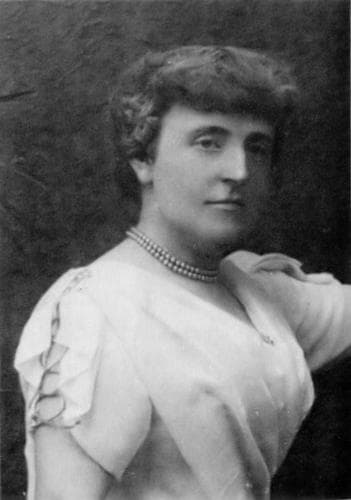
Frances Hodgson Burnett was an English author known for her children's literature in the late 19th and early 20th centuries. She is best known for her novels "The Secret Garden," "Little Lord Fauntleroy," and "A Little Princess," which explore themes of growth, friendship, and resilience. Another notable work is "The Making of a Marchioness," which showcases her storytelling in adult fiction.
Similar books
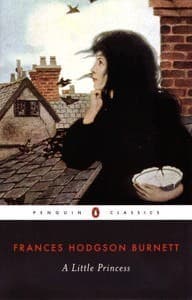
- A Little Princess
Frances Hodgson Burnett
4.2 (4k) average on GoodreadsFantasyAnother classic by the same author, focusing on a resilient girl overcoming adversity.
- Peter Pan
J.M. Barrie
4.0 (277k) average on GoodreadsFantasyWhile both The Secret Garden and Peter Pan (1904) are classic children's fantasies featuring children's adventures, their approaches differ significantly. Peter Pan embraces overt, whimsical fantasy with flying, pirates, and mermaids, focusing on the eternal desire for childhood and escape from adult responsibilities. The Secret Garden, in contrast, uses a more subtle, almost magical realism, where the 'magic' stems from the restorative power of nature and human connection. The transformations in The Secret Garden are psychological and developmental, leading to growth and acceptance of life, whereas Peter Pan explores the allure and perils of eternal childhood and refusing to grow up.
- Harry Potter and the Sorcerer's Stone
J.K. Rowling
4.5 (7M) average on GoodreadsFantasyRescued from a miserable life under the stairs, an orphaned boy discovers he's a wizard destined for a magical school, where he uncovers a dangerous secret tied to the dark wizard who murdered his parents.
- The Hunger Games
Suzanne Collins
4.3 (6.4M) average on GoodreadsFantasyIn a future where children fight to the death on live television, Katniss Everdeen volunteers for the arena, turning a death sentence into a fight for survival and a spark of rebellion.
- 1984
George Orwell
4.2 (3.1M) average on GoodreadsPoliticsIn a future where surveillance and thought control are absolute, a man's search for truth clashes with the Party, showing that hope can be a form of rebellion.
- Divergent
Veronica Roth
4.2 (2.9M) average on GoodreadsFantasyIn a society divided by virtues, a sixteen-year-old's difference from the norm starts a rebellion that threatens her world.





Enjoyed the summary?
A summary gives you the shape of the book. The book itself has the detail, the examples and the voice.
Find The Secret Garden on AmazonAs an Amazon Associate, BookBrief earns from qualifying purchases. How we're funded