
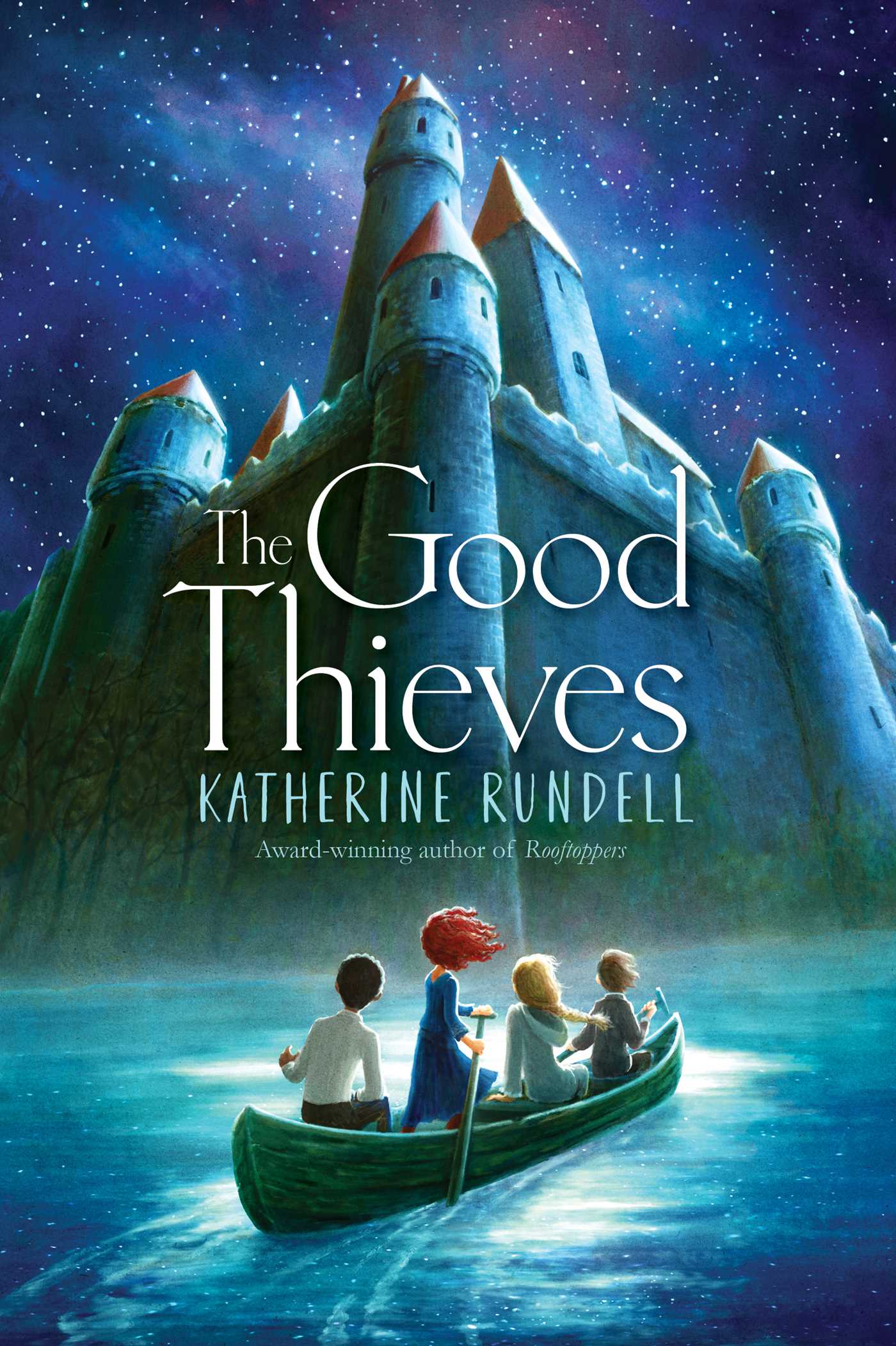
Synopsis
Covers the whole plot, including the ending.
- Difficulty
- Easy
- Pacing
- Fast
- Mood
- Adventurous, Hopeful, Clever, Suspenseful, Heartwarming
- Read it if
- You love plucky young heroes, intricate heist plots, and stories about found families and unwavering loyalty, set against the vibrant backdrop of 1920s New York.
- Skip it if
- You prefer gritty realism over adventurous, slightly fantastical children's capers, or dislike stories with a clear distinction between good and evil.
The Good Thieves Plot Summary
Covers the whole plot, including the ending.
Arrival in New York and the Grandfather's Predicament
Twelve-year-old Vita Marlowe arrives in 1920s New York City from England with her mother. She finds her grandfather, Silas, in trouble. Silas, a naturalist, lost his mansion, the 'Golden House,' and its contents, including his collection of preserved animals and plants, to a real estate tycoon named Harvey Beaumont. Beaumont, a former student of Silas, tricked him into signing away the property for a 'conservation' project. Silas is heartbroken and lives in a small room, his spirit broken by the loss of his life's work. Vita wants to reclaim what was stolen from her grandfather, recognizing the unfairness of the situation.
Meeting the Street Urchins and Forming a Plan
Vita starts watching the Golden House, now occupied by Beaumont, and realizes she needs help. She meets Silk, a street-smart boy and a talented pickpocket who lives with other children in an abandoned theatre. Silk is impressed by Vita's determination and her concern for her grandfather. Through Silk, Vita meets other children: Sam, an acrobat and tightrope walker from a circus family, and Arkady, a strong, silent boy good with animals and locks. They form a team, and Vita plans to break into the Golden House and get Silas's valuable emerald necklace, hidden within one of his specimens.
Infiltrating the Golden House
The children begin trying to get into the Golden House. They study the building's layout, security, and Beaumont's habits. Sam uses his acrobatic skills to scale walls and reach windows. Arkady's talent for picking locks is useful. Silk, with his nimble fingers, gets keys and information. Vita leads the operation, coordinating their movements and entry points. They find that Beaumont installed more security, including a guard dog and surveillance, making their task harder. During one attempt, they barely escape detection, which shows the danger of their mission.
The First Heist: A Partial Success and a Close Call
Following Vita's plan, the children do their first major heist. Sam uses a tightrope to cross from a nearby building, while Arkady disables an alarm system. Silk moves through the interior, avoiding Beaumont's staff. They retrieve some of Silas's smaller specimens and documents, bringing them back to their hideout. Their escape is dangerous. Beaumont's guards and the guard dog almost catch them, leading to a chase across New York rooftops. The experience strengthens their bond and commitment to Vita's cause, but also makes them realize how strong their enemy is and the risks involved.
Silas's Growing Suspicion and Beaumont's Ruthlessness
As Vita continues her efforts, Silas, though still sad, starts to notice changes. Small items from his collection, which he thought were lost, begin to reappear in his room, left by Vita. He does not connect them to a heist, but hope and suspicion start within him. Meanwhile, Harvey Beaumont, frustrated by the disturbances and the feeling of being watched, increases security at the Golden House, hiring more guards and installing new locks. He also speeds up selling Silas's collection, threatening to permanently destroy the legacy Vita is fighting to protect. This makes Vita's mission urgent, as time is running out.
The Circus Connection and Training
Vita realizes that to succeed against Beaumont's security, they need more skills. Sam's circus background is important. They train in the abandoned theatre, practicing acrobatics, lock-picking, and stealth. Sam teaches Vita and Silk how to move silently and climb. Arkady improves his ability to calm animals, which is important given Beaumont's guard dog. Vita learns to pick simple locks and understands the team's strengths better. The training sessions improve their abilities and deepen their friendship, making them a strong unit, ready for the most dangerous part of their plan: recovering the emerald necklace.
The Grand Finale: The Emerald Heist
The children launch their most daring plan: to get the emerald necklace, hidden inside a taxidermied fox in Silas's study, before Beaumont can sell it. They use Sam's aerial moves, Arkady's lock-picking and animal calming skills, and Silk's stealth. Vita directs the operation from a hidden spot, communicating with her team. They get through security measures, including pressure plates and tripwires. The tension is high as they find the fox. Arkady carefully retrieves the necklace, a symbol of Silas's scientific legacy and evidence against Beaumont.
Confrontation and Exposure
Vita knows that just getting the emerald is not enough. She plans to publicly expose Harvey Beaumont. They learn of a party Beaumont is hosting at the Golden House, meant to show and sell Silas's collection. The children get into the party, using their skills to create diversions and get attention. Vita, with the emerald necklace, confronts Beaumont. She reveals his actions to the guests, including important people in New York society and the press. She shows the necklace as proof of his deceit and the collection's true ownership. The revelation causes a scandal, ruining Beaumont's reputation and bringing his dealings into the open.
Silas's Vindication and the Future of the Golden House
The public exposure of Harvey Beaumont's fraud leads to his downfall. Legal proceedings begin, and with Vita's evidence and the scandal, Silas is cleared. The Golden House, with his collection, is returned to him. Silas's spirit returns. He is proud of Vita and touched by her loyalty. Silk, Sam, and Arkady, who helped Vita, are welcomed into the Golden House, forming a new family with Silas and Vita. The mansion, once a symbol of loss, becomes a home filled with love, laughter, and new adventures.
Principal Figures
Vita Marlowe
Protagonist
Twelve-year-old girl determined to reclaim her grandfather's stolen home.
Vita is a fiercely loyal, intelligent, and resourceful twelve-year-old from England. She possesses a sharp mind for strategy and planning, a strong moral compass, and an unwavering determination to right wrongs. Her love for her grandfather, Silas, is the primary motivator for her actions. Despite her youth, she displays remarkable leadership qualities, inspiring trust and loyalty in her diverse team of street children. She is not afraid to take risks and demonstrates considerable bravery throughout her mission to reclaim the Golden House. Her character arc sees her grow from a determined granddaughter into a confident leader and a master strategist.
Relationships: Silas Marlowe (Granddaughter and fiercely loyal protector); Silk (Fellow thief and trusted friend); Sam (Fellow thief and trusted friend); Arkady (Fellow thief and trusted friend)
Silas Marlowe
Supporting
Vita's grandfather, a renowned naturalist whose home and collection are stolen.
Silas Marlowe is a kind, gentle, and brilliant naturalist, passionate about his vast collection of specimens and his beloved Golden House. Before Beaumont's betrayal, he was full of life and dedicated to his scientific pursuits. The loss of his home and life's work leaves him deeply despondent and heartbroken, stripping him of his spirit. He initially struggles with the injustice and his inability to fight back. Vita's arrival and her subsequent actions slowly reignite his hope and his belief in justice. His arc is one of recovery, regaining his home and, more importantly, his joy and purpose, finding a new, unconventional family.
Relationships: Vita Marlowe (Grandfather, deeply loved and protected); Harvey Beaumont (Former student and betrayer)
Silk
Supporting
A street-smart, nimble-fingered pickpocket and Vita's first recruit.
Silk is a clever, quick-witted, and highly skilled pickpocket who lives on the streets of New York. He is initially cynical and wary of adults but is drawn to Vita's genuine sincerity and determination. He is fiercely loyal once his trust is earned and proves to be an invaluable member of the team due to his agility, stealth, and ability to acquire vital information. He has a dry wit and a strong sense of independence. Silk's resourcefulness and street smarts are crucial to the success of Vita's plans, often acting as the eyes and ears on the ground.
Relationships: Vita Marlowe (Fellow thief and trusted friend); Sam (Fellow thief and friend); Arkady (Fellow thief and friend)
Sam
Supporting
An acrobatic, circus-trained boy who provides the team's physical prowess.
Sam is a talented acrobat and tightrope walker from a circus background. He is agile, fearless, and possesses incredible physical abilities, making him essential for scaling buildings and navigating dangerous heights. Sam is generally good-natured and enthusiastic, eager to use his skills for a good cause. He is loyal to his friends and readily embraces Vita's plan, finding excitement in the challenge. His circus training provides the team with unique advantages in their infiltration attempts, often being the one to gain access to difficult areas of the Golden House. He brings a sense of fun and daring to the group.
Relationships: Vita Marlowe (Fellow thief and trusted friend); Silk (Fellow thief and friend); Arkady (Fellow thief and friend)
Arkady
Supporting
A strong, silent boy with an uncanny ability to connect with animals and pick locks.
Arkady is a quiet and physically strong boy, often communicating more through actions than words. He possesses an extraordinary, almost intuitive, connection with animals, which proves vital when dealing with Beaumont's guard dog. He is also surprisingly adept at picking locks, a skill that complements Silk's agility. Arkady's calm demeanor and physical strength make him a reliable and steady presence within the team. Despite his reserved nature, he is deeply committed to helping Vita and Silas, showing a strong sense of justice and loyalty. He often acts as the muscle and the animal whisperer of the group.
Relationships: Vita Marlowe (Fellow thief and trusted friend); Silk (Fellow thief and friend); Sam (Fellow thief and friend)
Harvey Beaumont
Antagonist
A ruthless real estate tycoon who defrauds Silas Marlowe of his home.
Harvey Beaumont is the primary antagonist, a cunning and avaricious real estate tycoon. He was once a student of Silas Marlowe, which makes his betrayal particularly heinous. Beaumont is driven by greed and a desire for social standing, seeing Silas's Golden House and its valuable collection as mere assets to be exploited. He is ruthless, manipulative, and lacks empathy, willing to use any means, including deceit and intimidation, to achieve his goals. He is portrayed as arrogant and overconfident, underestimating the capabilities of Vita and her young team, which ultimately leads to his downfall.
Relationships: Silas Marlowe (Former mentor, now victim of his fraud); Vita Marlowe (Adversary, who ultimately exposes him)
Vita's Mother
Mentioned
Vita's mother, who accompanies her to New York but remains in the background.
Vita's mother is a minor character, primarily serving as the reason Vita travels to New York. She is portrayed as somewhat overwhelmed by the situation with Silas and less proactive than Vita. While she loves her father, Silas, she seems unable to effectively challenge Harvey Beaumont, leaving Vita to take matters into her own hands. Her presence provides a safe, if somewhat passive, anchor for Vita in the unfamiliar city, allowing Vita the freedom to pursue her audacious plan. She represents the adult world's helplessness in the face of injustice, contrasting with Vita's youthful determination.
Relationships: Vita Marlowe (Mother); Silas Marlowe (Daughter)
The Guard Dog
Mentioned
Beaumont's fierce security dog, a challenge for the children.
The Guard Dog is a menacing presence at the Golden House, serving as a significant obstacle for Vita and her team. It is a large, well-trained, and aggressive animal, loyal to Harvey Beaumont and a deterrent to any intruders. Its presence adds an element of danger and urgency to the children's infiltration attempts. However, Arkady's unique ability to connect with animals plays a crucial role in neutralizing this threat, showcasing his special talent and providing a moment of triumph for the team.
Relationships: Harvey Beaumont (Owner); Arkady (Calmer and temporary friend)
Themes & Insights
Loyalty and Family
The main theme is the bond between Vita and her grandfather, Silas. Vita's motivation comes from her loyalty to Silas and her desire to restore his happiness and legacy after Harvey Beaumont's betrayal. This theme extends to the family formed by Vita, Silk, Sam, and Arkady, who build trust and loyalty as they work together. Their willingness to risk everything for each other and for Silas shows the power of chosen family and the strength from support.
“There are some things that, once you’ve seen them, you can’t un-see. The way your grandfather’s eyes looked. That’s one of them.”
Justice and Righting Wrongs
The story is about getting justice for Silas Marlowe, who was cheated out of his home and work. Vita believes in correcting the wrong committed by Harvey Beaumont, even when adults seem unable to help. The children's heist is not just about theft, but about reclaiming what was stolen and showing the truth. This theme shows that justice can be found in unexpected ways and that small individuals can challenge powerful, corrupt figures. It is a story of standing up against injustice, no matter the odds.
“A person should not be allowed to take someone’s life’s work. Not even if they are very rich.”
Hope and Resilience
Despite Silas's sadness and the challenge of facing Harvey Beaumont, the story has hope and resilience. Vita's optimism and refusal to give up, even when things go wrong, inspire her grandfather and her new friends. The children, living on the edges of society, show resilience in their daily lives and in their mission. The return of Silas's spirit and his home shows hope over sadness and the strength of the human spirit.
“Sometimes, you just have to choose to be brave. Even when you’re not.”
The Power of the Unseen and Underestimated
A theme is the power of those often overlooked or underestimated—children, street kids, and the seemingly helpless. Harvey Beaumont dismisses Vita and her friends as unimportant. But their unique skills, agility, intelligence, and lack of adult limits allow them to succeed where adults might fail. The children's ability to move through the city unnoticed and their methods are more effective than traditional approaches, showing that power can come from unexpected places.
“They never see the small ones. That’s the trick.”
Plot Devices & Literary Techniques
The Golden House
A symbolic setting representing Silas's legacy and the central prize.
The Golden House is more than just a building; it's a character in itself and a powerful symbol. It represents Silas Marlowe's life's work, his passion for natural history, and his personal legacy. Its theft by Harvey Beaumont symbolizes the destruction of Silas's spirit. The children's mission to reclaim it is therefore not just about property, but about restoring identity, hope, and justice. The house's intricate layout, hidden passages, and valuable contents make it the perfect stage for the elaborate heist, serving as both the setting and the ultimate goal of their endeavors.
Found Family
The formation of an unconventional family unit through shared purpose.
The concept of 'found family' is a crucial plot device. Vita, an orphan in a new city, brings together Silk, Sam, and Arkady, who are also without conventional families. Their shared purpose of helping Silas and their mutual reliance during the dangerous heist forge a powerful, unconventional family bond. This device provides emotional depth to the adventure, showing how individuals from diverse backgrounds can unite and find belonging through loyalty and shared goals. It contrasts with the broken family dynamic caused by Beaumont's actions against Silas.
The Emerald Necklace
A MacGuffin and a key piece of evidence hidden within a taxidermied fox.
The emerald necklace serves as a classic MacGuffin, a plot device that drives the narrative forward. While its intrinsic value is high, its primary importance lies in its role as a specific, tangible object that Vita and her team must retrieve. It is hidden within a taxidermied fox, a clever detail that connects it directly to Silas's collection and expertise. The necklace is not only the ultimate prize of the heist but also becomes a crucial piece of evidence used to expose Harvey Beaumont's fraudulent activities, giving the children a means to publicly achieve justice.
The Heist Structure
A multi-stage plot structure involving reconnaissance, planning, and execution.
The book employs a classic heist plot structure, which provides a clear and engaging narrative framework. This device involves distinct stages: initial reconnaissance of the Golden House, meticulous planning of the infiltration, gathering and training of a specialized team (each member with unique skills), and the suspenseful execution of multiple break-ins, culminating in the grand finale. This structure builds tension, allows for character development through their roles in the heist, and provides a satisfying progression towards the ultimate goal of justice and retrieval.
The Good Thieves Quotes
“The world is full of people who will tell you what you cannot do. You must tell them what you can.”
“A thief is only a thief if they steal for themselves. If they steal for someone else, they are a hero.”
“Sometimes the bravest thing you can do is ask for help.”
“Magic is not in the wand, but in the will.”
“A good thief steals not just things, but chances.”
“The heart is a compass that points to what matters most.”
“Fear is a wall. You must learn to climb it.”
“In the dark, even a small light can guide you home.”
“A story is a kind of theft too—it steals your heart and changes you.”
“Courage is not the absence of fear, but the decision that something else is more important.”
“The best plans are like spiderwebs—strong, flexible, and almost invisible.”
“Home is not a place, but the people you fight for.”
“Every lock has a key, and every problem has a solution, if you look hard enough.”
“The truth is a treasure, but it must be earned.”
Quiz
10 questions on the plot and the characters. Each answer comes with a short explanation.
Question 1
What is the main reason Vita decides to break into the mansion in 1920s Manhattan?
- To find hidden treasure left by her ancestors
- To steal back what was taken from her grandfather by a real estate tycoon
- To join a circus performing in the mansion
- To expose a political conspiracy in the city
Show answer
B. To steal back what was taken from her grandfather by a real estate tycoon Vita's grandfather's mansion was unjustly taken by a powerful real estate tycoon, and she feels compelled to restore justice by reclaiming what rightfully belongs to her family.
Question 2
Who helps Vita execute her plan to break into the mansion?
- A group of police officers
- Her school friends from England
- A pickpocket and her new circus friends
- Professional thieves hired by her grandfather
Show answer
C. A pickpocket and her new circus friends Vita forms a ragtag gang including a pickpocket and circus performers she meets in Manhattan, using their unique skills to carry out the heist.
Question 3
What time period is 'The Good Thieves' set in?
- 1890s London
- 1920s Manhattan
- 1950s Paris
- Modern-day New York
Show answer
B. 1920s Manhattan The story takes place in 1920s Manhattan, a vibrant and changing era that provides the backdrop for Vita's adventure.
Question 4
What is the primary theme explored through Vita's relationship with her grandfather?
- The importance of wealth and social status
- The conflict between generations
- Loyalty and intergenerational love
- The dangers of urban life
Show answer
C. Loyalty and intergenerational love The book emphasizes the deep bond between Vita and her grandfather, driving her to extreme measures to protect him and restore what was stolen.
Question 5
Why does Vita need to expose the real estate tycoon beyond just stealing back her grandfather's property?
- To become famous in Manhattan society
- To prevent him from stealing from other vulnerable people
- To claim a reward from the police
- To take over his business empire
Show answer
B. To prevent him from stealing from other vulnerable people Vita recognizes that the tycoon is a crook who exploits others, and exposing him serves justice more broadly than just her family's situation.
Question 6
How does the setting of 1920s Manhattan contribute to the challenges Vita faces?
- It is depicted as a sleepy town with few obstacles
- Its ever-changing nature and secrets make it difficult to outsmart
- It is controlled entirely by the police, making crime impossible
- It is a magical land where anything is possible
Show answer
B. Its ever-changing nature and secrets make it difficult to outsmart The dynamic, secretive environment of 1920s Manhattan adds complexity to Vita's mission, requiring cleverness and adaptability from her and her friends.
Question 7
What character trait is most emphasized in descriptions of Vita throughout the book?
- Her fear of taking risks
- Her cleverness, tenacity, and self-sufficiency
- Her desire for luxury and comfort
- Her obsession with academic success
Show answer
B. Her cleverness, tenacity, and self-sufficiency Reviews highlight Vita's resourcefulness and determination, which are central to her character as she navigates challenges and close escapes.
Question 8
What broader concept does the 'ragtag gang of misfits' represent in the story?
- The inefficiency of amateur criminals
- The power of diverse skills and loyalty in overcoming adversity
- The importance of following societal rules
- The inevitability of failure in heists
Show answer
B. The power of diverse skills and loyalty in overcoming adversity Vita's unconventional team, including a pickpocket and circus performers, demonstrates how trust and varied talents can achieve what individuals cannot, reinforcing themes of loyalty.
Question 9
In what way does the book balance elements of 'wild hope' and 'lingering grief' as mentioned in the review?
- By focusing solely on cheerful adventures without sadness
- Through Vita's optimistic plans contrasted with the loss of her grandfather's home and security
- By making all characters forget their past troubles quickly
- By setting the story in a fantasy world without real stakes
Show answer
B. Through Vita's optimistic plans contrasted with the loss of her grandfather's home and security The narrative intertwines Vita's daring, hopeful mission with the emotional weight of her grandfather's dispossession, creating a layered story of resilience.
Question 10
Which aspect of the heist plan most directly challenges the 'city that never sleeps'?
- Using daylight to avoid suspicion
- Relying on the constant activity and secrets of Manhattan to hide their actions
- Waiting for the city to shut down during holidays
- Bribing officials to create curfews
Show answer
B. Relying on the constant activity and secrets of Manhattan to hide their actions Vita's gang must navigate and exploit the non-stop, secretive nature of 1920s Manhattan, turning its challenges into opportunities for their covert operation.
The Good Thieves FAQ
What is 'The Good Thieves' about?
The story follows Vita, a determined young girl in 1920s Manhattan, who assembles a team of circus performers and a pickpocket to reclaim her grandfather's mansion after it's stolen by a corrupt real estate tycoon named Victor Sorrotore. They plan an elaborate heist to break into the mansion, retrieve stolen property, and expose Sorrotore's crimes, navigating the dangers and secrets of Jazz Age New York.
Why should I read 'The Good Thieves'?
It's a thrilling adventure that combines heart-pounding heist elements with deep emotional themes of loyalty, family, and justice. Readers will be captivated by Vita's cleverness and resilience, the vivid 1920s New York setting, and the dynamic friendships that drive the plot forward.
What is the background/setting of 'The Good Thieves'?
The story is set in 1920s Manhattan during the Jazz Age, a time of rapid change, glamour, and hidden corruption. Key locations include Sorrotore's stolen mansion, the bustling streets of New York, and the circus environments where Vita's friends hone their unique skills.
What are the most memorable quotes?
Notable quotes include Vita's declaration, 'We are the good thieves,' emphasizing their moral mission, and reflections on grief and hope, such as 'Hope is a wild, untamed thing.' These lines capture the book's themes of justice and emotional resilience.
What writing style does the author use?
Katherine Rundell employs a fast-paced, vivid prose style with rich descriptions of 1920s New York and taut suspense during heist sequences. The narrative balances action with emotional depth, using accessible language suitable for young readers while exploring complex themes.
What minor details add significant meaning?
Small details like the circus performers' specialized skills—Arkady's lock-picking, Samuel's acrobatics, and Silk's pickpocketing—symbolize how diverse talents unite for a common cause. The mansion's hidden passages and Sorrotore's ledger also serve as crucial plot devices that reveal deeper corruption.
What are some subtle foreshadowing moments?
Early mentions of Vita's grandfather's stories about the mansion's secrets hint at later discoveries of hidden rooms. Arkady's casual references to his past failures with locks foreshadow his pivotal role in the heist, while Silk's initial reluctance to trust others subtly sets up his eventual loyalty to the group.
What unexpected character connections exist?
Vita's grandfather has a hidden history with Sorrotore that ties into broader real estate schemes in New York. Silk, the pickpocket, reveals a personal vendetta against Sorrotore that parallels Vita's mission, creating an unexpected alliance based on shared grievances rather than chance.
What are unspoken character motivations?
Vita is driven not just by justice but by a deep-seated need to restore her grandfather's dignity and cope with her own grief over family losses. Sorrotore's greed masks a fear of losing power in a changing city, while Silk's criminal behavior stems from a desire for revenge and belonging.
What psychological complexities do characters exhibit?
Vita balances fierce independence with vulnerability, showing how trauma from her past fuels her determination. Arkady struggles with self-doubt despite his skills, reflecting themes of redemption. Sorrotore's villainy is nuanced by his obsession with control in an unpredictable era.
What are the major emotional turning points?
Key moments include Vita's realization that she can't succeed alone, leading her to trust her friends; the discovery of Sorrotore's ledger, which hardens their resolve; and the climax where the team risks everything, strengthening their bonds through shared danger and sacrifice.
How do relationship dynamics evolve?
Vita and her grandfather's bond deepens as she fights for him, transitioning from protector to empowered partner. The team evolves from a group of strangers into a loyal family, with initial distrust giving way to unwavering support, especially in high-stakes scenes during the heist.
Which parts remain ambiguous or open-ended?
The aftermath of Sorrotore's exposure is left somewhat open, with questions about legal consequences and the mansion's future. Some characters' long-term fates, like Silk's integration into society, are hinted at but not fully resolved, inviting reader interpretation.
What are controversial scenes or decisions?
Vita's decision to involve children in a dangerous heist raises ethical questions about risk and agency. The team's use of theft to achieve justice blurs moral lines, sparking debate on whether their actions are justified or merely criminal, despite their noble intentions.
'The Good Thieves' ending explained: how it ends & what it means
The heist succeeds in retrieving the stolen items and exposing Sorrotore, with the team escaping unscathed. The ending emphasizes themes of loyalty and hope, as Vita and her grandfather rebuild their lives, suggesting that justice can be achieved through collective courage and cleverness, even in a corrupt world.
About the author

Katherine Rundell is a British author known for her children's and young adult fiction. Her notable works include "Rooftoppers," which won the Waterstones Children's Book Prize, "The Wolf Wilder," "The Explorer," and "The Good Thieves." Rundell's writing often features themes of adventure and resilience, appealing to a wide range of young readers.
Similar books
- The Mystery of the Clockwork Sparrow
Katherine Woodfine
4.0 (3k) average on GoodreadsChildren'sA historical mystery for young readers with resourceful child detectives and a strong sense of place.
- Artemis Fowl
Eoin Colfer
3.9 (496k) average on GoodreadsFantasyWhile both feature young, clever protagonists engaged in high-stakes thievery, Rundell's The Good Thieves is grounded in a whimsical historical setting with a focus on ingenuity and found family, whereas Colfer's Artemis Fowl series leans heavily into science fiction, advanced technology, and elaborate magical systems. Rundell prioritizes emotional depth and atmospheric description, while Colfer emphasizes intricate plots and fantastical gadgetry.
- The Mysterious Benedict Society
Trenton Lee Stewart
4.2 (123k) average on GoodreadsFantasyBoth series feature resourceful children overcoming an eccentric villain through their cleverness. However, Stewart's The Mysterious Benedict Society relies heavily on intellectual puzzles, riddles, and a more overtly academic setting. Rundell's The Good Thieves focuses more on practical skills, daring escapades, and the emotional bonds between its characters, with a more singular, tangible goal (reclaiming a mansion) rather than solving a series of abstract challenges.
- Harry Potter and the Sorcerer's Stone
J.K. Rowling
4.5 (7M) average on GoodreadsFantasyRescued from a miserable life under the stairs, an orphaned boy discovers he's a wizard destined for a magical school, where he uncovers a dangerous secret tied to the dark wizard who murdered his parents.
- The Hunger Games
Suzanne Collins
4.3 (6.4M) average on GoodreadsFantasyIn a future where children fight to the death on live television, Katniss Everdeen volunteers for the arena, turning a death sentence into a fight for survival and a spark of rebellion.
- 1984
George Orwell
4.2 (3.1M) average on GoodreadsPoliticsIn a future where surveillance and thought control are absolute, a man's search for truth clashes with the Party, showing that hope can be a form of rebellion.





Enjoyed the summary?
A summary gives you the shape of the book. The book itself has the detail, the examples and the voice.
Find The Good Thieves on AmazonAs an Amazon Associate, BookBrief earns from qualifying purchases. How we're funded