Estimated read time: 5 min read
One Sentence Summary
A chilling novella that explores the terrifying consequences of uncovering hidden truths and the blurred lines between science and the supernatural.
Table of Contents
The Great God Pan: A Mysterious and Haunting Tale
Introduction
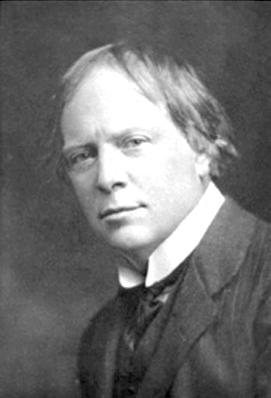
"The Great God Pan" is a mesmerizing and enigmatic novella written by Arthur Machen, a Welsh author known for his supernatural and horror fiction. First published in 1890, this chilling story has captivated readers with its eerie atmosphere and enigmatic plot. Considered one of the earliest examples of cosmic horror, "The Great God Pan" delves into the depths of human curiosity and the consequences of meddling with forbidden knowledge.
Brief Synopsis
The novella is set in late Victorian London and the idyllic countryside of Wales. It begins with the introduction of a mysterious and beautiful woman named Helen Vaughan, whose origins and purpose remain shrouded in secrecy. As the story unfolds, it becomes clear that Helen is not an ordinary woman. Her association with a sinister experiment, conducted by the enigmatic Dr. Raymond, sets the stage for a series of eerie and disturbing events.
Main Characters
| Character Name | Description |
|---|---|
| Helen Vaughan | A beautiful and enigmatic woman with a dark secret. |
| Dr. Raymond | The brilliant scientist who conducts a controversial experiment involving Helen. |
| Clarke | Dr. Raymond's skeptical friend, who becomes embroiled in the mystery surrounding Helen. |
| Villiers | A troubled artist who becomes entangled in the web of Helen's influence. |
Summary of Different Story Points Over Chapters
Chapter 1: The Experiment
Dr. Raymond embarks on a controversial experiment, seeking to explore the boundaries of human perception and consciousness. He plans to open the "doors of perception" for his subject, Helen Vaughan, by altering her brain through a surgical procedure.
Chapter 2: The Unveiling
Helen's transformation begins, and the results are both mesmerizing and horrifying. She emerges from the procedure with an otherworldly beauty, but her altered state has unleashed a dark force that begins to influence those around her.
Chapter 3: The Influence Spreads
As Helen's eerie influence spreads, Dr. Raymond's friend, Clarke, becomes increasingly curious and concerned. He investigates the mysterious woman's past, uncovering a series of disturbing connections and inexplicable deaths.
Chapter 4: The Artist's Obsession
Villiers, a troubled artist, becomes infatuated with Helen and is consumed by her unearthly allure. He descends into madness, unable to resist her dark influence.
Chapter 5: The Revelation
The true nature of Helen's existence is revealed, and the consequences of Dr. Raymond's experiment become clear. The boundaries between the natural world and the supernatural are shattered, leading to a climax of terror and despair.
Main Events
- Dr. Raymond's controversial experiment to alter Helen Vaughan's perception and consciousness.
- Helen's transformation and the awakening of a dark force within her.
- Clarke's investigation into Helen's past, uncovering disturbing connections and deaths.
- Villiers' descent into madness and obsession with Helen.
- The revelation of Helen's true nature and the catastrophic consequences of the experiment.
Themes and Insights
1. Forbidden Knowledge and its Consequences: "The Great God Pan" explores the dangers of pursuing forbidden knowledge and meddling with the unknown. Dr. Raymond's experiment leads to disastrous consequences, highlighting the inherent folly of man's curiosity.
2. The Supernatural and the Unknown: Machen delves into the realm of cosmic horror, emphasizing humanity's insignificance in the face of ancient and malevolent forces. The novella explores the idea that there are realms beyond human comprehension, where ancient gods and dark entities reside.
3. Corruption of Innocence: Helen Vaughan's character embodies the corruption of innocence. Her unearthly beauty and allure hide a malevolent force that taints and destroys all who encounter her. This theme highlights the fragility of innocence in the face of darkness and evil.
Reader's Takeaway
"The Great God Pan" is a haunting and atmospheric novella that immerses readers in a world of mystery and dread. Machen's masterful storytelling and evocative prose create an eerie and unsettling atmosphere that lingers long after the final page. This timeless tale serves as a cautionary reminder of the dangers of curiosity and the consequences of tampering with forbidden knowledge.
Conclusion
Arthur Machen's "The Great God Pan" remains a seminal work of supernatural horror, captivating readers with its enigmatic plot and chilling atmosphere. Through its exploration of forbidden knowledge, the supernatural, and the corruption of innocence, the novella continues to resonate with audiences today. Prepare to be transported into a world of mystery, terror, and the unfathomable depths of the human psyche as you delve into the pages of "The Great God Pan."
The Great God Pan FAQ
What is 'The Great God Pan' about?
'The Great God Pan' is a horror novella that tells the story of Helen Vaughan, a woman who is said to be the daughter of a human mother and the god Pan. The book explores themes of the supernatural, sexuality, and the consequences of forbidden knowledge.
Who is the author of 'The Great God Pan'?
The author of 'The Great God Pan' is Arthur Machen, a Welsh author and mystic who is known for his influential works of horror and fantasy.
When was 'The Great God Pan' first published?
'The Great God Pan' was first published in 1894 as a standalone novella. It later became a part of a collection of Machen's works titled 'The Three Impostors and Other Stories'.
Is 'The Great God Pan' suitable for all readers?
Due to its horror themes and explicit content, 'The Great God Pan' may not be suitable for all readers. It contains elements of psychological horror and deals with mature topics.
Is 'The Great God Pan' based on mythology?
While 'The Great God Pan' references the god Pan from Greek mythology, the story itself is a work of fiction and does not directly follow any specific mythological narrative.
Are there any film adaptations of 'The Great God Pan'?
Yes, there have been film adaptations of 'The Great God Pan'. One notable adaptation is a 2013 horror film titled 'The Strange Case of Dr. Jekyll and Miss Osbourne', which incorporates elements from Machen's novella.
Is 'The Great God Pan' a standalone book?
'The Great God Pan' was originally published as a standalone novella, but it is often included in collections of Arthur Machen's works. It can be read as a standalone story or as part of a larger collection.
What genre does 'The Great God Pan' belong to?
'The Great God Pan' is primarily considered a horror novella, but it also contains elements of supernatural fiction and psychological thriller.
Is 'The Great God Pan' a well-known book?
While 'The Great God Pan' may not be as widely known as some other horror classics, it is highly regarded among fans of the genre and has had a significant influence on later works of horror and weird fiction.
What is the significance of the title 'The Great God Pan'?
The title 'The Great God Pan' refers to the mythical Greek god Pan, who represents nature, wildness, and the untamed forces of the world. In the book, the character of Helen Vaughan is believed to be the daughter of Pan, and her existence has far-reaching consequences.