
Synopsis
Covers the whole plot, including the ending.
- Difficulty
- Easy
- Pacing
- Slow
- Mood
- Reflective, Poignant, Bittersweet, Hopeful
- Read it if
- You appreciate lyrical prose, coming-of-age stories, and exploring themes of identity, poverty, and womanhood through a series of interconnected vignettes. Perfect for those who enjoy character-driven narratives with a strong sense of place.
- Skip it if
- You prefer a strong, linear plot with a clear beginning, middle, and end, or are looking for fast-paced action or complex fantasy worlds.
The House on Mango Street Plot Summary
Covers the whole plot, including the ending.
Moving to Mango Street
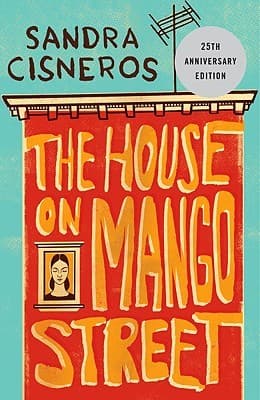
Esperanza Cordero introduces her family: Papa, Mama, Carlos, Kiki, and Nenny. They have moved many times, but now they are moving into their own house on Mango Street. Esperanza is disappointed by the small, red house with a cramped interior and only four skinny trees. It is not the beautiful house with a big yard and trees she has always dreamed of. She feels shame about their new home, especially when a nun from her school points it out. This initial disappointment sets the tone for Esperanza's changing relationship with her home and her community.
Esperanza's Early Friendships and Observations
Esperanza begins to explore her new neighborhood and make friends. She first feels alone, especially from her brothers who mainly play with boys. She befriends Cathy, who says she is from French royalty and plans to move soon. Later, she meets Lucy and Rachel, two sisters from Texas, with whom she shares a bicycle and many adventures. Through these interactions, and by watching other residents like Marin, a young woman from Puerto Rico who dreams of being taken away by a man, Esperanza starts to learn about womanhood, desire, and the limited chances for many in her community.
Experiencing Shame and Insecurity
Esperanza experiences moments of self-consciousness and shame. At a school dance, she is embarrassed by her old shoes and tries to hide them, but her uncle pulls her onto the dance floor. Later, she gets her first job at a photography store, where an older man tricks her into kissing him. These events, along with her observations of other girls and women on Mango Street, contribute to her growing awareness of her body, her vulnerability, and the unfairness of the world, especially for young women. She starts to want a different life.
The Weight of Womanhood on Mango Street
Esperanza observes the lives of several women on Mango Street, noting their struggles and lack of freedom. Minerva, a young mother, is often abused by her husband. Rafaela is locked in her apartment by her jealous husband. Sally, a beautiful girl, is controlled by her strict father and later by her husband, whom she marries young to escape her home. These stories affect Esperanza deeply. They make her realize the potential traps for women in her community. She vows to avoid such a fate and to make her own path, one where she is not confined or defined by a man.
Sexual Assault and Loss of Innocence
Esperanza goes to a carnival where a group of boys sexually assaults her. This traumatic experience marks a loss of innocence. It strengthens her understanding of the dangers and vulnerabilities young women face in her environment and deepens her resolve to leave Mango Street. The event leaves her feeling violated and further separates her from her surroundings, confirming her belief that she must escape to protect herself and define her own future.
The Three Sisters' Prophecy
During a wake for a baby, Esperanza meets three mysterious old women, 'the three sisters,' who seem to have special wisdom. They tell her she is special and must leave Mango Street to find her own future. However, they also tell her she must remember where she comes from. More importantly, she must return to Mango Street for those who cannot leave. This prophecy gives Esperanza's journey two purposes: personal freedom and a commitment to her community. It suggests that her escape is not just for herself but also for those she leaves behind.
Esperanza's Growing Voice and Purpose
As Esperanza grows up, she increasingly uses writing to express herself and escape. She starts writing poems and stories, finding comfort and power in her words. She understands that by writing down her experiences and the stories of the people on Mango Street, she can process her reality and create a legacy. Her writing becomes her tool for defining herself, remembering her past, and shaping her future. Through writing, she plans to leave Mango Street, but also to bring it with her, turning her experiences into art.
Leaving and Returning
Esperanza ends her story by stating her intention to leave Mango Street. She knows she will go to a place where she can be free and define her own identity, a place that is truly her own. However, she also repeats the promise she made to the three sisters: she will return. She will come back for the ones who cannot leave, for the people she has written about, carrying their stories with her. Her departure is not an abandonment but a journey towards empowerment, with a commitment to her roots and her community.
The House on Mango Street Characters
Esperanza Cordero
Protagonist
A young Latina girl growing up on Mango Street, seeking identity and a place to belong.
Esperanza is a sensitive and observant young girl whose coming-of-age story forms the core of the novel. Initially ashamed of her family's house on Mango Street, she yearns for a beautiful home and a life of independence. She is a keen observer of her neighborhood, internalizing the struggles and dreams of the women around her. Her experiences, from innocent childhood games to traumatic encounters, shape her understanding of gender roles, poverty, and cultural identity. She finds her voice and purpose through writing, viewing it as her escape and her means of remembrance.
Relationships: Nenny (younger sister, often a source of shared childhood innocence); Mama (mother, a source of comfort and traditional wisdom); Papa (father, hardworking but often distant); Lucy and Rachel (best friends, shared childhood adventures); Sally (friend/cautionary tale, represents the dangers of early marriage)
Nenny Cordero
Supporting
Esperanza's younger sister, who shares a special bond and childhood innocence with her.
Nenny is Esperanza's younger sister, described as 'too young to be my friend.' She often seems lost in her own world, sometimes echoing Esperanza's thoughts or observations, like when they both recognize a house that looks like Mexico. She represents a lingering childhood innocence that Esperanza is gradually shedding. Their bond is deep, even if they don't always play together, and Nenny serves as a reminder of the younger, less jaded version of Esperanza.
Relationships: Esperanza (older sister, close bond)
Mama
Supporting
Esperanza's mother, a strong but unfulfilled woman who encourages her daughter's dreams.
Esperanza's mother is a resilient and intelligent woman who, despite her own unfulfilled potential (she dropped out of school because she didn't have nice clothes), encourages Esperanza to pursue her education and escape Mango Street. She offers practical advice and comfort, but also represents the limitations placed on women in their community. Her regrets serve as a warning and motivation for Esperanza to seek a different path.
Relationships: Esperanza (daughter, source of advice and comfort); Papa (husband, a traditional family unit)
Papa
Supporting
Esperanza's hardworking father, who embodies traditional masculinity and family responsibility.
Esperanza's father is a hardworking, traditional man. He is often seen as a distant figure, focused on providing for his family. He is deeply affected by the death of his own father, showing a rare moment of vulnerability to Esperanza. While he embodies the patriarchal structure of their culture, he also cares for his family. His presence reinforces the traditional family dynamic within which Esperanza is growing up, even as she seeks to transcend it.
Relationships: Esperanza (daughter, often a distant but respected figure); Mama (wife, head of the household)
Lucy and Rachel Guerrero
Supporting
Sisters from Texas who become Esperanza's best friends and partners in childhood adventures.
Lucy and Rachel are two sisters who move to Mango Street and quickly become Esperanza's closest friends. Lucy is the older, more practical sister, while Rachel is younger and sassier. They share a bicycle and many childhood experiences, from exploring the neighborhood to gossiping. They offer Esperanza a sense of belonging and shared girlhood, contrasting with her initial isolation. Their friendship is a significant part of Esperanza's early development, providing her with companionship and a sense of normalcy amidst her changing perceptions.
Relationships: Esperanza (best friends, shared childhood experiences)
Marin
Supporting
A beautiful, older woman who dreams of escape through a man, serving as a cautionary figure.
Marin is a beautiful, older girl from Puerto Rico who lives with her cousin's family. She is often seen sitting by the window, dreaming of men and a life beyond Mango Street. She teaches Esperanza and her friends about boys and makeup, representing a more worldly and sexually aware figure. However, her dreams are passive, relying on a man to 'take her away.' She serves as a cautionary figure for Esperanza, showing the potential pitfalls of relying on others for happiness and escape.
Relationships: Esperanza (neighbor/mentor figure, cautionary example)
Sally
Supporting
A beautiful, rebellious friend of Esperanza who seeks escape through early marriage, only to find further entrapment.
Sally is a beautiful and mysterious girl who Esperanza admires. She is rebellious, often clashing with her strict, abusive father. She seeks escape from her home life by dressing provocatively and attracting boys, and eventually marries a older man young to get away. However, her marriage proves to be another form of entrapment, as her husband is controlling and forbids her from leaving the house. Sally represents a tragic path for women on Mango Street, where attempts at freedom often lead to different forms of confinement.
Relationships: Esperanza (friend, a tragic role model); Her Father (abusive, controlling); Her Husband (controlling, isolates her)
Minerva
Supporting
A young mother who writes poems but is trapped in an abusive marriage.
Minerva is a young woman, only a few years older than Esperanza, who is already married with two children. She writes poems and shares them with Esperanza, showing a creative spirit. However, she is trapped in an abusive marriage, constantly fighting with her husband who leaves and returns. Her story highlights the cycle of abuse and limited options for women on Mango Street, despite their inner talents. Esperanza feels a deep empathy for Minerva, recognizing her own potential fate if she doesn't escape.
Relationships: Esperanza (neighbor/friend, shared poetic interest, cautionary tale); Her Husband (abusive, controlling)
Alicia
Supporting
A young woman who attends university despite her demanding home life, symbolizing hope and ambition.
Alicia is a young woman who studies at the university, despite having to take on the role of mother figure after her own mother died. Her father is traditional and believes a woman's place is in the home, but Alicia defies him, waking up early to make tortillas before going to school. She is a symbol of ambition and hope, showing Esperanza that it is possible to pursue an education and a different life, even against familial and societal expectations. She is one of the few positive role models for Esperanza.
Relationships: Esperanza (neighbor/mentor figure, symbol of hope)
The House on Mango Street Themes
Identity and Self-Discovery
The novel explores Esperanza's self-discovery as she navigates adolescence and her cultural background. She deals with her name, her appearance, and her place in the world, often feeling shame about her family's poverty and surroundings. Her observations of other women on Mango Street, both good and bad, shape her understanding of who she wants to be and who she does not want to become. Through writing, she starts to create her own identity, separate from the expectations and limits of her environment.
“I put it down on paper and then the ghost does not ache so much. I write it down and Mango Says goodbye sometimes. She does not hold me with both arms. She lets me go.”
Home and Belonging
The idea of 'home' is central to the novel. Esperanza wants a beautiful house, a place of stability and pride, which contrasts with the 'red house, a small one, but all our own' on Mango Street. This house, though hers, never truly feels like home because of its limits and the shame it causes. The theme explores the difference between a physical house and emotional belonging. It also shows Esperanza's struggle to find a place where she feels truly at home and free, both physically and spiritually. She eventually realizes that true home is within herself and her stories.
“I knew then I had to have a house. A real house. One I could point to. But this isn't it. The house on Mango Street isn't it.”
Feminism and Gender Roles
The novel examines the restrictive gender roles placed on women in Esperanza's community. Through the stories of Marin, Rafaela, Minerva, and Sally, Esperanza sees the cycles of abuse, dependence, and limited chances many women face. She observes how women are often confined to their homes, rely on men, or are trapped in early marriages that stop their growth. These observations fuel Esperanza's strong desire to make an independent path, to control her body and her future, and to escape traditional expectations that would otherwise define her.
“I have begun my own quiet war. Simple. Sure. I am one who leaves the table like a man, without putting back the chair or picking up the plate.”
Poverty and Social Inequality
Poverty is a constant background to Esperanza's life on Mango Street. The cramped living conditions, the shame of their house, and the limited resources for her family and neighbors show the impact of socio-economic inequality. Esperanza's hopes for a better life are always compared with the realities of her poor surroundings. The novel shows how poverty can limit opportunities, continue cycles of hardship, and influence self-perception, driving Esperanza's desire for a better life and escape from her circumstances.
“We didn't always live on Mango Street. Before that we lived on Loomis on the third floor, and before that we lived on Keeler. Before Keeler it was Paulina, and before that I can't remember. But what I remember most is that we never had a house to ourselves.”
Language and Storytelling as Empowerment
Language, especially writing, is Esperanza's most powerful tool for self-expression, understanding, and escape. She is initially shy, but she finds her voice through words, turning her observations and experiences into stories and poems. Her writing helps her process trauma, express her dreams, and control her narrative. Through storytelling, she plans to leave Mango Street, but also to keep her promise of returning, carrying the stories of her community with her. This empowers both herself and those she represents.
“I like to tell stories. I am going to tell you a story about a girl who didn't want to belong.”
Plot Devices & Literary Techniques
Vignettes
Short, poetic prose pieces that build a mosaic of Esperanza's life.
The novel is structured as a series of short, interconnected vignettes rather than a traditional linear narrative. Each vignette is a self-contained impression or observation, focusing on a specific character, event, or reflection. This fragmented structure mimics the way memory and experience are often recalled, creating a mosaic portrait of Esperanza's coming-of-age. It allows for a deep dive into specific moments and characters, building a rich, impressionistic understanding of Mango Street and its inhabitants through Esperanza's unique perspective.
Symbolism of 'The House'
The house represents identity, belonging, and the aspiration for a better life.
The 'house' is a central and recurring symbol. Initially, it represents Esperanza's shame and her family's poverty, as the house on Mango Street fails to meet her dreams of a beautiful, safe, and dignified home. Later, it symbolizes her yearning for independence, a place of her own where she can define herself. Ultimately, the idea of 'home' transcends a physical dwelling, evolving to represent Esperanza's inner self, her identity, and the stories she carries within her, emphasizing that true belonging is an internal state, not a physical location.
Coming-of-Age Narrative
A story tracing Esperanza's journey from childhood innocence to mature self-awareness.
The entire novel functions as a coming-of-age narrative (Bildungsroman), chronicling Esperanza's transition from childhood to adolescence and her growing understanding of the world. Through her observations, friendships, and traumatic experiences, she learns about gender inequality, poverty, cultural identity, and the complexities of human relationships. Her journey culminates in a resolve to escape her circumstances and use her voice to tell her story and the stories of her community, marking her evolution into a self-aware and purposeful young woman.
First-Person Limited Narration
The story is told entirely from Esperanza's subjective viewpoint, shaping reader perception.
The novel is narrated exclusively in the first person by Esperanza. This narrative choice provides intimate access to her thoughts, feelings, and perceptions, allowing readers to experience her world directly through her eyes. Her subjective and often poetic voice shapes the reader's understanding of the characters and events on Mango Street. The limited perspective highlights her journey of discovery and her evolving understanding of complex issues, emphasizing her personal growth and the subjective nature of her reality.
The House on Mango Street Quotes
“You can never have too much sky. You can fall asleep and wake up drunk on sky, and sky can keep you safe when you are sad.”
“I am an ugly daughter. I am the one nobody comes for.”
“They are the only ones who understand me. I am the only one who understands them.”
“I have inherited her name, but I don't want to inherit her place by the window.”
“Someday I will have a best friend all my own. One I can tell my secrets to.”
“The boys and the girls live in separate worlds.”
“I want to be like the waves on the sea, like the clouds in the wind, but I'm me.”
“A house of my own. Not a man's house. Not a daddy's. A house all my own.”
“You must keep writing. It will keep you free.”
“I like to tell stories. I am going to tell you a story about a girl who didn't want to belong.”
“The moon did not answer, but the old man did. He said, 'Yes, little girl. The moon is a pearl.'”
“We are tired of being beautiful.”
“I have decided not to grow up tame like the others who lay their necks on the threshold waiting for the ball and chain.”
“I put it down on paper and then the ghost does not ache so much.”
Quiz
10 questions on the plot and the characters. Each answer comes with a short explanation.
Question 1
What is the name of the protagonist in 'The House on Mango Street'?
- Sally
- Esperanza Cordero
- Marin
- Nenny
Show answer
B. Esperanza Cordero The book's protagonist is Esperanza Cordero, a young Latina girl whose coming-of-age story is told through vignettes set in Chicago.
Question 2
In what city does Esperanza live?
- Los Angeles
- New York
- Chicago
- Miami
Show answer
C. Chicago Esperanza grows up in Chicago, specifically in a Latino neighborhood, which shapes her experiences and identity throughout the book.
Question 3
What literary form does the book primarily use to tell its story?
- Chapters
- Poems
- Vignettes
- Letters
Show answer
C. Vignettes The book is structured as a series of vignettes—short, impressionistic scenes that capture moments from Esperanza's life, reflecting her fragmented yet poetic perspective.
Question 4
Why does Esperanza feel ashamed of her house on Mango Street?
- It is haunted
- It is too small and not the dream house her family promised
- It is located in a wealthy neighborhood
- It has no electricity
Show answer
B. It is too small and not the dream house her family promised Esperanza is disappointed because the house is small, run-down, and not the beautiful, spacious home her parents had described when they moved from their previous apartments, symbolizing her family's unfulfilled dreams.
Question 5
What does Esperanza vow to do by the end of the book?
- Forget Mango Street forever
- Leave Mango Street but come back to help those who cannot leave
- Buy the house on Mango Street
- Marry a rich man to escape poverty
Show answer
B. Leave Mango Street but come back to help those who cannot leave Esperanza resolves to leave Mango Street to pursue her dreams as a writer, but she promises to return for the sake of others who are trapped there, showing her growth and sense of community responsibility.
Question 6
Which character is known for her beauty and desire to escape through marriage?
- Lucy
- Alicia
- Sally
- Rafaela
Show answer
C. Sally Sally is a friend of Esperanza's who is admired for her beauty and seeks escape from her abusive father by marrying young, but ends up trapped in another restrictive situation.
Question 7
What symbolizes Esperanza's desire for independence and self-definition?
- A pair of high heels
- A bicycle
- A house of her own
- A typewriter
Show answer
C. A house of her own Throughout the book, Esperanza dreams of having a house of her own—not just a physical space, but a symbol of autonomy, creativity, and escape from the limitations imposed on women in her community.
Question 8
In the vignette 'Hips,' what do the girls practice as they jump rope?
- Singing songs
- Reciting multiplication tables
- Chanting about hips and growing up
- Telling ghost stories
Show answer
C. Chanting about hips and growing up In 'Hips,' Esperanza and her friends jump rope while chanting rhymes about hips, which symbolize their emerging sexuality and the transition from childhood to adolescence.
Question 9
What traumatic event does Esperanza experience at the carnival?
- She gets lost in the crowd
- She is sexually assaulted by a group of boys
- She witnesses a robbery
- She falls off a ride
Show answer
B. She is sexually assaulted by a group of boys At the carnival, Esperanza is sexually assaulted by a group of boys while waiting for Sally, an event that marks a loss of innocence and highlights the vulnerability of young women in her environment.
Question 10
How does the book explore the theme of cultural identity?
- Through Esperanza's rejection of her Mexican heritage
- By focusing solely on American assimilation
- Through Esperanza's struggle to navigate her Mexican roots and American surroundings
- By depicting a utopian multicultural community
Show answer
C. Through Esperanza's struggle to navigate her Mexican roots and American surroundings Esperanza grapples with her dual identity as a Mexican-American in Chicago, feeling caught between traditions and new opportunities, which is reflected in her observations of family, language, and community throughout the vignettes.
The House on Mango Street FAQ
What is 'The House on Mango Street' about?
The book follows Esperanza Cordero, a young Latina girl growing up in a poor Chicago neighborhood, as she navigates adolescence, cultural identity, and her dreams of escaping Mango Street. Through a series of vignettes, it explores her observations of neighbors, family, and her own desire for a better life while grappling with the constraints of her environment.
Why should I read 'The House on Mango Street'?
It's a poignant, accessible coming-of-age story that masterfully captures the immigrant experience, female empowerment, and the search for identity through poetic vignettes. Its universal themes of hope, belonging, and self-discovery resonate across cultures, making it a timeless classic taught in schools worldwide.
What is the background/setting of 'The House on Mango Street'?
Set in a Latino neighborhood in Chicago during the mid-20th century, the story reflects Sandra Cisneros's own upbringing. The setting emphasizes poverty, cultural isolation, and gender roles, with Mango Street symbolizing both a physical home and a metaphorical prison Esperanza longs to escape.
What are the most memorable quotes?
Key quotes include 'I have inherited her name, but I don't want to inherit her place by the window' (highlighting Esperanza's rejection of traditional female roles) and 'I am a red balloon, a balloon tied to an anchor' (symbolizing her feeling of being trapped). These lines encapsulate her struggle for autonomy and identity.
What writing style does the author use?
Cisneros employs a lyrical, vignette-based style with simple yet poetic language, blending English and Spanish phrases. The fragmented narrative mirrors Esperanza's disjointed childhood observations, creating an intimate, stream-of-consciousness feel that emphasizes emotion over plot.
What minor details add significant meaning?
Small details like the 'red clowns' in the vignette 'Red Clowns' symbolize Esperanza's traumatic sexual assault, using surreal imagery to convey her confusion and pain. Similarly, recurring references to windows and anchors subtly represent confinement and the desire for freedom throughout the book.
What are some subtle foreshadowing moments?
Early vignettes like 'My Name' foreshadow Esperanza's determination to redefine herself, as she dislikes her name's connotations of sadness and waiting. In 'The Family of Little Feet,' the girls trying on high heels subtly hints at the dangers and objectification they'll face as they grow older.
What unexpected character connections exist?
Esperanza's neighbor, Alicia, who studies late at night, serves as a mentor figure, showing that education can be a path out of Mango Street. Conversely, Sally's tragic story of abuse contrasts with Esperanza's resilience, highlighting how different women cope with similar oppressive environments.
What are unspoken character motivations?
Esperanza's deep-seated fear of becoming like the women on Mango Street—trapped by poverty, marriage, or tradition—drives her desire to write and leave. Her mother's encouragement in 'A Smart Cookie' reveals an unspoken regret over her own unfulfilled potential, motivating her to support Esperanza's dreams.
What psychological complexities do characters exhibit?
Esperanza grapples with internal conflict between her loyalty to her community and her need for independence, seen in her guilt over wanting to leave Mango Street. Characters like Sally seek love and escape through relationships, only to end up more confined, showcasing the psychological toll of societal expectations.
What are the major emotional turning points?
Key moments include Esperanza's sexual assault in 'Red Clowns,' which shatters her innocence and fuels her urgency to escape. The death of her grandfather in 'Papa Who Wakes Up Tired in the Dark' introduces grief and familial responsibility, deepening her emotional maturity and resolve.
How do relationship dynamics evolve?
Esperanza's relationship with her friend Sally deteriorates as Sally submits to an abusive marriage, highlighting their divergent paths. Her bond with her sister Nenny remains steady, representing familial anchor, while her interactions with neighbors like Marin and Rafaela show the spectrum of female experiences influencing her growth.
Which parts remain ambiguous or open-ended?
The ending is ambiguous about whether Esperanza truly escapes Mango Street or remains connected to it spiritually. Vignettes like 'The Three Sisters' offer mystical prophecies that leave her future uncertain, emphasizing that her journey of self-discovery is ongoing rather than resolved.
What are controversial scenes or decisions?
Scenes depicting sexual assault and domestic abuse, such as Sally's marriage and Esperanza's encounter in 'Red Clowns,' spark debate over their graphic portrayal in a young adult book. Some readers also question Esperanza's desire to leave her community, interpreting it as rejection versus self-preservation.
'The House on Mango Street' ending explained: how it ends & what it means
The book ends with Esperanza vowing to leave Mango Street but promising to return for those who cannot leave, symbolizing her commitment to her roots while seeking independence. It suggests that identity is a blend of escape and return, with writing as her tool to reshape her destiny and honor her community.
About the author
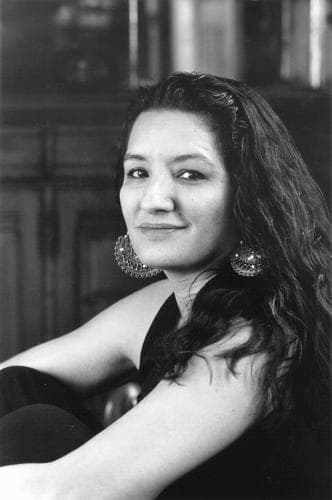
Sandra Cisneros is a Mexican-American author known for her contributions to contemporary literature. Her notable works include "The House on Mango Street," a coming-of-age story that explores themes of identity and culture, and "Caramelo," which delves into family dynamics and heritage. Cisneros's writing often reflects her experiences as a Latina in the United States.
Similar books
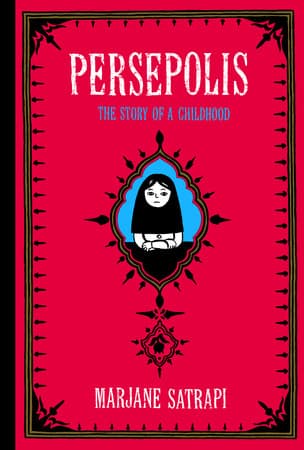
- Persepolis: The Story of a Childhood
Marjane Satrapi
4.3 (158k) average on GoodreadsBiographyA graphic memoir about a young girl's experiences growing up amidst cultural and political change, told with a unique narrative style.
- Harry Potter and the Sorcerer's Stone
J.K. Rowling
4.5 (7M) average on GoodreadsFantasyRescued from a miserable life under the stairs, an orphaned boy discovers he's a wizard destined for a magical school, where he uncovers a dangerous secret tied to the dark wizard who murdered his parents.
- The Hunger Games
Suzanne Collins
4.3 (6.4M) average on GoodreadsFantasyIn a future where children fight to the death on live television, Katniss Everdeen volunteers for the arena, turning a death sentence into a fight for survival and a spark of rebellion.
- To Kill a Mockingbird
Harper Lee
4.3 (4.5M) average on GoodreadsHistorical FictionIn the 1930s Jim Crow South, Harper Lee writes about racial injustice, moral growth, and the quiet courage of a lawyer father, Atticus Finch, as seen through his young daughter's eyes.
- The Fault in Our Stars
John Green
4.2 (3.6M) average on GoodreadsYoung AdultA girl with a terminal illness finds her story rewritten when a charming boy with a similar past enters her life at a cancer support group, leading to a star-crossed romance.
- Divergent
Veronica Roth
4.2 (2.9M) average on GoodreadsFantasyIn a society divided by virtues, a sixteen-year-old's difference from the norm starts a rebellion that threatens her world.





Enjoyed the summary?
A summary gives you the shape of the book. The book itself has the detail, the examples and the voice.
Find The House on Mango Street on AmazonAs an Amazon Associate, BookBrief earns from qualifying purchases. How we're funded