

Synopsis
Covers the whole plot, including the ending.
- Difficulty
- Medium
- Pacing
- Slow
- Mood
- Bleak, Nihilistic, Introspective, Tragic
- Read it if
- You enjoy intense, character-driven psychological dramas exploring themes of delusion, despair, and the human need for illusion, with a focus on dialogue and internal conflict.
- Skip it if
- You prefer fast-paced plots, optimistic narratives, or stories with clear resolutions and external action.
The Iceman Cometh Plot Summary
Covers the whole plot, including the ending.
Harry Hope's Saloon: Morning Drunks
The play opens in Harry Hope's dilapidated saloon, a refuge for former radicals, failed professionals, and general derelicts. Larry Slade, a self-proclaimed 'old foolosopher,' observes the sleeping figures of the regulars, including Rocky Pioggi, the night bartender and part-time pimp, and the streetwalkers Pearl and Margie. Joe Mott, a former owner of a gambling house, struggles with his deteriorating health. The men are all waiting for Hickey, a jovial traveling salesman who annually treats everyone to drinks and a good time. They cling to their 'pipe dreams' – illusions of future success or redemption – which give their otherwise meaningless lives a semblance of hope. Today is Harry Hope's birthday, and the atmosphere is charged with anticipation for Hickey's arrival and the promised celebration.
Hickey's Arrival: A New Gospel
Hickey finally arrives, but he is different. Gone is his boisterous, fun-loving demeanor. Instead, he is sober, calm, and unnervingly cheerful. He announces that he has found 'peace' and is now dedicated to helping his friends at the saloon find the same. His method is to strip them of their 'pipe dreams' – the comforting illusions they live by. He insists that once they confront the truth of their failures and give up their false hopes, they will achieve true peace and contentment. The regulars are initially bewildered, then resistant, as Hickey systematically tries to dismantle each man's cherished fantasy, urging them to act on their long-deferred plans.
Challenging the Pipe Dreams
Hickey focuses on each character individually, pushing them to abandon their excuses and act on their pipe dreams. He challenges Harry Hope to leave the saloon and walk around the block, a feat Harry hasn't accomplished in twenty years due to his supposed grief for his dead wife, Bessie. He tells Willie Oban, the Harvard Law alumnus, to go back to his profession. He urges Parritt, the young anarchist, to confess his betrayal. The men react with increasing agitation and anger, finding Hickey's relentless pursuit of 'truth' unsettling. Their initial amusement and tolerance turn to resentment as Hickey's sober demeanor and insistent logic chip away at their carefully constructed realities.
Harry Hope's Failed Walk
Under Hickey's persistent urging, Harry Hope finally agrees to attempt his long-promised walk around the block. The entire saloon watches, a mixture of hope and skepticism in the air. Harry, supported by Rocky, makes it out the door. However, his brief foray into the outside world is a disaster. He is overwhelmed by the sunlight, the noise, and the unfamiliarity of the streets. He quickly returns, shaken and more convinced than ever that he cannot face the world outside his alcoholic haven. His failure only solidifies his pipe dream of being a tragic widower confined by his grief, rather than a man simply afraid of reality, much to Hickey's frustration.
The Anarchists' Confrontation
Don Parritt, a young anarchist on the run, seeks refuge in the saloon. He is tormented by guilt for betraying his former comrades, including his mother and Larry Slade, who was once a prominent figure in the anarchist movement. Parritt desperately seeks absolution from Larry, but Larry, consumed by his own nihilism, refuses to provide it, pushing Parritt to confess his true motives. This interaction forces Larry to confront his own past as a revolutionary, revealing his deep disillusionment with the cause and his own 'pipe dream' of being a detached observer, when in reality, he is as trapped as the others. Parritt's desperate pleas for understanding only highlight Larry's emotional paralysis.
Parritt's Confession and Suicide
Driven to the brink by Hickey's insistence on truth and Larry's refusal to comfort him, Don Parritt finally confesses his deepest secret: he betrayed his anarchist comrades, including his mother, for money. The confession is agonizing, revealing his profound self-loathing and a twisted desire for punishment. Larry, despite his attempts at detachment, is deeply affected by Parritt's confession. Unable to bear the weight of his actions or the 'peace' Hickey offers, Parritt quietly slips out of the saloon and jumps to his death from the fire escape, a sound heard by the others, confirming his desperate act. His death is an example of the destructive power of confronting truth without reconciliation.
The Men's Failed Journeys
Following Hickey's forceful persuasion, many of the regulars finally leave the saloon, determined to act on their long-held pipe dreams. Joe Mott goes to find a new gambling house, Willie Oban attempts to resurrect his legal career, and others try to reclaim their former lives. However, one by one, they return, defeated and demoralized. They are unable to cope with the outside world, their past failures, or the effort required to change. Their brief encounters with reality only confirm their inability to escape their current state, proving Hickey's theory that their pipe dreams are indeed illusions, but also demonstrating that stripping them away without a viable alternative leaves them with nothing.
The Collapse of Hickey's Peace
As the men return, one by one, shattered by their failed attempts to live out their pipe dreams, the atmosphere in the saloon grows dark and resentful. They realize that Hickey's 'peace' has not brought them contentment but rather a profound, paralyzing despair. Their illusions, however false, had provided them with a reason to endure. Now, stripped bare, they feel only the crushing weight of their failures and the emptiness of their lives. They turn on Hickey, accusing him of cruelty and demanding that he restore their illusions. The jovial salesman is no longer seen as a savior but as a destroyer, and their fragile community threatens to unravel.
Hickey's Confession
Under intense pressure from the disillusioned men, Hickey finally cracks. He confesses the true source of his 'peace': he murdered his beloved wife, Evelyn. He explains that Evelyn was so good and pure that her unwavering faith and forgiveness became an unbearable burden. Her constant, loving expectations highlighted his own failures and made his drinking and womanizing feel like an unforgivable betrayal. He killed her to free himself from her innocent, judging love, believing he was granting her peace as well. This shocking confession reveals the depth of his own self-loathing and the twisted logic that led him to believe he was doing good by stripping others of their dreams.
The Return of the Pipe Dreams
Stunned by Hickey's confession, the men are initially horrified. Larry Slade, ever the cynic, suggests that Hickey must be insane. This idea immediately takes root among the others. If Hickey is mad, then his entire gospel of truth and peace can be dismissed as the ramblings of a lunatic. This collective agreement allows them to invalidate everything Hickey said and did, thereby justifying their return to their cherished pipe dreams. They eagerly embrace their illusions once more, drinking heavily and resuming their old arguments and fantasies, desperately trying to forget the brief, painful glimpse of reality Hickey had forced upon them.
Hickey's Arrest and Departure
Shortly after his confession, two detectives arrive at the saloon to arrest Hickey for Evelyn's murder. Hickey, now calm and resigned, accepts his fate. He reiterates his belief that he killed Evelyn out of love, to free her and himself from the pain of his own unworthiness. As he is led away, he genuinely wishes the men well, hoping they can find their own peace, even if it is through their illusions. His departure leaves the saloon residents to their own devices, having experienced a profound, albeit temporary, disruption to their carefully constructed world. His final words about Evelyn underscore the tragic irony of his actions.
Back to the Delusion
With Hickey gone and safely dismissed as a madman, the men eagerly return to their old routines. They drink with renewed vigor, the tension broken, and the fear temporarily suppressed. They loudly proclaim their pipe dreams, their voices filled with a forced, almost desperate cheerfulness. The celebration of Harry Hope's birthday, which had been overshadowed by Hickey's presence, resumes. Yet, despite their attempts to erase the experience, a subtle shift has occurred. The brief, painful encounter with truth has left an indelible mark, and their laughter and boasts have a hollow ring, hinting at the lingering, unspoken awareness of their self-deception.
The Iceman Cometh Characters
Theodore 'Hickey' Hickman
Protagonist/Catalyst
A jovial traveling salesman who returns sober, determined to strip his friends of their illusions.
Hickey is initially presented as a larger-than-life, good-natured traveling salesman, a bringer of cheer and free drinks. However, he returns to Harry Hope's saloon a changed man, sober and preaching a new gospel of 'peace' achieved by confronting the truth and abandoning 'pipe dreams.' He is relentlessly optimistic and insistent, believing he is helping his friends. Beneath his cheerful exterior lies a profound self-loathing and a desperate need to justify his own actions, particularly his murder of his beloved wife, Evelyn. He embodies the destructive potential of absolute truth when unaccompanied by compassion or a viable alternative.
Relationships: Evelyn Hickman (His deceased wife, whom he loved deeply but ultimately murdered to escape her innocent, burdensome goodness.); The Bar Regulars (His 'friends' whom he believes he is saving by stripping them of their illusions, but whom he ultimately plunges into despair.)
Larry Slade
Supporting/Observer
A former anarchist and self-proclaimed 'old foolosopher' who claims to be detached but is deeply cynical and haunted.
Larry Slade is a cynical, world-weary former anarchist who prides himself on his detachment and intellectual superiority. He claims to be merely an observer, waiting for death, but he is deeply enmeshed in the lives of the saloon's inhabitants and tormented by his own past. He is the most articulate voice of nihilism in the play, constantly dissecting the futility of life and the nature of pipe dreams. Despite his claims of indifference, he grapples with guilt over his past revolutionary activities and his relationship with Don Parritt, revealing his own profound need for an illusion of detachment.
Relationships: Don Parritt (A young anarchist seeking his counsel and absolution, reminding Larry of his own past.); Harry Hope (A fellow resident and drinking companion, often the target of Larry's cynical observations.); Hickey (His intellectual sparring partner, who challenges Larry's 'detachment' with his own brand of truth.)
Harry Hope
Supporting/Protagonist of a Pipe Dream
The owner of the saloon and a man who hasn't left his premises in twenty years, clinging to the memory of his dead wife.
Harry Hope is the owner of the saloon, a once-proud Tammany Hall ward boss who has retreated into a life of alcoholism and self-pity. He uses the convenient excuse of his beloved wife Bessie's death twenty years prior as the reason he cannot leave the saloon, effectively trapping himself in a cycle of grief and inaction. His pipe dream is that he will one day 'go for a walk around the block' and reclaim his old life, but he is terrified of facing the outside world. He represents the common man's reliance on comforting illusions to avoid painful realities.
Relationships: Bessie Hope (His deceased wife, whose memory is the cornerstone of his primary pipe dream.); The Bar Regulars (His tenants and drinking companions, who enable his pipe dream by accepting his excuses.)
Don Parritt
Supporting/Catalyst for Larry
A young anarchist on the run, seeking absolution for betraying his comrades.
Don Parritt is a young, tormented anarchist who arrives at the saloon seeking refuge and, more importantly, absolution from Larry Slade. He is haunted by his betrayal of his anarchist mother and her comrades for money, a crime he struggles to confess. Parritt represents the younger generation's disillusionment and the devastating consequences of acting against one's ideals. His desperate need for forgiveness and his inability to live with the truth make him a tragic figure, and his story directly impacts Larry, forcing him to confront his own past.
Relationships: Larry Slade (His mother's former lover and a father figure, whom he seeks for counsel and forgiveness.); Hickey (The catalyst who pushes him to confess his truth, albeit with devastating consequences.)
Rocky Pioggi
Supporting/Enabler
The night bartender and a small-time pimp, clinging to his identity as a 'bartender' not a 'pimp.'
Rocky Pioggi is the night bartender at Harry Hope's and also acts as a pimp for Pearl and Margie, the two streetwalkers. His pipe dream is that he is a 'bartender' and not a 'pimp,' a distinction he fiercely defends despite the obvious reality. He is tough, pragmatic, and attempts to maintain order in the saloon, but he is as deeply entrenched in his own self-deception as the others. He represents the everyday man's struggle to maintain a respectable self-image despite compromising circumstances.
Relationships: Pearl and Margie (The prostitutes he 'manages,' whom he insists are 'chippies' not 'whores.'); Harry Hope (His employer, whom he helps to maintain his pipe dream of not leaving the saloon.)
Joe Mott
Supporting/Victim of Racism
A former owner of a gambling house, struggling with deteriorating health and racism.
Joe Mott is a former owner of a successful gambling house, a Black man who once commanded respect. Now, he is sick, impoverished, and a victim of racial prejudice, often targeted by the other residents. His pipe dream is that he will one day reopen his gambling house and regain his former status. He represents the impact of societal prejudice on individual dreams and the struggle to maintain dignity in the face of decline. Hickey's challenge to him to go out and secure a new business exposes the harsh reality of his situation.
Relationships: The Bar Regulars (He is both a part of the community and an outsider due to his race, often subjected to their casual racism.)
Willie Oban
Supporting/Failed Professional
A Harvard Law School graduate who has descended into alcoholism.
Willie Oban is a Harvard Law School graduate who has succumbed to alcoholism. His pipe dream is that he will one day sober up, return to his legal profession, and reclaim his intellectual prowess. He frequently quotes legal phrases and attempts to engage in intellectual discourse, even in his drunken state, as a way to maintain the illusion of his former self. He represents the tragic waste of potential and the difficulty of escaping the grip of addiction and past failures.
Relationships: The Bar Regulars (His drinking companions, who enable his alcoholism and listen to his drunken intellectual ramblings.)
General Wetjoen (The General) & Captain Lewis (The Captain)
Supporting/War Veterans
Two old war veterans, one Boer and one British, who cling to their past glories and a feigned animosity.
General Wetjoen, a Boer War veteran, and Captain Lewis, a British Army captain, are two old men who constantly bicker and relive their past battles. Their pipe dream is that they are still soldiers of opposing sides, maintaining a feigned animosity that gives them identity and a sense of purpose. In reality, they are inseparable companions, bound by their shared past and their alcoholism. Their 'hatred' is a comforting illusion that allows them to avoid the emptiness of their present lives. Hickey challenges them to put aside their old grievances, which momentarily strips them of their identities.
Relationships: Each other (Feigned enemies but true companions, their 'hatred' is a shared pipe dream.)
The Iceman Cometh Themes
The Necessity of Illusion (Pipe Dreams)
A central theme of the play is that humans cannot live without illusions, or 'pipe dreams.' The residents of Harry Hope's saloon cling to their fantasies of future success, redemption, or past glory as a means of coping with their otherwise meaningless and desolate lives. Hickey's attempt to strip them of these illusions, to force them to confront 'truth,' leads to despair, paralysis, and suicidal thoughts. The play suggests that while these dreams may be false, they are essential for psychological survival, providing hope and a reason to continue living. For example, Harry Hope's belief that he will walk around the block, though never acted upon, gives him a semblance of purpose.
“To hell with the truth! As the guy said, 'God made man in His own image, and man, being a gentleman, returned the compliment.'”
Nihilism and Despair
Underlying the characters' reliance on pipe dreams is a sense of nihilism and despair. Life, for many of them, is without inherent meaning or purpose. Larry Slade articulates this most explicitly, viewing life as a cruel joke and death as the only true peace. Hickey's 'peace' is a twisted form of this nihilism, believing that by facing the 'truth' of their failures, they can achieve a kind of resigned contentment. However, the play demonstrates that this 'truth' without a path to redemption or a new illusion leads directly to a deeper, more agonizing despair, as seen in Parritt's suicide and the collective breakdown of the bar regulars.
“The lie of a pipe dream is what gives life to the whole misbegotten mad lot of us, drunk or sober.”
The Nature of Truth
The play questions the nature and utility of truth. Hickey arrives believing that 'truth' is a liberating force, that by confronting their failures, the men will find peace. However, the 'truth' he offers is harsh, unforgiving, and ultimately destructive. For the characters, their 'pipe dreams' are their personal truths, however deluded they may seem to an outsider. The play implies that absolute, unvarnished truth can be too brutal for human beings to bear, especially when it exposes their deepest failures and offers no alternative. Hickey's own 'truth'—that he murdered his wife—is a horrifying revelation of how truth can be twisted by self-deception and guilt.
“There's a limit to the truth a man can use.”
Addiction and Escape
Alcoholism is both a symptom and a coping mechanism for the characters' despair and their inability to face reality. The saloon itself is a sanctuary, a 'last harbor' where they can drown their sorrows and fuel their pipe dreams. The constant drinking allows them to maintain their illusions and avoid introspection. When Hickey attempts to make them sober up and confront their lives, the withdrawal is not just physical but psychological, leading to immense pain and agitation. The inability to escape the cycle of addiction is intertwined with their inability to escape their pipe dreams, demonstrating how both provide a temporary, albeit ultimately destructive, refuge from reality.
“It's the only game in town, ain't it? The game of life.”
Plot Devices & Literary Techniques
The Pipe Dream
An illusion or false hope that characters cling to for psychological survival.
The 'pipe dream' is the central plot device of the play. Each character in Harry Hope's saloon possesses one – a cherished fantasy about their past or future that allows them to avoid confronting the painful reality of their present lives. Hickey's arrival and his mission to strip them of these pipe dreams drive the entire narrative. The device highlights humanity's need for illusion and questions the value of a 'truth' that offers no hope or solace. The characters' reactions to having their pipe dreams challenged, and their eventual reversion to them, illustrate the play's core themes about psychological survival.
The Catalyst (Hickey)
A character whose arrival disrupts the established order and forces others to confront their realities.
Hickey functions as the primary catalyst in the play. His annual arrival usually brings revelry, but this time, his sober demeanor and new philosophy of 'peace through truth' fundamentally disrupt the comfortable stasis of the saloon. He actively pushes each character to abandon their pipe dreams, forcing them out of their passive existence. His presence and relentless questioning serve to expose the underlying despair and self-deception that the characters have carefully maintained. Without Hickey, the characters would continue indefinitely in their stagnant, illusory lives, making him crucial to the dramatic action.
The Bar as a Microcosm
Harry Hope's saloon functions as a small, isolated world reflecting broader human conditions.
Harry Hope's saloon serves as a microcosm for society, or at least for a segment of humanity. It is an isolated, self-contained world where a diverse group of individuals, representing various pasts and failures, find common refuge. The rules of this world are different from the outside; it's a place where illusions are tolerated and even celebrated. By confining the action almost entirely within this single setting, O'Neill intensifies the focus on the characters' internal struggles and their relationships, allowing the saloon to become a symbolic representation of the human condition in its search for meaning and escape.
The Unreliable Narrator/Character Perspective
Characters' self-perceptions and accounts of events are often contradictory or self-deceptive.
The play heavily relies on unreliable character perspectives. Each character, driven by their pipe dreams, presents a skewed version of their own reality and past. Rocky insists he's a bartender, not a pimp; Harry Hope believes his grief keeps him indoors; Hickey himself believes he murdered his wife out of love. The audience is constantly forced to question the 'truth' of what characters say, understanding that their narratives are shaped by their psychological needs. This device underscores the theme of illusion and highlights how deeply embedded self-deception can be, even in the face of stark evidence.
The Iceman Cometh Quotes
“The lie of a pipe dream is what gives life to the whole misbegotten mad lot of us, drunk or sober.”
“To hell with the truth! As the Holy Scripture says, 'What is man that thou art mindful of him?'”
“It's the only way out for a fool — to die.”
“There's a limit to the amount of life you can get in life, if you understand what I mean.”
“We're all brothers in the end. We're all in the same boat. And when she sinks, we all go down together.”
“The great thing is to be able to laugh at yourself.”
“I'm going to find peace for myself, if I have to kill myself to get it.”
“When you're dead, you're dead. That's all there is to it.”
“He's lost his bravado. He's lost his pipe dream.”
“You can't get away from yourself by moving from one place to another.”
“We're all in the gutter, but some of us are looking at the stars.”
“There's no hope for anyone. Not a bit.”
“It's a great game, life. You just have to know how to play it.”
“The only way to be happy is to live in the past.”
Quiz
10 questions on the plot and the characters. Each answer comes with a short explanation.
Question 1
What is the name of the saloon where most of the play's action takes place?
- Harry Hope's Saloon
- The Last Chance Bar
- Mickey's Place
- The End of the Line
Show answer
A. Harry Hope's Saloon The entire play is set in Harry Hope's rundown saloon and its back room, which serves as a refuge for the characters.
Question 2
What is Theodore Hickman's (Hickey's) profession?
- A lawyer
- A doctor
- A traveling salesman
- A former politician
Show answer
C. A traveling salesman Hickey is known as a hardware salesman, who annually visits Harry Hope's saloon on a drinking spree.
Question 3
What does Hickey claim to have achieved that he wants to share with the other characters?
- Financial independence
- Complete peace and freedom from pipe dreams
- A new political philosophy
- A successful business venture
Show answer
B. Complete peace and freedom from pipe dreams Hickey arrives announcing he has found 'peace' by shedding all his illusions, and he tries to convince the others to do the same.
Question 4
What is the primary 'pipe dream' of Rocky Pioggi, the night bartender?
- To become a famous boxer
- To marry one of the streetwalkers
- To be seen as a legitimate businessman running a respectable establishment, not a pimp
- To open his own competing saloon
Show answer
C. To be seen as a legitimate businessman running a respectable establishment, not a pimp Rocky vehemently denies that Pearl and Margie are prostitutes, insisting they are 'tarts' and he is not a pimp, preserving his self-image.
Question 5
What significant event is supposed to happen for Harry Hope, but he consistently postpones?
- Visiting his long-lost brother
- Going outside and walking around the block
- Paying off his debts
- Writing his memoirs
Show answer
B. Going outside and walking around the block Harry Hope's pipe dream is that he will one day walk around the block, but he never does, always finding an excuse.
Question 6
Which character is a former British army officer who claims to be a captain, but is actually a deserter?
- Willie Oban
- Jimmy Tomorrow
- Captain Lewis
- General Wetjoen
Show answer
C. Captain Lewis Captain Lewis, along with General Wetjoen, is one of the two old soldiers, and his pipe dream revolves around his past military 'glory' as a captain.
Question 7
What is the ultimate fate of Hickey's wife, Evelyn, which he eventually confesses?
- She left him for another man.
- She died of a long illness.
- Hickey murdered her.
- She committed suicide.
Show answer
C. Hickey murdered her. In a shocking confession, Hickey reveals that he murdered Evelyn out of love and a desire to free her from his constant betrayals, which is the source of his 'peace'.
Question 8
Larry Slade's recurring phrase, 'The End of the Line,' is most closely associated with which philosophical concept presented in the foreword?
- Existentialism
- Nihilism
- Absurdism
- Optimism
Show answer
B. Nihilism Larry's phrase and his general worldview, as the 'old Foolosopher,' embody the nihilistic theme that life is ultimately meaningless and without hope, echoing the foreword's mention of O'Neill's 'darkest and most nihilistic play'.
Question 9
The play suggests that the characters' 'pipe dreams' serve what essential psychological function for them?
- They are practical plans for future success.
- They provide a necessary illusion to make life bearable and postpone facing harsh reality.
- They are a form of artistic expression.
- They are shared communal goals for the group.
Show answer
B. They provide a necessary illusion to make life bearable and postpone facing harsh reality. The entire premise of Hickey's intervention is to strip away these 'pipe dreams,' which are shown to be the only thing keeping the characters from despair and self-destruction, as life without illusion is 'what it is in Schopenhauer: illusion.'
Question 10
What is the primary reason the characters are able to return to their 'pipe dreams' after Hickey's confession?
- They genuinely find new hope in his story.
- They believe Hickey is insane and his 'truth' is therefore invalid.
- The police force them to forget his influence.
- They discover new, more achievable dreams.
Show answer
B. They believe Hickey is insane and his 'truth' is therefore invalid. After Hickey's confession of murder, the characters seize upon the idea that he is insane. This allows them to dismiss his 'truth' and retreat back into the comforting delusion of their pipe dreams, enabling them to drink and escape reality once more.
The Iceman Cometh FAQ
What is the central premise of The Iceman Cometh?
The play is set in Harry Hope's rundown bar, where a group of defeated alcoholics and misfits cling to their 'pipe dreams' – illusions about future actions they will never take. Their fragile peace is disrupted by the arrival of Hickey, a former drinking buddy and hardware salesman, who now preaches the salvation of shedding these very pipe dreams, believing he has found peace by doing so.
Who is Hickey, and what is his mission when he arrives at Harry Hope's?
Theodore Hickman, known as Hickey, is a charismatic but deeply troubled hardware salesman. He arrives at Harry Hope's on his annual birthday visit, but this time, he's sober and evangelical. His mission is to convince all the bar's denizens to abandon their comforting pipe dreams, believing that confronting their true, hopeless realities will bring them genuine peace, just as he claims it has for him.
What are some of the pipe dreams held by the characters in Harry Hope's bar?
Larry Slade, the self-proclaimed 'old foolosopher,' dreams of death and detachment but secretly yearns for connection. Rocky Pioggi, the night bartender, insists his prostitutes, Margie and Pearl, are 'tarts' and not 'whores.' Harry Hope himself plans to take a walk around the block, a simple act he perpetually postpones, while Willie Oban, the Harvard Law graduate, fantasizes about returning to his legal career.
How does Hickey's arrival initially affect the bar's inhabitants?
Hickey's arrival brings an unsettling energy. Initially, the barflies are wary of his newfound sobriety and his insistent message to abandon their pipe dreams. He systematically challenges each character's cherished illusion, pushing them to confront the barrenness of their lives, which leads to great discomfort, anger, and a brief, disastrous attempt by some to act on their long-deferred plans.
What is the significance of the 'Iceman' in the play's title?
The 'Iceman' is a euphemism used by Hickey for death, specifically referring to the 'iceman' who 'comes' for his wife, Evelyn. It also alludes to the old joke about the iceman coming to the wife while the husband is away, hinting at infidelity. More broadly, it symbolizes the cold, hard reality of death and disillusionment that Hickey attempts to bring to the bar, stripping away the warmth of comforting illusions.
What is the true nature of Hickey's 'peace' and his motivation for evangelizing?
Hickey's 'peace' is revealed to be a profound delusion masking his guilt and trauma. He murdered his beloved wife, Evelyn, in a misguided attempt to free her from his destructive behavior and free himself from his guilt, believing it was an act of love to end her suffering. His evangelism is a desperate projection, an attempt to rationalize his own horrific act by forcing others to embrace a similar, albeit metaphorical, 'death' of their illusions.
How does the character of Don Parritt connect to Hickey's backstory?
Don Parritt, a young anarchist on the run, is the son of Larry Slade's former lover and fellow anarchist. Parritt seeks absolution from Larry for betraying his mother and her comrades to the authorities, which led to her imprisonment. His confession parallels Hickey's own need for confession and forgiveness, highlighting the pervasive theme of guilt and the search for release throughout the play.
What is the significance of Larry Slade's 'pipe dream' and his ultimate decision?
Larry Slade's pipe dream is to be a detached observer, an 'old foolosopher' who has renounced humanity and is waiting for death. However, he is deeply entangled in the lives of others, particularly Parritt's. After hearing Parritt's confession and Hickey's full story, Larry finally acknowledges his own complicity and, unable to bear the burden of life and truth, implicitly encourages Parritt's suicide, becoming an active participant in death, thus fulfilling his own morbid desire for release.
Analyze the psychological impact of Hickey's 'cure' on the barflies.
Hickey's 'cure' plunges the barflies into profound despair and disorientation. Stripped of their comforting lies, they are forced to confront their actual failures and the emptiness of their lives. This leads to a temporary, agonizing attempt to fulfill their pipe dreams, which inevitably fails, leaving them more broken and desperate than before. Their brief sobriety only intensifies their suffering, proving that their illusions were their only means of psychological survival.
How does the play explore the concept of self-deception as a coping mechanism?
The play profoundly explores self-deception as an essential coping mechanism for the characters. Their pipe dreams, though false, provide purpose, hope, and a shield against the crushing weight of their failures and the bleakness of their reality. Without these illusions, they are left with unbearable self-loathing and despair, suggesting that for some, a comforting lie is more vital for survival than a harsh truth.
Discuss the psychological parallels between Hickey and Don Parritt.
Both Hickey and Don Parritt are tormented by profound guilt over a betrayal that led to a loved one's demise (Hickey killing Evelyn, Parritt betraying his mother). Both desperately seek absolution and a release from their suffering. While Hickey seeks it through a deluded form of 'peace' and evangelism, Parritt explicitly seeks it through confession and, ultimately, suicide, mirroring Hickey's own internal death wish.
Is Hickey a villain or a tragic figure, and why?
Hickey is best understood as a tragic figure, albeit one who causes immense suffering. His intentions, twisted as they are, stem from a misguided love for his wife and a desperate, traumatized search for peace. He genuinely believes his 'cure' will help others, but his own profound psychological breakdown and the horrific act he committed make him a deeply flawed, tormented individual rather than a purely malicious villain.
Does the play offer any hope or redemption, or is it purely nihilistic?
The play is overwhelmingly nihilistic, portraying life as an illusion-dependent existence where truth leads only to despair and death. While the characters briefly regain their pipe dreams at the end, it's a return to delusion, not genuine hope. The only 'redemption' offered is the false peace found in lies or the ultimate release of death, suggesting a profound lack of true hope or positive transformation.
How does O'Neill use the setting of Harry Hope's bar to reinforce the play's themes?
Harry Hope's bar serves as a purgatorial waiting room, a refuge from the outside world where time seems to stand still. Its dingy, unchanging atmosphere, perpetually dim lighting, and the constant flow of cheap alcohol reinforce the stagnation and despair of its inhabitants. It's a place where life is deferred, illusions are nurtured, and reality is kept at bay, perfectly embodying the characters' trapped existence.
What is the significance of the characters' return to their pipe dreams at the play's end?
The characters' return to their pipe dreams, facilitated by the belief that Hickey was insane, signifies the triumph of illusion over truth as a survival mechanism. They cannot endure reality without their comforting lies. It's a tragic reaffirmation of their inability to change and the essential, albeit fragile, role their delusions play in allowing them to continue existing, even if it's a living death.
How does the play explore the concept of freedom versus bondage?
The play subtly explores freedom as an illusion. The characters believe they are 'free' in their bar, but they are enslaved by their addictions, their pasts, and their pipe dreams. Hickey offers a different kind of 'freedom' – freedom from illusion – but this leads to a more terrifying bondage of despair. Ultimately, the play suggests that true freedom from the human condition of self-deception is unattainable or leads only to death.
What role does alcohol play in the lives of the characters?
Alcohol is central to the characters' existence, serving as both a crutch and a prison. It dulls their pain, fuels their pipe dreams, and provides a temporary escape from their failures. When Hickey tries to strip them of their illusions, he also inadvertently forces them into a temporary sobriety, which makes their confrontation with reality even more excruciating. Alcohol is their essential anesthesia.
How does the play's ending reflect O'Neill's personal philosophy or experiences?
The play's bleak ending, with characters returning to their illusions, strongly reflects O'Neill's own struggles with alcoholism, depression, and a profoundly pessimistic worldview. His personal experiences with family tragedy, addiction, and disillusionment likely informed the play's exploration of despair, the necessity of illusions, and the elusive nature of peace, making it a deeply personal work.
About the author
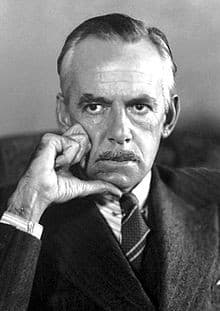
Eugene Gladstone O'Neill was an American playwright awarded the 1936 Nobel Prize in Literature. His poetically titled plays were among the first to introduce into the U.S. the drama techniques of realism, earlier associated with Russian playwright Anton Chekhov, Norwegian playwright Henrik Ibsen, and Swedish playwright August Strindberg. The tragedy Long Day's Journey into Night is often included on lists of the finest U.S. plays in the 20th century, alongside Tennessee Williams's A Streetcar Named Desire and Arthur Miller's Death of a Salesman.
Similar books
- Waiting for Godot
Samuel Beckett
3.8 (160k) average on GoodreadsPhilosophyExplores themes of existential waiting, futility, and the human condition through dialogue and static characters.
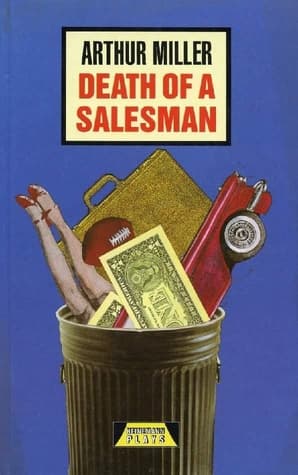
- Death of a Salesman
Arthur Miller
3.5 (186k) average on GoodreadsFictionWhile both plays explore the disillusionment with the American Dream and the devastating impact of failed illusions, O'Neill's The Iceman Cometh presents a more nihilistic and communal despair. Miller's Willy Loman is a singular tragic figure whose dreams are tied to specific societal expectations, whereas O'Neill's characters collectively cling to diverse, often less tangible, 'pipe dreams' in a shared, stagnant purgatory. O'Neill's play is less about the failure of a specific dream and more about the inherent human need for illusion itself, making its scope broader and its pessimism deeper.
- Nineteen Eighty-Four
George Orwell
4.2 (5.5M) average on GoodreadsFictionWinston Smith dreams of truth and rebellion in a world where Big Brother watches all, but he confronts the terrifying power of a regime that controls not just actions, but thoughts.
- The Frozen River
Ariel Lawhon
4.4 (600k) average on GoodreadsFictionIn 1789 Maine, a heroic midwife's diary helps her expose a murder and get justice in a town that wants to silence her.
- A Man Called Ove
Fredrik Backman
4.4 (569k) average on GoodreadsFictionA stubborn widower, who lives by strict rules, finds his quiet world changed by a lively new family next door, making him face his past and find happiness in human connection.
- The Art of Racing in the Rain
Garth Stein
4.2 (452k) average on GoodreadsFictionThrough the eyes of Enzo, a wise and observant dog, a race car driver's family navigates a journey of love, loss, and resilience, learning that life's most important lessons often come in the curves, not just on the straightaways.





Enjoyed the summary?
A summary gives you the shape of the book. The book itself has the detail, the examples and the voice.
Find The Iceman Cometh on AmazonAs an Amazon Associate, BookBrief earns from qualifying purchases. How we're funded