
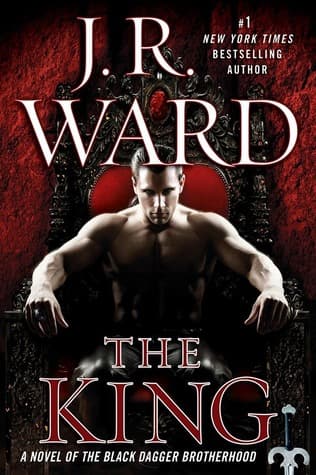
Synopsis
Covers the whole plot, including the ending.
- Difficulty
- Medium
- Pacing
- Moderate
- Mood
- Intense, Dark, Emotional, Suspenseful, Romantic
- Read it if
- You love intense, dark paranormal romance with intricate world-building, strong alpha males, and passionate relationships. Fans of the 'Black Dagger Brotherhood' series will find this a pivotal installment.
- Skip it if
- You prefer lighthearted romance, dislike violence or explicit content, or are not interested in long, multi-perspective sagas.
The King Plot Summary
Covers the whole plot, including the ending.
Wrath's Reluctant Reign and Beth's Yearning for a Family
Wrath, the new King of the vampires, feels overwhelmed by his duties. Despite his mate Beth Randall's support, he feels trapped by the demands of the throne, the war against the Lessening Society, and vampire politics. His dislike for the monarchy conflicts with his duty, causing stress and making him withdraw. Meanwhile, Beth wants to be a mother and asks Wrath about having a child. Wrath refuses, citing the dangers of their world and his family line. This rejection hurts Beth deeply, creating emotional distance and leaving her feeling alone.
The Threat of the Band of Bastards Intensifies
The Band of Bastards, a group of Old Language-speaking vampires led by Xcor, remains a threat. Their attacks become more focused and violent, affecting the Black Dagger Brotherhood. One incident is the bombing of the Brotherhood's training center, which causes injuries to recruits and allies. This attack makes Wrath face the reality of fighting on many fronts, showing how uncertain their lives are and how much pressure he is under as leader. The Bastards' smart and harsh methods show their serious goal to challenge Wrath's rule and destabilize the vampire world.
Layla's Captivity and Xcor's Unresolved Feelings
Layla, a Chosen and a former blood slave, is taken by the Band of Bastards. During her captivity, Xcor, the leader, holds her. Despite being enemies, a connection forms between them. Xcor, who first planned to use Layla as leverage, finds himself drawn to her strength. He struggles with his loyalty to the Old Ways and his mission to overthrow Wrath, fighting against his growing feelings of protection and affection for Layla. Layla, in turn, feels conflicted by Xcor's unexpected kindness and his fierce nature.
Payne's Sacrifice and Vishous's Desperation
During a fight with the Lessening Society, Wrath is attacked, and his half-sister, Payne, steps in to protect him. She gets a life-threatening injury that leaves her paralyzed. Her condition sends her brother, Vishous, into despair. Desperate to save her, Vishous breaks ancient laws and seeks the magic of the Scribe Virgin, their mother, to help. His plea challenges the natural order and shows the strong family ties within the Brotherhood, pushing the limits of what is allowed to save someone they love.
Vishous's Deal with the Scribe Virgin
Driven by his love for Payne, Vishous confronts the Scribe Virgin. He pleads with her to heal Payne, offering to pay any price. The Scribe Virgin agrees but demands a sacrifice. She will heal Payne, but she will cut off their direct family connection, erasing Vishous from her memory as her son. This hard choice shows Vishous's selflessness and the deepness of his bond with Payne, showing he will suffer personal loss for her survival.
Layla's Escape and the Aftermath
Layla escapes the Band of Bastards' compound. Her return to the Brotherhood brings relief, but her time in captivity has changed her. She carries the weight of her time with Xcor, dealing with the complex feelings she developed for him. Xcor, finding she escaped, is left with conflicting emotions. While relieved she is safe, her absence creates a void, making him face the depth of his feelings for her and the impossibility of their relationship given their opposing loyalties.
Wrath's Council and the Weight of Leadership
Wrath calls a council of the Brotherhood and others to discuss the threats from the Lessening Society and the Band of Bastards. He constantly questions his decisions, feeling the weight of responsibility for the entire race. His stress is high, and he often lashes out, increasing the distance between himself and Beth. He struggles with the loneliness of leadership, feeling isolated even among his friends and mate. The pressure builds as he deals with the possible loss of more warriors and the erosion of their way of life, all while managing his personal troubles.
Beth's Growing Independence and Frustration
Hurt by Wrath's refusal to consider having a child, Beth starts to pull away emotionally. She feels frustrated by his inability to communicate and his self-imposed isolation. Instead of being sad, Beth uses her pain to find her own purpose and strength. She focuses on her work at the human police department and seeks advice from her friends, especially Jane. This time marks a change in Beth's character, as she starts to show her independence and recognize her worth outside her role as the King's mate, subtly questioning Wrath's traditional views.
Xcor's Desperation and Challenge to Wrath
Xcor, driven by his feelings for Layla and wanting to make his pursuit of her right, makes a risky decision. He publicly challenges King Wrath for the throne, believing that becoming King will allow him to claim Layla without breaking the Chosen's sacred laws. This act directly opposes Wrath's authority and causes more trouble in the vampire world, threatening civil war. Xcor's challenge is a gamble, born from his love for Layla and his belief that he can offer her a better future, despite the risks.
The Duel for the Throne
The challenge ends in a ceremonial, but brutal, duel between Wrath and Xcor. The fight tests strength, skill, and will, with the vampire race's future at stake. Both warriors are strong, and the battle is fierce and long, pushing them to their limits. Wrath, despite his inner struggles, fights like a true King defending his people, while Xcor fights with the desperation of a male wanting to claim his female and a rightful place. The outcome is not clear until the end, keeping the Brotherhood and the vampire people nervous.
Resolution and Reconciliation
Wrath defeats Xcor, confirming his position as King. However, instead of executing Xcor, Wrath shows mercy by exiling him. This decision marks a change in Wrath's reign, showing a more thoughtful leadership. After the duel, Wrath finally faces his fears about fatherhood and his legacy. He has an honest talk with Beth, expressing his love and his fears, and they reconcile. Beth understands his view, and they decide to face the future, including the possibility of a child, together, stronger than before.
Principal Figures
Wrath, Son of Wrath
Protagonist
The reluctant King of the vampires, battling internal and external pressures.
Wrath is the last pure-blooded vampire and the newly crowned King. He is fiercely independent, often moody, and deeply resentful of the responsibilities that come with his lineage and the throne. He struggles with his blindness, which he sees as a weakness, and constantly battles his inner demons and the immense pressure of leading his race against the Lessening Society and the Band of Bastards. His love for Beth is paramount, but his fear of repeating his father's mistakes and the dangers of their world cause him to push her away when she expresses a desire for a child. He is a powerful warrior, but his greatest challenge is learning to embrace his role as King and mate fully.
Relationships: Beth Randall (Mate and Queen, his deepest love and source of conflict); Vishous (Half-brother, trusted warrior and confidante); Payne (Half-sister, whose injury deeply affects him); Xcor (Rival and challenger for the throne)
Beth Randall
Protagonist
The human-turned-vampire mate of the King, seeking family and independence.
Beth is Wrath's mate and the Queen of the vampires, though she often feels out of place in the ancient world. She is strong-willed, compassionate, and deeply in love with Wrath. Her primary desire in this book is to have a child, a longing that creates significant tension between her and Wrath. She is hurt by his initial rejection but uses it as a catalyst to assert her independence and find her own purpose outside of their relationship. She works as a police reporter and maintains her human connections, demonstrating her grounded nature. Beth is a bridge between the human and vampire worlds, often providing a human perspective to the Brotherhood.
Relationships: Wrath (Mate and King, her husband and source of both joy and pain); Fritz (Loyal shellan, a close friend and confidante); Jane Whitcomb (Friend and human doctor)
Xcor
Antagonist/Supporting
Leader of the Band of Bastards, challenging Wrath for the throne and falling for Layla.
Xcor is the formidable and ruthless leader of the Band of Bastards, a group of Old Language-speaking vampires intent on overthrowing Wrath and returning to what they perceive as the traditional ways. He is a powerful warrior, scarred both physically and emotionally by his harsh past. Despite his brutal nature and mission, he develops a deep, conflicted love for Layla, a Chosen he holds captive. His actions are often driven by a twisted sense of honor and a desire to legitimize his claim to Layla by becoming King. He is fiercely loyal to his men but carries a profound loneliness and a longing for acceptance.
Relationships: Layla (Captive, then object of his profound, forbidden love); Wrath (His sworn enemy and target for the throne); Throe (Second-in-command and loyal follower)
Layla
Supporting
A Chosen female, caught between loyalty to the Brotherhood and her unexpected feelings for Xcor.
Layla is a Chosen female, once a blood slave to the Brotherhood, who has found a place within their world. She is gentle and kind but possesses an inner strength and resilience. Her capture by the Band of Bastards forces her into close proximity with Xcor, leading to an unexpected and forbidden attraction. She struggles with her loyalty to the Brotherhood and her burgeoning feelings for Xcor, knowing the implications of such a connection. Her experiences with Xcor challenge her perceptions of good and evil, and she finds herself in a morally ambiguous position, desiring a male who is an enemy of her people.
Relationships: Xcor (Captor, then the male she falls in love with); Wrath (Her King, to whom she owes loyalty); Qhuinn (Friend and former blood recipient)
Vishous
Supporting
A powerful warrior of the Brotherhood, driven to desperate measures to save his sister.
Vishous is one of the most powerful and volatile members of the Black Dagger Brotherhood. He is known for his sharp wit, his dark past, and his unique ability to wield a dagger with telekinesis. In 'The King', his primary focus is the life-threatening injury sustained by his half-sister, Payne. His deep love and loyalty to Payne drive him to defy ancient laws and confront the Scribe Virgin herself, demonstrating the extent of his devotion. He is fiercely protective of his family and often acts as a moral compass, albeit a dark one, for Wrath. His sacrifice for Payne reveals a profound depth of character beneath his cynical exterior.
Relationships: Payne (Half-sister, for whom he makes a profound sacrifice); Wrath (Half-brother, fellow warrior, and King); Jane Whitcomb (Mate and human doctor)
Payne
Supporting
Wrath's half-sister, a formidable warrior who suffers a grave injury.
Payne is Wrath's half-sister and Vishous's full sister, a warrior born of the Scribe Virgin. She is incredibly powerful, fierce, and independent, having been imprisoned for centuries due to her untamed nature. She is still adjusting to life outside her prison, and her bond with Wrath is growing. Her severe injury while protecting Wrath is a pivotal plot point, driving Vishous to extreme measures. Her recovery and the consequences of her brother's actions shape her future and her understanding of her place in the world. She embodies strength and resilience, even in the face of debilitating injury.
Relationships: Vishous (Brother, who sacrifices greatly for her); Wrath (Half-brother, whom she protects); Manny Manello (Human surgeon who treats her)
Fritz
Supporting
The loyal shellan of the Brotherhood, a confidante to Wrath and Beth.
Fritz is the ancient, loyal shellan (servant) of the Black Dagger Brotherhood. He is a constant, steady presence in the mansion, maintaining order and providing comfort. He is deeply devoted to Wrath and Beth, often acting as a sounding board and a source of quiet wisdom for them both. He witnesses much of the internal turmoil within the mansion and offers unwavering support. His long history with the Brotherhood gives him a unique perspective on their struggles and triumphs. He is a symbol of tradition and unwavering loyalty within the ever-changing vampire world.
Relationships: Wrath (His King, to whom he is fiercely loyal); Beth Randall (His Queen, for whom he cares deeply)
The Scribe Virgin
Supporting/Mentioned
The mother of the vampire race, a powerful and enigmatic deity.
The Scribe Virgin is the ancient, powerful deity responsible for the creation of the vampire race and the Lessening Society. She is enigmatic and rarely intervenes directly, preferring to observe the balance between good and evil. In 'The King', she plays a crucial role when Vishous appeals to her to save Payne. Her decision to heal Payne, but at the cost of her direct maternal connection to Vishous, demonstrates her immense power and the strict laws governing her interventions. She represents fate, destiny, and the ultimate authority in the vampire world, often delivering harsh truths or making difficult demands.
Relationships: Vishous (Her son, whom she severs ties with to save Payne); Payne (Her daughter, whom she heals)
Throe
Supporting
Xcor's loyal second-in-command in the Band of Bastards.
Throe is Xcor's second-in-command and a fiercely loyal member of the Band of Bastards. He is dedicated to Xcor's cause and the overthrow of Wrath. While not as outwardly charismatic or conflicted as Xcor, he is a capable warrior and a trusted advisor. He often acts as Xcor's voice of reason or his enforcer, carrying out orders without question. His loyalty to Xcor is absolute, making him a dangerous adversary to the Brotherhood. He represents the unwavering conviction and discipline within the Bastards' ranks.
Relationships: Xcor (His leader, to whom he is fiercely loyal)
Themes & Insights
The Burden of Leadership and Legacy
Wrath's struggle with his role as King is a main part of the novel. He got a crown he never wanted, and the responsibility for his race, along with the ongoing war, weighs him down. His fear of repeating his father's mistakes and the pressure of his family line directly affect his ability to connect with Beth and make decisions. This theme looks at the isolation and personal cost of power, even when used for good, as seen in Wrath's inner conflict and his attempts to give up personal happiness for duty.
“He was the King of the race. And that meant he could never be anything else, not even for her. Not even for their future.”
Identity and Self-Discovery
Wrath and Beth both deal with their identities. Wrath struggles to match his past as a solitary warrior with his new role as King, questioning who he is without the crown. Beth, first defined by her relationship with Wrath, seeks her own purpose and wants a family, pushing her to be independent and define herself beyond being the King's mate. Layla also changes as she handles her feelings for Xcor, challenging her loyalties and sense of self. This theme explores how people change when they face new roles, challenges, and unexpected emotions.
“She was not just the King's mate. She was Beth, and she wanted a child, and she deserved to be heard.”
Love and Sacrifice
Love, in its various forms, drives many characters' actions and requires sacrifices. Vishous's love for his sister Payne makes him defy the Scribe Virgin and cut off their family bond, showing a deep personal sacrifice. Xcor's love for Layla makes him challenge Wrath for the throne, risking everything. Wrath and Beth's love is tested by his fears and her desires, requiring them both to compromise and face their deepest weaknesses. The theme looks at how far people will go for those they love, and the often painful costs involved.
“He would give up everything, even his own soul, if it meant she lived.”
Family and Loyalty
The bonds of family, both by blood and by choice, are central. The Brotherhood is a chosen family, and their loyalty to Wrath and to each other is strong. Vishous's devotion to his half-sister Payne shows the strength of family love, driving him to great lengths. Even Xcor, the antagonist, is motivated by loyalty to his own 'family' – the Band of Bastards – and his desire to claim Layla. The novel explores how these loyalties create both strength and conflict, shaping characters' decisions and events.
“The Brotherhood was not just a fighting unit; it was family, blood and bond, thicker than any ancient law.”
Conflict Between Duty and Desire
Many characters face an inner struggle between what they feel they must do (duty) and what they want. Wrath's duty as King conflicts with his desire for a simpler life and his fear of fatherhood. Beth's desire for a child conflicts with Wrath's duties and fears. Xcor's duty to his cause and his men is often at odds with his desire for Layla. This theme shows the tension in making choices that affect not only personal happiness but also the fate of others, and how characters handle these difficult dilemmas.
“His crown was a cage, and his heart was breaking for a freedom he could not claim.”
Plot Devices & Literary Techniques
The King's Blindness
A physical manifestation of Wrath's internal struggles and a symbol of his vulnerability.
Wrath's blindness, a hereditary trait, serves as a significant plot device. It is a constant reminder of his vulnerability and his perceived weakness, fueling his self-doubt and his reluctance to fully embrace his kingship. While he has learned to compensate for it, it symbolizes the 'blind spots' in his leadership and his emotional unavailability at times. It also creates moments of reliance on others, subtly forcing him to trust. The physical limitation mirrors his internal struggle to 'see' his true potential as a leader and a mate, until he finally accepts all parts of himself.
The Band of Bastards
A parallel antagonistic force that challenges the Brotherhood's authority and traditions.
The Band of Bastards, led by Xcor, functions as a crucial antagonistic plot device. They represent a direct, internal threat to Wrath's reign, distinct from the external threat of the Lessening Society. Their existence creates political turmoil and physical danger, forcing Wrath to confront the complexities of leadership. More importantly, they introduce Xcor and Layla's forbidden romance, adding a layer of moral ambiguity and personal conflict that deeply impacts the wider narrative, challenging the established order and forcing reevaluation of traditional loyalties.
The Scribe Virgin's Intervention
A deus ex machina that resolves a critical medical crisis but at a high personal cost.
The Scribe Virgin's direct intervention to heal Payne, after Vishous's desperate plea, acts as a limited deus ex machina. It resolves the seemingly insurmountable medical crisis of Payne's paralysis, which would otherwise have had devastating consequences for the Brotherhood. However, it is not without cost, as Vishous must sacrifice his familial connection to her. This device highlights the existence of higher powers and the unbreakable laws governing the vampire world, while also emphasizing the theme of sacrifice and the profound love within the family, demonstrating that even divine intervention comes with a price.
The Duel for the Throne
A climactic, ritualistic confrontation that resolves the leadership conflict and forces character growth.
The formal duel between Wrath and Xcor for the throne is a classic plot device used to create a climactic showdown. It serves multiple purposes: it physically resolves the leadership challenge posed by Xcor, validates Wrath's claim to the throne through combat, and acts as a catalyst for Wrath's final acceptance of his role. The ritualistic nature of the duel underscores the ancient traditions of the vampire race, while the personal stakes force both combatants to confront their deepest motivations and fears, leading to significant character development, particularly for Wrath in his act of mercy towards Xcor.
The King Quotes
“Love wasn't a weakness. It was a strength that could move mountains and change destinies.”
“In the darkness, we find our true selves, and sometimes, we find each other.”
“A king does not rule by fear, but by the loyalty he inspires in his people.”
“The heart knows what it wants, even when the mind tries to deny it.”
“We are not defined by our past, but by the choices we make in the present.”
“Sometimes the greatest battles are fought not with swords, but with words and understanding.”
“To love someone is to see the light in them, even when they are surrounded by darkness.”
“A true leader protects those who cannot protect themselves.”
“Fear is a cage, but courage is the key that sets you free.”
“In the end, it is not the crown that makes a king, but the heart that wears it.”
“Love is not about perfection, but about accepting imperfections and growing together.”
“The strongest bonds are forged in the fires of adversity.”
“To be vulnerable is not to be weak; it is to be human, even if you are not.”
“A kingdom is built not on stone, but on the trust and faith of its people.”
“Sometimes the quietest moments speak the loudest truths.”
Quiz
10 questions on the plot and the characters. Each answer comes with a short explanation.
Question 1
What is the primary reason Wrath initially resisted assuming the throne?
- He was afraid of the responsibilities involved
- He had turned his back on it for centuries due to personal conflicts
- He was waiting for his father's direct approval
- He believed another vampire was more qualified
Show answer
B. He had turned his back on it for centuries due to personal conflicts The book establishes that Wrath had rejected his royal lineage for centuries before finally accepting the throne, highlighting his long-standing personal struggle with his legacy.
Question 2
Who helps Wrath assume his father's mantle as king?
- The Brotherhood
- His beloved mate, Beth Randall
- The Band of Bastards
- The Lessening Society
Show answer
B. His beloved mate, Beth Randall Beth Randall, Wrath's mate, plays a crucial role in supporting him as he takes on the kingship, emphasizing their partnership in the story.
Question 3
What major conflict creates tension between Wrath and Beth?
- Disagreements over war strategies
- Beth's desire to have a child and Wrath's unexpected response
- Beth's involvement with the Lessening Society
- Wrath's refusal to share power with her
Show answer
B. Beth's desire to have a child and Wrath's unexpected response Beth's wish for a child leads to Wrath's troubling reaction, which strains their relationship and becomes a central emotional conflict in the book.
Question 4
Which group poses a direct threat to Wrath's reign as mentioned in the synopsis?
- The Brotherhood
- The Band of Bastards
- Human authorities
- Other vampire royal families
Show answer
B. The Band of Bastards The Band of Bastards is specifically noted as a threat that 'truly hits home,' indicating their significant role in challenging Wrath's rule.
Question 5
What does Beth realize about her life after mating with Wrath?
- It would be an easy ride without challenges
- An easy ride was not it, as she faces numerous struggles
- She would immediately become queen without effort
- She would have to leave her human life behind completely
Show answer
B. An easy ride was not it, as she faces numerous struggles Beth acknowledges that her life with Wrath is far from simple, dealing with the complexities of his kingship and their personal issues.
Question 6
How does the crown affect Wrath according to the synopsis?
- It gives him unlimited power and joy
- It has no significant impact on him
- It sets heavily on his head, implying burden and stress
- It makes him more popular among vampires
Show answer
C. It sets heavily on his head, implying burden and stress The phrase 'the crown sets heavily on his head' metaphorically describes the weight of responsibility and challenges Wrath faces as king.
Question 7
What ongoing war is mentioned as a backdrop to Wrath's reign?
- War with human governments
- War with the Lessening Society
- Civil war among vampire factions
- War against supernatural creatures
Show answer
B. War with the Lessening Society The synopsis states that the war with the Lessening Society 'rages on,' indicating it's a persistent conflict affecting Wrath's rule.
Question 8
What is Wrath's unique status among vampires that adds pressure to his role?
- He is the youngest king in history
- He is the last pure-blooded vampire on the planet
- He has no royal bloodline
- He is the first vampire to mate a human
Show answer
B. He is the last pure-blooded vampire on the planet Beth is described as mating 'the last pure blooded vampire on the planet,' highlighting Wrath's rare and pressured position in vampire society.
Question 9
What central question does the book's synopsis pose about Wrath and Beth's relationship?
- Whether they will win the war against their enemies
- Whether true love will prevail or tortured legacy will dominate
- Whether Beth will leave Wrath for another vampire
- Whether Wrath will abdicate the throne for Beth
Show answer
B. Whether true love will prevail or tortured legacy will dominate The synopsis ends by questioning if 'true love win out... or tortured legacy take over,' framing the core tension between personal happiness and inherited duty.
Question 10
Why might Wrath's choices as king be particularly risky according to the synopsis?
- Because they only affect him personally
- Because they put everything and everyone at risk
- Because they are always approved by the Brotherhood
- Because they are based solely on Beth's advice
Show answer
B. Because they put everything and everyone at risk The synopsis notes that Wrath is forced to make choices that 'put everything—and everyone—at risk,' emphasizing the high stakes of his decisions as king.
The King FAQ
What is 'The King' by J.R. Ward about?
'The King' follows Wrath, the last pure-blooded vampire king, as he struggles with the burdens of leadership during a war with the Lessening Society and threats from the Band of Bastards. Simultaneously, his mate Beth Randall desires to have a child, creating tension in their relationship as Wrath's legacy and responsibilities clash with their personal lives.
Why should I read 'The King'?
Readers should dive into 'The King' for its intense blend of paranormal romance and high-stakes action, exploring Wrath's evolution from a reluctant ruler to a decisive king while navigating marital strife with Beth. The book deepens the Black Dagger Brotherhood series' lore, with emotional depth and thrilling conflicts that fans and newcomers will appreciate.
What is the background/setting of 'The King'?
Set in the modern-day vampire world of Caldwell, New York, the story unfolds against a backdrop of ongoing warfare with the Lessening Society, a group of soulless hunters, and internal threats from the Band of Bastards, who challenge Wrath's rule. The opulent settings include the Brotherhood's mansion and royal chambers, emphasizing the clash between ancient traditions and contemporary struggles.
What are the most memorable quotes?
Key quotes include Wrath's reflections on leadership, such as 'The crown sets heavily on my head,' highlighting his burden, and Beth's emotional plea, 'I want a child, but not at the cost of us,' underscoring their relationship's tension. These lines capture the book's themes of duty versus love and personal sacrifice.
What writing style does J.R. Ward use?
J.R. Ward employs a fast-paced, dual-perspective narrative, alternating between Wrath's intense, action-driven chapters and Beth's more introspective, emotional scenes. The style blends gritty, urban fantasy elements with steamy romance, using vivid descriptions and sharp dialogue to heighten the stakes and character dynamics.
What minor details add significant meaning?
Subtle details like Wrath's reluctance to wear the royal crown symbolize his internal conflict with legacy, while Beth's nurturing actions toward other Brotherhood members foreshadow her maternal desires. The recurring motif of 'tortured legacy' in dialogue underscores the generational weight affecting key decisions.
What are some subtle foreshadowing moments?
Early scenes where Wrath avoids discussions about heirs hint at his later resistance to Beth's pregnancy wishes, and mentions of the Band of Bastards' growing aggression foreshadow their direct attacks on the throne. Beth's increased protectiveness over Wrath subtly signals the deepening stakes in their personal and political lives.
What unexpected character connections exist?
Unexpected ties emerge as members of the Band of Bastards are revealed to have hidden alliances with former enemies, complicating the war. Additionally, secondary characters like the Brotherhood's allies provide crucial support that bridges gaps between Wrath's royal duties and Beth's personal struggles, highlighting interconnected loyalties.
What are unspoken character motivations?
Wrath's fear of passing on his 'tortured legacy' to a child drives his initial resistance to Beth's pregnancy desires, rooted in guilt over his father's violent reign. Beth's push for a child stems from a deeper need to solidify their bond and create something positive amid the chaos, though she rarely voices this vulnerability openly.
What psychological complexities do characters exhibit?
Wrath grapples with PTSD from past battles and imposter syndrome as king, leading to impulsive decisions that risk his relationships. Beth shows resilience but also codependency, as her identity becomes intertwined with Wrath's rule, causing her to question her autonomy when conflicts arise over family planning.
What are the major emotional turning points?
Key emotional shifts include Wrath's realization that his avoidance of fatherhood is harming his marriage, prompting a heartfelt confrontation with Beth. Another turning point is when external attacks force them to unite, transforming their distance into renewed commitment and shared purpose in protecting their future.
How do relationship dynamics evolve?
Wrath and Beth's relationship starts strained by Wrath's royal burdens and Beth's unmet desires, leading to arguments and emotional distance. Through crises with the Lessening Society and Band of Bastards, they learn to communicate more openly, evolving from a conflicted mating into a stronger partnership that balances love with duty.
Which parts remain ambiguous or open-ended?
The ultimate resolution of the war with the Lessening Society is left partially open, with ongoing threats hinting at future conflicts. Additionally, the long-term impact of Wrath's decisions on the vampire monarchy and whether Beth's desires for a family are fully realized remain subtly unresolved, inviting reader speculation.
What are controversial scenes or decisions?
Controversial moments include Wrath's choice to prioritize war strategies over Beth's emotional needs, sparking debates about neglect in their relationship. Another is Beth's insistence on having a child despite the dangers, viewed by some as selfish given the wartime context, highlighting tensions between personal fulfillment and collective safety.
'The King' ending explained: how it ends & what it means
The ending sees Wrath and Beth reconciling after facing external threats together, with Wrath accepting the possibility of fatherhood and Beth supporting his role as king. It symbolizes that 'true love wins out' over 'tortured legacy,' suggesting that embracing both personal desires and responsibilities can lead to a balanced, hopeful future despite ongoing conflicts.
About the author

J.R. Ward is an American author known for her work in the paranormal romance genre. She is best recognized for her Black Dagger Brotherhood series, which includes titles such as Dark Lover, Lover Awakened, Lover Revealed, Lover Unbound, Lover Enshrined, and Lover Avenged. Her books often explore themes of love and loyalty within a supernatural context.
Similar books
- Lover Unleashed
J.R. Ward
4.3 (85k) average on GoodreadsFantasyAnother installment in the same series, offering similar themes of war, love, and brotherhood.
- Lover Awakened
J.R. Ward
4.4 (161k) average on GoodreadsFantasyComparing "The King" to an earlier book in the same series, "Lover Awakened" (Book 3), highlights Ward's evolution. "Lover Awakened" features Zsadist, another tortured warrior, and Bella. While both books explore redemption and the healing power of love, "Lover Awakened" has a more intense, focused romantic arc due to Zsadist's extreme trauma and Bella's pivotal role in his recovery. "The King," coming much later in the series, has a broader scope, juggling Wrath's personal struggles with the demands of kingship and numerous ongoing subplots involving other characters. The earlier book feels more intimate and singularly driven by its central romance, whereas "The King" is more of a tapestry, weaving together various threads of the Brotherhood's world.
- The Hunger Games
Suzanne Collins
4.3 (6.4M) average on GoodreadsFantasyIn a future where children fight to the death on live television, Katniss Everdeen volunteers for the arena, turning a death sentence into a fight for survival and a spark of rebellion.
- The Great Gatsby
F. Scott Fitzgerald
3.9 (3.8M) average on GoodreadsHistorical FictionIn the opulent Roaring Twenties, a mysterious millionaire's lavish parties hide his desperate, tragic pursuit of a lost love, exposing the emptiness within the American Dream.
- The Fault in Our Stars
John Green
4.2 (3.6M) average on GoodreadsYoung AdultA girl with a terminal illness finds her story rewritten when a charming boy with a similar past enters her life at a cancer support group, leading to a star-crossed romance.
- Pride and Prejudice
Jane Austen
4.3 (3M) average on GoodreadsHistorical FictionIn a society focused on status and money, Elizabeth Bennet navigates love and pride, challenging Mr. Darcy and social expectations to find true affection.





Enjoyed the summary?
A summary gives you the shape of the book. The book itself has the detail, the examples and the voice.
Find The King on AmazonAs an Amazon Associate, BookBrief earns from qualifying purchases. How we're funded