

Synopsis
Covers the whole plot, including the ending.
- Difficulty
- Easy
- Pacing
- Moderate
- Mood
- Nostalgic, Heartwarming, Reflective, Hopeful
- Read it if
- You enjoy historical fiction set on the cusp of WWII, focusing on family life and burgeoning romance amidst societal change.
- Skip it if
- You prefer fast-paced action or high-stakes espionage stories, or are looking for a deep dive into the supernatural elements of the poltergeist.
The Last Summer Plot Summary
Covers the whole plot, including the ending.
A New Beginning in Stead Street
Job and Jemima Hardy, with their children, including Jonathan, move from rural Sussex to Stead Street in Walworth, London. Job could not find steady work in the countryside. They find a house for eight shillings a week, despite warnings about a poltergeist. The Hardys, practical people, decide the low rent makes the occasional creaking floors and moving doors worth it. They quickly adapt to city life, and Jonathan soon finds work.
Jonathan's New Job and a Chance Encounter
Jonathan Hardy gets a job at Camberwell Green, his first in London. During lunch breaks, he visits a local Lyons teashop. There, he meets Emma Somers, who works at the shop and is the niece of Boots Adams, a known figure in the community. Their first interactions are careful but pleasant, forming a friendship that slowly grows during their regular lunchtime routine. This routine becomes a pleasant break for Jonathan from work and new city life.
The Hazy Summer of 1939
Throughout the summer of 1939, Jonathan Hardy and Emma Somers continue their regular lunchtime meetings at the Lyons teashop. Their friendship grows, marked by shared talks and increasing affection, though they keep their relationship from becoming openly romantic. Their time together is a cherished, almost perfect interlude amid the rising international tensions. This period represents a brief moment of normalcy and personal connection for both young people, unaware of how much their lives are about to change.
Whispers of War
As summer goes on, the international situation worsens. News reports and radio broadcasts fill with troubling updates about tensions in Europe. The possibility of war becomes a constant topic of conversation and a growing worry for everyone, including Jonathan and Emma. This threat begins to affect their carefree lunchtime meetings, adding a current of anxiety and uncertainty about the future. The lightheartedness of their friendship starts to be overshadowed by the reality of coming conflict.
Boots Adams' Call-Up
The war's approach becomes more real when Emma's uncle, Boots Adams, receives his call-up papers. As an officer on the Officer's Reserve list, he is quickly activated and assigned to General Sir Henry Sims' staff. This directly affects Emma and her family, bringing military involvement closer to home. Boots' departure marks a significant change in their daily lives and highlights the seriousness of the situation, making the war less abstract and more personal for the Somers family.
Polly Sims Joins the Auxiliaries
Polly Sims, General Sir Henry Sims's wife, also decides to help with the war effort. She volunteers to join the Auxiliaries, showing a wide commitment to national service among different parts of society. Her decision further illustrates how deeply the war threat affects daily life, prompting individuals from all backgrounds to prepare for the conflict. This act of volunteering shows the collective spirit and readiness to face challenges, even among those in privileged positions.
Jonathan's Call-Up Papers
The inevitable happens for Jonathan Hardy when he receives his own call-up papers. This official summons to military service marks a turning point in his life and his relationship with Emma. The summer's carefree days and their innocent lunchtime meetings end. Jonathan now faces leaving his family, his new job, and Emma to serve his country. This forces him and Emma to confront their unspoken feelings and the rapidly decreasing time they have together.
Decisions About the Future
With Jonathan's upcoming departure for military service, he and Emma Somers must define their relationship. The 'long and hazy summer' is over, and the time for casual friendship is gone. They must make important decisions about their future together, or apart, in the face of war. This time is emotionally intense as they deal with their feelings, the uncertainty of wartime, and the chance of a long separation. Their choices now will shape their individual paths and the possibility of a future reunion.
The Hardy Family Adapts to War
As Jonathan leaves for military training, the Hardy family in Stead Street must adjust to a new reality shaped by war and his absence. Job and Jemima face the worries of having a son in service while also managing daily challenges in wartime London, including rationing and air raid precautions. The younger Hardy children also feel the changes as the city transforms around them. The poltergeist, once a minor oddity, now fades into the background against the more pressing concerns of national survival and personal safety.
Emma's Wartime Contributions
Emma Somers, affected by Jonathan's departure and the ongoing conflict, finds her own role in the war effort. While specific details are not given, it is implied that she continues to work or takes on new responsibilities that help the national cause. Her involvement reflects the collective mobilization of civilians during wartime, where everyone was expected to do their part. This period tests her resilience and commitment as she waits for news and hopes for a future reunion with Jonathan, all while navigating the realities of a nation at war.
The Last Summer Characters
Jonathan Hardy
Protagonist
A young man from Sussex who finds love and purpose in London on the eve of war.
Jonathan is the eldest son of Job and Jemima Hardy, a sensible and initially somewhat naive young man transitioning from rural life to the bustling environment of London. He quickly adapts to city work and finds joy in his burgeoning friendship with Emma Somers. Jonathan is characterized by his quiet determination and his growing sense of responsibility, especially as war looms. He represents the generation called upon to make immense sacrifices. His internal conflict revolves around his personal desires and his duty.
Relationships: Emma Somers (Romantic interest, close friend); Job Hardy (Father); Jemima Hardy (Mother)
Emma Somers
Protagonist
A Londoner who forms a deep connection with Jonathan amidst the gathering storm of war.
Emma is a young woman working in a Lyons teashop, niece to Boots Adams. She is kind, observant, and possesses a quiet strength. Her friendship with Jonathan is a significant part of her life during the summer of 1939, and she navigates the complexities of their unspoken feelings with grace. Emma embodies the spirit of young women facing an uncertain future, demonstrating resilience and a readiness to adapt to the profound changes brought by war. Her loyalty and affection for Jonathan are central to her character.
Relationships: Jonathan Hardy (Romantic interest, close friend); Boots Adams (Uncle)
Job Hardy
Supporting
The patriarch of the Hardy family, driven by a need to provide for his family.
Job Hardy is a pragmatic and resilient man who moves his family from Sussex to London in search of work. He is the anchor of the Hardy family, making tough decisions for their well-being. His decision to take a house with a poltergeist due to its cheap rent highlights his practical nature and his determination to overcome obstacles. He embodies the working-class struggle and the paternal instinct to protect and provide, even in the face of the unknown.
Relationships: Jemima Hardy (Wife); Jonathan Hardy (Son)
Jemima Hardy
Supporting
The matriarch of the Hardy family, embracing London life and supporting her children.
Jemima Hardy is Job's wife and Jonathan's mother. She is supportive, adaptable, and a comforting presence for her family. She, like Job, is unfazed by the house's alleged poltergeist, prioritizing the family's needs over superstition. Jemima represents the enduring strength of a mother facing new environments and the anxieties of wartime, providing emotional stability for her children as they adjust to London and the looming conflict.
Relationships: Job Hardy (Husband); Jonathan Hardy (Son)
Boots Adams
Supporting
Emma's uncle, an Officer's Reserve who is called to duty early in the war.
Boots Adams is Emma's uncle and a respected figure, possibly with a military background given his status on the Officer's Reserve list. His early call-up to serve on General Sir Henry Sims's staff highlights the immediate impact of the war on individuals and families. He represents the sense of duty and readiness to serve that characterized many during this period. His departure is a significant event that brings the reality of the war closer to Emma and her community.
Relationships: Emma Somers (Niece); General Sir Henry Sims (Superior officer)
General Sir Henry Sims
Mentioned
A high-ranking military officer whose staff Boots Adams joins.
General Sir Henry Sims is a senior military figure to whom Boots Adams is assigned. His presence signifies the higher echelons of military command and the organized mobilization for war. While not directly interacting with the protagonists, his role highlights the structured response to the impending conflict and provides context for Boots Adams's involvement.
Relationships: Boots Adams (Subordinate); Polly Sims (Wife)
Polly Sims
Supporting
General Sims's wife, who joins the Auxiliaries to contribute to the war effort.
Polly Sims is the wife of General Sir Henry Sims. Her decision to join the Auxiliaries demonstrates a widespread commitment to national service, even among those in privileged positions. She represents the civilian women who stepped up to support the war effort, highlighting the collective spirit and readiness to face the challenges ahead. Her actions underscore how deeply the threat of war permeated all levels of society.
Relationships: General Sir Henry Sims (Husband)
The Last Summer Themes
The End of Innocence
The novel shows the abrupt end of a carefree era for young people like Jonathan and Emma. Their summer of growing friendship and unspoken feelings is broken by the threat of World War II. The shift from easy lunch dates to Jonathan receiving call-up papers, and the mobilization of figures like Boots Adams and Polly Sims, symbolizes society's move from peace to conflict. This theme explores how personal hopes and romantic possibilities are suddenly overshadowed by national duty and the harsh realities of war, forcing early decisions about life and love.
“Suddenly there was only a little time left for people to lead ordinary lives - and Jonathan Hardy and Emma Somers had to make decisions about their future.”
Adaptation and Resilience
The Hardy family's move from rural Sussex to London, and their practical acceptance of a 'haunted' house, establishes a theme of adaptation. They are resilient in the face of change, valuing practicality over superstition. This resilience extends to the national level as characters, from the working-class Hardys to the Adams and Sims families, prepare for war. Whether finding new jobs, joining military reserves, or volunteering for auxiliaries, the characters show a collective ability to adjust to societal shifts and personal challenges.
“if the floors and doors sometimes moved a bit, they could live with it.”
Duty Versus Personal Desire
A main conflict in the story is the tension between individual hopes, especially Jonathan and Emma's growing romance, and the call of national duty. Jonathan receiving his call-up papers directly shows this theme, forcing him to leave his personal life and love for military service. Similarly, Boots Adams' activation and Polly Sims' volunteering highlight how personal choices become secondary to the war effort. The narrative explores the emotional cost and difficult decisions individuals must make when their personal desires conflict with their country's demands.
“Jonathan got his call-up papers. And the first alarms of conflict began to affect the Adams family in other ways.”
The Everyday Amidst the Extraordinary
Despite the dramatic background of war, the novel emphasizes the continuation of everyday life and personal routines. Jonathan and Emma's regular lunchtime meetings at Lyons teashop represent these ordinary moments of human connection and simple joys that continue even as the world becomes unstable. The Hardy family's home life, including their dealings with a minor poltergeist, grounds the narrative in relatable experiences. This theme highlights how individuals try to maintain some normalcy and find comfort in routine amid extraordinary global events, making the eventual disruption of war even more impactful.
“Over a long and hazy summer - the summer of 1939 - the two young people met, always at lunchtime, and never allowing their friendship to progress too far.”
Plot Devices & Literary Techniques
The Poltergeist
A minor supernatural element serving as a metaphor for hidden anxieties and the Hardys' pragmatism.
The poltergeist in the Hardys' Stead Street house functions as an initial, almost whimsical, plot device. It immediately establishes the family's down-to-earth and pragmatic nature; they are unfazed by supernatural phenomena if the rent is cheap. More subtly, it can be seen as a metaphorical representation of the unseen, unsettling forces at play in their new environment and, by extension, the world. However, as the genuine threat of war emerges, the poltergeist becomes trivial, highlighting the shift from minor, domestic oddities to overwhelming global anxieties, effectively fading into the background against the real, human-caused chaos.
Lyons Teashop
A recurring setting symbolizing a haven of normalcy and the developing romance.
The Lyons teashop serves as a crucial recurring setting for Jonathan and Emma's developing relationship. It is a symbol of everyday life and routine, a public yet intimate space where their friendship can blossom away from the specific pressures of their homes or workplaces. This setting emphasizes the 'ordinary lives' people lead before the war, making the eventual disruption of these routines all the more impactful. As a place of comfort and connection, its significance underscores the 'hazy summer' of innocence that precedes the harsh realities of conflict.
Call-Up Papers
A direct catalyst for conflict and a symbol of duty.
The receipt of call-up papers by Jonathan Hardy, and earlier by Boots Adams, is a potent and direct plot device that drives the narrative forward into the core conflict of the story. These official documents are not merely letters; they are symbols of national duty, the end of personal freedom, and the irreversible onset of war. For Jonathan, they force an immediate and pressing decision about his future with Emma, abruptly ending the idyllic summer. This device powerfully demonstrates how external, global events directly intrude upon and reshape individual lives and relationships.
The Last Summer Quotes
“The past is a foreign country; they do things differently there.”
“It was a summer of long days and endless possibilities, when the world felt new and all its secrets were ours to discover.”
“Love, I learned, was not a steady flame but a series of sparks, some bright and brief, others smoldering for a lifetime.”
“We build our lives on assumptions, and when those foundations crumble, it's astonishing how little remains.”
“Sometimes the greatest truths are found in the quiet spaces between words, in the unspoken understandings.”
“Growing up is less about finding answers and more about learning to live with the questions.”
“The landscape of our memories is often more vivid and compelling than the reality it purports to represent.”
“Friendship, in its purest form, is a mirror that reflects your best self, even when you can't see it.”
“We chase after what we think we want, only to find that what we truly needed was there all along.”
“The echoes of laughter and sorrow linger long after the voices have faded.”
“There's a certain freedom in letting go of the need to control every outcome.”
“Every ending is just a new beginning disguised as something else.”
“The greatest adventures are not always found in distant lands, but in the quiet unfolding of a single life.”
Quiz
10 questions on the plot and the characters. Each answer comes with a short explanation.
Question 1
Where did Job and Jemima Hardy originally live before moving to Walworth?
- London
- A Sussex village
- Camberwell Green
- Stead Street
Show answer
B. A Sussex village The text states, 'They had both lived in a Sussex village until lack of work had sent Job and the family to Walworth'.
Question 2
Why was the house in Stead Street cheap for the Hardy family?
- It was very small and cramped.
- It was located in an undesirable neighborhood.
- It was rumored to have a poltergeist.
- The previous tenants left suddenly.
Show answer
C. It was rumored to have a poltergeist. The text explicitly states, 'They got it cheap because of the poltergeist'.
Question 3
Where did Jonathan Hardy meet Emma Somers?
- At his workplace in Walworth
- In a park near Stead Street
- At Lyons teashop in Camberwell Green
- At a local dance hall
Show answer
C. At Lyons teashop in Camberwell Green Jonathan 'met Emma Somers, niece of Boots Adams' in 'Lyons teashop' after he 'got a job at Camberwell Green'.
Question 4
What was the relationship between Emma Somers and Boots Adams?
- Emma was Boots's sister.
- Emma was Boots's daughter.
- Emma was Boots's niece.
- Emma was Boots's cousin.
Show answer
C. Emma was Boots's niece. The text identifies Emma Somers as the 'niece of Boots Adams'.
Question 5
What significant global event began to loom during Jonathan and Emma's summer together?
- A major economic depression
- The outbreak of World War I
- The gathering clouds of war over Europe
- A severe epidemic
Show answer
C. The gathering clouds of war over Europe The passage states, 'Then, as the clouds of war gathered over Europe, Jonathan got his call-up papers.'
Question 6
What was the maximum extent of Jonathan and Emma's friendship during their lunchtime meetings?
- They became engaged.
- They never allowed their friendship to progress too far.
- They moved in together.
- They started a business together.
Show answer
B. They never allowed their friendship to progress too far. The text notes they met 'never allowing their friendship to progress too far'.
Question 7
What was Boots Adams's military affiliation before being called up?
- He was a regular army officer.
- He was on the Officer's Reserve list.
- He was a member of the Auxiliaries.
- He was a civilian volunteer.
Show answer
B. He was on the Officer's Reserve list. The passage states, 'Boots, on the Officer's Reserve list, was called onto the staff of General Sir Henry Sims'.
Question 8
What was the significance of the year 1939 in the context of the story?
- It marked the end of a long period of peace and stability.
- It was the year Jonathan and Emma got married.
- It was the year the Hardy family moved to London.
- It was when Jonathan started his first job.
Show answer
A. It marked the end of a long period of peace and stability. The text refers to 'the summer of 1939' as the time when 'the clouds of war gathered over Europe' and call-up papers were issued, indicating a shift from ordinary life to the impending conflict.
Question 9
What was the primary reason for the Hardy family's move from Sussex to Walworth?
- To escape the poltergeist in their old house.
- To be closer to relatives in London.
- Lack of work in their Sussex village.
- Jonathan's new job opportunity.
Show answer
C. Lack of work in their Sussex village. The text states, 'lack of work had sent Job and the family to Walworth'.
Question 10
How did Polly Sims contribute to the war effort?
- She joined the Officer's Reserve list.
- She became a nurse.
- She joined the Auxiliaries.
- She worked in a munitions factory.
Show answer
C. She joined the Auxiliaries. The passage mentions that 'Polly Sims herself joined the Auxiliaries' as the war clouds gathered.
The Last Summer FAQ
What is the central premise of 'The Last Summer'?
'The Last Summer' follows the Hardy family, who move from rural Sussex to Walworth, London, in 1939 due to Job's lack of work. They settle into a house on Stead Street, which is unusually cheap due to a poltergeist, but they prioritize the affordable rent over the minor disturbances.
Who are the main characters in the burgeoning romance?
The main characters in the romance are Jonathan Hardy, the eldest son of Job and Jemima, and Emma Somers, the niece of Boots Adams. They meet and develop a friendship over lunchtimes at a Lyons teashop in Camberwell Green during the summer of 1939.
What significant historical event looms over the narrative?
The impending Second World War is the significant historical event that overshadows the narrative. As the summer of 1939 progresses, the gathering clouds of war begin to directly impact the characters' lives, leading to call-up papers and changes in civilian roles.
How does the poltergeist affect the Hardy family's daily life?
The poltergeist in the Stead Street house causes floors and doors to move occasionally. However, the sensible Hardy family, particularly Job and Jemima, view it as a minor inconvenience, deciding that eight shillings a week for rent is a bargain they can live with, effectively normalizing the supernatural occurrences.
What is the significance of the Lyons teashop?
The Lyons teashop in Camberwell Green serves as the primary meeting place for Jonathan Hardy and Emma Somers. It symbolizes a brief period of normalcy and budding romance amidst the growing anxieties of war, where their friendship blossoms over their lunch breaks.
Is the poltergeist ever fully explained or resolved?
The provided synopsis does not indicate a full explanation or resolution of the poltergeist. Its presence seems to be more of a quirky detail used to justify the cheap rent of the Hardy family's house, rather than a central supernatural plotline that requires a conclusion.
How does the Adams family become involved in the war effort?
Boots Adams, Emma's uncle, is on the Officer's Reserve list and is called onto the staff of General Sir Henry Sims. Polly Sims, presumably General Sims' wife, also joins the Auxiliaries, demonstrating a swift and significant involvement of the Adams' social circle in the war effort.
What does the phrase 'over a long and hazy summer' imply about Jonathan and Emma's relationship?
The phrase 'over a long and hazy summer' suggests a period of idyllic, perhaps slightly unreal, development for Jonathan and Emma's friendship. 'Hazy' could imply a dreamlike quality, or a sense of uncertainty and unacknowledged longing, characteristic of a pre-war romance that never fully committed due to the looming future.
How does London life, specifically Walworth, influence Jonathan's character?
Jonathan, the eldest, settles 'particularly quickly' into London life, suggesting an adaptability and perhaps a greater ambition or openness to new experiences compared to his family's rural past. His job at Camberwell Green and subsequent meeting with Emma are direct results of this urban integration.
How does the impending war psychologically affect Jonathan and Emma's relationship?
The impending war forces Jonathan and Emma to confront the temporariness of their 'ordinary lives' and make urgent decisions about their future. The call-up papers for Jonathan introduce a profound sense of urgency and the potential for separation, accelerating the emotional stakes of their friendship.
What psychological coping mechanisms might the Hardy family employ regarding the poltergeist?
The Hardy family appears to employ a form of rationalization and normalization. By focusing on the economic advantage of cheap rent, they consciously downplay or ignore the supernatural disturbances, demonstrating a practical, almost stoic, resilience in the face of the inexplicable.
How does the transition from rural Sussex to urban Walworth impact the family's collective psyche?
The move from rural Sussex to Walworth, driven by economic necessity, likely creates a blend of anxiety and opportunity. While Job's lack of work signifies hardship, the family's quick settlement, especially Jonathan's, suggests a collective adaptability and perhaps a quiet determination to thrive despite the upheaval.
What internal conflict might Emma face regarding her relationship with Jonathan?
Emma likely faces the internal conflict of wanting to progress her relationship with Jonathan but being constrained by the societal norms of the time and the rapidly changing world. The 'never allowing their friendship to progress too far' suggests a deliberate holding back, perhaps out of propriety or fear of future heartbreak given the wartime uncertainty.
Could the poltergeist be interpreted metaphorically?
The poltergeist could be interpreted metaphorically as a representation of the unseen, unsettling forces at play in the world, particularly the looming war. Just as the family tries to ignore the poltergeist, people at large might have been trying to ignore or downplay the signs of impending global conflict, focusing on their daily lives until it became unavoidable.
What is the significance of the title 'The Last Summer'?
'The Last Summer' strongly implies that the summer of 1939 marks the end of an era – a final period of normalcy, innocence, and ordinary life before the profound and irreversible changes brought by World War II. It sets a poignant, melancholic tone for the romance and the wider narrative.
Does the novel suggest a critique of societal class structures in pre-war Britain?
The novel subtly hints at class differences through the Hardy family's move due to 'lack of work' and their acceptance of a poltergeist-ridden house for cheap rent. In contrast, Boots Adams is on an Officer's Reserve list, suggesting a higher social standing and different economic security, potentially highlighting the disparities of pre-war British society.
How might the 'decisions about their future' for Jonathan and Emma be debated by readers?
Readers might debate whether Jonathan and Emma should marry quickly, promise to wait for each other, or part ways to protect themselves from potential wartime loss. Their choices would reflect different perspectives on love, duty, and resilience in the face of extreme uncertainty, making their decision a focal point of discussion.
What role does fate or destiny play in the story, particularly with the timing of the war?
The timing of the war, coinciding precisely with the development of Jonathan and Emma's relationship, suggests a strong element of fate or destiny. It implies that their connection was destined to be tested by historical events, forcing them to confront their feelings and make life-altering decisions under immense pressure.
Similar books
- A Town Like Alice
Nevil Shute
4.1 (49k) average on GoodreadsHistorical FictionFeatures romance and resilience during WWII, with characters navigating personal challenges amidst global conflict.
- The Nightingale
Kristin Hannah
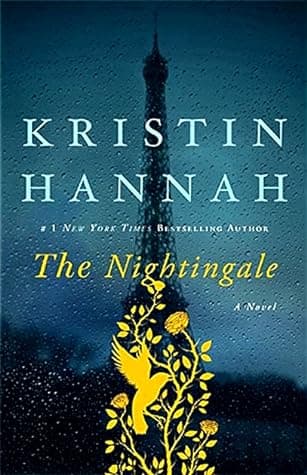
4.6 (698k) average on GoodreadsHistorical FictionHannah's The Nightingale (2015) also explores WWII from a female perspective on the home front and in occupied France, sharing Staples' focus on individual courage and adaptation. However, Hannah's novel typically features higher stakes, more dramatic personal sacrifices, and a broader geographical and political scope, often involving resistance activities. While both aim for emotional resonance, The Last Summer remains more confined to the immediate neighborhood and the early stages of the war's impact, presenting a gentler, less harrowing experience compared to the intense moral dilemmas and survival struggles depicted by Hannah.
- Nineteen Eighty-Four
George Orwell
4.2 (5.5M) average on GoodreadsFictionWinston Smith dreams of truth and rebellion in a world where Big Brother watches all, but he confronts the terrifying power of a regime that controls not just actions, but thoughts.
- The Frozen River
Ariel Lawhon
4.4 (600k) average on GoodreadsFictionIn 1789 Maine, a heroic midwife's diary helps her expose a murder and get justice in a town that wants to silence her.
- A Man Called Ove
Fredrik Backman
4.4 (569k) average on GoodreadsFictionA stubborn widower, who lives by strict rules, finds his quiet world changed by a lively new family next door, making him face his past and find happiness in human connection.
- The Art of Racing in the Rain
Garth Stein
4.2 (452k) average on GoodreadsFictionThrough the eyes of Enzo, a wise and observant dog, a race car driver's family navigates a journey of love, loss, and resilience, learning that life's most important lessons often come in the curves, not just on the straightaways.





Enjoyed the summary?
A summary gives you the shape of the book. The book itself has the detail, the examples and the voice.
Find The Last Summer on AmazonAs an Amazon Associate, BookBrief earns from qualifying purchases. How we're funded