

Synopsis
Covers the whole plot, including the ending.
- Difficulty
- Easy
- Pacing
- Moderate
- Mood
- Inspiring, Resilient, Heartwarming, Reflective
- Read it if
- You enjoy historical fiction with a strong female protagonist, themes of resilience and rebuilding, and a heartwarming romance against a backdrop of post-war recovery.
- Skip it if
- You prefer fast-paced thrillers or stories without significant historical detail and character development.
A Town Like Alice Plot Summary
Covers the whole plot, including the ending.
Jean Paget's Unexpected Inheritance and Early Life
The story begins with Jean Paget, a young English secretary in London. Her solicitor, Noel Strachan, tells her she has inherited a lot of money from her deceased uncle, Douglas Paget, who made a fortune in Australia. The will says she gets income from the trust until she is 35, then she controls the money. During their meetings, Jean talks about her terrible experiences during World War II. As a young woman working in Malaya when the Japanese invaded, she was captured. She was forced to march across the Malay Peninsula with other European women and children, including a baby and an elderly woman, under harsh Japanese supervision. This part sets up Jean's character and the traumatic start of her war ordeal.
The Malayan Death March and Joe Harman's Compassion
Jean describes the terrible conditions of the forced march across Malaya. The women, including Mrs. Holland, Miss Horsefall, and Mrs. Frith, suffered from hunger, disease, and constant threats from their Japanese captors. Many died, including the baby and Mrs. Frith. During a stop in a village, they meet Australian prisoners of war. One young Australian, Joe Harman, a stockman from Queensland, steals chickens from the Japanese and gives them to the starving women. He also gives them medicine and comfort, making a brief but important connection with Jean. This act of kindness, though short, gives Jean hope amid the despair.
Joe Harman's Punishment and Jean's Survival
The Japanese find out about Joe Harman's charity. As punishment, they nail him by his hands to a tree and leave him for dead. Jean and the women are forced to watch this before being moved on. The sight of Joe's suffering affects Jean deeply. After marching for months and seeing more deaths, the remaining women, including Jean, are abandoned by their Japanese guards in a remote village near the coast as the war turns against Japan. Local villagers take them in, and they survive until the war ends and they return to Britain. Jean remembers Joe and his sacrifice.
The Decision to Find Joe Harman
After several years back in England, working as a secretary, Jean still thinks about Joe Harman. With the large inheritance from her uncle, she feels she must return to Malaya to find out what happened to him. Noel Strachan, her solicitor, is at first doubtful of her plan, but Jean is determined. She believes if Joe survived, he would have gone back to Australia. She decides to use her inheritance not just to find him, but to invest in Australia, specifically the remote Northern Territory, to honor Joe and create a new life for herself.
Jean's Return to Malaya and the Search
Jean travels to Malaya. With a local lawyer and interpreter, Mr. Tan, she carefully retraces the death march route. She visits the villages they passed through, interviewing locals and gathering information. She eventually learns that Joe Harman did survive being nailed to the tree. A kind village woman rescued and nursed him back to health. He was later recaptured by the Japanese and sent to a prisoner of war camp, but he survived the war and returned to Australia. This news gives Jean great relief and new determination to find him.
Arrival in Australia and Initial Investments
Following the trail, Jean travels to Australia, with Noel Strachan, who is now more supportive. She lands in Queensland, Joe's home state, and starts asking questions. While looking for Joe, Jean begins her investment plan. She buys a small transport company in Queensland, seeing the need for better infrastructure in remote areas. She also invests in a property near Joe's family station, though she hasn't contacted his family directly yet, wanting to find him first. Her businesses are successful, setting up her future plans.
Reunion with Joe Harman
Jean's persistence works when she finally finds Joe Harman. He is a truck driver, moving goods across the large, sparsely populated Northern Territory. Their reunion is emotional and quiet, showing the trauma they both went through and the years that passed. Joe, surprised at first, recognizes Jean immediately. They share stories of survival and the years between. Joe still has physical and psychological scars from the war, but he is a survivor, like Jean. Their connection, formed during the war, is renewed, and they start to talk about their future.
Jean's Vision for Willstown
Jean tells Joe her big plan: to turn the dusty, isolated cattle town of Willstown in the Northern Territory into a modern, successful community, 'a town like Alice' Springs. She plans to use her inheritance to build new industries, create jobs, and improve life for its residents. Her ideas include a shoe factory, a laundry, and other needed services in the remote outback. She sees this as a business and a way to build a future for herself and Joe, and to leave a lasting mark on the region she loves.
Building Willstown and Facing Challenges
Jean and Joe start their project in Willstown. They face many challenges, including the harsh climate, long distances, lack of skilled workers, and skepticism from some locals who resist change. But Jean's determination, business sense, and practical approach, combined with Joe's knowledge of the land and practical skills, slowly win people over. They open the shoe factory, providing jobs for local Aboriginal women, and slowly build the infrastructure and services Willstown needs. Their partnership grows stronger both personally and professionally.
Noel Strachan's Role and the Future
Noel Strachan, Jean's solicitor, visits Willstown to see her and her investments. He is impressed by what Jean has done, seeing the town's transformation and her positive effect on the community. He sees the successful businesses, new facilities, and Jean and Joe's happiness. Strachan, who was initially worried about Jean's plans, now fully understands and admires her vision and resilience. The story ends with Jean and Joe married, living in Willstown, and continuing their work, having found love, purpose, and a home in the Australian outback.
A Town Like Alice Characters
Jean Paget
Protagonist
An Englishwoman who survives a brutal WWII internment and uses her inheritance to find love and build a new life in Australia.
Jean is a resilient, intelligent, and compassionate woman. Her experiences as a prisoner of war during the Malayan death march forge her into a person of immense inner strength and determination. She is driven by gratitude and a deep sense of loyalty to Joe Harman, who showed her kindness during her darkest hour. Her pragmatism and business acumen, inherited from her uncle, allow her to effectively manage her inheritance and pursue her ambitious goals in Australia. She has a strong moral compass and a vision for community building.
Relationships: Joe Harman (Love interest, husband, fellow survivor); Noel Strachan (Solicitor, mentor, friend); Douglas Paget (Uncle who leaves her an inheritance)
Joe Harman
Love Interest / Supporting
An Australian stockman and POW who shows kindness to Jean during the war, becoming the object of her search and her future husband.
Joe is a courageous, kind-hearted, and resourceful Australian. His act of stealing chickens for the starving women during the war, despite the severe risk, demonstrates his inherent goodness and compassion. He embodies the spirit of the Australian outback – tough, practical, and resilient. Like Jean, he is a survivor, bearing the physical and psychological scars of his wartime ordeal. He is initially a truck driver, but his deep knowledge of the land and practical skills make him an invaluable partner in Jean's ambitious plans for Willstown.
Relationships: Jean Paget (Love interest, wife, fellow survivor)
Noel Strachan
Supporting
Jean's reserved but loyal solicitor who manages her inheritance and becomes a trusted confidant.
Noel Strachan is a meticulous, somewhat conservative, and initially skeptical London solicitor. He is responsible for managing Jean's substantial inheritance. While initially resistant to Jean's unconventional plans to travel to Malaya and Australia to find Joe, he gradually becomes impressed by her determination and vision. He acts as a sounding board, an advisor, and ultimately a loyal friend, witnessing Jean's transformation and success with growing admiration. His perspective often serves as a lens through which the reader understands Jean's extraordinary journey.
Relationships: Jean Paget (Client, friend, confidant)
Mr. Tan
Supporting
A helpful Malayan lawyer and interpreter who assists Jean in her search for Joe Harman.
Mr. Tan is a crucial character in Jean's search for Joe in Malaya. He is a local lawyer, intelligent, resourceful, and culturally astute, providing invaluable assistance to Jean. He helps her navigate the complex social and bureaucratic landscape of post-war Malaya, acting as both an interpreter and a guide. His local knowledge and connections enable Jean to retrace the death march and gather the vital information that confirms Joe's survival.
Relationships: Jean Paget (Client, assistant)
Mrs. Holland
Supporting
One of the women who endures the Malayan death march with Jean.
Mrs. Holland is a fellow internee during the Malayan death march. She is one of the more resilient members of the group, providing a sense of camaraderie and shared suffering for Jean. Her presence highlights the collective trauma endured by the women and the bonds formed under extreme duress. While not as central as Jean, her survival alongside Jean emphasizes the endurance of the human spirit.
Relationships: Jean Paget (Fellow prisoner, friend)
Miss Horsefall
Supporting
Another woman imprisoned with Jean during the Malayan death march.
Miss Horsefall is another member of the group of European women forced on the death march. She represents the diversity of backgrounds among the prisoners and the universal nature of their suffering. Her presence contributes to the detailed depiction of the harrowing journey and the toll it takes on the women, both physically and mentally. She is one of the few who survive the ordeal with Jean.
Relationships: Jean Paget (Fellow prisoner)
Douglas Paget
Mentioned
Jean's deceased uncle whose substantial inheritance makes her journey possible.
Douglas Paget is Jean's uncle, a successful businessman in Australia who amassed a considerable fortune. Although deceased before the story begins, his legacy is the catalyst for Jean's entire journey. His will, with its specific conditions, empowers Jean to embark on her quest and provides her with the financial means to pursue her ambitious vision for Willstown. His Australian connection also subtly guides Jean towards that country.
Relationships: Jean Paget (Niece, beneficiary)
Mrs. Frith
Mentioned
An elderly woman who dies during the Malayan death march.
Mrs. Frith is one of the older women in Jean's group during the Malayan death march. Her death due to the harsh conditions highlights the brutality of their captivity and the vulnerability of the weaker members. Her passing underscores the constant threat of mortality that hangs over the women, making Joe Harman's act of kindness even more poignant.
Relationships: Jean Paget (Fellow prisoner)
A Town Like Alice Themes
Resilience and the Human Spirit
The novel shows the great strength of the human spirit when facing extreme suffering. Jean Paget's survival of the Malayan death march, seeing many deaths and enduring hunger and brutality, shows her strong will to live. Joe Harman's survival after being nailed to a tree also shows this theme. Their ability to survive and build a new life and community, overcoming past trauma, shows hope and determination winning over hardship.
“There are some things which you never get over, but you get through them.”
Love and Gratitude as a Driving Force
Jean's post-war search is driven by deep gratitude and a growing love for Joe Harman. His single act of kindness during the war, when he risked his life to give her and the other women food, leaves a lasting impression. This gratitude becomes a strong reason to find him, even years later, and forms the basis of their lasting love. Their relationship is built on shared trauma, mutual respect, and a deep appreciation for each other's resilience. It shows how love can come from the darkest times.
“She had found him again. That was all that mattered.”
New Beginnings and Rebuilding
The novel is a story of important new beginnings, both for individuals and the community. Jean, after surviving the war, starts a completely new life in Australia, leaving her English past behind. Her plan for Willstown is an act of rebuilding—turning a dusty, isolated town into a busy center. This theme reflects the post-war desire for reconstruction and the human ability to create a better future from the past, putting hope and effort into making something meaningful and lasting.
“She was going to make a town like Alice.”
The Australian Outback as a Place of Opportunity and Challenge
The Australian outback is both a hard challenge and a place of great opportunity. Its size, harsh climate, and isolation are big obstacles for Jean and Joe. But it also offers freedom, space, and resources for Jean's ambitious projects. The outback becomes important in the story, shaping the lives of those who live there and giving Jean the place to create her vision for Willstown. It symbolizes the wild potential of a new world.
“It’s a country that’ll either make you or break you.”
Plot Devices & Literary Techniques
Flashback Narrative
Jean's wartime experiences are recounted through extensive flashbacks to Noel Strachan.
The initial chapters of the novel utilize a prolonged flashback narrative. Jean Paget recounts her harrowing experiences during the Malayan death march to her solicitor, Noel Strachan. This device allows the author to establish the foundational trauma and motivation for Jean's later actions without immediately placing the reader in the midst of the war. It builds suspense around Joe Harman's fate and frames Jean's post-war quest as a direct consequence of her past, providing crucial context for her character and decisions.
The Inheritance
A substantial financial legacy that serves as the catalyst for Jean's journey and ambitions.
Douglas Paget's unexpected inheritance is the primary plot device that enables Jean's entire quest. Without the financial resources, Jean would not have been able to travel to Malaya, conduct her search for Joe, or embark on her ambitious development projects in Australia. The inheritance not only provides the means but also symbolizes a form of empowerment, giving Jean the agency to shape her own destiny and that of the community she builds. It transforms her from a survivor to a powerful agent of change.
The Quest/Search Motif
Jean's determined journey across continents to find Joe Harman.
The central narrative arc is structured around Jean's quest to find Joe Harman. This motif provides the primary driving force for the plot, taking Jean from England to Malaya and then to Australia. The search is not merely physical; it's also a psychological and emotional journey, representing Jean's need for closure, connection, and purpose after her traumatic wartime experiences. The success of her quest provides the emotional payoff and allows for the subsequent development of her life in Australia.
Symbolism of 'A Town Like Alice'
Alice Springs represents a vision of a thriving community in the harsh outback, inspiring Jean's efforts.
Alice Springs serves as a powerful symbol in the novel, representing the possibility of creating a vibrant, self-sufficient community in the remote and challenging Australian outback. For Jean, the idea of 'a town like Alice' is a concrete manifestation of her vision for Willstown – a place that defies its harsh surroundings to offer opportunity and quality of life. It encapsulates her hope for progress and her belief that even the most desolate places can be transformed through ingenuity and hard work, providing a tangible goal for her efforts.
A Town Like Alice Quotes
“I didn't want to marry you because I'm kind of fond of you, and I didn't want to lose you.”
“A man is a fool if he doesn't know what he wants, and a bigger fool if he does and doesn't go after it.”
“The greatest happiness of life is the conviction that we are loved; loved for ourselves, or rather, loved in spite of ourselves.”
“It was impossible to be unhappy when you were doing something useful.”
“There are only two kinds of people in the world, the Irish and those who wish they were.”
“What good is money if you haven't got a dream?”
“The only way to get rid of temptation is to yield to it.”
“You can't build a town on nothing but hope, but you can't build it without hope either.”
“She had learned that the most important thing in life was to have something to look forward to.”
“It's a long way to Alice Springs, but it's a longer way to nowhere.”
“He knew that he had to go on, because there was no going back.”
“You can always tell a gentleman by his boots.”
“The world was full of men who were willing to take risks, but very few who were willing to take responsibility.”
“If you want to get something done, you have to do it yourself.”
Quiz
10 questions on the plot and the characters. Each answer comes with a short explanation.
Question 1
What is the name of the protagonist who inherits a large sum of money?
- Alice Marmion
- Jean Paget
- Lorraine Paget
- Mary Duchesne
Show answer
B. Jean Paget The protagonist of 'A Town Like Alice' who inherits a substantial legacy is Jean Paget. Her inheritance drives much of the plot.
Question 2
What country were Jean Paget and other European women forced to march through as prisoners of war?
- China
- Burma
- Malaya
- Vietnam
Show answer
C. Malaya Jean Paget and the other European women were captured by the Japanese in Malaya and forced on a brutal march through the Malayan jungle during World War II.
Question 3
Who is the young Australian stockman that helps Jean and the other women during their forced march?
- Joe Harman
- Donald Paget
- Noel Strachan
- Lester Paget
Show answer
A. Joe Harman Joe Harman is the Australian stockman who bravely helps Jean and the other women by stealing food and medicine for them, an act for which he is severely punished.
Question 4
What is the primary motivation for Jean Paget to return to Malaya after the war?
- To recover lost family heirlooms
- To establish a new business venture
- To find Joe Harman and repay his kindness
- To visit the graves of those who died on the march
Show answer
C. To find Joe Harman and repay his kindness Jean's main reason for returning to Malaya is to find Joe Harman, the Australian who helped her and the other women during the war, and to express her gratitude.
Question 5
What does Jean Paget decide to do with a significant portion of her inheritance in Australia?
- Invest in a large gold mine
- Build a new hospital in a remote town
- Establish industries to provide work for women in the outback
- Purchase a vast sheep station for herself
Show answer
C. Establish industries to provide work for women in the outback Jean uses her inheritance to establish businesses, like a shoe factory and a hotel, in the Australian outback town of Willstown, specifically to create opportunities and employment for women.
Question 6
What fate befalls Joe Harman after he is caught helping the women during the march?
- He is executed by the Japanese.
- He is severely beaten and crucified for days.
- He is sent to a prisoner of war camp in Japan.
- He manages to escape and hide until the war ends.
Show answer
B. He is severely beaten and crucified for days. Joe Harman is subjected to horrific torture; he is beaten and crucified on a tree for several days as punishment for stealing chickens to feed the women.
Question 7
The title 'A Town Like Alice' refers to Jean's ambition to transform which Australian town?
- Perth
- Sydney
- Willstown
- Darwin
Show answer
C. Willstown Jean's goal is to develop the remote Australian outback town of Willstown into a thriving community, much like Alice Springs, by investing in local industries and services.
Question 8
What significant challenge do Jean and Joe face in their relationship due to Joe's past injuries?
- Joe suffers from severe amnesia and cannot remember Jean.
- Joe's injuries have left him unable to walk, confining him to a wheelchair.
- Joe is unable to have children due to the damage inflicted upon him.
- Joe's mental health is severely impacted, making him violent and unpredictable.
Show answer
C. Joe is unable to have children due to the damage inflicted upon him. A tragic consequence of Joe's crucifixion is that he is left infertile, which presents a significant emotional challenge for him and Jean as they build their life together.
Question 9
What theme is most strongly represented by Jean Paget's actions in Malaya and then in Australia?
- The futility of war and its lasting impact on individuals.
- The power of resilience, compassion, and building a better future.
- The clash between Western and Eastern cultures during wartime.
- The importance of wealth and social status in post-war recovery.
Show answer
B. The power of resilience, compassion, and building a better future. Jean's journey exemplifies resilience in surviving the death march, compassion in her search for Joe, and her dedication to building a better future for women in the outback, transforming her personal trauma into positive action.
Question 10
Who is Noel Strachan, the solicitor, and what is his role in Jean's story?
- He is Jean's estranged brother who helps her find Joe Harman.
- He is the executor of Jean's inheritance and acts as her trusted advisor and friend.
- He is a rival businessman who tries to thwart Jean's plans in Willstown.
- He is a former prisoner of war who also suffered alongside Jean.
Show answer
B. He is the executor of Jean's inheritance and acts as her trusted advisor and friend. Noel Strachan is the solicitor who manages Jean's substantial inheritance. He becomes a loyal friend and trusted advisor, helping her navigate the legal and financial aspects of her plans.
A Town Like Alice FAQ
What is A Town Like Alice about?
A Town Like Alice tells the story of Jean Paget, a young Englishwoman working in Malaya when the Japanese invade during WWII. Captured and forced on a brutal march across the peninsula, she meets Joe Harman, an Australian drover who sacrifices himself to help her group of women and children. Years later, having inherited a fortune, Jean dedicates herself to finding Joe and building a better life for the people of the Queensland outback, especially women.
Why should I read A Town Like Alice?
You should read A Town Like Alice for its compelling blend of historical fiction, romance, and an inspiring narrative of resilience and community building. It offers a powerful portrayal of human endurance during wartime, the enduring impact of kindness, and the challenges and triumphs of developing the Australian outback, all through the eyes of a determined and compassionate protagonist.
What is the background/setting of A Town Like Alice?
The book is set primarily in two distinct locations and time periods: Malaya during the Japanese occupation in WWII, where Jean and other European women are forced on a grueling march, and the Australian outback, specifically the fictional town of Willstown, in the post-war years. The contrast between the tropical jungle and the vast, arid Australian landscape is central to the story.
What are the most memorable quotes?
One memorable quote reflects Jean's determination: 'It's a very good thing to be taken for granted, but it's a very bad thing to be ignored.' Another speaks to the resilience of the women: 'They were not heroines, they were just women trying to survive.' These quotes encapsulate themes of recognition, perseverance, and the quiet strength of ordinary people.
What writing style does the author use?
Nevil Shute employs a clear, straightforward, and often understated prose style, characteristic of his engineering background. He prioritizes direct storytelling, vivid descriptions of settings, and realistic character dialogue. The narrative is largely told from the perspective of a solicitor, Mr. Noel Strachan, who acts as Jean's trustee, adding a layer of detached observation to the emotional events.
What minor details add significant meaning?
The small wooden bird carved by Joe Harman for Jean, despite its simplicity, becomes a profound symbol of hope, connection, and a promise of future. Its continued presence with Jean throughout her ordeal and her life underscores the lasting impact of Joe's kindness and her unwavering dedication to him. The details of the women's shoes wearing out during the march also subtly highlight their increasing desperation.
What are some subtle foreshadowing moments?
Early descriptions of Jean's resourcefulness and leadership during the Malayan march subtly foreshadow her later ability to manage large-scale projects and effectively lead the development efforts in Willstown. Also, the brief but intense connection between Jean and Joe, despite their dire circumstances, hints at the deep, lasting bond that will drive Jean's post-war quest and life's purpose.
What unexpected character connections exist?
The most significant unexpected connection is between Jean Paget and the various women she leads during the Malayan death march. Though from different backgrounds, their shared suffering forges an unbreakable bond, leading Jean to dedicate her inherited fortune not just to Joe, but to improving the lives and opportunities for women in the remote Australian outback, mirroring her wartime experience.
What are unspoken character motivations?
Jean's unspoken motivation for dedicating her life to developing 'a town like Alice' in the outback extends beyond merely finding Joe. It's a profound desire to redress the injustices she witnessed and experienced, and to create opportunities for women and families in harsh conditions, driven by a deep-seated empathy born from her wartime suffering and Joe's selfless act.
What psychological complexities do characters exhibit?
Jean Paget exhibits remarkable psychological resilience, transforming from a vulnerable young woman into a determined and shrewd businesswoman. Her ability to compartmentalize her trauma while channeling her grief and gratitude into constructive action, rather than bitterness, showcases a complex psychological strength. Joe Harman also displays a simple yet profound moral courage that defies his rough exterior.
What are the major emotional turning points?
A major emotional turning point is the moment Joe Harman risks his life to steal chickens for the starving women, leading to his capture and presumed death. This act of selfless love profoundly impacts Jean, becoming the driving force behind her post-war quest. Another is Jean's realization that her inherited wealth can be a tool for systemic change, shifting her focus from personal revenge to community building.
How do relationship dynamics evolve?
The relationship between Jean and Joe evolves from a fleeting, desperate connection forged in extreme duress to a foundational, enduring love that transcends distance and time. Initially, it's a bond of shared humanity and a spark of romance, but it matures into a deep partnership built on mutual respect, shared vision, and a quiet understanding that underpins their efforts to transform the outback.
Which parts remain ambiguous or open-ended?
While the main narrative of Jean and Joe's reunion is resolved, the long-term future of 'a town like Alice' in the outback remains somewhat open-ended. The book concludes with the groundwork laid and initial successes, but the ongoing challenges of sustaining growth in such a harsh environment, and the future generations' commitment to Jean's vision, are left for the reader to ponder.
What are controversial scenes or decisions?
One potentially controversial scene is the depiction of the Japanese soldiers' brutality, which, while historically accurate for the period and context, is presented without much nuance regarding individual motivations. Jean's decision to use her entire inheritance for community development rather than solely for personal comfort or revenge could also be seen as a radical, if ultimately inspiring, choice by some.
A Town Like Alice ending explained: how it ends & what it means
The book ends with Jean Paget and Joe Harman reunited and married, living in Willstown, Queensland. Jean has successfully used her inheritance to establish businesses, a hostel, and infrastructure, transforming the remote settlement into a thriving community 'like Alice Springs.' The ending signifies the triumph of human spirit, love, and practical compassion over adversity, demonstrating that even in the harshest environments, with vision and determination, a vibrant life can be built.
About the author

Nevil Shute Norway was an English novelist and aeronautical engineer who spent his later years in Australia. He used his full name in his engineering career and Nevil Shute as his pen name, in order to protect his engineering career from inferences by his employers (Vickers) or from fellow engineers that he was '"not a serious person" or from potentially adverse publicity in connection with his novels, which included On the Beach and A Town Like Alice.
Similar books
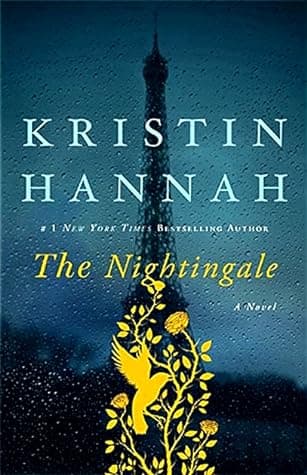
- The Nightingale
Kristin Hannah
4.6 (698k) average on GoodreadsHistorical FictionBoth feature strong female protagonists enduring wartime hardship and making difficult choices.
- The Shell Seekers
Rosamunde Pilcher
4.2 (95k) average on GoodreadsHistorical FictionExplores a woman's life shaped by war and her personal journey of reflection and love.
- King Rat
James Clavell
3.5 (8k) average on GoodreadsFantasyWhile King Rat offers a grittier, more detailed account of male POW experiences in a Japanese camp, A Town Like Alice distinguishes itself by focusing on the unique and often overlooked experiences of female civilians and their struggle for survival and dignity during the same conflict. Shute's novel emphasizes psychological resilience and post-war reconstruction, whereas Clavell's delves deeper into the moral compromises and social hierarchies within the confines of the camp.
- On the Beach
Nevil Shute
3.9 (35k) average on GoodreadsScience FictionOn the Beach, another work by Shute, explores a dystopian post-apocalyptic world grappling with the aftermath of nuclear war, focusing on humanity's final days. In contrast, A Town Like Alice grounds its narrative in a more immediate and personal struggle for survival and reconstruction after a conventional war. While both deal with the consequences of conflict, A Town Like Alice offers a more intimate scale of human resilience and the rebuilding of life and community, rather than the ultimate decline.
- To Kill a Mockingbird
Harper Lee
4.3 (4.5M) average on GoodreadsHistorical FictionIn the 1930s Jim Crow South, Harper Lee writes about racial injustice, moral growth, and the quiet courage of a lawyer father, Atticus Finch, as seen through his young daughter's eyes.
- The Great Gatsby
F. Scott Fitzgerald
3.9 (3.8M) average on GoodreadsHistorical FictionIn the opulent Roaring Twenties, a mysterious millionaire's lavish parties hide his desperate, tragic pursuit of a lost love, exposing the emptiness within the American Dream.




Enjoyed the summary?
A summary gives you the shape of the book. The book itself has the detail, the examples and the voice.
Find A Town Like Alice on AmazonAs an Amazon Associate, BookBrief earns from qualifying purchases. How we're funded