

Synopsis
Covers the whole plot, including the ending.
- Difficulty
- Easy
- Pacing
- Moderate
- Mood
- Heartwarming, Hopeful, Reflective, Gentle
- Read it if
- You enjoy heartwarming stories about the power of reading and personal growth, especially if you're a young reader or looking for a nostalgic, uplifting children's book.
- Skip it if
- You prefer complex plots, high-stakes fantasy, or mature themes, as this book is gentle and character-driven with a focus on simple, profound life lessons.
The Library Card Plot Summary
Covers the whole plot, including the ending.
Mongoose and the Mysterious Blue Card
Mongoose, a boy who dislikes books and watches TV all day, finds a strange blue library card on the sidewalk. He tries to ignore it and throws it away, but the card keeps coming back. Eventually, he feels an urge to enter the library for the first time. Inside, the library feels unusually energetic. He tries to use the card, but the librarian, Miss Aggie, says it is not valid. Despite this, Mongoose feels drawn to the books, especially one about a boy and a dog, and he wants to read for the first time. The card, with its unknown power, seems to have started a new interest in him, moving him away from his screen-focused life.
Brenda's Escape and the Card's Influence
Brenda, a girl who ran away from her neglectful home, lives on the streets and feels lost. She finds the blue library card, which seems to call to her. Drawn by it, she enters the local library, a place she had never thought about before. The card guides her to a book about a runaway girl who finds a new family. As Brenda reads, she starts to see possibilities for her own life, feeling a hope she had not had in days. The library, at first just a warm place, becomes a place of knowledge and comfort. The card, though not officially usable, helps her engage with stories that offer guidance and a way forward, inspiring her to seek help and a better life.
Sonseray's Quest for Identity
Sonseray, a quiet boy who loves words and secretly writes poetry, feels unseen by his family, especially his loud older brothers. He discovers the blue library card, which seems to connect with his creative side. The card leads him to the library, where he reads poetry books. He finds inspiration in famous poets, realizing he can express his own feelings and experiences through verse. The library becomes his quiet place, where he can develop his talent without judgment. The card, a physical object, symbolizes unlocking his inner world and giving him the courage to share his poetry, helping him find his own identity apart from his family's expectations.
April's Past and the Card's Healing Power
April, a girl living with her grandmother, is quiet and carries a difficult memory of her mother leaving and a fire. She finds the blue library card, and unlike the others, at first does not like it, seeing it as another unwanted thing. However, the card, with its subtle pull, eventually draws her into the library. There, she is drawn to books about history and faraway places, finding an escape from her painful reality. The card indirectly leads her to stories that, while not directly about her experience, help her process her emotions and start to heal. The library becomes a place where she can safely explore her feelings and gradually come to terms with her past, helping her find a peace and connection she had lost.
The Card's Journey and Interconnections
The blue library card, after helping Mongoose, Brenda, Sonseray, and April, continues its mysterious journey, appearing and disappearing. It passes through different hands, each time finding someone who needs its influence. The card does not just lead people to books; it seems to awaken a hidden part of them, a desire for knowledge, connection, or self-expression. Each person's experience with the card is unique, suited to their specific needs. The card acts as a quiet, helpful guide, gently pushing people toward the power of reading and the comfort of the library. It shows that a single, small object can affect many lives, connecting different people through a shared, unspoken experience.
Mongoose's Transformation
After his first encounter with the blue card, Mongoose's life changes a lot. He starts visiting the library often, reading books with an intensity that surprises him. He watches much less TV as he finds joy and adventure in stories. He begins to share his new interest with his family, though they are confused by his change. Mongoose's grades improve, and he becomes more thoughtful and imaginative. The blue card, though no longer with him, has permanently changed how he sees the world, turning a reluctant reader into an eager one. This shows how a small spark of interest can have a big effect on a young life.
Brenda's New Beginning
Inspired by the stories she read in the library, Brenda finds the courage to seek help. She talks to a social worker, sharing her story and her wish for a better life. The social worker helps her find temporary housing, and then a loving foster family. Brenda continues to visit the library, now with her own library card, finding comfort and guidance in books. The first meeting with the blue card and the books it led her to were important in her decision to change her situation. She learns to trust again and starts to build a stable future, showing that even in hard times, hope and knowledge can light the way.
Sonseray's Poetic Voice
Encouraged by his time in the library and the inspiration from the blue card, Sonseray starts to write more poetry. He even gets the courage to share his poetry, first with a trusted teacher, and then with his family. To his surprise, his family, especially his brothers, begin to appreciate his talent, seeing a new side of him. Sonseray finds his voice not only in his writing but also when talking to others. The library, and the card that led him there, gave him the safe space and tools he needed to develop his artistic passion and gain confidence in who he is, moving from an unseen boy to a recognized poet.
April's Path to Peace
Through her regular visits to the library, April slowly starts to become less withdrawn. The stories she reads, though not directly about her past, help her understand human emotions and experiences. She begins to talk to her grandmother, sharing her fears and the pain from her mother leaving and the fire. This new communication strengthens their bond. April learns to forgive, both her mother and herself, and finds a way to live with her memories without being overwhelmed. The library, at first an escape, becomes a place of healing and connection, allowing April to find peace and a more hopeful future.
The Enduring Mystery of the Card
The blue library card, having changed the lives of Mongoose, Brenda, Sonseray, and April, continues its silent journey. Its origin is never fully known, nor is its magic explained. It simply appears when needed, disappears when its job is done, and reappears for another person. The card is a symbol of what libraries and books can do. It shows how a small, everyday object can help people grow, discover themselves, and connect. The story ends with the idea that the card's magic is not just in its mysterious appearance, but in its ability to awaken the human desire for stories, knowledge, and a better understanding of oneself and the world.
The Library Card Characters
Mongoose
Protagonist
A TV-obsessed boy who discovers the joy of reading.
Mongoose is introduced as a boy who is completely absorbed by television, viewing books and reading as tedious and unnecessary. He initially resists the mysterious blue library card, even trying to discard it. However, the card's persistent reappearance and an inexplicable pull lead him into the library, where he experiences a profound transformation. He becomes an avid reader, his imagination ignited, and his perspective on the world dramatically broadened. His journey represents the power of books to turn even the most reluctant individual into a passionate learner.
Relationships: Miss Aggie (librarian who observes his transformation)
Brenda
Protagonist
A runaway girl who finds hope and direction through the library.
Brenda is a street-smart but vulnerable girl who has run away from a difficult home life. Feeling isolated and without hope, she finds the blue library card, which guides her to the library. There, she discovers books that offer solace, inspiration, and a vision of a better future. The stories provide her with the courage and direction to seek help and ultimately find a stable, loving environment. Her character highlights the library's role as a refuge and a source of guidance for those in need.
Relationships: Her neglectful parents (cause of her running away)
Sonseray
Protagonist
A quiet, aspiring poet who finds his voice and confidence.
Sonseray is a sensitive and introverted boy who secretly loves words and writes poetry but feels invisible within his boisterous family. The blue library card leads him to the library, where he immerses himself in poetry, finding inspiration and validation for his own creative spirit. The library becomes his sanctuary, allowing him to nurture his talent and eventually gain the confidence to share his work and assert his unique identity. He embodies the idea that libraries can empower individuals to express their true selves.
Relationships: His brothers (initially misunderstand him, later appreciate his talent)
April
Protagonist
A withdrawn girl haunted by her past, who finds healing through stories.
April is a withdrawn girl living with her grandmother, deeply scarred by the abandonment of her mother and a traumatic fire. She initially resists the blue library card, but it eventually draws her to the library. Through reading, she finds an indirect way to process her emotions, confront her past, and eventually open up to her grandmother. The library helps her to heal and find a sense of peace and connection she had lost. Her story emphasizes the therapeutic power of literature.
Relationships: Her grandmother (caregiver and eventual confidante); Her mother (figure from her traumatic past)
Miss Aggie
Supporting
The kind and observant librarian.
Miss Aggie is the main librarian who interacts with Mongoose and observes his transformation. She is presented as a gentle and understanding figure, embodying the welcoming spirit of the library. While she initially tells Mongoose that the blue card isn't valid, she doesn't deter him from exploring the library's offerings. Her presence reinforces the library as a safe and nurturing environment for all who enter.
Relationships: Mongoose (observes his initial interaction with the library)
Mongoose's Parents
Supporting
Initially bewildered, then supportive of Mongoose's change.
Mongoose's parents are initially concerned by his television addiction and later surprised by his sudden interest in reading. They represent the typical adults who might worry about a child's habits but ultimately support positive changes. Their reaction highlights the transformative power of Mongoose's journey.
Relationships: Mongoose (his parents, who see his transformation)
Brenda's Foster Family
Supporting
The loving family who takes Brenda in.
This family provides Brenda with the stable and caring environment she desperately needs after running away. They represent the hope and second chances that can be found through social support systems, indirectly influenced by Brenda's library experiences.
Relationships: Brenda (her new caregivers)
Sonseray's Brothers
Supporting
Initially boisterous and oblivious, later appreciative of Sonseray's talent.
Sonseray's brothers are portrayed as energetic and somewhat overwhelming, initially making Sonseray feel overlooked. Their eventual appreciation for his poetry signifies his growing confidence and the family's recognition of his unique identity.
Relationships: Sonseray (his siblings)
April's Grandmother
Supporting
April's loving caregiver and eventual confidante.
April's grandmother is a supportive figure who cares deeply for April but struggles with April's withdrawn nature. Her patience and love eventually allow April to open up and share her painful memories, strengthening their bond and aiding April's healing process. She represents the enduring power of familial love and support.
Relationships: April (her primary caregiver and emotional support)
The Library Card Themes
The Transformative Power of Reading
This is the main theme, seen through each character's story. Mongoose changes from a TV addict to an eager reader, Brenda finds direction and hope, Sonseray discovers his poetic voice, and April begins to heal from trauma through stories. Reading is shown as a way to grow, discover oneself, and find solutions to life's problems. The book often shows that books can change lives.
“A book can be a door. A book can be a window. A book can be a mirror. A book can be a journey.”
Identity and Self-Discovery
Each character deals with who they are. Mongoose finds a new identity as a reader, Sonseray embraces his identity as a poet, Brenda redefines herself beyond being a runaway, and April reclaims her sense of self from her past trauma. The library and the books they find help them explore themselves, understand what they value, and what they want to become. This theme shows that self-discovery is a continuous process often helped by outside influences.
“He knew who he was now. He was Mongoose, the reader.”
The Library as a Sanctuary and Guide
The library is more than just a place with books; it is a safe space, a refuge, and a source of help. For Brenda, it is a shelter from the streets; for Sonseray, a quiet place for creativity; for April, a place to deal with difficult feelings; and for Mongoose, a door to new worlds. The library, helped by the mysterious card, acts as a kind force, drawing people in and giving them what they need to navigate their lives.
“The library was a place of quiet magic, a place where you could be anyone, go anywhere.”
Hope and Resilience
Despite challenges like neglect, homelessness, feeling unseen, and trauma, the characters show resilience. The blue card and reading give each of them hope, encouraging them to overcome their situations. Brenda finds hope for a new family, April for healing, Sonseray for expressing himself, and Mongoose for learning. The stories suggest that even in hard situations, hope can be found and supported through connection and knowledge.
“Every book was a possibility, every page a new beginning.”
Plot Devices & Literary Techniques
The Mysterious Blue Library Card
A magical, itinerant object that catalyzes personal change.
The blue library card is the central plot device. Its mysterious appearance and disappearance, its inability to be officially used, and its profound impact on four different children make it a magical realism element. It serves as a catalyst, drawing each child into the library and to the specific books they need, thereby initiating their individual transformations. The card itself doesn't speak or act, but its mere presence and transference from one child to another propels the narrative and connects the seemingly disparate stories.
Interweaving Short Stories
A narrative structure that focuses on individual character arcs linked by a common object.
The book is structured as a collection of interconnected short stories, each focusing on a different protagonist. While each story can stand alone, they are all linked by the presence and influence of the blue library card. This device allows Spinelli to explore diverse personal struggles and transformations, demonstrating the universal power of libraries and reading across different contexts, without needing a single overarching plot line beyond the card's journey. It emphasizes the card's wide-ranging, yet individualized, impact.
Symbolism of Books and Reading
Books as metaphors for escape, knowledge, healing, and self-discovery.
Throughout the novel, books are not just physical objects but potent symbols. For Mongoose, they symbolize adventure; for Brenda, a guide to a new life; for Sonseray, a medium for self-expression; and for April, a tool for healing and understanding. Reading itself symbolizes an active engagement with the world, a journey of the mind, and a path to emotional and intellectual growth. The specific types of books each character is drawn to (adventure, runaway stories, poetry, history) further enhance this symbolism, aligning with their individual needs.
The Library as a Character
The library itself functions as a sentient, benevolent entity.
Beyond being a physical setting, the library takes on a character-like quality. It 'hums,' 'calls' to the children, and seems to subtly guide them to the books they need. It is portrayed as a living, breathing entity that provides comfort, knowledge, and opportunity. This personification elevates the library from a mere backdrop to an active participant in the children's transformations, reinforcing its profound importance in their lives and in the community.
The Library Card Quotes
“A library card is a key to a thousand doors.”
“Books are like friends who never leave you.”
“You don't need a ticket to travel the world, just a library card.”
“Sometimes the quietest places hold the loudest stories.”
“A book can change your life, if you let it.”
“Words have power, and in books, they have a home.”
“The library is a place where dreams are stored on shelves.”
“Reading is not just seeing words, it's hearing voices from other worlds.”
“A story can be a bridge between two strangers.”
“In a book, you can be anyone, go anywhere, at any time.”
“The best adventures are the ones you find between the covers of a book.”
“A library card is not just a piece of plastic, it's a passport to imagination.”
“Every book is a new beginning, waiting for someone to turn the page.”
Quiz
10 questions on the plot and the characters. Each answer comes with a short explanation.
Question 1
What is the mysterious object that connects the four main characters in the book?
- A magical book
- A blue library card
- A silver key
- A golden ticket
Show answer
B. A blue library card The blue library card appears mysteriously to Mongoose, Brenda, Sonseray, and April, connecting their stories and serving as their gateway to transformative experiences.
Question 2
Which character is described as having 'nothing in common' with the others at the beginning of the book?
- Mongoose, Brenda, Sonseray, and April
- Only Mongoose and Sonseray
- Brenda and April
- All characters except Mongoose
Show answer
A. Mongoose, Brenda, Sonseray, and April The book explicitly states that Mongoose, Brenda, Sonseray, and April have nothing in common initially, highlighting how the library card brings together diverse individuals.
Question 3
What does the blue library card primarily enable the characters to do?
- Travel to different countries
- Borrow unlimited books for free
- Access the past and imagine new futures
- Become invisible in the library
Show answer
C. Access the past and imagine new futures The card serves as a 'ticket to the past' and helps the characters envision futures they never imagined, as described in the book's summary.
Question 4
How does the book describe the range of stories involving the characters?
- From adventurous to mysterious
- From humorous to heartbreaking
- From romantic to tragic
- From scientific to fantastical
Show answer
B. From humorous to heartbreaking The summary notes that the stories 'range from humorous to heartbreaking,' reflecting the emotional depth and variety in the characters' experiences.
Question 5
What is the author's name, and what award is mentioned in connection to him?
- Jerry Spinelli, Newbery Award
- J.K. Rowling, Pulitzer Prize
- Rick Riordan, Caldecott Medal
- Lois Lowry, National Book Award
Show answer
A. Jerry Spinelli, Newbery Award The book is by Jerry Spinelli, identified as a Newbery-award-winner in the summary, which adds credibility to the storytelling.
Question 6
According to the summary, what do the characters initially fail to guess about the blue card?
- That it can be used to check out books
- That it will change their lives and connect them to the past and future
- That it is magical and can grant wishes
- That it belongs to a famous librarian
Show answer
B. That it will change their lives and connect them to the past and future The summary states, 'None of them guesses it at first, but that strange blue card will be their ticket to the past--and to a future that they never imagined.'
Question 7
What genre is 'The Library Card' primarily classified as, based on the summary?
- Science Fiction and Mystery
- Fantasy, Children's, and Young Adult
- Historical Fiction and Biography
- Horror and Adventure
Show answer
B. Fantasy, Children's, and Young Adult The summary lists the genres as 'Fantasy, Children's, Young Adult,' indicating its target audience and thematic elements.
Question 8
What does Jerry Spinelli reveal as 'lurking behind library doors' in this book?
- Dangerous secrets and mysteries
- Amazing possibilities and transformative experiences
- Ancient artifacts and treasures
- Ghosts of past librarians
Show answer
B. Amazing possibilities and transformative experiences The summary concludes by stating Spinelli 'reveals the amazing possibilities lurking behind library doors,' emphasizing the book's theme of libraries as gateways to imagination and change.
Question 9
In what way does the blue card function as a 'ticket' for the characters?
- It allows them to travel physically through time
- It grants them access to exclusive library events
- It serves as a metaphorical gateway to personal and historical insights
- It is a literal ticket for a train ride to the past
Show answer
C. It serves as a metaphorical gateway to personal and historical insights The card is described as a 'ticket to the past' and to new futures, suggesting it metaphorically enables the characters to explore history and envision change, rather than literal time travel.
Question 10
How does the structure of the book likely present the stories of Mongoose, Brenda, Sonseray, and April?
- As a single continuous narrative focused on one character
- As interconnected vignettes or separate stories linked by the blue card
- As a series of unrelated short stories with no common elements
- As a documentary-style account of library history
Show answer
B. As interconnected vignettes or separate stories linked by the blue card Based on the summary mentioning 'stories that range from humorous to heartbreaking' and four distinct characters connected by the card, it implies a structure of interconnected vignettes or separate tales.
The Library Card FAQ
What is 'The Library Card' about?
The book follows four unrelated children—Mongoose, Brenda, Sonseray, and April—whose lives are transformed when they each receive a mysterious blue library card. The card magically transports them into the past, allowing them to experience pivotal moments in history and literature, which ultimately helps them confront their own personal struggles and envision new futures.
Why should I read 'The Library Card'?
It's a heartwarming and imaginative exploration of how books and libraries can empower young people. Through four distinct, relatable stories, Spinelli blends fantasy with real-world issues like bullying, family conflict, and self-discovery, making it both entertaining and thought-provoking for readers of all ages.
What is the background/setting of 'The Library Card'?
The story is set in a contemporary suburban town, primarily focusing on the characters' everyday environments like schools, homes, and the local library. The magical elements occur when the blue card transports them to various historical and literary settings, such as the Civil Rights era or scenes from classic books.
What are the most memorable quotes?
One key quote is, 'The library card was a ticket to the past, and to a future they never imagined,' highlighting the card's transformative power. Another is from Mongoose's story: 'Sometimes the bravest thing is to walk away,' reflecting his growth in dealing with bullies.
What writing style does the author use?
Spinelli employs a straightforward, accessible narrative with a touch of magical realism, making it suitable for young readers. Each character's story is told in a distinct voice, ranging from humorous and lighthearted to poignant and introspective, seamlessly blending fantasy with emotional depth.
What minor details add significant meaning?
The blue color of the library card symbolizes imagination and possibility, subtly hinting at its magical nature. In Brenda's story, her initial reluctance to read contrasts with her later immersion in books, showing how small acts of curiosity can lead to personal transformation.
What are some subtle foreshadowing moments?
Early in Mongoose's story, his fascination with escape artists foreshadows his own need to 'escape' bullying through the card's adventures. In April's tale, her loneliness and daydreaming subtly hint at the card's role in providing her with the companionship she craves.
What unexpected character connections exist?
Though the four protagonists never meet, they are all linked by the shared experience of receiving the blue card and visiting the same library. This unseen connection emphasizes the universal power of stories to unite people across different backgrounds and struggles.
What are unspoken character motivations?
Mongoose is driven by a deep-seated fear of failure and desire for acceptance, which he masks with bravado. Brenda's initial disinterest in reading stems from a fear of being judged as 'uncool,' but underneath, she yearns for intellectual stimulation and escape from peer pressure.
What psychological complexities do characters exhibit?
Sonseray grapples with anger and resentment due to his troubled home life, yet his card experiences reveal a latent empathy and curiosity. April's shyness and overactive imagination border on escapism, but through the card, she learns to channel her creativity into real-world confidence.
What are the major emotional turning points?
For Mongoose, it's when he witnesses historical courage through the card and decides to stand up to bullies. For Brenda, the turning point is realizing that books offer a refuge from social anxiety, leading her to embrace reading openly.
How do relationship dynamics evolve?
Mongoose's relationship with his peers shifts from one of fear and avoidance to one of assertiveness and respect. In April's story, her bond with her family improves as she shares her card-inspired adventures, bridging the gap caused by her daydreaming.
Which parts remain ambiguous or open-ended?
The origin of the blue library card is never explained—it simply appears magically, leaving readers to wonder if it's a product of imagination, fate, or library magic. Additionally, whether the characters ever realize they share the card experience is left open to interpretation.
What are controversial scenes or decisions?
Some readers might debate Sonseray's initial hostility and whether his transformation through the card is too abrupt. Others may find the magical elements unrealistic, questioning how fantasy blends with the book's realistic themes of childhood struggles.
'The Library Card' ending explained: how it ends & what it means
The book ends with each character having grown from their card experiences—Mongoose gains courage, Brenda finds joy in reading, Sonseray discovers hope, and April builds confidence. It suggests that libraries and stories offer timeless tools for personal growth, leaving their futures open but brighter.
About the author

Jerry Spinelli is an American author known for his contributions to children's and young adult literature. His notable works include "Stargirl," "Maniac Magee," "Milkweed," "Loser," "Smiles to Go," and "The Library Card," which often explore themes of individuality and resilience. Spinelli's writing has earned him various awards, including the Newbery Medal for "Maniac Magee."
Similar books
- Stargirl
Jerry Spinelli
3.8 (296k) average on GoodreadsChildren'sShares Spinelli's signature style of quirky characters and themes of individuality and self-discovery.
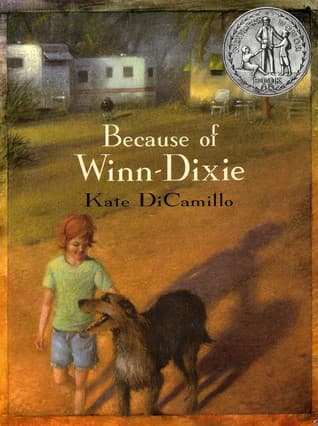
- Because of Winn-Dixie
Kate DiCamillo
4.0 (206k) average on GoodreadsChildren'sFeatures a young protagonist finding connection and healing through unexpected circumstances and relationships.
- The Phantom Tollbooth
Norton Juster
4.2 (242k) average on GoodreadsFantasyExplores the magic of words and learning through a fantastical journey, though 'The Library Card' is more grounded.
- Coraline
Neil Gaiman
4.0 (23k) average on GoodreadsFantasyWhile both use fantasy to explore childhood challenges, Gaiman's Coraline offers a more tightly constructed narrative with a singular, well-developed magical world and a clearer thematic focus on courage and self-reliance, providing a more cohesive and impactful reading experience than Spinelli's episodic approach.
- Harry Potter and the Sorcerer's Stone
J.K. Rowling
4.5 (7M) average on GoodreadsFantasyRescued from a miserable life under the stairs, an orphaned boy discovers he's a wizard destined for a magical school, where he uncovers a dangerous secret tied to the dark wizard who murdered his parents.
- The Hunger Games
Suzanne Collins
4.3 (6.4M) average on GoodreadsFantasyIn a future where children fight to the death on live television, Katniss Everdeen volunteers for the arena, turning a death sentence into a fight for survival and a spark of rebellion.




Enjoyed the summary?
A summary gives you the shape of the book. The book itself has the detail, the examples and the voice.
Find The Library Card on AmazonAs an Amazon Associate, BookBrief earns from qualifying purchases. How we're funded