
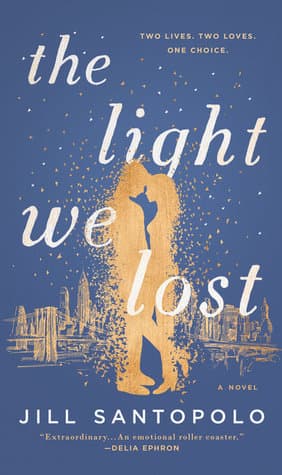
Synopsis
Covers the whole plot, including the ending.
- Difficulty
- Easy
- Pacing
- Moderate
- Mood
- Bittersweet, Reflective, Romantic, Melancholy
- Read it if
- You enjoy emotionally charged, long-term romance novels with a focus on 'what if' scenarios and the complexities of fate versus choice.
- Skip it if
- You prefer straightforward love stories without significant emotional angst or infidelity, or if you dislike open-ended romantic conclusions.
The Light We Lost Plot Summary
Covers the whole plot, including the ending.
September 11th, 2001: The Beginning
Lucy and Gabe, both seniors at Columbia University, meet on September 11, 2001, when the World Trade Center towers are attacked. They are strangers brought together by the shared trauma, finding comfort and an instant connection amidst the chaos and fear in New York City. They spend the day together, talking about their fears, dreams, and the desire for their lives to matter. This day sets the stage for their intense relationship, giving their connection a sense of urgency and belonging, as they both deal with the fragility of life and the importance of purpose.
A Year Later: Reconnecting and Falling in Love
A year after 9/11, Lucy and Gabe run into each other at a memorial event. The spark is still there, and they quickly begin a passionate relationship. They spend their final year of college deeply in love, sharing everything and imagining a future together. Gabe, a budding photojournalist, wants to document the world's truths. Lucy, an aspiring writer, is drawn to the stability and emotional depth of their connection. Their relationship during this time is marked by strong intimacy and a shared belief in their unique bond.
The First Separation: Gabe's Calling
After graduation, Gabe receives an offer for a photojournalism assignment in the Middle East. He feels he must take this opportunity to pursue his passion and make a difference. Lucy is heartbroken but understands his ambition, though she wants him to stay. They make the difficult decision to break up, believing that the distance and the demands of his dangerous career will be too much for their relationship. This separation is the first major split in their paths, as they prioritize individual dreams over their shared future.
Lucy's Life in New York
After Gabe leaves, Lucy focuses on her career in publishing in New York City. She meets Darren, a kind and stable man who works in finance. Darren offers Lucy the security, predictability, and steady support that Gabe, with his adventurous and often absent lifestyle, could not. Lucy gradually falls in love with Darren, appreciating his reliability and the comfortable life they build together. They move in together, and their relationship moves towards marriage and starting a family. This is a clear contrast to the intense connection she shared with Gabe.
Intermittent Reconnections: The Email Exchange
Through the years, even as Lucy builds her life with Darren and Gabe travels the world, they exchange emails off and on. These emails often contain updates on their lives, reflections on their experiences, and subtle expressions of lingering affection and deep understanding. These exchanges keep their emotional bond alive and remind them of the deep connection they once shared. The emails are a private space where they can be completely honest with each other, free from their current realities.
Gabe's Return and the Resurfacing Feelings
Several years later, Gabe returns to New York for a time, bringing him back into Lucy's life. Their reunion is charged with unspoken history and undeniable chemistry. Despite Lucy's stable relationship with Darren, her old feelings for Gabe return with overwhelming force. They spend time together, reminiscing and acknowledging the lasting power of their connection. This period tests Lucy's commitment to Darren and forces her to confront the 'what ifs' of her past with Gabe.
A Moment of Betrayal
During one of Gabe's visits, the emotional intensity between him and Lucy leads to a passionate kiss, bordering on more. This physical act is a betrayal of Lucy's relationship with Darren, and it leaves her deeply conflicted. She struggles with guilt and the return of her strong feelings for Gabe, understanding the serious implications of her actions. This moment shows Gabe's lasting pull on her heart, even as she tries to build a life with someone else.
Life's Milestones: Marriage and Children
Despite the emotional turmoil caused by Gabe's presence, Lucy ultimately chooses the stability and love offered by Darren. They marry and have two children, a son named Henry and a daughter named Amelia. Lucy embraces motherhood and the comfortable, loving family life she has built with Darren. This period represents her desire for a settled, conventional life, a clear contrast to the unpredictable path Gabe has chosen. She finds happiness and contentment in her family, even as a part of her heart still remembers Gabe.
Gabe's Evolving Career and Personal Sacrifices
Gabe's career as a photojournalist takes him to many conflict zones and difficult environments around the world. He receives significant recognition for his work, capturing powerful and often heartbreaking images. However, his chosen path comes with great personal sacrifices, including loneliness, exposure to trauma, and the inability to maintain stable personal relationships. He witnesses unimaginable suffering, and these experiences shape him, making him both more insightful and more distant from a conventional life.
The Final Reckoning: A New Choice
Years later, Gabe decides to return to New York permanently. He has achieved much in his career but also feels the toll of his choices. His return happens when Lucy is reflecting on her life and choices. Gabe, now more settled, expresses his lasting love for Lucy and his desire for a future with her. This forces Lucy to make a big decision: to stay with her stable and loving family or to finally pursue the intense love she has always shared with Gabe, knowing the serious consequences of either choice.
The Decision and Its Aftermath
Lucy struggles intensely with her decision, weighing her love for Darren and her children against Gabe's undeniable, lasting pull. She considers the happiness and stability she has built, and the potential heartbreak she would cause. The book's structure shows Lucy writing this story in the present, leading up to her final decision. The story ends with Lucy making her choice, which is implied to be to stay with her family. She recognizes that while Gabe was the 'light she lost,' her present life, though less intensely passionate, offers a different kind of deep love and fulfillment.
The Light We Lost Characters
Lucy
Protagonist
A woman torn between an intense, fated love and a stable, loving family life.
Lucy is an intelligent and empathetic woman, initially an aspiring writer who eventually builds a career in publishing. She is deeply thoughtful and values connection, security, and emotional depth. While she possesses a romantic and idealistic heart, evidenced by her profound bond with Gabe, she also yearns for stability and a conventional, happy life. Her journey is defined by her internal conflict between following her heart's most passionate desire and choosing the path that offers security, family, and a different kind of love.
Relationships: Gabe (Intense, fated, passionate, but ultimately unstable love); Darren (Stable, devoted, loving, and supportive husband); Henry (Son, source of unconditional love and fulfillment); Amelia (Daughter, source of unconditional love and fulfillment)
Gabe
Love Interest / Catalyst
A driven photojournalist who embodies passion, wanderlust, and a profound connection to Lucy.
Gabe is an ambitious and passionate photojournalist, driven by a desire to capture truth and make a difference in the world. He is intense, charismatic, and deeply connected to Lucy on an almost spiritual level. His career takes him to dangerous parts of the world, prioritizing his calling over personal stability. While he deeply loves Lucy, his independent and adventurous spirit often conflicts with the possibility of a conventional life. He represents the 'what if' and the road not taken for Lucy.
Relationships: Lucy (Intense, fated, passionate, but ultimately unstable love)
Darren
Husband / Supporting Character
Lucy's stable, loving, and reliable husband.
Darren is a kind, steady, and dependable man who works in finance. He provides Lucy with the security, comfort, and unwavering support that Gabe, with his transient lifestyle, cannot. He is deeply devoted to Lucy and their children, representing a love that is less tempestuous but profoundly stable and nurturing. Darren is the embodiment of the 'good choice,' offering a safe harbor in contrast to the unpredictable currents of Lucy's connection with Gabe. He is a loving father and a committed husband, forming the foundation of Lucy's chosen life.
Relationships: Lucy (Stable, devoted, loving, and supportive husband); Henry (Son, loving father); Amelia (Daughter, loving father)
Henry
Supporting
Lucy and Darren's son.
Henry is Lucy and Darren's eldest child. He represents the tangible reality of Lucy's chosen life and the profound love she has for her family. His presence anchors Lucy to her current reality and makes the thought of leaving her family for Gabe almost unbearable. He is a source of joy and fulfillment for Lucy, symbolizing the deep, unconditional love of motherhood.
Amelia
Supporting
Lucy and Darren's daughter.
Amelia is Lucy and Darren's younger child. Like Henry, she embodies the loving family life Lucy has built with Darren. Her innocence and dependence further solidify Lucy's commitment to her family and the happiness she finds in her role as a mother. She is another vital reason for Lucy's ultimate decision, representing the profound and selfless love of a parent.
Relationships: Lucy (Daughter); Darren (Daughter); Henry (Sister)
Chloe
Supporting
Lucy's best friend.
Chloe is Lucy's loyal and supportive best friend. She is a confidante and sounding board for Lucy throughout her life, offering advice, comfort, and perspective on Lucy's complex romantic entanglements. Chloe represents a consistent source of stability and friendship, helping Lucy navigate her difficult choices and emotional turmoil.
Relationships: Lucy (Best friend)
The Light We Lost Themes
Fate vs. Choice
This central theme explores whether Lucy and Gabe's strong connection is meant to be, or if their life choices ultimately decide their paths. Their initial meeting on 9/11 feels fated, giving their relationship a sense of destiny. However, their later separations are a result of choices: Gabe choosing his career, Lucy choosing stability with Darren. The novel constantly questions if their love was strong enough to overcome these choices, or if the choices themselves defined their separate paths. Lucy's final decision is the ultimate example of this theme, as she actively chooses one life over another, seemingly breaking a 'fated' bond.
“Maybe love was not a feeling at all. Maybe it was a choice. A choice to stay, a choice to fight, a choice to love, even when it was hard.”
The Nature of Love
The novel explores different forms of love: the intense, passionate, all-consuming love Lucy shares with Gabe, often called 'the light,' versus the stable, comforting, and devoted love she experiences with Darren. The book asks if one form of love is better or if happiness can be found in different emotional experiences. Gabe represents the idealized, romantic love that challenges and inspires, while Darren embodies the practical, nurturing love that provides security and builds a family. Lucy's struggle highlights that love is not all one thing and often requires trade-offs between passion and peace.
“He was the light. But Darren was the steady, gentle warmth that kept me from freezing.”
Sacrifice and Regret
Both Lucy and Gabe make significant sacrifices throughout their lives, leading to moments of regret. Gabe sacrifices a stable relationship and family life for his career, enduring loneliness and trauma. Lucy sacrifices the intense, 'soulmate' connection with Gabe for the stability and family she builds with Darren. The novel subtly explores the lingering 'what ifs' and the emotional cost of these choices. The emails between them serve as a constant reminder of the path not taken, creating a persistent feeling of longing and potential regret, even in moments of happiness.
“It was impossible to live a life without regrets. Impossible to choose one path without wondering what the other would have held.”
Purpose and Ambition
The desire for their lives to 'mean something' is a foundational theme, stemming from Lucy and Gabe's meeting on 9/11. Gabe's ambition to be a photojournalist documenting global events is a clear example of this, driving him to dangerous places and shaping his identity. Lucy, initially a writer, finds her purpose in building a family and creating a stable, loving home. The book questions whether purpose can be found only in grand endeavors or equally in the everyday acts of love and commitment, contrasting Gabe's global impact with Lucy's personal fulfillment.
“We both wanted our lives to mean something. To matter. We just had different ideas of what that looked like.”
Plot Devices & Literary Techniques
Framing Device: The Letter/Story
Lucy narrates her story to Gabe, leading up to a crucial decision.
The entire novel is framed as Lucy writing her story, addressing Gabe directly, leading up to a pivotal choice she must make in the present. This device allows Lucy to reflect on her past with Gabe and Darren, providing her internal thoughts, doubts, and memories with a direct, confessional tone. It builds suspense towards her ultimate decision and provides a personal, intimate lens through which the reader experiences her journey, making the 'why' behind her choices as important as the 'what'.
Symbolism: The 'Light'
Gabe and their intense love are referred to as 'the light,' representing passion and destiny.
Gabe and the intense, fated love he shares with Lucy are consistently referred to as 'the light.' This metaphor symbolizes the passion, inspiration, and almost magical connection they share. It represents the idealized, all-consuming love that feels destined. The title, 'The Light We Lost,' directly references this, suggesting that Lucy consciously or unconsciously let go of this intense passion in favor of a different kind of love and life, or perhaps that it was never truly lost, but transformed.
Epistolary Elements: Emails
Emails between Lucy and Gabe maintain their emotional connection across distance and time.
The intermittent email exchanges between Lucy and Gabe serve as an epistolary device. These emails are crucial for maintaining their emotional connection and providing updates on their separate lives, even when they are physically apart. They allow for a private, intimate dialogue where they can be vulnerable and honest, keeping the flame of their connection alive. The emails highlight the enduring nature of their bond and foreshadow their eventual reunions, acting as a constant thread weaving through their divergent paths.
Catalyst: September 11th
The 9/11 attacks act as the catalyst for Lucy and Gabe's initial, profound connection.
The events of September 11, 2001, serve as a powerful catalyst for Lucy and Gabe's relationship. The shared trauma and the realization of life's fragility forge an immediate, deep bond between them. This dramatic beginning imbues their connection with a sense of urgency, destiny, and the desire to make their lives meaningful. It sets the tone for their intense relationship and influences their subsequent life choices, as both seek purpose in the aftermath of such a profound national tragedy.
The Light We Lost Quotes
“Sometimes, the hardest thing to do is to let go of what you thought was your future.”
“Love isn't about finding someone perfect. It's about finding someone who makes you feel perfect, even when you're not.”
“Every goodbye isn't forever. Sometimes, it's just a promise to meet again.”
“We build our lives on a series of choices, and sometimes, the hardest choice is the one that changes everything.”
“Some people come into your life and leave footprints on your heart, and you are never, ever the same.”
“The past isn't a place you can live, but it's a place you can learn from.”
“Maybe the truest love isn't about grand gestures, but about the quiet, everyday moments that make up a lifetime.”
“There are some people who, no matter how much time passes, always feel like home.”
“Sometimes, the light we lost is the one that guides us back to ourselves.”
“You can't force someone to love you, and you can't stop yourself from loving someone else.”
“The hardest part of moving on is not forgetting, but accepting that some things will never be the same.”
“Life has a funny way of bringing you back to where you're meant to be, even if you take the longest way around.”
“It's not about finding someone to complete you, but finding someone who inspires you to be more complete on your own.”
“Grief is love with nowhere to go.”
Quiz
10 questions on the plot and the characters. Each answer comes with a short explanation.
Question 1
Where do Lucy and Gabe first meet as seniors?
- New York Public Library
- Columbia University
- A coffee shop in Greenwich Village
- Central Park
Show answer
B. Columbia University The book states that Lucy and Gabe meet as seniors at Columbia University on a day that changes both of their lives forever.
Question 2
What career path does Gabe pursue after college?
- A journalist in New York
- A photojournalist assigned to the Middle East
- A teacher in an underprivileged school
- A corporate lawyer
Show answer
B. A photojournalist assigned to the Middle East After college, Gabe becomes a photojournalist and is assigned to the Middle East, a key detail that separates him and Lucy geographically.
Question 3
What is the primary theme explored through Lucy and Gabe's thirteen-year journey?
- The pursuit of financial success
- The balance between career ambition and family life
- The enduring nature of love amidst separation and life choices
- The impact of social media on relationships
Show answer
C. The enduring nature of love amidst separation and life choices The narrative explicitly describes their journey as one of 'dreams, desires, jealousies, betrayals, and, ultimately, of love,' highlighting the enduring nature of their connection despite physical and emotional distances.
Question 4
What significant event brings Lucy and Gabe together again a year after their initial meeting?
- A mutual friend's wedding
- A Columbia University alumni event
- It is described as seeming 'fated,' implying a serendipitous encounter rather than a planned event.
- They intentionally seek each other out after a period of reflection.
Show answer
C. It is described as seeming 'fated,' implying a serendipitous encounter rather than a planned event. The text states, 'When they meet again a year later, it seems fated,' suggesting a chance, meaningful reunion rather than a pre-arranged one.
Question 5
What is Lucy's initial career pursuit as Gabe goes to the Middle East?
- She pursues a career in New York.
- She joins Gabe in the Middle East.
- She travels the world as a freelance writer.
- She returns to her hometown to teach.
Show answer
A. She pursues a career in New York. The description states that 'Gabe becomes a photojournalist assigned to the Middle East and Lucy pursues a career in New York,' highlighting their divergent paths.
Question 6
The story begins with Lucy facing a 'life-altering choice.' What does this framing device imply about the narrative structure?
- The entire book will be told from Gabe's perspective.
- The story will be told as a flashback, leading up to this present-day decision.
- Lucy's choice will be revealed in the first chapter.
- The choice is about whether to continue her career or start a family.
Show answer
B. The story will be told as a flashback, leading up to this present-day decision. The text states, 'But before she can make her decision, she must start her story—their story—at the very beginning,' indicating a retrospective narrative leading to the present choice.
Question 7
What question does the narrative repeatedly pose regarding Lucy and Gabe's relationship?
- Was it fate that brought them together? Is it choice that has kept them away?
- Can true love survive economic hardship? Is career more important than companionship?
- Do childhood sweethearts always end up together? Can long-distance relationships truly work?
- Is forgiveness always possible? Can betrayals ever be overcome?
Show answer
A. Was it fate that brought them together? Is it choice that has kept them away? The summary explicitly asks, 'Was it fate that brought them together? Is it choice that has kept them away?' This highlights the central dilemma of their relationship.
Question 8
The phrase 'He was the first person to inspire her, to move her, to truly understand her' suggests what about Gabe's initial impact on Lucy?
- He offered her a job opportunity she couldn't refuse.
- He was a significant catalyst for her personal and emotional growth.
- He was her first romantic relationship.
- He helped her overcome a major academic challenge.
Show answer
B. He was a significant catalyst for her personal and emotional growth. The description emphasizes an emotional and intellectual connection, indicating Gabe's profound influence on Lucy's inner world and development.
Question 9
Given the description of 'dreams, desires, jealousies, betrayals, and, ultimately, of love,' what can be inferred about the nature of Lucy and Gabe's relationship over the thirteen years?
- It was consistently stable and uneventful.
- It was marked by significant emotional highs and lows, complexities, and challenges.
- It was primarily a platonic friendship that eventually developed into romance.
- They spent most of the thirteen years living happily together.
Show answer
B. It was marked by significant emotional highs and lows, complexities, and challenges. The inclusion of 'jealousies' and 'betrayals' alongside 'dreams' and 'desires' strongly implies a tumultuous and complex relationship, full of emotional peaks and valleys.
Question 10
The statement 'Their journey takes Lucy and Gabe continents apart, but never out of each other’s hearts' primarily highlights which aspect of their relationship?
- Their shared interest in international travel.
- The enduring emotional bond despite physical separation.
- Their inability to commit to a single location.
- The difficulties of maintaining a long-distance friendship.
Show answer
B. The enduring emotional bond despite physical separation. This sentence directly addresses the physical distance ('continents apart') versus the emotional closeness ('never out of each other’s hearts'), emphasizing the strength of their connection despite challenges.
The Light We Lost FAQ
What is the central premise of 'The Light We Lost'?
The novel explores the thirteen-year on-again, off-again romance between Lucy and Gabe, who meet during their senior year at Columbia University. It delves into their intertwined lives as they pursue separate ambitious careers—Gabe as a photojournalist in the Middle East and Lucy in New York—and examines the choices, fate, and sacrifices involved in their love story.
Who are the main characters in the story?
The primary characters are Lucy, an aspiring writer who works in television production, and Gabe, a passionate photojournalist who dedicates himself to capturing significant global events. Their relationship forms the core of the narrative, with their individual journeys and shared history driving the plot.
What significant event brings Lucy and Gabe together initially?
Lucy and Gabe first meet as seniors at Columbia University on September 11, 2001. This pivotal day profoundly impacts their perspectives on life's meaning and purpose, inspiring their mutual desire to make their lives matter, a theme that resonates throughout their relationship.
How does the narrative structure contribute to the story's emotional impact?
The story is framed by Lucy's present-day decision-making, as she recounts her entire history with Gabe from their first meeting. This retrospective structure allows readers to experience their journey chronologically while understanding the weight of her final choice, building suspense and emotional depth.
What are the primary obstacles Lucy and Gabe face in their relationship?
Their relationship is constantly challenged by geographical distance, as Gabe's photojournalism career takes him to dangerous conflict zones, while Lucy builds her life in New York. Additionally, their differing career ambitions, personal insecurities, and external relationships create significant barriers to their sustained togetherness.
What is the significance of the recurring motif of 'making their lives matter'?
This motif, born from their shared experience on 9/11, drives both Lucy and Gabe's career choices and personal sacrifices. For Gabe, it manifests in his dedication to photojournalism in conflict zones, while for Lucy, it evolves through her television work and ultimately her writing, reflecting their individual interpretations of purposeful living.
How does Gabe's career as a photojournalist impact his character development?
Gabe's experiences in war zones and impoverished regions harden him and deepen his resolve to document human suffering, but also create emotional distance from Lucy. His dedication to his work often overshadows his personal life, making him seem both noble and tragically unavailable.
Are there any symbolic objects or recurring themes beyond 'making life matter'?
The idea of 'light' itself is a pervasive symbol, representing hope, understanding, and the clarity they seek in their relationship. Photos and images also serve as a recurring theme, not just through Gabe's profession but also in Lucy's memories, capturing moments they wish to preserve.
How does Lucy's career in television production influence her growth?
Lucy's work in television, initially seen as a contrast to Gabe's more 'meaningful' career, eventually helps her develop her own voice and storytelling abilities. It provides her with financial independence and a sense of purpose, even as she grapples with the perceived importance of her work compared to Gabe's.
How does Lucy's internal conflict between fate and choice manifest?
Lucy constantly grapples with whether her connection with Gabe is an undeniable destiny or a series of conscious decisions, both good and bad, that have shaped their path. This internal debate influences her present-day choice, as she reflects on past opportunities and missed connections.
What psychological impact do Gabe's distant and dangerous assignments have on Lucy?
Gabe's frequent absences and exposure to danger cause Lucy significant anxiety, loneliness, and feelings of abandonment. This fosters insecurity and resentment, pushing her to seek stability and companionship elsewhere, even while her heart remains tied to Gabe.
How do jealousy and betrayal play a role in their relationship's psychology?
Both Lucy and Gabe experience jealousy over each other's new relationships and perceived happiness with others during their separations. Betrayals, both emotional and physical, further complicate their bond, forcing them to confront their deepest insecurities and the limits of their forgiveness.
What is the psychological significance of the 'what if' scenarios Lucy contemplates?
Lucy's frequent contemplation of 'what if' moments highlights her struggle with regret and her desire to understand the turning points in their relationship. This rumination reveals her longing for a different outcome and her attempt to reconcile past choices with her present circumstances.
Is the ending of 'The Light We Lost' truly definitive, or open to interpretation?
While Lucy makes a clear decision in the present, the novel leaves room for interpretation regarding the long-term emotional impact of that choice and the true nature of love's endurance. Readers may debate whether her decision brings ultimate peace or a different kind of sacrifice.
Does the novel suggest that true love can overcome any obstacle, or are some relationships simply not meant to be?
The book presents a nuanced view, showing that while their love is deep and enduring, external circumstances and personal choices create seemingly insurmountable barriers. It prompts readers to consider whether love alone is enough, or if compatibility in life goals and practicalities ultimately dictate a relationship's success.
How does the title 'The Light We Lost' relate to the story's themes?
The title refers to the initial spark of hope and shared purpose Lucy and Gabe found on 9/11, and the subsequent dimming or loss of that pure, unburdened light as life's complexities, compromises, and heartbreaks accumulate. It speaks to lost innocence, lost opportunities, and the fading of a dream.
What message does the book convey about sacrificing personal desires for a greater purpose?
The novel explores the cost of such sacrifices, particularly through Gabe's dedication to his work, which comes at the expense of a stable personal life with Lucy. It questions whether noble pursuits are always worth the personal toll, and whether individuals can truly find fulfillment without both.
How does the political backdrop of the Middle East influence the romantic narrative?
The ongoing conflicts in the Middle East serve as a constant, looming presence, directly impacting Gabe's career and forcing him away from Lucy for extended periods. This geopolitical reality grounds their personal love story in a larger, often tragic, global context, highlighting the fragility of life and the human desire for meaning.
Similar books
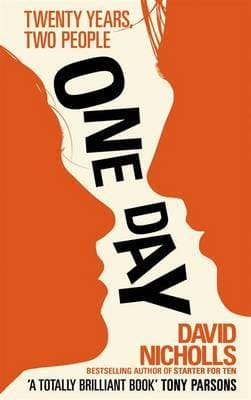
- One Day
David Nicholls
3.8 (287k) average on GoodreadsRomanceExplores a long-term, on-again, off-again relationship over many years with a bittersweet tone.
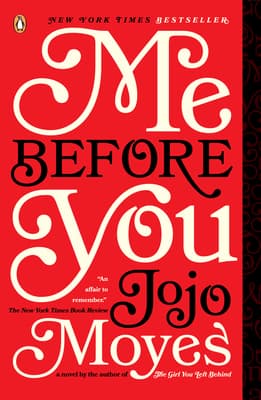
- Me Before You
Jojo Moyes
4.3 (1.1M) average on GoodreadsRomanceDeals with profound love and difficult choices, often leaving the reader with a sense of bittersweet reflection.
- The Seven Husbands of Evelyn Hugo
Taylor Jenkins Reid
4.3 (222k) average on GoodreadsHistorical FictionReid's novel, while not a traditional romance, masterfully uses a retrospective narrative to explore a complex, lifelong love affair with deeply flawed characters who make difficult choices with lasting consequences. Santopolo's narrative often simplifies moral ambiguities and character motivations, lacking the rich tapestry of human experience found in Reid's work.
- The Hunger Games
Suzanne Collins
4.3 (6.4M) average on GoodreadsFantasyIn a future where children fight to the death on live television, Katniss Everdeen volunteers for the arena, turning a death sentence into a fight for survival and a spark of rebellion.
- The Great Gatsby
F. Scott Fitzgerald
3.9 (3.8M) average on GoodreadsHistorical FictionIn the opulent Roaring Twenties, a mysterious millionaire's lavish parties hide his desperate, tragic pursuit of a lost love, exposing the emptiness within the American Dream.
- The Fault in Our Stars
John Green
4.2 (3.6M) average on GoodreadsYoung AdultA girl with a terminal illness finds her story rewritten when a charming boy with a similar past enters her life at a cancer support group, leading to a star-crossed romance.




Enjoyed the summary?
A summary gives you the shape of the book. The book itself has the detail, the examples and the voice.
Find The Light We Lost on AmazonAs an Amazon Associate, BookBrief earns from qualifying purchases. How we're funded