

Synopsis
Covers the whole plot, including the ending.
- Difficulty
- Easy
- Pacing
- Moderate
- Mood
- Heartwarming, Thought-provoking, Hopeful, Historical
- Read it if
- You enjoy historical fiction that explores themes of friendship, courage, and social justice through the eyes of a young protagonist.
- Skip it if
- You prefer fast-paced thrillers or stories without a strong historical context.
The Lions of Little Rock Plot Summary
Covers the whole plot, including the ending.
Marlee's Quiet World and Liz's Arrival
It is 1958 in Little Rock, Arkansas. Twelve-year-old Marlee Nisbett is very shy, preferring to count things and stay silent. Her older sister, Judy, is frustrated by her quietness, and her parents try to encourage her. Governor Faubus has just closed the Little Rock high schools to prevent integration, and the city is tense. At West Side Junior High, a new girl named Liz transfers into Marlee's class. Liz is confident, articulate, and immediately befriends Marlee, despite Marlee's shyness. Liz helps Marlee navigate social situations, stand up to the class bully, Sally, and encourages her to speak up in class, offering a needed friendship in Marlee's isolated world.
Liz's Sudden Disappearance and the Rumor
Marlee and Liz's friendship grows as they spend time together, sharing secrets and supporting each other. Liz introduces Marlee to new ideas and helps her gain confidence, even teaching her how to ride a bike. One day, Liz is suddenly absent from school. The teachers are vague, and a rumor spreads among the students: Liz was a Black girl who had been 'passing' as white to attend West Side Junior High. This news shakes Marlee's understanding of her friend and their segregated world. Marlee, though confused and hurt by Liz's disappearance, does not believe the negative gossip and wants to find her friend.
Marlee's Search and the First Secret Meeting
After Liz's disappearance, Marlee feels a great sense of loss and isolation. She tells her family, especially her older brother, David, who knows more about the racial tensions in Little Rock. Marlee's mother, a quiet but strong woman, supports Marlee's wish to find Liz. Through inquiries and hints from her family, Marlee learns that Liz might be living in the 'colored' part of town. With help from her family's maid, Betty Jean, Marlee sends a message to Liz, leading to their first secret reunion at the Little Rock Zoo, near the lion enclosure, a significant place for Marlee.
The Dangers of Their Friendship
Marlee and Liz meet secretly at the zoo. Liz explains the truth about her identity and her family's decision to have her 'pass' for a better education. Despite the risks, they decide to continue their friendship, using coded messages and secret meeting spots. They develop a communication system, often using the library or other public places where their interactions would not draw suspicion. Liz shares her experiences and fears as a Black girl in a segregated society, showing Marlee the realities of racial injustice. Their bond strengthens, but the threat of discovery looms, especially as racial tensions in Little Rock increase.
The Closure of Schools and Escalating Tensions
Governor Faubus's decision to close all four Little Rock high schools for the entire academic year (1958-1959) increases racial tensions in the city. This move is a direct response to the federal court order for desegregation, leaving thousands of students, including Marlee's sister Judy and Liz's older brother, unable to attend school. The closure creates frustration and anger among both white and Black communities. For Marlee and Liz, the school closures mean that their secret meetings become even more important for connection and normalcy, but also more dangerous as public scrutiny and racial animosity grow.
Marlee's Growing Awareness and Activism
Through her friendship with Liz, Marlee understands racial inequality better. She starts noticing the subtle and obvious ways segregation impacts daily life, from separate drinking fountains to the different opportunities for Black and white citizens. Encouraged by Liz's quiet strength and her own growing sense of justice, Marlee begins to take small, personal stands against segregation. She intentionally drinks from the 'colored' water fountain and questions the assumptions of her peers and some adults, finding her voice for herself and for what she believes is right. This new courage comes from her bond with Liz.
The Threat to Liz's Family
As the fight for integration grows, Liz's family, especially her father, Mr. Rome, becomes more involved in the civil rights movement, attending meetings and advocating for desegregation. This activism, with Liz attending West Side, draws unwanted attention and threats to their home. Marlee learns that Liz's family is being harassed, receiving anonymous phone calls and having their property damaged. The danger to Liz and her family becomes real, showing the severe consequences faced by those who challenged the racial status quo in Little Rock.
Marlee's Public Stand and the Lions
Marlee's quiet change leads to a moment at a public gathering. When Sally, the school bully, makes bad remarks about Liz and Black people, Marlee, usually silent, speaks up. She publicly defends Liz and challenges Sally's prejudice, speaking with unexpected strength and clarity. This act of defiance marks a turning point for Marlee, showing her growth and her loyalty to her friend. The encounter, which happens near the lion enclosure at the zoo, reinforces the 'lions' in the title, representing courage and strength when facing trouble.
The Nisbetts' Difficult Decision and Liz's Departure
The growing threats against Liz's family, including an incident involving her brother, make them decide to leave Little Rock for good. They plan to move North, where Liz and her brother can attend integrated schools and live without constant fear. At the same time, Marlee's father faces pressure at work because of Marlee's association with Liz and her family's more progressive stance on integration. The Nisbetts also consider leaving Little Rock to protect their family, showing how racial tensions affected all residents, regardless of their personal beliefs.
A bittersweet Farewell and Enduring Friendship
Marlee and Liz have one last secret meeting before Liz's family leaves. It is a farewell, with tears but also with a shared understanding of their lasting bond. They promise to write to each other, a commitment to maintaining their friendship across the miles and the racial divide. Marlee realizes how much Liz has changed her, helping her find her voice and understand the world with more empathy and courage. Although separated, their friendship has left a mark on both girls, especially Marlee, who has changed from a silent, fearful child into a brave young woman willing to stand up for justice.
Principal Figures
Marlee Nisbett
Protagonist
A shy, quiet twelve-year-old who finds her voice and courage through an unlikely friendship.
Marlee begins the story as an extremely introverted and anxious girl, preferring to count objects and remain silent rather than speak, especially in social situations. She struggles with bullies like Sally and feels isolated. Her friendship with Liz is transformative, helping her to overcome her fear of speaking and inspiring her to question the racial injustices of her world. Marlee's journey is one of self-discovery and moral awakening, as she learns to stand up for what is right, even when it's difficult or dangerous. Her love for math and logic initially provides comfort, but her bond with Liz teaches her the importance of human connection and empathy.
Relationships: Liz Rome (Best friend, catalyst for Marlee's growth); Judy Nisbett (Older sister, often critical but caring); David Nisbett (Older brother, understanding and supportive); Mrs. Nisbett (Helen) (Mother, quiet but supportive and strong); Mr. Nisbett (Jonathan) (Father, initially more cautious but ultimately supportive); Betty Jean (Family maid, confidante, and helper)
Liz Rome
Supporting/Co-Protagonist
A confident and articulate Black girl who 'passes' as white, becoming Marlee's best friend and awakening her conscience.
Liz is Marlee's foil and catalyst. She is confident, articulate, and brave, initially appearing as a 'white' girl in Marlee's class. Her true identity as a Black girl passing as white is the central secret of the novel. Liz is intelligent and resilient, having experienced the harsh realities of segregation firsthand. She cares deeply for her family and the cause of civil rights. Her friendship with Marlee is genuine, and she helps Marlee develop confidence and a moral compass. Liz represents the human cost of segregation and the quiet bravery of those who challenged it, even in small ways.
Relationships: Marlee Nisbett (Best friend, confides in her); Mr. Rome (Reverend Rome) (Father, active in the civil rights movement); Mrs. Rome (Mother, supportive and protective); Little Rock (brother) (Older brother, also affected by school closures)
Mrs. Nisbett (Helen)
Supporting
Marlee's mother, a quiet but strong woman who subtly supports Marlee's friendship and moral growth.
Helen Nisbett is Marlee's mother, a seemingly traditional Southern housewife who possesses a quiet strength and deep moral conviction. She is initially cautious about the racial tensions but ultimately supports Marlee's friendship with Liz and her growing awareness of injustice. She encourages Marlee to find her voice and shows empathy towards Liz's family, offering subtle acts of defiance against the segregated society. Her character demonstrates that courage can manifest in quiet support and unwavering belief in what is right.
Relationships: Marlee Nisbett (Daughter, whom she deeply cares for and guides); Mr. Nisbett (Jonathan) (Husband, whom she often influences with her quiet strength); Judy Nisbett (Daughter); David Nisbett (Son)
Mr. Nisbett (Jonathan)
Supporting
Marlee's father, a cautious businessman who grapples with the social pressures of segregation.
Jonathan Nisbett is Marlee's father, a pragmatic businessman who is initially more concerned with maintaining social harmony and protecting his family from controversy. He understands the dangers of defying segregation and tries to guide Marlee to be careful. However, he is also a fair-minded man who, influenced by his wife and Marlee's experiences, begins to question the injustices around him. He faces professional pressure due to his family's association with Liz, highlighting the economic repercussions of challenging the status quo.
Relationships: Marlee Nisbett (Daughter, whom he loves and tries to protect); Mrs. Nisbett (Helen) (Wife, whose moral compass he respects); Judy Nisbett (Daughter); David Nisbett (Son)
Judy Nisbett
Supporting
Marlee's older sister, initially focused on social life but impacted by the school closures.
Judy is Marlee's older sister, a typical teenager more interested in boys, fashion, and social events than in racial politics. She is often exasperated by Marlee's shyness. The closure of the high schools by Governor Faubus directly affects her, as she is unable to attend her senior year. This personal impact makes her more aware of the broader societal issues, though her primary concern remains her own future and social life. Her character highlights the different ways young people were affected by the integration crisis.
Relationships: Marlee Nisbett (Younger sister, often a source of frustration); Mrs. Nisbett (Helen) (Mother); Mr. Nisbett (Jonathan) (Father); David Nisbett (Brother)
David Nisbett
Supporting
Marlee's older brother, more politically aware and understanding of racial tensions.
David is Marlee's older brother, who is more politically astute and aware of the racial tensions in Little Rock. He is often the one who explains the complexities of the civil rights movement and the political landscape to Marlee, providing context for the events unfolding around them. He is supportive of Marlee's friendship with Liz and helps her understand the dangers involved. David represents a more progressive viewpoint within the Nisbett family and serves as a mentor figure for Marlee in understanding social justice.
Relationships: Marlee Nisbett (Younger sister, whom he advises and supports); Mrs. Nisbett (Helen) (Mother); Mr. Nisbett (Jonathan) (Father); Judy Nisbett (Sister)
Sally
Antagonist
The school bully who embodies the prejudice and intolerance of the segregated South.
Sally is the resident bully at West Side Junior High. She is mean-spirited, judgmental, and openly prejudiced against Black people. She spreads the rumor about Liz 'passing' and actively harasses Marlee for her association with Liz. Sally represents the ingrained racism and social pressures that maintain segregation, making her a direct antagonist to Marlee's newfound courage and Liz's identity. Her actions highlight the social cost of challenging the status quo.
Relationships: Marlee Nisbett (Victim of bullying); Liz Rome (Target of prejudice and rumor-spreading)
Betty Jean
Supporting
The Nisbett family's maid, a wise and compassionate Black woman who aids Marlee's quest.
Betty Jean is the Nisbett family's maid, a kind and insightful Black woman who serves as a vital link between Marlee and Liz. She understands the nuances of the segregated society and uses her knowledge to help Marlee communicate with Liz. Betty Jean offers quiet wisdom and emotional support to Marlee, representing the dignity and resilience of the Black community. Her character highlights the often-overlooked relationships that existed across racial lines, even in segregated times, and the subtle ways some individuals resisted the system.
Relationships: Marlee Nisbett (Confidante and helper); Mrs. Nisbett (Helen) (Employer and respectful acquaintance)
Mr. Rome (Reverend Rome)
Supporting
Liz's father, a reverend and active participant in the civil rights movement.
Reverend Rome is Liz's father, a strong and principled man deeply involved in the fight for civil rights. He is a community leader who actively participates in meetings and protests for desegregation. His commitment to justice puts his family at risk but also instills a sense of purpose and resilience in Liz. He represents the organized efforts of the Black community to achieve equality and the personal sacrifices made in the process.
Relationships: Liz Rome (Daughter, whom he protects and guides); Mrs. Rome (Wife); Little Rock (son) (Son)
Themes & Insights
Friendship and Loyalty Across Divisions
The main theme is the strong friendship between Marlee and Liz, two girls from different racial backgrounds in a segregated society. Their bond overcomes the racial barriers and societal pressures of 1958 Little Rock. Despite dangers and the need for secrecy, their loyalty to each other stays strong, showing that genuine human connection can challenge prejudice. This theme is clear in Marlee's desire to find Liz after she disappears and their continued secret meetings, risking safety for their bond.
“Sometimes I felt like I was the only person who knew the real Liz. The smart, funny, brave Liz. And I didn't want to lose her.”
Identity and Self-Discovery
Both Marlee and Liz go through changes in identity. Marlee starts as a shy girl, struggling to find her voice and her place in the world. Her friendship with Liz helps her discover her own courage, beliefs, and ability to speak up for what is right. Liz, on the other hand, deals with her identity as a Black girl 'passing' as white, navigating the two worlds she lives in. Her identity is tied to her family's safety and the fight for racial equality, making her make choices about who she can be and where she belongs. Their individual searches for self are connected to their shared experiences.
“That was the thing about Liz. She made me feel like I could be anyone. Even me.”
Courage and Standing Up for Justice
The theme of courage is explored through various characters, especially Marlee, who changes from a fearful, silent child into someone willing to take personal risks for justice. Her small acts of defiance, like drinking from the 'colored' fountain or confronting Sally, show a growing moral courage. Liz and her family also show courage through their activism and their decision to challenge segregation, even when it puts them in danger. The book shows that courage is not always grand gestures, but often quiet, consistent acts of moral conviction when facing fear and injustice.
“Sometimes you have to be a lion, even if you're really a lamb.”
Racial Prejudice and Segregation
The novel shows the realities of racial prejudice and segregation in 1958 Little Rock, Arkansas. It details the systemic discrimination, the fear and violence faced by the Black community, and the societal pressures that enforced segregation. The closure of the high schools, the 'passing' narrative, and the threats against Liz's family all show the impact of racism on individuals and communities. The book shows the ugly side of prejudice through characters like Sally, but also explores the quiet resistance and resilience of those fighting for equality.
“It wasn't just separate, it was unequal. And it was wrong.”
The Power of Voice and Silence
Marlee's initial struggle with speaking is a central idea, showing her lack of control and fear. Her journey to finding her voice, both literally and figuratively, is a key part of her character's development. In contrast, Liz's ability to express her thoughts and stand up for herself inspires Marlee. The theme also explores the dangerous 'silence' enforced by segregation, where speaking out could lead to severe consequences. The book suggests that finding one's voice, whether in quiet defiance or public protest, is important for challenging injustice and asserting one's identity.
“Sometimes silence was just a way to let others fill in the blanks. And sometimes, they filled them in wrong.”
Plot Devices & Literary Techniques
First-Person Narrative (Marlee's Perspective)
Allows readers to experience the events through the eyes of a young, initially naive protagonist.
The story is told entirely from Marlee's perspective, which is crucial for her character development. Her initial shyness and internal monologues allow readers to intimately experience her fears, observations, and gradual awakening to the injustices around her. This narrative choice makes the racial tensions and the impact of segregation more personal and relatable, as we witness them unfold through the eyes of a child who is just beginning to understand the complexities of the adult world. It also heightens the suspense and emotional impact of Liz's secret and the dangers they face.
Symbolism of Lions
Represents courage, strength, and standing firm in the face of adversity.
The lions at the Little Rock Zoo, a recurring meeting place for Marlee and Liz, become a powerful symbol throughout the novel. Liz's initial advice to Marlee to 'be a lion' encourages Marlee to find her inner strength and voice. The lions represent courage and the ability to stand up for oneself and others, even when afraid. Marlee's final public confrontation with Sally near the lion enclosure solidifies this symbolism, marking her transformation into a brave individual. The 'Lions of Little Rock' refers not just to the zoo animals, but to the courageous individuals who dared to defy racial prejudice.
'Passing' as a Plot Device
Drives the central conflict, secrecy, and highlights the absurdity of racial divisions.
Liz's ability to 'pass' as white is the core plot device that enables her friendship with Marlee and sets the main conflict in motion. It allows the girls to connect across the racial divide, but also introduces immense tension and danger. This device highlights the arbitrary and socially constructed nature of race, as Liz's identity is fluid and dependent on perception. It also exposes the desperate measures Black families took to secure better opportunities for their children and the severe consequences if their true identity was discovered, driving much of the book's suspense and emotional weight.
The Little Rock School Crisis (Historical Setting)
Provides the historical backdrop and context for the racial tensions and conflicts.
The real-life events of the Little Rock School Crisis, particularly the closure of the high schools by Governor Faubus in 1958, serve as the essential historical backdrop for the novel. This specific historical context creates the atmosphere of intense racial tension, fear, and political upheaval that directly impacts the characters' lives. The school closures affect Marlee's sister, Judy, and Liz's brother, providing personal stakes. This device grounds the fictional story in a significant moment of American civil rights history, making the characters' struggles feel authentic and impactful.
Counting as a Coping Mechanism
Illustrates Marlee's anxiety and her initial attempts to control her environment.
Marlee's habit of counting objects (stairs, buttons, words) is a recurring motif and a key characterization device. It reveals her anxiety and her need for order and control in a world that often feels overwhelming and unpredictable. Initially, it's a way for her to retreat into herself and avoid speaking. As she grows, this coping mechanism lessens, symbolizing her increasing confidence and her ability to engage with the world rather than just observe it. It's a subtle indicator of her internal transformation throughout the story.
The Lions of Little Rock Quotes
“It's not about being brave. It's about doing what's right, even when you're scared.”
“Sometimes the hardest thing in the world is to be yourself.”
“Friendship is like a lion. It can be fierce and protective, but it needs to be fed and cared for.”
“Silence can be just as loud as shouting, if you know how to listen.”
“Change doesn't happen overnight. It happens one person, one voice at a time.”
“You don't have to be loud to be heard.”
“Fear is a wall that keeps us apart. Courage is the door that lets us through.”
“A true friend sees the color of your heart, not the color of your skin.”
“Sometimes standing still is the bravest thing you can do.”
“Words can build bridges or burn them down. Choose carefully.”
“The world is full of lions, but it's the quiet ones who often change it.”
“History isn't just in books. It's in the choices we make every day.”
“Being different isn't a weakness. It's what makes you strong.”
“Sometimes the smallest voice can start the biggest roar.”
Quiz
10 questions on the plot and the characters. Each answer comes with a short explanation.
Question 1
What is Marlee's greatest fear that Liz helps her overcome?
- Speaking to anyone outside her family
- Standing up to bullies at school
- Making new friends
- Attending integrated schools
Show answer
A. Speaking to anyone outside her family Marlee is selectively mute and only speaks to her family until Liz encourages her to find her voice, which is a central character development in the book.
Question 2
Why does Liz suddenly disappear from school?
- Her family moves to another city
- She is revealed to be a Black girl passing as white
- She gets expelled for fighting with Sally
- She becomes ill and must stay home
Show answer
B. She is revealed to be a Black girl passing as white Liz's disappearance is a pivotal plot point when it's discovered she is African American pretending to be white to attend a white school during segregation.
Question 3
What historical event forms the backdrop of the story?
- The Montgomery Bus Boycott
- The integration of Little Rock schools in 1958
- The March on Washington
- The Brown v. Board of Education decision
Show answer
B. The integration of Little Rock schools in 1958 The book is set during the Little Rock school integration crisis of 1958, when schools were closed to avoid integration after the Little Rock Nine incident.
Question 4
How do Marlee and Liz continue their friendship after Liz stops attending school?
- They write letters to each other regularly
- They meet secretly in public places
- They talk on the phone every night
- Marlee transfers to Liz's school
Show answer
B. They meet secretly in public places Despite the dangers, Marlee and Liz arrange covert meetings to maintain their friendship, showing their determination against societal pressures.
Question 5
What is the significance of the 'lions' in the book's title?
- It refers to the mascot of Little Rock High School
- It symbolizes the courage Marlee and Liz show in their friendship
- It represents the aggressive protestors against integration
- It is a nickname for the Little Rock Nine students
Show answer
B. It symbolizes the courage Marlee and Liz show in their friendship The 'lions' metaphorically represent the bravery and strength both girls demonstrate in defying racial segregation to preserve their bond.
Question 6
Which character serves as the primary antagonist who spreads rumors about Liz?
- Marlee's mother
- Sally
- Liz's brother
- The school principal
Show answer
B. Sally Sally is the mean girl at school who bullies Marlee and later fuels the rumors about Liz's racial identity, creating conflict.
Question 7
What risky method do Marlee and Liz use to communicate when they cannot meet in person?
- They leave notes in a hollow tree
- They use secret codes in the newspaper
- They send messages through Marlee's brother
- They whisper through the school fence
Show answer
A. They leave notes in a hollow tree The girls use a hollow tree as a drop point for notes, illustrating their ingenuity and the secrecy required for their interracial friendship.
Question 8
How does Marlee's family initially react to her friendship with Liz after learning Liz is Black?
- They fully support it and encourage Marlee to continue
- They are fearful and try to discourage the friendship due to societal dangers
- They are indifferent and ignore the situation
- They immediately report Liz to the authorities
Show answer
B. They are fearful and try to discourage the friendship due to societal dangers Marlee's parents, especially her mother, express concern about the risks and potential backlash, reflecting the tense racial climate of the era.
Question 9
What personal transformation does Marlee undergo as a result of her friendship with Liz?
- She becomes more outspoken and courageous in standing up for what is right
- She decides to become a civil rights activist
- She rejects her family's values entirely
- She stops attending school to protest segregation
Show answer
A. She becomes more outspoken and courageous in standing up for what is right Marlee evolves from a timid, silent girl to someone who finds her voice and takes risks, inspired by Liz's bravery and their shared experiences.
Question 10
In what way does the book highlight the theme of 'silence vs. voice'?
- Through Marlee's selective mutism contrasted with her growing willingness to speak out against injustice
- By showing how all characters remain silent about integration
- Through Liz's constant talking that annoys other characters
- By depicting protests where everyone shouts loudly
Show answer
A. Through Marlee's selective mutism contrasted with her growing willingness to speak out against injustice Marlee's journey from silence to using her voice parallels the broader societal struggle against the 'silence' of accepting segregation, emphasizing personal and social courage.
The Lions of Little Rock FAQ
What is 'The Lions of Little Rock' about?
The novel follows twelve-year-old Marlee, a painfully shy white girl in 1958 Little Rock, who forms a deep friendship with Liz, a new classmate who helps her find her voice. When Liz is revealed to be a Black girl passing as white, their bond is tested against the backdrop of school segregation and community tensions, forcing them to navigate racism and personal courage to maintain their friendship.
Why should I read 'The Lions of Little Rock'?
It offers a poignant, accessible exploration of segregation-era America through the lens of a powerful friendship, blending historical accuracy with emotional depth. The story highlights themes of courage, identity, and social justice, making it both educational and moving for readers of all ages.
What is the background/setting of 'The Lions of Little Rock'?
Set in Little Rock, Arkansas, in 1958, the story occurs during the 'Lost Year' when public high schools were closed to avoid integration after the Brown v. Board of Education ruling. This historical context fuels the tension as Marlee and Liz's friendship challenges racial boundaries in a divided community.
What are the most memorable quotes?
Key quotes include Liz's advice to Marlee: 'Sometimes you have to do what's right, even if it's hard,' and Marlee's realization: 'A friend is a friend, no matter what.' These lines encapsulate the novel's themes of bravery and loyalty in the face of adversity.
What writing style does the author use?
Kristin Levine employs a first-person narrative from Marlee's perspective, using simple, heartfelt prose that reflects her shyness and growth. The style blends historical detail with emotional introspection, making complex issues relatable for young readers.
What minor details add significant meaning?
Marlee's use of numbers and logic to cope with her shyness, such as calculating probabilities, symbolizes her search for order in a chaotic world. Liz's boldness in standing up to Sally, the mean girl, subtly foreshadows her resilience against larger societal prejudices.
What are some subtle foreshadowing moments?
Early scenes where Liz expertly navigates social situations hint at her experience 'passing' in white spaces. Marlee's initial fear of speaking mirrors the community's silence on race, setting up her eventual vocal defiance in support of integration.
What unexpected character connections exist?
Marlee's brother, David, who initially seems dismissive, becomes an ally in her fight for justice, showing how family bonds can evolve. The relationship between Marlee's mother, who fears change, and Liz's family, who risk everything, highlights intergenerational tensions around race.
What are unspoken character motivations?
Liz's motivation to pass as white stems from a desire for better education and opportunity, driven by her family's sacrifices. Marlee's mother resists integration out of fear for her family's safety, not just prejudice, revealing the complex pressures of the era.
What psychological complexities do characters exhibit?
Marlee grapples with selective mutism, using silence as a shield until Liz helps her find courage, symbolizing personal and social awakening. Liz balances dual identities, experiencing internal conflict between her true self and the persona she must maintain for survival.
What are the major emotional turning points?
The revelation that Liz is Black shatters Marlee's world but strengthens her resolve to fight for their friendship. When Marlee finally speaks up publicly to defend Liz, it marks a pivotal moment of growth, transforming her from a passive observer to an active advocate.
How do relationship dynamics evolve?
Marlee and Liz's friendship deepens from schoolmates to co-conspirators against segregation, facing external threats together. Marlee's relationship with her family shifts as she challenges their views, moving from obedience to independent moral action.
Which parts remain ambiguous or open-ended?
The novel leaves the long-term outcome of integration in Little Rock unresolved, reflecting historical uncertainty. Liz's future after the events is hinted at but not detailed, emphasizing the ongoing struggle for racial equality beyond the story's scope.
What are controversial scenes or decisions?
Liz's decision to pass as white sparks debate on identity and survival tactics in a racist society. Marlee's choice to defy her family and community to befriend Liz raises questions about loyalty versus social conformity in times of crisis.
'The Lions of Little Rock' ending explained: how it ends & what it means
The story concludes with Marlee and Liz maintaining their friendship despite segregation, symbolizing hope and resilience. Marlee's newfound voice and their continued bond suggest that personal courage can inspire change, even if societal progress is slow and fraught with danger.
About the author

Kristin Levine is an author known for her work in children's and young adult fiction. One of her notable books is "The Lions of Little Rock," which explores themes of friendship and courage during the Civil Rights Movement. Levine's storytelling often addresses important social issues through engaging narratives for young readers.
Similar books
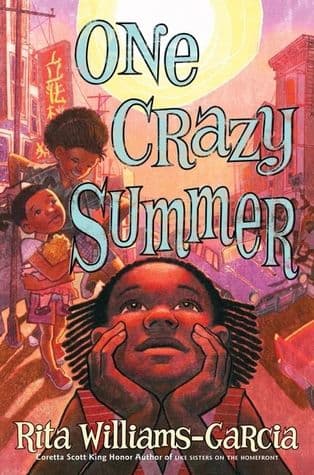
- One Crazy Summer
Rita Williams-Garcia
4.0 (30k) average on GoodreadsChildren'sFeatures young girls grappling with civil rights issues and family dynamics in a historical setting.
- Harry Potter and the Sorcerer's Stone
J.K. Rowling
4.5 (7M) average on GoodreadsFantasyRescued from a miserable life under the stairs, an orphaned boy discovers he's a wizard destined for a magical school, where he uncovers a dangerous secret tied to the dark wizard who murdered his parents.
- The Hobbit, or There and Back Again
J.R.R. Tolkien
4.3 (2.9M) average on GoodreadsFantasyA comfort-loving hobbit named Bilbo Baggins is whisked away by a mischievous wizard and a band of dwarves on an unexpected journey to reclaim stolen treasure from a fearsome dragon, discovering courage and a magical ring along the way.
- Harry Potter and the Goblet of Fire
J.K. Rowling
4.6 (2.6M) average on GoodreadsFantasyA bewildered Harry Potter, underage and thrust into a deadly Triwizard Tournament, must brave dragons, mermaids, and a resurgent dark magic to survive a year that will forever alter the wizarding world.
- Harry Potter and the Order of the Phoenix
J.K. Rowling
4.5 (2.5M) average on GoodreadsFantasyIn a year of oppressive secrets and the threat of Voldemort, Harry Potter and Dumbledore's Army secretly train for war, shown through Jim Kay and Neil Packer's dark illustrations.
- The Lightning Thief
Rick Riordan
4.3 (2M) average on GoodreadsFantasyThrust into a world of mythological monsters and divine treachery, an ordinary boy discovers he's the son of Poseidon and must embark on a perilous quest across modern America to prevent an Olympian war.





Enjoyed the summary?
A summary gives you the shape of the book. The book itself has the detail, the examples and the voice.
Find The Lions of Little Rock on AmazonAs an Amazon Associate, BookBrief earns from qualifying purchases. How we're funded