

Synopsis
Covers the whole plot, including the ending.
- Difficulty
- Medium
- Pacing
- Moderate
- Mood
- Bleak, Suspenseful, Desperate, Intense
- Read it if
- You enjoy grim, psychological thrillers with a strong focus on human endurance and the darker aspects of human nature, set in a dystopian future.
- Skip it if
- You prefer light-hearted stories, happy endings, or are sensitive to themes of death and extreme psychological distress.
The Long Walk Plot Summary
Covers the whole plot, including the ending.
The Starting Line: Hope and Despair
On the first day of May, one hundred teenage boys from across the country gather in northern Maine for the annual Long Walk. Seventeen-year-old Ray Garraty, from Pownal, Maine, sees the huge crowd and the military presence, especially the 'half-track' vehicles and soldiers with M-16s. He recognizes other walkers, including Barkovitch, a thin boy from Washington, and the quiet Stebbins, who seems calm. The rules are simple: walk at least four miles per hour, or get a warning. Three warnings mean death. Garraty feels nervous excitement and fear, knowing the high stakes of the event, which is broadcast nationwide and run by the Major. The boys are led onto the road, the starting gun ready to fire, beginning their journey.
The First Warnings and the First Death
As the Long Walk starts, the pace is fast. Garraty quickly joins a group with McVries, Olson, and Pearson. The need to keep speed is immediate, and the first warnings are given. Curley, a boy near Garraty, gets the first warning for slowing down. The tension grows when Scramm, after three warnings, is shot dead by soldiers in the half-track. The reality of the Walk affects Garraty and the others as they see the body removed. This event ends any hope of leniency, showing the Major's full authority and the deadly consequences of failure. The walkers, now aware of death, push on, Scramm's death in their minds.
Forming Alliances and Facing Despair
Garraty becomes close with McVries, a cynical but supportive walker, as they deal with the constant pace. McVries tells stories of his past, showing a troubled family life and a rebellious nature, which Garraty finds interesting and relatable. They talk about strategies, reasons, and the strangeness of their situation. Olson, another walker in their group, starts to decline mentally, becoming unresponsive and slowing down, leading to his death. Garraty has his own moments of extreme tiredness, hallucinations, and sadness, struggling to move and focus. The constant threat of the half-track and seeing other boys die weighs on him, making him face his own death and limits. He tries to distract himself by watching other walkers and their ways of coping.
Barkovitch's Meltdown and Stebbins's Enigma
Barkovitch, an emotional and somewhat unstable walker, reaches his limit. After a hard night, he starts screaming at the crowd and soldiers, openly defying the Major and the rules. His outburst is met with indifference by the crowd and death from the soldiers. His death is public and shows the Walk's unforgiving nature. In contrast, Stebbins, the quiet walker, moves with unnatural ease. Garraty and McVries try to understand Stebbins's motivation and endless stamina, guessing about his past and his connection to the Major. Stebbins rarely speaks, staying mysterious and walking with a steady, almost mechanical stride that sets him apart from the others. He seems to be playing a different game.
The Major's Presence and Psychological Warfare
The Major, the leader of the Long Walk, appears rarely, driving next to the remaining walkers in his jeep. His presence is both scary and interesting, as he offers brief, unclear words to some boys. Garraty has a short talk with him, feeling the Major's authority. The Major's calm look and the constant threat of the half-track are strong mental tools, breaking the walkers' will. The Walk is not just a physical challenge but a mental one, as fear, hallucinations, and the fear of death start to consume the boys. They doubt themselves, watch each other, and fight the madness from lack of sleep and exhaustion. The Major represents the final, unfeeling decider of their fate.
The Declining Numbers and Increasing Desperation
As days and nights pass, the number of walkers decreases. The road holds memories of dead boys, and the remaining few are thin, sleep-deprived, and often confused. Garraty sees more deaths, some from exhaustion, others from defiance or accidents. He and McVries struggle with their failing bodies, sharing their small food rations and giving what little encouragement they can. The crowds along the road, at first noisy, become quieter, a mix of morbid interest and tired respect for the survivors. The remaining walkers develop a grim friendship, but also a stronger sense of competition, knowing only one can survive. The desperation grows with each hour, pushing them to their limits.
Garraty's Hallucinations and Near Collapse
Garraty's mental state worsens, with clear hallucinations. He sees his mother, his girlfriend Jan, and even dead walkers on the side of the road, calling to him. These visions are so real that he almost stops, nearly getting his final warning. He thinks he sees a tiger in the woods and struggles to tell reality from illusion. At one point, completely confused and about to collapse, McVries physically helps, making Garraty keep moving and talking him through his mental breaks. McVries's support, despite his own pain, helps Garraty. This shows the mental toll of the Walk and the role of human connection in extreme adversity, even as the bonds are tested.
McVries's Sacrifice and Final Farewell
After days of helping Garraty and fighting his own exhaustion, McVries gives up. He can no longer keep the required pace, and he accepts his fate. Despite Garraty's pleas and attempts to keep him going, McVries deliberately slows down. He gets his three warnings and is shot by the soldiers, dying on the road. His death is a deep blow to Garraty, who had relied on his friend's company and support. McVries's death leaves Garraty feeling alone and more determined to survive, to honor his friend. The loss of McVries marks a turning point, as Garraty loses his innocence and faces the Walk's loneliness.
The Final Three: Garraty, Stebbins, and Pearson
With McVries gone, the Walk continues, and only three survivors remain: Garraty, Stebbins, and Pearson. Pearson, a quiet but strong walker, is also near his end. The competition becomes personal, a silent battle. Garraty watches Stebbins with awe and resentment, still unable to understand his endurance. Pearson, tired and sad, eventually slows down and is shot, leaving only Garraty and Stebbins. The final two are pushed to their physical and mental limits, each step painful, each breath a struggle. The crowds are now small and silent, watching the brutal end of the Long Walk, a sight of human endurance and despair.
The Climax: Garraty vs. Stebbins
The final fight between Garraty and Stebbins is a test of will. Both are beyond tired, running on instinct. Stebbins, who seemed unbeatable, finally shows signs of weakening, his pace becoming less steady. Garraty, driven by adrenaline and a desperate will to live, pushes himself to an impossible speed, leaving Stebbins behind for a moment. Stebbins, surprised by Garraty's burst, gets a warning. The Major's half-track is near Stebbins, showing his coming death. In a final, dreamlike sequence, Stebbins stumbles, gets his last warning, and is shot. Garraty, barely understanding his win, watches Stebbins fall. The crowd, the Major, and the soldiers blur as Garraty, the only survivor, collapses, unable to fully grasp what happened or what 'winning' means.
The Aftermath: Victory and Oblivion
Garraty is the last one left. The Major approaches him, offering congratulations and the 'Prize,' but Garraty is too far gone, his mind broken by the ordeal. He sees a dark, shadowy figure approaching him, reaching out. In his confusion, he thinks it is another walker, a final competitor, and tries to run. He reaches out and grabs the hand of this figure, feeling a surge of energy, or perhaps the final collapse. The ending is unclear, leaving Garraty's fate unknown. Whether he truly wins and lives, or dies in a final hallucination, is for the reader to decide. The victory is empty, without triumph, replaced by a deep sense of loss and the weight of the experience. The Long Walk has taken everything from him, leaving only emptiness.
Principal Figures
Ray Garraty
Protagonist
Seventeen-year-old walker from Pownal, Maine, struggling to survive the Long Walk.
Garraty is the central character, a relatively ordinary boy who volunteers for the Long Walk. He is initially naive but quickly learns the brutal realities of the event. He is characterized by his introspection, his struggle with fear and despair, and his capacity for empathy, forming strong bonds with other walkers like McVries. Despite his moments of weakness and hallucination, he possesses an underlying resilience and a fierce will to survive, often pushing himself beyond what he believes is possible. He frequently thinks of his girlfriend, Jan, and his mother, using these memories as motivation.
Relationships: McVries (Best friend and confidant during the Walk); Jan (Girlfriend, a source of motivation and longing); The Major (Antagonistic, enigmatic figure of authority)
The Major
Antagonist/Authority Figure
The enigmatic, authoritarian leader and overseer of the Long Walk.
The Major is the inscrutable and terrifying figure who orchestrates and presides over the Long Walk. He is a symbol of the totalitarian regime and the absolute power it wields over its citizens. His appearances are rare but impactful, always accompanied by an aura of cold authority and a subtle, unsettling charisma. He offers cryptic words of encouragement or warning, never revealing his true motivations or feelings. He represents the indifferent, crushing force of the system, a detached observer of human suffering, and the ultimate arbiter of life and death for the walkers.
Relationships: Ray Garraty (The Major is Garraty's ultimate antagonist and the embodiment of his fate.); All Walkers (Their judge, jury, and executioner.)
Arthur McVries
Supporting
Garraty's cynical but loyal friend and confidant during the Walk.
McVries is a tough, cynical, and intelligent walker who forms a deep bond with Garraty. He is pragmatic and often offers Garraty advice and emotional support, even physically helping him during moments of extreme exhaustion and hallucination. He has a rebellious streak and a troubled past, which he occasionally shares, providing insight into his character. Despite his outward cynicism, he displays genuine care for Garraty, becoming his closest ally and friend. His eventual demise is a significant emotional blow to Garraty and a turning point in the narrative.
Relationships: Ray Garraty (Best friend and emotional anchor during the Walk); Jan (Knows of Garraty's girlfriend, offers advice.)
Stebbins
Supporting/Antagonist
The mysterious and seemingly invincible walker, a dark horse competitor.
Stebbins is an enigmatic and aloof walker who maintains an almost supernatural pace and composure throughout the Long Walk. He rarely speaks and seems detached from the suffering of others, often walking alone. He is speculated to have a mysterious connection to the Major, possibly being his son, which adds to his mystique. His unwavering endurance and stoic demeanor make him a formidable opponent, representing the ultimate, almost inhuman, ideal of a walker. He is the final obstacle Garraty must overcome, embodying the relentless, unyielding nature of the Walk itself.
Relationships: The Major (Rumored to be his son, adding to his mystique.); Ray Garraty (Primary rival in the final stages of the Walk.)
Barkovitch
Supporting
An emotional and volatile walker who succumbs to his anger and despair.
Barkovitch is a highly emotional and volatile walker who struggles with the psychological pressures of the Walk. He is prone to outbursts of anger and despair, often lashing out at the crowd or the soldiers. His defiance and inability to control his emotions ultimately lead to his demise. He serves as a stark contrast to the more stoic walkers and highlights the different ways individuals cope, or fail to cope, with extreme stress. His death is particularly graphic and serves as an early, brutal reminder of the Walk's unforgiving nature.
Relationships: Ray Garraty (An observed fellow walker, a warning of what can happen.)
Jan
Mentioned
Garraty's girlfriend, a source of comfort and motivation.
Jan is Garraty's girlfriend, who remains off-page but is a constant presence in his thoughts and hallucinations. She represents the normalcy, love, and life he has left behind and hopes to return to. Her memory is a powerful motivator for Garraty, helping him push through moments of extreme despair. She embodies the 'Prize' for him, a symbol of what he is fighting to get back to, even as the Walk increasingly distorts his perception of reality.
Relationships: Ray Garraty (Girlfriend and source of hope.)
Scramm
Supporting
The first walker to be 'ticketed,' setting the brutal tone of the Walk.
Scramm is one of the initial walkers, notable for being the first to receive a 'ticket' and be killed. His death occurs early in the Walk, shocking Garraty and the other participants and immediately establishing the deadly stakes of the competition. He is a young, somewhat naive boy whose demise serves as a brutal awakening for everyone involved, shattering any illusions of leniency or a less severe outcome. His brief presence is crucial for establishing the novel's dark and unforgiving atmosphere.
Relationships: Ray Garraty (A fellow walker whose death profoundly impacts Garraty.)
Pearson
Supporting
A quiet, resilient walker who makes it to the final few.
Pearson is a quiet and somewhat unassuming walker who, despite his lack of prominence, demonstrates incredible resilience, making it to the final three alongside Garraty and Stebbins. He is not as vocal or charismatic as McVries, but his steady endurance makes him a formidable competitor. His eventual demise, after days of silent struggle, underscores the immense physical and mental toll of the Walk and the arbitrary nature of who survives and who falls.
Relationships: Ray Garraty (A fellow competitor, part of the final group.)
Themes & Insights
The Absurdity and Cruelty of Authority
The novel shows a totalitarian government that stages the Long Walk for public entertainment, showing the arbitrary and cruel nature of absolute power. The Major, as the symbol of this authority, is a mysterious figure who oversees the death of 99 boys without remorse or explanation. The rules are clear, but the purpose is vague, suggesting that suffering itself is the goal, a way to control or entertain the public. This theme criticizes the dehumanizing effects of a system that values spectacle and obedience over human life.
“The Major was a man with the power of life and death, and he was using it to decide who would walk and who would die, and it was all a game for the crowds.”
The Nature of Human Endurance and Despair
The Long Walk explores the physical and mental limits of human endurance. Walkers face extreme tiredness, hunger, thirst, and lack of sleep, leading to hallucinations, mental breakdowns, and death. The novel details the struggle to keep moving, the constant fight against one's own body and mind. It shows how hope and despair change, how the will to live can be strong and fragile, and how people cope with the death of those around them, pushing themselves beyond what seems possible.
“The world had become a long, gray tunnel, and he was moving through it, one foot in front of the other, forever.”
Camaraderie and Competition
Despite the competitive nature of the Long Walk, strong bonds form between the boys. Garraty's relationship with McVries shows how human connection and support help survival in extreme situations. Walkers share food, encourage each other, and even help physically. However, this friendship exists alongside the reality that only one can survive, creating a tension. The boys must watch their friends die, knowing each death brings them closer to their own death or victory, showing the complex mix of empathy and self-preservation.
“We're all walking the same walk, ain't we? Might as well walk it together, for a while at least.”
The Spectacle of Death and Entertainment
The Long Walk is a televised event, watched by millions, turning human suffering and death into entertainment. Crowds line the roads, cheering, jeering, and betting, showing a desensitization to violence and a fascination with the walkers' situation. This theme criticizes society's desire for extreme reality television and the moral questions of finding entertainment in others' suffering. The constant presence of the crowd and media attention adds more pressure and dehumanization to the walkers' ordeal, making them performers in a deadly show.
“They don't care about us. They just want to see us fall down and die.”
Loss of Innocence and Trauma
The young age of the walkers, mostly teenagers, highlights the theme of lost innocence. They start the Walk with varying levels of naivety, but the harsh realities quickly remove any illusions. Seeing constant death, experiencing extreme suffering, and being forced to break down mentally and physically leaves deep scars. Garraty's journey, in particular, shows a boy becoming a traumatized survivor, haunted by his dead friends and changed by the experience. The 'prize' of survival comes at a high cost, making the victory empty.
“He was seventeen, but he felt a thousand years old.”
Plot Devices & Literary Techniques
The Long Walk Itself
The central conceit and primary conflict of the story.
The Long Walk is not just the setting but the overarching plot device. It's an extreme endurance contest that serves as a powerful metaphor for life's struggles, the arbitrary nature of fate, and the oppressive forces of society. Its relentless forward motion dictates the narrative's pace and structure, forcing constant tension and eliminating opportunities for rest or reflection. The rules, the 'warnings,' and 'the ticket' are all integral to this device, driving the plot and ensuring a continuous cycle of survival and death. It's a closed system designed for maximum psychological and physical pressure.
The Half-Track and Soldiers
Symbols of omnipresent authority and the ultimate enforcers of the rules.
The half-track, a military vehicle, constantly patrols alongside the walkers, serving as a tangible symbol of the Major's omnipresent authority and the totalitarian regime. The soldiers within are emotionless enforcers, carrying out the 'ticketing' and executions without hesitation. This device creates constant external pressure and reinforces the deadly stakes of the Walk. It's a constant visual reminder of death, a mobile guillotine that ensures no walker can escape their fate if they falter. The half-track is an unyielding, mechanical extension of the Major's power.
Hallucinations and Delirium
A narrative technique revealing the psychological toll of the Walk.
As the walkers endure sleep deprivation, hunger, and extreme exhaustion, they begin to experience vivid hallucinations and periods of delirium. This plot device allows the reader to delve into the characters' fractured mental states, blurring the line between reality and illusion. For Garraty, these hallucinations often involve loved ones or fallen comrades, serving as both a source of comfort and a dangerous distraction that almost leads to his demise. It externalizes the internal struggle and the profound psychological damage inflicted by the Walk, highlighting the characters' descent into madness.
The 'Prize'
The ultimate, ambiguous reward for winning the Walk.
The 'Prize' for winning the Long Walk is deliberately vague and largely undefined, only hinted at as 'anything you want for the rest of your life.' This ambiguity serves as a powerful motivational device for the walkers, allowing them to project their deepest desires onto it. However, the lack of specificity also underscores the hollowness of such a victory, suggesting that what the winner gains cannot possibly compensate for the trauma endured or the lives lost. It highlights the futility and moral bankruptcy of the entire event, as the 'reward' is ultimately overshadowed by the cost.
The Long Walk Quotes
“The rules are simple. They keep walking. If they stop, they get shot. No exceptions.”
“The Walk is the only thing. The only thing that matters.”
“You don't think about the finish. You think about the next step.”
“It's not about winning. It's about not losing.”
“The Major is always watching. Always.”
“Pain is just a word. You have to walk through it.”
“They call it a sport, but it's a slaughter.”
“Every step is a choice. To live or to die.”
“The road doesn't care. It just goes on.”
“You start with a hundred. You end with one.”
“Hope is a dangerous thing on the Long Walk.”
“The crowd cheers, but they don't understand.”
“Your mind goes before your body does.”
“There are no friends on the Long Walk. Only other Walkers.”
Quiz
10 questions on the plot and the characters. Each answer comes with a short explanation.
Question 1
What is the primary rule that the Walkers must follow during The Long Walk?
- They must maintain a speed of at least 4 miles per hour
- They must not talk to other Walkers
- They must stop to rest every 6 hours
- They must wear a specific uniform at all times
Show answer
A. They must maintain a speed of at least 4 miles per hour In 'The Long Walk', the main rule is that Walkers must maintain a minimum speed of 4 miles per hour. Falling below this speed results in warnings, and after three warnings, they are 'ticketed' (shot) by the soldiers monitoring the race.
Question 2
Who is the protagonist of 'The Long Walk'?
- Ray Garraty
- Stebbins
- Peter McVries
- Art Baker
Show answer
A. Ray Garraty Ray Garraty is the main character and narrator of the story. He is a 16-year-old boy from Maine who enters The Long Walk, and the events are primarily seen through his perspective as he endures the grueling race.
Question 3
What happens to a Walker who receives three warnings for falling below the minimum speed?
- They are disqualified and sent home
- They are given a time penalty
- They are shot by the soldiers
- They are forced to run faster as punishment
Show answer
C. They are shot by the soldiers In the book, if a Walker accumulates three warnings for slowing down below 4 mph, they are 'ticketed'—a euphemism for being shot and killed by the soldiers who escort the race. This brutal consequence is central to the story's tension.
Question 4
What is the prize for the winner of The Long Walk?
- A large sum of money and fame
- 'The Prize'—anything they want for the rest of their life
- A government position of power
- Freedom from all future obligations
Show answer
B. 'The Prize'—anything they want for the rest of their life The winner of The Long Walk is granted 'The Prize', which is described as anything they desire for the rest of their life. This vague but alluring reward motivates the Walkers, though the physical and psychological toll makes it a grim pursuit.
Question 5
Why does Stebbins reveal a secret about his identity during The Long Walk?
- To intimidate the other Walkers and gain a psychological edge
- He is the son of the Major, the organizer of the race
- To confess that he cheated to enter the race
- He is actually a soldier in disguise monitoring the Walkers
Show answer
B. He is the son of the Major, the organizer of the race Stebbins confesses to Garraty that he is the illegitimate son of the Major, the mysterious figure who oversees The Long Walk. This revelation adds depth to his character and highlights themes of parental influence and the dystopian society's corruption.
Question 6
What major theme in 'The Long Walk' is exemplified by the public's treatment of the event?
- The importance of physical fitness in society
- The dehumanization and spectacle of violence for entertainment
- The value of teamwork and camaraderie
- The pursuit of personal glory above all else
Show answer
B. The dehumanization and spectacle of violence for entertainment The book critiques a society that glorifies violence and suffering as entertainment. The public cheers on the Walkers, treating their deaths as a spectacle, which reflects themes of dehumanization and the dark side of human nature in a dystopian setting.
Question 7
How does Peter McVries' relationship with Garraty evolve during The Long Walk?
- They start as rivals but become close friends who support each other
- They remain distant acquaintances throughout the race
- McVries betrays Garraty to gain an advantage
- Garraty saves McVries from being ticketed early on
Show answer
A. They start as rivals but become close friends who support each other Peter McVries and Ray Garraty develop a deep bond as they walk together, sharing conversations and emotional support. Their friendship becomes a crucial element in the story, highlighting themes of camaraderie and human connection amidst the brutality of the race.
Question 8
What psychological effect does The Long Walk have on the participants as it progresses?
- They become more focused and determined to win
- They experience hallucinations, paranoia, and mental breakdowns
- They lose all memory of their past lives
- They develop a sense of invincibility and overconfidence
Show answer
B. They experience hallucinations, paranoia, and mental breakdowns As the Walkers endure extreme physical strain and constant threat of death, many suffer from hallucinations, paranoia, and mental collapses. This is vividly depicted in characters like Garraty, who experiences surreal visions, emphasizing the story's exploration of human limits and psychological torture.
Question 9
In the context of the book, what is implied about the society that organizes The Long Walk?
- It is a utopian society that values endurance and competition
- It is a totalitarian regime that uses the event for control and distraction
- It is a democratic society with free participation in the race
- It is a primitive society with no advanced technology
Show answer
B. It is a totalitarian regime that uses the event for control and distraction The society in 'The Long Walk' is suggested to be a dystopian, totalitarian state where the government uses the race as a form of control and entertainment to distract the populace. The Major's authority and the brutal rules reflect a regime that devalues individual life for its own purposes.
Question 10
What is the significance of the ending, where Garraty continues walking alone?
- It shows he has won the race and achieved his goal
- It symbolizes his descent into madness and the loss of his humanity
- It indicates he is giving up and will soon be ticketed
- It represents a new beginning and freedom from the race
Show answer
B. It symbolizes his descent into madness and the loss of his humanity The ambiguous ending, with Garraty walking alone and possibly hallucinating, suggests that even if he is the last Walker, the experience has broken him psychologically. It underscores themes of existential despair and the dehumanizing effect of the race, leaving his fate and sanity uncertain.
The Long Walk FAQ
What is 'The Long Walk' about?
The novel follows 100 teenage boys who participate in a grueling annual competition called The Long Walk, where they must maintain a walking pace of at least 4 miles per hour without stopping. If they slow down or break rules, they receive warnings, and a fourth warning results in execution by soldiers. The last walker standing wins a prize of their choice, but the psychological and physical toll is devastating.
Why should I read 'The Long Walk'?
It's a gripping psychological thriller that explores themes of authoritarianism, desperation, and human endurance under extreme pressure. The relentless tension and gradual breakdown of the characters create a haunting commentary on societal violence and the cost of survival, making it a thought-provoking and intense read.
What is the background/setting of 'The Long Walk'?
Set in a dystopian alternate version of the United States, the story takes place along a desolate highway in Maine during an unspecified future. The Long Walk is a state-sanctioned event broadcast to the public, reflecting a society that glorifies and normalizes violence for entertainment under a totalitarian regime.
What are the most memorable quotes?
Notable quotes include: 'The only rule is, you keep walking,' highlighting the brutal simplicity of the competition, and 'I'm so tired,' repeated by characters like Garraty, underscoring the physical and mental exhaustion. Another is 'You don't get a prize for second place,' emphasizing the life-or-death stakes.
What writing style does the author use?
Richard Bachman (Stephen King's pseudonym) employs a stark, minimalist prose style with intense focus on internal monologues and sensory details. The narrative is claustrophobic and relentless, mirroring the walkers' ordeal through repetitive descriptions of pain, fatigue, and psychological unraveling.
What minor details add significant meaning?
Small details like the walkers' nicknames (e.g., 'The Musketeers' for a group of friends) humanize them before their deaths, while the constant count of warnings and deaths serves as a grim reminder of the competition's brutality. The occasional cheers from spectators contrast sharply with the walkers' suffering, highlighting societal indifference.
What are some subtle foreshadowing moments?
Early mentions of characters like Stebbins, who seems detached and mysterious, hint at his later revelation as the Major's son. Garraty's initial optimism and focus on survival foreshadow his eventual mental collapse, while repeated references to 'the prize' subtly question its value as the walk progresses.
What unexpected character connections exist?
A key connection is Stebbins being revealed as the illegitimate son of the Major, the organizer of the Walk, which explains his cynical attitude and insider knowledge. Additionally, fleeting alliances between walkers, such as Garraty and McVries, highlight how bonds form and break under extreme stress.
What are unspoken character motivations?
Many walkers, like Garraty, are driven by a desire to escape poverty or prove themselves, though this is rarely stated outright. Stebbins' participation stems from a need for recognition from his father, the Major, while others, like Barkovitch, seek fame or a twisted sense of glory through the competition.
What psychological complexities do characters exhibit?
Garraty grapples with survivor's guilt and deteriorating sanity as he watches friends die. McVries shows a mix of loyalty and self-destructive tendencies, often helping others despite his own pain. Stebbins displays sociopathic traits, remaining emotionally detached and calculating throughout the Walk.
What are the major emotional turning points?
Key moments include the first execution, which shatters the walkers' initial bravado; Garraty's breakdown after his friend Art Baker's death; and Stebbins' confession about his lineage, which recontextualizes his behavior. The final stretch, where Garraty is the last walker, marks a peak of isolation and despair.
How do relationship dynamics evolve?
Initially, walkers form temporary alliances for support, but as fatigue and deaths mount, these bonds fray into paranoia and competition. Garraty and McVries' friendship deepens briefly before succumbing to the strain, while Stebbins remains an outsider, manipulating others to maintain an edge until his eventual collapse.
Which parts remain ambiguous or open-ended?
The exact nature of the dystopian government and the broader society is left vague, with only hints of its authoritarian control. The ending is highly ambiguous: Garraty wins but is mentally broken, and it's unclear if he receives a prize or if his survival has any meaning, leaving his fate open to interpretation.
What are controversial scenes or decisions?
The graphic executions of walkers for minor infractions spark debate about the novel's violence and its critique of desensitization. Garraty's decision to keep walking despite opportunities to quit or help others raises ethical questions about selfishness versus survival in extreme circumstances.
'The Long Walk' ending explained: how it ends & what it means
Garraty becomes the last walker standing after Stebbins collapses and dies from exhaustion. In a hallucinatory state, Garraty sees a dark figure and starts running, suggesting either a final burst of madness or a symbolic escape. The ending implies that winning is a hollow victory, as the psychological trauma renders the prize meaningless, critiquing the dehumanizing effects of such competitions.
About the author

Richard Bachman is a pseudonym used by Stephen King, primarily for his works of fiction. Among his notable books are "Thinner," a horror novel about a curse leading to rapid weight loss; "The Long Walk," a dystopian tale of survival; "The Running Man," a commentary on media and society; and "The Regulators," a parallel narrative to King's "Desperation."
Similar books
- The Hunger Games
Suzanne Collins
4.3 (6.4M) average on GoodreadsFantasyBoth feature a deadly, televised competition in a dystopian society where teenagers fight for survival.
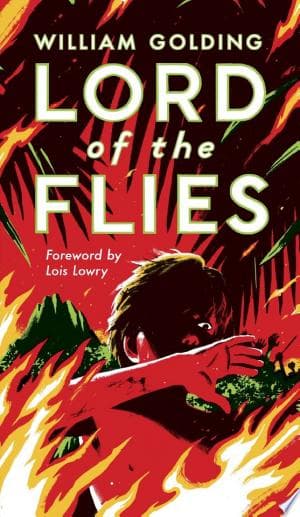
- Lord of the Flies
William Golding
3.7 (2.3M) average on GoodreadsYoung AdultExplores the breakdown of civility and the darker side of human nature when individuals are pushed to their limits.
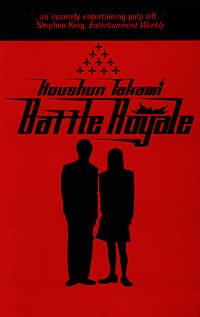
- Battle Royale
Koushun Takami
4.2 (59k) average on GoodreadsThrillerInvolves a group of students forced to kill each other in a government-sanctioned game.
- Nineteen Eighty-Four
George Orwell
4.2 (5.5M) average on GoodreadsFictionWhile both are dystopian, Nineteen Eighty-Four focuses on external societal control, surveillance, and active rebellion against a totalitarian regime (Big Brother). The Long Walk, conversely, zeroes in on the internalized psychological impact of an absurd, fatal competition, with no clear path for rebellion, emphasizing endurance over revolution. Orwell's critique is broad societal; Bachman's is intensely personal and existential.
- Brave New World
Aldous Huxley
4.0 (1.4M) average on GoodreadsFantasyBrave New World critiques a dystopian society achieved through conditioning, pleasure, and genetic manipulation, leading to passive contentment. The Long Walk presents a dystopia of overt, brutal coercion and constant threat of death, where survival is a moment-to-moment struggle. Huxley's world suppresses individuality through comfort; Bachman's through terror and forced competition.
- Angels & Demons
Dan Brown
3.9 (2.7M) average on GoodreadsThrillerA Harvard symbologist races through Rome's ancient sites, deciphering cryptic clues to unmask the Illuminati and stop a vengeful plot to destroy the Vatican with a stolen antimatter weapon.




Enjoyed the summary?
A summary gives you the shape of the book. The book itself has the detail, the examples and the voice.
Find The Long Walk on AmazonAs an Amazon Associate, BookBrief earns from qualifying purchases. How we're funded