
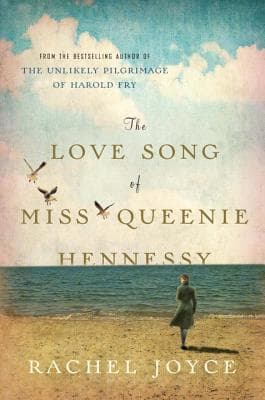
Synopsis
Covers the whole plot, including the ending.
- Difficulty
- Medium
- Pacing
- Slow
- Mood
- Reflective, Poignant, Melancholy, Hopeful
- Read it if
- You enjoyed 'The Unlikely Pilgrimage of Harold Fry' and want to know Queenie's side of the story, or if you appreciate poignant reflections on life, love, and regret.
- Skip it if
- You prefer fast-paced plots or are looking for a light, uncomplicated read. This book delves deeply into introspection and past sorrows.
The Love Song of Miss Queenie Hennessy Plot Summary
Covers the whole plot, including the ending.
The Hospice and the Letter
Queenie Hennessy lives at St. Bernard's Hospice in Kingsbridge, dying from cancer. Her days are quiet, filled with hospice routines and the company of other residents, especially Sister Mary Inmaculata and Finty. One day, a letter arrives from Harold Fry, an old colleague she hasn't seen in twenty years. To her surprise, Harold announces he is walking across England, from Kingsbridge to Berwick-upon-Tweed, believing his journey will save her. Queenie is touched but confused; her own brief, final letter to him was meant as a goodbye, not an invitation for such a trip. This news disrupts her quiet acceptance of death.
A New Journey: Writing Her Story
Harold's letter sparks something in Queenie, but also guilt and a sense of incompleteness. Sister Mary Inmaculata, a kind and perceptive nun volunteering at the hospice, notices Queenie's distress. She suggests Queenie write back to Harold, not just a thank you, but her entire life story, explaining their past and her secrets. Sister Mary believes this act of confession will be a journey for both Harold and Queenie, offering Queenie a path to peace. Queenie, at first hesitant, agrees and begins the difficult task of recalling her past.
The Early Years and Meeting Harold
Queenie starts her story by describing her unusual childhood in a small village. She felt like an outsider but deeply loved her eccentric, free-spirited mother. She recalls her early jobs, including working at a bakery, and her desire for more. She eventually works at the Brewery, where she meets Harold Fry. He is a quiet, modest man, already married to Maureen, working in sales. Queenie is drawn to his gentle nature and their shared feeling of loneliness. Their interactions, initially work-related, slowly become a deeper, quiet understanding.
The Brewery and the Affair
Queenie's story focuses on her relationship with Harold at the Brewery. She details how their affair gradually developed from shared moments and unspoken desires to stolen glances, secret meetings, and a deep emotional and physical bond. She describes the guilt and excitement, the thrill of their secret love, and the deep emotional closeness she felt was missing from Harold's life with Maureen. Queenie reflects on their complex love, acknowledging the pain it caused, but also the genuine comfort and understanding she found with Harold.
The Decision to Leave
The affair, while important to Queenie, also brought tension and the constant risk of discovery. Queenie recounts deciding to leave the Brewery and Harold's life without a proper goodbye. Several factors led to this: the increasing risk of their affair being found out, her wish to protect Harold from the consequences, and a growing despair about their future. She also reveals a specific event involving Harold's son, David, which confirmed her decision to disappear, believing it was the only way to spare Harold more pain and let him return to his family without scandal.
Life After Harold: The Lighthouse
After leaving the Brewery, Queenie sought solitude and anonymity, working as a cleaner at a remote lighthouse. This time was marked by deep loneliness and a deliberate effort to erase her past. She describes the stark beauty of the coast, the rhythmic isolation of the lighthouse, and the quiet thinking it offered. She carried the weight of her secrets and memories of Harold, often wondering about his life. The lighthouse became a symbol of her existence: a guide for others, but a solitary world for herself, far from human connection.
The Hospice Community
Back in the hospice, Queenie reflects on the unexpected community she found there. She describes her relationships with Finty, a young woman with a lively spirit, and the quiet comfort she shares with other dying residents. The hospice, initially a place of resignation, becomes a space of shared humanity, where stories are exchanged and deep connections form as people face death. These interactions, especially with Sister Mary Inmaculata, give Queenie the courage to keep writing her difficult truths, knowing she is not alone in her final journey.
Confessions and Regrets
As Queenie writes her story, she confronts the pain and regret from her past choices, especially ending her relationship with Harold and keeping secrets. She acknowledges the hurt she caused, to both Harold and herself, by choosing silence and distance. The act of writing becomes a release, letting her express the unspoken emotions and reasons behind her actions. She grapples with the morality of her affair and the consequences of her love, seeking to understand her own heart and find some peace before her death.
The Truth About David
In a key part of her letter, Queenie finally reveals the full truth about Harold's son, David. She describes witnessing David in extreme distress and self-harm, a secret she kept to protect Harold and Maureen from more pain and shame. This traumatic event was a main reason for her decision to disappear, believing her presence only made the family's problems worse. She explains how she tried to help David in her own way, and the immense guilt she carried for not being able to do more, and for keeping this information from Harold for so long.
A Final Goodbye and Hope
Queenie finishes her long letter to Harold, pouring out her heart and her life story. She expresses her deep love for him, her regrets, and her hope that he will understand her choices. The act of writing is physically tiring but spiritually freeing. She gives the letter to Sister Mary Inmaculata, knowing it will reach Harold. Though her body is failing, Queenie finds peace, believing that by finally sharing her truth, she has completed her own journey. She waits, not for a miracle cure, but for a quiet, dignified end, having made peace with her past and with Harold.
The Journey's End
In her last days, Queenie's health declines quickly. Surrounded by the gentle care of the hospice staff and Sister Mary Inmaculata, she experiences moments of clarity and serenity. She thinks about how Harold's journey affected her, not by saving her life physically, but by giving her purpose and courage to face her past. As she nears death, Queenie finds quiet acceptance, her mind filled with images of Harold, the lighthouse, and the moments that defined her life. She dies peacefully, her story told, her heart unburdened.
Harold Receives the Letter
After his long walk across England, Harold Fry reaches Berwick-upon-Tweed. Exhausted, physically broken, but changed, he arrives at the hospice, where Sister Mary Inmaculata meets him. She gives him Queenie's large letter, explaining that Queenie has died. Harold sits and reads Queenie's entire life story, taking in every word, every confession, every secret. The letter gives him the closure and understanding he needed, revealing the true depth of Queenie's love and the reasons for her actions. He finally understands their complex past and their deep impact on each other's lives.
Principal Figures
Queenie Hennessy
Protagonist
A dying woman reflecting on her past love and secrets.
Queenie Hennessy is a terminally ill woman residing in a hospice, whose quiet life is upended by the news of Harold Fry's pilgrimage. Intelligent, observant, and deeply sensitive, Queenie carries the weight of a past affair with Harold and the secrets surrounding it. She possesses a quiet strength and a capacity for profound love, but also a tendency towards self-sacrifice and a belief that she must protect others, even at the cost of her own happiness. The act of writing her life story becomes her final journey, a path to atonement and understanding.
Relationships: Harold Fry (Former lover, object of her profound love and sacrifice.); Sister Mary Inmaculata (Spiritual guide and confidante at the hospice.); Finty (Fellow hospice resident and friend.); Maureen Fry (Harold's wife, a source of Queenie's guilt.)
Harold Fry
Supporting
Queenie's former colleague and the recipient of her life story.
Harold Fry is the catalyst for Queenie's narrative, though his journey is detailed in a separate book. In Queenie's story, he is remembered as a quiet, gentle, and somewhat lonely man, trapped in a loveless marriage. Queenie's narrative portrays him as a man capable of deep affection and understanding, yet also passive and burdened by his own life. His pilgrimage to save Queenie demonstrates his latent capacity for grand gestures and unwavering devotion, even if he doesn't fully understand the complexities of their shared past until he reads her letter.
Relationships: Queenie Hennessy (Former lover and the reason for his pilgrimage.); Maureen Fry (His wife, with whom he has a strained relationship.); David Fry (His troubled son, whose story is deeply intertwined with Queenie's secrets.)
Sister Mary Inmaculata
Supporting
A compassionate nun and Queenie's spiritual guide at the hospice.
Sister Mary Inmaculata is a wise, empathetic, and gentle nun who volunteers at St. Bernard's Hospice. She possesses a profound understanding of human nature, grief, and the need for spiritual closure. She acts as Queenie's confidante and catalyst, encouraging her to write her life story as a form of atonement and a final journey. Her faith is quiet but unwavering, and she offers practical and emotional support, guiding Queenie through the difficult process of confronting her past. She represents compassion, spiritual wisdom, and unconditional acceptance.
Relationships: Queenie Hennessy (Spiritual guide and close confidante.); Hospice residents (Caregiver and spiritual support.)
Finty
Supporting
A vibrant young hospice resident and Queenie's friend.
Finty is a younger resident at St. Bernard's Hospice, battling cancer with a spirited and irreverent attitude. Despite her illness, she maintains a zest for life and a sharp wit, often providing moments of levity and genuine connection for Queenie. Finty represents the resilience of the human spirit and the unexpected bonds that can form in the face of mortality. Her presence reminds Queenie that even in a place of dying, there can be laughter, friendship, and a shared appreciation for life's simple pleasures.
Relationships: Queenie Hennessy (Friend and fellow hospice resident.); Hospice residents (Companion.)
Maureen Fry
Supporting
Harold's wife, a figure of Queenie's guilt and regret.
Maureen Fry is Harold's wife, portrayed mostly through Queenie's memories and perceptions. Queenie remembers Maureen as a cold, unhappy woman, whose strained relationship with Harold contributed to his loneliness and the affair. Maureen represents the societal expectations and the domestic life that Queenie felt she was disrupting. While not a direct participant in Queenie's hospice journey, Maureen's presence looms large in Queenie's conscience, as Queenie grapples with the guilt of her affair and the pain she may have caused Maureen and her family.
Relationships: Harold Fry (Husband, with a deeply troubled marriage.); Queenie Hennessy (The woman who had an affair with her husband; a source of Queenie's guilt.)
David Fry
Mentioned
Harold and Maureen's troubled son, whose story is a key secret.
David Fry is Harold and Maureen's son, a troubled young man whose struggles with mental health and self-harm become a central, hidden truth in Queenie's narrative. Queenie's deep concern for David, and her witnessing a traumatic event involving him, ultimately influenced her decision to leave Harold and disappear. David represents the innocent collateral damage of the affair and the profound secrets Queenie carried, highlighting her capacity for self-sacrifice and her desire to protect Harold's family, even from her own love.
Relationships: Harold Fry (Son, whose struggles deeply affected Harold.); Maureen Fry (Son.); Queenie Hennessy (A young man Queenie tried to help and protect.)
Themes & Insights
Atonement and Forgiveness
The novel's main theme is Queenie's search for peace regarding her past actions, especially her affair with Harold and the secrets she kept. By writing her life story, Queenie embarks on a journey of confession, seeking to understand and be forgiven for the pain she caused. This is clear in her detailed account of the affair and, most notably, her revelation about David Fry. The act of writing becomes a form of penance and self-forgiveness, allowing her to find peace before her death, regardless of Harold's eventual forgiveness.
“Even though you've done your travelling, you're starting a new journey too.”
The Power of Storytelling and Confession
The novel shows how powerful storytelling can be, especially personal confession. Queenie writing her life story, prompted by Sister Mary Inmaculata, is more than just recounting events; it is a deep process of self-discovery and healing. Through her narrative, Queenie reclaims her past, voices her unspoken emotions, and offers the full truth to Harold. This process allows her to release decades of secrets, showing how sharing one's truth can lead to acceptance and peace, even when facing death.
“I had left Harold because I thought I was protecting him. But I had only protected myself.”
Love and Sacrifice
The complex nature of love, particularly in its sacrificial forms, is a recurring theme. Queenie's love for Harold is deep and real, but also complicated by an illicit affair. Her decision to leave Harold suddenly and disappear, carrying the secret of David's struggles, is shown as a profound, though perhaps misguided, act of sacrifice. She believed she was protecting Harold and his family from more pain and scandal. This theme explores the moral complexities of love, where actions meant to protect can also cause great hurt and misunderstanding, and the lasting effects of such choices.
“Love was not a feeling at all. It was a solid place where you could go to rest.”
Memory and Perspective
The novel explores how memory shapes our understanding of the past and how different viewpoints can clarify a shared history. Queenie's story offers her subjective experience of events, giving insight into her motivations and feelings that Harold, on his own journey, could not have known. Her detailed memories, sometimes painful, sometimes joyful, show how fluid and personal truth is within memory. This theme highlights that fully understanding any relationship or event often requires hearing all sides of the story, allowing for empathy and a more nuanced view of human actions.
“We cannot choose our memories, but we can choose how we use them.”
Plot Devices & Literary Techniques
Epistolary Narrative
The entire novel is presented as Queenie's long letter to Harold Fry.
The most significant plot device is the epistolary format. The entire novel is structured as Queenie Hennessy's expansive, confessional letter to Harold Fry. This allows for an intimate, first-person perspective, providing direct access to Queenie's thoughts, feelings, and memories without external narration. It creates a sense of immediacy and personal revelation, immersing the reader directly into Queenie's internal world and her journey of self-reflection. The letter serves as both a narrative framework and a tool for Queenie's emotional and spiritual healing, culminating in the delivery of her truth to Harold.
Flashback (Extended)
Queenie's letter primarily consists of detailed recollections of her past.
Within the epistolary framework, the narrative extensively employs extended flashbacks. Queenie's letter meticulously recounts her life story, moving chronologically through her childhood, her time at the Brewery, her affair with Harold, her subsequent solitary life, and the crucial events surrounding David Fry. These detailed recollections are not mere summaries but vivid, immersive scenes that bring her past to life. This device allows the reader to understand the motivations behind Queenie's actions and the full context of her relationship with Harold, deepening the emotional impact of her confessions.
The Unreliable Narrator (Subtle)
Queenie's perspective, while sincere, is shaped by her emotions and past choices.
While Queenie is genuinely trying to tell her truth, her narration is subtly influenced by her own biases, guilt, and the passage of time. Her recollections, particularly regarding Maureen and her own sacrifices, are filtered through her personal experiences and her desire for understanding. This isn't to say she's intentionally misleading, but rather that her perspective is deeply subjective and emotionally charged. This device invites the reader to consider the complexities of memory and perspective, understanding that even a heartfelt confession is shaped by the individual's inner world and their own interpretation of events.
Symbolism of the Lighthouse
The lighthouse represents Queenie's isolation, duty, and quiet resilience.
The lighthouse where Queenie works after leaving Harold serves as a powerful symbol. It represents her deliberate isolation and self-imposed exile, a place of solitude where she can hide from her past and process her pain. The lighthouse's function as a beacon also symbolizes her quiet strength and her enduring sense of duty, even as she feels lost. It is a place of stark beauty and harsh realities, mirroring her internal landscape during a period of profound loneliness and introspection. Her time there is a period of quiet endurance, reflecting her resilience.
The Love Song of Miss Queenie Hennessy Quotes
“You are the one who taught me to look up.”
“We are all just trying to make sense of the past, aren't we?”
“Sometimes the things we think we’ve lost are not lost at all, but merely waiting to be found again.”
“It’s funny how a life can turn out, isn’t it? Not at all how you expect.”
“Love is not a place you arrive at, but a road you travel.”
“He taught me that every ordinary day has something extraordinary in it, if you only know how to look.”
“There are some things you carry with you always, like a stone in your pocket.”
“Perhaps to heal, you have to let yourself be broken first.”
“You can’t choose who you love, but you can choose how you love.”
“Grief is a funny thing. It’s like a tide, coming in and going out, even when you think the sea has dried up.”
“The greatest kindness is to be seen for who you truly are.”
“Sometimes the smallest acts of courage are the hardest.”
“We leave little pieces of ourselves everywhere we go, don’t we? Like breadcrumbs.”
“There’s a silence that only true understanding can fill.”
Quiz
10 questions on the plot and the characters. Each answer comes with a short explanation.
Question 1
What is the primary reason Queenie Hennessy decides to start writing to Harold Fry again, after her initial 'goodbye' letter?
- She misses Harold and wants to rekindle their friendship.
- A new volunteer at the hospice suggests she write again, to tell Harold 'everything'.
- Her doctor advises writing as a form of therapy for her illness.
- She learns Harold is walking and feels obligated to update him on her condition.
Show answer
B. A new volunteer at the hospice suggests she write again, to tell Harold 'everything'. The new volunteer at the hospice, Ffion, encourages Queenie to write to Harold again, this time to confess her secrets, stating it will be a new journey for her.
Question 2
What is the central theme that Queenie hopes to achieve by confessing her secrets to Harold in her letters?
- To express her enduring love for him.
- To seek his forgiveness for past wrongs and find atonement.
- To explain the details of her illness and impending death.
- To relive their shared memories one last time.
Show answer
B. To seek his forgiveness for past wrongs and find atonement. Queenie is prompted to write her confessions as a way to find atonement for the secrets she has hidden for twenty years, particularly regarding her past with Harold.
Question 3
Which of the following describes Queenie Hennessy's initial reaction to learning Harold Fry is walking across England for her?
- Gratitude and joy.
- Shock and confusion, as her note had explained she was dying.
- Anger that he would undertake such a foolish journey.
- Indifference, as she had already accepted her fate.
Show answer
B. Shock and confusion, as her note had explained she was dying. Queenie is shocked when she discovers Harold is walking the length of England to save her, especially since her initial note had clearly stated she was dying.
Question 4
Who is the 'new volunteer' at the hospice who plays a pivotal role in encouraging Queenie to write her detailed confessions?
- Sister Mary Inmaculata.
- Ffion.
- David.
- Mona.
Show answer
B. Ffion. It is Ffion, the new hospice volunteer, who suggests to Queenie that she should write again and tell Harold 'everything'.
Question 5
What specific period of time do Queenie's hidden secrets, which she confesses to Harold, primarily cover?
- Her childhood and early adulthood.
- The twenty years leading up to her illness.
- The time she spent working with Harold.
- Her experiences since being admitted to the hospice.
Show answer
B. The twenty years leading up to her illness. The synopsis explicitly states Queenie is confessing to 'secrets she has hidden for twenty years', referring to the period before her illness became terminal.
Question 6
What is the metaphorical significance of the volunteer's statement to Queenie: 'Even though you've done your travelling, you're starting a new journey too'?
- It implies Queenie will recover and embark on physical travels.
- It refers to her new emotional and spiritual journey of confession and atonement.
- It suggests she will begin a new hobby or project at the hospice.
- It means she will explore new relationships within the hospice.
Show answer
B. It refers to her new emotional and spiritual journey of confession and atonement. The 'new journey' refers to Queenie's internal process of revisiting her past, confessing her truths, and seeking peace before her death, mirroring Harold's physical journey.
Question 7
What was the content of Queenie's initial letter to Harold Fry that prompted his walk?
- An invitation to visit her at the hospice.
- A request for a loan.
- A 'goodbye' note explaining she was dying.
- An apology for a past misunderstanding.
Show answer
C. A 'goodbye' note explaining she was dying. Queenie's first letter was a 'goodbye' note explaining her terminal illness, which is what initially spurred Harold to begin his walk.
Question 8
Beyond the immediate goal of atonement, what deeper personal resolution does Queenie seek by revealing her full story to Harold?
- To ensure Harold understands her will and final wishes.
- To finally find peace and closure for herself before she dies.
- To influence Harold's decision to continue or abandon his walk.
- To document her life story for future generations.
Show answer
B. To finally find peace and closure for herself before she dies. While atonement is a key motivator, the act of confessing 'everything' is ultimately about Queenie finding personal peace and closure, resolving her inner turmoil before the end of her life.
Question 9
What specific geographic journey is Harold Fry undertaking, which Queenie learns about?
- A pilgrimage to a holy site in Europe.
- A walk across the length of England.
- A marathon across his local county.
- A short walk to visit Queenie at the hospice.
Show answer
B. A walk across the length of England. The book's premise, and the synopsis, clearly state that Harold Fry is walking 'the length of England' to reach Queenie.
Question 10
How does Queenie's perspective on her first letter to Harold change after she begins writing her confessions?
- She realizes it was too harsh and tries to soften her tone.
- She understands it was not the end of the story, but merely the beginning of a new one.
- She regrets sending it at all, wishing she had kept her illness private.
- She believes it perfectly conveyed her feelings and has no need to elaborate.
Show answer
B. She understands it was not the end of the story, but merely the beginning of a new one. The synopsis states: 'Queenie thought her first letter would be the end of the story. She was wrong. It was the beginning,' highlighting her shift in understanding the profound impact and continuation of her connection with Harold.
The Love Song of Miss Queenie Hennessy FAQ
What prompts Queenie Hennessy to write her initial letter to Harold Fry?
Queenie writes to Harold to inform him she is dying of cancer, believing it will be her final communication and an act of closure. She wants to thank him for his kindness and the profound impact he had on her life decades ago, feeling a need to acknowledge their shared past before her imminent death.
Who encourages Queenie to write a second, more detailed account of her life for Harold?
Sister Mary Inmaculata, a young, observant volunteer at the hospice, encourages Queenie to write again. Sister Mary suggests that Queenie should use this opportunity to tell Harold 'everything,' implying a deeper confession that will bring Queenie peace and atonement.
What is the primary motivation for Queenie to confess her long-held secrets in this second letter?
Queenie's primary motivation is a desperate search for atonement and peace before her death, recognizing that her initial letter was insufficient. The realization that Harold is walking for her life compels her to reveal the full truth of their shared history, hoping to unburden herself and find redemption.
How does Queenie's perspective on her own life change as she writes her detailed confessions?
As Queenie writes, she begins to re-evaluate her past decisions and the impact they had on herself and others, especially Harold. The act of writing forces her to confront her long-buried guilt and regret, transforming her understanding of her own agency and the nature of love and sacrifice.
What is the significance of the title, 'The Love Song of Miss Queenie Hennessy'?
The title refers to Queenie's life itself, lived largely in unexpressed devotion and quiet longing, particularly for Harold. Her letters become her 'love song,' a belated and deeply personal testament to her affections, regrets, and the profound, though often hidden, love she carried.
What specific secret does Queenie reveal about her past relationship with Harold?
Queenie reveals that she was deeply in love with Harold and that their brief, intimate encounter resulted in a pregnancy, which she chose to terminate without telling him. This secret has haunted her for decades, shaping her life choices and her perception of herself.
How does Queenie's relationship with her family, particularly her mother, influence her life choices?
Queenie's relationship with her overbearing and critical mother significantly influences her choices, particularly her feelings of inadequacy and her desire to escape. Her mother's expectations and judgments contribute to Queenie's decision to keep her pregnancy and abortion a secret, fearing further disapproval and shame.
What role does Fosse, Queenie's long-term companion, play in her life?
Fosse is Queenie's loyal and devoted friend, offering her companionship, stability, and a sense of belonging after she leaves her previous life. He provides a quiet, steady love, accepting her without judgment, though he remains unaware of the full extent of her past with Harold.
How does Queenie reconcile her past actions with her present self as she writes?
Queenie reconciles her past by finally acknowledging the full weight of her choices and their consequences, particularly the abortion and her unspoken love for Harold. The act of writing becomes a form of self-forgiveness and acceptance, allowing her to see herself not just as a woman of regret, but as someone who loved deeply and made difficult decisions.
What is the significance of the hospice setting for Queenie's narrative?
The hospice setting provides a confined yet reflective space for Queenie's final journey, both physically and emotionally. It isolates her from external distractions, forcing her to confront her inner world and past memories, while the presence of Sister Mary acts as a catalyst for her confession.
How does Queenie's initial perception of Harold's walk differ from the reality of her own situation?
Queenie initially perceives Harold's walk as a grand, almost fantastical gesture, a testament to his enduring love and a burden she feels unworthy of. However, she realizes her own 'journey' of confession is equally arduous and transformative, mirroring his physical pilgrimage with her emotional one.
What does Queenie ultimately hope to achieve by sending her full confession to Harold?
Queenie hopes to achieve a sense of peace and closure, not necessarily forgiveness from Harold, but a release from her own guilt. She wants him to understand the full truth of their connection and her enduring love, believing it's the only way to truly 'die clean' and complete her own journey.
Are there parallels between Queenie's journey of writing and Harold's physical walk across England?
Yes, there are strong parallels. Harold's physical walk is a pilgrimage of hope and atonement for him, while Queenie's act of writing her life story is her own emotional and spiritual pilgrimage. Both journeys are arduous, require immense courage, and lead to profound self-discovery and a re-evaluation of their past.
How does the author use the structure of Queenie's letters to reveal her character and development?
The epistolary structure allows for an intimate, first-person exploration of Queenie's inner world, revealing her character through her own voice and reflections. As she writes, her voice evolves from guarded to increasingly vulnerable and honest, mirroring her psychological journey of self-acceptance and atonement.
What is the significance of the 'love song' metaphor in the context of Queenie's life?
The 'love song' metaphor signifies Queenie's life as an unspoken, deeply felt narrative of love, loss, and longing, particularly for Harold. Her letters become the belated articulation of this song, a testament to a life lived with profound emotions that were often suppressed or unexpressed until her final days.
Does Queenie ever receive a direct response or visit from Harold after sending her detailed letters?
No, Queenie does not receive a direct response or visit from Harold while she is alive. Her journey is about her own internal peace and atonement, not about a direct interaction or immediate resolution with Harold, reinforcing the idea that her writing is for herself as much as for him.
What is the ultimate fate of Queenie Hennessy by the end of the book?
Queenie Hennessy dies at the hospice, having completed her confessional letters to Harold. Her death is portrayed as a peaceful release, suggesting that she found the atonement and closure she sought through the act of writing her truth.
How does Queenie's story connect with the themes of regret and redemption?
Queenie's story is deeply intertwined with themes of regret over past choices, particularly her abortion and her silence, and her ultimate pursuit of redemption. Her detailed confession serves as her path to redemption, allowing her to confront her past and find peace before her death.
About the author

Rachel Joyce is a British author known for her fiction, particularly her novels "The Unlikely Pilgrimage of Harold Fry" and "The Love Song of Miss Queenie Hennessy." Her works often explore themes of human connection and personal journeys, resonating with a wide audience. Joyce has received various accolades for her writing, highlighting her impact in contemporary literature.
Similar books
- The Unlikely Pilgrimage of Harold Fry
Rachel Joyce
3.9 (148k) average on GoodreadsLiterary FictionThis is the companion novel, telling the other half of the story.
- A Man Called Ove
Fredrik Backman
4.4 (569k) average on GoodreadsFictionFeatures a reflective, often melancholic look at a character's life and impact on others, with underlying warmth.
- Gilead (Oprah's Book Club)
Marilynne Robinson
3.9 (126k) average on GoodreadsFictionA deep, epistolary novel where an elderly, dying character reflects on their life, faith, and past for a loved one.
- Me Before You
Jojo Moyes
4.3 (1.1M) average on GoodreadsRomanceMoyes's novel focuses on an active, present-day romance and the ethical dilemmas of assisted suicide for a quadriplegic man, driven by immediate choices. Joyce's work is a reflective, retrospective journey of historical, largely unrequited love, focusing on a woman's life shaped by a distant affection rather than an intense, current romantic entanglement.
- Olive Kitteridge
Elizabeth Strout
3.8 (172k) average on GoodreadsLiterary FictionStrout's novel uses a fragmented, multi-perspective approach to build a character portrait through various interconnected stories and the eyes of others, focusing on broader human relationships and quiet dramas. Joyce's novel is a singular, sustained first-person account offering an unfiltered, self-scrutinizing view of Queenie's inner life, fundamentally shaped by her enduring, unexpressed love for Harold, making it more explicitly romantic and less community-centric in its narrative structure.
- The Old Man and the Sea
Ernest Hemingway
3.8 (831k) average on GoodreadsLiterary FictionA Cuban fisherman's long struggle with a giant marlin becomes a story of endurance and dignity, now retold for young adults with illustrations, phonetic guides, and writing prompts in Traditional Chinese.






Enjoyed the summary?
A summary gives you the shape of the book. The book itself has the detail, the examples and the voice.
Find The Love Song of Miss Queenie Hennessy on AmazonAs an Amazon Associate, BookBrief earns from qualifying purchases. How we're funded