
Synopsis
Covers the whole plot, including the ending.
- Difficulty
- Easy
- Pacing
- Moderate
- Mood
- Melancholy, Mysterious, Reflective, Hopeful
- Read it if
- You enjoy character-driven mysteries with a focus on small-town secrets and the impact of past trauma.
- Skip it if
- You prefer fast-paced thrillers with constant action and minimal introspection.
The Mill River Recluse Plot Summary
Covers the whole plot, including the ending.
The Marble House and Its Mystery
Mary McAllister lives almost completely alone in her white marble mansion overlooking Mill River, Vermont. Her deceased husband disfigured her, causing severe social anxiety. Her only regular contacts are Father Michael O'Brien, who sometimes takes spoons during his visits, and the local mailman. Most townspeople see her as an odd fixture, with few ever having seen her. Among those who have are an arsonist, a greedy nurse named Hilda, and the kind-hearted Stephen. Newcomers to Mill River, including Police Chief Kyle Hansen and his daughter, and new teacher Alice O'Farrell, are curious about the woman in the mansion.
Father Michael's Burden
Father Michael O'Brien is one of the few people Mary trusts and allows into her life. He has known her for decades and knows her deepest secret about her past. Despite being a priest, Father Michael has a habit of taking spoons from Mary's collection during his visits, perhaps a small act of rebellion or a way to cope with his burden. He understands the tragic events that led to Mary's isolation and the injustice she faced, feeling a strong responsibility for her well-being and the hidden truth.
Introducing Alice O'Farrell
Alice O'Farrell arrives in Mill River as the new fourth-grade teacher, looking for a new start. She is smart, observant, and quickly becomes interested in the stories about the marble house and Mary McAllister. Alice's arrival brings a new dynamic to the small town, as she starts to connect with other residents, including Police Chief Kyle Hansen and his daughter, Jenny. Her curiosity helps set in motion events that will lead to the unraveling of Mary's long-held secrets.
Chief Hansen's Investigation
Police Chief Kyle Hansen, new to Mill River with his daughter Jenny, is a diligent officer. He investigates a series of minor incidents, including thefts and vandalism, which seem to be increasing in town. His investigations eventually lead him near the marble house, making him curious about Mary McAllister. He first sees her as a peculiar local, but soon realizes there might be more to her story. His duty drives him to uncover the truth, which will eventually connect with Mary's past.
Hilda's Malice
Hilda, a nurse hired to care for Mary, is manipulative and greedy. She wants Mary's wealth and possessions, especially her valuable spoon collection, and tries to exploit her patient. Hilda's actions become more sinister, suggesting neglect and possible abuse, as she tries to isolate Mary further and control her assets. Her presence introduces a real threat to Mary's fragile life, showing Mary's vulnerability and the dangers of her isolation. Hilda's greed eventually pushes her to take drastic steps.
The Arsonist's Act
An unnamed arsonist operates in Mill River, setting fires that create unease in the community. While not directly targeting Mary, the arsonist's activities add to the mystery and danger in the town. One of these fires indirectly draws the attention of Chief Hansen and other residents towards the marble house, as it happens nearby or causes more surveillance in the area. The arsonist's reasons are not immediately clear, but their presence shows the problems simmering beneath Mill River's quiet surface, complicating the local police's work.
Stephen's Connection
Stephen, often called the 'village idiot' due to his intellectual disability, is one of the few people who has seen Mary McAllister and has a unique, innocent connection to her. He often passes by the marble house and watches it, sometimes leaving small gifts or doing kind acts without fully understanding the situation. Stephen's pure heart contrasts with the greed and malice of characters like Hilda. His observations, though incomplete, sometimes provide subtle clues or perspectives that others miss, hinting at the true nature of events around Mary's life.
Mary's Past Unveiled
As the story progresses, flashbacks slowly reveal Mary McAllister's tragic past. Readers learn about her abusive husband, who, in a fit of rage, disfigured her, leading to her severe social anxiety and isolation. The flashbacks also detail the events surrounding her husband's death, which was not as it seemed, and the secret Father Michael O'Brien has guarded for decades. These glimpses into the past explain Mary's deep isolation and the trauma that shaped her adult life, setting up the novel's central mystery.
The Secret's Revelation
As events in Mill River escalate and Hilda's actions become more threatening to Mary, Father Michael O'Brien faces a moral dilemma. He realizes that keeping Mary's secret any longer puts her in grave danger and continues an injustice. Pressured by his conscience and the unfolding events, Father Michael finally decides to reveal the truth about Mary's past, especially about her husband's death and her isolation. This revelation is a key moment, breaking the long-standing mystery and starting a chain reaction that will affect everyone involved.
Justice for Mary
With Father Michael's confession and Chief Hansen's investigation, the truth about Mary McAllister's past and her husband's death finally comes to light. The town of Mill River deals with the shocking revelations, understanding the deep injustice Mary endured for so many years. The resolution brings a sense of closure, not just for Mary, but for the community. Mary, though still scarred, begins to find peace and perhaps a connection to the outside world she had long abandoned. Justice, though delayed, is finally served, changing the lives of Mill River's residents forever.
Principal Figures
Mary McAllister
Protagonist
The reclusive, disfigured widow living in the marble mansion.
Mary McAllister is a woman scarred both physically and emotionally by a traumatic past. Disfigured by her abusive husband and suffering from severe social anxiety disorder, she has lived in self-imposed seclusion for nearly six decades in her grand white marble mansion. Despite her isolation, she possesses a keen intellect and a deep sense of justice, having endured immense suffering and injustice. Her reclusion is a shield, but also a prison, making her vulnerable to exploitation and misunderstanding. She cherishes her few connections, particularly with Father Michael, and her valuable spoon collection.
Relationships: Father Michael O'Brien (Confidant and keeper of her secret); Hilda (Abusive and covetous nurse); Stephen (Innocent and kind observer)
Father Michael O'Brien
Supporting
Mary's priest and the keeper of her deepest secret.
Father Michael O'Brien is an elderly priest burdened by a profound secret he has kept for decades regarding Mary McAllister. He is a man of faith, but also flawed, exhibiting a peculiar habit of pilfering spoons from Mary's collection. He deeply cares for Mary and feels immense guilt and responsibility for her past and present circumstances. His internal struggle between upholding a secret and seeking justice for Mary drives much of the narrative's tension. He represents the moral conscience of the story, eventually choosing truth over silence.
Relationships: Mary McAllister (Confidant and spiritual advisor); God (His faith is a constant struggle with his actions)
Alice O'Farrell
Supporting
The new fourth-grade teacher in Mill River.
Alice O'Farrell is a bright, observant, and empathetic young woman who arrives in Mill River seeking a new beginning. As the new fourth-grade teacher, she quickly integrates into the community but maintains a keen curiosity about the town's mysteries, particularly the marble house and Mary McAllister. Her fresh perspective and inquisitive nature act as a catalyst, indirectly helping to uncover the long-buried truths of Mill River. She forms connections with Chief Hansen and his daughter, Jenny, and represents the outsider's view on the town's peculiarities.
Relationships: Kyle Hansen (Developing friendship/romantic interest); Jenny Hansen (Teacher and mentor)
Kyle Hansen
Supporting
The new Police Chief of Mill River.
Kyle Hansen is the new Police Chief of Mill River, a dedicated and principled law enforcement officer. He moved to the town with his daughter, Jenny, seeking a quieter life, but quickly finds himself embroiled in the town's hidden complexities. He is methodical in his investigations and is initially intrigued by the local eccentricities, including Mary McAllister. His professional integrity drives him to uncover the truth behind the town's minor crimes and, eventually, Mary's long-held secret. He represents the force of law and order seeking to bring clarity to the town's past.
Relationships: Jenny Hansen (Loving father); Alice O'Farrell (Developing friendship/romantic interest)
Hilda
Antagonist
Mary's greedy and manipulative nurse.
Hilda is a covetous and malicious nurse hired to care for Mary McAllister. Driven by greed, she sees Mary's isolation and wealth as an opportunity for personal gain. She manipulates Mary, attempts to isolate her further, and harbors intentions of stealing her valuable possessions, particularly her spoon collection. Hilda embodies the dark side of human nature, exploiting the vulnerable and representing a direct threat to Mary's safety and well-being. Her actions escalate throughout the story, pushing the narrative towards its climax.
Relationships: Mary McAllister (Caregiver (abusive and exploitative))
Stephen
Supporting
The kind-hearted 'village idiot' with a unique connection to Mary.
Stephen is a mentally challenged man in Mill River, often dismissed by others as the 'village idiot.' Despite his intellectual limitations, he possesses a pure heart and an innocent perspective. He has a unique, almost childlike, connection to Mary McAllister, often observing her mansion and sometimes leaving small tokens of kindness. His observations, though not always fully understood by himself, can inadvertently provide glimpses into the unfolding events around Mary. He represents innocence and the capacity for uncomplicated empathy in a world full of complexity and deceit.
Relationships: Mary McAllister (Innocent admirer/observer)
Jenny Hansen
Supporting
Kyle Hansen's daughter and a student of Alice O'Farrell.
Jenny Hansen is Police Chief Kyle Hansen's daughter, a curious and intelligent young girl. She is a student in Alice O'Farrell's fourth-grade class and quickly forms a bond with her teacher. Jenny's youthful perspective and questions about the marble house and its occupant often mirror the reader's own curiosity, serving as a conduit for exploring the town's mysteries. Her relationship with her father adds a personal dimension to Kyle's character, and her interactions with Alice highlight the new dynamics in Mill River.
Relationships: Kyle Hansen (Daughter); Alice O'Farrell (Student/friend)
Mary's Abusive Husband (unnamed)
Antagonist
The source of Mary's disfigurement and reclusion.
Mary's abusive husband, though unnamed and deceased at the story's start, is a pivotal antagonist whose actions set the entire plot in motion. His violent nature led to Mary's disfigurement and the tragic events that forced her into decades of reclusion. His death is shrouded in mystery, forming the central secret that Father Michael guards. He represents the destructive power of domestic abuse and the long-lasting trauma it inflicts, shaping Mary's life even from beyond the grave.
Relationships: Mary McAllister (Abusive husband)
Themes & Insights
The Weight of Secrets and Guilt
The novel explores how secrets, especially those involving injustice, can burden individuals and communities for decades. Father Michael O'Brien carries the guilt of knowing Mary's truth but remaining silent, which shows in his spoon pilfering. Mary herself embodies a secret; her isolation is a direct result of a hidden past. The town of Mill River also carries the weight of unspoken history, with the marble house as a constant reminder. The eventual revelation of the truth, though painful, is a necessary step towards healing and justice, showing how long-held secrets can be damaging.
“A secret shared with one other person is still a secret. A secret shared with two is a rumor.”
Justice Delayed, Not Denied
A central theme is the triumph of justice, even if it takes nearly sixty years. Mary McAllister suffers a deep injustice from her abusive husband and then endures decades of isolation due to a secret about his death. The story carefully builds towards the unraveling of this truth, driven by characters like Chief Hansen and Alice O'Farrell, and finally revealed by Father Michael. The story emphasizes that while justice can be slow and its absence can cause great suffering, the truth eventually surfaces, bringing peace and vindication for the wronged. This theme highlights resilience and the hope for fairness.
“Truth, like time, is relentless. It will find its way out, no matter how deeply buried.”
Isolation and Connection
Mary McAllister's extreme isolation defines the novel, showing both its protective and destructive sides. Her reclusion protects her from judgment and fear but also makes her vulnerable to exploitation by figures like Hilda. The story contrasts this deep isolation with the few, vital connections Mary maintains (Father Michael, Stephen) and the new connections made by newcomers like Alice and Kyle. It examines how human connection, even in small amounts, is essential for well-being and how a community can eventually come together to correct a past wrong, breaking decades of silence and separation.
“A life lived in solitude is not a life unobserved, but a life unshared.”
The Nature of Perception and Reality
The novel explores how individuals and communities see reality, often based on incomplete information or old assumptions. Mary McAllister is seen as a 'peculiar' recluse by most of Mill River, her true story hidden by rumors. Stephen, the 'village idiot,' is underestimated, yet has a unique, unfiltered view. Newcomers like Alice and Kyle challenge these ideas, forcing the town to rethink its understanding of Mary and its own history. The story shows that truth is often complex and requires looking beyond the surface and questioning established 'facts' to understand the full picture.
“What people believe to be true often becomes their truth, whether it aligns with reality or not.”
Plot Devices & Literary Techniques
The Marble House
A symbolic setting that represents isolation, mystery, and hidden truths.
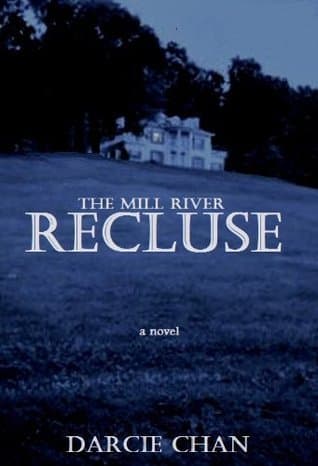
The white marble mansion is more than just a setting; it's a character in itself. Perched overlooking Mill River, it physically embodies Mary McAllister's reclusion and the mystery surrounding her. Its imposing, isolated presence symbolizes the barriers Mary has erected around herself, as well as the secrets it holds within its walls. The house acts as a constant focal point for the town's curiosity and speculation, drawing various characters, both benevolent and malevolent, into its orbit and ultimately serving as the site where decades of hidden truths are finally revealed.
Flashbacks
Narrative technique used to gradually reveal Mary's tragic past.
Flashbacks are strategically employed throughout the novel to incrementally unveil the traumatic events of Mary McAllister's past. These fragmented glimpses into her life before reclusion, particularly detailing her abusive marriage and the circumstances surrounding her husband's death, serve to build suspense and provide crucial context. They explain Mary's disfigurement, her social anxiety, and the profound reasons for her isolation, allowing the reader to piece together the central mystery alongside the unfolding present-day events, making her character more sympathetic and the eventual revelation more impactful.
The Spoon Collection
A recurring motif representing Mary's hidden value, vulnerability, and Father Michael's guilt.
Mary's extensive and valuable spoon collection serves as a multifaceted plot device. For Mary, it represents a connection to a past life of refinement and perhaps a tangible link to her identity beyond her reclusion. For Hilda, it symbolizes Mary's wealth and becomes an object of her covetous desire, highlighting Hilda's greed. Most notably, Father Michael's compulsive pilfering of spoons symbolizes his internal guilt and the small acts of rebellion against the burden of Mary's secret. The spoons are a subtle yet powerful reminder of the hidden value, both literal and metaphorical, within the marble house.
The Outsider's Perspective
Newcomers to Mill River act as catalysts for uncovering long-buried secrets.
The arrival of new characters like Alice O'Farrell (the teacher) and Police Chief Kyle Hansen (and his daughter Jenny) serves as a crucial plot device. As 'outsiders,' they lack the ingrained biases and acceptance of the town's established peculiarities, particularly regarding Mary McAllister. Their fresh perspectives, curiosity, and professional duties (in Kyle's case) compel them to question long-held assumptions and investigate incidents that others might overlook. This outsider's viewpoint acts as a catalyst, driving the narrative forward and ultimately enabling the unraveling of Mary's decades-old secret, as they are not bound by the town's history of silence.
The Mill River Recluse Quotes
“The truth, like a river, always finds its way to the sea, no matter how many dams are built to stop it.”
“Sometimes the greatest prisons are built not of brick and mortar, but of fear and regret.”
“A life unexamined is a life half-lived, but a life too closely examined can drown you in what-ifs.”
“Love, in its purest form, isn't about possession, but about the freedom to be truly oneself, even when apart.”
“The quietest lives often hold the loudest stories, if only you bother to listen.”
“Grief is a peculiar beast; it doesn't diminish with time, but changes its shape, becoming a part of who you are.”
“Justice isn't always found in courtrooms, but sometimes in the quiet reckoning of one's own conscience.”
“Hope is a fragile thing, easily shattered, but vital for navigating the darkest tunnels.”
“The past is never truly buried; it merely waits for the right moment to unearth itself.”
“We all carry burdens, visible or not, and true compassion lies in acknowledging that.”
“Sometimes, the greatest act of courage is simply to keep going, one foot in front of the other.”
“The small town has a long memory, and nothing stays hidden forever, especially not a scandal.”
“It's easy to judge from the outside, but inside every life is a tapestry of choices, some good, some regrettable, all interconnected.”
Quiz
10 questions on the plot and the characters. Each answer comes with a short explanation.
Question 1
For nearly sixty years, Mary McAllister lives secluded in a white marble mansion overlooking which Vermont town?
- Burlington
- Montpelier
- Mill River
- Stowe
Show answer
C. Mill River Mary McAllister's mansion overlooks the town of Mill River, Vermont, which is central to the story's setting.
Question 2
What is the primary reason for Mary McAllister's reclusive lifestyle?
- She inherited a vast fortune and wanted to avoid public attention.
- She was disfigured by an abusive husband and suffered from severe social anxiety disorder.
- She was a spy who needed to remain hidden from her enemies.
- She was conducting a secret scientific experiment.
Show answer
B. She was disfigured by an abusive husband and suffered from severe social anxiety disorder. Mary's reclusion is due to being disfigured by her abusive husband and her lifelong struggle with severe social anxiety disorder.
Question 3
Which character is described as an 'elderly priest with a guilty habit of pilfering spoons'?
- Father Thomas
- Father Michael O’Brien
- Reverend John
- Pastor David
Show answer
B. Father Michael O’Brien Father Michael O’Brien is the elderly priest who is one of Mary's few links to the outside world and knows her secret.
Question 4
Besides the mail and media, what is one of Mary McAllister's main links to the outside world?
- Regular visits from her grandchildren
- A live-in housekeeper
- A bedroom window with a view of the town below
- A ham radio setup
Show answer
C. A bedroom window with a view of the town below The text states her links to the outside world are few, including 'the mail, the media, an elderly priest... and a bedroom window with a view of the town below'.
Question 5
Which of the following groups are among the few who have ever seen Mary McAllister?
- The town mayor and council members
- An arsonist, a covetous nurse, and the endearing village idiot
- Her long-lost relatives
- A group of investigative journalists
Show answer
B. An arsonist, a covetous nurse, and the endearing village idiot The book explicitly mentions that 'An arsonist, a covetous nurse, and the endearing village idiot are among the few who have ever seen Mary.'
Question 6
What profession does one of the newcomers to Mill River hold, prompting curiosity about Mary?
- A new doctor
- A new librarian
- A new fourth grade teacher
- A new chef
Show answer
C. A new fourth grade teacher Newcomers to Mill River include 'a police officer and his daughter and a new fourth grade teacher', who are curious about Mary.
Question 7
What specific characteristic describes how most longtime residents of Mill River view Mary McAllister and her house?
- As a source of great fear and superstition
- As peculiar, though insignificant, fixtures
- As a beloved local legend
- As a tourist attraction
Show answer
B. As peculiar, though insignificant, fixtures Most longtime residents consider the marble house and its occupant 'peculiar, though insignificant, fixtures'.
Question 8
What will be the ultimate impact of Mary McAllister's secret, once revealed?
- It will cause Mary to leave Mill River forever.
- It will lead to the discovery of a hidden treasure.
- It will change all of their lives forever.
- It will only affect Father Michael O'Brien personally.
Show answer
C. It will change all of their lives forever. The synopsis states that Father Michael O’Brien knows Mary and her secret, 'one that, once revealed, will change all of their lives forever.'
Question 9
What genre elements are prominent in 'The Mill River Recluse' based on the description?
- Science Fiction, Romance, Comedy
- Thriller, Historical Fiction, Mystery
- Fantasy, Young Adult, Dystopian
- Horror, Western, Biography
Show answer
B. Thriller, Historical Fiction, Mystery The provided information explicitly lists the genres as 'Thriller, Historical Fiction, Mystery'.
Question 10
What is the primary theme suggested by Mary McAllister's long seclusion and hidden secret?
- The importance of wealth and social status.
- The lasting impact of past trauma and the power of hidden truths.
- The benefits of extreme isolation for self-discovery.
- The futility of trying to keep secrets in a small town.
Show answer
B. The lasting impact of past trauma and the power of hidden truths. Mary's disfigurement, social anxiety, and the secret that will 'change all of their lives forever' strongly suggest themes of past trauma and the revelation of hidden truths.
The Mill River Recluse FAQ
What is the central premise of 'The Mill River Recluse'?
The novel centers on Mary McAllister, a wealthy widow who has lived in complete seclusion in her white marble mansion overlooking Mill River, Vermont, for nearly sixty years. Disfigured by her abusive husband and suffering from severe social anxiety, she observes the town from her window, her life intertwined with a secret only Father Michael O'Brien knows.
Why did Mary McAllister become a recluse?
Mary's reclusion began after her abusive husband, Ralph McAllister, disfigured her face with a blow. This physical trauma, combined with her pre-existing severe social anxiety disorder, led her to withdraw completely from society, finding solace and security only within her mansion.
Who are the key figures in Mary's isolated world?
Mary's direct links to the outside are extremely limited, primarily consisting of the mail, media, and Father Michael O'Brien, who regularly visits her. She also observes the town from her window, creating a one-sided connection to the lives of people like the new police officer and teacher.
What role does Father Michael O'Brien play in Mary's life?
Father Michael O'Brien is Mary's confessor and her only true confidant. He is privy to her deepest secret, a truth that, once revealed, will have profound implications for many residents of Mill River and fundamentally alter their understanding of past events.
How do the residents of Mill River generally perceive Mary McAllister?
Most long-term residents of Mill River view Mary and her mansion as peculiar but ultimately harmless and insignificant fixtures of the town. Newcomers, such as the police officer and his daughter, and the new fourth-grade teacher, are often more curious about the mysterious recluse.
What is the significance of the spoons Father Michael O'Brien pilfers?
Father Michael's habit of pilfering spoons from Mary's mansion is a subtle detail that highlights his own internal struggles and perhaps a form of coping mechanism or a small act of rebellion against his own conscience regarding Mary's secret. It's a symbolic quirk reflecting his humanity amidst the heavy burden he carries.
How does Mary's view from her bedroom window impact the narrative?
Mary's bedroom window serves as her primary connection to the outside world, allowing her to observe the lives of Mill River residents. This perspective provides her with crucial information and insights, making her an unseen witness to various town events and ultimately enabling her to piece together truths others miss.
Are there any specific characters who have seen Mary despite her reclusion?
Yes, a few select individuals have seen Mary over the years, including an arsonist, a covetous nurse, and the endearing village idiot. These encounters are rare and often fleeting, adding to her mystique and the town's fragmented perception of her.
What specific incident led to Mary's disfigurement and subsequent reclusion?
Mary was disfigured by a violent blow from her abusive husband, Ralph McAllister. This act of domestic violence was the catalyst for her complete withdrawal from society, solidifying her existing social anxieties into an impenetrable wall of isolation.
How does Mary's social anxiety manifest throughout her long reclusion?
Mary's social anxiety is profound, making any direct interaction with others agonizing. Even the thought of being seen by strangers is terrifying for her, reinforcing her need for absolute privacy and explaining her decades-long commitment to her secluded existence within the mansion.
What psychological impact does living as an unseen observer have on Mary?
Living as an unseen observer allows Mary a sense of control and safety, as she can engage with the world on her own terms without fear of judgment or interaction. However, it also deepens her isolation and perhaps fosters a detached, almost voyeuristic perspective on human relationships.
How does the abuse Mary suffered psychologically affect her later decisions?
The severe abuse Mary endured at the hands of Ralph not only disfigured her physically but also instilled a deep-seated trauma that fueled her reclusion and fear of the outside world. This trauma likely influences her reluctance to reveal her secret, fearing further judgment or harm.
What is the psychological burden carried by Father Michael O'Brien?
Father Michael carries the immense psychological burden of Mary's secret, which likely involves a past crime or profound injustice. His guilt and internal conflict are palpable, influencing his actions and perhaps his small transgressions like pilfering spoons, as he grapples with his vow of confession versus moral obligation.
To what extent is Mary's reclusion a choice versus a consequence?
Mary's reclusion is a complex blend of both choice and consequence. While the initial disfigurement and her severe social anxiety disorder were consequences of abuse and her inherent psychological makeup, her continued, decades-long isolation also represents a deliberate choice to protect herself and maintain control over her environment.
What might be the ethical dilemma faced by Father Michael O'Brien regarding Mary's secret?
Father Michael's ethical dilemma likely centers on the conflict between the sanctity of the confessional, which demands absolute secrecy, and the potential for a greater good or justice that might be served by revealing Mary's secret. This tension creates a profound moral struggle for him.
How does the author use the setting of Mill River to enhance the story's themes?
The small, seemingly idyllic town of Mill River serves as a microcosm where secrets can fester beneath a veneer of normalcy. The contrast between Mary's isolated mansion overlooking the town and the bustling lives below highlights themes of hidden truths, community perception, and the unseen forces at play in seemingly quiet places.
What is the potential impact of Mary's secret on the town of Mill River?
Mary's secret, once revealed, has the potential to shatter long-held beliefs, expose injustices, and redefine the town's history. It could significantly impact the lives of current residents, including the new police officer and teacher, by altering their understanding of the community and its past.
Is Mary McAllister a victim, a perpetrator, or both?
Mary is undeniably a victim of severe domestic abuse and social anxiety, which led to her reclusion. However, the nature of her 'secret' suggests she might also be implicated in actions that could be perceived as morally ambiguous or even criminal, making her character a complex blend of victimhood and potential complicity.
About the author

Darcie Chan is the author of the bestselling novel, The Mill River Recluse. A graduate of Syracuse University, Chan's writing often explores themes of mystery and community. Her debut novel was a critical and commercial success, drawing readers into the quiet, intriguing world of its protagonist.
Similar books
- Where the Crawdads Sing
Delia Owens
4.5 (975k) average on GoodreadsHistorical FictionFeatures a reclusive female protagonist with a mysterious past in a small-town setting.
- The Secret Life of Bees
Sue Monk Kidd
4.1 (1.1M) average on GoodreadsHistorical FictionExplores themes of hidden pasts, female resilience, and community in the American South.
- Olive Kitteridge
Elizabeth Strout
3.8 (172k) average on GoodreadsLiterary FictionCharacter-focused narrative in a small New England town, exploring the lives and secrets of its inhabitants.
- The Silent Patient
Alex Michaelides
4.1 (507k) average on GoodreadsThriller"The Mill River Recluse" shares with "The Silent Patient" a focus on a central female character who is largely silent, with her past crimes or trauma gradually revealed through the perspectives of others. However, Chan's novel leans more into historical fiction and small-town secrets, while Michaelides' work is a more contemporary psychological thriller with a sharper, more shocking twist. Chan builds suspense through gradual revelation and emotional depth, whereas Michaelides relies on a more intricate, almost puzzle-like plot structure and a sudden, impactful reveal.
- Angels & Demons
Dan Brown
3.9 (2.7M) average on GoodreadsThrillerA Harvard symbologist races through Rome's ancient sites, deciphering cryptic clues to unmask the Illuminati and stop a vengeful plot to destroy the Vatican with a stolen antimatter weapon.
- Gone Girl
Gillian Flynn
4.1 (2.3M) average on GoodreadsThrillerA wife's sudden disappearance on her fifth anniversary reveals a web of lies and psychological warfare, exposing the secrets within a seemingly perfect marriage.






Enjoyed the summary?
A summary gives you the shape of the book. The book itself has the detail, the examples and the voice.
Find The Mill River Recluse on AmazonAs an Amazon Associate, BookBrief earns from qualifying purchases. How we're funded