

Synopsis
Covers the whole plot, including the ending.
- Difficulty
- Easy
- Pacing
- Moderate
- Mood
- Adventurous, Heartwarming, Historical, Resilient
- Read it if
- You enjoy historical fiction with strong female characters, a dash of adventure, and a heartwarming sisterly bond set against the backdrop of the American West.
- Skip it if
- You prefer fast-paced action over character-driven narratives and historical detail, or are looking for a story without any emotional goodbyes.
The Misadventures of Maude March Plot Summary
Covers the whole plot, including the ending.
The Arrival at the Orphanage
Eleven-year-old Sallie March and her older sister, Maude, are left at the Denver Home for Wayward Children by their Aunt and Uncle, the Putteringhams. The Putteringhams, who took them in after their parents' deaths, claim they can no longer afford to care for the girls, though they seem to want to avoid responsibility. Sallie, a reader of dime novels, immediately distrusts their new home and the stern matron, Mrs. Meriwether. Maude, more quiet but just as determined, tries to adjust, but both sisters quickly realize their new life will involve strict rules, hard work, and little affection. This sudden change sets the stage for their future rebellion and escape.
Life Under Mrs. Meriwether's Rule
Life at the Denver Home for Wayward Children is harsh. Mrs. Meriwether enforces a strict routine of chores, small meals, and no room for individuality or joy. Sallie finds comfort in secretly reading her dime novels, imagining herself as a frontier hero, while Maude quietly endures, protecting Sallie when she can. The sisters see other children being mistreated and realize that escaping is their only choice if they want any freedom or happiness. Their shared hardship strengthens their bond, making them a united front against the orphanage's oppression. This period solidifies their resolve to find a better life, no matter the risks.
The Escape from the Orphanage
The breaking point comes when Mrs. Meriwether tries to separate the sisters, planning to send Maude to work as a servant in a distant home. Desperate to stay together, Maude and Sallie create an escape plan. Under cover of darkness, they slip out of the orphanage, taking only a few belongings and Sallie's treasured dime novels. Their escape is dangerous, but their determination to remain together fuels their courage. They head west, aiming for the open frontier, a place Sallie has only read about in her adventure stories, hoping to find freedom and a new life away from their guardians' control.
The Wagon Train Journey
After their escape, Maude and Sallie manage to get passage on a wagon train heading further west. They pretend to be traveling alone to meet their father, a common enough story on the frontier. The journey is difficult, filled with dust, hunger, and constant threats from both nature and other travelers. Sallie, despite her imagination, struggles with the harsh realities of frontier life, which are less romantic than her dime novels. Maude, always practical, takes charge of their survival, showing a quiet strength Sallie had not fully recognized. They learn to adapt quickly, finding food and staying alert, deepening their reliance on each other.
The Incident at the Saloon
While stopping in a small, rough frontier town, Maude and Sallie find themselves in danger. A group of drunk men in a saloon accost them, mistaking them for easy targets. Maude, always protective of Sallie, confronts them. In the struggle, one of the men becomes aggressive, threatening Sallie. Maude, in self-defense, shoots and kills the man. The town becomes chaotic, and the sisters are forced to flee, now truly outlaws with a dead man on their hands. This event changes them from runaway orphans to wanted fugitives, altering their path forever.
Becoming 'Outlaws'
News of the saloon incident spreads quickly, exaggerated by frontier newspapers. Maude is called 'Maude March, the Outlaw Queen,' a dangerous and ruthless woman. Sallie is horrified by the distorted portrayal of her sister, knowing Maude acted in self-defense. They are now on the run, pursued by lawmen and bounty hunters eager for the reward. The sisters must constantly move, using disguises and their wits to avoid capture. Sallie, despite the fear, finds a strange excitement in their outlaw status, seeing echoes of her dime novel heroes, while Maude carries the heavy burden of their notoriety.
Life on the Run
Life on the run is a constant struggle. Maude and Sallie travel through desolate lands, sleeping outside and often going hungry. They meet various people: some helpful, some suspicious, and some dangerous. They learn to trust their instincts and rely only on each other. Maude's quiet resourcefulness and Sallie's quick thinking become essential. Sallie continues to compare their situation to her Western stories, but the reality is much harsher and more dangerous than any fiction. They develop a reputation, not always negative, among some who respect their independence and courage.
The Pinkerton Detective
As their notoriety grows, a determined Pinkerton detective, Agent Finch, is assigned to track down Maude March. Finch is intelligent and persistent, a formidable opponent who slowly finds their trail. The sisters become aware of his pursuit, adding more tension to their already uncertain existence. They have several close calls, narrowly escaping capture, which highlights the constant danger they face. Finch's presence shows the seriousness of their situation, reminding them that their freedom is always at risk and that the law is a relentless force.
A Moment of Peace
During their flight, Maude and Sallie find a small, isolated ranch run by a kind, elderly couple, the O'Malleys, who offer them shelter and work without asking many questions. For a short time, the sisters experience a semblance of normal life, enjoying regular meals, a safe bed, and genuine human connection. Sallie even starts to teach Maude to read better. This break is a precious time, allowing them to heal and reflect. However, the shadow of their past and the threat of capture remain, making them aware that this peace cannot last.
The Confrontation
Agent Finch, having carefully tracked their movements, finally catches up to Maude and Sallie at the O'Malley ranch. A tense standoff occurs, with Finch attempting to arrest Maude. Sallie, fiercely loyal and protective, tries to intervene, using her quick wit and knowledge of the law (from her reading) to argue for her sister's innocence. The O'Malleys, having grown fond of the girls, also try to protect them. The confrontation is full of emotion and danger, as Maude faces the consequences of her past actions and Sallie tries to save her sister from prison.
Maude's Decision
During the standoff with Agent Finch, Maude, realizing the danger Sallie is in, makes a heartbreaking decision. She offers to surrender to Finch, but only if he promises to ensure Sallie's safety and arrange for her to be placed in a safe, reputable home, not another orphanage. Maude's selfless act shows her deep love and protectiveness towards her younger sister, prioritizing Sallie's future over her own freedom. This moment powerfully demonstrates her character, proving that her actions were always driven by need and love, not malice.
Sallie's New Life
Following Maude's surrender, Agent Finch, impressed by Maude's character and Sallie's intelligence, keeps his word. Sallie is placed in a good home, where she finally has stability and the chance for an education. Though heartbroken by the separation from Maude, Sallie carries their adventures and Maude's bravery in her heart. She continues to read and write, eventually writing their true story, correcting the sensationalized newspaper accounts. Sallie's narrative voice frames the entire book, providing an authentic account of their misadventures, ensuring Maude's true character is remembered, and solidifying their bond as one that transcends physical separation.
Principal Figures
Sallie March
Protagonist
An intelligent, imaginative, and fiercely loyal eleven-year-old.
Sallie is the primary narrator and protagonist of the story. Eleven years old, she is a voracious reader of Western dime novels, which both fuels her imagination and provides a framework (sometimes misleading) for understanding the harsh realities of the frontier. She is whip-smart, quick-witted, and possesses an unshakeable loyalty to her sister, Maude. Despite her age, she shows remarkable courage and adaptability, often using her intelligence to navigate dangerous situations. She views the world through the lens of adventure, even when facing genuine peril, which helps her cope with their difficult circumstances.
Relationships: Maude March (Younger sister, fiercely loyal and dependent on Maude's protection.); Mrs. Meriwether (Antagonistic guardian at the orphanage.); Agent Finch (Pursuer who eventually helps her.)
Maude March
Protagonist
Sallie's older sister, quiet, practical, and fiercely protective.
Maude is Sallie's older sister and her protector. She is more reserved and practical than Sallie, often shouldering the burden of their survival. Maude is not formally educated like Sallie but possesses an innate wisdom, resourcefulness, and a strong moral compass. Her actions, though sometimes leading to trouble, are always motivated by her love for Sallie and a desperate need to keep them together and safe. She is wrongly branded as a ruthless outlaw, but her true character is one of quiet strength and profound selflessness.
Relationships: Sallie March (Older sister, deeply protective and selfless towards Sallie.); Mrs. Meriwether (Antagonistic guardian at the orphanage.); Agent Finch (Her pursuer, whom she ultimately surrenders to.)
Mrs. Meriwether
Antagonist
The stern, unforgiving matron of the Denver Home for Wayward Children.
Mrs. Meriwether is the strict and unfeeling matron of the orphanage where Sallie and Maude are initially placed. She represents the oppressive, unyielding authority that the sisters rebel against. Her primary motivation seems to be maintaining order and control through fear and harsh discipline, with little regard for the well-being or emotional needs of the children under her care. She embodies the injustices and lack of compassion prevalent in certain institutions of the era, serving as the catalyst for the sisters' escape and subsequent adventures.
Relationships: Sallie March (Antagonistic guardian, source of fear and oppression.); Maude March (Antagonistic guardian, source of fear and oppression.)
Agent Finch
Supporting
A relentless and ultimately honorable Pinkerton detective.
Agent Finch is the Pinkerton detective tasked with tracking down Maude March. Initially, he appears as a formidable and relentless pursuer, representing the long arm of the law. However, as the story progresses and he learns more about Maude and Sallie, his character reveals a deeper sense of justice and empathy. He is intelligent and methodical, but also capable of recognizing the truth behind the sensationalized headlines. He is driven by duty but ultimately acts with integrity, offering the sisters a chance at a better future.
Relationships: Sallie March (Her pursuer, who later becomes her benefactor.); Maude March (Her pursuer, whom she surrenders to.)
The Putteringhams
Mentioned
Sallie and Maude's self-serving aunt and uncle.
The Putteringhams are Sallie and Maude's aunt and uncle who abandon them at the orphanage. They are portrayed as selfish and uncaring, primarily concerned with their own comfort and convenience rather than the welfare of their nieces. Their actions serve as the initial catalyst for the sisters' journey, forcing them into a life of hardship and ultimately, adventure. They represent the societal neglect and familial abandonment that often pushed young people, particularly orphans, into difficult circumstances during that era.
Relationships: Sallie March (Neglectful aunt and uncle.); Maude March (Neglectful aunt and uncle.)
The O'Malleys
Supporting
A kind, elderly couple who offer the sisters temporary refuge.
The O'Malleys are a compassionate, elderly couple living on an isolated ranch who provide Maude and Sallie with a temporary haven during their time on the run. They are depicted as understanding and non-judgmental, offering work, food, and a sense of family to the girls without prying into their past. They represent the unexpected kindness and humanity that the sisters encounter amidst the harshness of the frontier. Their ranch offers a brief respite and a glimpse of what a normal, stable life could be for the girls.
Relationships: Sallie March (Temporary guardians and benefactors.); Maude March (Temporary guardians and benefactors.)
The Saloon Man
Mentioned
The man Maude kills in self-defense.
The unnamed saloon man is a minor character whose aggressive actions in a frontier saloon lead to Maude's pivotal act of self-defense. He represents the dangers and lawlessness of the untamed West, as well as the immediate threat that can force desperate measures. His death is the event that transforms Maude into a 'wanted woman' and sets the sisters on their path as outlaws, becoming the central incident that fuels the newspaper sensationalism.
Themes & Insights
The Power of Storytelling and Imagination
Sallie's love for dime novels is central to the story, shaping how she sees the world and copes with hardship. Her imagination helps her find heroism and adventure even in dangerous situations, though she eventually learns the difference between fictional romance and harsh reality. The book is framed as Sallie's own 'true story,' showing her reclaiming the narrative from sensationalist newspapers. This theme explores how stories can both inspire and mislead, but ultimately empower people to understand events. For example, Sallie often compares their escapes to scenes from 'Buffalo Bill's Wild West Adventures,' finding courage in these parallels.
“I knew what a hero was, all right, from my dime novels, and Maude was a hero, even if the papers did call her an outlaw.”
Sisterly Love and Loyalty
The strong bond between Sallie and Maude is the emotional heart of the novel. Their loyalty to each other drives all their actions, from escaping the orphanage to Maude's final sacrifice. They are each other's only family, and their shared experiences create an extraordinary connection. Maude's quiet protectiveness and Sallie's fierce devotion show the strength found in family ties, especially when facing hardship. Their commitment to staying together, even when it means breaking the law, highlights their deep affection and mutual reliance. The entire journey shows their unwavering bond.
“We were sisters, and that meant we were stuck together, come what may. No orphanage, no lawman, no wild west could ever change that.”
Justice vs. The Law
The novel explores the difference between what is legally right and what is morally just. Maude's actions, especially the saloon shooting, are legally criminal, yet the story clearly shows them as acts of self-defense and protection. The sensationalized newspaper accounts further distort the truth, creating a 'wanted' image that does not reflect Maude's true character. Agent Finch's eventual understanding and compassion show that true justice sometimes requires looking beyond the law to the intent and circumstances behind actions. The girls' flight is a search for a justice that the established legal system fails to provide.
“The papers called her a villain, but I knew the truth. Sometimes, what the law says ain't what's right.”
The Harsh Realities of the American Frontier
While Sallie's dime novels romanticize the West, the sisters' experiences show the brutal and unforgiving nature of frontier life. They face hunger, exposure, danger from bad people, and the constant threat of capture. The journey is far from the glamorous adventures Sallie reads about, forcing both girls to quickly adapt and grow up. This theme contrasts idealized ideas with the gritty truth, showing that survival often depends on resilience, resourcefulness, and a strong will to endure. The landscape itself becomes a character, both beautiful and merciless, testing their limits.
“The West wasn't all galloping horses and shining heroes. It was dust and hunger, and folks who'd just as soon shoot you as look at you.”
Plot Devices & Literary Techniques
First-Person Retrospective Narration
The story is told by an older Sallie March looking back on her childhood adventures.
The entire novel is narrated by an older Sallie March, recounting her and Maude's adventures years later. This device allows for a mature reflection on past events, providing insight and wisdom that young Sallie wouldn't have possessed. It also establishes Sallie as the ultimate authority on their 'true story,' directly challenging the sensationalized accounts of the newspapers. The retrospective view allows for foreshadowing and a deeper emotional resonance, as the narrator understands the long-term impact of their experiences.
Dime Novels as a Framing Device
Sallie's collection of Western dime novels influences her perception and serves as a constant point of reference.
Sallie's treasured dime novels serve as a continuous motif and a crucial framing device. They inform her understanding of heroism, adventure, and the Wild West, creating a lens through which she initially interprets their experiences. This device highlights the contrast between idealized fiction and harsh reality. While the novels provide comfort and inspiration, they also demonstrate Sallie's eventual maturation as she learns the difference between a fictional hero and a genuinely brave person like Maude. Her reading habits are integral to her character and how she processes their journey.
The 'Wanted' Poster/Newspaper Articles
Public perception of Maude as an outlaw is shaped by exaggerated media accounts.
The sensationalized newspaper articles and 'wanted' posters depicting Maude as a ruthless outlaw are a significant plot device. They create the external conflict of their flight from the law and highlight the theme of justice versus public perception. These exaggerated accounts serve as a stark contrast to the truth of Maude's character and actions, emphasizing the unreliability of media and the power of narrative to shape reputations. The sisters' struggle is not just against the law, but against the false story being told about them.
The Frontier Setting
The untamed American West acts as both a refuge and a source of peril.
The vast and challenging landscape of the American Frontier is more than just a backdrop; it's a character in itself. It provides the sisters with places to hide and opportunities for self-reliance, but also subjects them to extreme weather, scarcity, and lawlessness. The frontier's untamed nature pushes the girls to their limits, forcing them to develop resilience and resourcefulness they wouldn't have otherwise. It symbolizes both freedom and danger, embodying the raw, unpredictable reality of their journey.
The Misadventures of Maude March Quotes
“The wind was picking up now, and the clouds were gathering. It was going to be a wild night.”
“Being an outlaw wasn't about being bad; it was about being free.”
“Sometimes you just had to make your own way, even if it wasn't the way anyone expected.”
“A good story always had a bit of truth, and a bit of a lie, mixed in just right.”
“The world was bigger than she had ever imagined, and full of people who didn't care about rules.”
“Fear was a cold companion, but it could also sharpen your senses.”
“Family wasn't always blood. Sometimes it was the people who stood by you when no one else would.”
“Every lock had a key, and sometimes you just had to make your own.”
“The past was a shadow, but it could still trip you up if you weren't careful.”
“There was a certain kind of bravery in admitting you were scared, but doing it anyway.”
“A reputation could grow like a wildfire, whether you wanted it to or not.”
“Sometimes the safest place was right in the middle of the danger.”
“The world had a funny way of giving you what you needed, even if it wasn't what you thought you wanted.”
“Home wasn't a place, it was a feeling, a sense of belonging.”
Quiz
10 questions on the plot and the characters. Each answer comes with a short explanation.
Question 1
What is Sallie March's primary hobby and what kind of books does she love to read?
- Knitting and romance novels
- Horseback riding and history books
- Reading and Western adventure novels
- Cooking and cookbooks
Show answer
C. Reading and Western adventure novels Sallie is described as a 'voracious reader of Western adventure novels,' indicating her love for reading and this specific genre.
Question 2
Who are Sallie and Maude's initial guardians, from whom they escape?
- Their loving aunt and uncle
- A kind elderly couple
- Self-serving guardians
- A strict boarding school headmistress
Show answer
C. Self-serving guardians The synopsis states that the sisters 'escape their self-serving guardians,' highlighting the negative nature of their initial caretakers.
Question 3
What is the primary reason Maude March becomes a 'wanted woman' according to the newspapers?
- She robbed a bank.
- She committed a murder.
- She is falsely accused of being an outlaw.
- She eloped with a notorious bandit.
Show answer
C. She is falsely accused of being an outlaw. The summary indicates that 'the 'wanted woman' isn't a dime-novel villain, it's Sallie's very own sister!' and that what follows is 'not the lies the papers printed,' implying she is unjustly branded an outlaw.
Question 4
What literary genre heavily influences Sallie's perception of the world and her adventures?
- Gothic romance
- Mystery novels
- Western adventure novels
- Historical biographies
Show answer
C. Western adventure novels Sallie is described as a 'voracious reader of Western adventure novels,' which directly shapes her understanding and expectations of frontier life.
Question 5
What is the central theme concerning the sisters' journey as they become 'outlaws'?
- The allure of a life of crime and riches
- The stark contrast between reality and sensationalized media portrayals
- The importance of finding a new family in the wilderness
- The challenges of sibling rivalry in extreme situations
Show answer
B. The stark contrast between reality and sensationalized media portrayals The synopsis explicitly states, 'What follows is not the lies the papers printed, but the honest-to-goodness truth,' highlighting the theme of truth versus sensationalism.
Question 6
How old is Sallie March at the beginning of the story?
- Ten years old
- Eleven years old
- Twelve years old
- Thirteen years old
Show answer
B. Eleven years old The description clearly states, 'Eleven-year-old Sallie March is a whip-smart tomboy.'
Question 7
What kind of personality trait best describes Sallie March?
- Shy and withdrawn
- Fickle and easily scared
- Whip-smart and a tomboy
- Naive and easily manipulated
Show answer
C. Whip-smart and a tomboy Sallie is explicitly characterized as a 'whip-smart tomboy' in the provided summary.
Question 8
What significant transition do Sallie and Maude experience in their journey?
- From city dwellers to farmers
- From wealthy heiresses to paupers
- From orphans to outlaws
- From students to teachers
Show answer
C. From orphans to outlaws The summary concludes by stating the book details 'how two sisters went from being orphans to being outlaws—and lived to tell the tale!'
Question 9
Why is it significant that the story details 'the honest-to-goodness truth' rather than 'the lies the papers printed'?
- It proves that historical records are always accurate.
- It emphasizes the unreliable nature of media and the importance of personal narrative.
- It suggests the sisters were genuinely dangerous criminals.
- It highlights the sisters' skill in manipulating public opinion.
Show answer
B. It emphasizes the unreliable nature of media and the importance of personal narrative. This contrast directly addresses the theme of media misrepresentation and the subjective nature of truth, positioning the book as the 'honest-to-goodness truth' against 'lies the papers printed.'
Question 10
What specific geographical context do Sallie and Maude escape to?
- The bustling cities of the East Coast
- The quiet farmlands of the Midwest
- The wilds of the frontier
- A remote island in the Pacific
Show answer
C. The wilds of the frontier The synopsis states they escape 'for the wilds of the frontier,' setting the stage for their Western adventure.
The Misadventures of Maude March FAQ
What is the central premise of 'The Misadventures of Maude March'?
The story follows eleven-year-old Sallie March and her older sister Maude as they flee their abusive guardians and become accidental outlaws in the American West. Sallie, an avid reader of dime novels, narrates their real-life adventure, which quickly deviates from the sensationalized newspaper reports that paint Maude as a dangerous 'wanted woman.'
Who are Sallie and Maude March, and what is their relationship like?
Sallie is the clever, tomboyish younger sister and the narrator, who often frames their experiences through the lens of her beloved Western novels. Maude is the more pragmatic, protective older sister, who takes on the role of caregiver and inadvertently becomes an outlaw, despite her gentle nature. Their bond is fiercely loyal and central to their survival.
What prompts Sallie and Maude to leave their home and become fugitives?
They escape the cruel and exploitative care of their Aunt and Uncle, who mistreat them and steal their inheritance. The catalyst for their flight is Maude's accidental involvement in a train robbery, which, though not her fault, leads to her being wrongly identified as a criminal by the sensationalist press.
How does Sallie's love for Western adventure novels influence her perception of their journey?
Sallie constantly compares their real-life escapades to the dramatic plots and archetypal characters in her dime novels, which both informs and sometimes distorts her understanding. She often tries to fit their experiences into the familiar narratives of heroes and villains, even as reality proves far more complex and nuanced.
What role does the 'wanted' poster and newspaper sensationalism play in the narrative?
The 'wanted' posters and exaggerated newspaper accounts are central to Maude's accidental outlaw status and drive much of the plot. They create a public perception of Maude as a dangerous criminal, forcing the sisters to constantly evade capture and live under false identities, highlighting the power of media to distort truth.
Are there any historical figures or events subtly referenced or influencing the fictional narrative?
While the characters are fictional, the novel is deeply rooted in the historical context of the American West during the late 19th century, drawing on common tropes of the era like train robberies, frontier towns, and the rise of sensationalist journalism. The general atmosphere and challenges faced by women on the frontier are historically accurate.
How does the author use Sallie's narration to create a unique voice and perspective?
Sallie's narration is marked by her youthful enthusiasm, sharp wit, and a distinctive blend of innocence and precociousness. Her voice is infused with the language and dramatic flair of the dime novels she devours, allowing the reader to experience the harsh realities of their journey through a slightly romanticized, yet ultimately honest, lens.
What is the significance of the character 'Happy' Jack and his relationship with the sisters?
Happy Jack is a gruff but ultimately kind-hearted cowboy who briefly travels with the sisters and offers them protection and guidance. He represents a more authentic, less romanticized version of a frontier hero compared to Sallie's novelistic expectations, offering practical help and a sense of found family.
How do Maude and Sallie's roles evolve throughout their journey?
Initially, Maude is the reluctant protector and Sallie the observant follower. As they face more challenges, Maude becomes increasingly resourceful and brave, while Sallie develops a deeper understanding of the complexities of life beyond her books. They both grow into more independent and capable individuals, adapting to their harsh circumstances.
What is the underlying message about truth versus perception in the novel?
The novel strongly emphasizes the disconnect between perceived truth (as presented by newspapers and rumors) and actual truth. Maude is labeled an outlaw based on misinterpretations, while Sallie's narrative strives to present the 'honest-to-goodness truth' of their adventures, challenging readers to question external narratives.
In what ways do the sisters defy typical gender expectations of the late 19th century?
Both sisters defy expectations: Sallie is a tomboy who prefers reading adventures to domestic tasks, and Maude, though initially more conventional, is forced to live an unconventional life, riding horses, handling firearms, and making decisions that would typically be reserved for men. Their survival depends on their ability to adapt beyond traditional roles.
How does the book portray the concept of family, both biological and chosen?
The book contrasts the cruelty of their biological 'family' (Aunt and Uncle) with the fierce loyalty and love between Sallie and Maude. It also introduces elements of chosen family through figures like Happy Jack, suggesting that true family is defined by support, love, and protection, rather than just blood ties.
What is the significance of the ending? Do the sisters truly escape their past?
The ending sees the sisters find a measure of peace and stability, but their past as 'outlaws' remains a part of their identity. While they are no longer actively pursued, the experiences have profoundly shaped them. It suggests that while you can move on, the past always leaves its indelible mark.
How does the novel balance humor with the inherent dangers and hardships of their journey?
The humor often comes from Sallie's witty observations, her comparisons to her dime novels, and the sheer absurdity of some situations. This lightheartedness provides a necessary contrast to the very real dangers, such as starvation, capture, and violence, making the hardships more palatable while still acknowledging their severity.
Are there any subtle clues or foreshadowing about Maude's true character that Sallie initially misses?
Sallie, initially focused on her dime novel archetypes, might at times overlook Maude's practical intelligence and quiet courage, seeing her more as a 'damsel in distress' figure. However, Maude consistently demonstrates resourcefulness and a deep protectiveness, which Sallie eventually comes to fully appreciate and understand as true heroism.
What does the book suggest about the resilience of children in difficult circumstances?
The book powerfully demonstrates the incredible resilience of Sallie and Maude. Despite facing abandonment, poverty, danger, and the loss of their innocence, they consistently find ways to adapt, support each other, and maintain a sense of hope and determination, highlighting the strength of the human spirit in youth.
How does the setting of the American West contribute to the themes of freedom and survival?
The vast, untamed landscape of the American West is crucial. It represents both danger and immense freedom, offering the sisters a place to hide and reinvent themselves away from societal constraints. It forces them to rely on their wits and the land for survival, reinforcing themes of self-reliance and adaptation.
Is there a specific moment where Sallie's perception of heroism shifts from her books to real life?
Sallie's perception gradually shifts, but a key moment is when she realizes that Maude's quiet acts of courage, resourcefulness, and unwavering loyalty are far more heroic than the exaggerated feats in her novels. She learns that true heroism often lies in endurance and self-sacrifice, not just dramatic showdowns.
Similar books
- True Grit
Charles Portis
4.1 (44k) average on GoodreadsHistorical FictionFeatures a strong, resourceful young female protagonist navigating the American West.
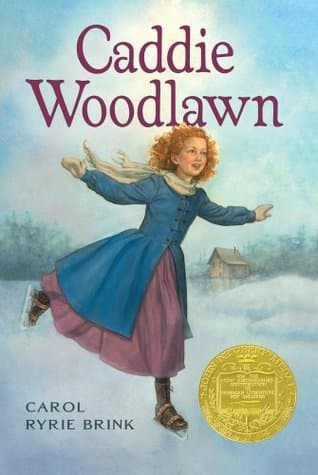
- Caddie Woodlawn
Carol Ryrie Brink
4.0 (48k) average on GoodreadsChildren'sA spirited young girl's adventures and coming-of-age in a historical frontier setting.
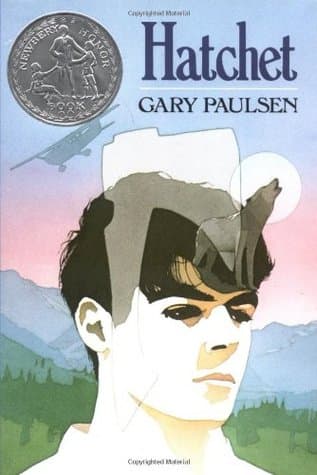
- Hatchet
Gary Paulsen
3.7 (309k) average on GoodreadsChildren'sPaulsen's "Hatchet" is a survival narrative centered on individual resilience against the wilderness. "Maude March," conversely, distinguishes itself by focusing on interpersonal relationships, the complexities of societal pressures (even when 'on the run'), and the moral dilemmas arising from human interaction, rather than solely natural challenges. The core conflict in "Maude March" is often social and ethical, driven by the sisters' bond and their accidental outlaw status.
- Harry Potter and the Sorcerer's Stone
J.K. Rowling
4.5 (7M) average on GoodreadsFantasyRescued from a miserable life under the stairs, an orphaned boy discovers he's a wizard destined for a magical school, where he uncovers a dangerous secret tied to the dark wizard who murdered his parents.
- The Hobbit, or There and Back Again
J.R.R. Tolkien
4.3 (2.9M) average on GoodreadsFantasyA comfort-loving hobbit named Bilbo Baggins is whisked away by a mischievous wizard and a band of dwarves on an unexpected journey to reclaim stolen treasure from a fearsome dragon, discovering courage and a magical ring along the way.
- Harry Potter and the Goblet of Fire
J.K. Rowling
4.6 (2.6M) average on GoodreadsFantasyA bewildered Harry Potter, underage and thrust into a deadly Triwizard Tournament, must brave dragons, mermaids, and a resurgent dark magic to survive a year that will forever alter the wizarding world.




Enjoyed the summary?
A summary gives you the shape of the book. The book itself has the detail, the examples and the voice.
Find The Misadventures of Maude March on AmazonAs an Amazon Associate, BookBrief earns from qualifying purchases. How we're funded