
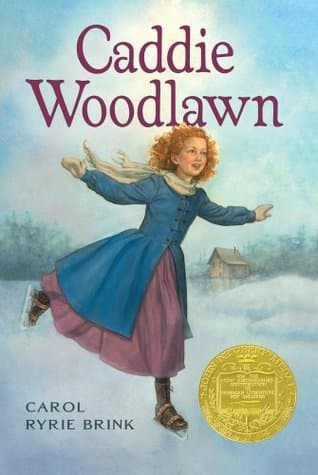
Synopsis
Covers the whole plot, including the ending.
- Difficulty
- Easy
- Pacing
- Moderate
- Mood
- Wholesome, Adventurous, Nostalgic, Heartwarming
- Read it if
- You love classic children's historical fiction about spirited girls, frontier life, and stories based on real people.
- Skip it if
- You prefer fast-paced modern narratives or stories without a strong focus on historical setting and character development over plot.
Caddie Woodlawn Plot Summary
Covers the whole plot, including the ending.
A Wild Spirit in Frontier Wisconsin
The story starts in 1864 in Dunnville, Wisconsin. It introduces eleven-year-old Caroline Augusta 'Caddie' Woodlawn, a tomboy who prefers being with her brothers, Tom and Warren, to her more 'ladylike' sisters, Clara and Minnie. Caddie, Tom, and Warren often play pranks and go on adventures. This often frustrates their refined Bostonian mother and quietly pleases their inventor father. They live on a frontier farm. Caddie's wild nature often clashes with the expectations for girls of her time. Early on, Caddie's adventurous spirit is shown through things like walking on a log over the Red Wing River and her dislike for house chores.
Pranks, School, and Indian Scare
Caddie, Tom, and Warren go to the small, one-room schoolhouse in Dunnville. Caddie's mischievous nature is also seen at school, where she and her brothers play pranks on the new, easily flustered schoolmaster, Mr. Conklin. One prank involves Caddie tying the bell rope to a cow. Later, the community is scared when rumors of an Indian uprising spread, after recent conflicts in Minnesota. The settlers, including the Woodlawns' neighbors, gather at the schoolhouse for protection. They bring their valuables and guns. Tension is high as fear and prejudice are strong among the white settlers, which is different from Caddie's more open mind.
Caddie's Courageous Warning
Amidst the growing fear, Caddie remembers her father's words about not judging all Indians by what a few do. She decides to act. She secretly leaves the schoolhouse and rides her pony, Betsy, through the night to warn her Ojibwa friend, John, and his tribe about the armed settlers. Her journey is dangerous and scary, but she keeps going. Caddie reaches the Indian camp and gives her message. She explains the settlers' fear and their readiness to fight. Her brave act of communication helps calm the situation. It prevents a possible fight between the settlers and the Ojibwa, who had no hostile plans.
A Day with the Ojibwa
After giving her warning, Caddie stays the night in the Ojibwa camp. She is treated with kindness and respect. She shares a meal and sees their customs. She learns more about their peaceful way of life and their connection to nature. The next morning, she rides back to her family, bringing a peace pipe from John as a sign of goodwill. This experience helps Caddie understand and feel for the Ojibwa people more. It strengthens her belief that they should not be feared but understood. Her father is proud of her courage and wisdom. Her mother is relieved but still worried about Caddie's safety.
Adventures and Misadventures
Life on the frontier continues with daily chores and exciting adventures. Caddie and her brothers keep playing their noisy games, often doing daring things and having small accidents. A highlight is their trip to the circus in Menomonie, a rare and exciting event for the children. Caddie, Tom, and Warren sneak under the tent to watch the show, amazed by the animals and performers. Another event is their trip down the river on a raft. They face challenges and enjoy the freedom of the wilderness. These experiences further shape Caddie's independent and adventurous spirit.
The Arrival of Cousin Annabelle
The Woodlawn house changes when Cousin Annabelle arrives from Boston. Annabelle is everything Caddie is not: delicate, proper, and focused on cleanliness and manners. Her visit shows how 'wild' Caddie's habits are, making Caddie feel self-conscious and misunderstood. Annabelle is at first shocked by frontier life and Caddie's rough ways, especially when Caddie and her brothers play a prank with a skunk. This difference between the refined East and the untamed West shows Caddie's unique character and the challenges she faces in being herself while also meeting social expectations.
Learning to Be a Lady (and a Prankster)
Caddie's mother worries about her daughter's lack of domestic skills. She starts to insist that Caddie spend more time indoors learning to sew, cook, and manage a household. Caddie finds these tasks boring and frustrating. She often makes mistakes or finds ways to escape. However, through these experiences, and by watching her mother's quiet strength, Caddie starts to appreciate these skills and her mother's role in the family. Despite trying to be 'ladylike,' Caddie still finds time for pranks, like painting her dog Nero red, which upsets her mother.
The Death of Nero and a Lesson in Empathy
A sad event happens when the family's dog, Nero, gets sick and dies. Caddie is very affected by Nero's death. She experiences deep sadness for the first time. This loss teaches her about how short life is and the pain of saying goodbye. Her father helps her understand the cycle of life and death, offering comfort. This experience is important in Caddie's emotional growth. It shows her ability to feel deeply and have empathy, adding to her growing maturity beyond just her adventurous spirit.
Caddie's Eleventh Birthday and a Difficult Decision
Caddie celebrates her eleventh birthday. This age brings more pressure to fit social expectations for young women. During this time, the Woodlawn family gets a letter from Boston, which leads to a serious talk about their future. Her father, born in Boston, says his family wants them to return East. There, Caddie and her sisters could get a more 'proper' education and upbringing. This idea causes a lot of upset in the family, especially for Caddie. She cannot imagine leaving her Wisconsin frontier and her freedom. The children's opinions are heard, but the final decision is up to the parents.
The Family Decides to Stay
After much thought and discussion, the Woodlawn family decides to stay in Wisconsin. Caddie's father watches his children's love for their frontier life. He sees the value of the independence and strength they have gained. He realizes their current home is where they belong. He says that Caddie, despite her 'wild' ways, is growing into a remarkable young woman. He believes the frontier has changed them all in good ways. This decision brings great relief and joy to Caddie. It makes her feel secure in her belonging and her unique identity in the world.
Principal Figures
Caddie Woodlawn
Protagonist
A spirited, adventurous tomboy in 1860s Wisconsin, who learns to balance her wild spirit with growing maturity.
Caroline Augusta 'Caddie' Woodlawn is an eleven-year-old girl who deeply resents the confines of traditional femininity. She is fiercely independent, brave, and prefers exploring the wilderness, hunting, and playing pranks with her brothers, Tom and Warren, over sewing or baking with her sisters. Caddie possesses a strong sense of justice and empathy, particularly towards the Ojibwa Indians, whom she befriends despite the pervasive prejudice of the white settlers. Her father understands and encourages her spirit, while her mother gently tries to guide her towards more 'ladylike' pursuits. Caddie is observant and thoughtful, often reflecting on the world around her.
Relationships: Robert Woodlawn (Father) (Supportive and understanding, shares her love for the outdoors and learning.); Harriet Woodlawn (Mother) (Loving but concerned, tries to instill proper manners and domestic skills.); Tom Woodlawn (Close brother and co-conspirator in adventures and pranks.); Warren Woodlawn (Younger brother and fellow adventurer.); Clara Woodlawn (Older sister, more conventional and sometimes critical of Caddie.); Minnie Woodlawn (Younger sister, often a target of Caddie's pranks.); John (Ojibwa Indian) (Respected friend and confidant, represents a bridge between cultures.)
Robert Woodlawn
Supporting
Caddie's wise and understanding father, an inventor who encourages his children's individuality.
Caddie's father is a calm, intelligent man who left Boston for the Wisconsin frontier. He is an inventor and a deep thinker, often sharing his philosophical insights with his children. Unlike his wife, he openly encourages Caddie's adventurous spirit and her independence, believing it's important for her to discover her own path. He teaches Caddie about nature, self-reliance, and the importance of treating all people with respect, regardless of their background. His quiet strength and wisdom are a guiding force for Caddie, and he is immensely proud of her courage, especially during the Indian scare.
Relationships: Caddie Woodlawn (Supportive and understanding father-daughter bond.); Harriet Woodlawn (Wife) (Loving and respectful husband-wife relationship, though they sometimes differ on parenting approaches.); Children (Loving and guiding father to all his children.)
Harriet Woodlawn
Supporting
Caddie's refined mother from Boston, who strives to instill proper manners and domesticity in her children.
Caddie's mother is a gentle but firm woman from a cultured Boston background. She struggles to maintain a sense of order and refinement amidst the wildness of the Wisconsin frontier and her boisterous children. Her primary concern for Caddie is that she learn to be a proper young lady, capable of running a household and attracting a good husband. While sometimes exasperated by Caddie's tomboyish ways, she is deeply loving and resilient, managing the household with quiet strength. She represents the traditional expectations that Caddie often rebels against, but also provides a foundation of love and stability.
Relationships: Caddie Woodlawn (Loving mother, often concerned about Caddie's wildness.); Robert Woodlawn (Husband) (Loving and respectful wife-husband relationship.); Children (Nurturing and guiding mother to all her children.)
Tom Woodlawn
Supporting
Caddie's older brother and closest companion in pranks and adventures.
Tom is Caddie's older brother and her most frequent partner in crime. He is equally adventurous and mischievous, always ready for a new dare or prank. He shares Caddie's love for the outdoors and their joint escapades often lead to trouble, but also to memorable experiences. Tom is loyal to Caddie and they share a strong sibling bond, often defending each other. He represents the unbridled freedom and fun of childhood on the frontier, and his relationship with Caddie highlights her comfort and preference for male company.
Relationships: Caddie Woodlawn (Close brother, fellow adventurer, and co-conspirator.); Warren Woodlawn (Older brother and playmate.); Other Siblings (Brother to Clara and Minnie.)
Warren Woodlawn
Supporting
Caddie's younger brother, often involved in her and Tom's adventures.
Warren is Caddie's younger brother, who idolizes Caddie and Tom and eagerly joins in their adventures. He is often the 'third wheel' in their trio, sometimes getting into trouble or being the recipient of their pranks. Warren is enthusiastic and good-natured, following his older siblings' lead. His presence reinforces the dynamic of Caddie's preferred company being her brothers, and he looks up to her bravery and daring. He is a typical younger sibling, eager to prove himself and be part of the action.
Relationships: Caddie Woodlawn (Younger brother and follower.); Tom Woodlawn (Younger brother and playmate.); Other Siblings (Brother to Clara and Minnie.)
Clara Woodlawn
Supporting
Caddie's older, more conventional sister, who often scolds Caddie for her unladylike behavior.
Clara is Caddie's older sister, who embodies the more traditional feminine ideals that Caddie rejects. She is more concerned with manners, cleanliness, and domestic duties, and frequently scolds Caddie for her rough-and-tumble ways. Clara often aligns with her mother's views on proper behavior and represents the societal expectations for girls of their time. While she loves Caddie, her interactions with her sister often highlight the stark contrast between their personalities and choices, serving as a foil to Caddie's wildness.
Relationships: Caddie Woodlawn (Older sister, often critical of Caddie's behavior.); Minnie Woodlawn (Older sister and companion.); Parents (Daughter.)
Minnie Woodlawn
Supporting
Caddie's younger sister, often quiet and sometimes a target of her siblings' pranks.
Minnie is Caddie's younger sister, often portrayed as more delicate and less adventurous than Caddie. She is sometimes a recipient of Caddie's teasing or pranks, but generally remains a background figure compared to the more dominant personalities of Caddie and her brothers. Her presence contributes to the full picture of the Woodlawn family dynamics, showing another facet of girlhood on the frontier, one that is more aligned with traditional expectations, though she is still part of the lively household.
Relationships: Caddie Woodlawn (Younger sister.); Clara Woodlawn (Younger sister and companion.); Parents (Daughter.)
Cousin Annabelle
Supporting
A prim and proper cousin from Boston, whose visit highlights the clash between East and West.
Cousin Annabelle is a visiting relative from Boston, representing the refined, genteel society that Caddie's mother longs for. Annabelle is delicate, easily shocked by the frontier's roughness, and obsessed with cleanliness and proper etiquette. Her presence in the Woodlawn household serves as a stark contrast to Caddie's wildness and the family's frontier lifestyle. She initially finds Caddie's behavior appalling but eventually begins to grudgingly appreciate some aspects of the frontier, though she never fully adapts. She is a catalyst for Caddie's self-reflection on her identity.
Relationships: Caddie Woodlawn (Cousin, initially disapproving of Caddie's ways.); Woodlawn Family (Visiting relative.)
John
Supporting
An Ojibwa Indian who is a friend to Caddie and a symbol of cross-cultural understanding.
John is an Ojibwa Indian whom Caddie knows and trusts. He is depicted as a dignified and peaceful man who represents the indigenous people living near the Woodlawn farm. Caddie's friendship with John and her interactions with his tribe are crucial to the plot, particularly when she warns them of the settlers' fears, averting potential conflict. John embodies the idea that not all Native Americans are hostile and that understanding and communication can bridge cultural divides. He is a symbol of Caddie's open-mindedness and her ability to see beyond prejudice.
Relationships: Caddie Woodlawn (Respected friend.)
Themes & Insights
Identity and Self-Discovery
Caddie's journey to define herself amid different expectations is the main theme. She struggles with social pressure to become a 'lady' and her desire for freedom and adventure. Her father's wisdom and her experiences, like riding to warn the Indians, help her see that her unique spirit is a strength. Cousin Annabelle's visit further shows this inner conflict. Caddie questions where she belongs and who she wants to be. In the end, Caddie accepts who she is, finding she can be both adventurous and responsible.
“There would be a time for everything, a time for play and a time for work, a time for wildness and a time for rest, a time for being a tomboy and a time for being a lady.”
Frontier Life and Coming of Age
Frontier life in 1860s Wisconsin, which is hard but freeing, sets the stage for Caddie's growth. The challenges of farming, the close community, the threat of the wilderness, and simple joys all help her develop. Caddie's adventures, from walking on logs to riding through the night, happen because of her environment. The book shows how the frontier builds strength, independence, and a connection to nature. These things shape Caddie into a capable and empathetic person. Her coming-of-age is linked to the experiences and values of this historical setting.
“Life on the frontier was never dull, not with six children and a father who was an inventor and a mother who had come from Boston and was determined to make a home in the wilderness.”
Prejudice and Empathy
The book shows prejudice through the white settlers' fear and distrust of the Ojibwa Indians. Rumors of an uprising cause widespread fear, showing deep biases. Caddie challenges this prejudice through her friendship with John and her brave act of warning the tribe. Her father's lessons about judging individuals, not groups, stress empathy and understanding. Caddie's actions show how individual courage and communication can break down barriers and stop conflict, promoting a kinder view.
“Some folks are always wanting to fight the Indians. They don't know them, that's all.”
Family and Belonging
The Woodlawn family is central to the story. They provide both challenges and support for Caddie. The dynamics between the noisy siblings, the parents' different personalities, and their efforts to build a life on the frontier show how important family bonds are. Despite her mother trying to 'tame' her, Caddie always feels loved and understood, especially by her father. The decision about returning to Boston highlights the family's deep roots in Wisconsin and their shared identity. It ultimately confirms their sense of belonging to their frontier home and to each other.
“We're staying, children. This is home. And it's a good home.”
Plot Devices & Literary Techniques
Tomboy Protagonist
A spirited young girl who challenges traditional gender roles of her era.
Caddie Woodlawn embodies the classic tomboy archetype, a literary device used to explore themes of identity, freedom, and societal expectations. Her preference for outdoor adventures, rough-and-tumble games, and male company over domestic tasks immediately sets her apart from conventional female characters of her time. This device allows the author to critique rigid gender roles and celebrate a different kind of strength and spirit in a young girl. Caddie's tomboy nature is central to her conflicts and triumphs, particularly in her interactions with her mother and Cousin Annabelle, and her eventual acceptance of her unique identity.
Historical Setting (1860s Wisconsin Frontier)
The specific time and place shape characters, conflicts, and themes.
The historical setting of the Wisconsin frontier in the 1860s is more than just a backdrop; it is a crucial plot device that actively shapes the characters and narrative. The challenges of pioneering life, the proximity to Native American tribes, the lack of modern conveniences, and the social norms of the era directly influence Caddie's adventures, her family's struggles, and the community's fears. This setting provides the context for the Indian scare, the need for self-reliance, and the stark contrast between Caddie's wildness and the expectations of 'civilized' society, making the story a vivid piece of historical fiction.
Coming-of-Age Narrative
The story follows the protagonist's journey from childhood innocence to a deeper understanding of self and the world.
Caddie Woodlawn is a quintessential coming-of-age story, focusing on Caddie's psychological and moral growth as she transitions from childhood to adolescence. The narrative tracks her development from a purely mischievous and independent tomboy to a young girl who begins to understand empathy, responsibility, and the complexities of human relationships. Key events like the Indian scare, the death of Nero, and the family's decision about Boston all serve as milestones in her journey, forcing her to confront difficult realities and mature. This device allows readers to witness Caddie's transformation and self-discovery.
Foil Characters (Cousin Annabelle and Clara)
Characters whose contrasting traits highlight the protagonist's qualities.
Cousin Annabelle and Caddie's older sister, Clara, serve as foil characters to Caddie. Annabelle, with her extreme primness, Bostonian airs, and aversion to anything rustic, starkly contrasts Caddie's wildness and comfort with frontier life. Clara, while Caddie's sister, represents a more conventional path for girls, often scolding Caddie for her unladylike behavior. These characters highlight Caddie's unique spirit, independence, and the societal pressures she faces, making her choices and struggles more pronounced and allowing the reader to better understand Caddie's internal conflicts and her eventual embrace of her authentic self.
Caddie Woodlawn Quotes
“It was not very ladylike to slide down the straw stack, but it was a lot of fun. And Caddie had a way of forgetting to be ladylike when there was fun to be had.”
“The Indians were coming! This thought, which would have filled most children with terror, only made Caddie's heart beat faster with a kind of wild excitement.”
“Being a pioneer was a lot of hard work, but it was also a lot of fun, and Caddie wouldn't have traded it for anything.”
“You are a little lady, Caddie, and you must learn to behave like one. But don't ever let anyone take away your spirit.”
“Caddie knew that she was a part of something big and important, something that was growing and changing all the time.”
“The woods were full of secrets, and Caddie knew them all.”
“It was a good thing to be alive, a good thing to be Caddie Woodlawn, a good thing to be living on the frontier.”
“There was a time for being wild and a time for being quiet, and Caddie was learning to know the difference.”
“Sometimes the best way to get along with folks was to let them think they were right, even when you knew they weren't.”
“The river was like a friend, always there, always flowing, always ready for a swim or a boat ride.”
“No matter how much trouble she got into, Caddie always knew her father would understand.”
“Life wasn't always easy, but it was always interesting.”
“She wouldn't trade her patched dresses and bare feet for all the fine silks and slippers in the world.”
“The world was a wonderful place, full of things to see and do, and Caddie intended to see and do as much of it as she could.”
Quiz
10 questions on the plot and the characters. Each answer comes with a short explanation.
Question 1
What is Caddie Woodlawn's primary personality trait that sets her apart from her sisters?
- Her love for embroidery and household chores.
- Her adventurous spirit and preference for outdoor activities.
- Her quiet demeanor and studious nature.
- Her fear of animals and the wilderness.
Show answer
B. Her adventurous spirit and preference for outdoor activities. Caddie is known for her adventurous spirit, preferring to hunt and plow rather than engage in traditional 'girl' activities like sewing or baking, which sets her apart from her sisters.
Question 2
Which historical period is 'Caddie Woodlawn' set in?
- The American Revolutionary War era.
- The early 20th century.
- The mid-19th century, during the American frontier expansion.
- The colonial period.
Show answer
C. The mid-19th century, during the American frontier expansion. The book is set during the mid-19th century in Wisconsin, reflecting the challenges and experiences of pioneer life on the American frontier.
Question 3
What is the primary reason Caddie's friendship with the local Native Americans is notable?
- It facilitates trade between the settlers and the tribes.
- Most other settlers, including Caddie's neighbors, are fearful of them.
- She is learning their language to become an interpreter.
- Her father encourages her to convert them to Christianity.
Show answer
B. Most other settlers, including Caddie's neighbors, are fearful of them. Caddie's friendships with the Native Americans are significant because most of her neighbors and even her own family members are fearful or suspicious of them, highlighting her unique open-mindedness.
Question 4
What is the significance of the Woodlawn family's decision to stay in Wisconsin rather than return to Boston?
- It means Caddie will finally have a chance to go to a proper ladies' finishing school.
- It signifies their commitment to their pioneer life and their future in the west.
- It is a punishment for Caddie's unruly behavior.
- They were unable to sell their Wisconsin farm for a good price.
Show answer
B. It signifies their commitment to their pioneer life and their future in the west. The decision to stay in Wisconsin, after considering a move back East, represents the family's embrace of their pioneer identity and their future in the new frontier, a choice Caddie strongly advocates for.
Question 5
How does Caddie react to the prospect of becoming more 'ladylike' as she grows older?
- She eagerly anticipates it, looking forward to new dresses and social events.
- She completely rejects the idea, vowing to remain a tomboy forever.
- She accepts it with a sense of reluctant understanding, realizing it's part of growing up.
- She runs away to live with the Native American tribe to avoid it.
Show answer
C. She accepts it with a sense of reluctant understanding, realizing it's part of growing up. While Caddie resists the idea of becoming 'ladylike' initially, she eventually comes to terms with it, understanding that growing up involves taking on new responsibilities and changing roles, but she doesn't lose her spirit.
Question 6
What specific event demonstrates Caddie's bravery and her ability to bridge understanding between the settlers and the Native Americans?
- She helps the Native Americans build a new longhouse.
- She rides alone to warn the Native Americans of an impending attack from fearful settlers.
- She teaches the Native American children to read and write.
- She organizes a joint hunting party with both groups.
Show answer
B. She rides alone to warn the Native Americans of an impending attack from fearful settlers. Caddie demonstrates immense bravery when she rides alone to warn the Native Americans that some settlers are planning to attack them, thereby preventing a potential massacre and fostering peace.
Question 7
Who is 'Nettie' and what role does she play in Caddie's life?
- Nettie is Caddie's younger sister who always tries to copy her adventures.
- Nettie is an Indian girl who becomes Caddie's closest friend among the tribe.
- Nettie is a new schoolteacher who tries to enforce strict rules on Caddie.
- Nettie is one of Caddie's cousins from Boston who visits and offers a different perspective on manners and city life.
Show answer
D. Nettie is one of Caddie's cousins from Boston who visits and offers a different perspective on manners and city life. Nettie is Caddie's refined cousin from Boston whose visit highlights the contrast between frontier life and city manners, prompting Caddie to reflect on her own identity and future.
Question 8
What is the central theme explored through Caddie's relationship with her father?
- The importance of strict discipline in raising children.
- The struggle for power between parents and children.
- Understanding and acceptance of an unconventional child's spirit.
- The necessity of economic independence for women.
Show answer
C. Understanding and acceptance of an unconventional child's spirit. Caddie's father is unique in his understanding and acceptance of her tomboyish nature, often defending her and encouraging her spirit, contrasting with her mother's desire for her to be more 'ladylike'.
Question 9
Which of Caddie's brothers is her frequent accomplice and rival in adventures and dares?
- Tom
- Warren
- John
- Robert
Show answer
A. Tom Tom is Caddie's closest brother in age and spirit, often joining her in escapades and dares, making him her primary partner in adventure.
Question 10
How does the book's basis in the real Caddie Woodlawn's memories contribute to its appeal?
- It provides a blueprint for how to survive in the wilderness.
- It offers an authentic and personal glimpse into pioneer life and a unique childhood.
- It includes actual historical documents and photographs.
- It details the exact genealogy of the Woodlawn family.
Show answer
B. It offers an authentic and personal glimpse into pioneer life and a unique childhood. The fact that the story is based on the real memories of Carol Ryrie Brink's grandmother, the actual Caddie Woodlawn, gives the narrative a sense of authenticity and a personal touch, making the historical setting and characters more vivid and relatable.
Caddie Woodlawn FAQ
What is Caddie Woodlawn about?
Caddie Woodlawn is a historical fiction novel set in the 1860s Wisconsin frontier, following the adventurous ten-year-old Caddie Woodlawn. She prefers outdoor activities like hunting and exploring with her brothers, Tom and Warren, over traditional 'girl's work' like sewing, often challenging societal expectations and her mother's desire for her to be more ladylike. The book chronicles her escapades, her unique friendship with the local Ojibwe Indians, and her growth as she navigates the challenges and joys of pioneer life.
Why should I read Caddie Woodlawn?
You should read Caddie Woodlawn for its spirited portrayal of a strong, independent girl who defies gender norms in a historical setting, offering a refreshing perspective on childhood and frontier life. The book is rich with adventure, humor, and tender moments, providing insights into pioneer struggles, cultural differences, and the importance of family and community. It's a beloved classic that celebrates individuality and the joy of a free-spirited childhood.
What is the background/setting of Caddie Woodlawn?
The story is set in the mid-1860s in rural Dunn County, Wisconsin, along the banks of the Red Cedar River, specifically on the Woodlawn family farm. It vividly depicts the rugged, untamed American frontier during a time when settlers lived in close proximity to Native American tribes, facing challenges like isolation, hard labor, and the ever-present threat of conflict, all while trying to build a new life.
What are the most memorable quotes?
One memorable quote is when Caddie's father tells her, 'There will be a time for you to be a lady, Caddie, but it is not yet.' This encapsulates her father's understanding of her independent spirit. Another is Caddie's own thought, 'It was better to be a tomboy and be happy than to be a lady and be miserable,' reflecting her strong preference for freedom over societal expectations.
What writing style does the author use?
Carol Ryrie Brink employs a warm, engaging, and straightforward narrative style, characteristic of children's historical fiction. Her language is descriptive and evocative, painting vivid pictures of the Wisconsin frontier and Caddie's adventures, while maintaining an accessible tone for young readers. The storytelling is episodic, reflecting a child's day-to-day experiences, often infused with humor and genuine emotion.
What minor details add significant meaning?
The constant presence of the 'circuit rider' preacher, Mr. Tanner, highlights the importance of religion and community structure in frontier life, often clashing with Caddie's wilder nature. The descriptions of specific chores like candle-making, butchering, and harvesting not only ground the story in historical reality but also subtly emphasize the demanding, self-sufficient lifestyle of pioneers, contrasting with Caddie's desire for play.
What are some subtle foreshadowing moments?
Early on, the underlying tension and fear of Indian attacks among the white settlers, despite Caddie's positive relationship with them, subtly foreshadows the more serious conflict that arises when a false rumor of an Indian uprising spreads. Also, Caddie's observations of her older sister Clara's interest in boys and 'lady-like' pursuits hint at the inevitable changes Caddie herself will face as she grows older.
What unexpected character connections exist?
Perhaps the most unexpected connection is Caddie's deep, respectful friendship with Chief John of the Ojibwe tribe. Despite the widespread fear and prejudice against Native Americans among her neighbors, Caddie sees Chief John as a wise and kind individual, forming a bond that transcends cultural barriers and plays a crucial role in preventing potential conflict between the settlers and the tribe.
What are unspoken character motivations?
Caddie's mother, Mrs. Woodlawn, unspokenly yearns for a more refined, 'civilized' life that she left behind in Boston. Her constant efforts to make Caddie more ladylike stem from a desire to preserve a sense of order and gentility in the wilderness, and perhaps to ensure her daughter's future ease in a more conventional society, rather than solely to stifle Caddie's spirit.
What psychological complexities do characters exhibit?
Caddie exhibits a complex internal struggle between her natural inclination for freedom and adventure and the societal expectations placed upon her as a girl growing up. She grapples with identity, torn between the tomboy she is and the lady her mother wants her to be, showcasing the psychological impact of gender roles during that era on a child's self-perception.
What are the major emotional turning points?
A major emotional turning point occurs when Caddie bravely rides alone through the woods to warn Chief John and his tribe about the false rumor of an impending attack from the settlers. This act of courage and trust solidifies her unique bond with the Ojibwe and marks her transition from a mischievous child to a responsible, empathetic young girl capable of great bravery. Another is her father's 'coming of age' talk.
How do relationship dynamics evolve?
The relationship between Caddie and her father evolves from one of playful understanding to a deeper respect and mentorship, especially after their pivotal 'coming of age' conversation where he acknowledges her unique spirit while guiding her towards maturity. Her relationship with her mother also softens as Mrs. Woodlawn gradually accepts Caddie's nature, recognizing her inherent goodness and courage, rather than solely focusing on her 'unladylike' behavior.
Which parts remain ambiguous or open-ended?
While the book concludes with Caddie embracing her future as a young woman, the exact path her life will take regarding her adventurous spirit versus societal expectations remains somewhat open-ended. Readers are left to imagine how she balances her love for the wild frontier with the responsibilities and roles that await her as she matures, without a definitive resolution to her tomboy nature.
What are controversial scenes or decisions?
The most controversial scene involves the false rumor of an Indian uprising and the settlers' immediate, fear-driven reaction, including plans for violence against the Ojibwe. Caddie's decision to warn Chief John, defying her community's prejudice and potentially putting herself in danger, is a morally complex choice that challenges the prevailing attitudes of the time and highlights the deep-seated racism present on the frontier.
Caddie Woodlawn ending explained: how it ends & what it means
The book ends with Caddie turning eleven and having a significant conversation with her father, who acknowledges her tomboy past but gently guides her towards understanding her future role as a young woman. He tells her she can be 'a lady and still be Caddie,' reinforcing that she doesn't have to lose her spirit to grow up. This ending signifies Caddie's acceptance of her evolving identity, finding a balance between her adventurous self and the expectations of womanhood, embodying a hopeful and empowering message about self-acceptance and growth.
About the author

Carol Ryrie Brink was an American author celebrated for her children's literature. She is best known for her Newbery Medal-winning novel, Caddie Woodlawn, which vividly portrays pioneer life in Wisconsin. Brink's writing often focused on historical settings and strong female protagonists, capturing the spirit of adventure and resilience.
Similar books
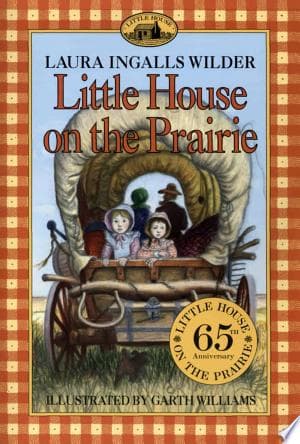
- Little House on the Prairie
Laura Ingalls Wilder
4.2 (256k) average on GoodreadsChildren'sBoth are classic children's historical fiction about pioneer life, focusing on a strong female protagonist's experiences growing up on the American frontier.
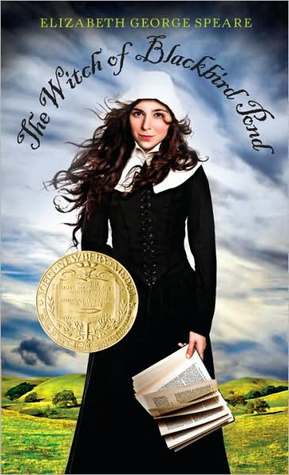
- The Witch of Blackbird Pond
Elizabeth George Speare
4.0 (135k) average on GoodreadsChildren'sSpeare's novel also features a spirited young female protagonist challenging societal norms, but it delves into more complex moral dilemmas, social ostracism, and psychological depth. While 'Caddie Woodlawn' maintains a lighter, episodic adventure tone, 'The Witch of Blackbird Pond' explores more profound themes of justice, prejudice, and individual conscience.
- Harry Potter and the Sorcerer's Stone
J.K. Rowling
4.5 (7M) average on GoodreadsFantasyRescued from a miserable life under the stairs, an orphaned boy discovers he's a wizard destined for a magical school, where he uncovers a dangerous secret tied to the dark wizard who murdered his parents.
- The Hobbit, or There and Back Again
J.R.R. Tolkien
4.3 (2.9M) average on GoodreadsFantasyA comfort-loving hobbit named Bilbo Baggins is whisked away by a mischievous wizard and a band of dwarves on an unexpected journey to reclaim stolen treasure from a fearsome dragon, discovering courage and a magical ring along the way.
- Harry Potter and the Goblet of Fire
J.K. Rowling
4.6 (2.6M) average on GoodreadsFantasyA bewildered Harry Potter, underage and thrust into a deadly Triwizard Tournament, must brave dragons, mermaids, and a resurgent dark magic to survive a year that will forever alter the wizarding world.
- Harry Potter and the Order of the Phoenix
J.K. Rowling
4.5 (2.5M) average on GoodreadsFantasyIn a year of oppressive secrets and the threat of Voldemort, Harry Potter and Dumbledore's Army secretly train for war, shown through Jim Kay and Neil Packer's dark illustrations.




Enjoyed the summary?
A summary gives you the shape of the book. The book itself has the detail, the examples and the voice.
Find Caddie Woodlawn on AmazonAs an Amazon Associate, BookBrief earns from qualifying purchases. How we're funded