

Synopsis
Covers the whole plot, including the ending.
- Difficulty
- Medium
- Pacing
- Slow
- Mood
- Magical, Sensual, Melancholy, Hopeful, Atmospheric
- Read it if
- You enjoy magical realism, cultural exploration, and a unique, sensual romance.
- Skip it if
- You prefer fast-paced plots without much introspection or are put off by a blend of fantasy and everyday life.
The Mistress of Spices Plot Summary
Covers the whole plot, including the ending.
Tilo's Origin and Training
Tilo narrates her past from an unnamed island. As a child, she was chosen to become a Mistress of Spices. She describes her training under the First Mother and other Mistresses, learning the ancient secrets of spices – their culinary uses and their magical properties to heal, guide, and protect. Each spice has a unique spirit. Her initiation involved a painful fire ritual, where she shed human desires and gained immortality and an ageless, elderly form. She was bound by strict rules: never to leave her shop, never to touch anyone, and never to use her powers for personal gain, or the spices would turn against her.
Arrival in Oakland and the Spice Shop
After her initiation, Tilo was transported to Oakland, California, where she opened 'Spice Bazaar.' The shop is an aromatic haven where the Indian diaspora and others come for spiced remedies. From behind her counter, Tilo, appearing as an old woman, dispenses spices, wisdom, and subtle magical interventions for each customer. She observes their lives, understands their unspoken desires, and selects the perfect spice to guide them towards healing, love, or prosperity, always following her sacred duty.
First Encounters: Haroun and Geeta
Among Tilo's early customers are Haroun, a young man struggling with anger, and Geeta, a timid girl wanting confidence. Tilo prescribes cumin for Haroun, to cool his temper and help him find his voice. She gives turmeric to Geeta, to give her inner strength. She watches the spices work, guiding Haroun to assert himself and Geeta to overcome shyness. These interactions reinforce Tilo's purpose and her connection to the spices, solidifying her role as a compassionate healer.
Jagjit and the Pain of the Past
Jagjit, a young Sikh man, visits Tilo's shop. He is burdened by traumatic memories of his family's experiences during the Partition of India. He is restless and yearns for belonging. Tilo senses his deep pain and offers him saffron, known for bringing peace and connecting one to heritage. Through the saffron, Jagjit begins to face his past, honoring his family's history without being consumed by it. Tilo observes his slow healing, understanding that some wounds need spiritual and emotional remedies, which the spices provide.
The Arrival of Raven
One day, Raven, a handsome American, enters the Spice Bazaar, seeking a remedy for his loneliness. Tilo is immediately drawn to him, a sensation she has never felt. She momentarily forgets her vows, captivated by his eyes and vulnerability. She gives him ginger, a spice to warm the heart, but their interaction is different; a spark of forbidden attraction begins, threatening her disciplined existence.
A Forbidden Connection Deepens
Raven returns to the shop repeatedly, drawn by Tilo's wisdom and the comfort he finds in her presence. He shares details of his life as a landscaper and his longing for connection. Tilo becomes fascinated by him, allowing herself to glimpse a life beyond her duties. She feels the spices growing restless, warning her of the danger of breaking her vows, yet she cannot resist. She begins to subtly use spices to draw Raven closer, a violation of her oath, deepening her internal conflict.
The Spices Rebel
As Tilo's emotional entanglement with Raven grows, the spices in her shop rebel. Their aromas turn acrid, their whispers become condemnations, and they refuse to cooperate. Customers report strange effects from her remedies, or the spices simply fail. Tilo experiences physical discomfort and unease, signs she is violating her oath. The First Mother appears in visions, reminding her of the consequences of abandoning her purpose for mortal desires. Tilo must confront the severe repercussions of her forbidden love.
The Reckoning and the Test
The spices' rebellion culminates in a test. The First Mother gives Tilo a choice: renounce Raven and reaffirm her vows, or lose her immortality and see her shop and spices turn to ashes. She must undergo another trial by fire, this time to purify herself or to embrace her human desires. This decision weighs heavily on her, as she grapples with choosing between her ancient, magical existence and the deeply felt love for Raven. The fate of her shop, her powers, and her being hang in the balance.
Tilo's Sacrifice
In a climactic act of defiance, Tilo chooses Raven. She prepares for the trial by fire, not to reaffirm her vows, but to sever her ties to the Mistresses. She embraces her mortal body and her love for Raven, understanding this means giving up her immortality, her ageless form, and her magical connection to the spices. The shop is consumed by fire. Tilo undergoes a painful transformation, emerging as a mortal woman. The spices, having witnessed her choice, depart or lose their magic, leaving her with only their fragrance and memories.
A New Beginning
After the fire, Tilo emerges, no longer an ageless Mistress, but a young, human woman. Raven, who has been waiting, finds her. He accepts her as the woman he loves. Together, they begin a new life, building a home rooted in human connection. Tilo, without her magical powers, finds fulfillment in her love for Raven and the simple joys of mortal existence, discovering that true magic can also be found in everyday moments of human intimacy.
The Mistress of Spices Characters
Tilo
Protagonist
The Mistress of Spices, bound by ancient vows and torn by forbidden love.
Tilo is an immortal woman, chosen in her youth to become a Mistress of Spices. She possesses deep empathy and a profound connection to the magical and healing properties of spices, which she dispenses from her shop in Oakland. Outwardly appearing as an old woman due to her initiation, she is wise, observant, and fiercely dedicated to her sacred duties. Her internal conflict arises from her growing human desires, particularly her love for Raven, which challenges her vows of detachment and selflessness.
Relationships: Raven (Forbidden romantic interest, her eventual partner); First Mother (Mentor and spiritual guide); Haroun (Customer whom she helps with anger); Geeta (Customer whom she helps with shyness); Jagjit (Customer whom she helps with past trauma)
Raven
Supporting
A lonely American man who captures Tilo's human heart.
Raven is a handsome American landscaper, intelligent and kind, but deeply lonely. He is drawn to Tilo's spice shop seeking a cure for his pervasive emptiness. He represents the possibility of a normal, human life for Tilo, offering her connection and love. Unaware of Tilo's magical identity, he sees her as a wise and compassionate old woman who understands him like no one else. His presence forces Tilo to confront her long-suppressed desires.
Relationships: Tilo (Romantic interest and eventual partner)
First Mother
Supporting
Tilo's wise and stern mentor in the ancient ways of the Mistresses.
The First Mother is the head of the Mistresses of Spices and Tilo's primary mentor. She embodies the ancient traditions, rules, and wisdom of their order. She appears to Tilo in visions and dreams, guiding her and reminding her of her sacred vows and the consequences of breaking them. She represents the strict, disciplined path Tilo is meant to follow, serving as both a source of wisdom and a formidable challenge to Tilo's burgeoning human desires.
Relationships: Tilo (Mentor and spiritual guide)
Haroun
Supporting
A young Indian immigrant struggling with anger and cultural adjustment.
Haroun is a young Indian man who comes to Tilo's shop seeking help for his anger issues and his struggle to adapt to life in America. He feels disrespected and misunderstood, often resorting to aggression. Tilo uses cumin to help him find his voice and channel his frustrations more constructively. His story highlights the challenges faced by immigrants in finding their place and identity in a new country.
Relationships: Tilo (Customer seeking her aid)
Geeta
Supporting
A shy Indian girl seeking confidence and friendship.
Geeta is a timid young Indian girl who visits Tilo's shop. She is painfully shy and struggles to make friends, feeling invisible and lacking confidence. Tilo prescribes turmeric for her, a spice to bring out her inner radiance and courage. Geeta's story represents the universal desire for belonging and self-acceptance, and Tilo's role in gently nudging her towards embracing her true self.
Relationships: Tilo (Customer seeking her aid)
Jagjit
Supporting
A young Sikh man haunted by the trauma of his family's past.
Jagjit is a young Sikh man burdened by the intergenerational trauma of the Partition of India, which deeply affected his family. He suffers from restlessness and sleeplessness, unable to escape the ghosts of the past. Tilo offers him saffron to help him find peace and connect with his heritage in a healing way, allowing him to process his grief and find a sense of belonging. His narrative explores themes of historical trauma and healing.
Relationships: Tilo (Customer seeking her aid)
The Mistress of Spices Themes
Identity and Belonging
The novel explores how individuals, especially immigrants, find their identities in a new land and the universal need for belonging. Tilo herself struggles with her identity as an immortal Mistress versus a woman wanting mortal love. Her customers, like Haroun and Jagjit, deal with cultural assimilation and heritage. The spice shop becomes a sanctuary where identities are affirmed, and belonging is created through shared experience and Tilo's guidance. Tilo's choice to become mortal highlights the deep desire for a human identity and belonging with Raven.
“For the spices whispered to me of their need, and I, too, was a foreigner, though of a different kind.”
Sacrifice and Love
The central theme is Tilo's ultimate sacrifice for love. Her life as a Mistress requires detachment and selflessness, demanding she sacrifice personal desires, touch, and immortality. Her forbidden love for Raven forces her to choose between her sacred duty and the intimacy of human connection. Her decision to give up her powers and immortality for a mortal life with Raven shows that love often demands significant personal sacrifice and a willingness to be vulnerable. This sacrifice redefines her understanding of power and fulfillment.
“I had chosen to burn. Not to be burned, but to burn, for the man who saw me.”
The Power of Spices and Connection
Spices are not just ingredients but living entities with distinct personalities and magical powers. They serve as a metaphor for life's interconnectedness and the subtle forces that shape human destiny. Tilo acts as a conduit, using their properties to heal, guide, and protect her customers. Each spice, from anger-cooling cumin to confidence-boosting turmeric, represents a specific human need. Their rebellion when Tilo breaks her vows emphasizes their sentience and the sacred contract she holds with them, highlighting that true power comes with responsibility and respect for these natural forces. They are tools of empathy and understanding.
“Each spice had a soul, a voice, a history. Each spice had a lesson to teach.”
The Conflict Between Duty and Desire
This theme is central to Tilo's story. As a Mistress, Tilo is bound by strict vows that demand she suppress all personal desires and dedicate herself to helping others through spices. Her growing affection for Raven directly challenges these vows, creating internal conflict. The novel explores the tension between following a disciplined path and succumbing to the powerful pull of human emotion. Tilo's struggle illustrates the universal dilemma of choosing between duty and personal fulfillment.
“My body was a vessel for the spices, not for human touch.”
Plot Devices & Literary Techniques
Magical Realism
Supernatural elements woven seamlessly into a realistic setting.
The novel employs magical realism by integrating magical elements—such as Tilo's immortality, her communication with spices, and the spices' literal healing and guiding powers—into the mundane, contemporary setting of Oakland, California. These fantastical elements are presented matter-of-factly, without extensive explanation, allowing the reader to accept them as part of the story's reality. This device allows for a deeper exploration of human emotions and experiences, using the magical to illuminate the real struggles and desires of the characters, bridging the gap between the spiritual and the everyday.
Sensory Imagery (Smell and Taste)
Vivid descriptions of spices to evoke emotion and atmosphere.
Divakaruni uses rich, evocative sensory imagery, particularly focusing on the smells and tastes of the spices. These descriptions are not merely decorative; they convey the essence of the spices' magical properties, their personalities, and their effects on the characters. The aromatic atmosphere of Tilo's shop is central to its identity and Tilo's connection to her craft. The changing scents of the spices reflect Tilo's internal state and the progress of her customers, creating a deeply immersive and sensual reading experience that reinforces the magical nature of the spices themselves.
The Spice Shop as a Liminal Space
A space existing between two worlds: the magical and the mundane.
Tilo's 'Spice Bazaar' functions as a powerful liminal space. It is physically located in Oakland, a bustling American city, yet within its walls, ancient magic, Indian culture, and profound human dilemmas converge. It serves as a threshold between the ordinary world of her customers and the mystical realm of the Mistresses and the spices. This space allows for the blending of cultures, the healing of wounds, and the transformation of lives, acting as a sanctuary where the rules of the mundane world are temporarily suspended, and deeper truths can be accessed and addressed.
The Mistress of Spices Quotes
“Spices. I know their secrets. I know what they long for.”
“For the spices, I am a goddess. For the humans, I am just a woman.”
“Love is a dangerous spice. It can heal, or it can destroy.”
“The spices whisper stories, if you only know how to listen.”
“To be truly free, one must first be truly bound.”
“Sometimes, the best way to help someone is to let them help themselves.”
“The past is a country we can never truly leave.”
“A spice is not just a flavor. It is a memory, a history, a longing.”
“To heal others, you must first be whole yourself.”
“America. A land of many colors, many dreams, many lonelinesses.”
“The greatest magic is the magic of the human heart.”
“Every secret carries a price.”
“Sometimes, the right thing to do is the hardest thing to do.”
“The spices were a river, and I was merely a boat upon it.”
Quiz
10 questions on the plot and the characters. Each answer comes with a short explanation.
Question 1
What is the name of the main character who becomes the Mistress of Spices?
- Maya
- Tilo
- Leela
- Anjali
Show answer
B. Tilo The protagonist's name, who is trained in the ancient art of spices, is Tilo.
Question 2
In which city does Tilo open her spice shop in California?
- San Francisco
- Los Angeles
- Oakland
- San Jose
Show answer
C. Oakland After traveling through time, Tilo establishes her spice shop in Oakland, California.
Question 3
What is the primary role of the spices Tilo administers to her customers?
- To enhance the flavor of food
- To be used in religious ceremonies
- As curatives for their problems
- To ward off evil spirits
Show answer
C. As curatives for their problems Tilo uses her spices not just for cooking, but primarily as magical curatives to help her customers with their various ailments and life struggles.
Question 4
What physical manifestation does Tilo often take on while working in her spice shop due to her immortal nature?
- A young, vibrant woman
- A gnarled and arthritic old woman
- An invisible spirit
- A child
Show answer
B. A gnarled and arthritic old woman The synopsis explicitly states that the now immortal Tilo travels through time in 'the gnarled and arthritic body of an old woman'.
Question 5
What event is described as the initiation that makes Tilo immortal and ordains her as a mistress?
- A ritual involving water
- A rite of fire
- An oath sworn under the stars
- A ceremonial feast
Show answer
B. A rite of fire Tilo's full initiation into her powers and immortality is achieved through 'a rite of fire'.
Question 6
What major conflict arises for Tilo due to her romance with a stranger?
- She struggles to keep her shop financially viable.
- She must choose between her supernatural life and modern life.
- Her customers become jealous of her new relationship.
- The stranger tries to steal her spices.
Show answer
B. She must choose between her supernatural life and modern life. The core conflict in the story is Tilo being 'forced to choose between the supernatural life of an immortal and the vicissitudes of modern life' due to her romance.
Question 7
What is one of the key characteristics of the novel's overall tone and style, as described in the summary?
- Gritty and realistic
- Humorous and satirical
- Magical, tantalizing, and sensual
- Suspenseful and thrilling
Show answer
C. Magical, tantalizing, and sensual The summary explicitly describes the book as 'Magical, tantalizing, and sensual', highlighting its unique tone.
Question 8
What specific consequence might Tilo face if she fully embraces her love for the stranger and modern life?
- She would lose her spice shop.
- She would lose her immortality and magical powers.
- She would be forced to leave Oakland.
- Her spices would lose their potency.
Show answer
B. She would lose her immortality and magical powers. While not explicitly stated in the summary, the 'choice between the supernatural life of an immortal and the vicissitudes of modern life' implies that embracing the latter would mean relinquishing the former, including her immortality and powers. This is a common trope in such fantasy romances.
Question 9
What distinguishes Tilo from a regular spice merchant, making her a 'Mistress of Spices'?
- Her exceptionally rare collection of spices.
- Her ability to grow all her own spices.
- Her ancient training and special powers associated with spices.
- Her extensive knowledge of culinary history.
Show answer
C. Her ancient training and special powers associated with spices. The summary states she is 'trained in the ancient art of spices and ordained as a mistress charged with special powers', which sets her apart from an ordinary merchant.
Question 10
The story involves Tilo traveling through time. What is the implied direction of her time travel?
- From the present to the past.
- From the past to the present.
- Only within the present, but to different locations.
- From the present to the future.
Show answer
B. From the past to the present. The summary states Tilo was 'born in another time, in a faraway place' and then 'travels through time to Oakland, California', implying a journey from an ancient past to the modern present.
The Mistress of Spices FAQ
Who is Tilo and what is her primary role at the beginning of the story?
Tilo is a young woman from a faraway place, chosen and trained in the ancient art of spices. She is ordained as a Mistress of Spices, imbued with magical powers to understand and dispense spices for human needs, specifically to guide and heal her fellow immigrants.
What is the significance of the 'rite of fire' in Tilo's journey?
The rite of fire is the initiation ritual that transforms Tilo into an immortal Mistress. It grants her special powers but also imposes the curse of aging, causing her to inhabit the body of an old woman, and restricts her from personal attachments, particularly romantic love.
Where does Tilo establish her spice shop, and what kind of clientele does she serve?
Tilo opens her spice shop, 'Bengali Spices', in Oakland, California. Her clientele primarily consists of Indian immigrants grappling with the challenges of assimilation, loneliness, and cultural displacement in America, for whom she prescribes specific spices.
What is the core conflict Tilo faces regarding her powers and her personal desires?
Tilo's core conflict arises when she falls in love with Raven, an American man. Her oath as a Mistress forbids personal attachments and demands she dedicate herself solely to the spices and her customers, forcing her to choose between her magical duty and human love.
How do the spices themselves function as characters or sentient entities in the story?
The spices are more than mere ingredients; they possess consciousness and personalities, communicating directly with Tilo. They guide her decisions, express displeasure when she deviates from her path, and are instrumental in both her healing work and her internal struggles.
What is the significance of Raven's motorcycle and his connection to the sea?
Raven's motorcycle symbolizes freedom, modernity, and a departure from Tilo's traditional, ancient world. His connection to the sea and his occupation as a boat builder represent a natural, untamed spirit, contrasting with the contained, ordered world of the spice shop and its magic.
How do the 'Old Ones' or other Mistresses influence Tilo's actions and her understanding of her role?
The Old Ones are the collective spirit of past Mistresses and the ancient tradition, constantly communicating with Tilo through the spices. They serve as a conscience and a reminder of her vows, often expressing their disapproval and warning her of the consequences when she deviates from her duties for personal desire.
What role does the physical manifestation of Tilo's aging body play in her internal conflict?
Tilo's gnarled, arthritic body is a constant physical reminder of her sacrifice and her immortality, a consequence of the rite of fire. It serves as a barrier to human intimacy and a symbol of her detachment from the mortal world, intensifying her struggle when she desires a human connection with Raven.
How does Tilo's journey reflect the immigrant experience in America, beyond just her customers?
Tilo's own experience mirrors that of her customers in her struggle with identity and belonging. While she is an ancient being, she too is an 'outsider' in modern Oakland, navigating cultural clashes, loneliness, and the allure of a new life, much like the immigrants she serves.
What psychological impact does Tilo's isolation and her inability to form personal bonds have on her?
Tilo experiences profound loneliness and a yearning for human connection, which is exacerbated by her magical oath. This isolation makes her particularly vulnerable to Raven's affection, highlighting the deep psychological cost of her powers and her duty.
How does the author use sensory details, particularly smell, to convey emotion and character?
The author extensively uses the smells of spices to evoke memories, emotions, and even character traits. Each spice has a distinct 'personality' and scent profile that Tilo interprets, allowing the reader to experience the world through her unique, heightened sensory perception and understand the magical essence of her work.
Is Tilo's ultimate choice a triumph of love or a compromise of her true self?
This is open to interpretation. Some argue it's a triumph of love, as she embraces human experience and chooses happiness. Others see it as a compromise, as she sacrifices her unique magical identity and duty for a conventional life, potentially losing a part of what made her extraordinary.
What is the symbolic meaning of Tilo's eventual transformation and the consequences of her choice?
Tilo's transformation back into a younger, mortal woman symbolizes her embrace of humanity and vulnerability. The consequence is losing her direct connection to the spices and her immortality, signifying that true human love often requires sacrificing a part of one's previous identity or power.
How does the book blend elements of magical realism with a contemporary romance narrative?
The book seamlessly integrates the magical realism of sentient spices, ancient rituals, and immortal beings into the mundane setting of modern Oakland. This blend creates a unique tension, where the fantastical elements are grounded by the relatable human emotions of love, longing, and cultural displacement, elevating the romance beyond the ordinary.
Does the ending suggest a definitive answer to the conflict between duty and desire, or does it leave room for ambiguity?
The ending leans towards resolving the conflict in favor of desire, as Tilo chooses Raven and a mortal life. However, the loss of her powers and the 'silence' of the spices introduce an element of bittersweet ambiguity, suggesting that while she gained love, she also lost a profound part of her identity, leaving readers to ponder the true cost of her choice.
How does the portrayal of the various immigrant characters contribute to the novel's themes?
The diverse immigrant characters, each with their unique struggles and stories, collectively illustrate themes of displacement, cultural assimilation, loneliness, and the search for identity in a new land. They highlight the universal human need for connection and healing, which Tilo, through her spices, attempts to provide, thereby enriching the narrative's social commentary.
About the author

Chitra Banerjee Divakaruni is an Indian-American author celebrated for her evocative novels that explore the lives of women and the intersection of cultures. Her notable works include 'The Palace of Illusions,' a reimagining of the Mahabharata, and 'The Mistress of Spices.' Divakaruni's writing often blends mythology, history, and magical realism to create rich, immersive narratives.
Similar books
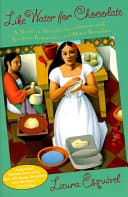
- Like Water for Chocolate
Laura Esquivel
4.0 (324k) average on GoodreadsFantasyMagical realism intertwined with food, passion, and a strong female protagonist.
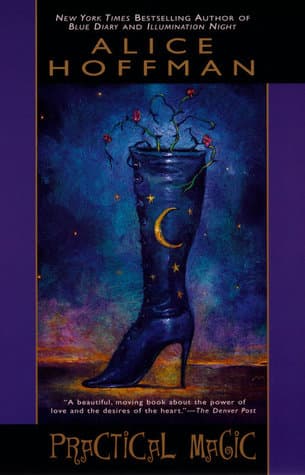
- Practical Magic
Alice Hoffman
3.8 (75k) average on GoodreadsFantasyWomen with magical abilities navigating love and life in a contemporary setting.
- The House of the Spirits
Isabel Allende
4.2 (190k) average on GoodreadsFantasyIntergenerational saga with elements of magical realism and strong, often mystical, female characters.
- Harry Potter and the Sorcerer's Stone
J.K. Rowling
4.5 (7M) average on GoodreadsFantasyRescued from a miserable life under the stairs, an orphaned boy discovers he's a wizard destined for a magical school, where he uncovers a dangerous secret tied to the dark wizard who murdered his parents.
- The Hunger Games
Suzanne Collins
4.3 (6.4M) average on GoodreadsFantasyIn a future where children fight to the death on live television, Katniss Everdeen volunteers for the arena, turning a death sentence into a fight for survival and a spark of rebellion.
- 1984
George Orwell
4.2 (3.1M) average on GoodreadsPoliticsIn a future where surveillance and thought control are absolute, a man's search for truth clashes with the Party, showing that hope can be a form of rebellion.




Enjoyed the summary?
A summary gives you the shape of the book. The book itself has the detail, the examples and the voice.
Find The Mistress of Spices on AmazonAs an Amazon Associate, BookBrief earns from qualifying purchases. How we're funded