

Synopsis
Covers the whole plot, including the ending.
- Difficulty
- Easy
- Pacing
- Moderate
- Mood
- Whimsical, Joyful, Nostalgic, Festive
- Read it if
- You love classic Christmas stories, enjoy rhyming verse, and want a nostalgic, heartwarming tale to share with children.
- Skip it if
- You prefer complex plots, modern fantasy, or stories without a strong holiday theme.
The Night Before Christmas Plot Summary
Covers the whole plot, including the ending.
A Quiet Christmas Eve
On Christmas Eve, the narrator describes the scene inside their house. All the children are in their beds, dreaming of sugar-plums. The narrator and their spouse are in their own bed. Quiet expectation fills the air as they prepare for a peaceful night. The narrator, wearing a kerchief, and their spouse, in a cap, have just settled down for a long winter's nap, having finished their day's tasks. Suddenly, a noise from outside the window breaks the quiet, waking the narrator.
A Glimpse of the Sleigh
When the narrator hears the unexpected noise, they jump out of bed to see what it is. Tearing open the shutters and flinging wide the sash, they look out into the snowy night. To their surprise, they see a miniature sleigh and eight tiny reindeer. The sight is so sudden and magical that the narrator can barely believe it. The reindeer are lively and quick, suggesting great speed as they move through the night sky. This first look prepares for a special visitor.
The Arrival of St. Nicholas
The narrator quickly realizes that the tiny old driver of the sleigh must be St. Nicholas. The reindeer, guided by this skilled driver, fly directly towards the house and land on the roof. In a flash, St. Nicholas descends the chimney, arriving in the living room with a thud. His arrival is swift and unexpected, filling the room with wonder. The narrator watches in awe as this legendary figure enters, ready to deliver his Christmas gifts.
St. Nicholas's Appearance
St. Nicholas is described in detail as he comes from the fireplace. He is dressed entirely in fur, from head to foot, and his clothes are dirty with ashes and soot from his trip down the chimney. He carries a bundle of toys over his back, like a peddler. His eyes twinkle, his dimples are merry, his cheeks are like roses, and his nose like a cherry. His mouth is drawn up like a bow, and his beard is as white as snow. He has a broad face and a little round belly that shakes when he laughs, like a bowl full of jelly, showing his famously jolly mood.
The Filling of the Stockings
With a nod of his head and a quick wink of his eye, St. Nicholas shows his purpose. He speaks no word, but goes straight to his work. He quickly fills all the stockings hung by the chimney with care, likely with toys from his large bundle. His actions are swift and silent, showing his practiced routine. The narrator watches as St. Nicholas finishes his task, making sure each child will wake to find their stocking filled with surprises on Christmas morning. This moment shows his gift-giving mission.
A Quick Departure
After filling the stockings, St. Nicholas turns suddenly. With a finger placed beside his nose, and giving a nod, he signals he is ready to leave. He then goes up the chimney with surprising ease, disappearing back the way he came. Once back on the roof, he leaps into his sleigh, calls out to his team, and they take flight. The departure is as swift and magical as his arrival, leaving the narrator alone again in the quiet house, but with a heart full of wonder at what they have just seen.
St. Nicholas's Farewell
As St. Nicholas and his sleigh fly away into the night sky, disappearing from view, the narrator hears his voice. He exclaims, 'Happy Christmas to all, and to all a good-night!' This farewell echoes through the frosty air, a final blessing before he continues his journey to other homes. The narrator is left with the memory of this magical visit, the sound of the sleigh bells, and the joyous wish from St. Nicholas, making the wonder and spirit of Christmas Eve real.
Principal Figures
The Narrator
Protagonist
The observer of St. Nicholas's magical Christmas Eve visit.
The narrator is an unnamed individual who serves as the primary perspective through which the story unfolds. They are a parent, evidenced by their mention of 'the children' and 'my wife.' Initially settled for a peaceful night, their curiosity and wonder are awakened by the sounds on the roof. They are a keen observer, detailing St. Nicholas's appearance and actions with vivid precision. Their experience is one of awe and delight, making them a conduit for the reader's own sense of Christmas magic. The narrator represents the adult who still believes in the enchantment of Christmas.
Relationships: His Wife (Spousal; they are sleeping together in bed.); The Children (Parental; they are nestled in their beds.)
St. Nicholas (Santa Claus)
Central Figure
The jolly, gift-giving bringer of Christmas cheer.
St. Nicholas is the legendary figure who visits the narrator's home on Christmas Eve. He is depicted as a miniature, round, and jolly old man with a 'broad face and a little round belly' that shakes when he laughs. Dressed in fur and covered in soot, he carries a sack full of toys. His twinkling eyes, rosy cheeks, and cherry nose contribute to his iconic, benevolent image. He is swift, silent, and efficient in his gift-giving, embodying the spirit of generosity and magic associated with Christmas. He is the personification of childhood wonder and festive joy.
Relationships: The Narrator (The recipient of his visit and the observer of his actions.); The Children (The beneficiaries of his gifts and the focus of his visit.)
The Wife
Supporting
The narrator's spouse, sleeping peacefully on Christmas Eve.
The wife is a minor character mentioned briefly at the beginning of the poem. She is described as being 'in her kerchief, and I in my cap,' suggesting a domestic and traditional setting. Her primary role is to establish the peaceful, sleepy atmosphere of Christmas Eve before the magical events begin. She is not an active participant in the encounter with St. Nicholas, remaining asleep, which further highlights the narrator's unique experience as the sole witness to the extraordinary visit. She represents the calm before the magical storm.
Relationships: The Narrator (Spousal; they are sharing a bed.)
The Children
Supporting
The sleeping recipients of St. Nicholas's gifts.
The children are an unseen but central element of the Christmas Eve narrative. They are 'nestled all snug in their beds,' dreaming of 'sugar-plums,' which emphasizes their innocence and anticipation of Christmas morning. Their presence is the direct motivation for St. Nicholas's visit and the filling of the stockings. Although they do not appear directly, their hopeful dreams and the joy they will experience upon waking are the driving force behind the entire magical event. They embody the spirit of childhood wonder and the core reason for Christmas celebrations.
Relationships: The Narrator (Parental; they are the narrator's offspring.); St. Nicholas (The recipients of his gifts.)
The Eight Tiny Reindeer
Supporting
St. Nicholas's magical flying team that pulls his sleigh.
The eight tiny reindeer are St. Nicholas's loyal and magical companions, responsible for pulling his miniature sleigh through the night sky. Individually named — Dasher, Dancer, Prancer, Vixen, Comet, Cupid, Donner, and Blitzen — they are described as 'lively and quick.' They land on the rooftop and are instrumental in St. Nicholas's swift arrival and departure. Their ability to fly and their collective speed are essential to the efficient delivery of gifts around the world, making them iconic symbols of Christmas magic alongside Santa Claus himself.
Relationships: St. Nicholas (His magical team and companions.)
Themes & Insights
The Magic of Christmas
The poem celebrates the magic and wonder of Christmas Eve. The sudden appearance of a miniature sleigh, flying reindeer, and a magical St. Nicholas coming down a chimney all create a strong sense of magic. The narrator's awe and the clear descriptions of St. Nicholas's special abilities and jolly mood reinforce the idea that Christmas is a time when unusual things happen. This theme encourages belief in the unseen and the joy of holiday wonder, especially from a child's view, even if an adult sees it.
“When, what to my wondering eyes should appear, / But a miniature sleigh, and eight tiny reindeer,”
Childhood Innocence and Anticipation
A main theme is children's innocent excitement during the holiday season. The 'children were nestled all snug in their beds, while visions of sugar-plums danced in their heads,' perfectly shows the pure, hopeful dreams of children waiting for Christmas morning. Although the children are asleep, their presence and their expected joy are why St. Nicholas visits. The poem focuses on creating the magical conditions for their happiness, showing the value of childhood belief and the delight of holiday surprises.
“The children were nestled all snug in their beds, / While visions of sugar-plums danced in their heads;”
Generosity and Gift-Giving
Giving is central to the poem, shown entirely by St. Nicholas. His purpose is to deliver toys and fill stockings, expecting nothing in return. He 'spoke not a word, but went straight to his work, / And filled all the stockings; then turned with a jerk.' This silent, quick, and joyful act of giving gifts shows the generosity that defines Christmas. It highlights the joy found in giving and the happiness it brings to others, especially children, reinforcing the selfless nature of holiday traditions.
“He filled all the stockings; then turned with a jerk,”
The Spirit of Joy and Merriment
St. Nicholas himself is joy and happiness. His 'eyes—how they twinkled! his dimples how merry!' and his 'little round belly, that shook when he laughed like a bowlful of jelly!' paint a picture of pure happiness. His final 'Happy Christmas to all, and to all a good-night!' is a direct expression of holiday cheer. The poem's tone is lighthearted and happy, aiming to give the reader a sense of warmth and happiness, matching the overall happy mood of the Christmas holiday.
“He had a broad face and a little round belly, / That shook when he laughed, like a bowlful of jelly.”
Plot Devices & Literary Techniques
Rhyming Couplets and AABB Rhyme Scheme
Creates a rhythmic, musical quality, ideal for a children's poem.
The poem is predominantly written in rhyming couplets, following an AABB rhyme scheme (e.g., 'cap'/'nap,' 'brass'/'grass'). This consistent and predictable rhythm makes the poem highly memorable, engaging, and easy to read aloud, particularly for children. It contributes significantly to the poem's lighthearted and whimsical tone, enhancing its musicality and making it feel like a song or chant. This structure helps build anticipation and carries the reader smoothly through the narrative of St. Nicholas's visit, reinforcing its classic, sing-song quality.
Vivid Imagery
Paints a clear, iconic picture of St. Nicholas and the Christmas Eve scene.
Moore uses rich and specific descriptive language to create strong visual images in the reader's mind. Phrases like 'visions of sugar-plums danced in their heads,' 'a miniature sleigh, and eight tiny reindeer,' and the detailed description of St. Nicholas's appearance ('His eyes—how they twinkled! his dimples how merry! His cheeks were like roses, his nose like a cherry!') allow readers to clearly visualize the magical events and characters. This imagery is crucial in establishing the poem's enchanting atmosphere and solidifying the iconic image of Santa Claus in popular culture.
Anaphora (Repetition of 'More rapid than eagles...')
Emphasizes the speed and power of the reindeer.
The repetition of the phrase 'More rapid than eagles his coursers they came, / And he whistled, and shouted, and called them by name' (and subsequent lines naming the reindeer) is a classic example of anaphora. This literary device builds excitement and emphasizes the incredible speed and magical nature of St. Nicholas's sleigh and reindeer. The successive naming of each reindeer, preceded by the powerful descriptor, creates a sense of momentum and reinforces the iconic image of Santa's flying team, making their arrival and departure feel grand and swift.
Sensory Details (Sound and Sight)
Engages the reader's senses to immerse them in the Christmas Eve experience.
The poem effectively uses sensory details, particularly sound and sight, to bring the narrative to life. The 'clatter' on the roof, the 'whistle' and 'shout' of St. Nicholas, and the 'jingling bells' engage the reader's auditory sense, while the visual descriptions of the 'miniature sleigh,' 'tiny reindeer,' and St. Nicholas's detailed appearance (his fur, soot, twinkling eyes, rosy cheeks) paint a vivid picture. These details immerse the reader in the experience, making the magical visit feel more tangible and immediate, enhancing the overall wonder of the story.
The Night Before Christmas Quotes
“'Twas the night before Christmas, when all through the house Not a creature was stirring, not even a mouse.”
“The children were nestled all snug in their beds, While visions of sugar-plums danced in their heads.”
“When, what to my wondering eyes should appear, But a miniature sleigh, and eight tiny reindeer,”
“With a little old driver, so lively and quick, I knew in a moment it must be St. Nick.”
“More rapid than eagles his coursers they came, And he whistled, and shouted, and called them by name:”
“Now, Dasher! now, Dancer! now, Prancer and Vixen! On, Comet! on, Cupid! on, Dunder and Blitzen!”
“As dry leaves that before the wild hurricane fly, When they meet with an obstacle, mount to the sky;”
“So up to the house-top the coursers they flew, With the sleigh full of toys, and St. Nicholas too.”
“And then, in a twinkling, I heard on the roof The prancing and pawing of each little hoof.”
“He was dressed all in fur, from his head to his foot, And his clothes were all tarnished with ashes and soot;”
“His eyes—how they twinkled! his dimples, how merry! His cheeks were like roses, his nose like a cherry!”
“He had a broad face and a little round belly That shook, when he laughed, like a bowlful of jelly.”
“He spoke not a word, but went straight to his work, And filled all the stockings; then turned with a jerk,”
“And laying his finger aside of his nose, And giving a nod, up the chimney he rose!”
“Happy Christmas to all, and to all a good-night!”
Quiz
10 questions on the plot and the characters. Each answer comes with a short explanation.
Question 1
In 'The Night Before Christmas', what sound first alerts the narrator to a disturbance outside?
- The jingling of sleigh bells
- A clatter on the roof
- A dog barking loudly
- The wind howling
Show answer
B. A clatter on the roof The narrator states, 'When out on the lawn there arose such a clatter, I sprang from my bed to see what was the matter.' This clatter is the first sound that breaks the quiet night.
Question 2
Before St. Nicholas arrives, what are 'nestled all snug in their beds'?
- The parents
- The sugar-plums
- The children
- The toys
Show answer
C. The children The poem states, 'The children were nestled all snug in their beds, While visions of sugar-plums danced in their heads.' This sets the scene of a peaceful night before the arrival.
Question 3
What is St. Nicholas's mode of transportation?
- A horse-drawn carriage
- A magical flying broom
- A miniature sleigh with eight tiny reindeer
- A large, ornate hot air balloon
Show answer
C. A miniature sleigh with eight tiny reindeer The poem clearly describes, 'When, what to my wondering eyes should appear, But a miniature sleigh, and eight tiny rein-deer.' This iconic image is central to his arrival.
Question 4
Which of these is NOT one of the reindeer named in the poem?
- Donner
- Blitzen
- Rudolph
- Vixen
Show answer
C. Rudolph The poem lists 'Dasher, and Dancer, and Prancer, and Vixen, Comet, and Cupid, and Donner and Blitzen.' Rudolph, while famous, was introduced in a later story.
Question 5
How does St. Nicholas enter the house?
- Through the front door
- Through a window
- Down the chimney
- He magically appears in the living room
Show answer
C. Down the chimney The narrator sees St. Nicholas 'down the chimney he came with a bound.' This is a classic and defining image of his entry.
Question 6
What is St. Nicholas described as having 'a little round belly, That shook, when he laughed like a bowlful of jelly'?
- His bag of toys
- His hat
- His stomach
- A present he was carrying
Show answer
C. His stomach This is a direct quote from the poem describing St. Nicholas himself: 'He had a broad face and a little round belly, That shook, when he laughed like a bowlful of jelly.'
Question 7
What does St. Nicholas fill 'all the stockings' with?
- Candy canes and oranges
- Small toys and gifts
- Coal for naughty children
- Baked goods
Show answer
B. Small toys and gifts The poem states, 'He spoke not a word, but went straight to his work, And filled all the stockings; then turned with a jerk.' While specific items aren't always named, the context implies he fills them with the gifts he brought in his pack.
Question 8
According to the historical note provided, when did 'A Visit From St. Nicholas' first appear in print?
- December 23, 1836
- December 23, 1823
- Christmas Day, 1836
Show answer
B. December 23, 1823 The introductory text states: 'This poem first appeared in a newspaper in Troy, New York, USA, on December 23, 1823, as 'A Visit From St. Nicholas'.
Question 9
What detail about St. Nicholas's appearance suggests his magical nature and connection to his work?
- His nose, like a cherry
- The twinkle in his eye
- The fur he was dressed in
Show answer
B. The twinkle in his eye The poem describes, 'His eyes—how they twinkled! his dimples how merry!' This twinkling gaze suggests a joyful, almost otherworldly quality, fitting for a magical gift-giver.
Question 10
What is the final message St. Nicholas gives as he departs?
- 'Happy Christmas to all, and to all a good-night!'
- 'May your stockings be full and your hearts be bright!'
- 'See you next year, if you've been good!'
Show answer
A. 'Happy Christmas to all, and to all a good-night!' As he springs to his sleigh and his team flies away, the narrator hears him exclaim, 'Happy Christmas to all, and to all a good-night!' This iconic line concludes the poem.
The Night Before Christmas FAQ
What is "The Night Before Christmas" about?
"The Night Before Christmas", also known as "A Visit From St. Nicholas", describes a father's magical encounter with Santa Claus on Christmas Eve. He witnesses Santa's sleigh and reindeer landing on his roof, then watches Santa descend the chimney, fill stockings, and depart, leaving the father filled with wonder and holiday spirit.
Why should I read "The Night Before Christmas"?
You should read this poem because it is a foundational text for modern Christmas traditions, vividly shaping our popular image of Santa Claus, his reindeer, and the magic of Christmas Eve. It's a short, delightful read that evokes nostalgia and the festive spirit, perfect for sharing with children.
What is the background/setting of "The Night Before Christmas"?
The poem is set on Christmas Eve, inside and immediately outside a cozy family home, likely in a snowy, quiet town. The atmosphere is one of peaceful anticipation, suddenly interrupted by the arrival of St. Nicholas and his miniature sleigh, creating a magical, domestic fantasy.
What are the most memorable quotes?
Some of the most memorable quotes include "'Twas the night before Christmas, when all through the house / Not a creature was stirring, not even a mouse;" and Santa's famous exclamations: "Now, Dasher! now, Dancer! now, Prancer and Vixen! / On, Comet! on, Cupid! on, Donder and Blitzen!" The closing line, "Happy Christmas to all, and to all a good-night!" is also iconic.
What writing style does the author use?
The author uses a narrative, rhyming couplet style with a consistent anapestic meter, giving the poem a lively, rhythmic, and memorable quality. The language is descriptive and evocative, painting vivid pictures of Santa Claus and the Christmas Eve scene.
What minor details add significant meaning?
The detail of Santa's 'miniature sleigh' and 'tiny reindeer' adds to the magical, fantastical element, making his arrival less imposing and more whimsical. The description of his 'bundle of toys...flung on his back' emphasizes his role as a gift-giver rather than just an observer.
What are some subtle foreshadowing moments?
The initial quietude of the house, where 'not a creature was stirring,' subtly foreshadows the dramatic, unexpected arrival of St. Nicholas, highlighting the contrast between the peaceful anticipation and the sudden, magical event that is about to unfold.
What unexpected character connections exist?
While not a connection between characters, the poem itself has an unexpected connection to its supposed origin, as Clement C. Moore's housekeeper reportedly sent it for publication without his knowledge, linking an everyday domestic act to a literary classic.
What are unspoken character motivations?
The unspoken motivation of the narrator, the father, is a deep desire to provide a magical Christmas for his children, even before Santa's arrival. His excitement and wonder upon seeing St. Nicholas are not just for himself, but for the joy this encounter represents for his family's holiday.
What psychological complexities do characters exhibit?
The father exhibits a shift from rational wakefulness to childlike wonder and belief. Initially 'tossing and turning' in bed, his encounter with Santa transforms his perception, allowing him to embrace the inexplicable magic, showcasing the human capacity for awe and fantasy.
What are the major emotional turning points?
A major emotional turning point is when the father first hears 'a clatter' on the roof, shifting from a state of sleepy domesticity to alert curiosity. This quickly escalates to awe and joy as he witnesses Santa and his reindeer, culminating in a feeling of profound Christmas spirit.
How do relationship dynamics evolve?
The relationship dynamic between the father and the unseen Santa Claus evolves from an abstract belief to a personal, witnessed encounter. The father becomes a direct recipient of Santa's magic, solidifying his role as a keeper of the Christmas spirit for his family, and implicitly, for generations of readers.
Which parts remain ambiguous or open-ended?
The poem leaves ambiguous the precise nature of Santa's magic – how he travels the world in one night, or the exact mechanism of his chimney descent and ascent. It also doesn't explicitly state if the children ever learn of their father's magical encounter, leaving their experience to the imagination.
What are controversial scenes or decisions?
The most 'controversial' aspect isn't within the poem itself, but its authorship. The ongoing debate between the families of Clement C. Moore and Henry Livingston Jr. about who truly penned "A Visit From St. Nicholas" is a significant historical contention surrounding the work.
"The Night Before Christmas" ending explained: how it ends & what it means
The poem ends with Santa Claus ascending the chimney, giving a final wink and nod to the narrator, then flying off in his sleigh, exclaiming, "Happy Christmas to all, and to all a good-night!" This ending signifies the fleeting but powerful nature of the Christmas magic and leaves the father (and the reader) filled with warmth, wonder, and the enduring spirit of the holiday.
About the author

Clement Clarke Moore was an American poet and academic. He is best known as the author of the Christmas poem "A Visit from St. Nicholas," published in 1823, which is widely credited with shaping the modern image of Santa Claus. Moore was also a professor of Oriental and Greek literature at General Theological Seminary in New York City.
Similar books
- How the Grinch Stole Christmas!
Dr. Seuss
4.4 (330k) average on GoodreadsFantasyBoth are classic rhyming Christmas stories with memorable characters and themes of holiday spirit.
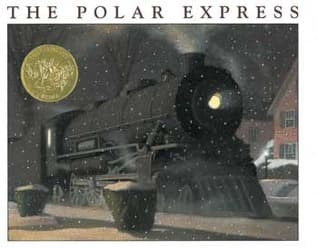
- The Polar Express
Chris Van Allsburg
4.3 (212k) average on GoodreadsFantasyBoth evoke a sense of Christmas magic and wonder, focusing on the belief in Santa Claus.
- A Christmas Carol
Charles Dickens
4.1 (600k) average on GoodreadsFantasyDickens' work offers a complex moral narrative of redemption and social justice, focusing on character transformation and societal critique, contrasting with Moore's purely descriptive and celebratory tone. While Moore defines the 'how' of Santa, Dickens explores the 'why' of the Christmas spirit.
- Harry Potter and the Sorcerer's Stone
J.K. Rowling
4.5 (7M) average on GoodreadsFantasyRescued from a miserable life under the stairs, an orphaned boy discovers he's a wizard destined for a magical school, where he uncovers a dangerous secret tied to the dark wizard who murdered his parents.
- The Hunger Games
Suzanne Collins
4.3 (6.4M) average on GoodreadsFantasyIn a future where children fight to the death on live television, Katniss Everdeen volunteers for the arena, turning a death sentence into a fight for survival and a spark of rebellion.
- 1984
George Orwell
4.2 (3.1M) average on GoodreadsPoliticsIn a future where surveillance and thought control are absolute, a man's search for truth clashes with the Party, showing that hope can be a form of rebellion.





Enjoyed the summary?
A summary gives you the shape of the book. The book itself has the detail, the examples and the voice.
Find The Night Before Christmas on AmazonAs an Amazon Associate, BookBrief earns from qualifying purchases. How we're funded