
Estimated read time: 11 min read
Table of Contents
- List of Characters
- Role Identification
- Character Descriptions
- Character Traits
- Character Background
- Character Arcs
- Relationships
- In-Depth Character Analysis
- Character Traits Table
- Expanded Character Backgrounds
- Character Arcs in Detail
- Relationships and Interactions
- Analysis of Key Relationships
- Thematic Implications of Characters
- Conclusion: Lasting Impact of the Characters
List of Characters
| Character | Role in Story | Brief Description |
|---|---|---|
| The Narrator/Father | Main protagonist | The person recounting the events of Christmas Eve |
| St. Nicholas (Santa Claus) | Central figure/visitor | The bringer of gifts and joy on Christmas Eve |
| Mother | Secondary character | The narrator’s wife; present in the household |
| The Children | Supporting characters | The narrator’s children, asleep and dreaming |
| The Reindeer | Supporting magical elements | Eight flying reindeer that pull Santa’s sleigh |
Role Identification
| Character | Role in Plot | Narrative Function |
|---|---|---|
| The Narrator/Father | Observer and storyteller | Provides perspective and emotional anchor |
| St. Nicholas (Santa Claus) | Magical visitor | Embodiment of Christmas spirit |
| Mother | Household presence | Symbol of warmth and security |
| The Children | Symbols of innocence | Represent wonder and anticipation |
| The Reindeer | Magical helpers | Facilitate Santa’s journey |
Character Descriptions
The Narrator/Father
The narrator is a father who sets the tone for the entire poem. His perspective frames the story, capturing the anticipation and wonder of Christmas Eve. He is depicted as both vigilant and caring, staying awake to ensure everything is in order for his family. His curiosity leads him to witness the magical arrival of St. Nicholas.
St. Nicholas (Santa Claus)
St. Nicholas is the central magical figure whose arrival transforms a quiet night into an enchanting memory. He is described as jolly, plump, and kind, with twinkling eyes and a red nose. His manner is cheerful and efficient, moving quickly to deliver gifts before vanishing up the chimney.
Mother
Mother appears briefly, but her presence is significant. She is described as being in her kerchief, which suggests she is settled in for a peaceful night. Her presence contributes to the sense of familial warmth.
The Children
The children are not named or described in detail, but they are central to the emotional tone. Asleep in their beds, dreaming of sugarplums, they represent the innocence and excitement of childhood.
The Reindeer
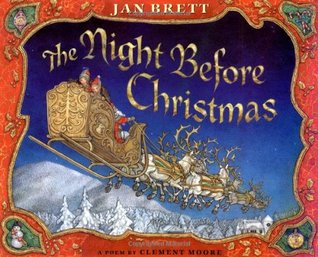
The reindeer are magical creatures that draw Santa’s sleigh. Their names—Dasher, Dancer, Prancer, Vixen, Comet, Cupid, Donder (or Donner), and Blitzen—are listed, each contributing to the sense of wonder.
Character Traits
| Character | Key Traits | Evidence from Text |
|---|---|---|
| Narrator/Father | Curious, protective, loving | Watches over family, investigates noise |
| St. Nicholas | Jolly, energetic, generous | Cheerful demeanor, gives gifts, works quickly |
| Mother | Nurturing, calm | Settles in for night, symbol of home |
| The Children | Innocent, imaginative | Dream of sugarplums, sleep peacefully |
| The Reindeer | Loyal, magical, swift | Pull sleigh, respond to Santa’s commands |
Character Background
The Narrator/Father
There is little explicit background provided for the narrator. He is a father and husband, presumably middle class, living in a comfortable home. His actions and thoughts suggest he cherishes family traditions and the magic of Christmas.
St. Nicholas (Santa Claus)
St. Nicholas is rooted in folklore, representing the spirit of giving. Moore’s depiction draws from European legends, presenting Santa as a kindly, rotund figure with a sleigh and reindeer. He transcends ordinary human limitations, delivering gifts in a single night.
Mother
Mother’s background is not detailed. Her presence in the domestic setting suggests her role as caretaker and nurturer within the family.
The Children
The children’s identities are only sketched. They are young, innocent, and excited for Christmas, embodying the universal experience of childhood.
The Reindeer
The reindeer are magical beings from Santa’s world. Their origins are not explored, but their names and abilities have become iconic.
Character Arcs
| Character | Initial State | Transformative Experience | End State |
|---|---|---|---|
| Narrator/Father | Curious, unsettled | Witnesses Santa’s visit | Comforted, reassured, joyful |
| St. Nicholas | Mysterious, magical visitor | Delivers gifts, brings joy | Leaves, mission fulfilled |
| Mother | Calm, at rest | Sleeps through the night | Remains peaceful |
| The Children | Excited, dreaming | Sleep through magical event | Wake to discover gifts |
| The Reindeer | Awaiting Santa’s command | Pull sleigh, display agility | Depart with Santa |
Relationships
| Character Pair | Nature of Relationship | Evidence and Interpretation |
|---|---|---|
| Narrator & Mother | Partnership, unity | Both settled at home, share responsibilities |
| Narrator & Children | Loving parent-child | Narrator watches over sleeping children |
| Narrator & St. Nicholas | Observer and observed | Narrator secretly witnesses Santa’s visit |
| St. Nicholas & Reindeer | Leader and helpers | Santa calls each by name, directs sleigh |
| St. Nicholas & Children | Giver and receivers | Santa brings gifts for the children |
In-Depth Character Analysis
The Narrator/Father
Personality and Inner World
The narrator embodies the adult perspective on Christmas, balancing skepticism and belief. He is initially apprehensive—likely due to the mysterious noises outside—but quickly becomes awestruck upon seeing St. Nicholas. This transformation reflects the enduring power of wonder, even in adulthood. His love for his family is clear in his careful attention to their safety and comfort.
Actions and Reactions
Upon hearing a noise, the narrator reacts protectively, peering out the window to investigate. His surprise and delight at seeing Santa reveal a childlike wonder beneath his adult responsibilities. He remains silent and still, respecting the magic of the moment.
Significance
The narrator serves as a bridge between the reader and the magical world of St. Nicholas. Through his eyes, we experience the transition from ordinary to extraordinary, reinforcing the poem’s central themes of wonder, generosity, and familial love.
St. Nicholas (Santa Claus)
Personality and Appearance
Santa is described with vivid, joyful imagery: his cheeks are “like roses,” his nose “like a cherry,” and he has a “little round belly” that shakes “like a bowl full of jelly.” His laughter and energy are contagious, and he exudes warmth and kindness.
Actions
Santa’s actions are swift and efficient. He enters the house via the chimney, fills the stockings with gifts, and departs as quickly as he arrived. He acknowledges the narrator with a knowing wink, preserving the secret and wonder of his visit.
Significance
Santa represents the spirit of giving and the magic of Christmas. He is a figure of delight for children and a symbol of hope and joy for all ages. Moore’s depiction helped shape the modern image of Santa Claus, emphasizing his good humor and ability to bring happiness.
Mother
Presence and Role
Mother is only briefly mentioned, but her presence is quietly significant. She is “in her kerchief,” suggesting she is ready for sleep and at ease within the household. Her calmness contrasts with the narrator’s alertness, underscoring the security of the home.
Significance
Mother’s character reinforces the poem’s emphasis on family and the comfort of shared traditions. Though she does not engage directly with the magical events, her presence is a source of stability.
The Children
Innocence and Imagination
The children are depicted as deeply asleep, “nestled all snug in their beds,” dreaming of “sugar-plums.” They do not witness Santa’s visit, but their anticipation and joy are central to the poem’s emotional core.
Symbolic Role
The children symbolize the innocence and wonder of childhood. Their dreams and excitement set the tone for the night’s events, and Santa’s visit is ultimately for their benefit.
The Reindeer
Magical Qualities
The reindeer are described as “tiny,” yet capable of extraordinary feats. They respond instantly to Santa’s commands, displaying agility and coordination. Their names—Dasher, Dancer, Prancer, Vixen, Comet, Cupid, Donder, and Blitzen—have become synonymous with Christmas.
Role in the Story
The reindeer facilitate Santa’s journey, enabling him to visit homes around the world. They are magical creatures, belonging to the same fantastical realm as Santa himself.
Character Traits Table
| Character | Courage | Curiosity | Generosity | Innocence | Wonder | Leadership | Nurturing | Magic |
|---|---|---|---|---|---|---|---|---|
| Narrator/Father | High | High | Medium | Low | High | Medium | High | Low |
| St. Nicholas | High | Medium | High | Medium | High | High | High | High |
| Mother | Medium | Low | High | Medium | Medium | Medium | High | Low |
| Children | Low | High | Low | High | High | Low | Medium | Low |
| Reindeer | Medium | Low | Medium | Medium | High | Medium | Low | High |
Expanded Character Backgrounds
The Narrator/Father
The narrator’s background is implied rather than explicit. He is likely based on Moore himself, a scholar and family man. The setting suggests a stable, loving home, reflecting the values of early 19th-century America. The narrator’s familiarity with Christmas traditions indicates a well-established family routine.
St. Nicholas (Santa Claus)
Santa’s character draws on the Dutch legend of Sinterklaas and earlier European folklore. Moore’s poem popularized the image of Santa as a plump, merry figure with a sleigh and reindeer. His magical abilities—flying, entering homes unseen—are central to his mythos.
Mother
Mother’s background is largely a blank canvas, filled in by readers’ own experiences and cultural expectations. She represents the ideal of maternal care and domestic tranquility.
The Children
The children are archetypal, standing in for all children who await Santa’s arrival. Their dreams of sugarplums reflect the universal excitement of Christmas Eve.
The Reindeer
The reindeer’s lore has grown since Moore’s poem, but here they are simply Santa’s magical helpers, named for their distinctive qualities.
Character Arcs in Detail
The Narrator/Father
The narrator’s arc moves from vigilance to awe. Initially, he is unsettled by noises outside, a reminder of his protective instincts. Upon witnessing Santa, his skepticism is replaced by wonder. He ends the night reassured, embodying the enduring joy of Christmas.
St. Nicholas (Santa Claus)
Santa’s arc is contained within the visit. He arrives in secrecy, delivers joy, and departs, leaving behind a transformed household. His role is to bring happiness and reinforce belief in magic and generosity.
Mother
Mother’s arc is one of constancy. She remains at rest, embodying the security and comfort of home. Her presence bookends the magical events, grounding the story in everyday reality.
The Children
The children’s arc runs parallel to the poem’s events. They move from anticipation to fulfillment, waking to discover the evidence of Santa’s visit. Their innocence is preserved, and their joy is renewed.
The Reindeer
The reindeer’s arc is one of action and return. They carry Santa to the house, wait obediently, and depart with him, their magical task complete.
Relationships and Interactions
Family Unit
The narrator, mother, and children form a cohesive family unit. Their interactions, though understated, highlight the warmth and security of the household. The father’s vigilance, mother’s calm, and children’s excitement create a harmonious dynamic.
Santa and the Family
Santa’s relationship with the family is indirect but profound. He is both a magical outsider and a cherished part of their tradition. His respect for the sleeping household and acknowledgment of the narrator underscore the mutual understanding between believer and bringer of gifts.
Santa and the Reindeer
Santa’s leadership of the reindeer is affectionate and efficient. He calls each by name, demonstrating familiarity and command. The reindeer respond with loyalty and energy, helping Santa fulfill his mission.
Analysis of Key Relationships
| Relationship | Dynamic | Thematic Significance |
|---|---|---|
| Narrator & Family | Protector, observer | Emphasizes family unity and love |
| Santa & Children | Secret benefactor | Celebrates innocence and anticipation |
| Santa & Narrator | Keeper of magic/witness | Blends adult skepticism with childhood wonder |
| Santa & Reindeer | Leader and magical team | Highlights teamwork and tradition |
Thematic Implications of Characters
Each character in "The Night Before Christmas" serves a thematic purpose:
- The narrator bridges the gap between adult skepticism and childlike wonder. His journey restores belief in magic.
- Santa Claus embodies generosity, joy, and the spirit of Christmas. He brings hope and happiness.
- The mother represents peace, nurturing, and the stability of home life.
- The children symbolize innocence and the timeless excitement of awaiting Santa.
- The reindeer illustrate the magical possibilities that define the season.
Conclusion: Lasting Impact of the Characters
The characters in "The Night Before Christmas" are simple yet enduring. Their roles and relationships have become foundational to modern celebrations of Christmas. Through the father’s eyes, readers experience the renewal of wonder. Santa’s visit brings joy and mystery. The mother and children round out the depiction of an ideal, loving family.
Moore’s poem succeeds because its characters, though archetypal, resonate across generations. They invite readers to embrace the magic and warmth of Christmas, year after year. The interplay of skepticism and belief, vigilance and wonder, makes the story timeless.


