
Synopsis
Covers the whole plot, including the ending.
- Difficulty
- Medium
- Pacing
- Moderate
- Mood
- Atmospheric, Suspenseful, Melancholy, Eerie
- Read it if
- You enjoy gothic children's literature with a strong sense of atmosphere, moral dilemmas, and a touch of classic fairy tale darkness.
- Skip it if
- You prefer lighthearted stories without supernatural elements or themes of sacrifice and manipulation.
The Night Gardener Plot Summary
Covers the whole plot, including the ending.
The Arrival at the Creepy Manor
Orphaned Irish siblings, thirteen-year-old Molly and her younger, lame brother Kip, journey through a dark forest to the isolated Windsor Manor in England. They have been hired as servants after their parents died in a famine. The manor is old and seems to be slowly falling apart, covered in a strange, gnarled tree that has grown into the house. They meet the peculiar residents: the reclusive Mr. Windsor, his frail wife Mrs. Windsor, their sickly children Alistair and Penny, and the stern housekeeper Hester. From the beginning, Molly feels uneasy, noticing the family's gaunt appearance and the oppressive atmosphere of the house, especially the strong smell of wood and decay.
Unsettling Discoveries and Strange Dreams
As Molly settles into her duties, she notices the Windsor children, Alistair and Penny, are very pale, weak, and seem to be wasting away. They also act strangely, often speaking in riddles. Kip, despite his lame leg, is interested in the old house and its secrets, particularly the enormous, ancient tree that seems to be part of the manor's structure. Molly starts having vivid, unsettling dreams that feel like memories or predictions, often involving a shadowy figure and the same gnarled tree. She also finds a hidden room in the attic, filled with old portraits of the Windsor family, each looking sicker and more ghostly over generations, all with the same unsettling, hollow-eyed gaze.
The Night Gardener's First Appearance
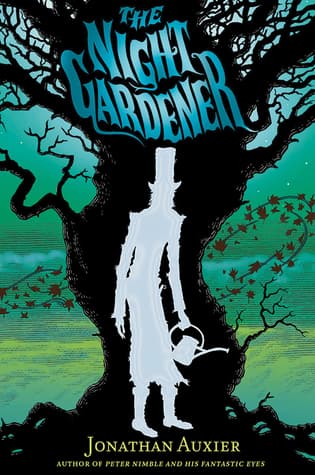
One night, Molly is woken by strange sounds and sees a shadowy figure in the garden, pruning the enormous tree that covers the house. This figure, whom she later learns is the 'Night Gardener,' appears to be a very tall man, unnaturally still, with an unsettling smile. He seems to be tending to the roots of the tree, which are exposed and appear to feed directly into the house's foundation. The encounter deeply disturbs Molly, confirming her growing suspicion that something supernatural and sinister is at play within the Windsor estate, and that the tree is central to it.
Kip's Growing Fascination and the Warning
Kip, despite his physical limitations, becomes drawn to the tree and its mysteries, spending his days sketching its branches and roots. He seems less afraid than Molly, almost fascinated. Meanwhile, Molly tries to question Hester about the family's illness and the strange tree. Hester, a devout woman, offers vague warnings about 'sin' and 'consequences,' hinting that the family's misfortune is a result of their own actions or a curse. She advises Molly to mind her own business and avoid the tree, which only makes Molly more determined to uncover the truth, especially as the Windsor children's health continues to decline quickly.
The Story of the Wish and the Curse
Through her own investigations and by putting together clues from old letters, portraits, and conversations, Molly begins to understand the tragic history of the Windsor family. Generations ago, a desperate ancestor made a pact with a mysterious entity — the Night Gardener — to save his dying wife. The Gardener granted the wish for her recovery, but at a terrible price: the family's vitality would be slowly drained over generations by the tree, which is a physical form of the curse. The Night Gardener is not just pruning the tree; he is harvesting the life force of the Windsors, making them eternally frail and dependent on the tree's 'sustenance,' which is actually their slow decay.
The Children's Decline and Kip's Danger
Alistair and Penny's condition worsens greatly; they are barely able to move or speak, their eyes sunken and their skin translucent. Molly realizes the curse is speeding up. More alarmingly, Kip, whose health has always been fragile due to his leg, begins to show similar symptoms of extreme fatigue and paleness. He is spending more time near the tree, sketching it with a feverish intensity, almost as if he is being drawn into it. Molly fears that the Night Gardener is now beginning to feed on Kip's life force as well, seeing him as another inhabitant of the house ready for consumption.
Confrontation with Mr. Windsor
Molly confronts a withered Mr. Windsor, demanding answers. He is resistant at first, full of denial and fear, but eventually, the truth and his children's approaching death break him. He confesses that his ancestors made a terrible deal, and he has kept it, hoping to find a way to break free but ultimately giving in to the Gardener's power. He reveals that the Night Gardener thrives on despair and unfulfilled wishes, feeding on the life force of those who live in the house, keeping their fragile existence while slowly consuming them. He admits his weakness in not protecting his family, and warns Molly that the Gardener is now after Kip.
The Night Gardener's Offer
The Night Gardener, a towering, shadowy figure with a chilling smile, appears to Molly, confirming the curse. He explains that he offers people what they desire most, but at a price. He offers Molly a choice: he can heal Kip's lame leg and restore his health, making him strong and whole. However, the price is that Molly must take the place of one of the Windsor children and become part of the tree, slowly wasting away, or she must leave Kip to his fate. He preys on her deepest wish to see Kip healthy and happy, tempting her with a seemingly selfless sacrifice.
Molly's Desperate Plan
Molly refuses the Night Gardener's offer, understanding that it's a trap designed to continue the cycle of despair. She realizes that the Gardener feeds on unfulfilled wishes and the lingering regret of those trapped by his deals. Her plan is not to make another wish, but to break the cycle entirely. She understands that the tree is not just a symbol but the physical form of the curse, and its roots are how the Gardener gets his power. She resolves to destroy the tree, believing that by severing its connection to the house and the family, she can free them from its grasp, even if it means confronting the terrifying Night Gardener directly.
The Battle for Freedom
Armed with an axe and fueled by determination, Molly goes into the manor's cellar, where the main roots of the ancient tree are intertwined with the foundation. The Night Gardener appears, trying to stop her, his presence cold and suffocating. He tries to manipulate her with visions of Kip's suffering and promises of an easy escape. But Molly, remembering her parents' resilience and her love for Kip, resists. With great effort, she begins to hack at the thickest roots. The house groans and shudders, and the Gardener shrieks in pain and fury as his connection to the Windsors and the manor is severed. Kip, sensing Molly's struggle, helps her in the final moments.
The Aftermath and New Beginnings
As the roots are severed, the Night Gardener disappears into shadow, his power broken. The tree begins to wither and crumble, and the oppressive atmosphere lifts from the manor. The Windsor family, though still frail, begin to show signs of recovery, their eyes regaining a spark of life. Kip's health improves, and while his lame leg remains, he is no longer wasting away. Molly and Kip, having faced great darkness, decide to leave the manor. They carry with them the lessons learned about the dangers of selfish wishes and the power of love and sacrifice. They embark on a new journey, changed but free, ready to face the world together, no longer bound by fear or curses.
The Night Gardener Characters
Molly
Protagonist
A resilient Irish orphan determined to protect her brother and uncover the manor's secrets.
Molly is a thirteen-year-old Irish orphan, pragmatic, observant, and fiercely protective of her younger brother, Kip. Having endured hardship and loss, she possesses a strong sense of responsibility and an unwavering moral compass. She is initially wary of the strange Windsor Manor and its inhabitants, but her inherent curiosity and love for Kip drive her to investigate the unsettling occurrences. Molly is courageous and resourceful, confronting both the supernatural Night Gardener and the human failings of the Windsor family. Her journey is one of self-discovery, learning to trust her instincts and fight for what is right.
Relationships: Kip (Younger brother, whom she fiercely protects); Night Gardener (Antagonist, the source of the curse); Mr. Windsor (Employer, initially evasive, later seeks her help); Hester (Housekeeper, offers cryptic warnings and some guidance)
Kip
Supporting
Molly's lame younger brother, whose artistic talent and innocence make him vulnerable to the manor's influence.
Kip is Molly's younger brother, physically frail due to a lame leg but possessing a vivid imagination and an innate artistic talent. He often sketches the world around him, particularly the strange tree that envelops Windsor Manor. His innocence and vulnerability make him susceptible to the tree's insidious influence and the Night Gardener's power. Despite his physical weakness, Kip demonstrates moments of unexpected strength and courage, particularly when supporting Molly. He serves as a catalyst for Molly's actions, as her desire to protect him drives much of the plot.
Relationships: Molly (Older sister and protector); Night Gardener (Antagonist, who attempts to ensnare him)
The Night Gardener
Antagonist
A shadowy, supernatural entity who feeds on despair and grants wishes at a terrible cost.
The Night Gardener is the primary antagonist, a mysterious and ancient supernatural entity. He is depicted as a tall, gaunt, shadowy figure with an unsettling, fixed smile, who appears only at night to tend to the gnarled tree intertwined with Windsor Manor. He preys on human despair and unfulfilled wishes, offering what seems like salvation but at the cost of the recipient's life force, slowly draining it through the parasitic tree. He is a master manipulator, exploiting weaknesses and fears, and represents the dangers of seeking shortcuts or making selfish pacts. He is not overtly evil in a malicious sense, but rather a force of nature that feeds on human weakness.
Relationships: Molly (His primary adversary); Kip (A target for his influence); Windsor Family (His victims, bound by an ancient curse)
Mr. Windsor
Supporting
The reclusive and guilt-ridden patriarch of the cursed Windsor family.
Mr. Windsor is the current patriarch of the Windsor family, a man consumed by guilt and fear. He is reclusive, gaunt, and perpetually ill, a victim of the family curse passed down through generations. He is aware of the Night Gardener and the pact, but is too weak and afraid to break free, resigned to his family's slow demise. His initial evasiveness and denial slowly give way to confession and a desperate plea for help, revealing his love for his children despite his failures. He embodies the long-term consequences of the curse and the despair it fosters.
Relationships: Mrs. Windsor (His ailing wife); Alistair (His sickly son); Penny (His sickly daughter); Molly (His servant, who ultimately saves his family)
Mrs. Windsor
Supporting
The frail and distant matriarch, a victim of the family curse.
Mrs. Windsor is the frail and often bedridden matriarch of the Windsor family. Like her husband and children, she is a victim of the ancient curse, appearing gaunt, pale, and emotionally distant. Her condition is a stark visual representation of the curse's debilitating effects. She rarely speaks and seems almost resigned to her fate, embodying the slow decay that the Night Gardener inflicts upon the family. Her presence highlights the severity and long-standing nature of the curse.
Relationships: Mr. Windsor (Her ailing husband); Alistair (Her sickly son); Penny (Her sickly daughter)
Hester
Supporting
The stern and devout housekeeper, who offers cryptic warnings and maintains the manor's grim order.
Hester is the stern, no-nonsense housekeeper of Windsor Manor. A devout and superstitious woman, she is aware of the manor's dark history and the family's curse, though she speaks of it in hushed tones and cryptic warnings, attributing it to 'sin' and 'God's will.' She maintains a strict order in the house, believing it to be a defense against the encroaching darkness. While initially unwelcoming to Molly, Hester's actions are driven by a complex mix of fear, duty, and a grim acceptance of the manor's fate. She provides Molly with crucial, albeit veiled, pieces of information.
Relationships: Molly (Her new assistant, whom she initially mistrusts but eventually respects); Windsor Family (Her employers, whom she serves with grim loyalty)
Alistair
Supporting
The sickly, enigmatic son of the Windsor family, wasting away from the curse.
Alistair is the son of Mr. and Mrs. Windsor, a boy who is perpetually ill, pale, and weak, a direct victim of the Night Gardener's curse. He is often found in a dream-like state, speaking in fragmented sentences and riddles, reflecting the slow draining of his life force. His physical and mental deterioration highlights the insidious nature of the curse and the suffering it inflicts upon the innocent members of the family. He serves as a poignant example of what Kip could become if Molly fails.
Relationships: Penny (His equally sickly sister); Mr. Windsor (His father); Mrs. Windsor (His mother)
Penny
Supporting
The sickly, withdrawn daughter of the Windsor family, suffering from the family curse.
Penny is the daughter of Mr. and Mrs. Windsor, also a victim of the generations-old curse. Like her brother Alistair, she is extremely frail, pale, and often withdrawn, spending her days in a state of languor. Her condition underscores the severe impact of the Night Gardener's pact on the Windsor lineage. She rarely interacts with Molly or Kip, her existence a quiet testament to the slow, agonizing death inflicted by the tree. Her silent suffering is a powerful motivator for Molly to act.
Relationships: Alistair (Her equally sickly brother); Mr. Windsor (Her father); Mrs. Windsor (Her mother)
The Night Gardener Themes
The Dangers of Selfish Wishes and Unfulfilled Desires
The central theme is about the dangers of making selfish wishes or pacts, especially when fear or desperation drives them. The Windsor family's curse started from an ancestor's wish to save his wife, which cost generations of his descendants their vitality. The Night Gardener thrives on these unfulfilled desires and the regret they leave behind, continuing the cycle of suffering. Molly learns that true salvation comes not from wishing for an easy way out, but from facing hardship directly and making selfless choices for others, instead of being tempted by the Gardener's false promises of an easy fix for Kip's leg.
“The Night Gardener fed on wishes. Not wishes for good things like health or happiness... but wishes for things unearned. Wishes for things that skirted the natural order.”
Love, Sacrifice, and Family Bonds
At its heart, the story is about the strong bond between siblings, specifically Molly's unwavering love and protective instinct for Kip. Molly's actions are always driven by her desire to save Kip, even when it means facing terrifying supernatural forces. Her willingness to sacrifice her own safety and confront the Night Gardener directly, rather than accepting his manipulative offer, shows the strength of true, selfless love. This contrasts with the Windsor family, whose ancestors' selfish wish led to their current situation, showing the difference between self-serving desire and genuine familial devotion.
“Some things are worth fighting for, even if you know you might lose. Some things are worth fighting for, even if you know you might die.”
The Corrupting Power of Guilt and Despair
The Windsor family's inability to break free from the curse is continued by their guilt and despair. Mr. Windsor, especially, is paralyzed by his inherited burden and the knowledge of his family's slow decay, making him helpless. This despair is what the Night Gardener feeds upon, making the family's suffering a self-fulfilling prophecy. Molly, conversely, refuses to give in to despair, choosing action and hope over resignation, showing that even in the darkest circumstances, agency and courage can break the cycle of fear and guilt.
“The curse was not simply a tree, but a feeling. A feeling of dread that had seeped into the very stones of the house, and into the bones of its inhabitants.”
The Interconnectedness of Nature and the Supernatural
The old, gnarled tree that grows around and into Windsor Manor is a living, malevolent entity deeply connected to the supernatural curse. It is the physical form of the Night Gardener's power and how he drains the life force of the Windsor family. The tree's growth mirrors the family's decline, and its destruction is needed to break the curse. This theme explores how nature, when corrupted by dark magic or human folly, can become a terrifying force, blurring the lines between the natural and the supernatural.
“The tree was not merely growing on the house. It was growing *into* it. Its roots were like veins, pumping something dark and unseen through the very heart of the manor.”
Resilience and Perseverance in the Face of Adversity
Molly and Kip, as orphaned Irish immigrants in a foreign land, are resilient from the beginning. They have endured famine, loss, and poverty, yet they continue to strive for survival and a better life. This inherent toughness is important in their battle against the Night Gardener. Molly's refusal to give up, despite the overwhelming odds and the terrifying nature of her adversary, shows the human spirit's capacity for endurance. Her perseverance, even when faced with seemingly impossible supernatural evil, ultimately leads to the breaking of the curse and their freedom.
“Even the smallest light can hold back the deepest darkness, if it shines with enough conviction.”
Plot Devices & Literary Techniques
The Sentient Tree
A living, parasitic tree that is the physical manifestation of the curse.
The enormous, gnarled tree that has grown into and around Windsor Manor is a central plot device. It is more than just a plant; it is a sentient, parasitic entity that acts as the physical conduit for the Night Gardener's power. Its roots literally intertwine with the house's foundation, metaphorically and literally draining the life force from the Windsor family. The tree's health and growth directly correlate with the family's decline, making its eventual destruction the key to breaking the ancient curse and freeing the manor's inhabitants.
The Night Gardener's Pact/Curse
A generations-old deal that drains the life force of the Windsor family.
The curse on the Windsor family, initiated by an ancestor's desperate pact with the Night Gardener, serves as the primary conflict driver. This pact, born from a selfish wish, dictates that the family's vitality will be slowly consumed by the tree, ensuring their perpetual illness and eventual demise. This device establishes the stakes, explains the family's gaunt appearance, and provides the historical context for the supernatural threat. It highlights the long-term, devastating consequences of making deals with dark entities and the difficulty of escaping inherited burdens.
Symbolism of Light and Shadow
Represents good versus evil, hope versus despair, and knowledge versus ignorance.
The novel frequently uses light and shadow to symbolize the opposing forces at play. The Night Gardener himself is a creature of shadow, thriving in darkness and secrecy. The manor is often described as dim and oppressive, reflecting the despair within. Conversely, Molly's actions, her determination, and her love for Kip represent a growing light that seeks to dispel the encroaching darkness. Candles, fire, and the eventual dawn after the curse is broken symbolize hope, knowledge, and the triumph of good over evil, contrasting with the gloomy atmosphere of the curse.
Kip's Drawings
A visual narrative device reflecting the manor's secrets and Kip's connection to the tree.
Kip's constant sketching, particularly of the intricate details of the tree, serves as a visual plot device. His drawings often reveal details Molly overlooks or provide a unique, almost prophetic, insight into the tree's nature and the Night Gardener's influence. As he falls further under the tree's spell, his drawings become more obsessive and unsettling, reflecting his deteriorating state. They act as a subtle form of foreshadowing and a means for the reader to understand the insidious grip the tree has on the manor and its inhabitants, and eventually, on Kip himself.
The Attic Portraits
A visual history detailing the progressive decline of the Windsor family.
The collection of portraits in the attic, depicting generations of the Windsor family, serves as a powerful visual plot device. Each successive portrait shows the family members looking increasingly gaunt, pale, and hollow-eyed, illustrating the slow, debilitating progress of the curse through time. These portraits provide Molly with concrete evidence of the curse's long-standing nature and its devastating effects, helping her piece together the manor's dark history and understand the true extent of the danger facing the current Windsor children and, eventually, Kip.
The Night Gardener Quotes
“Stories are wild creatures, the monster said. When you let them loose, who knows what havoc they might wreak?”
“A lie is a story, and a story is a lie. But some lies are necessary.”
“The tree gives, and the tree takes away.”
“You cannot change the past, but you can change the story you tell about it.”
“Fear is a story you tell yourself.”
“A house is not a home until it has a story.”
“The night gardener tends to more than just plants; he tends to dreams and nightmares.”
“Some doors are best left unopened, for what lies behind them can never be unseen.”
“We are all gardeners of our own fate, planting seeds with every choice we make.”
“The truth is a tangled root, buried deep and hard to pull up.”
“In the dark, even a whisper can sound like a scream.”
“A wish is a dangerous thing, for it always comes with a price.”
“Courage is not the absence of fear, but the decision to act in spite of it.”
“The past is a ghost that haunts the present, unless you make peace with it.”
Quiz
10 questions on the plot and the characters. Each answer comes with a short explanation.
Question 1
What are the names of the two Irish siblings who come to work at the Windsor manor?
- Molly and Kip
- Fiona and Liam
- Bridget and Sean
- Maeve and Connor
Show answer
A. Molly and Kip The protagonists are Molly, a 14-year-old storyteller, and her younger brother Kip, who has a lame leg. They arrive at the Windsor estate seeking work after being abandoned.
Question 2
What is the name of the mysterious tree that grows through the Windsor manor?
- The Whispering Willow
- The Wishing Tree
- The Sorrowful Tree
- The Wish-Giving Tree
Show answer
D. The Wish-Giving Tree The ancient, sinister tree that penetrates the house is called the Wish-Giving Tree. It grants wishes to the Windsor family but at a terrible cost, draining their life force and twisting their desires.
Question 3
What role does Molly take on when she and Kip first arrive at the Windsor estate?
- Cook
- Maid
- Governess
- Gardener
Show answer
B. Maid Molly becomes a maid, while Kip is hired as a stable boy. Molly's duties include cleaning and caring for the Windsor children, Penny and Alistair.
Question 4
Why does the Night Gardener appear each night to tend the tree?
- To protect the family from outsiders
- To collect leaves for magical potions
- To ensure the tree continues granting wishes
- To punish the Windsor family for their greed
Show answer
C. To ensure the tree continues granting wishes The Night Gardener is a ghostly figure who maintains the Wish-Giving Tree, making sure it remains healthy so it can keep granting wishes to the Windsors, thereby perpetuating the curse that binds them.
Question 5
What physical change occurs in people who make wishes on the tree?
- They grow younger
- Their hair turns white
- They develop green-tinted skin
- They become transparent
Show answer
B. Their hair turns white As the tree drains their life essence, wishers' hair turns white—a visible sign of the curse. This happens to members of the Windsor family and eventually threatens Molly and Kip.
Question 6
What is the primary theme explored through the Windsor family's dependence on the tree?
- The importance of family loyalty
- The dangers of greed and easy solutions
- The power of forgiveness
- The value of hard work
Show answer
B. The dangers of greed and easy solutions The book critiques greed and the temptation of quick fixes. The Windsors' wishes bring temporary happiness but ultimately lead to their physical and moral decay, showing that true fulfillment requires effort and integrity.
Question 7
How does Molly ultimately help break the curse on the Windsor family?
- By cutting down the tree with an axe
- By convincing the family to leave the manor
- By telling a story that reveals the tree's true nature
- By making a selfless wish of her own
Show answer
C. By telling a story that reveals the tree's true nature Molly uses her storytelling ability to narrate the tree's origin and the consequences of the wishes, helping the Windsors understand their plight. This awareness is key to breaking the cycle of dependence.
Question 8
What historical context is subtly woven into the setting of the story?
- The Victorian era with Irish immigrants in England
- The American Civil War
- The Industrial Revolution in Ireland
- The Renaissance in Europe
Show answer
A. The Victorian era with Irish immigrants in England The book is set in the Victorian period, reflecting the experiences of Irish immigrants like Molly and Kip who faced prejudice and hardship while seeking work in England, adding depth to their struggle.
Question 9
Which character serves as a foil to Molly, representing someone consumed by the tree's promises?
- Master Windsor
- Penny Windsor
- Constance Windsor
- Alistair Windsor
Show answer
C. Constance Windsor Constance Windsor, the mother, is deeply entangled with the tree, having wished for her children's health and her family's prosperity. Her deterioration contrasts with Molly's resilience and moral clarity.
Question 10
What symbolic role does storytelling play in the novel's resolution?
- It is shown as a frivolous distraction from real problems
- It represents the danger of spreading rumors
- It acts as a tool for truth and liberation
- It is used to entertain the Windsor children
Show answer
C. It acts as a tool for truth and liberation Molly's storytelling is central to the climax. By weaving a tale that exposes the tree's curse, she uses narrative not just as entertainment but as a means to confront reality, free the family, and assert her own agency.
The Night Gardener FAQ
What is 'The Night Gardener' about?
The book follows orphaned Irish siblings Molly and Kip, who travel to England to work as servants at the Windsor family's decaying manor. They soon discover the house is haunted by a mysterious spectre called the Night Gardener, who tends a sinister tree that grants wishes at a terrible cost, forcing them to confront an ancient curse that threatens their lives and souls.
Why should I read 'The Night Gardener'?
It's a masterfully crafted gothic tale that blends fantasy, mystery, and historical fiction with rich atmospheric writing. Auxier creates genuinely chilling moments while exploring profound themes about storytelling, truth, and the dangers of unchecked desire, making it both thrilling and thought-provoking for young adult and adult readers alike.
What is the background/setting of 'The Night Gardener'?
Set in Victorian-era England, the story takes place primarily at the Windsor family's isolated, decaying manor house surrounded by gloomy woods. The historical context of Irish immigrants working in England adds social depth, while the gothic atmosphere of the creaking house and ominous tree creates a haunting backdrop for the supernatural events.
What are the most memorable quotes?
Key quotes include 'Stories are wild creatures... When you let them loose, who knows what havoc they might wreak?' highlighting the book's meta-narrative about storytelling, and 'The tree gives what you ask, but it takes what it wants' which encapsulates the central curse's cruel bargain. Molly's declaration 'I choose the truth' represents the climactic moral choice.
What writing style does the author use?
Auxier employs rich, atmospheric gothic prose with vivid sensory descriptions that make the manor feel alive and threatening. The narrative blends suspenseful pacing with folkloric storytelling elements, using chapter epigraphs from fictional texts to build the curse's mythology while maintaining accessible language suitable for young adult readers.
What minor details add significant meaning?
The color green appears repeatedly as an ominous motif - in the tree's leaves, the Night Gardener's eyes, and the Windsor family's deteriorating health. Kip's crutch isn't just a disability but becomes a tool for salvation. The storybook Molly carries symbolizes both her escapism and eventual understanding that some stories contain dangerous truths.
What are some subtle foreshadowing moments?
Early mentions of the Windsor family's 'green sickness' hint at their connection to the tree. Molly's habit of embellishing stories foreshadows how the tree twists desires. The gardener's footprints appearing before he's seen, and the house's unnatural warmth despite its decay, both subtly signal supernatural presence before full revelations occur.
What unexpected character connections exist?
The Night Gardener is revealed to be the original Windsor ancestor who first made the pact with the tree. Hester Kettle, the seemingly eccentric storyteller, possesses crucial knowledge about the curse's history. Most surprisingly, the tree itself connects all characters through their shared wishes, making them complicit in their own corruption.
What are unspoken character motivations?
Molly's storytelling stems from her need to protect Kip and cope with trauma, not just entertain. Master Windsor's obsession with wealth masks his fear of family decline. Penny Windsor's desire for beauty conceals deep insecurity. The Night Gardener's relentless pruning represents his attempt to control the chaos he unleashed, not mere haunting.
What psychological complexities do characters exhibit?
Molly struggles between protective lies and painful truth. Kip demonstrates resilience that transcends physical limitation. The Windsor children show how privilege can become entitlement, then desperation. The Night Gardener embodies the tragedy of being both victim and perpetrator of the curse, trapped in endless atonement for his original sin.
What are the major emotional turning points?
When Molly realizes her stories have endangered Kip, when Kip chooses to face the tree despite his fear, when the Windsor family confronts their complicity in the curse, and the climax where Molly must choose between a comforting lie or liberating truth. Each moment forces characters to abandon illusions for difficult reality.
How do relationship dynamics evolve?
Molly and Kip's sibling bond transforms from Molly as protector to equal partnership. The Windsor family deteriorates from strained propriety to desperate dependency on the tree. Molly's relationship with Hester Kettle moves from suspicion to mentorship. Most crucially, characters' relationships with truth itself change from avoidance to courageous acceptance.
Which parts remain ambiguous or open-ended?
The ultimate fate of the Night Gardener's soul after the tree's destruction isn't fully resolved. Whether Hester Kettle was ever tempted by the tree herself remains hinted but unconfirmed. The story doesn't specify what becomes of the Windsor family after being freed from the curse, leaving their redemption uncertain.
What are controversial scenes or decisions?
Molly's initial deception of Kip about their parents' fate raises questions about protective lies versus harmful secrets. The tree's mechanism of granting wishes that corrupt the wisher presents moral ambiguity about desire itself. Some readers debate whether the violent destruction of the tree was necessary or whether redemption was possible for it.
'The Night Gardener' ending explained: how it ends & what it means
Molly chooses truth over the tree's lies, destroying it with Kip's help and freeing the Windsor family from the curse. The Night Gardener finally rests, and Molly embraces honest storytelling. The ending signifies that while truth can be painful, it's ultimately liberating, and that confronting darkness requires courage rather than escape into comforting illusions.
What deeper themes does the book explore beyond the surface plot?
It examines how stories can both comfort and corrupt, the immigrant experience of displacement and resilience, the nature of addiction through the tree's tempting wishes, and how physical spaces (like the manor) can embody psychological states. The tree serves as metaphor for how unchecked desires can destroy what we value most.
About the author

Jonathan Auxier is a Canadian author known for his works of children's fiction. His notable books include "The Night Gardener," a tale of mystery and magic, and "Peter Nimble and His Fantastic Eyes," which follows a blind orphan on a fantastical adventure. Auxier's storytelling often blends elements of fantasy and folklore.
Similar books
- Coraline
Neil Gaiman
4.0 (23k) average on GoodreadsFantasyFeatures a young protagonist encountering a dark, supernatural entity in an unsettling house, with themes of danger and bravery.
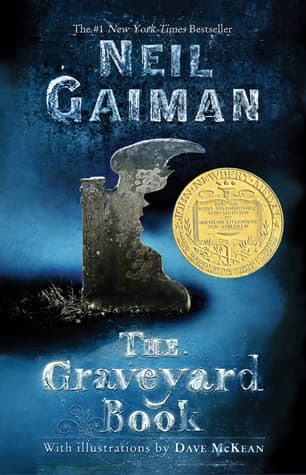
- The Graveyard Book
Neil Gaiman
4.1 (438k) average on GoodreadsFantasyExplores a child growing up in an unusual, slightly macabre setting with supernatural guardians and a sense of underlying mystery.
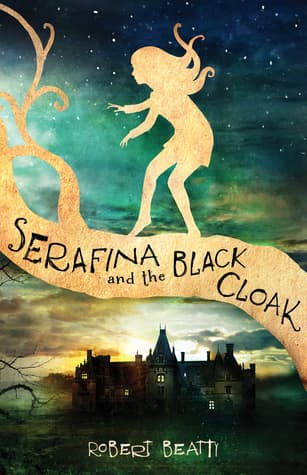
- Serafina and the Black Cloak
Robert Beatty
3.9 (29k) average on GoodreadsFantasyInvolves a mysterious figure preying on children in a grand, isolated estate, combining mystery and fantasy elements.
- Harry Potter and the Sorcerer's Stone
J.K. Rowling
4.5 (7M) average on GoodreadsFantasyRescued from a miserable life under the stairs, an orphaned boy discovers he's a wizard destined for a magical school, where he uncovers a dangerous secret tied to the dark wizard who murdered his parents.
- The Hunger Games
Suzanne Collins
4.3 (6.4M) average on GoodreadsFantasyIn a future where children fight to the death on live television, Katniss Everdeen volunteers for the arena, turning a death sentence into a fight for survival and a spark of rebellion.
- 1984
George Orwell
4.2 (3.1M) average on GoodreadsPoliticsIn a future where surveillance and thought control are absolute, a man's search for truth clashes with the Party, showing that hope can be a form of rebellion.




Enjoyed the summary?
A summary gives you the shape of the book. The book itself has the detail, the examples and the voice.
Find The Night Gardener on AmazonAs an Amazon Associate, BookBrief earns from qualifying purchases. How we're funded