
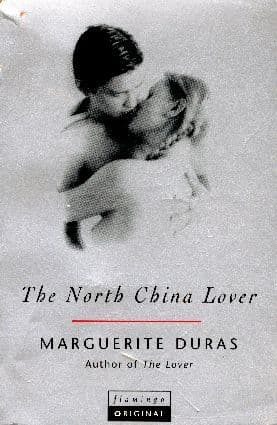
Synopsis
Covers the whole plot, including the ending.
- Difficulty
- Medium
- Pacing
- Slow
- Mood
- Atmospheric, Melancholy, Sensual, Introspective, Dark
- Read it if
- You are interested in a raw, introspective, and sensual exploration of memory, desire, and coming-of-age against a colonial backdrop, with a focus on psychological depth and atmospheric prose.
- Skip it if
- You prefer a fast-paced plot, clear narrative resolution, or straightforward romantic narratives without ambiguity and a strong sense of melancholy.
The North China Lover Plot Summary
Covers the whole plot, including the ending.
The Arrival of the Young Girl
The narrative introduces the Young Girl, a fifteen-year-old French colonial girl living a difficult life in Indochina with her impoverished mother and two brothers. She is returning to Saigon from the family's upcountry boarding house for the new school year at the French lycée. Her mother, a schoolteacher, struggles financially, often resorting to desperate measures to keep the family afloat, including a disastrous land concession scheme. The Young Girl's relationship with her family is fraught with tension; her older brother, Pierre, is violent and cruel, especially towards her younger brother, Paulo, and herself, while her mother is often overwhelmed and emotionally distant. This return to Saigon marks the beginning of a period of significant change and self-discovery for the Young Girl, against the backdrop of colonial life and personal deprivation.
The Ferry Crossing Encounter
While crossing the Mekong River on a ferry, the Young Girl, dressed provocatively in a silk dress, worn-out gold lamé shoes, and a man's fedora, catches the eye of a wealthy Chinese man. He is much older than her, impeccably dressed, and drives a black limousine. Their eyes meet, and an unspoken connection forms. The man, later identified as the North China Lover, offers her a ride into Saigon. Despite her mother's strictures against associating with 'natives,' the Young Girl accepts, drawn by his quiet intensity and the promise of escaping her dreary existence, if only for a few moments. This encounter is pivotal, marking the initiation of their forbidden relationship and her entry into a world of adult desire and complex emotions.
The First Meetings and Developing Intimacy
Following their initial encounter, the Chinese man starts picking up the Young Girl from her lycée. Their meetings are discreet, often involving drives around Saigon, during which they exchange few words but a profound understanding develops. He takes her to his bachelor apartment in Cholon, the Chinese district, a place of quiet luxury and stark contrast to her own squalid home. Here, their physical relationship begins. The Young Girl, while initially driven by curiosity and a desire for escape, finds herself increasingly drawn to the man's tenderness, his silent devotion, and the material comforts he provides. Their affair is kept secret, primarily from her mother, who would vehemently disapprove, and her violent older brother, Pierre.
Family Tensions and Financial Desperation
The Young Girl's family life remains fraught with difficulties. Her mother's financial woes deepen, exacerbated by the failed land concession, which becomes a symbol of their colonial exploitation and poverty. The mother's attempts to maintain a semblance of respectability clash with their harsh reality. Pierre, the older brother, continues his reign of terror within the family, physically abusing Paulo and the Young Girl, and emotionally manipulating their mother. The Young Girl's affair with the Chinese man becomes a secret refuge from this domestic turmoil, a space where she feels valued and desired, a stark contrast to the emotional neglect and violence she experiences at home. Her younger brother, Paulo, remains a fragile and gentle presence, often the target of Pierre's cruelty.
The Chinese Man's Devotion and Generosity
The Chinese man's devotion to the Young Girl manifests through his quiet generosity. He gives her money, not as payment, but as a silent offering, which she accepts, often using it to buy clothes or small luxuries for herself and even her family, subtly alleviating some of their financial strain. He buys her the famous men's fedora and silk dresses, which become iconic symbols of her defiance and budding sexuality. These gifts are not merely material; they represent a form of care and respect she rarely receives from her own family. His apartment in Cholon becomes a sanctuary, a place where she can escape the harsh realities of her colonial existence and experience a different kind of life, one marked by quiet intimacy and sensual pleasure.
The Young Girl's Growing Independence and Awareness
As the affair progresses, the Young Girl's awareness of her own body, desire, and agency grows. She begins to understand the power dynamics at play, both in her personal relationships and within the colonial society. Her provocative dress and open defiance of social conventions, particularly by being seen with a 'native,' are deliberate acts of rebellion against her upbringing and the rigid expectations placed upon her. She observes the hypocrisy and injustices of the colonial system, often through the lens of her family's struggles. Her relationship with the Chinese man, while transactional in some aspects, also becomes a space for profound emotional and sexual awakening, allowing her to forge an identity independent of her dysfunctional family.
The Mother's Unspoken Knowledge
Despite the secrecy surrounding the affair, there are indications that the Young Girl's mother possesses an unspoken awareness of her daughter's activities. While she never directly confronts the Young Girl, there are subtle hints in her behavior and veiled comments that suggest she suspects something. Her silence can be interpreted as a complex mixture of resignation, desperation, and perhaps a tacit acknowledgment that the affair, in some indirect way, might be alleviating the family's financial burden or at least providing her daughter with something she cannot. This unspoken understanding adds a layer of psychological depth to their already strained relationship, highlighting the compromises and unspoken truths within the family.
The North China Lover's Predicament
The narrative reveals the Chinese man's own societal constraints. Despite his wealth and independence, he is bound by the expectations of his wealthy Chinese family, which includes an arranged marriage to a girl of his own social standing. This impending marriage casts a shadow over his relationship with the Young Girl, marking it as inherently temporary and doomed. His quiet melancholy and resignation stem from this inescapable fate. He is deeply in love with the Young Girl, but cultural and racial barriers, combined with his family obligations, make a future together impossible. This aspect underscores the tragic nature of their romance, highlighting the limitations imposed by their respective worlds.
The Departure and Finality
The time for the Young Girl to leave Indochina for France to continue her studies approaches. This departure signifies the inevitable end of her affair with the Chinese man. The impending separation casts a melancholic pall over their final meetings. There is no dramatic farewell, but rather a quiet, profound understanding of their parting. The Young Girl processes the finality of their relationship, recognizing that this chapter of her life, and the intense emotions associated with it, will soon be over. The departure is a significant rite of passage, marking her transition from adolescence to young adulthood and her physical and emotional removal from the colonial landscape that shaped her.
The Unforgettable Memory
Long after her return to France and her establishment as a writer, the memory of the North China Lover and their intense affair remains a powerful and indelible force in the Young Girl's life. The narrative emphasizes how this formative experience shaped her understanding of love, desire, and loss, influencing her subsequent relationships and her artistic endeavors. The specific details of their time together, the sensory experiences, and the emotional intensity, are revisited and reinterpreted through the lens of memory and maturity. The North China Lover becomes an eternal figure in her psyche, representing a profound awakening and a lost, yet deeply cherished, love that continues to resonate throughout her existence.
The North China Lover Characters
The Young Girl (Marguerite)
Protagonist
A rebellious and precocious French colonial teenager coming of age in Indochina.
The Young Girl is a fifteen-year-old French expatriate living in poverty in Indochina. Intelligent, defiant, and sexually precocious, she seeks escape from her dysfunctional family and the oppressive colonial environment. She is keenly observant of the world around her, particularly its injustices and hypocrisies. Her affair with the wealthy Chinese man serves as both a means of financial relief and a profound journey of self-discovery and sexual awakening. She is driven by a desire for independence and a yearning for genuine connection, often expressed through acts of rebellion and a refusal to conform to societal expectations.
Relationships: The North China Lover (Forbidden lover, source of tenderness and awakening); Mother (Strained, financially dependent, emotionally distant); Pierre (Older Brother) (Antagonistic, victim of his violence); Paulo (Younger Brother) (Protective, shared victim of Pierre's abuse)
The North China Lover
Supporting
A wealthy, melancholic Chinese man who enters into a forbidden affair with the Young Girl.
The North China Lover is a wealthy, educated Chinese man from a prominent family in Cholon. He is quiet, reserved, and carries an air of profound melancholy, stemming from his societal obligations, particularly an arranged marriage. He is deeply captivated by the Young Girl's unconventional beauty and spirit, offering her tenderness, financial support, and a sanctuary from her harsh home life. His love for her is pure and selfless, untainted by the transactional aspects of their initial encounters. He represents a world of quiet luxury and unspoken devotion, a stark contrast to the Young Girl's impoverished existence.
Relationships: The Young Girl (Forbidden lover, object of his profound affection)
The Mother
Supporting
An impoverished French schoolteacher, struggling to maintain her family and respectability in Indochina.
The Young Girl's mother is a formidable but ultimately defeated figure. A French schoolteacher, she is driven by a desperate desire to maintain a semblance of respectability and provide for her children, despite chronic poverty and the failure of her land concession scheme. She is often overwhelmed, emotionally distant, and prone to outbursts, but also possesses moments of fierce protectiveness. She struggles with the violence of her older son, Pierre, and the emotional toll of her life. Her relationship with the Young Girl is complex, marked by both tension and a grudging, unspoken understanding.
Relationships: The Young Girl (Strained, financially dependent, emotionally distant); Pierre (Older Brother) (Unable to control, complicit in his violence); Paulo (Younger Brother) (Protective, but often fails to protect)
Pierre
Antagonist
The violent and abusive older brother of the Young Girl.
Pierre is the Young Girl's older brother, a brutal and deeply disturbed individual. He is characterized by his gratuitous violence, particularly towards his younger brother, Paulo, and the Young Girl herself. He embodies the destructive forces within the family, fueled by resentment, idleness, and a profound sense of entitlement. His cruelty is a constant source of fear and tension in the household, and his actions often drive the Young Girl to seek escape and solace elsewhere. He represents the toxic masculinity and inherent dysfunction within their colonial existence.
Relationships: The Young Girl (Victim of his abuse, object of his resentment); Paulo (Younger Brother) (Primary victim of his physical abuse); Mother (Uncontrolled, enabled by her inaction)
Paulo
Supporting
The fragile and gentle younger brother of the Young Girl, often a victim of Pierre's abuse.
Paulo is the Young Girl's younger brother, a delicate and somewhat sickly child. He is the primary target of Pierre's physical and emotional abuse, making him a vulnerable and sympathetic figure. The Young Girl feels a strong sense of protectiveness towards him, often intervening on his behalf. His fragility highlights the harshness of their family environment and the cruelty of Pierre. He represents innocence and vulnerability in a world that offers little of either.
Relationships: The Young Girl (Protected by, shared victim with); Pierre (Older Brother) (Victim of his abuse)
The North China Lover Themes
Forbidden Love and Desire
The central theme revolves around the intense, forbidden love affair between the young French colonial girl and the wealthy Chinese man. This love transcends racial and societal barriers, highlighting the power of individual desire against the backdrop of colonial prejudice. The secrecy of their relationship, driven by the mother's disapproval and societal norms, intensifies its emotional weight. It is a love born of mutual fascination and a yearning for connection, offering the Young Girl an escape from her impoverished and violent home life, and providing the Chinese man with a profound, if temporary, intimacy. The affair is portrayed as both a sexual awakening and a deep emotional bond, defying the superficiality of their respective worlds.
“One day, I was already old, in the entrance of a public place, a man came up to me. He introduced himself and said: 'I've known you for years. You were beautiful then, you're beautiful now. But I prefer you now.'”
Colonialism and Poverty
The novel vividly portrays the harsh realities of French colonialism in Indochina, particularly through the lens of the Young Girl's impoverished family. Despite being French, they live in squalor, a stark contrast to the perceived grandeur of the colonial enterprise. The mother's failed land concession symbolizes the futility and exploitation inherent in the colonial system. The racial divide is palpable, with the Chinese man's wealth contrasting sharply with the French family's destitution, challenging typical colonial hierarchies. The Young Girl's affair with a 'native' is a direct transgression of these racial boundaries, highlighting the hypocrisy and social stratification of the era.
“It was the time of the great famine in Indochina. People died in the streets of Cholon, of Saigon. The rice was being sent to France.”
Memory and Retrospection
Written late in Duras's life, the novel is deeply infused with the theme of memory. It is a retrospective account, a revisiting and reinterpretation of formative experiences from her youth. The narrative often shifts between the immediate events and the reflections of an older, wiser narrator, blending past and present. This temporal fluidity allows for a more nuanced exploration of the emotions and significance of the affair, as the narrator grapples with the enduring impact of her first love. Memory is not presented as a perfect recall but as a subjective, evolving reconstruction, where certain details gain heightened significance over time, shaping the individual's identity.
“I often think about that image I have of myself, that single image that I've kept of myself, a single image of myself as a young girl, in the Indochina of that time.”
Family Dysfunction and Abuse
The Young Girl's family is a crucible of dysfunction, marked by poverty, emotional neglect, and physical abuse. Her mother's desperation and emotional distance, coupled with her older brother Pierre's brutal violence towards her and Paulo, create a toxic environment. This familial chaos drives the Young Girl to seek solace and escape outside the home, making her affair with the Chinese man not just an act of desire but also a desperate bid for tenderness and validation. The stark contrast between the violence at home and the quiet devotion offered by the Lover underscores the profound impact of her family's pathology on her development and choices.
“The mother was afraid of the older son. He was the one who could kill them, the mother, the little one, and the girl.”
Sexual Awakening and Female Agency
The novel is a powerful exploration of the Young Girl's sexual awakening and her burgeoning sense of female agency. Her affair with the Chinese man is a journey of self-discovery, where she learns about her own body, desires, and the power she wields. Her provocative dress and her willingness to engage in a forbidden relationship are acts of defiance against societal expectations and her family's oppressive environment. She is not merely a passive recipient of desire but an active participant, making choices that shape her identity and challenge the patriarchal norms of her colonial upbringing. This theme highlights her transformation from a girl to a woman, asserting her independence through her sexuality.
“She was fifteen and a half. She had already left childhood behind. She was already in the other world, the one of life, of love.”
Plot Devices & Literary Techniques
First-Person Retrospection
The story is told by an older narrator looking back on her youth, blending memory and storytelling.
The novel employs a first-person retrospective narration, where the older Marguerite Duras reflects on her adolescent experiences in Indochina. This device allows for a layered narrative, where the events of the past are filtered through the wisdom and emotional distance of the present. The narrator often interjects with observations and insights that an adolescent character would not possess, giving the story a profound, almost analytical quality. This approach emphasizes the enduring impact of the past on the present and highlights the subjective nature of memory, making the story feel both intimate and deeply considered.
Symbolic Clothing
Specific items of clothing, like the fedora and silk dress, represent the Young Girl's defiance and identity.
The Young Girl's distinctive clothing—a man's fedora and a silk dress—serves as powerful symbols. The fedora, borrowed from her brother, represents a masculine defiance and an assertion of independence in a restrictive environment. The silk dress, a gift from the Chinese man, symbolizes her burgeoning sexuality, her entry into a world of adult desire, and the material comforts her lover provides. These items are not just garments; they are external manifestations of her internal rebellion and transformation, marking her as distinct and challenging the social norms of colonial Indochina. They become iconic representations of her character and her story.
The Mekong River
The river serves as a symbolic boundary and a place of significant encounters.
The Mekong River functions as a significant symbolic setting. It is the location of the Young Girl's initial, fateful encounter with the Chinese man, marking the beginning of their forbidden affair. The river acts as a geographical and metaphorical boundary—between her impoverished upcountry existence and the more sophisticated world of Saigon, and between her innocent childhood and her burgeoning womanhood. Its vastness and constant flow suggest the unstoppable nature of time and destiny, and the irreversible currents of passion and experience that carry the Young Girl into her adult life. It represents both a passage and a point of no return.
The Chinese Man's Apartment
A hidden sanctuary representing escape, luxury, and intimacy.
The Chinese man's bachelor apartment in Cholon serves as a crucial plot device and symbolic space. It is a hidden sanctuary, a place of quiet luxury and discretion that stands in stark contrast to the Young Girl's squalid and violent home. Within its walls, their forbidden intimacy unfolds, offering her an escape from her family's dysfunction and the judgments of colonial society. The apartment represents a world of tenderness, material comfort, and sexual awakening, a private realm where the Young Girl can shed her external struggles and experience a different kind of existence. It is a temporary haven, underscoring the ephemeral nature of their affair.
The North China Lover Quotes
“The story of my life doesn't exist. It never will. There's no such thing as a center, a course, a line. I've often thought that my life had no story, and that it just went on and on.”
“I've told the story of the Chinese man and the young girl. It's the story of my adolescence, the one I've tried to forget, the one I've written so many times without ever quite reaching it.”
“She's like all young girls of her age, she wants to be loved. She wants to be loved by him, by the Chinese man. She wants to be loved by everyone.”
“His love for her is a love of despair. He knows she's going to leave him, he knows he's going to lose her.”
“The cinema, the dance halls, the cheap hotels. That's where they meet, that's where they love each other. In the heat, in the dust, in the poverty of the colony.”
“She's always reading. She reads everything, novels, newspapers, anything she can get her hands on. She wants to escape, to dream, to forget.”
“He's rich, he's Chinese, he's older. These are the facts. But in her eyes, he's simply the man she loves.”
“The heat is terrible. The heat of the country, the heat of their bodies, the heat of their desire. It's all one and the same.”
“She doesn't know what love is, not really. She only knows the feeling, the urgency, the need to be with him.”
“The mother is always there, in the background, a silent judge, a constant shadow. She disapproves, but she needs the money.”
“He touches her with such tenderness, such respect. It's not just sex, it's something more profound, something she's never known before.”
“The end is inevitable. They both know it. But for a brief time, they exist in this bubble of forbidden happiness.”
“And then, the boat. The departure. The tears. The definitive separation. The end of a world, the beginning of another.”
“I write because I don't know what else to do with my life. I write to remember, to forget, to create.”
“The memory of him, like a stain. A beautiful, indelible stain on the fabric of her youth.”
Quiz
10 questions on the plot and the characters. Each answer comes with a short explanation.
Question 1
What is the primary relationship explored in 'The North China Lover'?
- Between the young girl and her mother
- Between the young girl and her two brothers
- Between the young girl and a wealthy Chinese man
- Between the young girl and her French school teacher
Show answer
C. Between the young girl and a wealthy Chinese man The central romance of the novel is between the young, unnamed French girl and her wealthy Chinese lover, which mirrors Duras's own experiences.
Question 2
Where does the story primarily take place?
- Paris, France
- Saigon, Indochina
- Hanoi, Indochina
- Shanghai, China
Show answer
B. Saigon, Indochina The novel is set in French Indochina, specifically Saigon, during Duras's adolescence.
Question 3
What is the key difference mentioned in the description between 'The Lover' and 'The North China Lover'?
- The North China Lover is a sequel to The Lover.
- The North China Lover emphasizes tougher aspects of her youth and was initially notes for a screenplay.
- The North China Lover features entirely different characters.
- The North China Lover is set in a different historical period.
Show answer
B. The North China Lover emphasizes tougher aspects of her youth and was initially notes for a screenplay. The description states that 'The North China Lover' was initially conceived as notes for a screenplay for 'The Lover' and emphasizes the tougher aspects of her youth.
Question 4
How does the young girl's family generally perceive her relationship with the Chinese man?
- They are openly supportive and encouraging.
- They are indifferent to it.
- They are financially dependent on it but also harbor resentment and judgment.
- They are completely unaware of the affair.
Show answer
C. They are financially dependent on it but also harbor resentment and judgment. The family, particularly the mother, is shown to be financially reliant on the Chinese man's money, yet they also display a complex mix of resentment and judgment towards the girl's affair.
Question 5
What role does the young girl's older brother play in the family dynamics and her life?
- He is a protective and loving figure.
- He is largely absent and uninvolved.
- He is abusive and a source of fear and tension for the girl and her mother.
- He is a confidant for the young girl.
Show answer
C. He is abusive and a source of fear and tension for the girl and her mother. The older brother is depicted as a violent and menacing figure, a source of fear and unhappiness for the girl and her mother, highlighting the 'tougher aspects' of her youth.
Question 6
What is the significance of the ferry crossing in the narrative?
- It symbolizes the girl's escape from her family.
- It is where the girl first meets her Chinese lover.
- It represents a recurring dream of the girl's.
- It is the setting for a major family argument.
Show answer
B. It is where the girl first meets her Chinese lover. The initial meeting between the young girl and the wealthy Chinese man occurs on the ferry, a pivotal moment that sets the entire story in motion.
Question 7
What is a prominent theme related to colonial life in Indochina presented in the novel?
- The harmonious integration of French and local cultures.
- The economic prosperity experienced by all inhabitants.
- The stark social and racial divisions, and the precarity of the French colonizers' existence.
- The celebration of French imperial power.
Show answer
C. The stark social and racial divisions, and the precarity of the French colonizers' existence. The novel vividly portrays the social and racial hierarchies of colonial Indochina, showing the struggles and often desperate circumstances of the French family, despite their 'superior' status.
Question 8
How does the narrative style of 'The North China Lover' contribute to its 'intimate documentary' feel?
- Through extensive use of formal, academic language.
- By maintaining a strict chronological order of events.
- Through its fragmented structure, shifting perspectives, and raw, unvarnished recollections.
- By including direct interviews with the characters.
Show answer
C. Through its fragmented structure, shifting perspectives, and raw, unvarnished recollections. Duras's characteristic style, marked by its non-linear structure, fragmented memories, and unsparing honesty, gives the novel the quality of a personal, unfiltered documentary.
Question 9
What emotional paradox is often associated with the young girl's feelings towards her lover?
- She feels pure, unadulterated joy and happiness.
- She feels only resentment and disgust.
- A blend of physical desire and emotional detachment, coupled with an underlying, unspoken tenderness.
- She feels overwhelming guilt and shame.
Show answer
C. A blend of physical desire and emotional detachment, coupled with an underlying, unspoken tenderness. The relationship is complex, characterized by a transactional element and a degree of emotional distance, yet beneath it, there is a profound, albeit often unexpressed, connection and tenderness.
Question 10
How does the novel portray the mother's character, particularly in relation to her children and her circumstances?
- As a purely selfless and sacrificing figure.
- As a distant and uncaring parent.
- As a desperate, often harsh figure, burdened by poverty and familial strife, yet possessing moments of fierce love and resilience.
- As a wealthy and influential member of the colonial elite.
Show answer
C. As a desperate, often harsh figure, burdened by poverty and familial strife, yet possessing moments of fierce love and resilience. The mother is depicted as a complex character, struggling with poverty and the challenges of raising her children in a harsh colonial environment, often displaying a tough exterior but also deep, albeit sometimes misguided, love.
The North China Lover FAQ
What is the central premise of 'The North China Lover'?
The novel recounts the intense and illicit affair between a fifteen-and-a-half-year-old French girl, referred to as 'the Child,' and an older, wealthy Chinese man, 'the Lover,' set against the backdrop of colonial Indochina in the 1930s. It explores themes of desire, exploitation, family dysfunction, and the awakening of sexuality.
How does this novel relate to Duras's earlier work, 'The Lover'?
'The North China Lover' is a re-imagining and expansion of the material presented in 'The Lover,' initially conceived as screenplay notes. While 'The Lover' is more poetic and condensed, this later novel offers a harsher, more detailed, and arguably more 'truthful' account of the same formative period and relationship, emphasizing the economic and social pressures.
Who are the key characters in the story besides the Child and the Lover?
Other significant characters include the Child's incredibly cruel and dominating Mother, her two brothers — the older, violent Paulo, and the younger, weaker Pierre — and the Lover's family, though they remain largely in the background, representing societal expectations and wealth. The family dynamics are central to the Child's motivations and suffering.
What is the primary setting of the novel and how does it influence the narrative?
The story is primarily set in French Indochina, specifically Sadec and Saigon, during the colonial period. The oppressive heat, the poverty of the French family, and the stark class divisions between the colonizers and the wealthy Chinese community create a suffocating atmosphere that fuels the Child's desperation and the illicit nature of the affair.
What is the ultimate fate of the relationship between the Child and the Lover?
The affair is temporary and ultimately ends with the Child's departure for France. The Lover, bound by his family's expectations and social standing, cannot marry her. Their final separation is tinged with deep sadness, as he watches her ship depart, signifying the end of their passionate but doomed connection.
How does the narrative perspective differ from 'The Lover'?
While 'The Lover' uses a first-person retrospective voice, 'The North China Lover' employs a more detached, third-person perspective, often shifting between 'the Child' and 'she.' This allows for a more objective, almost documentary-like examination of the events, giving greater emphasis to the surrounding circumstances and the brutal reality of the family.
What is the significance of the Child's distinctive male hat and gold lamé shoes?
The male hat and gold lamé shoes are symbols of the Child's defiance, her burgeoning sexuality, and her precarious position between childhood and womanhood. The hat represents a rejection of feminine norms and an assertion of independence, while the shoes signify her allure and her entry into the adult world of desire and negotiation.
Are there any subtle indications of the Lover's true feelings beyond his actions?
The Lover, though often passive and constrained by his culture, reveals his deep affection through specific details, such as his silent, prolonged gaze at the Child, his profound sadness at their parting, and his later confession to her brother that he never forgot her. His wealth is a means to possess her, but his emotional attachment is genuine.
What role does the family's poverty play in the Child's decision to pursue the affair?
The family's extreme poverty, exacerbated by her mother's failed land venture, is a major driving force. The Child sees the affair with the wealthy Lover as a means of escape and a source of financial gain for her family, making her complicit in what could be seen as a form of transaction, blurring the lines between love and economic necessity.
How does the relationship with her brothers, particularly Paulo, shape the Child's psychology?
The Child's relationship with her brothers is deeply dysfunctional and violent, especially with Paulo, who is abusive and destructive. This constant exposure to male aggression and her mother's favoritism towards Paulo likely contributes to her emotional resilience, her desire for escape, and her complex understanding of power dynamics in relationships.
How does the Child cope with the emotional and physical aspects of her illicit relationship?
The Child approaches the relationship with a certain detachment and pragmatism, often viewing it as a transaction. While she experiences moments of intense pleasure and connection, she also maintains a guarded emotional state, perhaps as a self-preservation mechanism against the judgment of society, her family's needs, and the inherent power imbalance.
What psychological impact does the Mother's cruelty have on the Child?
The Mother's pervasive cruelty, emotional neglect, and favoritism profoundly scar the Child, fostering a deep sense of abandonment and a desperate need for affection and recognition. This harsh upbringing likely contributes to her early sexual awakening, her willingness to seek solace outside the family, and her complex, often rebellious, personality.
Is the Lover a predatory figure or a victim of circumstances himself?
This is a point of debate. While the Lover benefits from his wealth and the Child's vulnerability, making him complicit in an exploitative dynamic, he also appears genuinely smitten and constrained by his own cultural and familial obligations. He is not entirely predatory, but neither is he entirely blameless, existing in a gray area of desire and societal pressure.
How does Duras challenge traditional notions of love and morality in this novel?
Duras deliberately blurs the lines between love, lust, economic exchange, and power in the relationship between the Child and the Lover. She presents a love that is unconventional, born of desperation and desire, outside the bounds of societal morality, forcing readers to question conventional judgments about such illicit connections.
What is the significance of the explicit sexual descriptions in the novel?
The explicit sexual descriptions are crucial for portraying the raw, unvarnished truth of the Child's awakening and the physical reality of the affair, which Duras felt was often sanitized in her earlier works. They emphasize the carnal aspect, the power dynamics, and the visceral experience of desire and vulnerability.
Does the novel offer any hope or redemption for its characters?
While the novel is largely bleak, focusing on hardship and doomed love, there is a subtle sense of the Child's survival and maturation. Her experiences, though traumatic, forge her into the artist Duras would become. The 'redemption' might lie in the act of storytelling itself, giving voice to a painful past and finding a form of understanding.
How does the 'documentary' feel mentioned in the blurb manifest in the writing style?
The 'documentary' feel comes from the detached, almost clinical third-person narration, the precise and unsparing descriptions of poverty and violence, and the direct, unembellished prose. Duras presents events as observed facts, allowing the reader to draw conclusions rather than guiding them with overt emotional language, similar to a factual report.
About the author
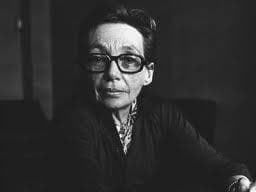
Marguerite Germaine Marie Donnadieu, known as Marguerite Duras, was a French novelist, playwright, screenwriter, essayist, and experimental filmmaker. Her script for the film Hiroshima mon amour (1959) earned her a nomination for Best Original Screenplay at the Academy Awards.
Similar books
- The Lover
Marguerite Duras
3.7 (36k) average on GoodreadsHistorical FictionThis is a direct reimagining and expansion of the same core story and themes by the author herself.
- A Passage to India
E.M. Forster
3.7 (70k) average on GoodreadsHistorical FictionExplores themes of colonialism, cultural clash, and illicit relationships in a foreign land, though with a different focus.
- The Hunger Games
Suzanne Collins
4.3 (6.4M) average on GoodreadsFantasyIn a future where children fight to the death on live television, Katniss Everdeen volunteers for the arena, turning a death sentence into a fight for survival and a spark of rebellion.
- The Great Gatsby
F. Scott Fitzgerald
3.9 (3.8M) average on GoodreadsHistorical FictionIn the opulent Roaring Twenties, a mysterious millionaire's lavish parties hide his desperate, tragic pursuit of a lost love, exposing the emptiness within the American Dream.
- The Fault in Our Stars
John Green
4.2 (3.6M) average on GoodreadsYoung AdultA girl with a terminal illness finds her story rewritten when a charming boy with a similar past enters her life at a cancer support group, leading to a star-crossed romance.
- Pride and Prejudice
Jane Austen
4.3 (3M) average on GoodreadsHistorical FictionIn a society focused on status and money, Elizabeth Bennet navigates love and pride, challenging Mr. Darcy and social expectations to find true affection.





Enjoyed the summary?
A summary gives you the shape of the book. The book itself has the detail, the examples and the voice.
Find The North China Lover on AmazonAs an Amazon Associate, BookBrief earns from qualifying purchases. How we're funded