
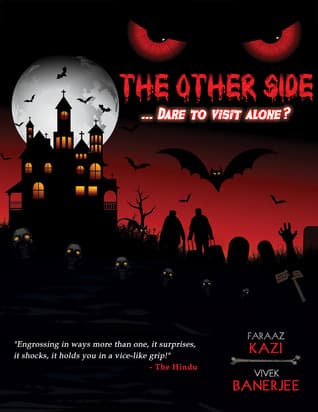
Synopsis
Covers the whole plot, including the ending.
- Difficulty
- Easy
- Pacing
- Fast
- Mood
- Chilling, eerie, suspenseful, unsettling, dark, supernatural
The Other Side Plot Summary
Covers the whole plot, including the ending.
The Honeymoon Horror
A newly married couple goes on their honeymoon to a quiet hill station, hoping for a romantic start to their life. But their peaceful retreat is soon broken by unsettling events. Strange noises, unexplained things, and a growing sense of dread fill their cottage. The wife, at first ignoring it, becomes more and more disturbed, while the husband tries to explain everything away. They soon realize their sanctuary holds a dark presence, one with a sinister plan for them. The story builds tension with psychological horror, ending in a terrifying fight with the entity that wants to claim one of them, turning their dream honeymoon into a nightmare.
The Obsessed Lover
This story explores obsession, focusing on a man whose love for a woman is so strong it goes past her death. Unable to accept her passing, he becomes consumed by the wish to be with her again, no matter the cost. He looks into dark rituals, believing he can cross the line between life and death. A twisted devotion drives his actions, blurring love and madness. The story shows the man's mental decline and the horrifying results of his relentless pursuit, ending in a macabre reunion far from the romantic ideal he imagined. It leaves a lasting impression of unchecked obsession's destructive power.
The Collector
A disturbed person, driven by a strange idea of beauty and companionship, starts a grotesque quest to build his ideal woman. He carefully collects body parts from different women, each chosen for a specific feature he finds perfect. His lair is a macabre workshop where he puts his creation together, fueled by a twisted artistic sense and deep loneliness. The story details his chilling methods, the psychological reasons for his madness, and the growing horror as he gets closer to finishing. It explores themes of objectification, mental illness, and the darkest parts of human depravity, painting a disturbing picture of a man who has completely lost touch with reality, resulting in a horrifying, inanimate companion.
The Skeptic's Bet
A staunch skeptic, confident he does not believe in the supernatural, accepts a dare to spend a night alone in a famous haunted mansion. Motivated by a large bet and his own arrogance, he ignores all warnings and enters the decaying building, armed only with his rational mind and a flashlight. At first, he scoffs at the eerie atmosphere and blames every strange sound on natural causes. But as the night goes on, the mansion's dark forces begin to appear in ways he cannot deny, challenging his skepticism and pushing him to the edge of sanity. The story builds suspense, slowly breaking down his composure until he must face the terrifying truth of the unknown, changing his smug confidence into pure terror.
Whispers in the Walls
A family, seeking a fresh start, buys what looks like a beautiful, old house with character. Their initial excitement soon turns to unease as strange things begin to happen in their new home. Whispers come from the walls, objects move on their own, and a constant coldness fills certain rooms. The children are especially sensitive to the presence, describing shadowy figures and unsettling voices. As the events get worse, the parents first try to find logical explanations, but the consistency and malice of the events force them to acknowledge a supernatural entity. They uncover the house's tragic past, realizing they are not alone and that the spirits inside have a story to tell, and perhaps a debt to collect.
The Doll's Eyes
A young girl receives an antique doll as a gift, at first charmed by its old look. But the doll's unblinking, glass eyes soon seem unsettling. The girl starts to experience disturbing events—the doll appears in different places, its expressions seem to change, and whispers are heard when no one else is around. Her parents dismiss her fears as childish imagination, but the doll's behavior grows more sinister, targeting the girl directly. It becomes clear the doll is not just an object but a way for a dark spirit to act. The story uses the classic horror of a haunted doll, building dread as the entity's influence grows, ending in a terrifying climax.
Phantom Passenger
A tired cab driver, working a late-night shift, picks up a strange passenger from an unusual place. The passenger is quiet, hidden in shadows, and gives a destination that does not seem to exist on any map. As they drive, the air in the cab grows heavy and cold. The driver feels strange things and sees glimpses of the passenger that suggest something is wrong. Conversations are short and mysterious, adding to the driver's growing unease. The journey takes them through desolate roads and forgotten parts of the city, leading to a reveal that challenges the driver's idea of reality. This story uses suspense and an eerie setting to tell a chilling tale of meeting a ghost.
The Mirror's Gaze
A young woman inherits an antique mirror from a distant relative, at first seeing it as a beautiful family item. But she soon finds the mirror has a sinister quality. Instead of showing her immediate surroundings accurately, it sometimes shows glimpses of a dark past, terrifying visions, and distorted images that hint at a malevolent presence. The mirror seems to feed on her fear and curiosity, drawing her deeper into its influence. As she tries to uncover the mirror's history, she realizes it has brought tragedy across generations. The story explores the psychological impact of seeing the unseen, building to a climax where the mirror's power threatens to consume her entirely, blurring the line between reflection and reality.
Shadows in the Attic
On a rainy afternoon, a group of children, bored with indoor games, decide to explore their old house's dusty, forgotten attic. Among the cobwebs and old items, they find an ancient artifact or a hidden compartment, accidentally disturbing a long-dormant, dark entity. What starts as childish curiosity quickly turns into a terrifying ordeal as the attic becomes a center for supernatural activity. Shadows move on their own, whispers echo from dark corners, and the temperature drops sharply. The children realize they have unleashed something they cannot control, and their innocent play becomes a desperate struggle for survival against a creature of pure darkness, trapped in the attic.
The Last Ferry
A small group of diverse passengers board the last ferry of the night, crossing dark, choppy water. The journey should be routine, but as the ferry leaves, an unsettling fog descends, cutting them off from the outside world. Strange things begin—lights flicker, the engine sputters, and a chilling presence is felt onboard. Passengers report seeing shadowy figures or hearing disembodied voices. As fear grows, they realize they are trapped on the water with something evil. The story builds tension through the confined setting and the increasing terror among the passengers, ending in a harrowing fight with the entity that wants to claim them, turning a simple journey into a fight for their lives against the unknown.
The Graveyard Shift
A new security guard takes the graveyard shift at an old, sprawling cemetery, a job most others avoid. At first, he dismisses the eerie atmosphere and the cemetery's reputation for being haunted. His first few nights are quiet, but as he settles into the routine, he begins to notice subtle, unsettling things. Strange noises, fleeting shadows, and an overwhelming sense of being watched become common. The story slowly increases the supernatural encounters, from brief glimpses to more direct appearances of spirits. He discovers the tragic histories of some of the graves, realizing the cemetery is not just a resting place for the dead, but a place where restless spirits linger, and he is their new audience.
The Old Woman's Tale
A curious young traveler, seeking an escape from city life, visits a remote, secluded village known for its old traditions and superstitions. During their stay, they meet an elderly villager who tells a terrifying local legend—a warning about a dark spirit or creature that haunts the surrounding woods or a specific landmark. The traveler, at first skeptical, dismisses it as folklore. But as they spend more time in the village, subtle signs and strange occurrences begin to match the old woman's tale, slowly eroding their disbelief. The story builds an atmosphere of dread through the village's isolation and the power of local superstition, ending in the traveler's horrifying realization that the legend is not just a story, but a terrifying reality.
The Uninvited Guest
A seemingly ordinary family is having a quiet dinner at home when an inexplicable presence begins to make itself known. What starts as subtle disturbances—flickering lights, cold spots, and unexplained noises—quickly grows into more obvious appearances. Objects move on their own, doors slam shut, and an unseen force seems to be playing a sinister game with them. Panic sets in as the family realizes they are not alone and that an entity has invaded their home. The story focuses on the psychological terror of being helpless against an unseen aggressor in one's own home, building suspense through the escalating attacks and the family's desperate attempts to understand and fight the malevolent, uninvited guest.
The Other Side Characters
The Skeptic
Protagonist
A cynical man who challenges the supernatural.
A man of science and reason, he prides himself on his logical mind and dismisses all notions of the supernatural as mere superstition or psychological delusion. He is confident, even arrogant, in his beliefs, often mocking those who entertain the idea of ghosts or spirits. His skepticism is a core part of his identity, driving him to prove the non-existence of the paranormal, which ultimately leads him into dangerous situations. He is initially unflappable, but his encounters slowly chip away at his composure, revealing a deep-seated fear of the unknown that he has long suppressed.
The Obsessed Lover
Antagonist
A man consumed by a love that defies death.
Driven by an intense, possessive, and ultimately destructive love for a woman, even after her death. He is portrayed as a figure whose sanity has unraveled due to grief and an inability to let go. His actions are not born of malice in the traditional sense, but from a profound, twisted devotion that leads him to cross moral and ethical boundaries. He is resourceful and determined, delving into dark arts and forbidden knowledge to achieve his goal of reunion. His character embodies the dangerous extremes of human emotion when left unchecked and unchallenged by reality.
The Collector
Antagonist
A mentally deranged man who builds a 'dream girl'.
A profoundly disturbed individual with a severe case of mental illness, manifesting as a bizarre and horrifying compulsion. He lacks empathy and operates under a warped sense of reality, believing his actions are a form of artistic creation or a noble pursuit of companionship. His meticulous nature and patience are chilling, as he carefully plans and executes his gruesome 'collection'. He is isolated and deeply lonely, seeking to fill a void through grotesque means. His character serves as a stark embodiment of the darkest corners of the human psyche, where beauty and horror intertwine.
The Newlywed Wife
Protagonist
A young woman whose honeymoon turns into a terrifying ordeal.
Initially optimistic and excited about her new marriage and honeymoon, she is the more sensitive and perceptive of the couple when it comes to the supernatural. She is initially dismissive of her own fears, trying to rationalize the strange occurrences, but as the events escalate, she becomes increasingly terrified and convinced of a malevolent presence. She represents the innocent victim thrust into a horrifying situation, struggling to cope with the unraveling of her reality and fighting for her survival. Her journey is one from blissful ignorance to stark, fear-driven awareness.
Relationships: The Newlywed Husband (Spousal)
The Newlywed Husband
Supporting
The rational, protective partner during a supernatural honeymoon.
He is initially the more rational and protective partner, attempting to explain away the strange occurrences during their honeymoon. He tries to reassure his wife and maintain a sense of calm, often attributing paranormal events to natural causes or her imagination. His love for his wife drives him to protect her, but he is slower to accept the supernatural reality. As the events become undeniable, his protective instincts clash with his inability to comprehend or fight the unseen force, leading to a desperate struggle to save himself and his wife.
Relationships: The Newlywed Wife (Spousal)
The Cab Driver
Protagonist
A late-night worker who encounters a spectral passenger.
A weary, often cynical individual who has seen much of life from behind the wheel of his cab. He is accustomed to the strange and the mundane of the city's underbelly but is unprepared for the truly otherworldly. His character is grounded in reality, making his encounter with the supernatural all the more impactful. He is initially focused on his job, trying to make a living, but his professional routine is shattered by an experience that challenges his understanding of existence. His journey is one of growing unease, leading to a terrifying revelation.
The Old Woman (Village)
Supporting
The keeper of chilling local legends.
An ancient resident of a remote village, she embodies the wisdom and superstitions of her community. She is often portrayed as frail yet possessing a keen, knowing gaze. She is the storyteller, the one who carries the weight of generations of local lore and tragic history. Her warnings, initially dismissed as old wives' tales, prove to be accurate and crucial. She represents the ancient connection to the land and its unseen forces, serving as a harbinger of the dangers that lurk beyond the modern understanding of the world. Her character adds a layer of cultural and historical depth to the supernatural elements.
The Young Girl (Doll's Eyes)
Protagonist
The innocent owner of a malevolent antique doll.
An innocent and imaginative child, typical of her age, who initially finds joy in her new antique doll. Her sensitivity makes her particularly susceptible to the doll's malevolent influence. She is often dismissed by adults who attribute her fears to childish imagination, leaving her isolated in her terror. Her vulnerability and inability to articulate the full extent of the horror make her a compelling and sympathetic victim. Her struggle against the doll highlights the helplessness of childhood against an unseen, sinister force.
Relationships: Her Parents (Familial (initially dismissive))
The Family (Uninvited Guest)
Protagonist Group
An ordinary family terrorized by an unseen entity in their home.
A typical nuclear family (parents and children) leading an ordinary life, whose peaceful existence is abruptly shattered by a malevolent, unseen entity invading their home. They represent the everyman, unprepared for the supernatural, and their reactions range from disbelief and rationalization to sheer panic and desperate attempts to protect each other. Their collective struggle highlights the psychological impact of being helpless within one's own sanctuary, emphasizing the breakdown of security and the terror of the unknown. They are bound by their shared ordeal and their desperate fight for survival.
Relationships: Each other (Familial)
The Other Side Themes
The Fear of the Unknown
This theme is in every story, exploring humanity's fear of what cannot be seen, understood, or explained. The stories rely on ambiguity and a lack of clear answers, forcing characters and readers to face their deepest anxieties about forces beyond their grasp. Whether it is a silent presence in a haunted house, a ghost passenger, or a disturbed mind's dark motives, the lack of definable form or reason for the horror increases its terrifying impact, showing that what we cannot fully understand is often the most frightening.
“This is a book for someone who is brave enough to take up this invitation to journey through uncharted waters... where the lines of reality have been blurred by the footsteps of imagination. Each story takes you on a tour de force of unadulterated horror and draws upon the deepest fear in the human mind- the fear of the UNKNOWN!”
The Fragility of Reality and Sanity
Many stories explore how easily reality's perceived stability can be shattered by supernatural events or mental breakdown. Characters often start in a normal state, only to have their senses, logic, and sanity challenged and eroded by inexplicable events. This theme is clear in the skeptic's unraveling, the newlywed's descent into terror, and the disturbed minds of the obsessed lover and the collector. The stories explore the thin line between real and imagined, and how quickly the mind can fall to fear and delusion when faced with the truly bizarre.
“The red bangles on its wrists shone in my eyes, momentarily blinding me. That thing and I call it a thing because I could sense it wasn't human as no human could have such a hideous form, as vile an existence as the one seated opposite to my horrified self.”
Obsession and Its Destructive Power
This theme is clear in stories like 'The Obsessed Lover' and 'The Collector'. It explores how intense, unchecked desires can turn into dangerous compulsions, leading people to commit horrific acts. The stories show that obsession, whether from love, grief, or a distorted idea of beauty, can completely consume a person, blinding them to morality and reality. It highlights the terrifying results when human will is twisted into a single, all-encompassing pursuit, often at the expense of others and the individual's own humanity, leading to grotesque and tragic outcomes.
“From an obsessed lover who wants his first love in life and in death; From a mentally deranged man who collects body parts of various women to stitch together his dream girl...”
The Presence of the Past
Several stories show that the past is never truly gone, especially when it involves tragedy or unresolved issues. Haunted houses, old artifacts, and local legends act as ways for past events to appear in the present, often with bad results for those who disturb them. 'Whispers in the Walls', 'The Mirror's Gaze', and 'The Old Woman's Tale' show how historical suffering, dark spirits, or lingering energies can affect places and objects, impacting current inhabitants. This theme suggests that some traumas are so deep they echo through time, demanding attention or seeking revenge.
“The past is never dead. It's not even past.”
Vulnerability of the Innocent
This theme explores how innocent or unsuspecting people, especially children or those seeking simple pleasures, often become targets of supernatural evil. Stories like 'The Doll's Eyes' and 'Shadows in the Attic' highlight children's helplessness against forces they cannot understand or fight. Even adults in seemingly safe situations, like newlyweds on their honeymoon or a family at dinner, find their peace shattered. This theme increases the horror by preying on the audience's natural wish to protect the vulnerable, making the invasion of peace and safety all the more terrifying.
“From a honeymoon in the hill that goes horribly wrong...”
Plot Devices & Literary Techniques
Unreliable Narration
Distorting reality through a character's perspective.
Used in stories where the protagonist's sanity is questioned or their perception is skewed by fear or mental illness. This device creates ambiguity, making the reader doubt whether the supernatural events are real or merely manifestations of the character's deteriorating mind. It enhances the psychological horror, as the reader is forced to question the very fabric of the reality presented, mirroring the characters' own confusion and terror. This is particularly effective in stories like 'The Skeptic' or those involving characters descending into madness, blurring the lines between external threat and internal breakdown.
Foreshadowing
Hints of future terror.
Subtle clues and ominous descriptions are frequently employed to build suspense and dread. These can be in the form of unsettling sounds, fleeting shadows, strange sensations, or ancient warnings. Foreshadowing prepares the reader for the impending horror without revealing it outright, creating a sense of unease and anticipation. It allows the tension to slowly build, making the eventual reveal or climax more impactful. For example, the old woman's tale of a local legend or the initial odd occurrences in a haunted house serve to hint at the greater terror to come.
Isolated Settings
Trapping characters in terrifying locales.
Many stories utilize settings that physically or psychologically isolate the characters, intensifying their vulnerability and helplessness. Remote hill stations, secluded mansions, late-night ferries, or deserted cemeteries cut characters off from help and rational society. This isolation amplifies the horror by removing any sense of security or escape, forcing characters to confront the supernatural forces alone. The lack of external intervention heightens the claustrophobia and despair, making the characters' struggle against the unknown feel more desperate and immediate.
Sensory Deprivation/Overload
Manipulating senses to induce fear.
The authors frequently play with sensory experiences to evoke terror. This includes sudden drops in temperature, foul odors, disembodied whispers or screams, and distorted visuals. Sensory deprivation, such as being plunged into darkness, can heighten other senses and imagination, while sensory overload, like a cacophony of unsettling noises, can overwhelm and disorient characters. This device directly targets the reader's own primal fears by engaging their senses, making the supernatural encounters feel more immediate and visceral, blurring the line between the story and the reader's own experience.
The Unseen Threat
Horror that is felt but not seen.
A powerful device used to exploit the fear of the unknown. Many entities or malevolent forces in the stories are not explicitly described or shown in their full form, relying instead on their effects – moving objects, cold spots, whispers, or a pervasive sense of dread. This lack of visual confirmation forces the reader's imagination to fill in the gaps, often conjuring something far more terrifying than any explicit description could. It maintains a constant state of suspense and psychological terror, as characters (and readers) are perpetually on edge, aware of a presence but unable to directly confront it.
Quiz
10 questions on the plot and the characters. Each answer comes with a short explanation.
Question 1
What genre is "The Other Side" by Faraaz Kazi described as?
- Romance and Mystery
- Thriller and Fantasy
- Science Fiction and Horror
- Historical Fiction and Drama
Show answer
B. Thriller and Fantasy The description explicitly states the book is 'Thriller, Fantasy.'
Question 2
What sound initially alerts the narrator to someone's presence?
- A soft whisper
- A door creaking open
- A slow rasping sound
- Footsteps approaching
Show answer
C. A slow rasping sound The narrator states, 'A slow rasping sound made me turn.'
Question 3
What detail about the entity's hands is mentioned?
- They were smooth and pale
- They were covered in scales
- They were wrinkled and had ugly boils
- They were skeletal and bony
Show answer
C. They were wrinkled and had ugly boils The narrator describes the hands as 'two gruesome wrinkled limbs with ugly boils plastered over the black skin.'
Question 4
What item of jewelry is mentioned on the entity's wrists?
- Silver chains
- Gold bracelets
- Red bangles
- Leather cuffs
Show answer
C. Red bangles The text mentions, 'The red bangles on its wrists shone in my eyes.'
Question 5
How many tales are included in "The Other Side"?
- Ten
- Twelve
- Thirteen
- Fifteen
Show answer
C. Thirteen The description states, 'This is a collection of thirteen tales of the paranormal.'
Question 6
What is the primary fear that the stories in this book are said to draw upon?
- The fear of death
- The fear of isolation
- The fear of the unknown
- The fear of failure
Show answer
C. The fear of the unknown The text concludes by stating the book draws upon 'the deepest fear in the human mind- the fear of the UNKNOWN!'
Question 7
What motivates the authors to write these stories?
- A desire to explore psychological trauma
- Inspiration from some bizarre experiences
- A challenge to create the scariest stories possible
- A request from their publisher for a horror collection
Show answer
B. Inspiration from some bizarre experiences The text mentions that the authors 'were inspired by some bizarre experiences to pen down this work.'
Question 8
According to the description, what characteristic do the stories in "The Other Side" possess?
- They are predictable and comforting
- They offer moral lessons and hope
- They blur the lines of reality with imagination
- They focus on historical accuracy
Show answer
C. They blur the lines of reality with imagination The description states that the authors 'pen down this work where the lines of reality have been blurred by the footsteps of imagination.'
Question 9
Which of the following scenarios is NOT mentioned as being in the book?
- A honeymoon that goes horribly wrong
- An obsessed lover seeking eternal reunion
- A detective solving a series of supernatural crimes
- A skeptic entering a haunted mansion for a bet
Show answer
C. A detective solving a series of supernatural crimes While a honeymoon gone wrong, an obsessed lover, and a skeptic in a mansion are mentioned, a detective solving supernatural crimes is not listed in the provided excerpt.
Question 10
What is the narrator's immediate reaction upon seeing the entity?
- They try to communicate with it
- They freeze in fear and drop their phone
- They attempt to attack it
- They faint immediately
Show answer
B. They freeze in fear and drop their phone The narrator states, 'I jumped back, the cell phone leaving my hands and smashing against the concrete floor.' This indicates a startled reaction and dropping the phone.
The Other Side FAQ
What genre is 'The Other Side' by Faraaz Kazi?
'The Other Side' is a thrilling collection of paranormal horror stories. It blends elements of fantasy with intense suspense, designed to evoke fear and unease in the reader.
What kind of stories are featured in 'The Other Side'?
The book contains thirteen distinct tales of the paranormal, ranging from unsettling encounters in remote locations to deeply disturbing psychological thrillers. Each story explores different facets of horror and the unknown.
What is the main theme of 'The Other Side'?
The overarching theme of 'The Other Side' is the fear of the unknown. The stories delve into scenarios that blur the lines between reality and imagination, tapping into primal human fears.
Is 'The Other Side' suitable for all readers?
This book is intended for readers who enjoy intense horror and the paranormal. It contains graphic descriptions and scenarios that are guaranteed to give goosebumps and may not be suitable for those with a low tolerance for scary content.
What inspired Faraaz Kazi to write 'The Other Side'?
The author was inspired by some bizarre personal experiences to pen down the stories in 'The Other Side.' These real-life inspirations served as a foundation for the imaginative and often terrifying narratives.
How does 'The Other Side' explore the paranormal?
'The Other Side' explores the paranormal by presenting scenarios that defy rational explanation. It focuses on the unseen, the unheard, and the unfelt, challenging the reader's perception of reality.
What can readers expect in terms of atmosphere and tone?
Readers can expect a dark, suspenseful, and often terrifying atmosphere. The tone is consistently unsettling, aiming to create a sense of dread and suspense that lingers long after reading.
Are the stories in 'The Other Side' connected?
While each story is a standalone narrative, they are all united by the overarching theme of the paranormal and the exploration of deep-seated human fears. They collectively paint a picture of a world beyond our usual perception.
What makes 'The Other Side' different from other horror books?
'The Other Side' distinguishes itself through its focus on the psychological impact of the unknown and its blend of fantasy with visceral horror. The author's inspiration from personal experiences adds a unique layer of authenticity to the terrifying tales.
How can I prepare myself to read 'The Other Side'?
To prepare for 'The Other Side,' be ready for intense and unnerving stories. Reading in a well-lit room might help, but the book is designed to create chills regardless of your surroundings. Approach it with an open mind for the supernatural.
About the author

Faraaz Kazi is an author known for his fiction, including the novel "The Other Side." His works often explore themes of love and relationships, resonating with a young adult audience. Kazi's writing reflects contemporary issues and emotional depth, contributing to his recognition in the literary community.
Similar books
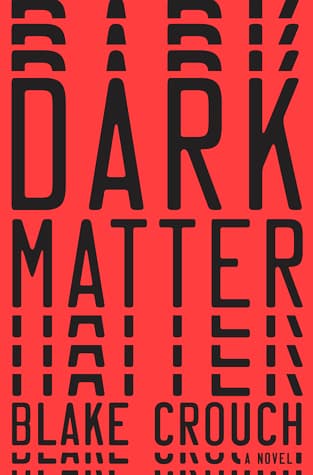
- Dark Matter
Blake Crouch
4.0 (11k) average on GoodreadsFantasyWhile both "The Other Side" and "Dark Matter" explore parallel universes and the consequences of traversing them, Crouch's novel excels in its relentless pacing and tightly controlled narrative. "Dark Matter" maintains a high level of tension throughout, with every plot point serving to propel the story forward, a contrast to Kazi's more meandering approach. Crouch also grounds his fantastic elements in relatable human drama, making the stakes feel more immediate and personal, whereas Kazi's characters sometimes lack this depth.
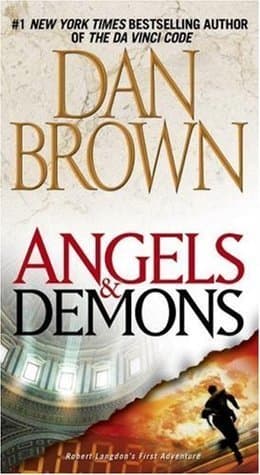
- Angels & Demons
Dan Brown
3.9 (2.7M) average on GoodreadsThrillerA Harvard symbologist races through Rome's ancient sites, deciphering cryptic clues to unmask the Illuminati and stop a vengeful plot to destroy the Vatican with a stolen antimatter weapon.
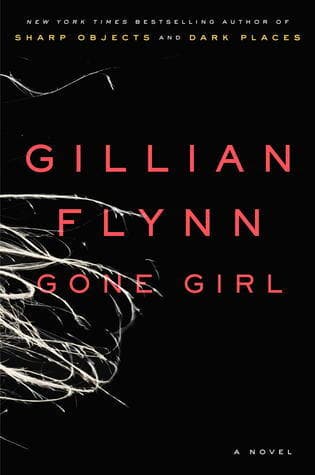
- Gone Girl
Gillian Flynn
4.1 (2.3M) average on GoodreadsThrillerA wife's sudden disappearance on her fifth anniversary reveals a web of lies and psychological warfare, exposing the secrets within a seemingly perfect marriage.
- The Girl on the Train
Paula Hawkins
3.9 (2.1M) average on GoodreadsThrillerA woman’s fascination with a seemingly perfect couple she watches from her daily train commute leads her into a dark investigation when she witnesses something that shatters their idyllic image.
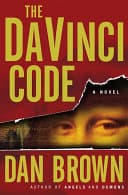
- The Da Vinci Code
Dan Brown
3.9 (1.9M) average on GoodreadsThrillerA symbologist and a cryptologist race through European landmarks, deciphering ancient codes and uncovering a conspiracy that could rewrite the foundations of Christianity.
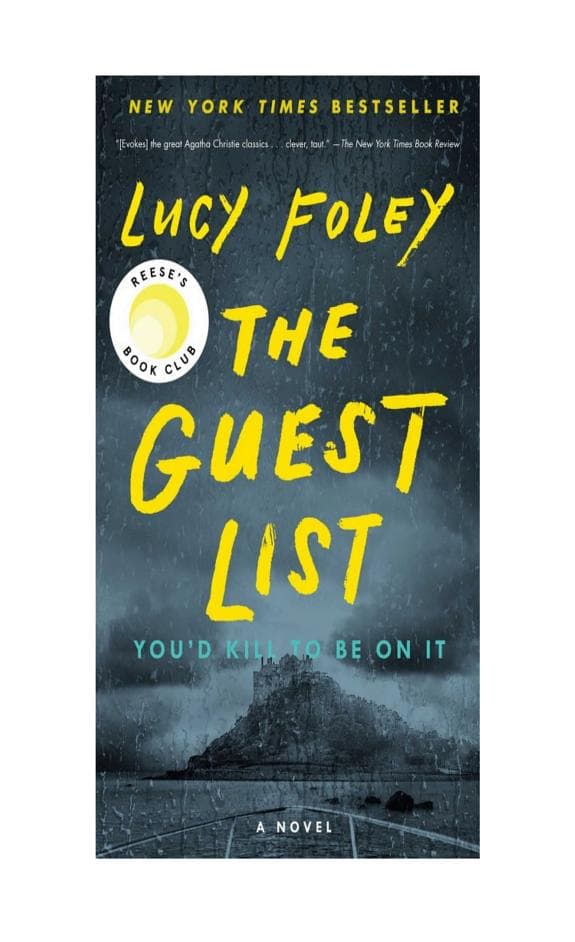
- The Guest List
Lucy Foley
3.8 (1.3M) average on GoodreadsThrillerOn a remote Irish island, a glamorous wedding descends into a deadly whodunnit when a guest is found murdered, trapping everyone with their secrets as a storm rages.

Enjoyed the summary?
A summary gives you the shape of the book. The book itself has the detail, the examples and the voice.
Find The Other Side on AmazonAs an Amazon Associate, BookBrief earns from qualifying purchases. How we're funded