

Estimated read time: 8 min read
One Sentence Summary
A law student writes a legal brief about the assassinations of two Supreme Court justices, uncovering a deadly conspiracy that puts her own life in danger.
Table of Contents
Introduction
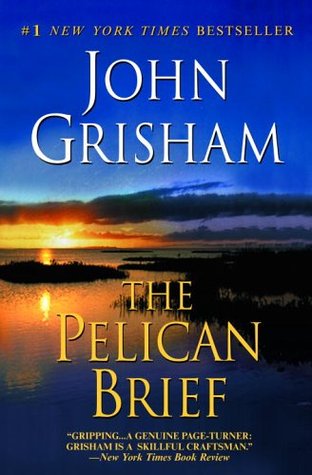
Imagine uncovering a secret so explosive that it could topple the highest echelons of power, all while being hunted by unseen enemies. That’s the wild ride John Grisham delivers in The Pelican Brief, a legal thriller that’s become a mainstay in both popular and academic conversations about law, politics, and media. Published in 1992, the novel’s brisk pace, intricate plotting, and sharp social commentary ensure it remains relevant for college students, lecturers, and casual readers alike. So buckle up—this summary will guide you through the world of legal intrigue, clandestine power plays, and one law student’s desperate quest for justice.
Historical Context
Set in the early 1990s, The Pelican Brief emerges at a time when America was grappling with political scandals, environmental debates, and rising public scrutiny of the legal system. The novel’s release closely followed the real-world confirmation hearings of Supreme Court Justice Clarence Thomas, a period marked by intense media coverage and political controversy. Grisham taps into these anxieties, weaving a plot where the fate of the nation’s highest court—and perhaps the environment itself—hangs in the balance. The book also reflects growing concerns about the influence of big business and the vulnerability of truth in a world of power brokers and spin doctors.
Brief Synopsis
Plot Overview
The Pelican Brief opens with the shocking assassinations of two Supreme Court justices. Darby Shaw, a brilliant but unassuming law student, writes a legal brief hypothesizing a connection between the murders and a powerful oil tycoon. What starts as an academic exercise quickly spirals into a deadly game of cat and mouse, as Darby realizes she’s stumbled upon a conspiracy with the potential to shake the foundations of American democracy.
Setting
The story traverses the corridors of power in Washington, D.C., the academic calm of Tulane University in New Orleans, and shadowy meeting spots across the American South. Grisham paints a world where marble halls mask corruption, and every shadow could hide a threat. The atmosphere is tense, charged, and often claustrophobic—reflecting Darby’s growing paranoia as she realizes just how far the conspiracy reaches.
Main Characters
Below is a structured table outlining the main characters, their roles, key traits, and importance to the plot:
| Name | Role | Key Traits | Importance to Plot |
|---|---|---|---|
| Darby Shaw | Law student, protagonist | Intelligent, resourceful, brave | Uncovers the conspiracy; her brief is the catalyst for the plot. |
| Gray Grantham | Investigative journalist | Persistent, ethical, curious | Helps Darby expose the truth; provides media leverage. |
| Fletcher Coal | White House Chief of Staff | Manipulative, ambitious | Manages political fallout; represents executive power. |
| Victor Mattiece | Oil tycoon, antagonist | Ruthless, wealthy, secretive | Mastermind behind the assassinations; motive for the conspiracy. |
| Gavin Verheek | FBI lawyer, Darby’s ally | Loyal, conflicted | First government contact for Darby; pivotal to trust issues. |
| Khamel | Assassin | Cold, calculating, efficient | Executes key murders; raises tension and stakes. |
| The President | U.S. President | Cautious, politically motivated | Represents institutional power; indirectly complicit. |
| Thomas Callahan | Law professor, Darby’s lover | Charismatic, intelligent, passionate | His death propels Darby deeper into the conspiracy. |
Plot Summary
The Assassinations
The novel kicks off with the brutal murders of two ideologically opposed Supreme Court justices on the same night. The nation reels, and conspiracy theories abound. Enter Darby Shaw, a Tulane University law student, who dives into legal research to connect the dots. Her mentor and lover, Professor Thomas Callahan, is skeptical but intrigued.
The Pelican Brief
Darby crafts a legal brief—later dubbed "The Pelican Brief"—outlining a plausible motive for the killings: environmental lawsuits threaten the ambitions of Victor Mattiece, a reclusive oil magnate who stands to lose billions if a Louisiana marshland is ruled protected habitat for endangered pelicans. The brief posits that Mattiece orchestrated the assassinations to sway the Supreme Court’s balance in his favor.
Deadly Pursuit
When Callahan is killed in a car bombing, Darby realizes her brief is no longer a theoretical exercise. She goes on the run, pursued by faceless enemies who seem to know her every move. Alone, terrified, and unable to trust anyone, Darby turns to Gavin Verheek, an FBI lawyer and friend. Their attempt to meet is sabotaged, resulting in Verheek’s death.
The Journalist
Desperate, Darby contacts Gray Grantham, a tenacious investigative reporter. Skeptical at first, Gray is soon convinced by Darby’s evidence and her palpable fear. The duo forms an uneasy alliance, pooling their resources and wits to stay ahead of assassins—and to bring the truth to light.
The Conspiracy Unravels
As Darby and Gray dig deeper, they find themselves entangled in a web of political intrigue stretching from the White House to the boardrooms of oil conglomerates. The President and his Chief of Staff, Fletcher Coal, scramble to contain the fallout, more concerned with public perception than justice. Darby and Gray’s quest is not just about exposing the truth—it’s about surviving long enough to do so.
The Climax (Without Spoilers)
In a tense, high-stakes showdown, Darby and Gray finally gather enough evidence to blow the case wide open. Their story shakes the corridors of power, but not without cost. The book ends with a blend of closure and lingering ambiguity, reflecting the messy reality of politics and justice.
Themes and Motifs
Power and Corruption
At its core, The Pelican Brief is a study in how power corrupts. From the President’s office to the legal system, Grisham explores the lengths people will go to protect their interests.
Whistleblowing and Courage
Darby’s journey is a testament to the importance—and peril—of speaking truth to power. Her bravery in the face of overwhelming odds resonates with anyone who has ever felt powerless against the system.
The Role of Media
Through Gray Grantham, Grisham highlights the critical role of journalism as a check on political and corporate malfeasance. The symbiotic—and sometimes adversarial—relationship between media and government is a recurring motif.
Environmentalism vs. Big Business
The conflict over pelican habitat serves as a microcosm of larger environmental battles, pitting conservation against profit. Grisham deftly weaves real-world concerns into his fictional narrative.
Isolation and Paranoia
Darby’s increasing isolation and mistrust mirror the psychological toll of being hunted. The atmosphere of paranoia is palpable, underscoring the personal cost of uncovering uncomfortable truths.
Literary Techniques and Style
Narrative Structure
Grisham employs a fast-paced, linear narrative interspersed with multiple perspectives. This approach keeps readers on edge, while gradually revealing the broader scope of the conspiracy.
Realism and Detail
Drawing on his legal background, Grisham infuses the novel with authentic legal procedures, plausible political machinations, and believable dialogue. The result is a world that feels both immediate and unsettlingly real.
Symbolism
The pelican, an endangered species, serves as a potent symbol for vulnerability—both of the environment and of individuals challenging the status quo.
Suspense and Pacing
Grisham is a master of pacing. Short chapters, shifting viewpoints, and cliffhanger endings propel readers forward, mirroring Darby’s breathless flight from danger.
Author's Background
John Grisham, a former criminal defense lawyer and Mississippi state legislator, burst onto the literary scene with A Time to Kill before achieving blockbuster status with The Firm and The Pelican Brief. His legal expertise lends authenticity to his novels, while his storytelling prowess has made him a household name.
Grisham’s works often grapple with issues of justice, morality, and the intersection of law and politics. His influence extends beyond the page—his books have inspired countless adaptations, including a widely acclaimed film version of The Pelican Brief starring Julia Roberts and Denzel Washington.
Key Takeaways
- Power can corrupt absolutely: The quest for profit and political gain often trumps ethics and justice.
- Courage matters: One determined individual can make a difference, even against overwhelming odds.
- Truth is dangerous: Exposing corruption can have deadly consequences, but it is necessary for societal progress.
- Media is vital: Investigative journalism serves as a crucial check on institutional power.
- Environmental issues are political: The battle over natural resources is often a proxy for larger societal conflicts.
Reader's Takeaway
The Pelican Brief is more than just a legal thriller—it’s a cautionary tale about the fragility of democracy and the importance of vigilance. Readers are swept up in Darby’s terror, rooting for her as she outwits forces far more powerful than herself. The novel delivers both intellectual stimulation and emotional catharsis, leaving readers both entertained and provoked.
Conclusion
John Grisham’s The Pelican Brief remains a landmark in legal fiction, deftly blending suspense, social commentary, and human drama. Whether you’re a student dissecting political power, a lecturer seeking to spark debate, or simply a thrill-seeker, this novel offers something for everyone. Its lessons—about courage, truth, and the dangers lurking beneath the surface of power—are as relevant today as they were at publication. Dive in, and prepare to question everything you thought you knew about justice, journalism, and the world we live in.
The Pelican Brief FAQ
What is 'The Pelican Brief' about?
'The Pelican Brief' is a legal thriller novel by John Grisham that follows law student Darby Shaw as she writes a legal brief speculating on the motive behind the assassinations of two Supreme Court justices. Her brief puts her life in danger as powerful forces try to keep the truth hidden.
Who are the main characters in 'The Pelican Brief'?
The main characters are Darby Shaw, a law student; Gray Grantham, an investigative journalist; Fletcher Coal, the President's Chief of Staff; and various government and legal figures involved in the unfolding conspiracy.
What genre is 'The Pelican Brief'?
'The Pelican Brief' is a legal thriller, combining elements of suspense, crime, and political intrigue.
Is 'The Pelican Brief' based on real events?
No, 'The Pelican Brief' is a work of fiction. While it explores themes relevant to the U.S. legal and political systems, its plot and characters are the creation of John Grisham.
Has 'The Pelican Brief' been adapted into a movie?
Yes, 'The Pelican Brief' was adapted into a film in 1993, starring Julia Roberts as Darby Shaw and Denzel Washington as Gray Grantham.
What are the main themes of 'The Pelican Brief'?
The novel explores themes such as the abuse of power, corruption, the search for justice, and the dangers of uncovering the truth in a world where powerful interests are at stake.
Is 'The Pelican Brief' part of a series?
No, 'The Pelican Brief' is a standalone novel and is not part of a series. However, John Grisham has written many other legal thrillers.
What is the significance of the title 'The Pelican Brief'?
The title refers to a speculative legal document—dubbed the 'Pelican Brief'—written by Darby Shaw, which outlines a theory regarding the motive behind the assassinations at the heart of the novel.
What reading age or audience is 'The Pelican Brief' appropriate for?
'The Pelican Brief' is generally suitable for adults and mature teens, due to its complex themes, suspenseful content, and occasional violence.
What makes 'The Pelican Brief' a popular legal thriller?
The novel's fast-paced plot, complex conspiracy, relatable protagonist, and insight into the legal system have made it a classic in the legal thriller genre, appealing to fans of suspense and courtroom drama.



