Estimated read time: 5 min read
One Sentence Summary
A metaphysical battle ensues when powerful archetypes manifest in the world, disrupting the lives of ordinary individuals.
Table of Contents
Introduction
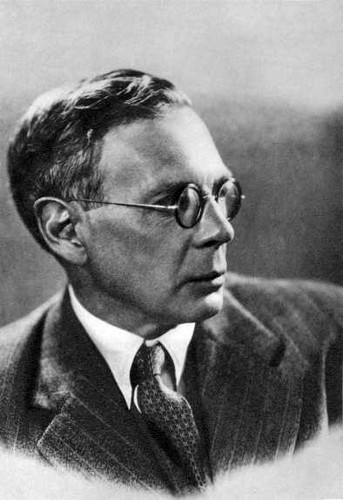
"The Place of the Lion" is a metaphysical fantasy novel written by Charles Williams. Published in 1931, it explores themes of power, reality, and the clash between the physical and spiritual worlds. With its thought-provoking narrative and complex characters, the book offers a unique perspective on the nature of existence and the human condition.
Brief Synopsis
Set in the English countryside, "The Place of the Lion" centers around the lives of four main characters: Anthony Durrant, a writer; his friend, Quentin Sabot, a philosopher; Kate Lindbeck, a young woman; and Richard Marsden, a scientist. The story unfolds as the characters encounter strange and powerful beings known as the "Lions," which represent archetypal forces of nature and the human psyche.
As the Lions manifest in the physical world, they disrupt the order of reality, causing chaos and confusion. Each Lion embodies a different aspect of human experience, such as reason, love, and desire. The characters are forced to confront their own inner demons and grapple with the overwhelming power of the Lions.
Main Characters
| Character Name | Description |
|---|---|
| Anthony Durrant | A writer who is introspective and prone to philosophical musings. He struggles with the concept of power and its implications for humanity. |
| Quentin Sabot | A philosopher and close friend of Anthony. He possesses a deep understanding of the metaphysical aspects of reality and seeks to find meaning in the chaos caused by the Lions. |
| Kate Lindbeck | A young woman who becomes entangled in the events surrounding the Lions. She represents innocence and vulnerability, but also possesses a hidden strength. |
| Richard Marsden | A scientist who is fascinated by the natural world. He is driven by a desire to understand the Lions and their impact on reality. |
Summary of Story Points
Chapter 1: The Awakening
- Introduction of the main characters and their individual perspectives on reality and power.
- Anthony and Quentin's discussions about the nature of existence and their philosophical musings.
- The first appearance of the Lions and their disruptive influence on the physical world.
Chapter 2: The Powers of the Air
- The Lions' manifestations intensify, causing widespread chaos and confusion.
- Anthony and Quentin's attempts to understand the nature of the Lions and their connection to human experience.
- Kate's encounter with the Lions and her struggle to comprehend their power.
Chapter 3: The First Battle
- The characters' realization that they must confront and overcome their personal weaknesses and fears.
- Anthony's inner battle with the Lion of Power, representing the destructive potential of human ambition.
- Quentin's confrontation with the Lion of Reason, challenging his intellectual certainty.
Chapter 4: The Second Battle
- Kate's journey to confront the Lion of Love, which represents both the beauty and the danger of human emotions.
- Richard's quest to understand the Lion of Desire and its impact on human relationships.
- The characters' recognition of the need to find a balance between the Lions' power and human agency.
Main Events
- The Lions' disruptive influence on the physical world and the characters' struggle to comprehend their existence.
- The characters' individual battles with the Lions, representing their personal challenges and growth.
- The exploration of power, reason, love, and desire as archetypal forces through the Lions' manifestations.
- The characters' realization that they must find a way to integrate the Lions' power into their lives without succumbing to their destructive nature.
Themes and Insights
- The nature of power and its potential for both creation and destruction.
- The conflict between reason and emotion in human experience.
- The exploration of archetypal forces and their impact on individual lives.
- The search for meaning and understanding in a chaotic and unpredictable world.
Reader's Takeaway
"The Place of the Lion" offers a thought-provoking exploration of the human condition and the nature of reality. Through its metaphysical narrative and complex characters, the book prompts readers to reflect on their own relationship with power, reason, and emotion. It challenges conventional notions of existence and invites readers to reconsider their understanding of the world and their place within it.
Conclusion
Charles Williams' "The Place of the Lion" is a captivating metaphysical fantasy that delves into the depths of human experience. With its richly imagined world and complex characters, the novel explores profound themes of power, reality, and the clash between the physical and spiritual realms. Through the characters' journeys and encounters with the Lions, the book offers readers a unique perspective on the nature of existence and the human condition.
The Place of the Lion FAQ
What is 'The Place of the Lion' about?
'The Place of the Lion' is a novel by Charles Williams that explores the intrusion of mythical beings, known as the Lions, into the lives of ordinary people. It delves into themes of power, temptation, and the struggle between good and evil.
Who is the author of 'The Place of the Lion'?
'The Place of the Lion' is written by Charles Williams, a British author known for his works of supernatural fiction and theological themes.
Is 'The Place of the Lion' part of a series?
No, 'The Place of the Lion' is a standalone novel and is not part of any series.
What genre does 'The Place of the Lion' belong to?
'The Place of the Lion' falls under the genre of fantasy fiction, with elements of supernatural, mythological, and philosophical themes.
Are there any religious undertones in 'The Place of the Lion'?
Yes, Charles Williams often incorporates religious and theological elements into his works, including 'The Place of the Lion.' It explores spiritual and moral concepts through the narrative.
What is the main conflict in 'The Place of the Lion'?
The main conflict in 'The Place of the Lion' revolves around the struggle between the ordinary human characters and the powerful and dangerous Lions, who represent primal and uncontrollable forces.
Is 'The Place of the Lion' suitable for young readers?
While 'The Place of the Lion' is generally appropriate for older readers, it may contain complex themes and philosophical discussions that younger readers might find challenging to fully understand and appreciate.
Are there any memorable characters in 'The Place of the Lion'?
Yes, 'The Place of the Lion' introduces several memorable characters, including Anthony Durrant, a poet who becomes entangled in the supernatural events, and Meg, a young woman with a mysterious connection to the Lions.
Does 'The Place of the Lion' have a satisfying ending?
The ending of 'The Place of the Lion' can be open to interpretation, as it leaves room for contemplation and reflection. Some readers may find it satisfying, while others might appreciate the ambiguity.
Is there a film adaptation of 'The Place of the Lion'?
No, there is currently no film adaptation of 'The Place of the Lion.'