

Synopsis
Covers the whole plot, including the ending.
- Difficulty
- Easy
- Pacing
- Fast
- Mood
- Adventurous, Exciting, Mysterious, Fun
- Read it if
- You enjoy classic children's adventure stories with mysteries, ancient ruins, and plucky young heroes.
- Skip it if
- You prefer modern, complex narratives or realistic fiction without fantastical elements.
The River of Adventure Plot Summary
Covers the whole plot, including the ending.
A Holiday Invitation and Unexpected Guests
Philip, Dinah, Lucy-Ann, and Jack are invited by their guardian, Bill Smugs, for a relaxing river holiday. They are excited for a cruise through an exotic, unspecified 'desert land.' However, their excitement lessens when they learn Bill has urgent, vague business to attend to first. He introduces two new companions: Mr. Ezra P. Cinq, an American archaeologist, and his secretary, Miss Jones. The children find Mr. Cinq odd and Miss Jones somewhat stiff, but they are eager for the adventure, despite the mystery around Bill's true reasons for the trip.
The River Journey Begins and Bill's Disappearance
The group begins their river journey, traveling by boat through beautiful but increasingly isolated areas. Philip, Dinah, Lucy-Ann, Jack, and Kiki the parrot enjoy the initial calm, watching local wildlife and scenery. Bill's behavior becomes more secretive, as he often disappears for short times. One evening, after a tense talk with Mr. Cinq, Bill goes ashore alone. He does not return, and a search party, including the children and crew, finds no trace of him. His sudden disappearance worries the children, who suspect something sinister has happened.
Following the Clues and a Mysterious Map
Determined to find Bill, the children start their own investigation. They find a coded message and a torn map piece in Bill's cabin, confirming their fear that he was abducted. Kiki the parrot, with his ability to mimic voices, provides clues, repeating words Bill might have said or heard. Following the map fragments and Kiki's hints, the children believe Bill was taken by a group connected to Mr. Cinq's archaeological work. They realize the expedition might hide something more dangerous, perhaps involving ancient treasures or secrets.
Encounter with the Villains and a Perilous Pursuit
The children, with Kiki, discreetly follow Mr. Cinq and Miss Jones, whose behavior becomes more suspicious. They overhear conversations that confirm their involvement in Bill's kidnapping. It becomes clear that Mr. Cinq is not just an archaeologist but part of a criminal gang seeking hidden treasure. The children see Bill held captive by these men. A thrilling chase begins across the desert, with the children bravely trying to keep up with the villains, using their wits to avoid detection while trying to find Bill's exact location and the gang's destination.
The Hidden Temple and Ancient Secrets
The pursuit leads the children to a remote, desolate area where they find a hidden entrance to an ancient, forgotten temple, buried beneath the desert sands. This temple, untouched for thousands of years, is where Mr. Cinq and his gang are headed, believing it holds great riches or a significant artifact. The children realize this is the place Bill was investigating, and they understand his earlier secrecy. They cautiously enter the temple, navigating its dark passages, aware of the danger but driven by loyalty to Bill and their sense of adventure.
Trapped Beneath the Sands
Inside the temple, the children, with Kiki, find Bill, held captive by Mr. Cinq and his men. However, their rescue attempts are complicated when a sudden rockfall or a deliberate trap by the villains seals the main entrance, trapping everyone inside. The children, Bill, and the criminals are now confined within the ancient structure, a maze of tunnels and chambers. The air grows stale, and the situation becomes desperate, as they are cut off from the outside world, with dwindling supplies and the constant threat of the criminals.
Exploration and Discovery
Despite the danger, the children's adventurous spirit remains. They explore the vast, intricate temple, learning about its ancient history and secrets. Lucy-Ann's observation skills, Jack's resourcefulness, Philip's leadership, and Dinah's practical thinking all help. They find ancient inscriptions, hidden rooms, and more clues related to the treasure the villains seek. Kiki's ability to repeat phrases and mimic sounds continues to be helpful, often revealing information the children would otherwise miss, helping them piece together the temple's mysteries and the villains' plans.
The Race for the Treasure
A tense race against time begins inside the sealed temple. Mr. Cinq and his gang also search for the main treasure or secret chamber, often using destructive methods. The children, however, use their intelligence and understanding of the clues to outmaneuver the villains. They realize that the true treasure might not be gold or jewels, but something historically or scientifically important. Kiki's unique contributions, such as repeating a specific, obscure phrase, sometimes provide a crucial hint that helps the children interpret ancient riddles or decipher symbols, bringing them closer to the temple's ultimate secret.
Outwitting the Villains
Using their combined wit and Bill's guidance from his captivity, the children form a clever plan to outsmart Mr. Cinq and his men. They set traps, create diversions, and use their knowledge of the temple's layout to mislead the villains. Philip's bravery, Jack's practical skills, Dinah's quick thinking, and Lucy-Ann's sharp observations are all important. Kiki the parrot also plays a role, perhaps by mimicking a guard's voice or making a distracting noise. Their plan ends with cornering the criminals, stopping them from reaching the main treasure, and securing them, for a time, within a part of the temple.
Rescue and Revelation
With the villains temporarily stopped, the children free Bill. He reveals his full mission: he was tracking Mr. Cinq's gang, known for plundering ancient sites, and had deliberately put himself in a position to expose them. Together, they discover the temple's true secret—not just material wealth, but perhaps a significant archaeological find, a lost artifact, or a historical record Bill was protecting. They then work together to find an alternative escape route from the sealed temple, using their knowledge of the ancient structure and Bill's expertise to finally emerge back into the desert light.
The Aftermath and Loose Ends
Upon their escape, Bill arranges for the authorities to be notified. Mr. Cinq, Miss Jones, and their accomplices are arrested. The children tell their thrilling experiences, and Bill praises their courage. The adventure ends with triumph and relief. The children reflect on the extraordinary journey, the dangers they faced, and the bonds strengthened between them. They return to their normal lives, changed by their adventure in the forgotten temple, carrying memories of ancient mysteries and daring escapes.
Principal Figures
Philip Mannering
Protagonist
The eldest and most adventurous of the siblings.
Philip is the eldest of the Mannering children and often takes on a leadership role during their adventures. He is brave, quick-witted, and has a knack for practical problem-solving. While sometimes impulsive, his confidence and daring nature often drive the group forward. He is particularly good at observing details and devising plans under pressure, making him an invaluable asset in tight spots. He cares deeply for his siblings and their well-being.
Relationships: Dinah Mannering (sister, frequent companion in adventures); Lucy-Ann Mannering (sister, protective and supportive); Jack Trent (friend, fellow adventurer); Bill Smugs (guardian, mentor, source of adventure)
Dinah Mannering
Protagonist
The practical and sometimes cautious sister.
Dinah is the middle Mannering sibling, known for her practicality and common sense. She can be a bit more cautious than Philip, often voicing concerns and thinking through potential dangers. Despite her occasional grumbling, she is fiercely loyal and brave when it counts. She is good at noticing details and has a strong sense of right and wrong. Her practical nature often balances Philip's impulsiveness, making her a crucial member of the group.
Relationships: Philip Mannering (brother, sometimes exasperated by his daring); Lucy-Ann Mannering (sister, supportive and protective); Jack Trent (friend, reliable companion); Bill Smugs (guardian, trusts his judgment)
Lucy-Ann Mannering
Protagonist
The sensitive and observant youngest sister.
Lucy-Ann is the youngest of the Mannering siblings. She is generally more sensitive and prone to worry, but also possesses a quiet strength and keen observational skills. She often notices small details that others miss, which proves vital in solving mysteries. She has a deep affection for animals, especially Kiki the parrot, and her gentle nature belies a surprising bravery when her friends and family are in danger. She looks up to her older siblings.
Relationships: Philip Mannering (brother, looks up to him); Dinah Mannering (sister, close bond); Jack Trent (friend, trusts him); Kiki the parrot (beloved pet and companion); Bill Smugs (guardian, feels safe with him)
Jack Trent
Protagonist
The resourceful and bird-loving friend.
Jack is a close friend of the Mannerings and a key member of the adventure group. He is particularly known for his extensive knowledge of birds and his pet parrot, Kiki. Jack is practical, resourceful, and often the one who comes up with clever solutions to physical challenges. He is calm under pressure and loyal to his friends, always ready to help. His quiet determination and specific skills often make him indispensable during their escapades. He also possesses a strong moral compass.
Relationships: Philip Mannering (friend, close companion in adventure); Dinah Mannering (friend, respectful); Lucy-Ann Mannering (friend, supportive); Kiki the parrot (owner and best friend); Bill Smugs (guardian, trusts him implicitly)
Kiki the Parrot
Supporting
Jack's intelligent and clue-providing pet parrot.
Kiki is Jack's pet parrot, an incredibly intelligent and often mischievous bird. Kiki has an uncanny ability to mimic voices and repeat phrases he has heard, often at opportune moments. His seemingly random utterances frequently provide crucial clues or insights that help the children unravel mysteries or understand the villains' plans. He is a beloved member of the group, particularly by Lucy-Ann, and his presence often lightens tense situations, while also serving as a vital plot device.
Relationships: Jack Trent (owner, best friend); Lucy-Ann Mannering (adored by her); Philip Mannering (tolerated and appreciated); Dinah Mannering (tolerated and appreciated)
Bill Smugs
Supporting
The children's mysterious guardian and secret agent.
Bill Smugs, also known as Bill Cunningham, is the children's guardian and a former secret service agent. He often takes the children on 'holidays' that inevitably turn into thrilling adventures where he is secretly on a mission. Bill is brave, highly intelligent, and resourceful, with a strong sense of justice. He genuinely cares for the children, despite often putting them in dangerous situations, and trusts their abilities. His mysterious nature and his ability to blend in with various roles make him a formidable character.
Relationships: Philip Mannering (guardian, mentor); Dinah Mannering (guardian, mentor); Lucy-Ann Mannering (guardian, mentor); Jack Trent (guardian, mentor)
Mr. Ezra P. Cinq
Antagonist
The deceptive archaeologist and leader of the criminal gang.
Mr. Ezra P. Cinq is introduced as an eccentric American archaeologist but is, in fact, the cunning and ruthless leader of a criminal gang specializing in plundering ancient treasures. He is intelligent and articulate, using his facade as a scholar to gain access to remote locations. He is driven by greed and has no qualms about kidnapping or endangering others to achieve his goals. He is meticulous in his planning but often underestimates the children's resourcefulness.
Relationships: Miss Jones (accomplice, secretary); Bill Smugs (target of his criminal activities); The Children (antagonistic, nuisance to his plans)
Miss Jones
Antagonist
Mr. Cinq's stern and complicit secretary.
Miss Jones serves as Mr. Cinq's secretary and accomplice. She is portrayed as stern, efficient, and outwardly respectable, which helps maintain Mr. Cinq's facade. However, beneath her composed exterior lies a complicity in his criminal activities. She is loyal to Mr. Cinq and aids him in his schemes, often acting as a silent observer or carrying out his instructions. She is less overtly villainous than Cinq but equally dangerous due to her involvement and lack of moral objection.
Relationships: Mr. Ezra P. Cinq (employer, accomplice)
Themes & Insights
The Thrill of Adventure and Exploration
The story is built on the excitement of exploring the unknown. From the first idea of a river cruise to finding a forgotten temple, the children's eagerness for exploration drives the plot. This theme is clear when Philip, Dinah, Lucy-Ann, and Jack look forward to their holiday, and even when trapped, they explore the temple's hidden passages rather than give up. The book celebrates curiosity and the joy of discovery, especially in exotic, ancient places, as they uncover inscriptions and secrets within the temple.
“'This is going to be the most wonderful holiday ever!' cried Philip, his eyes shining with excitement.”
Courage and Resourcefulness in the Face of Danger
A main theme is the children's courage and cleverness when facing danger. Despite being young, they show remarkable bravery, whether following criminals across a desert, entering a sealed ancient temple, or planning to outsmart villains while trapped. Jack's practical skills, Philip's leadership, Dinah's common sense, and Lucy-Ann's sharp observations combine to solve problems, showing their collective resourcefulness. Their ability to think quickly and stay calm under pressure is consistently evident, especially during their escape from the temple.
“'We can't just sit here and do nothing! Bill needs us,' said Dinah, her voice firm despite her fear.”
Loyalty and Friendship
The strong bond between Philip, Dinah, Lucy-Ann, and Jack, and their loyalty to Bill, is a core part of the story. Their determination to find Bill after he disappears comes from their love and trust in him. Throughout the adventure, they support each other, relying on each person's strengths. Kiki the parrot's loyalty to Jack, and to the group, is also important, as his clues are often crucial. This theme reinforces the idea that together, with steady support for one another, they can overcome any challenge, showing the power of unity in hardship.
“'We're in this together, every one of us, till Bill is safe,' declared Jack, looking at his friends.”
The Lure and Peril of Ancient Treasures
The story explores the two sides of ancient treasures: their historical value versus the greed and danger they can cause. The ancient temple and its secrets first appear as an exciting archaeological find, but they quickly become the target of Mr. Cinq's criminal group. This shows how valuable historical artifacts can attract dishonest people. The children, however, learn to appreciate the historical value beyond just money, which contrasts with the villains' purely greedy motives. The dangers of guarding or seeking such treasures cause much of the plot's conflict.
“'Some people only see gold and jewels, but the real treasure here is the history, the stories these walls could tell,' Bill explained.”
Plot Devices & Literary Techniques
The Mysterious Disappearance
Bill's vanishing act sets the main plot in motion.
Bill's sudden and unexplained disappearance acts as the primary inciting incident, transforming a planned holiday into a thrilling mystery. This device immediately raises the stakes, creates suspense, and provides the children with a clear objective: to find their guardian. It also introduces the element of danger and the presence of hidden adversaries, compelling the children to take matters into their own hands and embark on their own investigation, thus driving the entire narrative forward.
Kiki the Parrot's Clues
Kiki's mimicry provides vital, often cryptic, information.
Kiki's ability to repeat overheard phrases and mimic voices serves as a unique and recurring plot device. His utterances, though seemingly random, often contain crucial pieces of information or hints that the children need to progress their investigation. This device adds a whimsical element while being functionally essential to the plot, allowing the children to decipher mysteries, understand the villains' plans, or locate hidden pathways within the temple, often when human observation alone would fail.
Hidden Passages and Secret Entrances
Concealed architectural features create suspense and aid exploration.
The ancient temple is riddled with hidden passages, secret rooms, and concealed entrances. This device not only adds to the mystique and adventure of the setting but also serves practical plot functions. It allows the children to evade villains, discover new clues, and ultimately find an escape route when trapped. The intricate, labyrinthine nature of the temple, with its many hidden features, creates a sense of constant discovery and suspense, enhancing the feeling of being in a truly forgotten and ancient place.
The Coded Message/Fragmented Map
Partial information drives the children's investigation.
The discovery of a coded message and a torn piece of a map left by Bill acts as a vital clue-providing device. This partial information forces the children to piece together the puzzle, interpret the hints, and actively pursue the villains. It empowers them to become detectives, guiding their initial pursuit and providing a tangible link to Bill's mission, thereby legitimizing their dangerous quest and giving them direction in their search for the hidden temple and Bill.
The River of Adventure Quotes
“The wind was singing a wild song through the trees, and the river was churning and roaring like an angry beast.”
“It's always the quiet ones you have to watch out for.”
“Adventure is all very well, but it's much better to have a good meal inside you first!”
“There's nothing like a good mystery to get the brain working.”
“Sometimes the most obvious things are the hardest to see.”
“A secret is only safe if nobody knows it.”
“Courage isn't about not being afraid, it's about doing what you have to do even when you are.”
“The river holds many secrets, if you know how to look for them.”
“Never underestimate the power of a determined child.”
“A good map is worth its weight in gold when you're exploring unknown territory.”
“It's not just about finding the treasure; it's about the adventure of the search.”
“The feeling of freedom, of the wind in your hair and the open sky above you – that's what truly matters.”
“Even in the darkest places, there can be a glimmer of hope.”
“Sometimes you have to make your own luck.”
Quiz
10 questions on the plot and the characters. Each answer comes with a short explanation.
Question 1
Which character is a parrot that accompanies the children on their adventure?
- Polly
- Kiki
- Squawk
- Pip
Show answer
B. Kiki Kiki is the name of the parrot that is a key companion to the children throughout their adventure.
Question 2
What mode of transport are the children using at the beginning of their journey through the desert lands?
- A train
- A car
- A river boat/barge
- Camels
Show answer
C. A river boat/barge The children embark on a river cruise, which is the primary setting for the initial part of their adventure.
Question 3
Which adult character disappears, prompting the children's deeper investigation?
- Captain Joe
- Professor Smith
- Bill
- Uncle Quentin
Show answer
C. Bill Bill, a close friend and guardian figure, is the one who goes missing, setting off the main mystery.
Question 4
What ancient structure do the children become trapped beneath, according to the synopsis?
- A pyramid
- A forgotten temple
- An ancient tomb
- A desert fortress
Show answer
B. A forgotten temple The children are described as being trapped beneath a forgotten temple where no one has set foot for 7,000 years.
Question 5
How old is the forgotten temple estimated to be, based on the book's description?
- 1,000 years old
- 3,000 years old
- 5,000 years old
- 7,000 years old
Show answer
D. 7,000 years old The synopsis explicitly states the temple is one 'where no one has set foot for 7,000 years'.
Question 6
Which of these children is NOT mentioned by name in the synopsis as being part of the adventure group?
- Philip
- George
- Dinah
- Lucy-Ann
Show answer
B. George The synopsis specifically names Philip, Dinah, Lucy-Ann, and Jack. George is not mentioned.
Question 7
What is the overarching genre of 'The River of Adventure' as described in the provided information?
- Romance
- Science Fiction
- Mystery
- Historical Fiction
Show answer
C. Mystery The provided information lists 'Mystery' as one of the categories for the book, and the plot revolves around a disappearance.
Question 8
What is the primary theme explored through the children's actions after Bill disappears?
- The importance of solitude and personal reflection.
- The dangers of exploring ancient ruins without adult supervision.
- The resourcefulness and bravery of children in solving mysteries.
- The futility of searching for lost adults.
Show answer
C. The resourcefulness and bravery of children in solving mysteries. The core of the story involves the children taking the initiative to solve the mystery of Bill's disappearance, highlighting their resourcefulness and courage.
Question 9
The setting for the adventure is described as 'ancient desert lands'. What does this imply about the general environment and potential challenges faced by the characters?
- Lush jungles and abundant wildlife.
- Cold, mountainous terrain with frequent blizzards.
- Hot, arid conditions with historical sites and potential hidden dangers.
- Modern urban environments with advanced technology.
Show answer
C. Hot, arid conditions with historical sites and potential hidden dangers. 'Ancient desert lands' clearly indicates a hot, dry environment, often associated with historical ruins and unique challenges like heat, lack of water, and hidden passages.
Question 10
Considering the children's predicament of being trapped beneath an ancient temple, what specific skill or characteristic would be most crucial for their survival and escape?
- Advanced rock climbing techniques.
- Knowledge of ancient languages to decipher inscriptions.
- Problem-solving, teamwork, and resilience.
- Expert negotiation skills with local inhabitants.
Show answer
C. Problem-solving, teamwork, and resilience. Being trapped requires ingenuity, collaboration (teamwork), and the mental fortitude (resilience) to overcome obstacles, which are all aspects of problem-solving. While other skills might be helpful, these are fundamental for escape from such a predicament.
The River of Adventure FAQ
What is the primary setting and initial premise of 'The River of Adventure'?
'The River of Adventure' primarily takes place in ancient desert lands, specifically along a river that allows the protagonists, Philip, Dinah, Lucy-Ann, and Jack, to embark on a cruise. The initial premise involves Bill arranging this river journey for the children, promising an exciting adventure through exotic locales.
Who are the main child protagonists and what are their typical roles in the adventure series?
The main child protagonists are Philip, Dinah, Lucy-Ann, and Jack. Philip is often the practical and resourceful leader, Dinah is more cautious but clever, Lucy-Ann is sensitive and observant, and Jack is the adventurous and animal-loving brother, often accompanied by his parrot, Kiki.
What significant event kicks off the true 'adventure' beyond the river cruise itself?
The true adventure begins when Bill, the children's guardian and an intelligence agent, mysteriously disappears during their journey. This forces the children to take matters into their own hands, leading them to uncover a much larger plot and a hidden civilization.
Where do the children find themselves trapped, and what makes this location particularly remarkable?
The children, along with Kiki, become trapped beneath a forgotten temple in the desert. This location is remarkable because it is described as a place where no one has set foot for 7,000 years, revealing an untouched ancient civilization and its secrets.
What role does Kiki the parrot play in the unfolding mystery and the children's survival?
Kiki the parrot plays a crucial role not only as a pet but often as a messenger or a source of comic relief. His ability to mimic sounds and words, particularly those he overhears, sometimes provides vital clues or warnings to the children about the villains' plans.
Are there any subtle clues early in the narrative that hint at Bill's true profession or the danger he is in?
While the children initially perceive Bill as a fun-loving guardian, there are subtle hints such as his occasional disappearances, his knowledge of unusual languages or customs, and his often vague explanations for his activities, which subtly foreshadow his role as an intelligence agent.
How does the ancient civilization discovered beneath the temple connect to the modern-day plot?
The ancient civilization beneath the temple is not merely a historical find; its secrets, perhaps hidden treasures, unique resources, or powerful artifacts, are what the villains are seeking. Bill's disappearance is directly linked to his mission to prevent these villains from exploiting or misusing these ancient discoveries.
Is there a recurring theme or object in the Adventure series that subtly appears in this book?
A recurring theme in the Adventure series is the children's uncanny ability to stumble upon secret passages, hidden rooms, or ancient artifacts. In 'The River of Adventure', this is exemplified by their discovery of the 7,000-year-old temple, continuing the tradition of uncovering forgotten places.
What is the significance of the desert environment beyond just being a setting for the adventure?
The desert environment is significant because its vast, desolate nature provides excellent cover for secret operations and hidden locations like the ancient temple. Its harshness also adds to the children's challenges, testing their resilience and resourcefulness in survival situations.
How does the sudden disappearance of Bill impact the children's sense of security and their psychological development?
Bill's disappearance shatters the children's sense of security, forcing them to quickly mature and rely on each other. This event thrusts them into a dangerous adult world, accelerating their problem-solving skills and their understanding of loyalty and courage under pressure.
What psychological coping mechanisms do Philip, Dinah, Lucy-Ann, and Jack display when faced with extreme danger?
Philip often takes charge, displaying leadership and strategic thinking. Dinah uses her practical intelligence and skepticism. Lucy-Ann, despite her fear, often notices small details others miss, and Jack's bond with Kiki and his resourcefulness with animals provide comfort and aid. They all rely heavily on their collective bond.
How do the children's individual personalities contribute to their collective success in overcoming obstacles?
Each child's personality is vital: Philip's bravery and leadership, Dinah's intelligence and caution, Lucy-Ann's sensitivity and observational skills, and Jack's adventurous spirit and animal affinity. These diverse traits create a well-rounded team, allowing them to tackle problems from multiple angles and support each other's weaknesses.
In what ways does the isolation of being trapped beneath the temple affect the children's morale and decision-making?
The isolation beneath the temple severely tests the children's morale, leading to moments of despair and fear. However, it also strengthens their resolve and forces them to think creatively, pooling their ideas and resources without external adult guidance, sharpening their decision-making under duress.
What is the underlying message about teamwork and resilience that Blyton conveys through this adventure?
Blyton strongly conveys that teamwork, mutual support, and resilience are essential for overcoming seemingly insurmountable challenges. The children's ability to combine their individual strengths, maintain hope, and never give up, even when facing adult villains and ancient traps, is central to their survival.
Could the 'forgotten temple' symbolize anything deeper than just a physical location in the narrative?
The 'forgotten temple' could symbolize the hidden depths of history or the unknown potential within the children themselves. Just as they uncover ancient secrets, they also discover their own latent courage, intelligence, and capacity for adventure when pushed to their limits.
How does 'The River of Adventure' reflect common tropes or themes found across the broader 'Adventure' series?
This book reflects common tropes such as children outsmarting adult villains, uncovering ancient secrets, being resourceful in remote locations, and the importance of family-like bonds. It reinforces the idea that curiosity and courage can lead to extraordinary discoveries, often involving espionage and hidden treasures.
What might be the author's intent in portraying the villains as often bumbling or easily outwitted by children?
Blyton's intent in portraying villains as somewhat bumbling or less competent than the children is likely to empower young readers and reinforce the idea that intelligence and moral fortitude can triumph over adult malevolence. It makes the children's victories feel more achievable and satisfying for the target audience.
Is there a moral or ethical dilemma that the children face beyond simply escaping danger?
Beyond escaping danger, the children face the ethical dilemma of protecting ancient discoveries from exploitation. They must decide whether to intervene in adult affairs to safeguard historical heritage, demonstrating a sense of responsibility beyond their years and a commitment to justice.
About the author

Enid Blyton was a British author known for her children's fiction, particularly adventure stories. Her notable works include "Five on a Treasure Island," "First Term at Malory Towers," "The Folk of the Faraway Tree," "Five Go Adventuring Again," "Five Run Away Together," and "Five on Kirrin Island Again," which have captivated young readers for generations.
Similar books
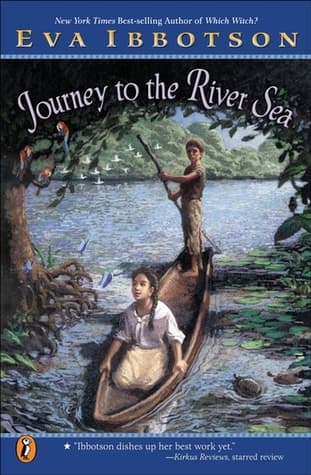
- Journey to the River Sea
Eva Ibbotson
4.2 (12k) average on GoodreadsLifestyleChildren embark on an adventure in an exotic location with elements of mystery and discovery.
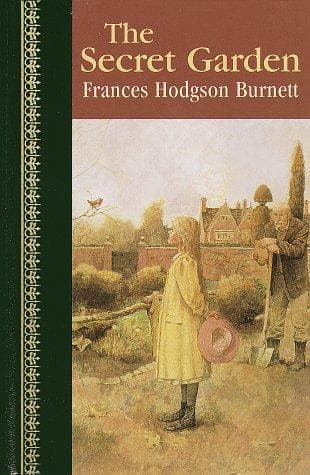
- The Secret Garden
Frances Hodgson Burnett
4.1 (891k) average on GoodreadsFantasy'The Secret Garden' provides a stark contrast in its approach to children's literature. While Blyton focuses on external adventures and plot-driven mysteries, Burnett delves deeply into internal character development, emotional healing, and the transformative power of nature. 'The River of Adventure' is about finding physical treasure and outwitting villains, whereas 'The Secret Garden' is about finding inner peace, friendship, and self-discovery. Burnett's prose is more literary and reflective, offering a richer psychological landscape compared to Blyton's action-oriented narrative.
- The Story of Art
E.H. Gombrich
3.9 (311k) average on GoodreadsReferenceExplore thousands of years of human creativity, from ancient cave art to modern masterpieces, with Gombrich's classic account, updated with new insights into art's changing story.
- The New Drawing on the Right Side of the Brain
Betty Edwards
3.9 (297k) average on GoodreadsPsychologyLearn to draw by using the often-ignored visual side of your brain, changing how you see the world.
- Go Ask Alice
Anonymous
3.7 (293k) average on GoodreadsReferenceA teenage girl's diary chronicles her swift decline into 1970s drug culture, from an innocent game to addiction, ending in her tragic death.
- Their Eyes Were Watching God
Zora Neale Hurston
3.9 (266k) average on GoodreadsReferenceIn early 20th-century Florida, Janie Crawford searches for identity, love, and independence, defying social norms to find her voice.



Enjoyed the summary?
A summary gives you the shape of the book. The book itself has the detail, the examples and the voice.
Find The River of Adventure on AmazonAs an Amazon Associate, BookBrief earns from qualifying purchases. How we're funded