

Synopsis
Covers the whole plot, including the ending.
- Difficulty
- Medium
- Pacing
- Moderate
- Mood
- Dark, Gritty, Suspenseful, Melancholy, Intense
- Read it if
- You enjoy dark, gritty, and emotionally intense young adult mysteries with a touch of the supernatural and a focus on brotherhood and revenge.
- Skip it if
- You prefer lighthearted stories, are sensitive to themes of violence and sexual assault, or dislike bleak settings.
The Road of the Dead Plot Summary
Covers the whole plot, including the ending.
The Storm and the Loss
On a night of heavy rain and strong wind, Rachel, the sixteen-year-old sister of Cole and Ruben, is violently taken from their isolated junk lot home in London. The family, consisting of their Romany mother, English father, and the two boys, is in frantic despair. Three days later, her body is found in a nearby ditch, brutally murdered after being raped. The news shatters the family, leaving their mother consumed by grief and their father withdrawn. Seventeen-year-old Cole, hardened and rebellious, feels a deep, almost suicidal, rage. Fourteen-year-old Ruben, sensitive and with unusual, fleeting sensory perceptions, is equally heartbroken but processes his grief with quiet intensity, a contrast to Cole's explosive anger.
The Quest Begins
Driven by an unshakeable need for answers and revenge, Cole decides to find Rachel's killer. Despite their parents' pleas and fears, Cole, with Ruben, packs a bag and sets off. Their initial lead is weak: a vague memory of Rachel mentioning a new boyfriend she met at a local pub, The Swan. Cole's approach is confrontational and fueled by his pain, while Ruben, though scared, provides a quiet, observant balance. They leave the familiar, if chaotic, comfort of their junk lot, starting a dangerous journey into the unknown, leaving their grieving parents to face the police investigation alone.
First Clues and Encounters
The brothers begin their search at The Swan pub, where Rachel was last seen. Locals meet their questions with hostility and suspicion. Cole's aggressive manner often increases tension, while Ruben's quiet presence sometimes lets them gather information more subtly. They learn Rachel had been seeing a man named 'Mark,' a seemingly ordinary detail that quickly proves to be a dead end. They encounter dangerous individuals, including street thugs and a menacing bouncer, highlighting the peril of their quest. Ruben experiences his first strong 'sensation' – a chilling echo of fear and coldness connected to Rachel, guiding them despite its unsettling nature.
The Road to Devon
After exhausting their leads in London, the boys find a cryptic postcard among Rachel's belongings, showing a desolate, windswept moor. On the back, in Rachel's handwriting, are the words 'Devon' and a partial address, 'The Old Mill.' This becomes their new, and only, destination. It is a significant change from London's urban landscape to Devon's remote, rural setting, hinting at a hidden life Rachel might have led. The journey itself is hard, involving hitchhiking, sleeping rough, and constant vigilance, further strengthening the bond between the two brothers as they rely only on each other for survival and support.
Arrival in the Moorland Village
Upon reaching the small, isolated village on the edge of the Devon moors, Cole and Ruben immediately feel a clear change in atmosphere. The villagers are wary, their expressions guarded, and an ancient, brooding mystery fills the air. Ruben's unusual senses become sharper here; he feels a strong, almost overwhelming, connection to Rachel's presence, as if her spirit lingers in the cold, damp air. They find 'The Old Mill,' a dilapidated, isolated building that seems to hold dark secrets. The landscape itself, with its vast, featureless expanses and ancient stone structures, seems to reflect the bleakness of their mission.
The Old Mill and its Secrets
Investigating The Old Mill, Cole and Ruben find evidence of Rachel's recent presence. They find personal items and a hidden journal that reveals a darker, more complex side to Rachel's life than they ever imagined. The journal speaks of a secret relationship with an older, manipulative man, and hints at a desperate situation she was in, possibly involving a local cult or a group with sinister intentions. The idyllic postcard image of Devon shatters, replaced by a picture of fear and coercion. Ruben's sensations intensify, providing fragmented visions and emotional echoes, guiding them towards the truth, however painful it may be.
Confrontation and Revelation
Through their own investigations, Ruben's heightened perceptions, and a tense confrontation with a local, the brothers identify the man Rachel was involved with: a charismatic but sinister figure named Silas, who lives in a secluded farmhouse. Cole, driven by a furious need for justice, confronts Silas. The encounter is dangerous, as Silas proves cunning and manipulative. He denies involvement but reveals details about Rachel's life that only her killer would know, suggesting he was either directly responsible or deeply entangled in her death. The boys realize the truth is far more complex than a simple act of violence.
The Moor's Dark Heart
Silas tries to escape onto the vast, treacherous moors, a landscape as unforgiving as his own nature. Cole and Ruben pursue him relentlessly, driven by their urgent quest. The chase across the bleak, fog-shrouded landscape is dangerous, testing their physical and emotional limits. Ruben's unique connection to the land and his sister's lingering presence becomes essential, guiding them through the confusing terrain. As they close in, the full horror of Rachel's last moments begins to come together through Ruben's increasingly vivid sensations, painting a chilling picture of her terror and the callousness of her killer.
Justice on the Moor
The final confrontation happens in a desolate, ancient stone circle on the moors, a place with an eerie, mystical power. Silas is cornered, and the full extent of his depravity and the circumstances of Rachel's death are revealed. Cole, consumed by fury, enacts a brutal, deserved justice upon Silas. The act is violent and raw, reflecting the depth of his grief and rage. Ruben, while present, experiences the event with a mix of horror and a strange sense of release. Afterward, a deep, if melancholic, peace settles over them, as Rachel's spirit seems to finally find rest.
The Aftermath and the Road Home
With their mission complete, Cole and Ruben deal with the immediate aftermath. The police eventually arrive, drawn by reports or the discovery of Silas's fate. The boys are interrogated, but the isolated nature of the crime and the ambiguous circumstances surrounding Silas's death leave room for interpretation. They are not entirely absolved but are not fully condemned either. The journey back to London is quieter, marked by a deep change in both brothers. Cole is still hardened but carries a new weight of experience, while Ruben's sensitivities have matured. They return to their junk lot home, forever altered by 'The Road of the Dead,' but united by their shared ordeal and their sister's memory.
The Road of the Dead Characters
Cole
Protagonist
The older brother, driven by rage and a thirst for vengeance.
Cole is a seventeen-year-old with a dark, rebellious nature. He's fiercely protective, quick to anger, and possesses a raw, untamed energy. The brutal murder of his sister, Rachel, shatters his already fragile worldview, pushing him to the brink. He often acts impulsively, driven by an almost suicidal need for justice, caring little for his own safety. His physical prowess and intimidating presence make him a formidable force, but beneath the hardened exterior lies a profound grief and vulnerability that he rarely shows. He is the physical protector and primary aggressor in their quest.
Relationships: Ruben (Younger brother, whom he fiercely protects despite their differing personalities.); Rachel (Beloved older sister, whose death fuels his entire journey.); Mother (Grieving parent, whom he leaves behind but still cares for deeply.)
Ruben
Protagonist
The younger brother, sensitive and possessing unusual psychic sensitivities.
Ruben is fourteen, quiet, observant, and possesses a unique, unexplained ability to experience sensations beyond his own, often feeling echoes of past events or emotions. He is the emotional and intuitive compass of their journey, often picking up on clues that Cole misses. While physically smaller and less confrontational than Cole, his inner strength and unwavering loyalty are crucial. He is deeply affected by Rachel's death, and his sensitivities become both a burden and a gift, guiding them towards the truth even as they expose him to harrowing experiences. He often acts as Cole's conscience and grounding force.
Relationships: Cole (Older brother, whom he relies on for protection and guidance, but also grounds.); Rachel (Beloved older sister, whose lingering spirit he often senses.); Mother (Grieving parent, whom he shares a deeper, more intuitive bond with.)
Rachel
Mentioned/Catalyst
The murdered sister whose death propels the brothers' quest.
Rachel is a nineteen-year-old girl whose brutal murder sets the entire plot in motion. Though she is dead before the story truly begins, her presence is felt throughout, particularly through Ruben's senses and the memories of her brothers. She is initially presented as a vibrant, if somewhat mysterious, young woman, but as the boys uncover more about her life in Devon, a more complex and vulnerable picture emerges. She was involved in a secret, dangerous relationship, hinting at a hidden life and struggles her family knew nothing about. Her memory serves as both a driving force and a haunting presence.
Relationships: Cole (Beloved sister, whose memory fuels his vengeance.); Ruben (Beloved sister, whose lingering spirit he senses and connects with.); Silas (Her manipulative lover and eventual murderer.)
Silas
Antagonist
The manipulative and sinister man responsible for Rachel's death.
Silas is the primary antagonist, a charismatic yet deeply sinister man living in the secluded Devon moors. He is older, cunning, and manipulative, preying on vulnerable young women like Rachel. He projects an image of respectability to the local community, but beneath this facade lies a cruel and depraved nature. He represents the dark, hidden dangers that exist even in seemingly idyllic rural settings. His actions are driven by a desire for control and gratification, and he shows no remorse for his crimes. He is the ultimate target of Cole's vengeance and the embodiment of the evil the brothers seek to eradicate.
Relationships: Rachel (His victim and manipulative lover.); Cole (His relentless pursuer and ultimate executioner.); Ruben (His intuitive pursuer, whose senses expose his guilt.)
Mother (Unnamed)
Supporting
The Romany mother, consumed by grief after Rachel's death.
Cole and Ruben's Romany mother is a strong, spiritual woman, but Rachel's murder leaves her utterly devastated and broken. She represents the profound, almost incapacitating grief that consumes a family after such a tragedy. She is initially resistant to the boys' quest, fearing for their safety, but ultimately understands their need for answers. Her Romany heritage is hinted at through her reactions and the family's lifestyle on the junk lot. She is a figure of sorrow and love, embodying the lasting impact of loss on a family, and her grief is a constant, unspoken weight on the boys' minds.
Relationships: Cole (Her son, whose reckless nature worries her.); Ruben (Her son, with whom she shares a more intuitive connection.); Rachel (Her murdered daughter, whose loss devastates her.)
Father (Unnamed)
Supporting
The English father, withdrawn and helpless in the face of tragedy.
Cole and Ruben's English father is a quieter, more withdrawn figure compared to his Romany wife. He is a practical man, trying to hold the family together after Rachel's death, but he is equally overwhelmed by grief and a sense of helplessness. He struggles to cope with the tragedy and to control his sons' impulsive decision to seek vengeance. He represents the quieter, internal struggle of a parent facing unimaginable loss, and his inability to prevent his sons' dangerous journey highlights the limits of parental authority in the face of such powerful emotions. He is a grounding force, albeit a broken one.
Relationships: Cole (His son, whose rebellious nature he struggles to control.); Ruben (His son, whom he worries about on their dangerous journey.); Rachel (His murdered daughter, whose loss deeply affects him.)
Local Villagers (various)
Mentioned/Supporting
Wary and secretive inhabitants of the Devon moorland village.
The local villagers in Devon are a collective character, representing the insular, suspicious nature of a tight-knit rural community. They are initially wary and unhelpful towards Cole and Ruben, either out of fear, ignorance, or a desire to protect their own secrets. Some are genuinely afraid of Silas or those connected to him, while others might be complicit through silence. They embody the challenges the brothers face in uncovering the truth in a place where outsiders are not welcome and where dark secrets are well-guarded. Their collective silence and guardedness amplify the sense of mystery and danger surrounding Rachel's death.
Relationships: Cole (View him with suspicion and fear.); Ruben (View him with less suspicion, sometimes with pity.); Silas (Some fear him, others might be unknowingly complicit.)
The Road of the Dead Themes
Grief and Vengeance
The novel explores the destructive and transformative power of grief, especially how it becomes an overwhelming drive for vengeance. Cole's entire journey is fueled by a raw, almost suicidal rage over Rachel's death, contrasting with Ruben's more internalized, intuitive processing of loss. The road itself becomes a physical representation of their emotional turmoil, with every step being a step towards either healing or further destruction. The climax, where Cole enacts justice on Silas, shows the culmination of this vengeful grief, leaving both brothers forever changed but perhaps also finding a dark form of closure.
“'The road of the dead was a long road, cold and hard and violent, and it stretched out before them like a black ribbon into forever.'”
The Loss of Innocence
Both Cole and Ruben, but especially Ruben, lose their innocence on their journey. They are exposed to the darkest aspects of human nature – violence, depravity, and betrayal – far beyond what they could have imagined growing up on a junk lot. Ruben's sensitive nature makes this particularly sad, as his psychic abilities force him to relive parts of Rachel's trauma. The harsh realities of their quest remove any remaining childish naivete, forcing them to confront life's brutal truths. By the end, they are no longer just brothers; they are survivors, marked by the harrowing experiences of 'The Road of the Dead.'
“'He wasn't a boy anymore. Not really. The road had taken that from him.'”
Family Bonds and Loyalty
At its heart, the story shows the strong bond between siblings. Despite their different personalities – Cole's fiery aggression and Ruben's quiet intuition – their loyalty to each other is absolute. They rely on each other for survival, emotional support, and the combined strength to pursue their dangerous quest. Cole's protective instincts towards Ruben are constant, and Ruben's steady presence gives Cole a grounding force. The shared trauma and the collective search for justice for Rachel create an even deeper, almost primal, connection between them, highlighting the lasting power of family in the face of overwhelming difficulty.
“'We're brothers, aren't we? That's what matters.'”
The Nature of Justice
The novel deals with the complex question of what true justice is, especially when the legal system seems insufficient or slow. Cole's quest is an act of vigilante justice, driven by a personal, visceral need for retribution rather than faith in official channels. The 'justice' he ultimately delivers to Silas is brutal and primal, raising questions about whether such acts truly bring peace or simply continue a cycle of violence. The story suggests that for some, particularly when facing deep personal loss, conventional justice is not enough, and that the line between vengeance and justice can become blurred and deeply personal.
“'Sometimes, the law just ain't enough. Sometimes, you gotta do it yourself.'”
The Supernatural and Intuition
The theme of the supernatural, or at least a heightened intuition, is central to Ruben's character and the unfolding mystery. His unexplained 'sensations' – fleeting visions, emotional echoes, and an ability to perceive lingering presences – are a crucial plot device, guiding the brothers where logical clues fail. This element adds a layer of mystical depth to the story, suggesting that some truths exist beyond the purely rational. It also highlights their mother's Romany heritage, subtly hinting at a connection to ancient wisdom or spiritual perceptions, making Ruben's abilities feel natural to his background rather than purely fantastical.
“'He felt it again, that cold whisper, like a memory that wasn't his own, a ghost of fear clinging to the air.'”
Plot Devices & Literary Techniques
Psychic Sensations (Ruben's Ability)
Ruben's unexplained ability to feel echoes of past events and emotions.
Ruben's unique psychic sensitivity is a primary plot device. It functions as an intuitive compass, guiding the brothers when conventional clues run out. These 'sensations' provide fragmented but crucial information about Rachel's last moments, the killer's presence, and the atmosphere of places she visited. This device not only adds a supernatural element to the mystery but also highlights the deep, almost spiritual, connection between Ruben and his deceased sister, allowing her presence to subtly influence the narrative even after her death. It's a way for the plot to progress through non-traditional means, adding suspense and an eerie atmosphere.
The Cryptic Postcard
A single postcard from Rachel, directing the brothers to Devon.
The cryptic postcard found among Rachel's belongings serves as a pivotal plot device, completely shifting the direction of the brothers' investigation from London to the remote moors of Devon. Its simple image and partial address provide the only concrete lead after their initial efforts in London prove fruitless. This device not only physically moves the characters to a new, more mysterious setting but also symbolizes the hidden, unknown life Rachel led, introducing a layer of complexity to her character and the circumstances of her death. It's the catalyst for the second, more dangerous, phase of their journey.
The Isolated Moorland Setting
The vast, desolate moors of Devon, serving as a backdrop and a character.
The Devon moorland is more than just a setting; it functions as a crucial plot device that amplifies the story's themes of isolation, danger, and ancient mystery. Its vastness and desolation mirror the brothers' internal struggles and the bleakness of their quest. The moors provide a perfect environment for secrecy and hidden evils, making Silas's crimes feel more chilling. The landscape itself becomes a character, with its treacherous terrain and brooding atmosphere creating obstacles for the boys and providing a dramatic, almost primordial, stage for the final confrontation. It enhances the sense of being cut off from the outside world and conventional justice.
The Hidden Journal
Rachel's secret journal, revealing her life and struggles in Devon.
The discovery of Rachel's hidden journal at The Old Mill is a critical plot device. It provides a direct, albeit posthumous, voice for Rachel, allowing the reader and the brothers to understand her secret life, her involvement with Silas, and the dangers she faced. The journal fills in crucial gaps in the narrative, transforming Rachel from a mere victim into a more complex, struggling individual. This device not only propels the plot forward by revealing key information about the killer and his motives but also deepens the emotional impact by allowing the brothers to connect with Rachel's final experiences and fears.
The Road of the Dead Quotes
“There are no monsters, not really. Not unless you make them.”
“The dead don't care about your rules. They just care about what they've lost.”
“Sometimes, the only way to find out what's real is to believe in what isn't.”
“Fear is a funny thing. It makes you run, but it also makes you see things you wouldn't otherwise.”
“The past isn't just behind you; sometimes it's all around you, waiting.”
“Silence can be louder than any scream, if you know how to listen.”
“You can't outrun your own shadow, and you can't outrun the truth.”
“Grief is a ghost that haunts the living, long after the dead are gone.”
“Some roads lead to nowhere, and some lead to places you never wanted to go.”
“The world is full of things we don't understand, and maybe that's a good thing.”
“Even in the darkest places, there's always a flicker of something left behind.”
“It's not about being brave all the time, it's about being brave when it counts.”
“Sometimes, the only way to heal a wound is to open it up again.”
“The past doesn't always stay buried. Sometimes it just waits for you to dig it up.”
Quiz
10 questions on the plot and the characters. Each answer comes with a short explanation.
Question 1
What event immediately precedes Cole and Ruben's journey in search of their sister's murderer?
- Their sister runs away from home.
- Their sister is found dead after being kidnapped, raped, and killed.
- Their parents go missing.
- A fire destroys their home on the junk lot.
Show answer
B. Their sister is found dead after being kidnapped, raped, and killed. The synopsis explicitly states that their 19-year-old sister is kidnapped, raped, and killed, and three days later, the brothers begin their search for her murderer.
Question 2
What is Ruben's unique ability or characteristic?
- He can communicate with animals.
- He possesses extraordinary physical strength.
- He sometimes experiences sensations beyond his own.
- He has a photographic memory.
Show answer
C. He sometimes experiences sensations beyond his own. The description of Ruben states he is 'a strange child who sometimes, inexplicably, experiences sensations above and beyond his own.'
Question 3
Where do Cole and Ruben begin their journey?
- From a remote farm in the countryside.
- From their half-gypsy home on a London junk lot.
- From a police station in central London.
- From a relative's house in the suburbs.
Show answer
B. From their half-gypsy home on a London junk lot. The text states the boys' journey starts 'from their half-gypsy home on a London junk lot'.
Question 4
What is Cole's primary emotional state or defining characteristic at the beginning of the story?
- He is overly optimistic and hopeful.
- He is a 'dark-eyed devil' who doesn't care if he lives or dies.
- He is cautious and prefers to avoid conflict.
- He is solely focused on seeking justice through legal means.
Show answer
B. He is a 'dark-eyed devil' who doesn't care if he lives or dies. Cole is described as 'a dark-eyed devil who doesn't care if he lives or dies,' indicating a reckless and despairing attitude.
Question 5
What is the ultimate destination Cole and Ruben are traveling towards?
- The bustling city center of Manchester.
- The ghostly moors of Devon.
- A hidden sanctuary in Scotland.
- Their estranged grandmother's house in Wales.
Show answer
B. The ghostly moors of Devon. The narrative states their journey is 'to the ghostly moors of Devon, where they hope and fear to find the truth about their sister's death.'
Question 6
How long after their sister's death do Cole and Ruben begin their search?
- Immediately after her body is found.
- One week later.
- Three days later.
- A month later.
Show answer
C. Three days later. The synopsis clearly states, 'Three days later, her two younger brothers set out in search of her murderer.'
Question 7
Which of the following best describes the overall tone and nature of the boys' journey, as indicated by the title and description?
- A lighthearted adventure filled with humor and camaraderie.
- A long, cold, hard, and violent road.
- A spiritual pilgrimage focused on healing and forgiveness.
- A systematic investigation relying on forensic evidence.
Show answer
B. A long, cold, hard, and violent road. The text describes the journey as 'a long road, cold and hard and violent. It's THE ROAD OF THE DEAD,' emphasizing its grim and difficult nature.
Question 8
What specific details are given about the circumstances of the sister's death?
- She died in a car accident during a storm.
- She was kidnapped, raped, and killed on a storm-ravaged night.
- She committed suicide due to an unknown despair.
- She was murdered during a robbery at their home.
Show answer
B. She was kidnapped, raped, and killed on a storm-ravaged night. The first sentence states: 'On a storm-ravaged night, a 19-year-old girl is kidnapped, raped, and killed.'
Question 9
How does the description of Cole and Ruben's differing personalities contribute to the potential thematic depth of their journey?
- It suggests a focus on the division between intellectual and emotional responses to grief.
- It highlights a contrast between nihilistic despair (Cole) and an almost supernatural, intuitive perception (Ruben), suggesting different paths to truth or coping with trauma.
- It implies a sibling rivalry that will be a central conflict throughout their quest.
- It sets up a dynamic where one brother is consistently the leader and the other a follower.
Show answer
B. It highlights a contrast between nihilistic despair (Cole) and an almost supernatural, intuitive perception (Ruben), suggesting different paths to truth or coping with trauma. Cole's despair ('doesn't care if he lives or dies') contrasts with Ruben's 'sensations above and beyond his own,' suggesting a duality in their approach to the mystery and their grief, possibly blending gritty realism with elements of the supernatural or intuitive truth-seeking.
Question 10
What genre elements are most prominently highlighted in the provided description?
- Pure historical fiction with a focus on social commentary.
- Romantic comedy with elements of a road trip.
- Fantasy and Mystery, intertwined with a Young Adult coming-of-age journey through violence and grief.
- Hard science fiction exploring advanced technology.
Show answer
C. Fantasy and Mystery, intertwined with a Young Adult coming-of-age journey through violence and grief. The description explicitly states 'Fantasy, Mystery, Young Adult' as the genres. The plot involves a journey of young brothers (YA), seeking a murderer (Mystery), and Ruben's unique ability hints at the Fantasy element. The 'cold and hard and violent' road and the context of their sister's death point to themes of grief and trauma.
The Road of the Dead FAQ
What is the central premise of 'The Road of the Dead'?
The story follows two brothers, Cole (17) and Ruben (14), as they embark on a perilous journey from their London home to the Devon moors. Their mission is to find the murderer of their 19-year-old sister, Rachel, who was kidnapped, raped, and killed during a violent storm.
Who are the main protagonists and what are their key characteristics?
Cole, 17, is the older brother, characterized as a 'dark-eyed devil' with a reckless disregard for his own life, driven by a raw desire for vengeance. Ruben, 14, is the younger brother who possesses an unusual ability to experience sensations and perceive things beyond normal human capacity, often acting as a guide through his inexplicable insights.
Where does the journey take the brothers, and what significance do these locations hold?
The brothers travel from their half-gypsy home on a London junk lot, which represents their rough and outsider beginnings, to the ghostly moors of Devon. The moors are depicted as a desolate and mysterious landscape, symbolizing the dark and uncertain nature of their quest for truth and justice.
What kind of tone and atmosphere can readers expect from the book?
The book maintains a consistently dark, hard, and violent tone, reflecting the grim subject matter and the brothers' arduous journey. It is a tale of raw emotion, survival, and the relentless pursuit of truth in a harsh world, imbued with elements of mystery and a sense of impending dread.
What role does Rachel's death play in motivating the brothers?
Rachel's brutal murder is the catalyst for the entire narrative, driving both Cole's vengeful fury and Ruben's more ethereal, instinctual search for answers. Her absence and the injustice of her death fuel their every step, transforming their grief into a powerful, albeit dangerous, quest.
How do Ruben's 'sensations' manifest, and are they explained?
Ruben's 'sensations' are presented as inexplicable, almost psychic, perceptions that give him clues about Rachel's fate and the path to her killer. They manifest as sudden, vivid feelings or images that guide their journey, though the origin of these abilities remains largely mysterious, adding to the book's fantasy element.
Are there any specific clues or hidden connections about the murderer planted early in the narrative?
The narrative subtly introduces details about Rachel's life and her interactions prior to her death, which, upon closer inspection, hint at potential suspects or motives. These are often relayed through the brothers' memories or through the fragmented information they gather, requiring the reader to piece them together.
How does the 'half-gypsy' background of the brothers influence their journey and interactions?
Their half-gypsy heritage positions Cole and Ruben as outsiders, giving them a certain resilience and resourcefulness but also making them wary of settled society. This background often affects how others perceive and interact with them, and it may provide them with unique skills or perspectives useful on their travels.
What is the significance of the storm on the night of Rachel's death?
The storm acts as a powerful symbol, mirroring the violent chaos of Rachel's death and the emotional turmoil of the family. It also serves as a narrative device, creating a chaotic backdrop that might have obscured evidence or allowed the perpetrator to escape detection more easily.
How does Cole's 'doesn't care if he lives or dies' attitude impact their quest?
Cole's nihilistic outlook makes him incredibly reckless and fearless, often putting them in dangerous situations but also driving them forward when others might falter. This attitude fuels his aggressive pursuit of justice, but it also means he takes significant risks that could jeopardize both his and Ruben's lives.
What is the psychological toll of their journey on Ruben, given his unique abilities?
Ruben's ability to experience 'sensations' likely exposes him to the trauma and pain associated with Rachel's death and the killer's actions in a more profound way than Cole. This constant exposure to dark insights could lead to significant psychological distress, blurring the lines between his own feelings and the echoes of others' suffering.
How do the brothers cope with their grief while pursuing vengeance?
Cole channels his grief into a raw, destructive rage and a relentless drive for vengeance, which is his primary coping mechanism. Ruben, on the other hand, processes his grief through his unique perceptions, using his abilities to seek understanding and closure, even as it takes a toll on him.
What psychological transformation do Cole and Ruben undergo by the end of their journey?
Cole might find a new reason to live beyond pure vengeance, perhaps realizing the value of his own life or his bond with Ruben, while Ruben might learn to better control or understand his abilities. Both are likely hardened by their experiences, but potentially also find a fragile sense of peace or purpose.
Is the ending ambiguous, or does it offer a clear resolution to Rachel's murder?
While the book aims to find the truth about Rachel's death, the nature of the 'truth' or the ultimate resolution can be open to interpretation. It might provide a clear answer regarding the killer, but the emotional or moral implications of that discovery could be complex and leave readers contemplating the nature of justice and closure.
How does the 'ghostly moors of Devon' setting contribute to the book's themes?
The 'ghostly moors' amplify themes of death, mystery, and the lingering presence of the past. They represent a wild, untamed place where secrets might be buried, mirroring the dark truths the brothers seek and the spectral nature of Rachel's memory that haunts their quest.
What is the author's message about justice and vengeance in this story?
The author likely explores the fine line between justice and personal vengeance, questioning whether true peace can be found through violent retribution. The narrative might suggest that while finding the truth is important, the act of seeking revenge can be as destructive to the avenger as to the avenged.
Are Ruben's 'sensations' meant to be literal supernatural abilities or a metaphor for intuition and trauma?
Ruben's 'sensations' can be interpreted in multiple ways: as genuine supernatural gifts that provide a fantastical element, or as a powerful metaphor for heightened intuition, empathy, or even the psychological impact of trauma manifesting in unique ways. The ambiguity allows for deeper reader engagement.
How does the title, 'The Road of the Dead,' encapsulate the book's essence?
The title 'The Road of the Dead' directly refers to the brothers' journey, which is metaphorically paved with grief, danger, and the memory of their deceased sister. It signifies a path leading towards dark truths and potentially towards the killer, a journey that forces them to confront death in many forms.
About the author

Kevin Brooks is a British author known for his young adult fiction. His notable works include "Lucas," "The Bunker Diary," "Candy," "iBoy," "The Road of the Dead," and "Black Rabbit Summer." His writing often explores themes of identity, survival, and the complexities of adolescence.
Similar books
- A Monster Calls
Patrick Ness
4.3 (208k) average on GoodreadsFantasyExplores grief and loss through a fantastical, dark lens with a young male protagonist.
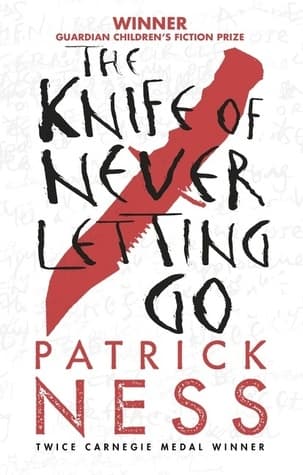
- The Knife of Never Letting Go
Patrick Ness
4.0 (152k) average on GoodreadsThrillerFeatures two young protagonists on a dangerous journey, dealing with violence and discovery.
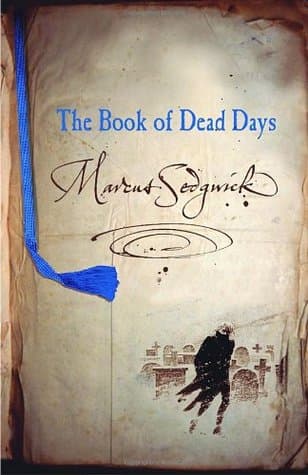
- The Book of Dead Days
Marcus Sedgwick
3.6 (3k) average on GoodreadsFantasySedgwick's work shares a similar capacity for creating unsettling, gothic atmospheres and exploring darker human natures. However, Sedgwick often delves deeper into philosophical questions and historical context, whereas Brooks maintains a tighter focus on the immediate mystery and the protagonist's personal journey.
- Coraline
Neil Gaiman
4.0 (23k) average on GoodreadsFantasyGaiman's novel also features a young protagonist confronting hidden horrors in a seemingly ordinary world, blending the mundane with the terrifying. Brooks' horror, however, is more grounded in human depravity and the harshness of nature, rather than the purely supernatural and surreal elements prevalent in Gaiman's narrative.
- Harry Potter and the Sorcerer's Stone
J.K. Rowling
4.5 (7M) average on GoodreadsFantasyRescued from a miserable life under the stairs, an orphaned boy discovers he's a wizard destined for a magical school, where he uncovers a dangerous secret tied to the dark wizard who murdered his parents.
- The Hunger Games
Suzanne Collins
4.3 (6.4M) average on GoodreadsFantasyIn a future where children fight to the death on live television, Katniss Everdeen volunteers for the arena, turning a death sentence into a fight for survival and a spark of rebellion.




Enjoyed the summary?
A summary gives you the shape of the book. The book itself has the detail, the examples and the voice.
Find The Road of the Dead on AmazonAs an Amazon Associate, BookBrief earns from qualifying purchases. How we're funded