
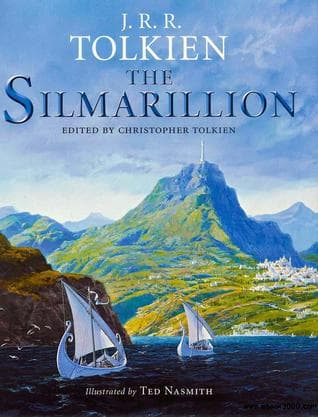
Synopsis
Covers the whole plot, including the ending.
- Difficulty
- Hard
- Pacing
- Slow
- Mood
- Mythic, Epic, Tragic, Grand, Ancient
- Read it if
- You are a dedicated Tolkien fan eager to delve into the deep lore and foundational myths of Middle-earth, appreciate epic scope, and enjoy complex genealogies and world-building.
- Skip it if
- You prefer character-driven narratives, fast-paced action, or find dense mythological histories and numerous names overwhelming without a strong central plot.
The Silmarillion Plot Summary
Covers the whole plot, including the ending.
Ainulindalë: The Music of the Ainur
Before time, Eru Ilúvatar creates the Ainur, angelic beings, and teaches them music. Each Ainu adds to a theme, but Melkor, the strongest Ainu, adds his own discordant themes, wanting to control the music. Eru steps in twice to counter Melkor's disharmony with new, more complex themes. Finally, Eru shows the Music's full form as a vision of Arda (Earth) and its history, including Elves and Men. The Ainur, seeing this, then go into the void to make Arda real. They become the Valar and Maiar, and begin shaping the world for the Children.
Valian Years: The Shaping of Arda and the Awakening of Elves
The Valar come to Arda, but Melkor fights them, destroying their early works, like the Lamps of Ilúmin and Ormal. After a long fight, the Valar move to Aman, the western continent. There, Yavanna creates the Two Trees, Telperion and Laurelin, which light Valinor. Meanwhile, the Elves (Quendi) awaken in Middle-earth by the waters of Cuiviénen. Oromë finds them, and the Valar invite them to Aman. A Great Journey begins. Many Elves, led by Ingwë, Finwë, and Elwë, travel west. Some, like the Avari, refuse, and others, like the Sindar under Elwë, stay in Middle-earth.
The Darkening of Valinor and the Theft of the Silmarils
Fëanor, Finwë's son and the most skilled Noldor Elf, makes three jewels, the Silmarils. They hold the light of the Two Trees. Melkor, now Morgoth, escapes his prison in Valinor and works with the giant spider Ungoliant. They attack Valinor. Ungoliant drains the Two Trees, making Valinor dark. Morgoth then goes to Formenos, Finwë's home, kills Finwë, and steals the Silmarils from Fëanor's treasury. This act of evil makes Fëanor furious and starts the tragic events that follow.
The Oath of Fëanor and the Kinslaying at Alqualondë
In the dark after the Trees' destruction and the Silmarils' theft, Fëanor, angry about his father's death and his creations' loss, names Morgoth the Enemy. He rouses the Noldor to rebel against the Valar, vowing to find Morgoth and get the Silmarils back. He and his seven sons swear the Oath of Fëanor, binding them to pursue anyone who keeps a Silmaril from them. To reach Middle-earth, Fëanor demands the Teleri Elves' ships at Alqualondë. When they refuse, the Noldor, led by Fëanor, attack and kill the Teleri in the First Kinslaying, taking their ships. For this, Mandos issues the Doom of the Noldor, predicting sorrow and betrayal for Fëanor's followers.
The Return to Middle-earth and the First Battles
Fëanor burns the Teleri ships at Losgar. He leaves his half-brother Fingolfin and his people to cross the dangerous Helcaraxë, the Grinding Ice, to Middle-earth. The Noldor set up kingdoms in Beleriand. Fëanor leads his forces in the Dagor-nuin-Giliath (Battle Under the Stars) against Morgoth's Orcs, pushing them back. Gothmog, Lord of Balrogs, wounds Fëanor, who dies, his spirit turning to fire. Fingolfin's people eventually arrive, setting up their own realms, like Hithlum. The Noldor, despite their divisions, besiege Angband, Morgoth's fortress, for nearly four centuries. This is known as the Long Peace.
The Breaking of the Siege and the Rise of Men
Morgoth ends the Siege of Angband with the Dagor Bragollach (Battle of Sudden Flame). He unleashes fire, Balrogs, and Glaurung, the first fire-drake. Many Noldorin kingdoms are destroyed, and the Elves lose many. King Fingolfin, in defiance, rides alone to Angband and challenges Morgoth to single combat. Fingolfin wounds Morgoth seven times but is killed. Men, the Secondborn, awaken in Hildórien and travel west, entering Beleriand and allying with the Elves against Morgoth.
Beren and Lúthien's Quest for a Silmaril
Beren, a Man, falls in love with Lúthien Tinúviel, daughter of Thingol, King of Doriath, and Melian the Maia. Thingol opposes the marriage and demands an impossible bride-price: Beren must bring him a Silmaril from Morgoth's crown. Beren, with Lúthien and the hound Huan, goes on this quest. They face many dangers, including Sauron, whom Lúthien defeats with her magic and song. They reach Angband, where Lúthien enchants Morgoth and his court to sleep. Beren cuts a Silmaril from Morgoth's crown. As they escape, Carcharoth, the great wolf, bites off Beren's hand, swallowing the jewel. Beren later dies from his wounds. Lúthien, heartbroken, asks Mandos to let them return to life as mortals, a grace from Eru.
The Fall of Gondolin and the Ruin of Beleriand
After Beren and Lúthien's success, the Elves attempt the Nirnaeth Arnoediad (Battle of Unnumbered Tears). This great alliance of Elves, Men, and Dwarves against Morgoth ends in defeat due to betrayal by Easterlings. Túrin Turambar, a Man cursed by Morgoth, performs heroic deeds but brings ruin to those around him, including Nargothrond, which falls to Glaurung. Gondolin, Turgon's hidden city, remains the last Noldorin stronghold. However, Maeglin betrays it, and it falls to Morgoth's forces, including Balrogs and dragons, causing destruction and Turgon's death. Eärendil, son of Tuor and Idril of Gondolin, escapes with his family.
Eärendil's Voyage and the War of Wrath
Eärendil the Mariner, with a Silmaril on his brow, sails his ship Vingilot, seeking Valinor to ask the Valar for help for Elves and Men. The Doom of the Noldor forbids their return, but Eärendil, as a half-Elf, is allowed passage. He reaches Valinor and presents his plea. The Valar, moved by his sincerity and Middle-earth's suffering, gather their power, with the Maiar and the Vanyar and remaining Noldor of Valinor, and start the War of Wrath. This large conflict destroys Beleriand, sinking much of it.
Morgoth's Defeat and the Fate of the Silmarils
In the War of Wrath, the Host of Valinor defeats Morgoth's forces, including his dragons and Balrogs. Eärendil, flying Vingilot with the Silmaril, kills Ancalagon the Black, the largest winged dragon. Morgoth is captured, his iron crown is taken, and he is thrown through the Door of Night into the Outer Void, never to return until the End of Days. The two remaining Silmarils are found. Maedhros and Maglor, two of Fëanor's sons, driven by their oath, try to claim them. Their hands are burned by the holy jewels: Maedhros casts himself into a fiery chasm with one, and Maglor casts the other into the sea, wandering the shores forever. The three Silmarils find their final places: one in the sky, one in the earth, and one in the sea, no longer held by Elves or Men.
Principal Figures
Eru Ilúvatar
Creator God
The One God, creator of all existence and source of ultimate authority
Eru Ilúvatar is the ultimate creator of all things, the supreme being of Arda. He conceives the Ainur, gives them being, and teaches them the Music that creates the world. His will is absolute, guiding the grand design even when challenged by Melkor's discord. He directly intervenes only rarely, such as granting the gift of mortality to Men and allowing Beren and Lúthien's return, demonstrating his ultimate power and wisdom over the fates of his Children. He is the unmoved mover, whose initial thought sets all events in motion, and whose final authority is unquestionable.
Relationships: Ainur (His first creations, divine spirits); Elves (His Firstborn Children); Men (His Secondborn Children)
Morgoth (Melkor)
Primary Antagonist
The first Dark Lord, a powerful Vala who rebels against Eru and corrupts Arda
Melkor, later named Morgoth Bauglir by Fëanor, is the most powerful of the Ainur, but also the most ambitious and destructive. He desires to create things of his own and dominate others' creations, leading him to introduce discord into the Music of the Ainur and constantly wage war against the other Valar. His jealousy, pride, and lust for power drive him to destroy the Two Trees, steal the Silmarils, and corrupt Middle-earth, becoming the ultimate source of evil. He is the progenitor of Orcs and Balrogs, and his influence darkens the entire First Age.
Relationships: Eru Ilúvatar (His creator, whom he rebels against); Other Valar (His enemies and former brethren); Sauron (His chief lieutenant and successor); Ungoliant (Temporary monstrous ally)
Fëanor
Protagonist/Tragic Hero
The most gifted Noldorin Elf, creator of the Silmarils, whose pride and oath lead to the Noldor's doom
Fëanor is the most brilliant and skilled craftsman among the Elves, son of Finwë, who creates the legendary Silmarils. His immense talent is matched only by his fierce pride and possessiveness. The theft of the Silmarils and the murder of his father by Morgoth ignite his wrath, leading him to swear the terrible Oath of Fëanor, binding himself and his sons to an endless quest for the jewels. This oath, combined with his proud defiance of the Valar and his role in the Kinslaying at Alqualondë, sets in motion the tragic fate of the Noldor in Middle-earth. He is a figure of immense power and creativity, but also of fatal flaw.
Relationships: Finwë (His father); Maedhros, Maglor, Celegorm, Caranthir, Curufin, Amrod, Amras (His seven sons, bound by his oath); Morgoth (His sworn enemy); Teleri Elves (Victims of his Kinslaying)
Lúthien Tinúviel
Supporting Character/Heroine
An Elf-maiden of Doriath, whose beauty and magic allow her to achieve the impossible
Lúthien is the daughter of Thingol, the Sindarin King of Doriath, and Melian the Maia, making her half-Elven and half-divine. She falls deeply in love with the mortal Man Beren, leading to the epic Quest for the Silmaril. Her beauty, enchanting voice, and potent magic are instrumental in their success, as she single-handedly defeats Sauron and puts Morgoth to sleep in Angband. Her choice to forsake immortality for love and return from the Halls of Mandos with Beren is a unique act, demonstrating her profound devotion and strength of spirit, blurring the lines between Elves and Men.
Relationships: Beren (Her beloved and husband); Thingol (Her father); Melian (Her mother); Huan (Loyal companion and protector)
Beren Erchamion
Supporting Character/Hero
A mortal Man of the House of Bëor, renowned for his courage and love for Lúthien
Beren is a Man whose family is devastated by Morgoth's forces. He is a figure of immense courage and unwavering loyalty, falling in love with the Elf-maiden Lúthien. His quest to retrieve a Silmaril from Morgoth's crown, set as an impossible bride-price by Thingol, becomes one of the most heroic tales of the First Age. Though he is mortal and often outmatched, his steadfastness and love enable him to achieve what no Elf had dared. His eventual return from death with Lúthien is a testament to the power of their bond and a unique intervention by Eru Ilúvatar, bridging the fates of Men and Elves.
Relationships: Lúthien Tinúviel (His beloved and wife); Thingol (His father-in-law); Huan (Loyal companion and protector)
Túrin Turambar
Tragic Hero
A Man whose life is cursed by Morgoth, leading to great deeds and profound tragedy
Túrin is the son of Húrin and Morwen, a Man of the House of Hador, whose life is shadowed by a curse laid upon him and his kin by Morgoth. Despite his noble intentions, exceptional courage, and skill as a warrior, a string of ill fortune, mistaken identities, and tragic choices lead him to inadvertently bring ruin upon himself and those he loves. He unwittingly falls in love with and marries his sister Niënor, an act of incest brought about by Morgoth's manipulation. His story is one of profound heroism mixed with overwhelming sorrow, embodying the 'Doom of Men' and their vulnerability to fate and the Enemy's malice.
Relationships: Húrin (His father, cursed by Morgoth); Niënor Níniel (His sister and unwitting wife); Beleg Cúthalion (His loyal friend, whom he accidentally kills); Glaurung (His nemesis, the dragon he slays)
Fingolfin
Heroic King
High King of the Noldor, renowned for his courage and defiance against Morgoth
Fingolfin is the second High King of the Noldor in Middle-earth, half-brother to Fëanor. He leads his people on the perilous journey across the Helcaraxë after Fëanor's betrayal, demonstrating immense resilience and leadership. Despite the Doom of the Noldor and the overwhelming power of Morgoth, he maintains a long siege of Angband. His most famous act is his desperate, single-handed challenge to Morgoth during the Dagor Bragollach, a heroic but ultimately suicidal duel in which he wounds the Dark Lord multiple times before being slain. His courage is legendary, and he represents the noble, albeit doomed, resistance of the Noldor.
Relationships: Fëanor (His half-brother and rival); Finwë (His father); Fingon (His eldest son); Morgoth (His ultimate enemy, whom he fights to the death)
Eärendil the Mariner
Hero/Redeemer
A half-Elf who sails to Valinor to plead for aid, carrying a Silmaril as a star
Eärendil is the son of Tuor (Man) and Idril (Elf), and husband to Elwing, bearing the lineage of both Elves and Men. He is a mariner who sails the seas seeking Valinor, driven by the hope of gaining aid for the beleaguered peoples of Middle-earth. Bearing one of the Silmarils upon his brow, he finally reaches Valinor, where he successfully pleads with the Valar on behalf of Elves and Men, leading to the War of Wrath. He is granted the choice of kindred and chooses Elven, along with his wife. He then sails the skies in his ship Vingilot, the Silmaril shining as the Morning Star, a symbol of hope and a harbinger of Morgoth's ultimate defeat.
Relationships: Tuor (His father); Idril Celebrindal (His mother); Elwing (His wife); Elrond (His son)
Thingol Greycloak
King/Supporting
King of Doriath, a Sindarin Elf who rules a hidden kingdom in Beleriand
Elwë Singollo, later known as Thingol Greycloak, is one of the three Elven leaders who begin the Great Journey to Valinor. He becomes enchanted by Melian the Maia and remains in Middle-earth, founding the hidden kingdom of Doriath. He is a powerful and wise king, whose realm is protected by the Girdle of Melian. His pride and possessiveness, however, lead him to set the impossible bride-price for Beren and Lúthien, demanding a Silmaril. He eventually possesses one of the Silmarils but is ultimately undone by his greed for it, slain by the Dwarves of Nogrod when disputing the Nauglamír.
Relationships: Melian (His wife, a Maia); Lúthien Tinúviel (His daughter); Beren (His son-in-law); Húrin (Receives Húrin into his court)
Themes & Insights
The Nature of Evil and Corruption
The Silmarillion explores the origins and forms of evil, mainly through Morgoth (Melkor). His initial disharmony in the Music of the Ainur, caused by pride and a desire to create alone, corrupts Arda. His actions—destroying the Two Trees, stealing the Silmarils, creating Orcs, and laying curses—show how evil is a distortion of good. The story shows evil's spread, even among the Elves, like Fëanor's destructive pride and the Kinslaying. It also causes suffering among Men, especially Túrin Turambar, showing evil's corrupting and destructive power.
“For Melkor ever sought to mar what another had made, and he would not work save as a lord of others, and a master of their toil. And he spread therefore the nets of his malice through the world, and ensnared many lesser spirits, and some he drew into his service by lies and treacherous gifts, and some by the might of his power and the terror of his presence.”
Pride, Oath, and Their Consequences
Pride and the power of oaths are central to the Noldor's tragedy. Fëanor's great pride in his craft and his desire to own the Silmarils lead him to defy the Valar and swear a terrible, unbreakable oath to get them back. This oath, sworn by him and his seven sons, forces them to commit acts like the Kinslaying at Alqualondë. It drives their relentless, self-destructive pursuit of the jewels, even after Morgoth's defeat. The story shows how such vows, born of passion and pride, can cause endless suffering, betrayal, and the ruin of people and peoples. This shows the dangers of hubris and stubborn resolve.
“Be he friend or foe, be he foul or clean, brood of Morgoth or bright Vala, Elf or Man or Orc, or any other living thing in Arda, that holds or takes or keeps a Silmaril from our possession, to him we swear vengeance and a curse till the world's end.”
The Intertwined Fates of Elves and Men
The Silmarillion connects the destinies of Elves and Men, showing their differences and deep ties. Elves, immortal and bound to Arda, often struggle with grief and the weight of history. Men, mortal and destined to leave the world, have a unique 'Gift of Men'—death, which is a release. The stories of Beren and Lúthien, and Tuor and Idril, show these races mixing through love, producing the Half-elven, who must choose their kin. These unions, though rare, bring both joy and sorrow. They show that despite different paths, their fates are intertwined in the fight against evil and Eru's plan for Arda.
“But a choice was appointed to them: to be judged among the Elves and follow the fate of the Elves; or to be judged among Men and follow the fate of Men.”
Loss, Memory, and the Passing of Ages
A constant theme in The Silmarillion is loss and the passage of time. Powerful kingdoms fall, great deeds are forgotten, and the world itself diminishes. The destruction of the Two Trees, the ruin of Beleriand, and the fading of the Elves all add to this sad tone. The story often looks back at a more glorious past, showing how memory and song preserve the legacy of lost beauty and heroism. This theme underlies the mythology, making the First Age a time of epic grandeur and tragedy. It sets the stage for the 'lessening' of the world that continues into later ages, including The Lord of the Rings.
“For so it is, that in Aman, in the Blessed Realm, the Deathless should dwell, and there should be no grief, nor end of joy. But for those who tarry in Middle-earth, the long defeat is appointed.”
The Power of Creation and Art
The ability to create, whether through music, craft, or storytelling, is a powerful force in The Silmarillion. The world itself is sung into being by the Ainur. Fëanor's creation of the Silmarils, jewels that capture divine light, shows the Elves' unmatched artistry. Yet, it also becomes an object of destructive desire. Lúthien's enchanting song and dance are powerful enough to lull Morgoth. This theme explores creation's dual nature: its capacity for beauty and good, but also how it can be corrupted or become an object of destructive possessiveness, leading to conflict and sorrow. True creation aligns with Eru's original vision.
“For the Valar have power over the physical world, but they cannot create life, nor can they alter the fundamental nature of the Children of Ilúvatar. Only Eru can truly create.”
Plot Devices & Literary Techniques
The Silmarils
Three divine jewels that embody the light of Valinor and drive the central conflict
The Silmarils are the central MacGuffin of The Silmarillion. Crafted by Fëanor, they contain the unsullied light of the Two Trees of Valinor. Their theft by Morgoth directly leads to the Noldor's rebellion, Fëanor's oath, and the subsequent wars of the First Age. They serve as a catalyst for both heroic deeds and terrible crimes, symbolizing ultimate beauty, divine light, and the destructive power of greed and possessiveness. Their eventual dispersal into the sky, earth, and sea signifies the end of an age and the inability of any mortal or Elf to truly possess divine beauty without corruption.
The Oath of Fëanor
A binding, self-destructive vow that dictates the actions of Fëanor and his sons
The Oath of Fëanor is a critical plot device that drives much of the Noldor's tragic story. Sworn by Fëanor and his seven sons, it binds them to pursue anyone who withholds a Silmaril from them, regardless of cost. This oath forces them to commit the Kinslaying, abandon Fingolfin's host, and later to commit further kinslayings against other Elves. It represents the destructive power of pride and vengeance, acting as a relentless, supernatural compulsion that dictates their actions and ultimately leads to their ruin, even after Morgoth is defeated. It highlights the inescapable consequences of defying the divine will.
The Doom of the Noldor (Prophecy of Mandos)
A prophecy of doom and suffering pronounced upon the rebellious Noldor by the Vala Mandos
The Doom of the Noldor is a powerful prophecy delivered by Mandos, the Vala of Doom, after the Kinslaying at Alqualondë. It foretells the Noldor's suffering in Middle-earth: betrayal, sorrow, the fading of their light, and that they would never reclaim the Silmarils. This device creates a pervasive sense of tragic inevitability throughout the narrative, as characters struggle against a fate that seems predetermined. It underscores the consequences of defying the Valar and introduces a layer of dramatic irony, as the reader knows the ultimate outcome of many heroic efforts, emphasizing the grandeur and futility of their struggle against Morgoth.
The Girdle of Melian
A magical barrier protecting the Elven kingdom of Doriath
The Girdle of Melian is a powerful enchantment woven by Melian the Maia, protecting the kingdom of Doriath from outside intrusion. It serves as a plot device to establish Doriath as a secure, hidden refuge for a long period, allowing Thingol and his people to prosper while other Elven realms face direct assault from Morgoth. Its eventual penetration by Beren (through Lúthien's aid) and later by Húrin, and its ultimate breaking after Melian's departure, marks significant turning points in the narrative, signaling the increasing vulnerability of the Elves and the encroaching doom of Beleriand.
Lineage and Heritage
The emphasis on ancestry and inheritance in shaping character and destiny
Lineage is a crucial plot device, particularly in the stories of Elves and Men. Characters' ancestry often defines their inherent abilities (e.g., Fëanor's craftsmanship, Lúthien's mixed Elven and Maia powers), their political claims (e.g., the High Kingship of the Noldor), and even their predispositions (e.g., the 'Doom of Men'). The blending of Elven and Human bloodlines, particularly in the Half-elven like Eärendil and his sons Elrond and Elros, creates pivotal choices and unique destinies that bridge the two races. This device reinforces the epic, generational scope of the narrative and the weight of history upon individual lives.
The Silmarillion Quotes
“From the Music of the Ainur, which is as a song before Ilúvatar, came the great Vision; and of the Vision was made Eä, the World that Is.”
“For the Valar can take what shape they will, and can pass to and fro, and be unseen.”
“But of the Trees of Valinor came the Light of Aman, and the Valar gathered it in the Two Lamps; and the Light of the Lamps was the light of the world in its beginning.”
“For the things that are not yet made, but are to be, are more real than those that are already made and are but memories.”
“Then Fëanor ran upon the King and slew him; and there by the walls of Tirion, at the going up into the Mindon, was spilled the first blood in the Blessed Realm of Aman.”
“For though the Valar had power to heal the hurts of the world, they could not take away the memory of them.”
“But the Doom of Mandos was not evil, though it was grim; for it was just.”
“For the Elves are immortal, and their love is a thing of doom; and they do not forget.”
“But the Children of Ilúvatar are the Elves and Men, the Firstborn and the Followers.”
“Yet neither the Valar nor the Children of Ilúvatar can long be content, if they know not wherefore they are, or what their end shall be.”
“But the Shadow of Morgoth was upon them, and they were in despair, and they fled.”
“For the Silmarils were not only jewels but also the very light of the Two Trees of Valinor, and in them dwelt the essence of light and life.”
“For by the power of the Ring of Barahir, which Finrod Felagund had given to him, Beren passed through the gates of Minas Tirith.”
“For the world is full of peril, and in it there are many dark things; but still there is beauty in it, and good things.”
“Thus ended the First Age of the World, and the great wars of the Elves and Men against Morgoth.”
Quiz
10 questions on the plot and the characters. Each answer comes with a short explanation.
Question 1
Who was the creator of the three Silmarils?
- Morgoth
- Feanor
- Elrond
- Manwë
Show answer
B. Feanor Feanor, described as the 'most gifted of the Elves,' was the one who created the three Silmarils, trapping the Light of the Two Trees within them.
Question 2
What was imprisoned within the Silmarils?
- The spirit of Melkor
- The Light of the Two Trees of Valinor
- The essence of the Valar
- A fragment of the One Ring
Show answer
B. The Light of the Two Trees of Valinor The Silmarils were unique because they contained the 'unsullied Light of Valinor,' specifically the Light of the Two Trees, before the Trees themselves were destroyed.
Question 3
Who was the first Dark Lord who seized the Silmarils?
- Sauron
- Glaurung
- Morgoth
- Ungoliant
Show answer
C. Morgoth Morgoth, identified as 'the first Dark Lord,' was responsible for destroying the Two Trees and seizing the Silmarils, placing them in his crown in Angband.
Question 4
What major event led to Feanor and his kindred's exile from Valinor?
- Their refusal to aid the Valar against Morgoth
- Their rebellion against the gods after Morgoth stole the Silmarils
- Their unauthorized creation of new magical artifacts
- Their attempt to usurp the throne of the High King of the Noldor
Show answer
B. Their rebellion against the gods after Morgoth stole the Silmarils Feanor and his kindred's exile was a direct consequence of their 'rebellion... against the gods' following the theft of the Silmarils by Morgoth, leading to their departure from Valinor.
Question 5
Where did Morgoth keep the seized Silmarils?
- In the depths of Utumno
- Hidden in the Iron Mountains
- In his crown, guarded in the fortress of Angband
- In a secret vault beneath Menegroth
Show answer
C. In his crown, guarded in the fortress of Angband Morgoth placed the Silmarils 'in his crown, which was guarded in the impenetrable fortress of Angband in the north of Middle-earth.'
Question 6
What is the primary setting for the events described in The Silmarillion?
- The Second Age of Middle-earth
- The Fourth Age, after the War of the Ring
- The creation of the world and the First Age
- Mainly Valinor, with brief mentions of Middle-earth
Show answer
C. The creation of the world and the First Age The Silmarillion is explicitly stated to be 'the story of the creation of the world and of the the First Age,' setting the stage for later events in Middle-earth.
Question 7
Which of these characters, known from The Lord of the Rings, took part in the events of the First Age described in The Silmarillion?
- Frodo Baggins
- Gandalf
- Elrond and Galadriel
- Aragorn
Show answer
C. Elrond and Galadriel The text states that 'some of them, such as Elrond and Galadriel, took part' in the ancient drama of the First Age, highlighting their long lifespans and deep connection to Tolkien's lore.
Question 8
What does the provided text indicate about Tolkien's view of The Silmarillion compared to his other works?
- He considered it a minor collection of tales, secondary to The Hobbit.
- He saw it primarily as a historical record for academic study.
- He considered it his most important work and the core of his imaginative writing.
- He intended it to be a children's book, similar to The Hobbit.
Show answer
C. He considered it his most important work and the core of his imaginative writing. The description explicitly states, 'Tolkien considered THE SILMARILLION his most important work, and... this great collection of tales and legends clearly sets the stage for all his other writing.'
Question 9
What is the overarching theme of Feanor and his kindred's war against Morgoth, as described in the summary?
- A triumphant victory of good over evil
- A hopeless war despite their heroism
- A strategic retreat leading to future success
- A war for territorial expansion and power
Show answer
B. A hopeless war despite their heroism The summary characterizes their struggle as 'their war, hopeless despite all their heroism, against the great Enemy,' highlighting the tragic nature of their conflict.
Question 10
What is the purpose of the letter by J.R.R. Tolkien included in the second edition of The Silmarillion?
- To provide a detailed biography of his life
- To offer a brilliant exposition of his conception of the earlier Ages of Middle-earth
- To apologize for the delay in the book's publication
- To outline his plans for future novels in the series
Show answer
B. To offer a brilliant exposition of his conception of the earlier Ages of Middle-earth The second edition features a letter 'describing his intentions for the book, which serves as a brilliant exposition of his conception of the earlier Ages of Middle-earth,' providing valuable insight into his creative vision.
The Silmarillion FAQ
What is The Silmarillion about?
The Silmarillion chronicles the creation of the world, Arda, and the epic history of the First Age of Middle-earth. It details the rise of the Valar and Maiar, the awakening of Elves and Men, and the long, tragic war waged by the Elves against Morgoth, the first Dark Lord, for the recovery of the three sacred jewels known as the Silmarils.
Why should I read The Silmarillion?
You should read The Silmarillion to gain a profound understanding of the foundational myths and history behind Tolkien's more famous works like The Hobbit and The Lord of the Rings. It provides context for characters such as Elrond and Galadriel, explains the origins of Middle-earth's peoples and conflicts, and showcases Tolkien's unparalleled world-building and linguistic genius.
What is the background/setting of The Silmarillion?
The Silmarillion is set across various realms, beginning with the void before creation, then the divine land of Valinor where the Valar dwell, and primarily in Beleriand, a region of Middle-earth that was submerged at the end of the First Age. It describes a time of nascent lands, powerful divine beings, and the early civilizations of Elves and Men.
What are the most memorable quotes?
While less dialogue-driven than other Tolkien works, memorable phrases include 'From the darkness of the world I will bring a light' spoken by Fëanor, reflecting his ambition, and the melancholic beauty of the descriptions of the Two Trees of Valinor. The narrative often employs poetic, archaic language that imbues the entire text with a sense of ancient grandeur.
What writing style does the author use?
Tolkien employs a mythic, historical, and often biblical writing style, akin to ancient sagas or epic poems. The prose is formal and elevated, focusing on grand narratives, genealogies, and the sweep of ages rather than intimate character perspectives, giving it the feel of a compiled history or sacred text.
What minor details add significant meaning?
The varying fates of the three Silmarils—one in the sky, one in the earth, one in the sea—symbolize the enduring but scattered light of Valinor and the ultimate impossibility of recovering the past. Also, the repeated instances of oath-breaking, particularly Fëanor's Oath, highlight the destructive power of pride and unchecked ambition throughout the ages.
What are some subtle foreshadowing moments?
Melkor's discord in the Music of the Ainur subtly foreshadows his later corruption as Morgoth and the introduction of evil into the world. Also, the Doom of Mandos, pronounced upon the Noldor after their rebellion and kinslaying, meticulously outlines the sorrows and betrayals that will plague them in Middle-earth, almost acting as a prophecy.
What unexpected character connections exist?
There are many, such as Túrin Turambar being unknowingly related to his love interest, Nienor Níniel, both being children of Húrin and Morwen. Additionally, Elrond Half-elven, a major character in The Lord of the Rings, is a direct descendant of Eärendil and Elwing, whose tale of the Silmaril's journey to the heavens is a central epic in The Silmarillion.
What are unspoken character motivations?
Fëanor's intense pride and possessiveness over the Silmarils, beyond mere artistic creation, are largely unspoken but drive his catastrophic decisions, including the Kinslaying and the unbreakable oath. Morgoth's motivation, while stated as a desire to dominate and mar, also subtly hints at a deep-seated envy of Eru's creative power and an inability to create anything original himself.
What psychological complexities do characters exhibit?
Túrin Turambar exhibits a tragic complexity, constantly striving for heroism yet repeatedly falling prey to his own pride and ill-fate, often exacerbating his own misfortunes. Maeglin also shows a twisted psychological depth, driven by jealousy and a lust for power, ultimately betraying his people, Gondolin, for a chance at Idril and the throne.
What are the major emotional turning points?
The destruction of the Two Trees of Valinor and the theft of the Silmarils by Morgoth is a major emotional catalyst, leading to the Noldor's rebellion and exile. The tragic love story of Beren and Lúthien, particularly Lúthien's descent into the Halls of Mandos to plead for Beren, marks a profound emotional high point, showcasing love's power against death.
How do relationship dynamics evolve?
The relationship between the Valar and the Elves evolves from mentorship to a more strained oversight, particularly after the Noldor's rebellion. Among the Elves, the initially strong familial bonds of Fëanor's sons become increasingly fraught with mistrust and violence due to their oath, leading to further Kinslayings and the fragmentation of their people.
Which parts remain ambiguous or open-ended?
The ultimate fate of some characters, like the remaining sons of Fëanor after their final, desperate attempts to reclaim the Silmarils, is left somewhat ambiguous. The future role of Men in the Second and Third Ages, beyond their initial awakening and eventual dominion, is hinted at but not fully detailed within this volume, leaving much to be explored in other works.
What are controversial scenes or decisions?
The Kinslaying at Alqualondë, where Fëanor and his followers murder their fellow Elves, the Teleri, to seize their ships, is a highly controversial and morally reprehensible act. Fëanor's decision to forge the unbreakable oath to recover the Silmarils, binding his sons to a path of endless conflict and sorrow, is also a deeply debated and tragic choice.
The Silmarillion ending explained: how it ends & what it means
The Silmarillion concludes with the War of Wrath, where the host of the Valar finally intervenes to defeat Morgoth, casting him into the Outer Void. Beleriand is largely destroyed and sinks beneath the sea. The remaining Silmarils are claimed by Fëanor's sons, Maedhros and Maglor, but burn their hands and are cast into the earth and sea respectively, while the third is borne into the sky by Eärendil. This ending signifies the triumph of good over the first Dark Lord but at an immense cost, marking the end of the First Age and ushering in a new era for Men, while the Elves largely depart Middle-earth, their grand designs shattered but their legacy etched into the world's fabric.
About the author
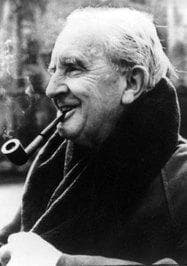
J.R.R. Tolkien was an English writer and philologist, best known for his high-fantasy works. His notable books include "The Hobbit, or There and Back Again," "The Fellowship of the Ring," and "The Return of the King," which are foundational texts in the fantasy genre. He also authored "The Silmarillion" and a boxed set featuring "The Hobbit" and "The Lord of the Rings."
Similar books
- Norse Mythology
Neil Gaiman
4.1 (215k) average on GoodreadsFantasyRetells ancient myths with a focus on powerful deities and heroic sagas.
- A Wizard of Earthsea
Ursula K. Le Guin
4.0 (241k) average on GoodreadsFantasyExplores a rich, ancient world with deep lore and a focus on magic and the consequences of power, though more character-focused.
- Harry Potter and the Sorcerer's Stone
J.K. Rowling
4.5 (7M) average on GoodreadsFantasyRescued from a miserable life under the stairs, an orphaned boy discovers he's a wizard destined for a magical school, where he uncovers a dangerous secret tied to the dark wizard who murdered his parents.
- The Hunger Games
Suzanne Collins
4.3 (6.4M) average on GoodreadsFantasyIn a future where children fight to the death on live television, Katniss Everdeen volunteers for the arena, turning a death sentence into a fight for survival and a spark of rebellion.
- 1984
George Orwell
4.2 (3.1M) average on GoodreadsPoliticsIn a future where surveillance and thought control are absolute, a man's search for truth clashes with the Party, showing that hope can be a form of rebellion.
- Divergent
Veronica Roth
4.2 (2.9M) average on GoodreadsFantasyIn a society divided by virtues, a sixteen-year-old's difference from the norm starts a rebellion that threatens her world.




Enjoyed the summary?
A summary gives you the shape of the book. The book itself has the detail, the examples and the voice.
Find The Silmarillion on AmazonAs an Amazon Associate, BookBrief earns from qualifying purchases. How we're funded