

Synopsis
Covers the whole plot, including the ending.
- Difficulty
- Easy
- Pacing
- Moderate
- Mood
- Humorous, Reflective, Whimsical, Morally instructive
- Read it if
- You enjoy classic children's fantasy with a strong moral lesson, featuring a relatable protagonist learning a hard but valuable truth.
- Skip it if
- You prefer complex world-building and mature themes over straightforward, character-driven fables.
The Skull of Truth Plot Summary
Covers the whole plot, including the ending.
A Habit of Lies
Charlie Eggleston is a known liar in his hometown of Plumfield. He tells small exaggerations and complex stories, often to avoid trouble or get attention. One afternoon, after making up a story about a runaway dog to skip a chore, he is cornered by the school bully, Blackie. Blackie, tired of Charlie's lies, threatens to beat him. To escape, Charlie runs into Tucker's Swamp, a place most people avoid because it is dangerous and mysterious. He hopes to hide until Blackie leaves, but he soon gets lost.
Discovery of Mr. Elives's Shop
Deep inside Tucker's Swamp, away from any roads, Charlie finds an old, run-down house that looks like a magic shop. This is Mr. Elives's shop, known for its strange and powerful magical items, though Charlie doesn't know this. The shop is full of interesting and slightly unsettling objects. Mr. Elives, the shopkeeper, is a mysterious old man who seems to know more about Charlie than he lets on. Charlie is immediately drawn to the shop's odd feel and the promise of something special.
The Allure of the Skull
Among the many strange items in Mr. Elives's shop, Charlie notices a human skull on a velvet cushion. The skull, which Mr. Elives calls 'The Skull of Truth,' has an unsettling but strong pull. Mr. Elives explains that the skull can make its owner tell only the truth, an idea that bothers Charlie, given how much he lies. Despite Mr. Elives's warnings about the skull's magic and its dangers, Charlie feels an undeniable connection to it.
The Theft and the Curse
Driven by curiosity, a desire for something special, and perhaps a hidden wish to change, Charlie decides to steal The Skull of Truth. He waits for Mr. Elives to be busy, then grabs the skull and runs back into the swamp. Almost immediately after taking the skull, Charlie feels a strange sensation, a tightness in his throat, and he cannot lie. The Skull's magic begins, forcing him to speak only the truth, which will change his life and relationships.
The Truth Hurts, and No One Believes It
The Skull's curse immediately makes Charlie's life difficult. When he gets home, he tries to explain to his parents where he's been and why he's late, but his forced honesty sounds so unbelievable that they think he's making up another story. He truthfully tells them he stole a skull from a magic shop in the swamp, but they laugh, believing it's just another one of his tales. This happens with everyone he meets; his truthful confessions about his actions and the skull are met with disbelief, because he is known for lying.
The Search for Answers and Allies
Frustrated and alone, Charlie tries to go back to Mr. Elives's shop, but he can't find it. He then seeks out his friend, Lucy, hoping she might understand, but even she struggles to believe his story about the skull. He also tries to tell his teachers and the principal, but his truthful statements about his past lies and the skull's curse only get him into more trouble. His honesty, once a way to protect himself, now isolates him more. He realizes he needs to find a way to break the curse himself, as no one else seems able to help or believe him.
The Consequences of Unfiltered Truth
Living with the Skull of Truth is very hard. Charlie accidentally offends people by blurting out harsh truths about how they look or what they do. He truthfully admits to past wrongs, like cheating on tests or breaking things, which only earns him more punishment and distrust. His parents are frustrated, thinking he's being deliberately defiant. His classmates avoid him, finding his unfiltered honesty rude. Charlie begins to understand the real impact of his lies, not just on others, but on his own trustworthiness, as his current truthfulness is now seen as his biggest deception.
A Glimmer of Hope and the Legend
Through overheard talks and his own library research, Charlie learns more about the Skull of Truth's history. He discovers that a powerful wizard made the skull to punish frequent liars and that its curse can only be broken when the person under its spell tells a truth so deep and convincing that everyone believes it without question. This gives Charlie a new goal and a way forward, though he knows it will be very hard to achieve given his reputation.
The School Play and the Ultimate Truth
An opportunity for Charlie to try and break the curse comes during the annual school play. He has a small part, but he sees it as his chance to tell a truth that everyone will feel. He struggles with his lines, as the skull makes him speak only the truth, even when acting. During a key moment in the play, Charlie changes the script, giving an emotional, heartfelt speech about the importance of truth and the pain of not being believed. He speaks from his own experience, putting his real feelings into his words.
Redemption and Resolution
Charlie's performance is so genuine that it captures the audience. His words, from his own hard experience with the Skull of Truth, connect deeply. For the first time, people truly listen and believe him. His parents, teachers, and classmates see the real regret and understanding in his eyes. As the audience believes his truth, Charlie feels the skull's magic finally let go. The curse is broken. He can tell a small, harmless lie again, but he chooses not to. He has learned the value of truth and the importance of earning trust.
Returning the Skull and a New Path
After the play, with the curse gone, Charlie looks for Mr. Elives's shop again. This time, he finds it easily, as if his journey had changed his view. He returns the Skull of Truth to Mr. Elives, who greets him with a knowing smile, recognizing Charlie's growth and understanding. Charlie has learned to appreciate the power of truth and the responsibility that comes with it. He leaves the shop a changed boy, no longer forced to lie, and with a new commitment to honesty, ready to rebuild trust with those he had upset.
The Skull of Truth Characters
Charlie Eggleston
Protagonist
A chronic liar who learns the value of truth the hard way.
Charlie is a young boy in Plumfield, known for his elaborate and frequent lies. He uses fibs to escape punishment, gain attention, and navigate difficult social situations. Initially, he sees lying as a skill, a way to control his world, but he's also somewhat lonely and misunderstood due to his reputation. He's clever and resourceful, as evidenced by his ability to navigate Tucker's Swamp and eventually find a way to break the skull's curse. His journey forces him to confront the consequences of his dishonesty and the importance of genuine connection.
Relationships: Mr. Elives (Mysterious shopkeeper who indirectly teaches Charlie a lesson.); Lucy (Friend who struggles to believe Charlie but eventually supports him.); Blackie (School bully who initially drives Charlie into the swamp.); Charlie's Parents (Frustrated and often disbelieving of Charlie's stories.)
Mr. Elives
Supporting
The enigmatic proprietor of a magic shop in Tucker's Swamp.
Mr. Elives is an ancient and mysterious figure who owns a hidden magic shop deep within Tucker's Swamp. He seems to possess vast knowledge of magical artifacts and human nature. He doesn't directly intervene in Charlie's predicament but rather acts as a catalyst, allowing Charlie to take the Skull of Truth and learn its lesson. He is observant and wise, often speaking in riddles or subtle hints. He is not malevolent but rather a guardian of powerful magic, allowing individuals to experience its effects for their own growth, only appearing when the student is ready.
Relationships: Charlie Eggleston (Indirect mentor who provides the tool for Charlie's transformation.)
Lucy
Supporting
Charlie's friend who struggles with his reputation for lying.
Lucy is one of Charlie's few friends, though even she finds his constant lying exasperating. She is initially skeptical of his claims about the Skull of Truth, given his history, but she also has a genuine concern for him. She represents the challenge Charlie faces in regaining trust, as someone who knows him well but has been let down by his dishonesty. Her eventual belief in him is crucial for Charlie's redemption, showing that even those closest to him can be convinced by genuine truth.
Relationships: Charlie Eggleston (Friend who experiences the effects of Charlie's lies and eventual truth.)
Blackie
Supporting/Mentioned
The school bully whose actions inadvertently start Charlie's adventure.
Blackie is the school bully who, tired of Charlie's lies, threatens him with a beating. His antagonism serves as the initial impetus for Charlie fleeing into Tucker's Swamp and discovering Mr. Elives's shop. He represents the immediate negative consequences Charlie faces due to his dishonesty, driving him to seek refuge. While not a central character, his role is significant in setting the plot in motion and highlighting the social repercussions of Charlie's behavior.
Relationships: Charlie Eggleston (Antagonistic relationship, bully and victim.)
Charlie's Parents
Supporting
Concerned but exasperated parents who struggle to believe their son.
Charlie's parents are loving but deeply frustrated by his constant lying. They have tried various methods to curb his dishonesty, but nothing seems to work. Their disbelief in his truthful claims about the Skull of Truth highlights the profound loss of trust Charlie has created. They represent the societal reaction to a chronic liar – even when telling the truth, they are met with skepticism. Their eventual belief in Charlie during the school play is a powerful moment of reconciliation and understanding.
Relationships: Charlie Eggleston (Parent-child relationship, strained by Charlie's dishonesty.)
The Skull of Truth Themes
The Power and Consequences of Truth and Lies
The main theme looks at how truth and lies shape how people see things, relationships, and who they are. Charlie's early reliance on lies makes him isolated and untrustworthy, even when he tries to be honest. The Skull of Truth forces him to face the harm his lies caused, not just to others but to his own credibility. Ironically, when he can only tell the truth, no one believes him, showing that trust is built over time, not just by stating facts. The ending, where his genuine truth breaks the curse, shows the strong power of real honesty to heal and connect.
“The truth is a powerful thing, boy. More powerful than any lie, no matter how clever.”
Redemption and Self-Discovery
Charlie's story is one of deep redemption. He starts as a boy who uses lies to protect himself, but the Skull of Truth forces him into a period of difficult self-reflection. Because he cannot lie, he experiences the pain and isolation his own lies caused others. This hard time helps him understand the real value of honesty and the importance of rebuilding trust. His success in breaking the curse is not just a magical event but shows his inner growth and his discovery of a more genuine self, no longer needing to hide behind falsehoods.
“Sometimes, the only way to truly understand the truth is to be forced to live it.”
The Nature of Belief and Trust
The novel explores the complex nature of belief and how trust is built and lost. Because of Charlie's past, even his clear truths are dismissed as lies, showing that how people see things is strongly shaped by past behavior. The story shows that belief is not just about facts; it is about the credibility of the source. Charlie's struggle to be believed, despite speaking only the truth, highlights how hard it is to regain trust once it is lost. His final act of truthfulness in the play finally earns him back the belief of his community, proving that consistent, heartfelt honesty can overcome a damaged reputation.
“A liar is not believed even when he speaks the truth.”
Growth Through Adversity
Charlie's experience with the Skull of Truth is a major challenge that leads to his personal growth. Being forced to tell the truth, even when it causes him pain or embarrassment, pushes him out of his comfort zone and makes him face his flaws. The difficulties he faces—not being believed, upsetting friends, and facing punishment—all help him change. Without the Skull's curse, Charlie might never have truly understood the impact of his actions or found the desire to change. His journey shows how hard experiences can be important for character development and learning life lessons.
“It was the hardest lesson he had ever learned, but it was also the most important.”
Plot Devices & Literary Techniques
The MacGuffin (Skull of Truth)
The magical object that drives the protagonist's journey and conflict.
The Skull of Truth serves as the central MacGuffin of the story. It is the object Charlie steals and which subsequently places him under its curse, forcing him to tell only the truth. While the skull itself has a magical property, its primary function is to propel Charlie's character arc. Its existence creates the central conflict – Charlie's inability to lie – and his subsequent quest to break the curse. The skull's power is specific and directly impacts the protagonist's core flaw, making it more than just a simple plot driver but a tool for character development.
Ironic Punishment
A consequence that is the opposite of what is intended or expected.
Charlie's punishment is deeply ironic: a chronic liar is cursed to tell only the truth, yet because of his reputation, no one believes him. This irony highlights the core theme of trust and the consequences of past actions. He is forced to live in a world where his most genuine statements are dismissed as his greatest deceptions. This device effectively amplifies Charlie's struggle and forces him to understand the impact of his past lies from a new, painful perspective, ultimately leading to his transformation.
The Wise Old Man (Mr. Elives)
A character who provides guidance or catalysts for the hero's journey.
Mr. Elives embodies the archetype of the wise old man. He is mysterious, knowledgeable about magic, and indirectly guides Charlie's journey. He doesn't offer direct solutions but rather provides the means (the Skull) and subtle hints, allowing Charlie to learn through his own experience. His cryptic warnings and understanding smile at the end suggest he knew all along what Charlie needed to learn. He serves as a static mentor figure whose presence facilitates the protagonist's growth without actively interfering.
The Quest for a Cure
The protagonist's journey to reverse a magical affliction or solve a problem.
After realizing the full extent of the Skull's curse, Charlie embarks on a quest to find a way to break it. This quest is not just physical (returning to the shop, researching) but also internal, as he must understand the conditions for breaking the spell (making a universally believed truth). This narrative device provides structure to the middle and end of the story, giving Charlie a clear objective and allowing for his character development as he works towards achieving it.
The Skull of Truth Quotes
“The truth is a powerful thing, young man. Sometimes it's the only thing.”
“It is not the telling of the truth that hurts, but the truth itself.”
“You can run from the truth, but you can never hide from it. Not forever.”
“The first step to wisdom is admitting you don't know everything.”
“Fear is a powerful master, but it can be overcome.”
“Sometimes the hardest truths are the ones we need to hear the most.”
“A lie can travel halfway around the world while the truth is still putting on its shoes.”
“The greatest magic is the truth, for it can change everything.”
“You cannot truly know yourself until you face the truths you wish to avoid.”
“Even a small truth, when spoken, can have great consequences.”
“The world is full of things you don't understand, and that's okay. The important thing is to keep looking.”
“Trust is a fragile thing, easily broken, but hard to mend.”
“Sometimes, the most valuable treasure is not gold, but understanding.”
“To truly forgive, you must first acknowledge the truth of what happened.”
Quiz
10 questions on the plot and the characters. Each answer comes with a short explanation.
Question 1
Where does Charlie Eggleston go to escape a beating at the beginning of the story?
- Into the old abandoned mill
- To his friend's house
- Over to Tucker's Swamp
- He hides in his own backyard shed
Show answer
C. Over to Tucker's Swamp Charlie escapes a potential beating by heading into Tucker's Swamp, where he eventually finds Mr. Elives's magic shop.
Question 2
What is Charlie's primary character flaw that drives the plot?
- He is extremely clumsy and breaks things
- He cannot stop telling lies
- He is overly shy and avoids people
- He is constantly stealing small items
Show answer
B. He cannot stop telling lies Charlie's defining characteristic at the start of the book is his inability to stop lying, which is why the Skull of Truth's spell is so impactful for him.
Question 3
What item does Charlie steal from Mr. Elives's magic shop?
- A deck of enchanted cards
- A crystal ball
- The Skull
- An invisibility cloak
Show answer
C. The Skull Charlie steals 'The Skull' from Mr. Elives's shop, which then puts him under a truth-telling spell.
Question 4
What is the immediate consequence of Charlie taking The Skull?
- He becomes invisible to everyone around him.
- He can only speak the truth.
- He gains the ability to fly.
- Animals begin to talk to him.
Show answer
B. He can only speak the truth. After stealing The Skull, Charlie is put under a spell that compels him to only tell the truth, which is ironic given his prior lying habits.
Question 5
What ironic problem does Charlie face after he is forced to tell the truth?
- He finds that he no longer knows what the truth is.
- Everyone he encounters believes his truths immediately.
- No one believes anything he says, even when it's true.
- He becomes mute and cannot speak at all.
Show answer
C. No one believes anything he says, even when it's true. The central irony and conflict of the story is that because Charlie was such a habitual liar, when he can only tell the truth, no one believes him.
Question 6
What is the name of the proprietor of the magic shop?
- Mr. Grimstone
- Mr. Elives
- Mr. Pocus
- Mr. Witherbottom
Show answer
B. Mr. Elives The magic shop is owned by Mr. Elives, a recurring character in Bruce Coville's magic shop series.
Question 7
What is implied about Mr. Elives's magic shop's location in relation to Charlie's escape route?
- It is a well-known local landmark, easy to find.
- It appears only to those who are truly lost or in need of its specific magic.
- It is permanently located in the town square.
- It moves spontaneously and unpredictably around the country.
Show answer
B. It appears only to those who are truly lost or in need of its specific magic. The description states the shop is 'on the other side of Tucker’s Swamp,' and implies it appears when needed, as Charlie 'stumbles into' it, suggesting it's not a fixed, easily accessible location.
Question 8
Why did Charlie sometimes lie, even if it was for a 'good cause'?
- To avoid doing chores at home.
- To protect himself or others from trouble or hurt feelings.
- To gain popularity among his peers.
- To get out of school assignments.
Show answer
B. To protect himself or others from trouble or hurt feelings. The premise states, 'sometimes his lies are for a good cause,' indicating he might lie to spare feelings or protect someone, making the Skull's effect even more challenging.
Question 9
What is the overarching theme explored by Charlie's predicament with The Skull?
- The importance of physical strength and courage.
- The complexities of truth, trust, and reputation.
- The dangers of exploring unknown places.
- The power of magic to solve all problems.
Show answer
B. The complexities of truth, trust, and reputation. Charlie's struggle highlights how a reputation for dishonesty makes even the truth unbelievable, exploring themes of trust, the nature of truth, and the consequences of one's actions.
Question 10
What specific detail about Mr. Elives's magic shop is mentioned that suggests its unique nature?
- It is always brightly lit with neon signs.
- It is consistently located in the same spot in town.
- It is 'on the other side of Tucker’s Swamp,' implying a shifting or unusual location.
- It only opens during a full moon.
Show answer
C. It is 'on the other side of Tucker’s Swamp,' implying a shifting or unusual location. The detail that the shop is 'on the other side of Tucker’s Swamp' rather than a fixed address suggests its fantastical, transient nature, characteristic of Mr. Elives's shops.
The Skull of Truth FAQ
What is the central conflict Charlie Eggleston faces at the beginning of the story?
Charlie Eggleston is a compulsive liar, often getting into trouble at school and at home for fabricating stories. His initial flight into Tucker's Swamp is to escape a beating from his father after being caught in another lie, highlighting his deep-seated struggle with honesty.
How does Charlie come into possession of the Skull of Truth?
While fleeing into Tucker's Swamp, Charlie stumbles upon Mr. Elives's magic shop. Drawn to a peculiar skull, he impulsively steals it, setting in motion the main magical event of the story. This act of theft is ironic, given the Skull's eventual effect on him.
What magical effect does the Skull of Truth have on Charlie?
Once Charlie steals the Skull, it places him under a powerful enchantment: he can only speak the absolute truth. This curse prevents him from telling any falsehoods, directly confronting his lifelong habit of lying and forcing him into uncomfortable honesty.
What significant challenge does Charlie face due to the Skull's magic?
Despite being forced to tell the truth, Charlie finds that no one believes him because of his notorious past as a liar. This creates a profound irony, as his truthful statements are dismissed as more fabrications, isolating him further and complicating his attempts to resolve his predicament.
Who is Mr. Elives and what is his role in the narrative?
Mr. Elives is the enigmatic proprietor of the magic shop, a recurring character in Bruce Coville's works. He serves as a mysterious figure who sets Charlie's adventure in motion, providing the magical item and indirectly guiding Charlie towards self-discovery, though he doesn't directly interfere much after the theft.
Are there any subtle clues about the Skull's true nature or purpose before Charlie steals it?
The Skull's prominent display and Mr. Elives's general demeanor in the magic shop might hint at its significance, but there are no overt warnings or instructions. Its allure and Charlie's impulsive nature are key to him taking it, suggesting its power works subtly to attract those who need its lesson.
Does Charlie encounter any other magical items or creatures from Mr. Elives's shop beyond the Skull?
While the focus is primarily on the Skull of Truth, the description of Mr. Elives's shop always implies a plethora of other magical curiosities. Charlie is overwhelmed by the sheer number of strange objects, but he does not interact with or steal any other specific magical items that significantly impact the plot.
How does the setting of Tucker's Swamp contribute to the atmosphere and Charlie's journey?
Tucker's Swamp acts as a liminal space, a place of escape and transformation, where the ordinary rules don't apply. Its mysterious, isolated nature provides the perfect backdrop for Charlie to encounter magic and embark on a deeply personal journey of self-discovery, away from his familiar troubles.
What is the psychological impact of being unable to lie on Charlie, given his past?
For Charlie, being unable to lie is a profound shock, forcing him to confront the consequences of his past actions and the uncomfortable realities he's avoided. This constant truth-telling leads to initial frustration and isolation, but also pushes him towards genuine introspection and a deeper understanding of honesty.
How does Charlie's relationship with his father evolve due to the Skull's influence?
The Skull forces Charlie to be brutally honest with his father, which initially causes more conflict due to his father's disbelief. However, this forced honesty eventually lays the groundwork for a more genuine, albeit difficult, dialogue between them, potentially leading to a deeper understanding and healing of their strained relationship.
In what ways does Charlie's identity shift as he's forced to tell the truth?
Charlie's identity as 'the liar' is fundamentally challenged. He is forced to shed the persona he's built around his falsehoods and discover who he is without that crutch. This process involves discomfort and rejection, but ultimately leads him to build a more authentic self, grounded in honesty.
Does Charlie experience internal conflict about wanting to lie versus being compelled to tell the truth?
Absolutely. Charlie initially struggles immensely with the compulsion to tell the truth, often wishing he could revert to his old habits, especially when the truth causes him pain or embarrassment. This internal battle highlights his journey from a habitual liar to someone who begins to value honesty, even when difficult.
Is the Skull of Truth presented as purely good or bad, or is its nature more ambiguous?
The Skull's nature is ambiguous. While it imposes a 'curse' that causes Charlie great distress, it ultimately forces him towards growth and honesty, which could be seen as a positive outcome. It acts as a catalyst for personal change, suggesting its purpose isn't malicious but transformative.
What is the ultimate lesson the book aims to convey about truth and lies?
The book suggests that while lies can offer temporary escape or comfort, they ultimately lead to isolation and distrust. True connection and self-respect come from honesty, even when it's difficult or causes pain. It emphasizes the long-term benefits of truthfulness over the fleeting ease of deception.
Could Charlie have learned his lesson about honesty without the magical intervention of the Skull?
It's debatable. Charlie's lying habit was deeply ingrained, suggesting that conventional methods might have failed. The extreme magical intervention of the Skull provided a shocking, undeniable consequence that forced an immediate and profound change, which might have been necessary for someone as entrenched in lying as he was.
Does the ending imply that Charlie will never lie again, or just that he has learned a valuable lesson?
The ending suggests Charlie has learned a valuable and profound lesson about the importance and power of truth. While it's unlikely he'll never utter another untruth in his life, the experience with the Skull has fundamentally altered his perspective and made him far more conscious and intentional about his words.
How does the theme of belief tie into Charlie's journey with the Skull of Truth?
The theme of belief is crucial. Charlie, the notorious liar, is forced to tell the truth, but is then not believed, highlighting the importance of trust and reputation. The story explores how difficult it is to regain trust once lost and how belief in someone's word is foundational to human relationships.
About the author

Bruce Coville is a prolific American author known for his engaging middle-grade fantasy and science fiction novels. He is celebrated for popular series like "The Unicorn Chronicles," featuring "Into the Land of the Unicorns," and "The "Aliens" series, including "My Teacher Is an Alien." His accessible writing style and imaginative storytelling have made him a beloved figure in children's literature.
Similar books
- A Wrinkle in Time
Madeleine L'Engle
4.0 (1.1M) average on GoodreadsFantasyClassic children's fantasy with a journey, moral themes, and a unique magical mentor.
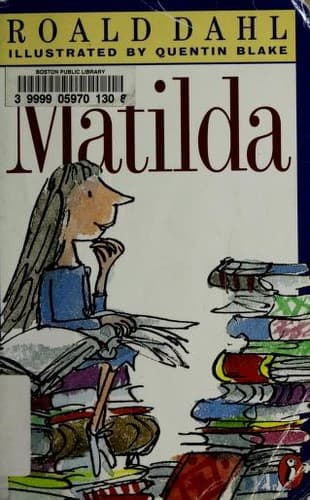
- Matilda
Roald Dahl
4.3 (648k) average on GoodreadsFantasyWhile 'Matilda' also features a child protagonist dealing with deceitful adults and magical elements, its focus is more on justice, intellectual empowerment through reading, and overcoming adversity. Truth-telling in 'Matilda' is often a consequence of Matilda's intelligence and ability to expose wrongdoing, rather than the central magical catalyst that forces truth upon everyone, as in 'The Skull of Truth'. Coville's book directly tackles the mechanics and consequences of truth itself.
- Coraline
Neil Gaiman
4.0 (23k) average on GoodreadsFantasy'Coraline' delves into themes of bravery, the dangers of temptation, and appreciating one's reality through a fantastical journey into an alternate world. While it implicitly touches on the idea of seeing through illusions and recognizing genuine care, it does not foreground the explicit, magical compulsion of truth-telling in the same way 'The Skull of Truth' does. Gaiman's narrative explores psychological horror and the value of home, whereas Coville's is a direct examination of honesty and its impact.
- Harry Potter and the Sorcerer's Stone
J.K. Rowling
4.5 (7M) average on GoodreadsFantasyRescued from a miserable life under the stairs, an orphaned boy discovers he's a wizard destined for a magical school, where he uncovers a dangerous secret tied to the dark wizard who murdered his parents.
- The Hunger Games
Suzanne Collins
4.3 (6.4M) average on GoodreadsFantasyIn a future where children fight to the death on live television, Katniss Everdeen volunteers for the arena, turning a death sentence into a fight for survival and a spark of rebellion.
- 1984
George Orwell
4.2 (3.1M) average on GoodreadsPoliticsIn a future where surveillance and thought control are absolute, a man's search for truth clashes with the Party, showing that hope can be a form of rebellion.





Enjoyed the summary?
A summary gives you the shape of the book. The book itself has the detail, the examples and the voice.
Find The Skull of Truth on AmazonAs an Amazon Associate, BookBrief earns from qualifying purchases. How we're funded