
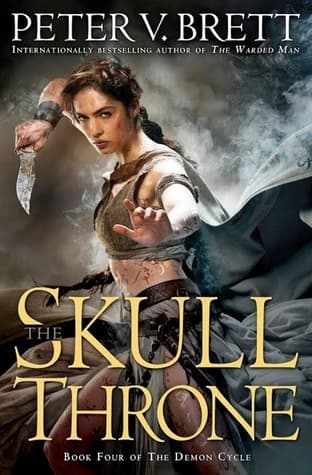
Synopsis
Covers the whole plot, including the ending.
- Difficulty
- Medium
- Pacing
- Variable
- Mood
- Epic, Political, Suspenseful, Dark, Hopeful
- Read it if
- You enjoy epic fantasy with complex political intrigue, multiple POVs, and a constant, escalating threat from monstrous enemies.
- Skip it if
- You dislike lengthy books, intricate world-building, or stories with a large cast of characters and a focus on political maneuvering over constant action.
The Skull Throne Plot Summary
Covers the whole plot, including the ending.
The Empty Throne and Power Vacuum
After the cliff-side duel where Arlen Bales, the Warded Man, pulled Ahmann Jardir into the abyss, both are thought dead. This leaves a large power vacuum, especially in Krasia, where the Skull Throne is empty. Jardir's sons immediately begin to compete for succession, threatening to cause civil war. Inevera, Jardir's first wife and a powerful figure, tries to keep order and prevent open conflict among her ambitious children. Meanwhile, in the Free Cities of Thesa, news of their potential saviors' disappearance spreads, leaving humanity open to the growing demon threat. The political situation becomes a dangerous game, with different groups moving for control.
Inevera's Struggle to Control the Damajah
In Krasia, Inevera faces the task of controlling her sons, each a powerful Damajah with a claim to the Skull Throne. Abban, the manipulative merchant prince, advises her, while figures like Ashan, Jardir's eldest son, and Jayan, a more reckless contender, openly disagree. Inevera knows that a civil war would weaken Krasia and leave them defenseless against the corelings. She uses her authority, political skill, and ancient magic to mediate their disputes, setting up trials of skill and leadership to find a worthy successor without resorting to violence. Her main goal is to protect Jardir's legacy and the unity of the desert people.
Leesha Paper's Political Maneuvers
In Angiers, Leesha Paper, the Herbalist, takes on an important political role. With Duke Thamos unable to rule and her mother, Elona, struggling, Leesha takes responsibility for uniting the Free Cities against the Krasians and the corelings. She travels to Miln, the neighboring duchy, to meet with Duke Gared, hoping to form an important alliance. Leesha faces skepticism and resistance from men, but her intelligence and determination are clear. She tries to convince Gared of the serious threat from the corelings and the need for a united front, all while dealing with the internal politics and rivalries of the Free Cities.
Rojer's Journey and the Minstrel's Role
Rojer Inn, the minstrel, goes with Leesha Paper on her diplomatic mission. His ability to connect with people through music and storytelling makes him very useful. While Leesha handles the official talks with Duke Gared, Rojer uses his music to gather information, understand what common people think, and subtly influence opinions. He meets different people and learns about the growing unrest and fear among the Free Cities' people. Rojer's personal struggles with his past and his feelings for Leesha are also explored, adding emotional depth to his journey.
The Rise of Warding and Demon Attacks
As the leaders argue, the corelings, the demons that trouble humanity, become stronger and more organized. Night attacks happen more often and are more damaging, pushing the Free Cities to their limit. Knowledge of wards, the magical symbols that protect against demons, becomes humanity's most important defense. Leesha, having learned much from Arlen, understands their importance, and her efforts often involve strengthening warding knowledge and practice among the people. The increasing coreling threat is a constant, looming danger, showing the desperate need for unified leadership and a new savior.
Renna's Search and Visions
Renna Bales, Arlen's wife, is sure that Arlen is not dead. Driven by strong belief and a deep emotional connection, she goes on a dangerous journey to find him. During her search, Renna starts to have powerful, unsettling visions, often showing her glimpses of Arlen and Jardir's fates, or giving insights into the corelings' plans. These visions are often fragmented and hard to understand, but they suggest that Arlen and Jardir might still be alive, though in a place beyond human understanding. Her journey is both physical and spiritual, as she deals with her new abilities.
The Lakton Crisis
The wealthy duchy of Lakton, located strategically and relatively unprotected, becomes a central point of conflict. With the Free Cities divided and the Krasians busy with their succession crisis, Lakton is ready for conquest. Different groups, both from the Free Cities and from Krasia, want its resources and strategic position. This situation shows humanity's wider disunity, as internal power struggles prevent a united defense against outside threats. Lakton's fate is uncertain, a symbol of the vulnerability created by the lack of strong, unifying leadership.
The Mind-Demon's Influence
A powerful and subtle mind-demon begins to influence things, subtly manipulating key individuals and events. This demon, able to intrude psychically and suggest ideas, makes existing tensions and rivalries worse, especially among Jardir's sons and within the Free Cities. Its goal is to create discord and prevent humanity from uniting, making them easier prey for the corelings. The mind-demon's presence adds psychological warfare to the story, as characters must deal with physical threats and the subtle corruption of their thoughts and emotions, making trust rare.
Krasian Succession Trials
To prevent an all-out civil war, Inevera plans a series of trials for her sons to prove they are worthy of the Skull Throne. These trials test their leadership, combat skills, and strategic thinking, often involving challenges against corelings or diplomatic missions. Ashan, Jayan, and other sons participate, each with their own strengths and weaknesses. The trials are dangerous and full of political maneuvering, as each son tries to outmaneuver the others, sometimes using dishonest tactics. Inevera hopes a clear successor will emerge, uniting the Damajah and the Krasian people.
The Discovery of Arlen and Jardir's Fate
Through Renna's clearer visions and other clues, the truth about Arlen and Jardir's fate begins to emerge. It is revealed that they were not killed in the fall but were instead taken to the coreling world, the demons' own dimension. They are alive, but trapped, and their experiences there are changing them. This revelation shifts the story's direction, as the focus moves from finding a successor to possibly rescuing or bringing back the two men who might still be humanity's only hope.
Leesha's Growing Influence and the Alliance
Despite initial skepticism, Leesha Paper's intelligence, courage, and strategic thinking gradually earn her the respect of Duke Gared and other leaders. She successfully brokers the alliance between Angiers and Miln, creating a more united front against the corelings and the encroaching Krasian threat. Her role changes from herbalist to an important political and military strategist. Leesha shows her ability to lead and inspire, proving that even without Arlen, humanity has strong figures able to defend themselves. Her growing influence becomes a source of hope amid the growing chaos.
The Return of One of the Lost
In a dramatic turn, one of the two presumed-dead leaders, either Arlen Bales or Ahmann Jardir, makes a return from the coreling world. This return has complications, as the individual is greatly changed by their experiences in the demon dimension. Their reappearance shocks both Krasia and the Free Cities, disrupting existing power dynamics and forcing everyone to re-evaluate their positions. The returnee brings new knowledge about the corelings and their world, but also new challenges and questions about their loyalties and ultimate goals.
The Coreling Offensive
Taking advantage of humanity's disunity and ongoing power struggles, the corelings launch a large, coordinated attack on multiple fronts. This attack is more sophisticated and damaging than previous ones, showing a new level of organization and intelligence among the demons. Cities and towns are besieged, and humanity is pushed to its limits. This large attack reminds everyone of the true enemy and the desperate need for unity, forcing the warring groups to confront the common threat that hangs over all of them, regardless of their internal disputes.
Confrontation and Shifting Alliances
The increasing coreling attack and the return of one of the lost force different groups to face their differences and consider unexpected alliances. Krasians and Free Cities residents, once enemies, find they need to cooperate to survive. Jardir's sons, despite their rivalries, must decide whether to fight each other or unite against the corelings. Leesha's new alliance is tested, and new leaders appear. The lines between friend and foe blur, as humanity's survival becomes the main concern, leading to difficult choices and surprising partnerships.
The Struggle for the Skull Throne Continues
Even with the dramatic events, the struggle for the Skull Throne and humanity's ultimate leadership remains unsolved. The return of one of the lost, while impactful, does not immediately fix all problems. The individual may be changed, their authority questioned, and old rivalries still exist. The book ends with humanity facing an uncertain future, still recovering from the coreling attack and dealing with the question of who will lead them against the darkness. The stage is set for continued conflict, both internal and external, as the world's fate is uncertain.
The Skull Throne Characters
Arlen Bales (The Warded Man)
Protagonist (presumed dead/missing)
The legendary demon-fighter, now lost in the coreling world.
Arlen Bales, once a simple farm boy, became the Warded Man, covered in powerful wards and capable of fighting corelings bare-handed. He is driven by a deep-seated desire to protect humanity and end the demon war. His methods are often unconventional and brutal, making him a divisive figure. He eschews traditional leadership, preferring to act as a solitary protector. His disappearance at the beginning of the book creates the central conflict, as humanity struggles without his unique strength and knowledge.
Relationships: Renna Bales (Wife, deep emotional bond); Ahmann Jardir (Rival and reluctant ally); Leesha Paper (Friend and intellectual partner)
Ahmann Jardir (The Deliverer)
Protagonist (presumed dead/missing)
The Krasian warrior-prophet, now lost alongside Arlen.
Ahmann Jardir is the charismatic and ruthless Deliverer of Krasia, a warrior-prophet who united the desert tribes under his banner. He believes in a strict, divinely ordained path to defeat the corelings, involving the subjugation of the Free Cities. Jardir is a complex figure, both a visionary leader and a conqueror, driven by a fierce devotion to his people and his interpretation of the prophecies. His disappearance, like Arlen's, plunges his nation into chaos, as his sons vie for his empty throne, threatening his legacy of unity.
Relationships: Inevera (First wife and political advisor); Arlen Bales (Rival and reluctant ally); Abban (Trusted advisor)
Inevera
Supporting (Krasian leader)
Jardir's first wife and a powerful matriarch struggling to maintain Krasian unity.
Inevera is Ahmann Jardir's first wife and a formidable figure in her own right. Highly intelligent, politically astute, and possessing a deep understanding of Krasian traditions and magic, she is the true power behind the throne after Jardir's disappearance. Her primary motivation is to preserve Krasia from civil war and ensure a worthy successor ascends the Skull Throne. She navigates the treacherous waters of her sons' ambitions, using wisdom, manipulation, and authority to prevent the complete collapse of her nation. She is a master strategist and a fierce protector of her people.
Relationships: Ahmann Jardir (Husband, respected leader); Abban (Trusted advisor); Ashan, Jayan, etc. (Sons, rivals for the throne)
Leesha Paper
Protagonist (Free Cities leader)
The Herbalist of Angiers, stepping into a political leadership role.
Leesha Paper, once a simple herbalist, has grown into a powerful and respected figure in the Free Cities. Intelligent, resourceful, and deeply compassionate, she takes on the immense responsibility of uniting the disparate duchies against the coreling threat and the encroaching Krasians. She is driven by a desire to protect her people and apply her intellect to solve complex problems. Leesha faces skepticism and patriarchal resistance but proves her worth through diplomatic skill, strategic thinking, and a growing understanding of leadership. Her journey involves navigating political intrigue and inspiring others.
Relationships: Rojer Inn (Close friend and potential romantic interest); Arlen Bales (Mentor and friend); Elona Paper (Mother, complex relationship)
Rojer Inn
Supporting (Free Cities minstrel)
A gifted minstrel whose music holds unexpected power.
Rojer Inn is a talented minstrel with a unique connection to music and people. He possesses an innate empathy and an ability to use his art to soothe, inspire, and subtly influence. Despite his past traumas and personal struggles, Rojer is brave and loyal, accompanying Leesha on her dangerous diplomatic missions. His music is more than entertainment; it's a tool for communication, healing, and even defense against the corelings. He provides a humanizing perspective amidst the grand political struggles, often observing and commenting on the events unfolding around him.
Relationships: Leesha Paper (Close friend and romantic interest); Arlen Bales (Friend and admirer); Briar (Adopted daughter (not directly featured in this summary but relevant))
Renna Bales
Supporting (Seeker of Arlen)
Arlen's wife, gifted with prophetic visions and determined to find him.
Renna Bales is Arlen's wife, a fierce and independent woman who shares a deep, almost psychic bond with him. Driven by an unshakeable belief that Arlen is still alive, she embarks on a personal quest to find him. During her journey, Renna develops powerful, often unsettling, prophetic visions that give her glimpses into Arlen and Jardir's fate and the nature of the coreling world. She is resilient and courageous, willing to face any danger to be reunited with her husband. Her visions provide crucial insights into the broader narrative.
Relationships: Arlen Bales (Husband, deep emotional and psychic bond)
Abban
Supporting (Krasian advisor)
A cunning and pragmatic Krasian merchant prince and advisor.
Abban is a shrewd and opportunistic merchant prince within Krasia, serving as an advisor to Inevera. He is highly intelligent, pragmatic, and always looking for opportunities to increase his wealth and influence. While outwardly loyal to Jardir's legacy, Abban is a master of political maneuvering and self-preservation. He provides Inevera with valuable, albeit often cynical, counsel regarding her sons' succession struggles. His insights into human nature and power dynamics are often accurate, making him a complex and morally ambiguous character.
Relationships: Inevera (Advisor and confidant); Ahmann Jardir (Respected leader, former associate)
Ashan
Supporting (Krasian contender)
Jardir's eldest son, vying for the Skull Throne.
Ashan is Ahmann Jardir's eldest son and a prominent contender for the Skull Throne. He embodies many of his father's warrior qualities but often lacks Jardir's strategic depth and unifying charisma. Ashan is proud, ambitious, and believes he is the rightful heir, often clashing with his brothers. He is a formidable warrior but can be impulsive and susceptible to manipulation. His struggle for the throne is central to the Krasian internal conflict, as he seeks to prove his worth and secure his legacy.
Relationships: Inevera (Mother, political figure); Jayan (Brother, rival)
Jayan
Supporting (Krasian contender)
One of Jardir's sons, a more reckless and aggressive contender for the throne.
Jayan is another of Jardir's sons, characterized by his aggressive nature and a more reckless approach to claiming the Skull Throne. He is often at odds with his elder brother, Ashan, and represents a more volatile element within the Krasian succession crisis. Jayan is driven by ambition and a desire for glory, willing to take risks and challenge authority. His actions often complicate Inevera's attempts to maintain peace and order among her sons, highlighting the deep divisions within the Damajah.
Relationships: Inevera (Mother, political figure); Ashan (Brother, rival)
Duke Gared
Supporting (Free Cities leader)
The Duke of Miln, a skeptical but ultimately pragmatic leader.
Duke Gared is the leader of Miln, a powerful duchy in the Free Cities. He is initially skeptical of Leesha Paper and her warnings, prioritizing the traditional rivalries and political interests of his own duchy. Gared is a pragmatic leader, cautious and wary of outside influence. However, as the coreling threat intensifies and Leesha demonstrates her strategic acumen, he gradually comes to see the necessity of alliance and unity. His character represents the challenge of overcoming ingrained prejudices and rivalries in the face of a common enemy.
Relationships: Leesha Paper (Diplomatic counterpart, eventual ally)
The Skull Throne Themes
Leadership in Crisis
The main theme is the struggle for effective leadership when established heroes are gone. With Arlen and Jardir missing, the novel shows how characters like Inevera and Leesha step up to fill the void. Inevera tries to manage her ambitious sons to prevent civil war in Krasia, while Leesha attempts to unite the divided Free Cities. The story asks whether leadership is about individual strength or the ability to inspire and unite others, especially when facing a threat from the corelings. It highlights the immense pressure and hard choices leaders must make.
“The throne was empty, but the world was not without its queens. And queens, Inevera knew, often had to be crueler than any king.”
The Cost of Disunity
The novel shows the damaging results of internal conflict and disunity when facing a common, powerful enemy. The power vacuum left by Arlen and Jardir's disappearance leads to immediate fighting among Jardir's sons and continued rivalries among the Free Cities. This division makes humanity vulnerable to the increasingly organized and aggressive corelings. The lack of a united front allows the demons to gain ground, as seen in the crisis in Lakton. The theme emphasizes that small arguments ultimately cause greater suffering for everyone.
“While they squabbled over crowns, the corelings devoured their world.”
The Nature of Heroism
This theme explores what it means to be a hero, especially when the usual 'saviors' are absent. The book questions the idea of a single, all-powerful hero by showing how different individuals like Leesha, Rojer, and Inevera, with their varied backgrounds and skills, help humanity survive. Renna's strong belief and search for Arlen also redefine heroism as an act of faith and perseverance. It suggests that heroism can appear in political maneuvering, diplomatic efforts, and personal sacrifice, not just in direct fighting against demons.
“A hero was not just the man who fought the demons, but the woman who held her people together when he was gone.”
Prophecy vs. Free Will
The story continues to deal with the role of prophecy, especially in Krasian culture, versus individual choice. Jardir's empire was built on prophecy, and his sons now interpret or manipulate these prophecies to support their claims to the throne. Inevera, while respecting tradition, also uses her free will and strategic thinking to guide events. Renna's visions add another layer to this, suggesting a predetermined path while characters actively fight for their own choices. This theme asks how much of humanity's fate is set and how much they can change it themselves.
“The prophecies were a road map, not a chain. It was up to them to choose their path.”
Plot Devices & Literary Techniques
The Empty Skull Throne
A powerful symbol of leadership and the central object of conflict.
The Skull Throne, built from the skulls of fallen enemies and infused with ancient magic, represents the ultimate seat of power in Krasia. Its emptiness at the start of the book is a potent symbol of the power vacuum and the resulting chaos. The throne is not just a physical object but a catalyst for the succession crisis, driving Jardir's sons to vie for control and threatening to shatter the fragile unity of Krasia. Its symbolic weight underscores the theme of leadership and the desperate need for a strong, unifying figure.
Prophetic Visions
Renna Bales's ability to see glimpses of the future and past.
Renna Bales develops the ability to experience powerful, often fragmented, prophetic visions. These visions serve as a crucial plot device by providing clues about Arlen and Jardir's fate, the nature of the coreling world, and future events. They build suspense and offer tantalizing hints, guiding Renna's search and informing the reader about unseen developments. This device also ties into the theme of prophecy vs. free will, as characters must interpret and act upon these glimpses of what may come, often with imperfect understanding.
The Coreling World
A mysterious alternate dimension inhabited by demons, where Arlen and Jardir are trapped.
The reveal that Arlen and Jardir were not killed but transported to the coreling world is a major plot device. This introduces an entirely new dimension to the story, expanding the lore and raising the stakes. The coreling world is a place of immense danger and unknown rules, offering a setting for their unseen struggles and transformations. It explains their absence and sets the stage for their eventual, potentially altered, return, adding a layer of mystery and intrigue to their fate and the nature of the demons.
Political Intrigue and Diplomacy
The use of negotiation, alliances, and manipulation to achieve goals.
Political intrigue and diplomacy are central plot devices, particularly in the Free Cities with Leesha's efforts and within Krasia with Inevera's maneuvering. Characters like Leesha must use their intelligence, persuasion, and strategic thinking to forge alliances and overcome rivalries. Inevera employs cunning and tradition to manage her warring sons. This device highlights that conflict is not only fought with swords but also with words and alliances, shaping the course of the war against the corelings and the internal struggles for power.
The Skull Throne Quotes
“The greatest weapon against fear is knowledge.”
“A man's worth isn't in what he has, but in what he does.”
“Sometimes the only way to save someone is to let them go.”
“Hope is a dangerous thing. It can keep you fighting when you should run, and it can blind you to the truth.”
“The world is not fair, and it never will be. But that doesn't mean we shouldn't try to make it better.”
“Power is a burden, not a gift. It demands sacrifice.”
“Even the smallest spark can ignite the greatest fire.”
“True strength isn't about how much you can lift, but how much you can bear.”
“The past is a stubborn beast. It clings to you, no matter how far you run.”
“There are no easy answers, only difficult choices.”
“Trust is earned, not given. And once broken, it's almost impossible to mend.”
“Sometimes, doing nothing is the hardest choice of all.”
“Victory often tastes bitter, especially when bought with the lives of friends.”
“The greatest monsters are not always found in the dark, but in the hearts of men.”
Quiz
10 questions on the plot and the characters. Each answer comes with a short explanation.
Question 1
What significant event occurs at the beginning of 'The Skull Throne' that leaves the titular throne empty?
- Ahmann Jardir is assassinated by a rival Warlord.
- Arlen Bales defeats Jardir in a duel and claims the throne.
- Arlen Bales casts himself and Ahmann Jardir from a precipice during a duel.
- The corelings launch a massive offensive and destroy the Skull Throne.
Show answer
C. Arlen Bales casts himself and Ahmann Jardir from a precipice during a duel. Arlen Bales challenges Ahmann Jardir to a duel. Rather than risk defeat, Arlen casts them both from a precipice, leaving the Skull Throne empty and their fates unknown.
Question 2
Which character is tasked with preventing civil war among Jardir's sons in the south?
- Leesha Paper
- Renna Bales
- Inevera
- Rojer Inn
Show answer
C. Inevera Inevera, Jardir’s first wife, must find a way to keep their sons from killing each other and plunging their people into civil war as they strive for glory enough to make a claim on the throne.
Question 3
What is the primary purpose of the Skull Throne, as described in the book's synopsis?
- To serve as a symbol of peace between the Free Cities and Krasia.
- To keep the demon corelings at bay and unify humanity against them.
- To store ancient Wards for future generations.
- To facilitate trade routes between the Northern and Southern lands.
Show answer
B. To keep the demon corelings at bay and unify humanity against them. The Skull Throne is described as a seat of honor and ancient, powerful magic, keeping the demon corelings at bay, and was meant to be used by Jardir to conquer the known world and forge a unified army against the demons.
Question 4
Which two characters are working to forge an alliance between the duchies of Angiers and Miln in the north?
- Arlen Bales and Renna Bales
- Leesha Paper and Rojer Inn
- Inevera and Ahmann Jardir
- Krasian Warlords
Show answer
B. Leesha Paper and Rojer Inn In the north, Leesha Paper and Rojer Inn struggle to forge an alliance between the duchies of Angiers and Miln against the Krasians before it is too late.
Question 5
What is the status of the corelings at the beginning of 'The Skull Throne'?
- They have been largely eradicated by Arlen and Jardir.
- They are growing stronger due to the absence of Arlen and Jardir.
- They have retreated to the Core, posing no immediate threat.
- They have formed an alliance with one of Jardir's sons.
Show answer
B. They are growing stronger due to the absence of Arlen and Jardir. The synopsis states, 'All the while, the corelings have been growing stronger, and without Arlen and Jardir there may be none strong enough to stop them.'
Question 6
Why is the duchy of Lakton described as 'ripe for conquest' in the narrative?
- It possesses unique Wards that others desire.
- It has declared war on both Angiers and Miln.
- It is rich and unprotected, caught in the crossfire of the conflict.
- It is home to a powerful coreling nest.
Show answer
C. It is rich and unprotected, caught in the crossfire of the conflict. The synopsis explicitly states: 'Caught in the crossfire is the duchy of Lakton--rich and unprotected, ripe for conquest.'
Question 7
What is the primary conflict facing Inevera in the south?
- Fighting off coreling incursions without Jardir's leadership.
- Preventing a civil war among her sons vying for the Skull Throne.
- Forming an alliance with the Free Cities against the demons.
- Locating Arlen Bales and Ahmann Jardir.
Show answer
B. Preventing a civil war among her sons vying for the Skull Throne. Inevera's immediate challenge is to manage the succession crisis: 'Inevera, Jardir’s first wife, must find a way to keep their sons from killing each other and plunging their people into civil war as they strive for glory enough to make a claim on the throne.'
Question 8
What was Ahmann Jardir's original goal from atop the Skull Throne?
- To establish a permanent peace treaty with the corelings.
- To conquer the known world and unify its peoples into an army to end the demon war.
- To dismantle the Skull Throne and redistribute its power.
- To find a way to bring Arlen Bales to his side peacefully.
Show answer
B. To conquer the known world and unify its peoples into an army to end the demon war. The synopsis states: 'From atop the throne, Ahmann Jardir was meant to conquer the known world, forging its isolated peoples into a unified army to rise up and end the demon war once and for all.'
Question 9
What is the significance of the Skull Throne being built from 'skulls of fallen generals and demon princes'?
- It signifies a past era of human-demon cooperation.
- It highlights its history as a seat of honor and ancient, powerful magic, connected to both human and demon conflict.
- It indicates a future where demons will sit on the throne.
- It is purely decorative and holds no magical significance.
Show answer
B. It highlights its history as a seat of honor and ancient, powerful magic, connected to both human and demon conflict. The description 'Built from the skulls of fallen generals and demon princes, it is a seat of honor and ancient, powerful magic' emphasizes its deep historical and magical connection to the ongoing war between humanity and corelings, including vanquished foes from both sides.
Question 10
Who is mentioned as possibly knowing more about the fate of Arlen and Jardir, but has also disappeared?
- Inevera
- Leesha Paper
- Renna Bales
- Rojer Inn
Show answer
C. Renna Bales The synopsis concludes by stating: 'Only Renna Bales may know more about the fate of the missing men, but she, too, has disappeared...'
The Skull Throne FAQ
What is the central conflict driving the plot of 'The Skull Throne'?
The central conflict revolves around the power vacuum created by the disappearance of Ahmann Jardir and Arlen Bales. This absence triggers a fierce succession struggle among Jardir's sons in Krasia, threatening civil war, while in the North, the Free Cities like Angiers and Miln scramble to form alliances against potential Krasian invasion and the ever-growing threat of the corelings.
How does Inevera attempt to maintain stability and control in Krasia after Jardir's disappearance?
Inevera, Jardir's first wife, endeavors to prevent her sons from engaging in a fratricidal war for the Skull Throne. She manipulates their ambitions and rivalries, using her political acumen and deep understanding of Krasian traditions to guide them, attempting to find a suitable successor who can unite their people and continue Jardir's vision.
What role do Leesha Paper and Rojer Inn play in the northern Free Cities?
Leesha Paper and Rojer Inn are instrumental in attempting to forge an alliance between the northern duchies, specifically Angiers and Miln. They recognize the imminent threat posed by Krasia's potential expansion and the escalating coreling attacks, working tirelessly to overcome historical rivalries and unite the disparate duchies before it's too late.
What is the significance of the duchy of Lakton in the ongoing conflict?
Lakton is portrayed as a wealthy but unprotected duchy, making it a prime target for conquest by either the warring Krasian factions or the encroaching corelings. Its strategic and economic value means it will likely be caught in the crossfire, serving as a critical battleground or a prize for whichever power can seize it.
How has the coreling threat evolved since Arlen and Jardir's disappearance?
With the two most powerful defenders of humanity gone, the corelings have grown significantly stronger and more brazen. Their attacks are more frequent, more organized, and penetrate deeper into human territories, indicating a dangerous escalation that humanity, without its champions, is ill-equipped to handle.
What hints are given about the fate of Arlen Bales and Ahmann Jardir?
The book explicitly states that Arlen cast both himself and Jardir from a precipice. While their immediate fate is unknown, Renna Bales is suggested to hold crucial information regarding their disappearance, implying they may not be dead but rather in some unknown state or location, possibly linked to the Hollow or another dimension.
What is the nature of the 'ancient, powerful magic' associated with the Skull Throne?
The Skull Throne is not merely a symbolic seat but a nexus of potent magic, built from the skulls of powerful beings. It serves as a conduit for warding magic and potentially other abilities, crucial for keeping the corelings at bay and imbuing its rightful wielder with immense power, making it a critical strategic asset.
How do the various Krasian sons interpret Jardir's legacy in their quest for the throne?
Each of Jardir's sons interprets his father's legacy differently, often twisting it to justify their own ambition and claim to the Skull Throne. Some emphasize his divinely appointed role as Shar'Dama Ka, while others focus on his military prowess or political acumen, using these interpretations to rally support and discredit their brothers.
What hidden connections or prophecies might Renna Bales be privy to regarding Arlen and Jardir?
Renna Bales, having shared a unique bond with Arlen and possibly possessing her own innate connection to the Wards or the corelings, is hinted to know more than others. Her disappearance suggests she might be actively searching for them, or perhaps was taken to a place where the truth of their fate is revealed, possibly related to the coreling queens or deeper demon lore.
How does the pressure of succession impact the psychological states of Jardir's sons?
The immense pressure of succession warps the psychological states of Jardir's sons, driving them to paranoia, ruthless ambition, and fratricidal tendencies. Their desire for glory and validation, coupled with the rigid Krasian code of honor, pushes them to extreme actions, often sacrificing loyalty and family for power.
Analyze Inevera's psychological approach to manipulating her sons.
Inevera employs a sophisticated psychological approach, understanding each son's strengths, weaknesses, and deepest desires. She leverages their individual pride, fear of failure, and respect for Krasian tradition, often pitting them against each other subtly while maintaining a facade of maternal concern, all to prevent outright civil war and secure her own influence.
How do Leesha Paper and Rojer Inn cope with the immense stress and despair of their situation?
Leesha Paper and Rojer Inn grapple with immense stress through their dedication to their respective roles and their unwavering belief in humanity's potential. Leesha relies on her intellect and healing skills, while Rojer channels his anxieties into his music and leadership, both finding solace and strength in their shared purpose and their bond.
What psychological impact does the escalating coreling threat have on the general populace?
The escalating coreling threat induces widespread fear, despair, and a sense of helplessness among the populace. This psychological toll leads to increased paranoia, social unrest, and a desperate search for strong leadership, making them vulnerable to charismatic figures but also prone to infighting and distrust.
Is the duel between Arlen and Jardir truly a failure, or a necessary catalyst for change?
The duel between Arlen and Jardir can be interpreted as both a failure and a catalyst. While it removed the two strongest leaders, plunging the world into chaos, it also forced humanity to confront its divisions and the coreling threat without a single 'savior,' potentially leading to a more unified, self-reliant defense in the long run.
Could Jardir's vision of a unified world under Krasian rule have truly ended the demon war, or was Arlen's resistance justified?
Jardir's vision of a unified world under Krasian rule might have brought a swift, if brutal, end to the demon war through sheer force. However, Arlen's resistance was justified by the potential for widespread oppression and loss of individual freedoms under such a regime. The debate lies in whether the cost of freedom was worth the delay in defeating the corelings.
What does the struggle for the Skull Throne reveal about the nature of power and leadership in Krasia?
The struggle for the Skull Throne highlights that in Krasia, power and leadership are intrinsically linked to perceived divine favor, martial prowess, and the ability to command unwavering loyalty through fear and respect. It reveals a system where ambition often trumps diplomacy, and the throne itself holds a mystical authority that transcends mere political office.
How might the disappearance of Arlen and Jardir ultimately serve a greater purpose in the narrative?
Their disappearance might serve a greater narrative purpose by allowing other characters like Leesha, Rojer, and Inevera to develop into stronger, more independent leaders. It forces the world to adapt and find new solutions, potentially leading to a more diverse and resilient form of resistance against the corelings, rather than relying on two singular champions.
Is the concept of 'savior' in this world a beneficial or detrimental idea for humanity?
The concept of a 'savior' is presented as both beneficial and detrimental. While figures like Arlen and Jardir offered hope and leadership, their singular focus also created a dependency that left humanity vulnerable when they disappeared. It suggests that true salvation may lie in collective action and self-reliance rather than relying on one individual.
About the author

Peter V. Brett is an American author known for his contributions to the fantasy genre. His notable works include The Warded Man, The Desert Spear, The Daylight War, The Skull Throne, and The Core, which together form the Demon Cycle series. Brett's writing often explores themes of survival and the human spirit in a world threatened by dark forces.
Similar books
- The Name of the Wind
Patrick Rothfuss
4.5 (716k) average on GoodreadsFantasyFeatures a richly detailed world and a blend of magic and political undertones.
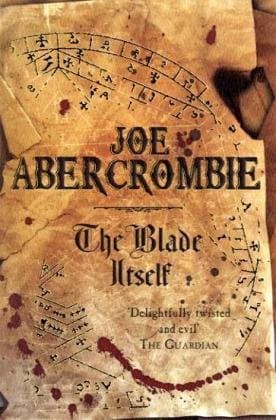
- The Blade Itself
Joe Abercrombie
4.2 (165k) average on GoodreadsFantasyKnown for its gritty tone, multiple character perspectives, and political machinations.
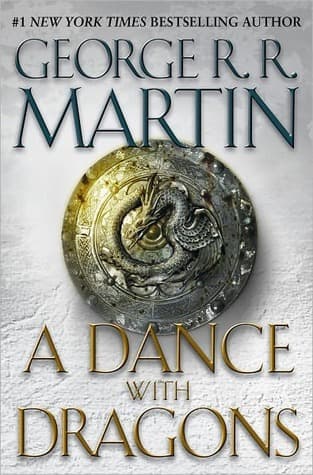
- A Dance with Dragons
George R.R. Martin
4.3 (556k) average on GoodreadsFantasyOffers a sprawling narrative with political succession crises and a large cast fighting for power.
- Harry Potter and the Sorcerer's Stone
J.K. Rowling
4.5 (7M) average on GoodreadsFantasyRescued from a miserable life under the stairs, an orphaned boy discovers he's a wizard destined for a magical school, where he uncovers a dangerous secret tied to the dark wizard who murdered his parents.
- The Hunger Games
Suzanne Collins
4.3 (6.4M) average on GoodreadsFantasyIn a future where children fight to the death on live television, Katniss Everdeen volunteers for the arena, turning a death sentence into a fight for survival and a spark of rebellion.
- 1984
George Orwell
4.2 (3.1M) average on GoodreadsPoliticsIn a future where surveillance and thought control are absolute, a man's search for truth clashes with the Party, showing that hope can be a form of rebellion.




Enjoyed the summary?
A summary gives you the shape of the book. The book itself has the detail, the examples and the voice.
Find The Skull Throne on AmazonAs an Amazon Associate, BookBrief earns from qualifying purchases. How we're funded