

Synopsis
Covers the whole plot, including the ending.
- Difficulty
- Medium
- Pacing
- Moderate
- Mood
- Suspenseful, Thought-provoking, Intense, Redemptive
- Read it if
- You enjoy legal thrillers that expose corporate greed and highlight social justice issues.
- Skip it if
- You prefer fantasy or sci-fi over realistic legal dramas.
The Street Lawyer Plot Summary
Covers the whole plot, including the ending.
The Hostage Crisis
Michael Brock, a rising lawyer at the D.C. firm Drake & Sweeney, is in a meeting when a homeless man named DeVon Hardy storms into the conference room. Hardy takes Michael and eight other lawyers hostage. Armed, Hardy demands to speak to the managing partners, accusing the firm of evicting his family. The situation escalates, leading to a standoff with police. An FBI sniper eventually kills Hardy, but not before he reveals a file number and mentions 'Riverton' and '999'. This traumatic event deeply affects Michael, making him think about homelessness and the firm's possible involvement.
The Aftermath and Lingering Questions
After the hostage crisis, Michael struggles to return to his normal life. Hardy's image and desperate accusations stay with him. Driven by unease and a need for answers, Michael quietly investigates Hardy. He learns Hardy was a mentally ill veteran who had been in shelters. His family had been evicted from a building owned by a client of Drake & Sweeney. Michael's initial questions raise suspicion among his colleagues and superiors, especially partners in real estate law.
Uncovering the Riverton Project
Michael's investigation leads him to a pro bono legal clinic for the homeless, where he meets Mordecai Green, a dedicated street lawyer. Mordecai helps Michael understand homelessness and introduces him to the Riverton Project. Michael uncovers a truth: Drake & Sweeney, through a shell corporation, illegally evicted thousands of poor families from a condemned building called Riverton Terrace. The firm then demolished the building to sell the land for a profitable development, leaving former residents, including DeVon Hardy's family, with nowhere to go.
Confronting the Firm
With this information, Michael confronts his senior partners, especially Braden Chance, a powerful lawyer involved in the Riverton Project. Michael expects them to be horrified and to fix the situation, but they dismiss him, threaten him, and try to discredit him. The partners care more about the firm's reputation and profits than about the injustice. Realizing he cannot fight them from within, Michael makes a drastic decision: he secretly copies important documents about the Riverton Project before resigning from Drake & Sweeney.
Joining the Street Lawyers
Michael's resignation from Drake & Sweeney is a major turning point. He gives up his career, apartment, and comfortable life to join Mordecai Green's legal clinic, a small, underfunded organization helping the homeless. Michael, now a 'street lawyer,' begins to immerse himself in the difficult work of advocating for the marginalized. He learns the realities of life on the streets, the bureaucratic hurdles, and the human cost of poverty and homelessness, finding a new purpose for his legal skills.
The Search for the Riverton Victims
With the stolen files, Michael and the clinic staff, including Mordecai and social worker Sofia, begin the hard task of finding the thousands of families illegally evicted from Riverton Terrace. This involves sorting through old records, visiting shelters, and canvassing streets. The process is slow and discouraging, as many former residents are scattered, distrustful, or have disappeared. The goal is to gather enough evidence and find enough victims to build a class-action lawsuit against Drake & Sweeney.
Legal Battles and Intimidation
Drake & Sweeney, angry about Michael's betrayal and the stolen documents, starts a campaign of intimidation. They accuse Michael of theft and misconduct, trying to revoke his law license. Braden Chance uses his influence to obstruct the clinic's efforts, making it hard to gather information and find witnesses. Michael and the clinic staff face constant legal threats and harassment, but they remain determined, driven by their commitment to justice for the Riverton victims. The stakes are very high, as the powerful firm uses all its resources to protect its reputation.
The Class Action Lawsuit
Despite immense pressure and challenges, Michael and Mordecai gather enough evidence and find many former Riverton residents. They file a class-action lawsuit against Drake & Sweeney, accusing the firm of conspiracy, fraud, and illegal eviction. The lawsuit gets media attention, bringing the scandal to public view and forcing Drake & Sweeney to address the allegations. The legal battle is fierce, pitting the small clinic against one of the country's most powerful law firms, with millions of dollars and countless lives at stake.
Personal Sacrifices and Growing Relationships
Michael's transformation is both professional and personal. He divorces his estranged wife, Claire, who cannot understand his new life. He forms a close bond with Sofia, the compassionate social worker at the clinic, finding comfort and shared purpose. His relationship with Mordecai grows into a mentorship, and he learns about empathy, resilience, and true justice. Michael leaves his materialistic past, embracing a simpler, more meaningful existence, finding fulfillment in helping others instead of pursuing corporate success.
The Settlement and Justice
Facing strong evidence and public scrutiny, Drake & Sweeney is forced to settle the class-action lawsuit. While the exact terms are not fully detailed, it results in significant compensation for the Riverton victims, providing financial relief and acknowledging the injustice they suffered. The settlement also includes housing assistance and other support services, offering a chance for the displaced families to rebuild their lives. Michael, Mordecai, and Sofia celebrate this victory, knowing they made a tangible difference.
New Beginnings
After the settlement, Michael stays dedicated to the legal clinic and its mission. He has found his true calling, leaving behind the pursuit of corporate power and wealth. He continues to work with Mordecai and Sofia, advocating for the rights of the homeless and marginalized. The experience fundamentally changed him, transforming him from an ambitious lawyer into a compassionate advocate for social justice. Michael's journey ends with an understanding that true success is serving others and fighting for what is right, regardless of personal cost.
The Street Lawyer Characters
Michael Brock
Protagonist
A high-powered corporate lawyer who becomes an advocate for the homeless.
Michael Brock is initially a driven, ambitious associate at Drake & Sweeney, focused on climbing the corporate ladder and achieving partnership. He is intelligent, skilled, and initially oblivious to the suffering outside his privileged world. The hostage crisis acts as a catalyst, forcing him to confront his conscience and the ethical implications of his firm's actions. He possesses a strong moral compass that, once activated, compels him to seek justice, even at great personal cost. He is courageous in his convictions, willing to sacrifice everything for what he believes is right.
Relationships: Claire (Estranged wife, leading to divorce due to differing values.); Mordecai Green (Mentor and colleague, guiding Michael into street law.); Sofia (Colleague and romantic interest, sharing a common purpose.)
Mordecai Green
Supporting
The wise and dedicated founder of a legal clinic for the homeless.
Mordecai Green is a seasoned and deeply compassionate 'street lawyer' who runs a small legal clinic for the homeless. He is a pragmatic idealist, understanding the systemic challenges while tirelessly fighting for individual rights. Mordecai is patient, wise, and provides Michael with invaluable mentorship and a moral compass in his new world. He embodies resilience and unwavering dedication to the marginalized, having committed his life to a cause often overlooked by mainstream society. He is a guiding force for Michael, teaching him the realities and rewards of street law.
Relationships: Michael Brock (Mentor and colleague, providing guidance and support.)
Braden Chance
Antagonist
A ruthless and powerful senior partner at Drake & Sweeney.
Braden Chance is a senior partner at Drake & Sweeney, deeply involved in the firm's real estate dealings, including the Riverton Project. He is intelligent, cunning, and utterly ruthless, prioritizing profit and the firm's reputation above all else. Chance embodies the corrupting influence of unchecked power and greed, using his legal expertise to exploit the vulnerable. He is Michael's primary adversary, actively working to suppress the truth and discredit Michael's efforts, showcasing a cold indifference to human suffering. He represents the systemic injustice Michael fights against.
Relationships: Michael Brock (Adversary, representing opposing ethical and moral stances.)
Sofia
Supporting
A compassionate social worker at Mordecai's legal clinic.
Sofia is a dedicated and empathetic social worker at Mordecai Green's legal clinic. She works tirelessly with the homeless population, understanding their struggles and advocating for their needs beyond just legal issues. She is practical, resilient, and possesses a deep well of compassion, often serving as a bridge between the legal world and the human stories of the clients. Sofia helps Michael navigate the complexities of working with the homeless, offering him emotional support and a deeper understanding of the human element of their cause. She becomes a significant personal connection for Michael.
Relationships: Michael Brock (Colleague and romantic interest, sharing a common purpose.); Mordecai Green (Colleague, working together at the clinic.)
DeVon Hardy
Mentioned
The homeless veteran who takes hostages at Drake & Sweeney.
DeVon Hardy is the mentally ill, homeless veteran whose desperate act of taking hostages at Drake & Sweeney sets the entire plot in motion. Though he is killed early in the story, his plight and his accusations about his family's eviction resonate deeply with Michael. Hardy represents the voiceless and forgotten victims of systemic injustice, and his tragic story becomes the catalyst for Michael's transformation. He is a symbol of the profound human cost of corporate greed and indifference, and his memory fuels Michael's quest for justice.
Relationships: Michael Brock (His actions directly impact Michael's life and career.)
Claire
Supporting
Michael's estranged wife.
Claire is Michael's estranged wife, a woman who initially shared his corporate ambitions but ultimately cannot comprehend or accept his radical shift in values. She represents the comfortable, materialistic world Michael leaves behind. Her inability to understand his commitment to the homeless highlights the vast chasm between their moral priorities. While not malicious, her character serves to emphasize the profound personal sacrifices Michael makes and the loneliness of his initial journey, as he loses his old life, including his marriage, in pursuit of his new calling.
Relationships: Michael Brock (Estranged wife, leading to divorce.)
Lyle
Supporting
A street person who befriends Michael.
Lyle is one of the homeless individuals Michael encounters and befriends after joining the clinic. He is a pragmatic and resourceful street person who offers Michael insights into the daily struggles and realities of life on the streets. Lyle represents the human face of homelessness, providing Michael with a personal connection to the people he is fighting for. He is an example of resilience and survival in difficult circumstances, and his interactions with Michael help to ground the lawyer's understanding of the community he now serves. Lyle's street smarts are often invaluable.
Relationships: Michael Brock (Friend and client, providing insights into homeless life.)
The Street Lawyer Themes
Social Justice vs. Corporate Greed
This is the novel's main conflict, placing Drake & Sweeney's pursuit of profit and power against the basic human rights of the homeless. The Riverton Project shows corporate greed, where thousands are illegally evicted for a profitable development. Michael's journey shows the fight for social justice, as he gives up his career to help the marginalized. The story highlights the contrast between the firm's lavish lives and the desperate lives of the homeless, making readers confront the ethical issues of unchecked capitalism. The narrative suggests that true justice often means challenging powerful institutions.
“You can't save the world, Michael, but you can save a few people. That's good enough.”
Redemption and Transformation
Michael Brock's character arc explores redemption. Initially, he is a self-absorbed corporate lawyer, unaware of suffering. The hostage crisis acts as a catalyst, forcing him to see his moral blindness. His decision to leave Drake & Sweeney and dedicate his life to the homeless is an act of redemption, showing a complete change in his values. He leaves his materialistic past, finds purpose in service, and redefines his understanding of success and fulfillment. His journey shows that even those deep in a flawed system can find a path to moral awakening.
“He was a rising star with no time to waste, no time to stop, no time to toss a few coins into the cups of panhandlers. No time for a conscience.”
The Plight of the Homeless
The novel clearly portrays the harsh realities, challenges, and human dignity of the homeless. Through Michael's time at the street law clinic, readers see the daily struggles, bureaucratic hurdles, mental health issues, and dehumanization experienced by those living on the streets. The story emphasizes that homelessness is not just an individual failing but often a result of systemic failures and corporate indifference, as seen with the Riverton evictions. The narrative aims to build empathy and understanding for a population often ignored or stereotyped, giving voice to their struggles and advocating for their rights.
“The streets were full of stories, and all of them were sad.”
The Power of the Law (for good and ill)
The novel shows the dual nature of the legal system: its capacity for both injustice and powerful advocacy. Drake & Sweeney manipulates the law through shell corporations and loopholes to commit illegal evictions and protect profits, showing the law's potential for corruption. Conversely, Michael and Mordecai use the law for justice, fighting for the rights of the dispossessed through class-action lawsuits and pro bono work. The story illustrates that the law itself is neutral; its impact depends on the ethics and intentions of those who use it, highlighting the importance of legal professionals using their skills for ethical ends.
“The law, like a sword, could cut both ways.”
Plot Devices & Literary Techniques
Inciting Incident: The Hostage Crisis
A violent event that forces the protagonist to confront his moral compass.
The hostage crisis at Drake & Sweeney is the pivotal inciting incident that shatters Michael Brock's complacent world. DeVon Hardy's desperate act forces Michael to witness the direct consequences of societal neglect and corporate greed. This traumatic event acts as a powerful catalyst, igniting Michael's conscience and compelling him to investigate the truth behind Hardy's accusations. Without this shocking confrontation, Michael would likely have continued his ascent up the corporate ladder, remaining oblivious to the injustices his firm perpetrated. It sets him on a path of radical transformation and moral reckoning.
The Stolen Files (MacGuffin/Plot Catalyst)
Crucial documents that propel the investigation and legal battle.
The confidential files Michael copies from Drake & Sweeney, detailing the Riverton Project, serve as both a MacGuffin and a crucial plot catalyst. While their specific contents are not always fully detailed, their existence and Michael's possession of them are essential for building the case against the firm. These files represent the concrete evidence needed to expose Drake & Sweeney's wrongdoing and provide the legal clinic with the ammunition to pursue a class-action lawsuit. They also create a direct conflict, as Drake & Sweeney aggressively pursues Michael for their return, escalating the stakes of the narrative.
Mentor Figure: Mordecai Green
A wise and experienced guide who helps the protagonist navigate a new world.
Mordecai Green functions as a classic mentor figure for Michael Brock. He introduces Michael to the realities of street law, provides guidance on navigating the challenges of working with the homeless, and offers ethical counsel. Mordecai's wisdom, patience, and unwavering commitment to justice help Michael shed his corporate mindset and embrace his new calling. He teaches Michael that meaningful legal work is not about wealth or power, but about serving the vulnerable. Mordecai's presence is crucial for Michael's transformation, providing him with the knowledge and support needed to succeed in his new role.
Moral Dilemma
The protagonist faces a choice between personal gain and ethical action.
Michael Brock faces a profound moral dilemma early in the story: continue his comfortable, lucrative career at a firm he knows is corrupt, or sacrifice everything to fight for justice for the victims of that corruption. This dilemma is central to his character arc. His choice to leave Drake & Sweeney and steal the files is a definitive break from his past, demonstrating his commitment to ethical action over personal gain. This internal conflict drives much of his initial struggle and defines his transformation, forcing him to weigh his conscience against his professional future and personal security.
The Street Lawyer Quotes
“It was a Monday morning, and Michael Brock was not thinking about the homeless.”
“He was a street lawyer now, whether he liked it or not.”
“The law was supposed to be blind, but it had a way of seeing only what it wanted to see.”
“There are two types of lawyers in this world: those who make a lot of money and those who actually help people.”
“The poor had no voice, no power, and certainly no money to hire real lawyers.”
“He had traded a corner office for a folding chair, a high-rise view for a street-level reality.”
“Sometimes the only way to get justice is to make a lot of noise.”
“The law was a weapon, and it could be used for good or for evil.”
“He was learning that true power wasn't in wealth or status, but in the ability to make a difference.”
“The homeless weren't statistics; they were people, with stories and dreams, just like everyone else.”
“Fear was a powerful motivator, but so was injustice.”
“He felt a strange sense of freedom, a lightness he hadn't known in years, perhaps ever.”
“The biggest lies are often told in the quietest voices, by those in power.”
“Sometimes you have to break the rules to do what's right.”
Quiz
10 questions on the plot and the characters. Each answer comes with a short explanation.
Question 1
What is Michael's primary motivation at the beginning of the novel, before the incident?
- To help the less fortunate and advocate for justice.
- To climb the corporate ladder at Drake & Sweeney and become a partner.
- To expose corruption within the legal system.
- To research the lives of homeless individuals in D.C.
Show answer
B. To climb the corporate ladder at Drake & Sweeney and become a partner. The excerpt clearly states Michael was 'scrambling up the ladder at Drake & Sweeney' and 'a partnership was three years away,' indicating his focus on career advancement.
Question 2
What event fundamentally changes Michael's perspective and life trajectory?
- He witnesses a major fraud committed by a client of Drake & Sweeney.
- He is assigned a pro bono case representing a homeless person.
- A violent encounter with a homeless man, in which his assailant dies.
- He discovers his firm is involved in illegal insider trading.
Show answer
C. A violent encounter with a homeless man, in which his assailant dies. The text states, 'But a violent encounter with a homeless man stopped him cold. Michael survived; his assailant did not,' marking the turning point.
Question 3
What specific detail does Michael learn about the homeless man who attacked him?
- He was a former client of Drake & Sweeney.
- He was a mentally ill veteran who had been in and out of shelters.
- He was a former employee of a company Michael was suing.
- He was a relative of one of Michael's colleagues.
Show answer
B. He was a mentally ill veteran who had been in and out of shelters. Michael's digging revealed the man 'was a mentally ill veteran who'd been in and out of shelters for many years.'
Question 4
What is the 'dirty secret' Michael uncovers, and how is it connected to his firm?
- Drake & Sweeney was illegally evicting tenants to develop luxury condos.
- Drake & Sweeney was representing a corrupt politician.
- Drake & Sweeney was involved in a secret that affected the homeless.
- Drake & Sweeney was laundering money for a drug cartel.
Show answer
C. Drake & Sweeney was involved in a secret that affected the homeless. The text states, 'Then Michael dug a little deeper, and found a dirty secret, and the secret involved Drake & Sweeney,' implying a connection to the homeless situation he was investigating.
Question 5
What action does Michael take immediately after discovering the 'dirty secret'?
- He confronts the senior partners of Drake & Sweeney with his findings.
- He leaks the information to the press.
- He bolts the firm and takes a top-secret file with him.
- He attempts to sue Drake & Sweeney from within the firm.
Show answer
C. He bolts the firm and takes a top-secret file with him. The excerpt explicitly states, 'Michael bolted the firm and took a top-secret file with him.'
Question 6
What new role does Michael adopt after leaving Drake & Sweeney?
- He becomes a government prosecutor.
- He becomes a private investigator.
- He becomes an advocate for the homeless, a street lawyer.
- He retires from law entirely and leaves D.C.
Show answer
C. He becomes an advocate for the homeless, a street lawyer. After leaving the firm, Michael 'landed in the streets, an advocate for the homeless, a street lawyer.'
Question 7
The phrase 'No time for a conscience' at the beginning of the excerpt foreshadows what major character development?
- Michael will become even more ruthless and ambitious.
- Michael will eventually develop a strong moral compass and act on it.
- Michael will leave the legal profession due to ethical conflicts.
- Michael will be forced to make an impossible choice that compromises his integrity.
Show answer
B. Michael will eventually develop a strong moral compass and act on it. The initial lack of conscience is starkly contrasted by his later actions of leaving a prestigious firm and becoming an advocate for the homeless, driven by moral conviction.
Question 8
By taking a 'top-secret file' from Drake & Sweeney, what legal and ethical implication is highlighted about Michael's new path?
- He is committing a crime, which complicates his moral standing as an advocate.
- He is merely protecting evidence that would otherwise be destroyed.
- He is following standard legal procedure for whistleblowers.
- He is acting under the direct instruction of law enforcement.
Show answer
A. He is committing a crime, which complicates his moral standing as an advocate. The final line 'And a thief' directly labels his action of taking the file as illicit, highlighting the ethical complexities of his new role.
Question 9
What does the phrase 'The fast track derailed; the ladder collapsed' symbolize for Michael?
- His career at Drake & Sweeney ended abruptly and permanently.
- He decided to take a sabbatical from his legal career.
- His firm went bankrupt, forcing him to seek new employment.
- He was demoted within the firm due to poor performance.
Show answer
A. His career at Drake & Sweeney ended abruptly and permanently. This metaphorical language signifies the complete and irreversible end of his previous career path and aspirations at the firm.
Question 10
The juxtaposition of Michael's initial indifference to 'panhandlers' and his later role as a 'street lawyer' highlights which central theme of the novel?
- The inherent corruption of large law firms.
- The power of individual transformation and social responsibility.
- The difficulty of balancing personal ambition with professional ethics.
- The prevalence of mental illness among the homeless population.
Show answer
B. The power of individual transformation and social responsibility. Michael's journey from ignoring the homeless to becoming their advocate is a powerful illustration of personal change and embracing social responsibility.
The Street Lawyer FAQ
What pivotal event forces Michael Brock to re-evaluate his career and life choices at Drake & Sweeney?
Michael's life takes a drastic turn after a violent hostage situation at his law firm. A homeless man, driven by desperation, takes several lawyers hostage, including Michael. Though Michael survives, the assailant is killed, forcing Michael to confront the realities of poverty and injustice he had previously ignored.
Who is the homeless man who instigates the hostage crisis, and what is his connection to Drake & Sweeney?
The homeless man is DeVon Hardy, a mentally ill veteran. Michael discovers that Drake & Sweeney was involved in a shady real estate deal years prior, which illegally evicted hundreds of tenants from a building, including Hardy's family, leading directly to their homelessness and Hardy's subsequent mental decline.
What 'dirty secret' does Michael uncover about Drake & Sweeney, and how does it relate to the homeless population?
Michael uncovers that Drake & Sweeney, years ago, represented a developer who illegally evicted hundreds of low-income tenants from a building in a slum area, intending to redevelop it. The firm then buried the evidence of their illegal actions, leaving these families, including DeVon Hardy's, destitute and homeless.
What extreme action does Michael take after discovering the firm's secret, and what are the immediate consequences?
Michael steals a confidential file containing incriminating evidence about the illegal evictions from Drake & Sweeney. This act makes him a fugitive and forces him to abandon his lucrative career, his apartment, and his wife, Claire, to immerse himself in the world of street law and advocacy for the homeless.
Who is Mordecai Green, and what role does he play in Michael's transformation?
Mordecai Green is the director of the 14th Street Legal Clinic, a small, underfunded organization dedicated to helping the homeless. He becomes Michael's mentor and employer, guiding him through the complexities of street law and helping him understand the systemic issues that perpetuate homelessness, providing a new purpose for Michael.
How does Claire, Michael's wife, react to his sudden career change and radical new lifestyle?
Claire, initially shocked and dismayed, struggles to understand Michael's dramatic shift from a high-powered corporate lawyer to a street advocate. Their relationship becomes strained, as she fears for his safety and resents his abandonment of their shared life and aspirations, leading to significant marital conflict.
What is the significance of the specific file Michael steals from Drake & Sweeney?
The stolen file, referred to as the 'Black File,' contains the original settlement agreement and other documents proving Drake & Sweeney's complicity in the illegal eviction of the tenants from the 'River Oaks' project. It is the key piece of evidence needed to expose the firm and potentially sue them for damages.
Are there any subtle clues early in the narrative that hint at Michael's underlying dissatisfaction, despite his outward success?
While Michael appears driven and successful, subtle hints emerge through his growing indifference to the plight of the homeless and his increasingly strained relationship with Claire. His internal monologue sometimes reveals a sense of emptiness or a lack of true passion for his high-pressure corporate work, foreshadowing his eventual break.
How does the book subtly critique the legal system beyond just Drake & Sweeney's actions?
The book critiques the legal system by showcasing how it often favors the wealthy and powerful, making it nearly impossible for the poor and marginalized to access justice. It highlights the vast disparity in resources between large corporate firms and underfunded legal aid clinics, and the systemic barriers faced by the homeless.
What psychological journey does Michael undergo, from an ambitious corporate lawyer to a passionate street advocate?
Michael's journey is one of profound moral awakening and self-discovery. Initially driven by greed and status, the hostage crisis shatters his complacency. He moves from indifference to empathy, then to active advocacy, finding a deeper sense of purpose and integrity by fighting for the voiceless, even at great personal cost.
How does the author portray the psychological impact of homelessness on individuals like DeVon Hardy?
The author portrays the devastating psychological impact of homelessness through DeVon Hardy's story, emphasizing how systemic injustice, loss of home, and lack of support can lead to severe mental illness and desperation. His actions, while violent, are presented as the tragic outcome of years of neglect and trauma.
Analyze the internal conflict Michael faces regarding his loyalty to his former firm versus his newfound moral compass.
Michael's internal conflict is intense, torn between the comfort and security of his former life at Drake & Sweeney and the compelling moral imperative to expose their wrongdoing. He grapples with the fear of professional ruin and legal repercussions against the overwhelming need to rectify a profound injustice, ultimately choosing conscience over career.
How does Michael's relationship with Claire reflect his changing values and priorities throughout the narrative?
Michael's relationship with Claire serves as a barometer for his changing values. Initially, their shared ambition and material goals unite them. As Michael's values shift towards social justice, their priorities diverge sharply, leading to alienation and conflict, symbolizing the sacrifice he makes for his new moral path.
Is Michael Brock a hero or an anti-hero, considering his actions of stealing the file and living as a fugitive?
This is debatable. While Michael performs heroic acts by advocating for the homeless and exposing corruption, his methods involve illegal actions like theft and living as a fugitive, which align with anti-heroic traits. He operates outside the law to achieve justice, complicating a purely heroic label.
What is the book's ultimate message about justice and the legal profession?
The book suggests that true justice often lies outside the conventional legal system, especially for the marginalized. It criticizes the corporate greed within the legal profession and champions the idea that individual lawyers have a moral obligation to fight for the powerless, even if it means challenging the very institutions they serve.
Does the ending offer a complete resolution, or does it leave certain aspects open to interpretation regarding Michael's future?
While the book provides a sense of resolution regarding the lawsuit against Drake & Sweeney and Michael's commitment to his new life, it leaves aspects of his personal future, particularly with Claire, somewhat open. His life as a 'street lawyer' is established, but the long-term implications of his choices are not fully detailed, hinting at ongoing challenges.
How does the title 'The Street Lawyer' encapsulate Michael's transformation and the book's themes?
The title perfectly encapsulates Michael's transformation from a 'street' (Wall Street-type) corporate lawyer to a lawyer working 'on the street' for the homeless. It signifies his shift from pursuing wealth and power to advocating for the most vulnerable, highlighting the stark contrast between his former and current professional identities and the book's central themes of social justice.
Could Michael have pursued justice without stealing the file, and why or why not?
It is highly unlikely Michael could have pursued justice effectively without stealing the file. The firm had successfully buried the evidence for years, and without the 'Black File,' proving their complicity would have been nearly impossible. The theft, though illegal, was presented as the only viable path to expose the truth and secure justice for the victims.
About the author

John Grisham is an American author known for his legal thrillers. His notable works include A Time to Kill, The Client, The Pelican Brief, The Runaway Jury, The Rainmaker, and The Chamber. Grisham's novels often explore themes of justice and morality within the legal system.
Similar books
- The Pelican Brief
John Grisham
4.0 (374k) average on GoodreadsThrillerAnother Grisham legal thriller with a protagonist uncovering a dangerous conspiracy.
- A Civil Action
Jonathan Harr
4.0 (15k) average on GoodreadsHistoryA true story of a lawyer fighting a seemingly unwinnable environmental class-action lawsuit.
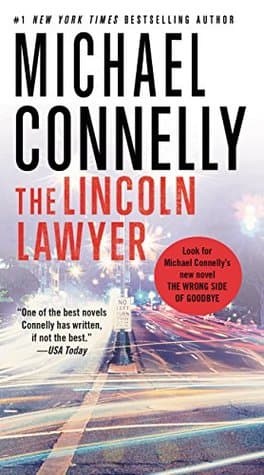
- The Lincoln Lawyer
Michael Connelly
4.2 (193k) average on GoodreadsThrillerFeatures a lawyer protagonist who operates outside traditional firm settings, dealing with moral dilemmas.
- Presumed Innocent
Scott Turow
4.1 (107k) average on GoodreadsThrillerTurow's novel offers a more morally ambiguous protagonist and a deeper exploration of psychological complexity and the corrupting influence of power within the criminal justice system. Grisham's 'The Street Lawyer' tends towards a clearer delineation of good and evil and a more direct narrative arc of redemption.
- Postmortem
Patricia Cornwell
4.0 (212k) average on GoodreadsThrillerCornwell's work focuses heavily on forensic science, criminal investigation, and the detailed procedural aspects of solving violent crimes. 'The Street Lawyer,' in contrast, is centered on civil law, corporate malfeasance, and the ethical dilemmas faced by lawyers within that context, with less emphasis on forensic detail.
- Angels & Demons
Dan Brown
3.9 (2.7M) average on GoodreadsThrillerA Harvard symbologist races through Rome's ancient sites, deciphering cryptic clues to unmask the Illuminati and stop a vengeful plot to destroy the Vatican with a stolen antimatter weapon.





Enjoyed the summary?
A summary gives you the shape of the book. The book itself has the detail, the examples and the voice.
Find The Street Lawyer on AmazonAs an Amazon Associate, BookBrief earns from qualifying purchases. How we're funded