

Synopsis
Covers the whole plot, including the ending.
- Difficulty
- Medium
- Pacing
- Moderate
- Mood
- Atmospheric, Reflective, Intense, Unsettling, Redemptive
- Read it if
- You enjoy character-driven stories about trauma, family secrets, and the journey of reclaiming one's identity against a backdrop of community judgment.
- Skip it if
- You prefer fast-paced thrillers or lighthearted reads, as this book deals with heavy themes and a more reflective pace.
The Summer We Got Free Plot Summary
Covers the whole plot, including the ending.
The Weight of the Past
Ava Delaney lives in despair in her decaying family home in Philadelphia. Years earlier, a violent incident involving her brother, Joe, and a church elder, Deacon Jones, shattered the family's standing in the community and church. Pastor John led the church in ostracizing the Delaneys, starting a seventeen-year feud. Ava, once an artist, is a shadow of her former self, burdened by unspoken trauma and constant judgment from neighbors. Her parents, especially her mother, have also retreated, creating a suffocating atmosphere of grief and resentment in their home, nicknamed 'The Creak' by outsiders.
An Unexpected Visitor
The stagnant routine of the Delaney home changes with the arrival of Lena, a woman with a mysterious past. Lena claims to be a distant relative, though her connection to the family is vague, and her presence creates an unsettling energy. Her arrival forces Ava and her family to confront the silence they built around their pain. Lena's questions and observations begin to chip away at Ava's indifference, hinting at secrets the family has avoided. Ava's initial distrust of Lena slowly turns into fascination, as Lena seems to understand the Delaney family's sorrow.
Whispers and Ghosts
As Lena settles into the Delaney home, the house itself seems to come alive with echoes of the past. Ava experiences vivid flashbacks and unsettling dreams, blurring the lines between memory and reality. The 'ghosts' of their family's history, both literal and metaphorical, begin to appear. Lena’s stories and presence act as a catalyst, making Ava recall fragmented images of the incident with Deacon Jones and the fallout. The house, once a sanctuary of shared grief, now feels like a repository of restless spirits, prompting Ava to question the official story of what happened and her role in it.
The Church's Shadow
The church and Pastor John's condemnation continue to isolate the Delaneys from their community. Daily life is marked by subtle and not-so-subtle slights from neighbors who once embraced them. Ava sees church members, especially the women who once admired her mother, turn away or offer pitying glances. This constant ostracism reinforces the family's internal struggles and their inability to move past the traumatic event. Pastor John's sermons, even from a distance, feel like direct accusations against the Delaney family, keeping them outcasts and deepening their collective wound.
Ava's Reawakening
Lena’s unconventional wisdom and unwavering gaze begin to chip away at Ava’s tough exterior. She encourages Ava to revisit her art, which she abandoned after the family tragedy. Initially resistant, Ava finds herself drawn back to her canvases, rediscovering the joy and release art once provided. This reawakening is painful, forcing Ava to confront emotions she has suppressed for years. Lena acts as both a muse and a confidante, helping Ava navigate the resurgence of her former self—the wild, passionate artist she once was, before the world seemed to dim.
Unraveling the Truth
Driven by Lena’s prodding and her emerging memories, Ava begins to actively seek the truth behind the incident that fractured her family. She revisits old photographs, talks to her parents in a new light, and observes the community with fresh eyes. Fragmented memories of Deacon Jones, her brother Joe, and the violent confrontation begin to form a clearer, more disturbing picture. Lena provides cryptic clues and a different perspective, suggesting that the family's official story and the church's condemnation might not be the full truth. Ava realizes that the secrets her family has kept are about protection, and perhaps, a deeper injustice.
Confronting the Past
As the truth slowly emerges, Ava feels compelled to confront the sources of her family's pain. She seeks out individuals who were present or knew about the original incident, including some who were once close to the family but now shun them. This includes a tense encounter with Pastor John, whose self-righteous demeanor further fuels Ava's resolve. These confrontations are emotional and dangerous, as Ava challenges long-held narratives and the power structures that have kept her family silenced. Her artistic reawakening gives her the courage to speak out, even if it risks further ostracism or worse.
The Revelation
Through her relentless pursuit, Ava uncovers the full truth of what happened between Deacon Jones and her brother, Joe. The incident was not simply a violent outburst from Joe, but a desperate act in response to years of sexual abuse by Deacon Jones against Joe and potentially other young men in the community. The church, particularly Pastor John, knew of these abuses and covered them up, choosing to protect their respected elder and maintain their public image rather than protect the victims. The Delaneys were not ostracized for Joe's violence, but for threatening to expose the church's involvement in a horrific crime. This revelation shatters Ava’s remaining illusions.
A Fight for Justice
Armed with the truth, Ava is no longer content to live in the shadows. The indifferent woman she had become is fully replaced by the fierce girl and artist who once existed. She decides to expose Deacon Jones and the church's cover-up, understanding the immense personal and communal risks involved. This decision puts her at odds with her parents, who, out of fear and deference to the church, initially resist. Lena supports Ava, offering a shared sense of righteous anger. Ava's fight is not just for her brother, but for all silenced victims and for the reclamation of her family's honor.
Facing the Consequences
As Ava gathers evidence and speaks out, the forces that protected Deacon Jones and the church retaliate. She faces threats, intimidation, and increased ostracism from the community. Pastor John and his loyal followers work to discredit her, spreading rumors and manipulating public opinion. Ava’s mental and emotional state is pushed to its limits, as the struggle becomes about survival. The danger escalates, leading to a direct threat to her life, forcing Ava to make difficult choices about how far she will go to expose the truth and find freedom.
The Reckoning
Through a dramatic and courageous act, Ava exposes the truth about Deacon Jones's abuse and the church's cover-up to the wider community. This revelation sends shockwaves through the neighborhood, shattering the facade of piety and respectability Pastor John had maintained. The community confronts uncomfortable truths, leading to a reckoning within the church and a reevaluation of the Delaney family's suffering. While not everyone immediately accepts the truth, a portion of the community, especially those who suspected something was wrong, begins to turn against Pastor John and demand accountability.
A New Freedom
After the truth is revealed, the Delaney family, though scarred, begins a slow process of healing. The weight of the seventeen-year feud and the unspoken trauma starts to lift. Ava, having fought for justice, feels a deep sense of liberation. Her art flourishes, becoming a powerful expression of her journey. While their old community may never fully embrace them, they forge new connections and redefine their place, no longer defined by the church's judgment. The family finds a new kind of freedom, not just from the past, but in reclaiming their voices and their worth.
Principal Figures
Ava Delaney
Protagonist
A once vibrant artist, now reclusive and haunted by family trauma, who rediscovers her voice.
Ava Delaney is introduced as a woman stifled by years of trauma and ostracism. Once a spirited and talented artist, she has become quiet, withdrawn, and seemingly indifferent to the world around her, living in the shadow of her family's past. She carries the burden of unspoken grief and resentment, manifested in her inability to create art and her detached demeanor. Ava's internal world is rich with memories and suppressed emotions, which are gradually stirred by Lena's arrival. Her artistic spirit is intrinsically linked to her sense of self and freedom.
Relationships: Lena (mentor, catalyst, confidante); Joe Delaney (brother, victim, source of her trauma); Mama Delaney (mother, co-sufferer, initially resistant to truth); Papa Delaney (father, co-sufferer, initially resistant to truth); Deacon Jones (abuser, antagonist)
Lena
Supporting
A mysterious, insightful woman whose arrival acts as a catalyst for Ava's transformation and the family's reckoning.
Lena is an enigmatic character whose origins are initially vague, claiming a distant familial connection to the Delaneys. She is observant, intuitive, and possesses a quiet strength that allows her to penetrate the Delaney family's carefully constructed silences. Lena acts as a spiritual and emotional guide for Ava, encouraging her to confront the past and reclaim her artistic passion. She speaks in metaphors and offers cryptic advice, always pushing Ava towards self-discovery and truth. Lena represents an external force of healing and disruption, challenging the stagnant grief within the Delaney home.
Relationships: Ava Delaney (mentee, friend, catalyst for change); Delaney Family (distant relative, unsettling but ultimately healing presence)
Joe Delaney
Supporting/Mentioned
Ava's brother, whose violent act is the catalyst for the family's ostracism and the central mystery.
Joe Delaney is Ava's brother, and his violent confrontation with Deacon Jones is the inciting incident of the entire story. Initially portrayed through the community's judgment as a troubled youth, his true nature and the reasons behind his actions are gradually revealed. Joe is a victim of long-term abuse, and his act of violence was a desperate cry for help and a form of self-defense. His suffering casts a long shadow over the Delaney family, and his story is central to Ava's quest for justice. He represents the silenced and the wronged.
Relationships: Ava Delaney (brother, victim of shared trauma); Mama Delaney (son, object of protective love and sorrow); Papa Delaney (son, object of protective love and sorrow); Deacon Jones (victim-perpetrator dynamic)
Mama Delaney
Supporting
Ava's mother, deeply affected by the family tragedy, who struggles between protecting her children and confronting painful truths.
Mama Delaney is a woman deeply wounded by the family's ostracism and the trauma involving Joe. She has retreated into a shell of grief and protective silence, clinging to the familiar routines of their isolated life. Her faith, once a cornerstone, is now a source of conflict, as the church that once embraced her now condemns her family. She is fiercely protective of her children, but her fear of further pain and scandal makes her resistant to Ava's quest for truth, initially preferring to bury the past. Her struggle highlights the complex dynamics of loyalty and survival within a marginalized family.
Relationships: Ava Delaney (mother, source of comfort and conflict); Joe Delaney (mother, deeply pained by his suffering); Papa Delaney (husband, partner in shared grief); Pastor John (former spiritual leader, now a source of pain)
Papa Delaney
Supporting
Ava's father, who carries the burden of his family's shame and struggles with his own form of silent grief.
Papa Delaney is a stoic figure, deeply affected by the family's fall from grace. He carries the weight of their ostracism with quiet dignity, often retreating into himself. He tries to provide a sense of stability, but his own grief and the shame imposed by the community have rendered him largely passive. Like Mama Delaney, he initially resists Ava's attempts to unearth the past, fearing further pain and disruption. His character embodies the quiet suffering of men who feel powerless to protect their families from societal judgment and systemic injustice.
Relationships: Ava Delaney (father, source of quiet strength and occasional conflict); Mama Delaney (husband, partner in shared grief); Joe Delaney (father, deeply pained by his suffering)
Deacon Jones
Antagonist
A respected church elder and the perpetrator of abuse, whose actions trigger the central conflict.
Deacon Jones is initially presented as a respected elder in the church, whose conflict with Joe Delaney led to the family's downfall. He embodies the hypocrisy and corruption that can exist within revered institutions. He is a predator who uses his position of power and trust to abuse young men, including Joe. His character represents the dark underbelly of a seemingly virtuous community and the systemic forces that protect abusers. He is a symbol of the injustice that Ava fights against, and his unmasking is crucial to the family's healing.
Relationships: Joe Delaney (abuser-victim dynamic); Pastor John (collaborator in cover-up)
Pastor John
Antagonist
The charismatic church leader who orchestrates the Delaney family's ostracism and covers up Deacon Jones's abuse.
Pastor John is the powerful and charismatic leader of the local church. He wields significant influence over the community and uses it to maintain his authority and the church's image. He is a master manipulator, orchestrating the Delaney family's ostracism and actively participating in the cover-up of Deacon Jones's abuses. Pastor John represents institutional corruption, prioritizing reputation and power over truth and justice. His sanctimonious demeanor and unwavering condemnation of the Delaneys make him a formidable adversary for Ava, embodying the oppressive forces she must overcome.
Relationships: Deacon Jones (collaborator in cover-up); Delaney Family (persecutor, source of ostracism); Community Members (spiritual leader, manipulator)
The Community
Supporting/Collective
The neighborhood and church members who initially ostracize the Delaneys, but eventually begin to question the narrative.
The community acts as a collective character, initially reflecting the judgment and ostracism imposed by Pastor John. They are the neighbors, churchgoers, and acquaintances who turn their backs on the Delaneys, perpetuating their isolation. Their actions highlight the power of groupthink and the fear of challenging established authority. However, as Ava's quest for truth progresses, some members of the community begin to show cracks in their conviction, representing the potential for doubt and eventual awakening. They are a mirror reflecting the societal pressures and moral complexities of the story.
Relationships: Delaney Family (ostracizers, eventual re-evaluators); Pastor John (followers, eventual challengers)
Themes & Insights
The Weight of Silence and Unspoken Trauma
The novel explores the destructive power of silence, especially in family trauma and societal shame. The Delaney family's inability to openly discuss the violent event creates a suffocating atmosphere, making their home a 'creaky, shadowy old house' filled with unspoken grief. Ava's initial reclusive state is a direct result of this silence, which stifled her artistic expression and spirit. Lena's arrival acts as a catalyst, forcing the family to confront long-buried truths, showing how silence, while seemingly protective, prevents healing and prolongs suffering.
“The silence in our house was a living thing, thick and heavy, a blanket woven from grief and unspoken words.”
Institutional Corruption and Hypocrisy
A central theme is the exposure of corruption and hypocrisy within religious institutions. The church, led by Pastor John, is shown not as a source of spiritual guidance, but as an organization more concerned with its public image and protecting its powerful members than with truth or justice. The cover-up of Deacon Jones's sexual abuse and the ostracism of the Delaney family show how institutions can betray their core values and cause deep harm. The community's blind faith in Pastor John initially allows this corruption to flourish, highlighting the dangers of unquestioning obedience.
“They built their church on a foundation of lies, brick by brick, and called it faith.”
Reclaiming Voice and Artistic Expression
The novel links Ava's personal healing and liberation to her reawakening as an artist and the reclamation of her voice. Before the tragedy, Ava was a 'wild young girl and a brilliant artist,' but trauma silenced her creative spirit. Lena's encouragement to paint again is not just about art, but about processing trauma, expressing unspeakable truths, and rediscovering her authentic self. Her art becomes a tool for resistance and a way to communicate the injustice her family has endured when words fail or are suppressed. Her artistic journey mirrors her journey towards personal freedom.
“My art was the only language I had left, the only way to scream when my mouth was sewn shut by the past.”
The Nature of Family and Community
The book explores the complex and often contradictory nature of family and community. The Delaney family, despite internal struggles and shared trauma, remains a unit, bound by love and common suffering. However, the community, which once embraced them, turns against them, showing the fickle nature of social acceptance and the power of collective judgment. The narrative explores how a community can both support and harm, and how individuals navigate their identity within these shifting allegiances. The eventual shift in some community members highlights the possibility of redemption and re-evaluation.
“The very people who once broke bread with us now crossed the street to avoid our shadows.”
Justice vs. Forgiveness
The story deals with the tension between seeking justice and the idea of forgiveness, especially in deep-seated trauma and abuse. While some characters, like Mama and Papa Delaney, initially lean towards burying the past and perhaps finding a quiet form of forgiveness (or at least acceptance), Ava's journey is a determined pursuit of justice. The novel suggests that true healing and freedom cannot be achieved without confronting the truth and holding perpetrators accountable, challenging simplistic notions of forgiveness that might allow injustice to persist. Forgiveness, if it comes, must be earned after accountability.
“They wanted us to forgive, but how do you forgive a lie that has eaten your life whole?”
Plot Devices & Literary Techniques
The 'Creak' House
The decaying family home that serves as a physical and metaphorical representation of the family's trauma.
The Delaney family's old, creaky house, often referred to as 'The Creak' by outsiders, is more than just a setting; it's a character in itself. Its decaying state, shadowy corners, and oppressive atmosphere mirror the family's internal decay, their isolation, and the weight of their unspoken trauma. The house becomes a repository of memories and 'ghosts,' both literal and metaphorical, that Lena's presence stirs. It symbolizes the family's entrapment in the past and their struggle to break free from its confines, only truly beginning to 'breathe' again as the truth emerges.
Art as Catharsis and Truth-Telling
Ava's painting and artistic expression serve as a primary means for processing trauma and revealing hidden truths.
Ava's artistic talent is a central plot device, representing her suppressed voice and her path to healing. Before the trauma, her art was a vibrant expression of her 'wild' spirit. When Lena encourages her to paint again, the act of creation becomes a cathartic process, allowing Ava to access and express the painful memories and emotions she has long suppressed. Her paintings are not just personal therapy but also become a powerful, non-verbal way to communicate the injustice and abuse, ultimately aiding in the revelation of the truth to others when direct words are met with resistance.
The Mysterious Visitor (Lena)
Lena's enigmatic arrival and insightful presence act as the primary catalyst for the plot's unfolding and Ava's transformation.
Lena's character functions as a classic catalyst, a mysterious outsider who enters a stagnant situation and irrevocably changes its course. Her vague connection to the family, her intuitive understanding of their pain, and her unconventional wisdom are crucial in pushing Ava out of her reclusive state. Lena doesn't provide direct answers but rather asks probing questions, offers cryptic advice, and creates an environment where suppressed memories can surface. Without her presence, the Delaney family would likely remain trapped in their cycle of silence and grief, making her essential to the plot's progression.
Flashbacks and Fragmented Memories
The use of non-linear storytelling through Ava's fragmented memories to gradually reveal the past.
The narrative employs flashbacks and Ava's fragmented memories as a key device to slowly unveil the complex truth about the incident with Deacon Jones. Initially, these memories are disjointed and painful, reflecting Ava's suppressed trauma. As Lena's influence grows and Ava begins to process her past, these fragments coalesce into a clearer, more complete picture. This non-linear approach builds suspense and allows the reader to experience Ava's journey of discovery alongside her, highlighting the psychological impact of trauma on memory and the arduous process of reconstruction.
The Summer We Got Free Quotes
“The thing about being free is that it’s not something you get, like a prize. It’s something you become, like a river.”
“Our stories are not just for us to tell. They are for us to live, and then for others to remember.”
“Sometimes the most radical act is to simply exist, unashamed and unbent, in a world that tries to erase you.”
“Grief is a house with many rooms, and you have to visit every one of them to truly understand the architecture of your loss.”
“Love isn't a soft thing. It's a sharp thing, a thing with edges, and it can cut you just as easily as it can hold you.”
“The past isn't dead. It's not even past. It's a ghost in the room, watching everything you do.”
“You can't build a new world on old foundations. You have to tear it all down, even the parts you loved.”
“Hope is a muscle. The more you use it, the stronger it gets, even when it feels like it's tearing.”
“Silence can be a weapon, but it can also be a shield. Knowing which one to use is the trick.”
“We were all just trying to find a way to breathe in a world that kept trying to hold us underwater.”
“The truth doesn't always set you free. Sometimes it just shows you the bars of your cage.”
“There’s a kind of knowing that lives in your bones, a history written in your blood, that no book can ever teach you.”
“To be seen, truly seen, is a dangerous thing. It means giving up the comfort of invisibility.”
“Sometimes the only way to heal is to break wide open and let the light in, even if it hurts.”
Quiz
10 questions on the plot and the characters. Each answer comes with a short explanation.
Question 1
What is the primary reason the Delaney family becomes ostracized by their neighbors and church?
- They moved to a different town.
- A violent event that rocks their entire family.
- Ava left the church to pursue art.
- Their house burned down.
Show answer
B. A violent event that rocks their entire family. The synopsis explicitly states that the family changes dramatically and is ostracized after 'a violent event that rocks her entire family.'
Question 2
How long does the feud between the Delaneys and the church last?
- Seven years
- Ten years
- Seventeen years
- Twenty years
Show answer
C. Seventeen years The synopsis mentions 'a seventeen-year feud between the Delaneys and the church ensues.'
Question 3
What is Ava Delaney's initial passion before the family's traumatic event?
- Singing
- Writing
- Painting
- Dancing
Show answer
C. Painting Ava is described as 'a brilliant artist' and later the 'passionate artist' she used to be, implying her passion was in visual arts like painting.
Question 4
Who leads the neighbors in ostracizing the Delaney family?
- The mayor of the town
- Their church leader
- A rival family
- The local police chief
Show answer
B. Their church leader The text states they are 'ostracized by their neighbors, led by their church leader.'
Question 5
What effect does the mysterious woman's arrival have on Ava?
- It makes Ava more withdrawn and isolated.
- It causes Ava to leave her family home.
- It reignites her former wild and artistic self.
- It deepens her indifference to the past.
Show answer
C. It reignites her former wild and artistic self. The synopsis mentions, 'When a mysterious woman arrives unexpectedly for a visit, her presence stirs up the past... And something is reignited in Ava: the indifferent woman she has become begins to give way to the wild girl, and the passionate artist, she used to be.'
Question 6
Despite being ostracized, where do the Delaney family continue to live?
- In a new town far away.
- Within their old, creaky house in the same community.
- In a different wing of the church.
- They become homeless.
Show answer
B. Within their old, creaky house in the same community. The text states they are 'displaced from the community even as they continue to live within it, trapped inside their creaky, shadowy old house.'
Question 7
What is the ultimate danger Ava faces as she transforms back into her former self?
- Losing her family's inheritance.
- Threats to her well-being and her life.
- Being forced to leave the community permanently.
- Being arrested for past actions.
Show answer
B. Threats to her well-being and her life. The synopsis concludes, 'But not without a struggle that threatens her well-being and, ultimately, her life.'
Question 8
The Delaney family is described as being 'displaced from the community even as they continue to live within it'. What literary device does this phrase primarily employ?
- Simile
- Metaphor
- Paradox
- Hyperbole
Show answer
C. Paradox A paradox is a seemingly self-contradictory statement or proposition that when investigated or explained may prove to be well-founded or true. Living 'within' a community but being 'displaced from' it is a paradoxical situation, highlighting their social isolation despite physical presence.
Question 9
Based on the author's self-description and her blog 'BlackGirlDangerous.org', what themes are likely to be prominent in 'The Summer We Got Free' beyond the family drama?
- Themes of traditional family values and conservative community structures.
- Themes of black feminism, queer identity, and social marginalization.
- Themes of corporate espionage and political intrigue.
- Themes of wilderness survival and environmentalism.
Show answer
B. Themes of black feminism, queer identity, and social marginalization. Mia McKenzie describes herself as 'a black feminist and a freaking queer' and runs 'BlackGirlDangerous.org'. This strongly suggests that themes related to black identity, feminism, queer experiences, and the challenges faced by marginalized groups will be significant in her work.
Question 10
The phrase 'ghosts and other restless things begin to emerge' after the mysterious woman's arrival most likely symbolizes what in the context of the story?
- Actual supernatural entities haunting the house.
- Unresolved past traumas, memories, and emotions resurfacing.
- Hidden treasures being discovered in the old house.
- New neighbors moving into the community.
Show answer
B. Unresolved past traumas, memories, and emotions resurfacing. In literary contexts, 'ghosts' often metaphorically represent lingering effects of the past, unresolved issues, or painful memories. Given that the woman 'stirs up the past' and Ava's former self is reignited, it's highly probable these 'ghosts' are symbolic of past traumas and emotions.
The Summer We Got Free FAQ
What is the central conflict that drives the Delaney family's isolation?
The Delaney family is ostracized by their community and church after a violent event involving Ava, leading to a seventeen-year feud. This event, which deeply impacted Ava, caused their neighbors and church leader to turn against them, forcing them into a reclusive existence within their own home.
Who is Ava Delaney before the traumatic event, and how does she change afterwards?
Before the event, Ava is described as a wild young girl and a brilliant artist, full of passion and creativity. After the trauma, she becomes an indifferent woman, a shadow of her former self, largely confined to the family's old house and detached from her past identity.
What role does the mysterious visiting woman play in the narrative?
The mysterious woman's arrival acts as a catalyst, stirring up the past and forcing the Delaney family, particularly Ava, to confront old memories and unresolved issues. Her presence is crucial in reawakening Ava's former self and initiating her journey of transformation.
How does the 'creaky, shadowy old house' symbolize the Delaney family's situation?
The house serves as a physical manifestation of the family's entrapment and isolation, a place where they are both protected and imprisoned. Its shadows and creaks reflect the lingering secrets, the weight of the past, and the psychological impact of their ostracization.
What is the significance of the phrase 'ghosts and other restless things begin to emerge'?
This phrase suggests that the past trauma, suppressed emotions, and unresolved issues that have haunted the family for seventeen years are finally coming to the surface. It hints at both literal and metaphorical 'ghosts'—memories, truths, and psychological burdens that can no longer be ignored.
Are there specific details about the 'violent event' that are revealed later in the book, or is it left ambiguous?
The book gradually uncovers specific details surrounding the violent event involving Ava, rather than leaving it entirely ambiguous. The slow reveal of these details is crucial to understanding the depth of the family's trauma and the community's reaction.
How does the church leader's role in ostracizing the family reflect broader societal themes?
The church leader's actions highlight themes of community judgment, moral hypocrisy, and the power of religious authority to control social narratives. Their leadership in the feud demonstrates how collective condemnation can be weaponized, particularly against those who deviate from perceived norms.
What connections are suggested between Ava's artistic past and her potential for healing?
Ava's past as a brilliant artist suggests that her creativity is a key to her identity and potentially her recovery. The reawakening of the 'passionate artist' within her implies that artistic expression could be a pathway for her to process her trauma and reclaim her sense of self.
Does the book explore the impact of the feud on other Delaney family members besides Ava?
Yes, the narrative delves into how the seventeen-year feud has affected the entire Delaney family, not just Ava. Their collective isolation and the lingering tension demonstrate the profound and varied psychological toll on each member.
How does Ava's transformation from 'indifferent woman' to her former self represent a psychological struggle?
Ava's journey is a profound psychological struggle, as she must confront the trauma that led to her indifference and battle the inertia of seventeen years of suppression. This transformation is not easy, threatening her current stability even as it promises liberation.
What psychological defense mechanisms might Ava have employed during her seventeen years of indifference?
Ava likely employed dissociation, emotional numbing, and withdrawal as defense mechanisms to cope with the trauma and ostracization. Her indifference served as a protective barrier, shielding her from the pain of her past and the harsh reality of her present.
How does the concept of 'displaced from the community even as they continue to live within it' affect the family's psyche?
This internal displacement creates a unique psychological burden of being physically present but socially absent, leading to feelings of alienation, resentment, and a profound sense of injustice. It fosters a constant awareness of their 'outsider' status, even in their own home.
In what ways does the book explore the long-term psychological effects of community ostracization?
The book deeply explores the corrosive effects of ostracization, showing how it can lead to emotional stagnation, damaged self-worth, and a pervasive sense of isolation. It illustrates how such a prolonged social exile can fundamentally alter individual and family dynamics.
Is Ava's struggle to reclaim her past self presented as a purely positive journey, or are there inherent dangers?
Ava's struggle is explicitly presented with inherent dangers, as the synopsis states it 'threatens her well-being and, ultimately, her life.' Reawakening her past self requires confronting deep-seated trauma, which can be a perilous and destabilizing process.
How might the author's background as a 'black feminist and a freaking queer' influence the themes of the book?
Mia McKenzie's background likely informs themes of marginalization, resilience, and the subversion of conventional norms, particularly within a community context. The family's ostracization could be interpreted through lenses of race, gender, and sexuality, highlighting struggles against oppressive societal structures.
What is the broader social commentary the book might be making about communities and forgiveness?
The book likely comments on the destructive power of unforgiveness and judgment within communities, particularly those with strong religious ties. It questions the mechanisms of social exclusion and the long-term consequences of collective condemnation, suggesting a critique of how communities deal with trauma and deviance.
Could the 'ghosts and other restless things' be interpreted as unresolved societal issues rather than just personal ones?
Yes, beyond personal trauma, the 'ghosts' could symbolize unresolved societal issues like prejudice, communal hypocrisy, or systemic injustices that contribute to the Delaney family's plight. This interpretation broadens the scope of the narrative from individual struggle to a critique of community dynamics.
Does the arrival of the mysterious woman signify an external force for change, or an internal readiness within Ava?
While the mysterious woman is an external trigger, her arrival likely coincides with an internal readiness within Ava, indicating that the time for confrontation and healing has finally arrived. She acts as a catalyst for a process that Ava, on some subconscious level, is prepared to undertake.
About the author

Mia McKenzie is an author known for her fiction, including the novel "The Summer We Got Free." Her work often explores themes of identity and community. McKenzie has gained recognition for her engaging storytelling and nuanced characters.
Similar books
- The House of the Spirits
Isabel Allende
4.2 (190k) average on GoodreadsFantasyFeatures a multi-generational family saga with magical realism elements and deep emotional resonance, centered around a powerful female protagonist.
- Beloved
Toni Morrison
3.9 (325k) average on GoodreadsLiterary FictionExplores themes of historical trauma, memory, and the haunting past within an African American family, with a strong focus on a woman's struggle for freedom and identity.
- Homegoing
Yaa Gyasi
4.4 (175k) average on GoodreadsLiterary FictionTraces the impact of historical events and generational trauma on a family across centuries, highlighting themes of identity, struggle, and resilience.
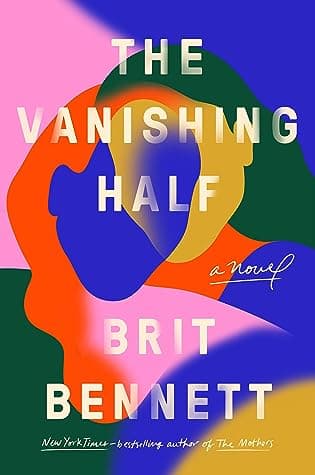
- The Vanishing Half
Brit Bennett
4.3 (132k) average on GoodreadsLiterary FictionBoth examine the burden of secrets and identity. Bennett's narrative primarily concerns itself with racial passing and the individual choices made to escape the past, offering a different lens on freedom. McKenzie's novel, conversely, directly implicates the community in perpetuating the past's hold, making 'The Reckoning' a communal endeavor.
- Nineteen Eighty-Four
George Orwell
4.2 (5.5M) average on GoodreadsFictionWinston Smith dreams of truth and rebellion in a world where Big Brother watches all, but he confronts the terrifying power of a regime that controls not just actions, but thoughts.
- The Frozen River
Ariel Lawhon
4.4 (600k) average on GoodreadsFictionIn 1789 Maine, a heroic midwife's diary helps her expose a murder and get justice in a town that wants to silence her.





Enjoyed the summary?
A summary gives you the shape of the book. The book itself has the detail, the examples and the voice.
Find The Summer We Got Free on AmazonAs an Amazon Associate, BookBrief earns from qualifying purchases. How we're funded