
Estimated read time: 4 min read
One Sentence Summary
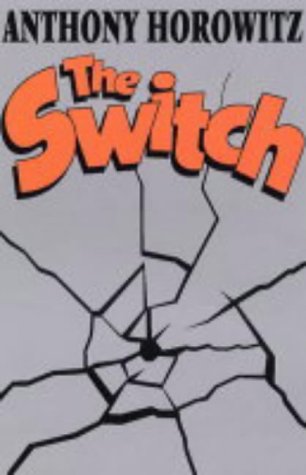
In "The Switch" by Anthony Horowitz, a boy switches lives with his identical twin brother who is trapped in a dangerous spy organization, leading to thrilling adventures and secrets uncovered.
Table of Contents
Introduction
Anthony Horowitz’s The Switch is a gripping psychological thriller that delves deep into the complexities of memory, identity, and the dark undercurrents that can lurk beneath everyday life. Known for his mastery in crafting suspenseful narratives, Horowitz delivers a story that is as intellectually stimulating as it is emotionally charged. This novel is essential reading for college students and lecturers alike, offering rich material for discussions around narrative reliability, ethical dilemmas, and the psychology of trauma.
Author's Expertise and Credibility
Anthony Horowitz is a prolific British author celebrated for his versatility across genres, including mystery, thriller, and young adult fiction. With a background in television writing and a knack for intricate plotting, Horowitz brings a cinematic quality to his novels. His works often explore the darker sides of human nature, and The Switch is no exception, showcasing his ability to weave psychological depth with fast-paced storytelling.
Summary of Main Ideas
At its core, The Switch explores how memory shapes identity and the consequences when those memories become unreliable or manipulated. The novel threads themes of truth versus deception, the fragility of the human mind, and the impact of past trauma on present actions. Through its protagonist’s journey, the story raises profound questions about reality and the human capacity for change.
In-Depth Explanation of Key Ideas
Memory and Identity
The novel scrutinizes how memories—both real and fabricated—construct personal identity. The protagonist experiences memory loss and confusion, which blurs the line between their true self and the persona shaped by fragmented recollections. This exploration encourages readers to consider how much of our identity is tied to memory and what happens when those memories are compromised.
Truth Versus Deception
Horowitz skillfully navigates the tension between appearance and reality. Characters in The Switch often conceal truths or present false fronts, creating a labyrinth of deception. This motif challenges readers to question the reliability of narrators and the ethics of withholding or altering information.
Trauma and Its Aftereffects
The narrative delves into the lingering effects of trauma, demonstrating how past events can haunt the present. Horowitz portrays trauma not just as a psychological burden but as a catalyst for action and transformation. The protagonist’s struggle with trauma is a poignant element that adds emotional depth to the thriller’s suspense.
Practical Applications
Readers can apply insights from The Switch to understand real-world issues such as the psychology of memory, the importance of mental health, and the complexities of human behavior under stress. For students and lecturers, the novel provides a fertile ground for exploring narrative techniques and ethical questions in psychology and literature courses.
Supporting Evidence and Examples
Horowitz supports his themes through meticulous character development and plot twists. The protagonist’s fragmented memory sequences are depicted with clinical accuracy, reflecting psychological research on amnesia and trauma. The shifting perspectives and unreliable narration serve as literary devices that embody the novel’s central concerns, making the experience immersive and intellectually rewarding.
Critical Insights
While The Switch excels in suspense and psychological depth, some readers may find the nonlinear narrative challenging. However, this complexity is intentional, mirroring the protagonist’s disoriented state. Horowitz’s style balances accessibility with sophistication, making the book suitable for both casual readers and academic study.
Key Benefits for Readers
- Enhanced understanding of psychological thriller elements.
- Insight into memory’s role in shaping identity.
- Exposure to ethical dilemmas surrounding truth and deception.
- A case study in unreliable narration and narrative structure.
- Engagement with themes of trauma and resilience.
Reader's Takeaway
Readers of The Switch will find themselves questioning the nature of truth and memory long after the last page. The book offers a compelling blend of intellectual challenge and emotional resonance, encouraging deep reflection on how we perceive ourselves and others.
Conclusion
Anthony Horowitz’s The Switch stands out as a masterful psychological thriller that combines suspense with profound thematic exploration. Its focus on memory, identity, and trauma offers valuable insights for students, educators, and general readers interested in the human psyche. Engaging, thought-provoking, and emotionally rich, The Switch invites readers to explore the fragile boundaries of reality and self, making it a must-read for anyone drawn to complex narratives and psychological depth.
The Switch FAQ
What is the main plot of 'The Switch' by Anthony Horowitz?
'The Switch' follows the story of a young protagonist who gets entangled in a mysterious and thrilling adventure involving espionage, secrets, and unexpected twists. The narrative combines suspense with action as the characters navigate dangerous situations.
Who is the target audience for 'The Switch'?
'The Switch' is primarily targeted at young adults and fans of thriller and mystery novels. Its fast-paced plot and engaging characters make it suitable for readers who enjoy suspenseful stories.
Is 'The Switch' part of a series or a standalone novel?
'The Switch' is a standalone novel by Anthony Horowitz, but it features themes and styles consistent with his other thriller and mystery works.
What themes are explored in 'The Switch'?
'The Switch' explores themes such as identity, trust, betrayal, and the complexities of espionage. It also delves into the moral dilemmas faced by the characters.
Does 'The Switch' contain any elements of supernatural or fantasy?
No, 'The Switch' is grounded in realistic thriller and espionage elements without supernatural or fantasy aspects.
What age group is appropriate for reading 'The Switch'?
'The Switch' is suitable for readers aged 12 and up, especially those who enjoy action-packed thrillers and mysteries.
Are there any notable characters in 'The Switch'?
'The Switch' features a compelling cast, including the protagonist whose actions drive the plot, as well as various allies and antagonists that add depth and suspense to the story.
Where can I purchase or read 'The Switch'?
'The Switch' is available for purchase at major bookstores, online retailers, and may also be available at local libraries in both physical and digital formats.
Is 'The Switch' suitable for classroom or educational use?
'The Switch' can be used in educational settings to discuss themes of suspense, character development, and narrative structure, making it a useful tool for engaging students with contemporary fiction.


