

Synopsis
Covers the whole plot, including the ending.
- Difficulty
- Easy
- Pacing
- Moderate
- Mood
- Heartwarming, Adventurous, Thought-provoking, Hopeful
- Read it if
- You enjoy classic animal fantasy with themes of intelligence, community, and survival, and appreciate a story where cleverness triumphs over adversity. Great for children and adults alike.
- Skip it if
- You prefer fast-paced action over detailed world-building and character development, or are looking for a story with complex human characters.
Mrs. Frisby and the Rats of NIMH Plot Summary
Covers the whole plot, including the ending.
Timothy's Illness and the Farmer's Plow
Mrs. Frisby, a widowed field mouse, lives with her four children – Timothy, Martin, Cynthia, and Teresa – in a cinder block in Farmer Fitzgibbon's garden. As winter ends, they need to move to their summer quarters by the stone, a safer spot from the farmer's plow. However, her youngest son, Timothy, is ill with pneumonia and cannot be moved without risk. Mrs. Frisby asks Mr. Ages, an old, wise, and somewhat grumpy mouse, for medicine. He warns that Timothy must stay still. This creates a problem: Farmer Fitzgibbon will plow soon, and their home, with Timothy in it, will be destroyed if they don't move.
Meeting Jeremy and the Owl's Advice
While looking for food, Mrs. Frisby finds Jeremy, a young crow caught in a thorny rose bush. She bites through the thorns, freeing him. Grateful, Jeremy offers to help her. When Mrs. Frisby explains her problem about Timothy and the plow, Jeremy suggests she visit the Great Owl, a wise creature who lives in the forest. Mrs. Frisby is afraid of owls, but desperate for a solution, she agrees to let Jeremy fly her to the Owl's tree, holding tight to his back for the journey.
The Great Owl's Counsel and the Rats of NIMH
Mrs. Frisby arrives at the Great Owl's tree, feeling much fear. She carefully explains her situation, not expecting help. However, when she mentions her late husband, Jonathan Frisby, the Owl's manner changes. He knows Jonathan as a brave mouse known to the rats living under the rose bush. The Owl says these rats are not ordinary; they are intelligent and organized, capable of unusual things. He tells Mrs. Frisby to ask them for help, thinking they might have a solution, but warns her to be careful.
Entering the Rats' Dwelling
Following the Owl's advice, Mrs. Frisby finds the rats' home under the rose bush. She discovers a hidden entrance and, after a tense meeting with a guard rat named Justin, is led through brightly lit tunnels and rooms. She is amazed by their setup, which includes electricity and an elevator. She meets Nicodemus, the leader of the colony, a large rat with an eyepatch. Nicodemus greets her with respect, having known Jonathan Frisby, and asks her to explain her problem about Timothy and the coming plow.
The Rats' Origin Story and the Plan
Nicodemus, Mr. Ages, and other rats like Isabella, tell Mrs. Frisby the rats' history. They were once ordinary rats caught by scientists at the National Institute of Mental Health (NIMH) for experiments. There, they received a special serum that made them much more intelligent and live longer. They also learned to read and use tools. They planned and carried out an escape from NIMH, taking Mr. Ages with them. Now, living by taking from humans, they are unhappy. They are working on 'The Plan': to move to a secluded valley called Thorn Valley and build a self-sufficient society without electricity. They agree to help Mrs. Frisby by moving her cinder block home.
The Moving Plan and the Cat's Threat
The rats make a plan to move Mrs. Frisby's cinder block house with Timothy inside. They will use ropes and pulleys to lift and drag the heavy block to a safe spot. But there is a problem: Farmer Fitzgibbon's cat, Dragon, who patrols the garden and poses a constant danger to small creatures. Dragon is dangerous and killed Jonathan Frisby. To let the rats work safely, they need Dragon to be asleep or busy for a time.
Mrs. Frisby's Dangerous Mission
To stop Dragon, the rats propose a plan: Mrs. Frisby, being small and quick, must sneak into the Fitzgibbon's house and put a sleeping powder into Dragon's food bowl. This is very dangerous, but Mrs. Frisby, driven by love for her son and thanks to the rats, agrees. She gets into the house, goes through the kitchen, and puts the powder into Dragon's bowl without being seen. She barely escapes the sleeping cat as she leaves.
The Plowing and the Discovery
With Dragon asleep, the rats start their plan. Using their knowledge of machines and their strength, they lift and move Mrs. Frisby's cinder block house to its new, safe place under the rose bush, just in time. The next morning, Farmer Fitzgibbon plows the field, destroying the old location. But a new danger appears: the farmer's son, Billy, finds the rats' tunnels and reports it. This brings men from outside, including scientists, who realize the rats are intelligent.
The Rats' Escape and the Thorn Valley Plan
Mrs. Frisby hears the Fitzgibbons talking about the discovery and rushes to warn the rats. The rats, having expected this, start their backup plan. They quickly move their colony, supplies, and younger members through a hidden exit. The men from NIMH arrive, setting traps and gassing the tunnels, but the rats have already left. They begin their journey to Thorn Valley, their chosen place for a new, self-sufficient civilization, leaving their old home and the dangers of human interference.
New Beginnings and Timothy's Recovery
Mrs. Frisby and her children settle into their new home, safely under the rose bush, away from the plow. Timothy, now in a secure place, recovers from his pneumonia. The family looks forward to summer, grateful for the help of the intelligent rats. The rats continue their journey to Thorn Valley, hoping to create a truly independent and peaceful society, leaving behind the parasitic life they disliked. Mrs. Frisby thinks about the events and her bond with the rats of NIMH.
Principal Figures
Mrs. Frisby
Protagonist
A widowed field mouse, courageous and resourceful, devoted to her children.
Mrs. Frisby is the central protagonist, a small, unassuming field mouse. Despite her size and natural timidness, she possesses immense courage, intelligence, and a fierce maternal instinct. Her primary motivation throughout the story is the well-being and safety of her four children, especially her sick son, Timothy. She is resourceful, capable of navigating dangerous situations, and willing to take extreme risks, such as confronting the Great Owl or drugging Dragon, for her family. Her kindness and integrity earn her the respect and trust of the rats of NIMH.
Relationships: Timothy Frisby (sick son, her primary concern); Jonathan Frisby (deceased husband, whose reputation aids her); Mr. Ages (wise mouse, advisor, friend); Jeremy (crow she rescued, loyal helper); Nicodemus (leader of the rats, respectful ally)
Timothy Frisby
Supporting
Mrs. Frisby's youngest son, gravely ill with pneumonia.
Timothy is Mrs. Frisby's youngest son, a delicate and intelligent mouse who suffers from pneumonia at the beginning of the story. His illness is the catalyst for the entire plot, as it prevents the family from moving, forcing Mrs. Frisby to seek extraordinary help. Despite his vulnerability, he is described as having a keen mind and a gentle disposition, and is expected to grow into a fine, wise mouse. His survival is Mrs. Frisby's main objective, and his recovery symbolizes the successful resolution of her immediate crisis.
Relationships: Mrs. Frisby (mother, devoted to his recovery); Martin, Cynthia, Teresa (siblings)
Nicodemus
Supporting
The wise and visionary leader of the rats of NIMH.
Nicodemus is the intelligent and charismatic leader of the rats of NIMH. He is distinguished by an eyepatch and a thoughtful, philosophical demeanor. He recounts the rats' origin story, their escape from NIMH, and articulates their grand vision for a self-sufficient society in Thorn Valley. Nicodemus is a strong advocate for ethical living and rejects the parasitic existence the rats currently lead. He demonstrates great respect for Jonathan Frisby and extends his help to Mrs. Frisby out of loyalty and a sense of shared community.
Relationships: Mrs. Frisby (respected ally); Mr. Ages (fellow NIMH escapee, trusted advisor); Justin (guard, loyal subordinate); Jenner (former rat, dissenting member)
Mr. Ages
Supporting
An old, wise, and somewhat grumpy mouse, a former NIMH escapee.
Mr. Ages is an elderly, knowledgeable mouse, known for his medical expertise and gruff but kind nature. He is one of the few mice who was also experimented on at NIMH, gaining enhanced intelligence and longevity alongside the rats. He serves as the primary medical advisor for the mouse community and is the first to diagnose Timothy's pneumonia. He is a trusted confidante of both Mrs. Frisby and Nicodemus, having played a significant role in the rats' escape. His wisdom and practical skills are invaluable to both the mice and the rats.
Relationships: Mrs. Frisby (trusted friend and medical advisor); Nicodemus (fellow NIMH escapee, colleague); Jonathan Frisby (acquaintance from NIMH escape)
Jeremy
Supporting
A young, somewhat clumsy crow rescued by Mrs. Frisby, who becomes her loyal helper.
Jeremy is a young crow, initially depicted as somewhat foolish and prone to getting into trouble, such as getting tangled in a rose bush. He is rescued by Mrs. Frisby and, out of gratitude, becomes her loyal friend and helper. Jeremy's ability to fly is crucial to the plot, as he transports Mrs. Frisby to the Great Owl, a journey she could not have made on her own. He represents the unexpected allies and kindness that Mrs. Frisby encounters on her quest, and his flight capabilities symbolize the broader world beyond the mice's immediate vicinity.
Relationships: Mrs. Frisby (rescuer, friend, and passenger); The Great Owl (source of advice he directs Mrs. Frisby to)
The Great Owl
Supporting
A formidable and wise predator who offers cryptic but crucial advice.
The Great Owl is an ancient, powerful, and highly intelligent creature who lives in the deepest part of the forest. He is feared by all small animals, including mice, due to his predatory nature. However, he is also renowned for his wisdom and knowledge of the forest. He provides Mrs. Frisby with the critical information about the rats of NIMH, recognizing Jonathan Frisby's name. His advice, though initially terrifying to Mrs. Frisby, is pivotal in guiding her to the solution she seeks. He represents the ancient wisdom and natural order of the wild.
Relationships: Mrs. Frisby (seeker of advice); Jeremy (messenger to his lair); Jonathan Frisby (knew of his bravery)
Jonathan Frisby
Mentioned
Mrs. Frisby's deceased husband, a brave and intelligent mouse who was part of the NIMH escape.
Jonathan Frisby is Mrs. Frisby's late husband, a character who is never seen but whose legacy profoundly impacts the story. He was a brave and intelligent mouse who, alongside Mr. Ages and the rats, was part of the experiments at NIMH and instrumental in their daring escape. His reputation for courage and intelligence is what earns Mrs. Frisby the respect and help of the Great Owl and the rats. He tragically died attempting to drug Dragon. His heroism is a source of pride and inspiration for his family and the rat community.
Relationships: Mrs. Frisby (wife, carries on his legacy); Nicodemus (fellow escapee, respected friend); Mr. Ages (fellow escapee, friend)
Dragon
Antagonist
Farmer Fitzgibbon's formidable and dangerous cat, a major threat to all small creatures.
Dragon is Farmer Fitzgibbon's large, fierce, and perpetually hungry cat. He is the primary animal antagonist in the story, representing a constant, deadly threat to mice, rats, and other small creatures. Dragon is responsible for the death of Jonathan Frisby, making him a particularly personal enemy for Mrs. Frisby. His presence necessitates the dangerous mission of drugging him so the rats can safely move Mrs. Frisby's house. He embodies the unpredictable and often cruel dangers of the natural world that small animals must constantly navigate.
Relationships: Mrs. Frisby (prey, adversary); Jonathan Frisby (killed him)
Justin
Supporting
A brave and friendly guard rat, one of the NIMH escapees.
Justin is one of the rats of NIMH, serving as a guard and a loyal member of the colony. He is depicted as brave, resourceful, and particularly friendly towards Mrs. Frisby. He is one of the first rats she encounters and helps guide her through their complex dwelling. Justin is a key participant in the rats' plans, including their escape from NIMH and the moving of Mrs. Frisby's house. He embodies the intelligence, discipline, and camaraderie of the rat community.
Relationships: Mrs. Frisby (friendly guide and protector); Nicodemus (leader, colleague); Jenner (former colleague)
Themes & Insights
Intelligence vs. Instinct
The book looks at the difference between natural animal instinct and increased intelligence. The rats of NIMH, through experiments, have human-level intellect. This lets them build societies, use technology, and develop ideas. This contrasts with the instinctive, survival-focused lives of animals like Mrs. Frisby and Jeremy. The rats deal with the moral sides of their intelligence, especially their reliance on humans. This leads them to 'The Plan' for a self-sufficient, ethical society. Mrs. Frisby, while smart for a mouse, uses her natural courage and motherly instincts to handle dangers.
“We were not just intelligent. We were educated. We could read. We could understand the principles of mechanics and electricity. We could use tools.”
Community and Cooperation
A main theme is the power of community and cooperation in solving problems. Mrs. Frisby's struggle for her son's life becomes a team effort involving her family, Jeremy the crow, and the rat colony. The rats show this theme, having escaped NIMH through careful collective planning and now working together on 'The Plan' to build a new society. Their success depends on each member sharing skills and intelligence. This shows that even big challenges can be met with unity and mutual help.
“It was no good. We could not escape alone. We must do it together, or not at all.”
The Ethics of Progress and Dependence
The rats' story asks questions about the ethics of technological and intellectual growth, especially when it causes dependence. Their increased intelligence lets them live a comfortable life, but it also makes them parasitic, relying on human electricity and resources. This dependence creates a moral problem for them, as they feel bad for stealing. 'The Plan' to move to Thorn Valley and build a society without human technology is their way to get true independence and live ethically. This shows a desire for progress that is sustainable and morally sound, not exploitative.
“We are living like parasites, and we are not ashamed to admit it. But we don't like it. That is why we are going to Thorn Valley.”
Maternal Love and Sacrifice
Mrs. Frisby's strong motherly love for her children, especially Timothy, drives the whole story. Her willingness to face dangers – the Great Owl, Dragon, and the unknown world of the rats – comes from her wish to protect her son. Her courage in drugging Dragon shows the sacrifices a mother makes for her children. This theme shows the strong bond between a parent and child, and how it can inspire bravery and strength in hard situations.
“She was a mouse, and very small, but she was also a mother. And mothers, it is well known, are more courageous than a great many other creatures.”
The Dangers of Human Intervention
The story subtly critiques human involvement in the natural world. The rats' intelligence comes directly from human experiments at NIMH, showing how humans change other species for scientific curiosity. The farmer's son finding the rats' home leads to human action with traps and gas, threatening the rats. This shows how human actions, whether scientific or accidental, can have big and often harmful effects on animal populations, forcing them to adapt or leave.
“They were men from the NIMH. They knew about us. They were coming to catch us.”
Plot Devices & Literary Techniques
Anthropomorphism
Giving human characteristics, emotions, and intelligence to animal characters.
The entire narrative relies heavily on anthropomorphism, especially with the rats of NIMH. While all the animal characters exhibit human-like thought processes and communication, the rats are explicitly granted human-level intelligence, language, and the ability to organize, use tools, and develop complex societal plans. This device allows the author to explore complex themes like ethics, community, and the nature of intelligence through the perspective of animals, making them relatable and their struggles profound. Mrs. Frisby, though less overtly 'human-like' than the rats, still displays complex emotions and reasoning.
Flashback/Backstory
The rats' origin story at NIMH, revealed through Nicodemus's narration.
The entire history of the rats of NIMH, their scientific experimentation, and their daring escape is presented as a lengthy flashback or backstory, primarily narrated by Nicodemus. This device is crucial for explaining the rats' extraordinary intelligence, their unique culture, and their motivations for 'The Plan.' It provides context for their advanced capabilities and their philosophical outlook, transforming them from mere animals into complex characters with a rich, tragic, and inspiring past. It also establishes the connection between Mrs. Frisby's late husband, Jonathan, and the rats.
The MacGuffin (Timothy's Illness)
A plot device that drives the main character's actions and the narrative forward.
Timothy's pneumonia acts as the primary MacGuffin in the story. It is the urgent, seemingly insurmountable problem that forces Mrs. Frisby to seek help beyond her immediate mouse community. Without Timothy's illness preventing the family from moving, Mrs. Frisby would not have encountered Jeremy, sought the Great Owl, or discovered the rats of NIMH. While Timothy's recovery is a desired outcome, the illness itself serves primarily as the catalyst that propels Mrs. Frisby on her extraordinary journey and sets the entire plot in motion, leading to the revelation of the rats' secret history and future plans.
The Quest Narrative
Mrs. Frisby's journey to find help for her son, involving challenges and allies.
The story follows a classic quest narrative structure, with Mrs. Frisby embarking on a perilous journey to find a solution for Timothy's illness. Her quest involves facing various challenges (Dragon, the Great Owl's fear, entering the rats' home) and encountering a series of helpers and mentors (Jeremy, the Great Owl, Mr. Ages, Nicodemus). Each stage of her journey brings her closer to her goal and reveals more about the hidden world around her. This structure provides a clear progression of events and builds suspense as Mrs. Frisby overcomes obstacles to achieve her objective.
Mrs. Frisby and the Rats of NIMH Quotes
“We can, you know. We can live without stealing. We have learned. We can grow our own food, and make our own tools, and read, and write, and think, and plan.”
“The rats of NIMH had been given something rare: the gift of intelligence. And with it came the burden of choice.”
“It is not enough to be intelligent. One must also be wise.”
“We are not like other rats. We have a past, and we have a future.”
“The plan is to move the house. It's the only way to save your family.”
“Courage is not the absence of fear, but the strength to face it.”
“We have been given a great gift, and with it comes a great responsibility.”
“The world is full of obvious things which nobody by any chance ever observes.”
“To be free, one must first be brave enough to think for oneself.”
“We do not take what is not ours. We build what we need.”
“Sometimes the smallest creatures can make the biggest difference.”
“Knowledge is power, but only if you know how to use it.”
“The future belongs to those who prepare for it today.”
“We are not just rats; we are the rats of NIMH, and we will not go back.”
Quiz
10 questions on the plot and the characters. Each answer comes with a short explanation.
Question 1
What is the main reason Mrs. Frisby cannot move her family to their summer quarters immediately?
- Her home is being destroyed by construction
- Her youngest son Timothy is too ill with pneumonia to be moved
- She cannot find the summer quarters
- The rats of NIMH advise her against moving
Show answer
B. Her youngest son Timothy is too ill with pneumonia to be moved Mrs. Frisby's dilemma centers on Timothy's pneumonia, which makes him too fragile to survive a move, forcing her to seek help from the rats.
Question 2
Where did the rats of NIMH gain their extraordinary intelligence?
- From a magical spell cast by an owl
- Through experiments at the National Institute of Mental Health (NIMH)
- By reading books in a farmer's library
- From eating special plants in the forest
Show answer
B. Through experiments at the National Institute of Mental Health (NIMH) The rats were laboratory animals at NIMH, where scientific experiments enhanced their intelligence and lifespan, a key element of the book's science fiction aspect.
Question 3
Who is the leader of the rats of NIMH?
- Justin
- Nicodemus
- Jenner
- Brutus
Show answer
B. Nicodemus Nicodemus is the wise and elderly leader who recounts the rats' history and helps devise the plan to move Mrs. Frisby's home.
Question 4
What is the 'Plan' that the rats devise to help Mrs. Frisby?
- They build a new home for her family in the woods
- They move her entire cinder block house to a safe location
- They cure Timothy's pneumonia with medicine
- They distract the farmer so she can move on her own
Show answer
B. They move her entire cinder block house to a safe location The rats use their intelligence and strength to lift and relocate Mrs. Frisby's home to a spot safe from the plow, allowing Timothy to recover without being moved.
Question 5
Why does Mrs. Frisby seek advice from the owl early in the story?
- To learn how to fight off the farmer's cat, Dragon
- To ask about moving her home without harming Timothy
- To find out where the rats of NIMH live
- To get medicine for Timothy's illness
Show answer
B. To ask about moving her home without harming Timothy The owl, known for his wisdom, advises Mrs. Frisby to seek help from the rats, setting the main plot in motion.
Question 6
What major ethical dilemma do the rats of NIMH face regarding their way of life?
- Whether to reveal their intelligence to humans
- Whether to continue stealing electricity and supplies from humans
- Whether to help other animals in the forest
- Whether to return to NIMH for more experiments
Show answer
B. Whether to continue stealing electricity and supplies from humans The rats debate living independently versus relying on theft from humans, reflecting themes of self-sufficiency and morality.
Question 7
How does Mrs. Frisby's late husband, Jonathan Frisby, connect to the rats of NIMH?
- He was a scientist at NIMH who experimented on the rats
- He helped the rats escape from NIMH and was a close friend
- He was a rat who transformed into a mouse
- He stole food from the rats, causing a feud
Show answer
B. He helped the rats escape from NIMH and was a close friend Jonathan Frisby was a mouse who aided the rats during their escape, earning their loyalty, which motivates them to help Mrs. Frisby.
Question 8
What is the significance of the rats' decision to move to Thorn Valley?
- It allows them to hide from the farmer permanently
- It represents their goal to live independently without stealing
- It is where they plan to build a city for all animals
- It is a temporary shelter until they return to NIMH
Show answer
B. It represents their goal to live independently without stealing Thorn Valley symbolizes the rats' aspiration for a self-sufficient, ethical society, free from dependence on human resources.
Question 9
Which rat disagrees with Nicodemus's plan and leads a faction that opposes moving to Thorn Valley?
- Justin
- Jenner
- Isabella
- Sullivan
Show answer
B. Jenner Jenner represents conflict within the rat community, favoring a life of convenience through theft over the hard work of independence.
Question 10
What ultimately happens to the rats' underground home after they help Mrs. Frisby?
- It is destroyed by the farmer's plow
- It is flooded and abandoned
- It is gassed by humans from NIMH, leading to Nicodemus's death
- It becomes a new home for Mrs. Frisby's family
Show answer
C. It is gassed by humans from NIMH, leading to Nicodemus's death In a tragic turn, humans from NIMH gas the rats' home, killing Nicodemus and others, highlighting the dangers of their past and the urgency of their move to Thorn Valley.
Mrs. Frisby and the Rats of NIMH FAQ
What is 'Mrs. Frisby and the Rats of NIMH' about?
The story follows Mrs. Frisby, a widowed field mouse, who must move her family to their summer home before the farmer plows the field where they live. However, her son Timothy is too sick with pneumonia to be moved. She seeks help from the Rats of NIMH, a group of super-intelligent rats who were part of scientific experiments at the National Institute of Mental Health (NIMH), and they devise a plan to move her entire house to safety.
Why should I read 'Mrs. Frisby and the Rats of NIMH'?
This book blends adventure, science fiction, and emotional depth in a way that appeals to both children and adults. It explores themes of intelligence, ethics, and sacrifice through the lens of animal characters, with a gripping plot that includes suspenseful moments like the rats' escape from NIMH and their efforts to build a self-sufficient society.
What is the background/setting of 'Mrs. Frisby and the Rats of NIMH'?
The story is set in a rural farm environment, primarily in and around the Fitzgibbon farm where Mrs. Frisby lives. Key locations include her cinder block home in the field, the rats' underground complex in the rosebush, and the farmhouse where dangers like the cat Dragon lurk. The rats' backstory involves the NIMH laboratory in Washington, D.C., where they gained enhanced intelligence through experiments.
What are the most memorable quotes from 'Mrs. Frisby and the Rats of NIMH'?
Notable quotes include Nicodemus saying, 'We can read, and we can write, and we can think. We are not like other rats,' highlighting their intelligence and identity. Another is Mrs. Frisby's reflection, 'Courage is not the absence of fear, but the strength to do what is necessary,' which underscores her bravery in facing dangers like the cat and the plow to save her family.
What writing style does Robert C. O'Brien use in 'Mrs. Frisby and the Rats of NIMH'?
O'Brien employs a straightforward, descriptive narrative that balances action with introspection, making it accessible for young readers while delving into complex themes. The story alternates between Mrs. Frisby's immediate peril and the rats' flashbacks to NIMH, creating a layered plot that builds suspense and emotional resonance through detailed character perspectives.
What minor details add significant meaning to 'Mrs. Frisby and the Rats of NIMH'?
Small details like the tattered condition of the rats' NIMH tags symbolize their past trauma and desire for freedom. The inclusion of the toy truck in the rats' plan to move Mrs. Frisby's house shows their ingenuity and resourcefulness, turning everyday objects into tools for survival and highlighting their evolved problem-solving skills.
What are some subtle foreshadowing moments in 'Mrs. Frisby and the Rats of NIMH'?
Early mentions of the rats' unusual intelligence and their avoidance of stealing from the farm hint at their ethical code and backstory, which is fully revealed later. The rats' discussions about 'the Plan' to leave the farm foreshadow their eventual decision to abandon their comfortable life in pursuit of a self-sufficient society, avoiding dependence on humans.
What unexpected character connections exist in 'Mrs. Frisby and the Rats of NIMH'?
A key connection is that Mrs. Frisby's late husband, Jonathan Frisby, was a close ally of the rats and helped them escape from NIMH, which is why they feel indebted to help her. This revelation deepens the plot, tying Mrs. Frisby's personal loss to the larger narrative of the rats' history and their moral obligations.
What are unspoken character motivations in 'Mrs. Frisby and the Rats of NIMH'?
Mrs. Frisby is driven by a deep maternal instinct to protect her children, which pushes her to overcome her fear of predators like the cat Dragon. The rats, particularly Nicodemus and Justin, are motivated by a desire to redeem their past as lab subjects and create a meaningful, independent life, avoiding the pitfalls of their enhanced intelligence leading to arrogance or exploitation.
What psychological complexities do characters exhibit in 'Mrs. Frisby and the Rats of NIMH'?
The rats grapple with the burden of their intelligence, feeling isolated from both ordinary animals and humans, which leads to internal conflicts about their purpose. Mrs. Frisby shows resilience and growth, starting as a timid mouse but gaining confidence through her interactions with the rats, embodying themes of courage and adaptation in the face of adversity.
What are the major emotional turning points in 'Mrs. Frisby and the Rats of NIMH'?
Key emotional moments include Mrs. Frisby's decision to seek the rats' help despite her fear, the rats' recounting of their escape from NIMH which evokes empathy for their plight, and the climax where the rats successfully move her house, symbolizing hope and cooperation. Timothy's recovery also serves as a relief, reinforcing the theme of family perseverance.
How do relationship dynamics evolve in 'Mrs. Frisby and the Rats of NIMH'?
Mrs. Frisby's relationship with the rats shifts from initial wariness to mutual trust and respect, especially as she learns about her husband's role in their past. Among the rats, leaders like Nicodemus and Justin balance idealism with practicality, fostering a community based on shared goals. The rats' decision to help Mrs. Frisby strengthens their bond, highlighting themes of loyalty and interdependence.
Which parts of 'Mrs. Frisby and the Rats of NIMH' remain ambiguous or open-ended?
The fate of the rats after they leave the farm is left open, with their new society's success implied but not detailed. Additionally, the long-term impact of the rats' intelligence on their species and the broader animal world is not fully explored, leaving room for interpretation about whether their advancements will lead to harmony or further conflict.
What are controversial scenes or decisions in 'Mrs. Frisby and the Rats of NIMH'?
Some readers debate the ethics of the NIMH experiments on the rats, questioning whether the benefits of enhanced intelligence justify the animals' suffering and loss of natural instincts. The rats' decision to use electricity and other human technologies raises questions about their rejection of a simple life, potentially mirroring human dilemmas about progress versus tradition.
'Mrs. Frisby and the Rats of NIMH' ending explained: how it ends & what it means
The story ends with Mrs. Frisby's house safely moved, Timothy recovering, and the rats departing to establish their own society in the wilderness, aiming for self-sufficiency. This conclusion symbolizes themes of resilience, innovation, and the pursuit of freedom, suggesting that intelligence and cooperation can overcome adversity, while also leaving a bittersweet note as the characters part ways.
About the author
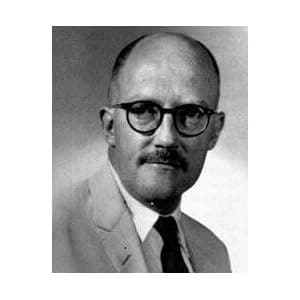
Robert C. O'Brien was an American author known for his contributions to children's literature. His notable works include "Mrs. Frisby and the Rats of NIMH," a story about a field mouse and genetically modified rats, "Z for Zachariah," a post-apocalyptic tale, and "The Silver Crown," which explores themes of adventure and fantasy.
Similar books
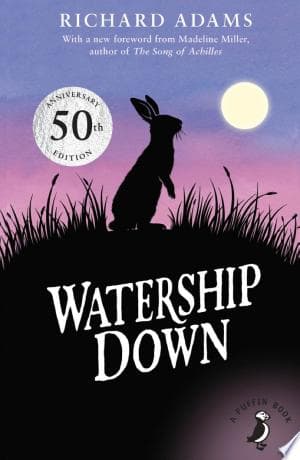
- Watership Down
Richard Adams
4.1 (434k) average on GoodreadsFantasyExplores a society of intelligent animals facing survival challenges and building a new home, though more mature in tone.
- Harry Potter and the Sorcerer's Stone
J.K. Rowling
4.5 (7M) average on GoodreadsFantasyRescued from a miserable life under the stairs, an orphaned boy discovers he's a wizard destined for a magical school, where he uncovers a dangerous secret tied to the dark wizard who murdered his parents.
- The Hunger Games
Suzanne Collins
4.3 (6.4M) average on GoodreadsFantasyIn a future where children fight to the death on live television, Katniss Everdeen volunteers for the arena, turning a death sentence into a fight for survival and a spark of rebellion.
- 1984
George Orwell
4.2 (3.1M) average on GoodreadsPoliticsIn a future where surveillance and thought control are absolute, a man's search for truth clashes with the Party, showing that hope can be a form of rebellion.
- Divergent
Veronica Roth
4.2 (2.9M) average on GoodreadsFantasyIn a society divided by virtues, a sixteen-year-old's difference from the norm starts a rebellion that threatens her world.
- The Hobbit, or There and Back Again
J.R.R. Tolkien
4.3 (2.9M) average on GoodreadsFantasyA comfort-loving hobbit named Bilbo Baggins is whisked away by a mischievous wizard and a band of dwarves on an unexpected journey to reclaim stolen treasure from a fearsome dragon, discovering courage and a magical ring along the way.





Enjoyed the summary?
A summary gives you the shape of the book. The book itself has the detail, the examples and the voice.
Find Mrs. Frisby and the Rats of NIMH on AmazonAs an Amazon Associate, BookBrief earns from qualifying purchases. How we're funded