
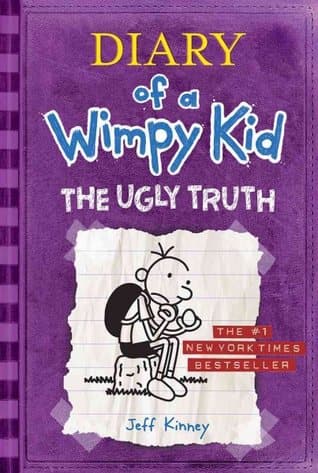
Synopsis
Covers the whole plot, including the ending.
- Difficulty
- Easy
- Pacing
- Fast
- Mood
- Humorous, Relatable, Lighthearted, Embarrassing
- Read it if
- You enjoy humorous, relatable stories about the awkwardness of middle school life and sibling dynamics.
- Skip it if
- You dislike episodic plots or books where the main character doesn't always learn big lessons.
The Ugly Truth Plot Summary
Covers the whole plot, including the ending.
A New Year and a New Best Friend?
The book starts with Greg Heffley thinking about his New Year's Resolution to stop picking his nose, a habit he has had since he was little. He quickly gives this up for a bigger goal: 'to help other people.' His first try involves helping his brother Rodrick's band, Löded Diper, by selling band items, which fails completely. Greg then focuses on his social standing at Westmore Middle School, where he feels the pressure of becoming a teenager. He also tries to deal with his best friend, Rowley Jefferson, being gone, as Rowley has found a new best friend, a foreign exchange student named Chirag Gupta. This makes Greg feel alone and struggle to adjust to the changing social groups without his usual friend.
The Awkwardness of Puberty and School Dances
Greg starts noticing the physical changes of puberty, like his voice cracking, which he tries to hide. He also becomes more self-conscious about how he looks, especially his 'baby fat.' The school announces a 'Boy-Girl Party,' causing excitement among the students. Greg feels a lot of pressure to find a date and fit in, especially since Rowley now spends more time with Chirag and other friends. He tries different ways to seem more appealing to girls, including trying to grow a mustache and wearing cologne, all of which do not work. His attempts to get a date for the party are unsuccessful, making him feel more alone and frustrated with the difficulties of growing up.
Manny's Antics and Grandfather's Advice
Greg's younger brother, Manny, continues to be a constant annoyance. Manny's spoiled behavior and ability to get away with anything makes Greg angry, like when Manny draws on Greg's door with a permanent marker and gets no punishment. Meanwhile, Greg's Grandfather moves in for a while, bringing his own strange habits and old-fashioned advice. Grandfather tries to give Greg tips on how to attract girls, which are useless and embarrassing. He also struggles with modern technology, often calling a 'hotline' for help with his TV, showing the difference between generations and Greg's feeling of being misunderstood by adults.
The 'Boy-Girl Party' Disaster
The 'Boy-Girl Party' finally arrives, and Greg reluctantly goes. He still does not have a date and feels out of place. His attempts to talk to girls are awkward and do not work. To make things worse, his grandfather shows up without warning to watch over the party, embarrassing Greg even more. Grandfather ends up trying to dance with the kids and making a scene. The party ends with a humiliating moment where Greg accidentally gets locked in the bathroom and then has to leave quickly. The whole experience makes Greg more worried about growing up and dealing with social situations without Rowley's comfort and support.
The Return of the 'Cheese Touch'
A big event from Greg's past, the 'Cheese Touch,' unexpectedly comes back. This school legend, caught by touching the moldy cheese on the blacktop, is accidentally brought back. Greg, who had avoided it before, gets caught in the panic when a student named Jeremy Pindle unknowingly gets the Cheese Touch. This event creates widespread fear, threatening to ruin Greg's already weak social status. He becomes paranoid about getting it and tries to stay away from anyone who might be infected, showing his constant struggle to keep things normal and be accepted at school.
The 'Life Skills' Unit and a New Project Partner
The school starts a 'Life Skills' class, meant to teach students about responsibility and the challenges of being a parent. Greg is upset to learn he has been given a plastic baby for a project, requiring him to care for it as if it were real. To make things worse, he is paired with Fregley, one of the most unusual and socially awkward kids in school. Their attempts to care for the 'baby' are messy and often funny, with Fregley's strange habits and Greg's general lack of interest. The project adds more stress to Greg's life, forcing him to face responsibilities he is not ready for, all while dealing with his difficult friendship with Rowley.
Rowley's New Friendship and Greg's Jealousy
Greg continues to feel bad about Rowley's new friendship with Chirag Gupta. He sees them together, laughing, and sharing private jokes, which makes him very jealous. Greg thinks Chirag is a worse friend than him and tries different ways to break up their friendship, none of which work. He even tries to find a new best friend himself, but his efforts are unsuccessful, making him realize how much he misses Rowley. This strained relationship with Rowley is a main problem, as Greg struggles to understand why his best friend seems to be moving on without him, making him face his own insecurities.
Rodrick's Party and a Major Secret
While his parents are away for the weekend, Rodrick throws a large party, which Greg is first kept out of. However, Greg eventually gets involved in the mess, helping Rodrick clean up the house before their parents return. During the cleanup, Greg finds a roll of film from the party. He develops the pictures, showing proof of Rodrick's wild party, including a photo of Rodrick sitting on the toilet with a lampshade on his head. This discovery gives Greg power over his older brother, changing their often-difficult relationship and setting the stage for possible future blackmail.
The 'Ugly Truth' and a Renewed Friendship
Greg thinks about whether to tell Rodrick's secret or keep it to himself. He realizes that having the secret gives him power but also puts him in an uncomfortable spot. Meanwhile, the 'Life Skills' project ends, and Greg and Fregley show their plastic baby. Greg also talks with his mother about his problems with growing up and his friendship with Rowley. In a key moment, Greg decides not to tell Rodrick's party secret, choosing to protect his brother. This mature act, along with a shared moment of understanding between him and Rowley (who also had a hard time with his own 'Life Skills' baby), helps fix their friendship. The book ends with Greg and Rowley seemingly back to normal, having dealt with the 'ugly truth' of growing up.
The Ugly Truth Characters
Greg Heffley
Protagonist
A middle schooler navigating the awkwardness of puberty and social changes.
Greg is the central character and narrator, an insecure and often self-centered middle school student who consistently tries to improve his social standing and avoid embarrassment. He is obsessed with fitting in and worries about the changes that come with growing up, such as puberty and boy-girl parties. Despite his flaws, he often means well, though his schemes frequently backfire. He is highly reliant on his best friend, Rowley, and struggles significantly when their friendship is strained. His internal monologues reveal his anxieties and often cynical observations about the world around him.
Relationships: Rowley Jefferson (Best friend, strained throughout the book); Rodrick Heffley (Older brother, constant tormentor, later holds a secret over him); Manny Heffley (Younger brother, spoiled and irritating); Frank Heffley (Father, often exasperated by Greg); Susan Heffley (Mother, tries to be supportive but often misunderstands Greg); Grandfather (Paternal grandfather, gives unhelpful advice)
Rowley Jefferson
Supporting
Greg's naive best friend, who finds a new companion.
Rowley is Greg's best friend, known for his innocent and sometimes childish demeanor. He is less concerned with social status than Greg and often acts as a foil to Greg's more cynical nature. In 'The Ugly Truth,' Rowley's friendship with Chirag Gupta causes a significant rift between him and Greg, highlighting Greg's jealousy and insecurity. Despite Greg's often poor treatment of him, Rowley remains loyal and generally good-natured. His new friendship forces Greg to confront his reliance on Rowley and the changing dynamics of their relationship.
Relationships: Greg Heffley (Best friend, strained throughout the book); Chirag Gupta (New best friend, causes jealousy in Greg)
Rodrick Heffley
Supporting
Greg's older brother and lead drummer of Löded Diper.
Rodrick is Greg's older brother and a source of constant torment and embarrassment. He is the drummer for his band, Löded Diper, and is primarily interested in music, sleeping, and avoiding responsibilities. In this book, Rodrick throws a party while his parents are away, creating a major plot point when Greg discovers incriminating evidence. Despite their antagonistic relationship, Greg ultimately chooses to protect Rodrick's secret, hinting at a complex sibling bond beneath the rivalry. Rodrick's antics often serve to further Greg's misery or create new comedic situations.
Relationships: Greg Heffley (Younger brother, often torments); Frank Heffley (Father, often disapproves of Rodrick's behavior)
Manny Heffley
Supporting
Greg's spoiled and manipulative younger brother.
Manny is Greg's youngest brother, a perpetually spoiled and manipulative child who always seems to get his way and never faces consequences for his actions. He is a constant source of frustration for Greg, who feels that Manny is unfairly favored by their parents. Manny's innocent facade often hides a mischievous nature, and his antics frequently add to Greg's stress and make him feel like the least important member of the family. His ability to draw on Greg's door with permanent marker and face no repercussions is a prime example of his privileged status.
Relationships: Greg Heffley (Older brother, often annoys); Susan Heffley (Mother, dotes on Manny)
Susan Heffley
Supporting
Greg's well-meaning but often oblivious mother.
Susan is Greg's mother, who tries her best to be supportive and involved in her children's lives, but often misunderstands Greg's needs and anxieties. She is particularly keen on fostering family togetherness and encouraging her children to make good choices. Her attempts to get Greg to take responsibility, like with the 'Life Skills' baby, often backfire or add to his stress. She dotes on Manny, which Greg resents. Despite her flaws, she is a loving mother who ultimately wants the best for her children, offering comfort and advice to Greg when he needs it most.
Relationships: Greg Heffley (Son, tries to guide); Frank Heffley (Husband); Manny Heffley (Son, dotes on)
Frank Heffley
Supporting
Greg's father, who is often exasperated by his sons.
Frank is Greg's father, a pragmatic and often exasperated man who struggles to understand his sons, particularly Greg and Rodrick. He often expresses disapproval of Rodrick's band and Greg's various schemes. He tries to instill discipline and responsibility in his children, sometimes through unusual methods. His brief absence from the house, along with Susan, allows Rodrick to throw his party, which becomes a key plot point. While he can be stern, he ultimately cares for his family.
Relationships: Greg Heffley (Son, often exasperated by); Susan Heffley (Wife); Rodrick Heffley (Son, often disapproves of)
Chirag Gupta
Supporting
A foreign exchange student who becomes Rowley's new best friend.
Chirag Gupta is a foreign exchange student who becomes Rowley's new best friend, much to Greg's dismay and jealousy. His presence highlights Greg's insecurity and his struggle to adapt to changes in his social circle. Greg views Chirag as an inferior replacement for himself and attempts to undermine their friendship. Chirag is generally portrayed as a pleasant and easygoing kid, oblivious to Greg's machinations. His friendship with Rowley serves as a catalyst for Greg to confront his feelings about his own friendship with Rowley.
Relationships: Rowley Jefferson (New best friend)
Grandfather
Supporting
Greg's paternal grandfather, who temporarily moves in with the Heffleys.
Grandfather temporarily moves in with the Heffleys and provides Greg with outdated and often embarrassing advice, particularly concerning girls. He struggles with modern technology and frequently calls a 'hotline' for help with simple tasks. His appearance at the 'Boy-Girl Party' as a chaperone further mortifies Greg. Grandfather represents the generational gap and the awkwardness of having an older relative interfere with a teenager's social life. His presence adds to Greg's overall feeling of social discomfort and his desire to grow up.
Relationships: Greg Heffley (Grandson, gives unhelpful advice to); Frank Heffley (Son)
Fregley
Supporting
An eccentric and socially awkward classmate of Greg's.
Fregley is one of Greg's more eccentric and socially awkward classmates, known for his strange habits and lack of social graces. He becomes Greg's reluctant partner for the 'Life Skills' baby project, leading to many comedic and frustrating moments for Greg. Fregley's unusual behavior, such as trying to feed the plastic baby a variety of odd objects, highlights Greg's exasperation with his peers and his desire to be seen as 'normal.' Despite his quirks, Fregley is generally harmless.
Relationships: Greg Heffley (Classmate and project partner)
The Ugly Truth Themes
The Awkwardness of Puberty and Growing Up
A main theme is Greg's struggle with the physical and social changes that come with puberty. He deals with his voice cracking, body image worries, and the pressure of 'boy-girl parties' and dating. The book shows the common discomfort and self-consciousness that often come with this age, as Greg constantly tries to seem older and cooler than he feels. His attempts to grow a mustache or use cologne show his wish to grow up faster, often leading to funny but relatable failures.
“One thing I've learned is that it's really hard to look cool when your voice keeps cracking on you.”
Friendship and Jealousy
The friendship between Greg and Rowley is a core theme. Greg's strong jealousy when Rowley becomes friends with Chirag Gupta shows how much he relies on Rowley and his fear of being left behind. The difficult friendship makes Greg face his own insecurities and how relationships change as people get older. Greg's various, often mean, attempts to ruin Rowley's new friendship show his immaturity and his struggle to accept that friends can have other friends. The theme explores the importance of loyalty and how a true bond can last.
“I guess I just always assumed me and Rowley would be best friends forever, no matter what.”
Family Dynamics and Sibling Rivalry
The Heffley family shows themes of sibling rivalry and differences between generations. Greg's constant fights with Rodrick and his frustration with Manny's spoiled behavior are ongoing problems. Grandfather's temporary stay further highlights the conflict between different generations and their views on life. The discovery of Rodrick's party secret creates a new power dynamic in the family, making Greg make a mature choice that affects his relationship with his brother, moving beyond simple rivalry to a more complex understanding.
“Being the middle child is the worst. You don't get all the attention like Manny, and you don't get all the freedom like Rodrick.”
Social Status and Belonging
Greg's constant search for social acceptance and his fear of embarrassment are central to the story. He carefully watches the unspoken rules of middle school and tries to use them to his advantage, often with bad results. The 'Cheese Touch' legend and the pressure of the 'Boy-Girl Party' are specific times when Greg's desire to fit in and avoid being left out drives his actions. The theme explores the worries of being a teenager, where what peers think can feel like the most important thing, and how far someone might go to feel like they belong.
“In middle school, it's pretty much a popularity contest, and I'm not exactly at the top of the heap.”
Plot Devices & Literary Techniques
First-Person Diary Narration
Greg's subjective perspective through his journal entries.
The entire story is presented as Greg Heffley's diary, written in the first person. This allows readers direct access to Greg's thoughts, anxieties, and often biased interpretations of events. The narrative is filled with his distinctive voice, humor, and self-serving justifications. This device makes Greg a highly relatable, if flawed, protagonist, as readers experience the world through his adolescent lens, complete with his doodles and unique observations. It also emphasizes the subjective nature of his experiences, showing how he perceives his own 'ugly truths'.
Cartoon Illustrations
Simple line drawings accompanying the text.
The book is heavily interspersed with simple, hand-drawn-style cartoon illustrations. These drawings are not merely decorative but are integral to the storytelling, often conveying visual gags, character expressions, or reinforcing Greg's descriptions in a way words alone could not. They enhance the comedic timing and provide visual breaks, making the book accessible and engaging for younger readers while contributing significantly to the unique 'Diary of a Wimpy Kid' style. For instance, the illustrations of the 'Cheese Touch' or Greg's failed attempts at a mustache are crucial to their comedic impact.
The 'Cheese Touch'
A recurring school legend symbolizing social ostracism.
The 'Cheese Touch' is a legendary school affliction, believed to be contracted by touching a moldy piece of cheese on the blacktop. It serves as a powerful symbol of social ostracism and the fear of being an outcast in middle school. Its unexpected reappearance in 'The Ugly Truth' creates panic and forces Greg to confront the anxieties of social standing, highlighting the absurd but very real pressures of peer acceptance. The 'Cheese Touch' acts as a minor antagonist, driving fear and shaping social interactions among the students.
Life Skills Baby Project
A school project designed to teach responsibility.
The 'Life Skills' unit, particularly the assignment to care for a plastic baby, functions as a comedic plot device to force Greg into an uncomfortable situation of responsibility. It highlights his immaturity and his unpreparedness for the challenges of adulthood. Paired with Fregley, the project becomes a source of slapstick humor and further stress for Greg, underscoring the theme of the awkwardness of growing up. It serves as a tangible representation of the 'responsibilities' Greg is trying to avoid or isn't ready for.
The Ugly Truth Quotes
“The thing about middle school is that you can't just be yourself. You have to be a version of yourself that everyone else approves of.”
“I always knew I was going to be rich and famous. I just didn't know it would happen so slowly.”
“The problem with having a best friend is that you have to share everything, even when you don't want to.”
“Sometimes I think the only reason we have gym class is so the teachers can have a good laugh at our expense.”
“You know you're in trouble when your mom starts using your full name.”
“The key to surviving middle school is to fly under the radar. But that's hard to do when you're as awesome as I am.”
“I've learned that the best way to get out of something is to pretend you're really bad at it.”
“Friends come and go, but enemies accumulate.”
“The only thing worse than having a little brother is having a little brother who's better at everything than you are.”
“In middle school, you're either a somebody or a nobody. And I'm working hard to stay in the middle.”
“The truth is, I'm not lazy. I'm just on energy-saving mode.”
“You can't buy happiness, but you can buy video games, and that's pretty close.”
“The hardest part about growing up is realizing that your parents are just making it up as they go along.”
“I've decided that the best way to deal with bullies is to become one. But a really bad one, so nobody takes you seriously.”
Quiz
10 questions on the plot and the characters. Each answer comes with a short explanation.
Question 1
What major event causes Greg to feel pressured about growing up at the beginning of 'The Ugly Truth'?
- His parents announce they are having another baby
- He gets invited to a boy-girl party
- He starts middle school
- Rowley moves away to another town
Show answer
B. He gets invited to a boy-girl party In the book, Greg's anxiety about growing up is triggered when he receives an invitation to a boy-girl party, which forces him to confront social pressures he's not ready for.
Question 2
Why is Greg without his best friend Rowley for much of 'The Ugly Truth'?
- Rowley is grounded by his parents for misbehavior
- Rowley is on a family vacation for the summer
- Rowley and Greg have a big fight and stop talking
- Rowley joins a different school club that takes up all his time
Show answer
C. Rowley and Greg have a big fight and stop talking Greg and Rowley have a significant argument that leads to a temporary rift in their friendship, leaving Greg to navigate the challenges of growing up alone.
Question 3
What does Greg do to try to appear more mature and responsible in the book?
- He starts a part-time job at the local grocery store
- He volunteers to babysit his younger brother Manny
- He takes on more chores at home to earn an allowance
- He joins the school debate team to improve his speaking skills
Show answer
C. He takes on more chores at home to earn an allowance Greg attempts to demonstrate maturity by agreeing to do extra chores around the house, hoping this will prove he's ready for more independence and responsibilities.
Question 4
How does Greg react to the 'awkward changes' of puberty mentioned in the book?
- He embraces them confidently and seeks advice from his older brother Rodrick
- He ignores them completely and focuses on video games
- He feels embarrassed and tries to hide them from everyone
- He writes a detailed journal about his experiences to share with friends
Show answer
C. He feels embarrassed and tries to hide them from everyone Greg is typically self-conscious and embarrassed by the physical and emotional changes of puberty, often trying to conceal them rather than openly dealing with them.
Question 5
What is a key theme explored through Greg's experiences in 'The Ugly Truth'?
- The importance of academic success in childhood
- The value of honesty in all relationships
- The challenges and realities of transitioning from childhood to adolescence
- The benefits of having a large group of friends
Show answer
C. The challenges and realities of transitioning from childhood to adolescence The book centers on themes of growing up, highlighting the often uncomfortable and confusing process of moving from childhood into the teenage years.
Question 6
Which character provides comic relief but also adds to Greg's stress about growing up in the story?
- Greg's mother, who constantly nags him about his future
- Greg's older brother Rodrick, who teases him about his immaturity
- Greg's teacher, Mr. Underwood, who assigns too much homework
- Greg's neighbor, Mrs. Graziano, who shares embarrassing stories from his past
Show answer
B. Greg's older brother Rodrick, who teases him about his immaturity Rodrick Heffley often mocks Greg for his lack of experience and maturity, adding humor while also exacerbating Greg's anxieties about growing up.
Question 7
What does the 'ugly truth' in the title primarily refer to in the context of the book?
- The fact that Greg's parents are planning to divorce
- The realization that growing up is harder and less glamorous than expected
- The secret that Rowley has been lying about his family background
- The discovery that Greg has a serious health issue
Show answer
B. The realization that growing up is harder and less glamorous than expected The 'ugly truth' symbolizes Greg's awakening to the realities of adolescence—such as increased responsibilities, social pressures, and personal changes—which are often disappointing compared to childhood fantasies.
Question 8
In what way does Greg's relationship with his family evolve as he faces the challenges in the book?
- He becomes more distant and rebellious, refusing to follow any rules
- He starts to appreciate their support more, despite occasional conflicts
- He completely takes over household duties to prove his independence
- He convinces his parents to let him move in with Rowley's family
Show answer
B. He starts to appreciate their support more, despite occasional conflicts While Greg often clashes with his family, especially Rodrick, he gradually recognizes their role in helping him navigate growing up, leading to a nuanced appreciation amid the chaos.
Question 9
Which plot detail best illustrates Greg's struggle with increased responsibilities?
- He fails a math test because he was too busy planning a party
- He accidentally ruins a family heirloom while trying to fix it
- He mismanages his allowance and ends up in debt to his brother
- He forgets to feed the family pet, leading to a vet emergency
Show answer
C. He mismanages his allowance and ends up in debt to his brother Greg's financial mishaps, such as poorly handling his allowance and owing money to Rodrick, highlight his immature approach to new responsibilities that come with growing up.
Question 10
How does the book conclude regarding Greg's outlook on growing up?
- He decides to stop trying to grow up and embrace childhood forever
- He fully accepts all adult responsibilities without any complaints
- He reconciles with Rowley and gains a more realistic, if reluctant, perspective on adolescence
- He moves to a new school to start fresh and leave his problems behind
Show answer
C. He reconciles with Rowley and gains a more realistic, if reluctant, perspective on adolescence By the end, Greg patches things up with Rowley and comes to terms with the 'ugly truth' that growing up is a messy process, but one he must navigate with a bit more wisdom and friendship.
The Ugly Truth FAQ
What is 'The Ugly Truth' about?
'The Ugly Truth' follows Greg Heffley as he navigates the awkward transition into adolescence, dealing with boy-girl parties, new responsibilities like babysitting, and physical changes, all while his best friend Rowley is away. Greg's humorous misadventures highlight the challenges of growing up.
Why should I read 'The Ugly Truth'?
This book offers a relatable and funny take on the anxieties of growing up, with Greg's diary-style entries and cartoons making it accessible for young readers. It explores universal themes like friendship, responsibility, and self-acceptance in a lighthearted way.
What is the background/setting of 'The Ugly Truth'?
The story is set in Greg's suburban neighborhood and middle school, with key events at his home, school events like the boy-girl party, and community activities. The familiar, everyday setting emphasizes the ordinary yet stressful experiences of adolescence.
What are the most memorable quotes?
Notable quotes include Greg's lament, 'Growing up is the worst idea anyone ever had,' and his observation, 'The ugly truth is that getting older just means more problems.' These capture the book's theme of disillusionment with adulthood.
What writing style does the author use?
Jeff Kinney uses a diary format with Greg's handwritten entries and simple cartoons, blending humor with candid reflections. The style is conversational and self-deprecating, mirroring a middle schooler's perspective on growing up.
What minor details add significant meaning?
Small details like Greg's failed attempts to impress others at the boy-girl party or his awkward babysitting mishaps subtly highlight his insecurity and desire for approval, reinforcing the book's theme that growing up is messy and imperfect.
What are some subtle foreshadowing moments?
Early scenes where Greg complains about Rowley's absence foreshadow his eventual realization that he needs friendship to cope with challenges. His initial excitement about growing up also hints at the disappointments he'll face later.
What unexpected character connections exist?
Greg's interactions with minor characters, like his younger brother Manny or school peers, reveal how his self-centeredness affects others. These connections show that growing up involves learning to navigate relationships beyond his immediate circle.
What are unspoken character motivations?
Greg is motivated by a deep fear of embarrassment and a desire to fit in, which drives his actions at parties and with responsibilities. His reluctance to admit he misses Rowley stems from pride, masking his need for support.
What psychological complexities do characters exhibit?
Greg exhibits a mix of bravado and vulnerability, often masking his insecurities with humor. His mother's push for responsibility contrasts with his resistance, highlighting the internal conflict between independence and the comfort of childhood.
What are the major emotional turning points?
Key moments include Greg's humiliation at the boy-girl party, his struggles with babysitting, and his eventual acknowledgment that growing up is harder than expected. These events chip away at his initial enthusiasm, leading to a more mature outlook.
How do relationship dynamics evolve?
Greg's relationship with Rowley becomes strained due to distance, forcing Greg to rely on himself. His interactions with family, like dealing with his mother's expectations, become more complex as he takes on new roles, showing growth in responsibility.
Which parts remain ambiguous or open-ended?
The book leaves Greg's long-term adjustment to adolescence open-ended, with no clear resolution on whether he fully accepts growing up. His future with Rowley and his ability to handle responsibilities are hinted at but not definitively settled.
What are controversial scenes or decisions?
Some readers might debate Greg's selfish actions, like his mishandling of babysitting or his attempts to avoid responsibility, as either relatable flaws or negative traits. His attitude toward growing up can be seen as humorous or overly cynical.
'The Ugly Truth' ending explained: how it ends & what it means
The book ends with Greg reflecting on the 'ugly truth' that growing up brings more challenges than rewards, but he shows slight maturity by acknowledging his need for friends like Rowley. It suggests that adolescence is a gradual, ongoing process of learning.
About the author
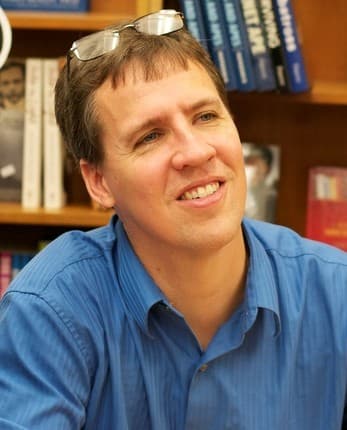
Jeffrey Patrick Kinney is an American author and cartoonist, best known as the creator of the children's book series Diary of a Wimpy Kid. He also created the child-oriented website Poptropica.
Similar books
- Harry Potter and the Sorcerer's Stone
J.K. Rowling
4.5 (7M) average on GoodreadsFantasyRescued from a miserable life under the stairs, an orphaned boy discovers he's a wizard destined for a magical school, where he uncovers a dangerous secret tied to the dark wizard who murdered his parents.
- The Hobbit, or There and Back Again
J.R.R. Tolkien
4.3 (2.9M) average on GoodreadsFantasyA comfort-loving hobbit named Bilbo Baggins is whisked away by a mischievous wizard and a band of dwarves on an unexpected journey to reclaim stolen treasure from a fearsome dragon, discovering courage and a magical ring along the way.
- Harry Potter and the Goblet of Fire
J.K. Rowling
4.6 (2.6M) average on GoodreadsFantasyA bewildered Harry Potter, underage and thrust into a deadly Triwizard Tournament, must brave dragons, mermaids, and a resurgent dark magic to survive a year that will forever alter the wizarding world.
- Harry Potter and the Order of the Phoenix
J.K. Rowling
4.5 (2.5M) average on GoodreadsFantasyIn a year of oppressive secrets and the threat of Voldemort, Harry Potter and Dumbledore's Army secretly train for war, shown through Jim Kay and Neil Packer's dark illustrations.
- The Lightning Thief
Rick Riordan
4.3 (2M) average on GoodreadsFantasyThrust into a world of mythological monsters and divine treachery, an ordinary boy discovers he's the son of Poseidon and must embark on a perilous quest across modern America to prevent an Olympian war.
- The Giver
Lois Lowry
4.1 (1.8M) average on GoodreadsFantasyIn a world where everyone is the same, a young boy named Jonas learns about true memory, forcing him to see the cost of his community's peaceful ignorance.






Enjoyed the summary?
A summary gives you the shape of the book. The book itself has the detail, the examples and the voice.
Find The Ugly Truth on AmazonAs an Amazon Associate, BookBrief earns from qualifying purchases. How we're funded