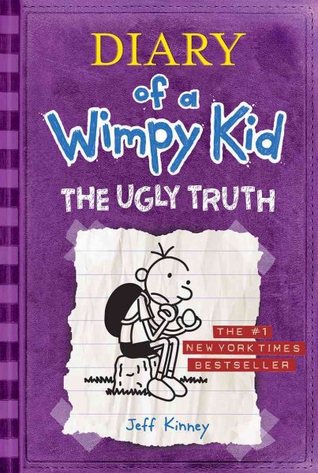
"The Ugly Truth" Quiz

Greg Heffley navigates the awkward challenges of adolescence, friendships, and family changes as he starts middle school without his best friend Rowley.
humor | 217 pages | Published in NaN
Play the quiz
Test your knowledge about the book "The Ugly Truth". We have come up with 10 quiz questions for the book. Hit play and start testing your knowledge. Each correctly answered question gives one point.
10 questions available
Essay questions
These essay questions are meant to be used as a starting point for your essay or research paper.
- Discuss how Greg Heffley’s relationships with his friends and family evolve throughout 'The Ugly Truth'. What events most significantly impact these relationships?
- Analyze the theme of growing up in 'The Ugly Truth'. How does Greg’s experience reflect the challenges of adolescence?
- How does Jeff Kinney use humor to address serious issues in 'The Ugly Truth'? Provide examples from the book.
- Examine Greg’s attitude towards responsibility and maturity. How does this attitude affect his decisions and interactions with others?
- Compare and contrast Greg’s and Rowley’s approaches to friendship. How do their differences drive the plot of 'The Ugly Truth'?
- In what ways do the adults in 'The Ugly Truth' influence Greg’s view of adulthood? Are these influences positive or negative?
- How does the structure of 'The Ugly Truth'—with its diary format and illustrations—enhance the storytelling? Would the story be as effective without these elements?
- Discuss the significance of school events, such as the school lock-in, in shaping the narrative and Greg's character development.
- How does Greg’s perspective on popularity and social status affect his actions and self-esteem in 'The Ugly Truth'?
- Jeff Kinney often uses irony and exaggeration in his writing. Identify examples from 'The Ugly Truth' and analyze their effectiveness.
- What role does family play in Greg’s journey toward maturity in 'The Ugly Truth'? Consider both positive and negative influences.
- Explore the concept of 'the ugly truth' as it applies to Greg’s experiences. What truths does he confront, and how does he respond to them?
- How does Kinney portray peer pressure in 'The Ugly Truth'? What lessons does Greg learn from these experiences?
- Discuss the ending of 'The Ugly Truth'. Do you think Greg has grown as a person by the conclusion of the book? Why or why not?