
Estimated read time: 8 min read
One Sentence Summary
Greg Heffley navigates the awkward challenges of adolescence, friendships, and family changes as he starts middle school without his best friend Rowley.
Table of Contents
Introduction
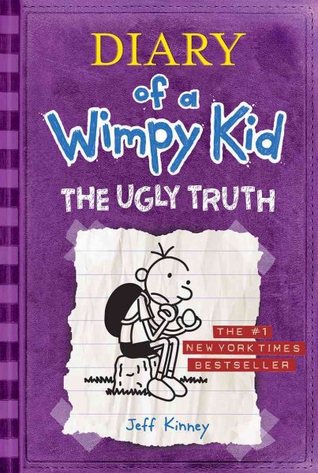
Ever wondered what it’s like to survive the turbulent world of middle school while juggling family drama, awkward friendships, and the relentless pursuit of popularity? Enter The Ugly Truth by Jeff Kinney—a side-splitting, painfully relatable installment in the wildly popular Diary of a Wimpy Kid series. Kinney’s fifth book grabs you with its signature blend of doodles, diary entries, and cringeworthy scenarios. Whether you’re a college student reminiscing about adolescence or an educator seeking contemporary young adult literature, this book offers both laughs and real talk about growing up.
Historical Context
Published in 2010, The Ugly Truth emerged during a period when graphic novels and illustrated fiction were gaining traction among younger readers. The Diary of a Wimpy Kid series, first released online in 2004 and in print in 2007, became a cultural phenomenon, resonating with kids navigating the digital age and its unique social pressures.
Kinney’s protagonist, Greg Heffley, embodies the anxieties and humor of middle schoolers in early 21st-century America. The book reflects post-millennium themes: changing family structures, technology’s impact on childhood, and the awkward journey toward maturity. While The Ugly Truth is set in a generic contemporary suburb, its humor and observations make it universally accessible.
Brief Synopsis
Plot Overview
The Ugly Truth continues Greg Heffley’s adventures as he enters a new school year—minus his best friend, Rowley Jefferson. The book chronicles Greg’s attempts to navigate life solo, facing everything from puberty woes to family reunions and the dreaded “talk” about growing up. Kinney crafts a hilarious, highly visual narrative that exposes the “ugly truth” about adolescence: it’s messy, confusing, and absolutely unavoidable.
Setting
The story unfolds primarily in Greg’s middle school and his suburban home. The atmosphere is a perfect blend of everyday chaos and awkward hilarity: think school assemblies gone awry, uncomfortable health classes, and family gatherings teetering on disaster. Kinney’s illustrations bring these settings to life, making every cringe-inducing moment feel vivid and relatable.
Main Characters
Here’s a handy table summarizing the key players:
| Name | Role | Key Traits | Importance to Plot |
|---|---|---|---|
| Greg Heffley | Protagonist | Self-aware, lazy, witty, insecure | Central figure; narrator and lens |
| Rowley Jefferson | Ex-best friend | Naïve, loyal, childish | Greg’s foil; friendship drama catalyst |
| Susan Heffley | Greg’s mother | Well-meaning, embarrassing, caring | Pushes Greg to mature; initiates “talk” |
| Frank Heffley | Greg’s father | Traditional, awkward, distant | Symbolizes adult expectations |
| Uncle Gary | Greg’s uncle | Irresponsible, lazy, comedic relief | Family reunion subplot |
| Manny Heffley | Greg’s younger brother | Spoiled, mischievous | Source of rivalry and chaos |
| Mr. Nuzzi | School health teacher | Awkward, earnest | Delivers puberty-related “truths” |
Plot Summary
Let’s break down the narrative into digestible sections, each capturing a key aspect of Greg’s journey.
The Great Friendship Fallout
Greg and Rowley’s friendship is on the rocks. After a series of misunderstandings, the two part ways, leaving Greg adrift. He tries to fill the void by seeking new friends and latching onto various social groups, but quickly learns that fitting in isn’t as simple as it looks. The humor here is sharp—Kinney nails the awkwardness of trying (and failing) to find your tribe.
The Perils of Puberty
Greg can’t escape the looming specter of adolescence. The school introduces a “Health Class,” and Greg is both horrified and fascinated by the prospect of learning about puberty. His discomfort peaks when his mom decides it’s time for “the talk,” leading to one of the book’s most relatable—and hilarious—moments. Every college student will recall their own version of this mortifying rite of passage.
Family Fiascos
The Heffley family isn’t exactly the model of harmony. A family reunion brings out the worst—and funniest—traits in Greg’s relatives. Uncle Gary’s antics, including his disastrous wedding, provide comic relief while exposing the generational divide between kids and adults. The reunion subplot underscores the theme of growing up—and the realization that adults don’t always have it together.
Middle School Mayhem
School life isn’t any easier. Greg faces the pressures of popularity, awkward social hierarchies, and the perennial nightmare of group projects. A school lock-in provides the perfect backdrop for chaos: sleep deprivation, embarrassing mishaps, and the realization that maturity can’t be forced. Greg’s attempts to “grow up” faster backfire in spectacular fashion.
Acceptance and Moving Forward
By the end of the book, Greg comes to terms with the “ugly truth” about growing up: it’s uncomfortable but necessary. He reconciles with Rowley and realizes that friendship, family, and self-acceptance matter more than popularity or pretending to be something you’re not.
Themes and Motifs
The Ugly Truth is more than a collection of jokes and doodles. Here are the central themes and motifs:
- Coming of Age: The book satirizes the confusing, sometimes painful transition from child to teen.
- Friendship: Greg and Rowley’s rocky relationship highlights the challenges of growing up together—and apart.
- Family Dynamics: Through cringe-worthy reunions and parental lectures, Kinney explores how family shapes our identity.
- Authenticity vs. Popularity: Greg’s pursuit of coolness often clashes with his real self.
- Expectations vs. Reality: Adults are revealed to be just as flawed—and funny—as kids.
Motifs include embarrassing moments, social hierarchies, and the ever-present fear of change.
Literary Techniques and Style
Kinney’s style is deceptively simple—short sentences, punchy humor, and conversational dialogue. The book’s diary format, complete with Greg’s stick-figure doodles and hilarious annotations, makes the narrative uniquely engaging. Kinney employs:
- Visual Humor: Illustrations amplify every joke and awkward encounter.
- Irony and Sarcasm: Greg’s voice drips with wit, making even mundane moments memorable.
- Anecdotal Structure: The narrative is episodic, mimicking the fragmented nature of adolescent memory.
- Subversive Realism: Kinney doesn’t sugarcoat the messiness of puberty or family life, making the book feel authentic and relatable.
Author's Background
Jeff Kinney is no stranger to humor and awkward adolescence. Before achieving literary fame, Kinney worked as a game designer and cartoonist. His background in comics and online storytelling directly influenced the Diary of a Wimpy Kid series’ hybrid format. Kinney cites Charles Schulz (Peanuts) and Bill Watterson (Calvin and Hobbes) as major influences.
Since the first Wimpy Kid book, Kinney’s impact has been immense—his series has sold millions of copies worldwide and inspired films, merchandise, and even a musical. He’s credited with revitalizing interest in illustrated fiction for reluctant readers and making middle school misadventures both accessible and entertaining.
Key Takeaways
- Growing up is awkward—but you’re not alone.
- Friendship requires effort, compromise, and forgiveness.
- Family is messy, but it’s also a source of support and humor.
- Trying to be someone you’re not only leads to disaster.
- Even adults don’t have all the answers—embrace imperfection.
Reader's Takeaway
The Ugly Truth delivers more than laughs; it offers relief to anyone who’s ever felt out of place. Greg’s misadventures remind us that adolescence is universally awkward, and that’s perfectly okay. The book encourages readers to embrace their quirks, forgive themselves for mistakes, and remember that everyone—adults included—are just figuring it out as they go.
For college students, this book is a nostalgic trip back to the chaos and comedy of growing up. For lecturers, it’s a prime example of contemporary young adult literature that connects with students through humor, honesty, and empathy.
Conclusion
The Ugly Truth stands out as both a hilarious memoir of middle school misadventures and a heartfelt meditation on growing up. Jeff Kinney’s sharp wit, memorable characters, and distinct visual style make this book a must-read for anyone who’s ever survived the minefields of adolescence.
Whether you’re looking for a good laugh, a relatable story, or a fresh perspective on the challenges of growing up, The Ugly Truth delivers. Dive in—and remember: the “ugly truth” is that everyone feels awkward sometimes. And that’s what makes growing up an adventure worth sharing.
Ready to relive the awkward, hilarious, and heartfelt moments of adolescence? Pick up The Ugly Truth and discover why Jeff Kinney’s series resonates across generations.
The Ugly Truth FAQ
What is 'The Ugly Truth' about?
'The Ugly Truth' is the fifth book in the 'Diary of a Wimpy Kid' series by Jeff Kinney. It follows Greg Heffley as he navigates the challenges of growing up, dealing with changes in friendships, family, and the awkward transition into adolescence.
Who is the main character in the book?
The main character is Greg Heffley, a middle school student who documents his daily life and struggles in a diary format.
What are some themes explored in 'The Ugly Truth'?
Major themes include growing up, friendship, responsibility, family dynamics, and the challenges of adolescence.
Is 'The Ugly Truth' suitable for children?
Yes, the book is suitable for children, especially those in middle school, as it addresses relatable issues in a humorous and age-appropriate way.
Do you need to read the previous books in the series before this one?
While reading the previous books provides more context about Greg's life and relationships, 'The Ugly Truth' can also be enjoyed as a standalone story.
What are some funny moments in 'The Ugly Truth'?
The book is filled with humorous situations, such as Greg's experiences at a school lock-in, his mother's attempts at self-improvement, and his awkward encounters during puberty.
How does 'The Ugly Truth' fit into the overall 'Diary of a Wimpy Kid' series?
As the fifth book, 'The Ugly Truth' continues the story of Greg Heffley, building on his character development and ongoing relationships with family and friends.
What lessons does Greg learn in 'The Ugly Truth'?
Greg learns about the challenges and responsibilities that come with growing up, including the importance of friendship, honesty, and accepting change.
Who would enjoy reading 'The Ugly Truth'?
Fans of the 'Diary of a Wimpy Kid' series, children aged 8-12, and anyone who enjoys humorous, realistic fiction about growing up would enjoy this book.