

Synopsis
Covers the whole plot, including the ending.
- Difficulty
- Easy
- Pacing
- Moderate
- Mood
- Heartwarming, Charming, Hopeful, Family-focused
- Read it if
- You enjoy heartwarming stories about family, community, and overcoming challenges with creativity and kindness.
- Skip it if
- You prefer high-stakes fantasy or action-packed adventures over gentle, character-driven narratives.
The Vanderbeekers of 141st Street Plot Summary
Covers the whole plot, including the ending.
The Eviction Notice
The Vanderbeeker family, comprising parents Papa and Mama, and their five children – Isa (12), Jessie (11), Oliver (10), Hyacinth (9), and Laney (4) – live in a Harlem brownstone at 141st Street. Their life changes when their reclusive landlord, Mr. Beiderman, delivers a letter stating he will not renew their lease, giving them only eleven days to vacate by December 31st. The children are heartbroken, especially since Mr. Beiderman has always seemed to ignore them. Papa and Mama try to reassure them, but the children secretly decide they must convince Mr. Beiderman to let them stay, believing he simply doesn't know how wonderful they are.
Operation Beiderman Begins
Determined to save their home, the Vanderbeeker children hold a secret meeting. Isa, the responsible eldest, suggests a direct approach. Jessie, the inventor, proposes a more elaborate scheme. Oliver, the sports enthusiast, offers a simple gesture. They decide to start with a 'Welcome to our Neighborhood' basket, even though Mr. Beiderman has lived upstairs for years. They fill it with homemade cookies, drawings, and a letter, hoping to soften his heart. Oliver bravely delivers it to Mr. Beiderman's door, but the basket is returned unopened, leaving the children discouraged but not defeated.
Jessie's Invention and a Failed Serenade
Jessie, undeterred by the basket's failure, devises a new plan: a Rube Goldberg-esque contraption designed to deliver a personalized message to Mr. Beiderman. It involves a pulley system, a toy car, and a carefully worded letter. However, the complex device malfunctions, creating a loud crash and making no impression on the landlord. Later, Isa, a talented violinist, attempts to serenade Mr. Beiderman with a beautiful piece, hoping music will move him. She plays outside his door, but again, there's no response, leaving Isa feeling disheartened and questioning their efforts.
Oliver's Kindness and Hyacinth's Flowers
Oliver, always a helper, notices Mrs. Rodriguez, an elderly neighbor, struggling with her groceries. He assists her, showing the family's community spirit. Meanwhile, Hyacinth, with her love for nature, decides Mr. Beiderman's apartment needs cheering up. She gathers wildflowers and leaves a small bouquet outside his door, hoping the gesture will show him their thoughtfulness. Like the previous attempts, the flowers are ignored, but Hyacinth remains optimistic, believing that small acts of kindness can eventually make a difference, even to someone as seemingly gruff as Mr. Beiderman.
Laney's Artistic Endeavor and a Mysterious Object
Laney, the youngest and most whimsical of the Vanderbeekers, draws a portrait of Mr. Beiderman, depicting him with a friendly smile, hoping to show him how they perceive him. She slides it under his door. Later, while trying to peek into his apartment, the children notice a small, intricate wooden bird carving on his windowsill. This mysterious object sparks their curiosity and makes them wonder about Mr. Beiderman's past and what might be hidden behind his stern exterior. It's the first tangible hint of a life beyond his reclusive present.
A Community United
As the eviction deadline draws closer, news of the Vanderbeekers' situation spreads through their Harlem community. Neighbors, including Mr. Jeet, the deli owner, and Mrs. Rodriguez, offer their support. They organize a petition, write letters, and offer to help the family find a new home, though the Vanderbeekers are determined to stay. This outpouring of love and solidarity highlights the strong bonds the family has forged in their neighborhood and shows the children that they are not alone in their fight against Mr. Beiderman's decision, giving them renewed hope and determination.
The Missing Cat and a Desperate Search
Amidst the stress of their impending eviction, another crisis strikes: Franz, the family's beloved cat, goes missing. The children are devastated and immediately launch a frantic search throughout the brownstone and the neighborhood. They put up 'Missing Cat' posters and call out his name, fearing the worst. The search for Franz temporarily distracts them from their landlord problem but also shows the emotional turmoil they are experiencing. The disappearance of a family member, even a pet, adds another layer of sadness to their already difficult situation, uniting them in a common, urgent goal.
A Glimpse into Beiderman's Past
While searching for Franz, the children find an old photo album in the shared basement. It contains pictures of a younger Mr. Beiderman with a woman and a child. They also find old newspaper clippings detailing a tragic fire that destroyed his previous home and took his family. This discovery reveals the source of Mr. Beiderman's reclusiveness and grief, providing the children with a deeper understanding of his character. They realize his actions aren't born of malice but profound sorrow and a fear of forming new attachments that could be lost.
The Revelation and a Changed Perspective
The children piece together the clues: the fire, the lost family, and the wooden bird carving identical to one in the old photos. They realize that Mr. Beiderman's decision to evict them is not personal but a coping mechanism, a way to avoid the pain of attachment and loss he experienced after the fire. They understand his reclusiveness is a shield. This revelation shifts their strategy from trying to impress him to trying to heal him. They realize that what he needs isn't just a reason to keep them, but a reason to open his heart again.
The Christmas Concert and a Heartfelt Plea
With Christmas Eve approaching and only one day left, the children organize a small Christmas concert in their apartment, hoping the music and their collective spirit will reach Mr. Beiderman. Isa plays her violin beautifully, Jessie plays the cello, and the other children sing. They invite neighbors, creating a warm, festive atmosphere. Mr. Beiderman, drawn by the music, eventually comes downstairs and observes from a distance. The children then directly address him, not with demands, but with an open-hearted plea, acknowledging his pain and offering him friendship and community.
Franz's Return and a Shared Moment
During the concert, just as the children are making their heartfelt appeal, Franz, the missing cat, suddenly reappears, much to everyone's relief and joy. He walks directly to Mr. Beiderman, rubbing against his legs. This simple, unexpected moment seems to break through Mr. Beiderman's defenses. He stoops to pet Franz, and for the first time, truly looks at the Vanderbeekers. He acknowledges their efforts and the warmth of their family, realizing what he has been missing and the joy they could bring to his life. The wall around his heart begins to crumble.
The Lease Renewal
Moved by the children's concert, their understanding, and the return of Franz, Mr. Beiderman finally speaks. He admits his loneliness and the pain of his past. He sees the loving family before him and the community they've built. He tells them he has reconsidered and will renew their lease. The Vanderbeekers are overjoyed, not just because they get to stay in their beloved brownstone, but because they have helped a lonely man find a connection. The story concludes with the family celebrating Christmas and a new beginning, with Mr. Beiderman now a part of their extended community.
The Vanderbeekers of 141st Street Characters
Isa Vanderbeeker
Protagonist
The eldest, responsible, and musically gifted Vanderbeeker sister.
Isa is twelve years old and the most responsible of the Vanderbeeker siblings. She is a talented violinist, often practicing classical music. Isa is pragmatic and organized, often trying to bring order to her younger siblings' more chaotic ideas. She feels a deep sense of duty and takes the eviction threat very seriously, believing a direct, polite approach is best. Her initial efforts to impress Mr. Beiderman are formal and respectful, reflecting her nature.
Relationships: Jessie Vanderbeeker (Sisterly bond, often balancing Jessie's wild ideas with her practicality.); Oliver Vanderbeeker (Protective older sister, sometimes frustrated by his boisterousness.); Hyacinth Vanderbeeker (Loving older sister, appreciates Hyacinth's gentle nature.); Laney Vanderbeeker (Caring older sister, enjoys Laney's innocence.)
Jessie Vanderbeeker
Protagonist
The ingenious, inventive, and slightly mischievous Vanderbeeker sister.
Jessie is eleven years old and a budding inventor. She is incredibly creative and loves to build things, often with a flair for the elaborate. Jessie is enthusiastic and optimistic, always ready with a new, often complex, plan to solve a problem. Her inventions, while well-intentioned, don't always go as planned, leading to humorous mishaps. She is determined and doesn't give up easily, even after repeated failures in trying to win over Mr. Beiderman.
Relationships: Isa Vanderbeeker (Sisterly bond, often providing the creative spark to Isa's structure.); Oliver Vanderbeeker (Close sibling, often partners in their more adventurous schemes.); Hyacinth Vanderbeeker (Caring older sister, enjoys Hyacinth's unique perspective.); Laney Vanderbeeker (Affectionate older sister, sometimes uses Laney as a test subject for her inventions.)
Oliver Vanderbeeker
Protagonist
The energetic, athletic, and kind-hearted Vanderbeeker brother.
Oliver is ten years old and the only boy among the Vanderbeeker siblings. He is full of energy, loves sports (especially basketball), and is often found bouncing a ball. Oliver is a loyal and kind-hearted boy, quick to offer help to others, whether it's a neighbor or a sibling. He is less inclined to elaborate schemes, preferring direct action or simple acts of kindness. He's often the one to bravely approach difficult situations, like delivering the first basket to Mr. Beiderman.
Relationships: Isa Vanderbeeker (Younger brother, sometimes chafes under her older sister's authority.); Jessie Vanderbeeker (Close sibling, often an active participant in her plans.); Hyacinth Vanderbeeker (Protective older brother, sometimes teases her gently.); Laney Vanderbeeker (Affectionate older brother, enjoys playing with her.)
Hyacinth Vanderbeeker
Protagonist
The gentle, nature-loving, and observant Vanderbeeker sister.
Hyacinth is nine years old and has a deep connection to nature. She loves flowers, plants, and all living things, often collecting natural objects. She is quiet and observant, taking in details that others might miss. Hyacinth is sensitive and empathetic, often feeling deeply for others. Her attempts to win over Mr. Beiderman involve natural beauty and quiet gestures, reflecting her gentle spirit. She is also the one who often notices subtle changes or clues.
Relationships: Isa Vanderbeeker (Younger sister, admires Isa's talent.); Jessie Vanderbeeker (Younger sister, sometimes finds Jessie's inventions overwhelming.); Oliver Vanderbeeker (Younger sister, enjoys his energy.); Laney Vanderbeeker (Caring older sister, often shares her discoveries with Laney.)
Laney Vanderbeeker
Protagonist
The youngest, artistic, and most innocent Vanderbeeker sister.
Laney is four years old and the youngest of the Vanderbeeker children. She is innocent, joyful, and has a strong artistic streak, often drawing and coloring. Laney sees the world with simple clarity and expresses her feelings openly. Her contributions to the effort to save their home are often through her art, which, despite its childlike simplicity, holds a powerful sincerity. She is a source of joy and light for the family, even during difficult times.
Relationships: Isa Vanderbeeker (Youngest sister, looks up to Isa.); Jessie Vanderbeeker (Youngest sister, enjoys Jessie's playful side.); Oliver Vanderbeeker (Youngest sister, loves playing with Oliver.); Hyacinth Vanderbeeker (Youngest sister, often shares quiet moments with Hyacinth.)
Mr. Beiderman
Antagonist/Supporting
The reclusive, curmudgeonly landlord of the brownstone.
Mr. Beiderman is the landlord who lives on the top floor of the Vanderbeekers' brownstone. Initially presented as a reclusive and curmudgeonly figure, he is known for rarely leaving his apartment and showing no interest in the lively family below. His decision not to renew their lease makes him the primary antagonist. He is driven by deep-seated grief and a fear of forming attachments, stemming from a past tragedy involving a fire and the loss of his own family. He uses his reclusiveness as a shield.
Relationships: The Vanderbeeker Family (Landlord-tenant relationship that evolves into a familial and friendly bond.); Franz (the cat) (A catalyst for his connection with the Vanderbeekers.)
Papa Vanderbeeker
Supporting
The kind and supportive father of the Vanderbeeker children.
Papa Vanderbeeker is a loving and supportive father. He works as a carpenter and is known for his calm demeanor and practical approach. He tries to be a comforting presence for his children during the eviction crisis, offering reassurance and guidance. While he and Mama respect the children's initiative, they are also prepared for the possibility of having to move, though they deeply love their home as well. He encourages his children's creativity and resilience.
Relationships: Mama Vanderbeeker (Loving husband, co-parent, and partner.); The Vanderbeeker Children (Supportive and loving father.)
Mama Vanderbeeker
Supporting
The warm and nurturing mother of the Vanderbeeker children.
Mama Vanderbeeker is the nurturing heart of the family. She is an artist and provides a warm, creative environment for her children. She is empathetic and understands her children's feelings deeply, offering emotional support during the difficult time. She encourages their efforts to save their home, even if she doesn't always know the specifics of their plans. Her love for their brownstone is as strong as the children's, making her equally invested in their success.
Relationships: Papa Vanderbeeker (Loving wife, co-parent, and partner.); The Vanderbeeker Children (Nurturing and understanding mother.)
Franz
Supporting
The Vanderbeekers' beloved family cat.
Franz is the family's fluffy, ginger cat. He is a cherished member of the Vanderbeeker household, providing comfort and companionship. His disappearance causes significant distress to the children, highlighting their deep affection for him. His eventual return plays a pivotal role in breaking through Mr. Beiderman's emotional barriers, as his gentle presence offers a non-threatening point of connection for the reclusive landlord.
Relationships: The Vanderbeeker Family (Beloved family pet.); Mr. Beiderman (Unlikely catalyst for his emotional breakthrough.)
The Vanderbeekers of 141st Street Themes
The Meaning of Home
The novel explores 'home' not merely as a physical structure but as a sanctuary of family, memories, and community. The brownstone on 141st Street is a living entity, integral to the Vanderbeeker identity. The children's desperate fight to save it shows that home is where their roots are, where their routines reside, and where their sense of belonging is strongest. The threat of losing it forces them to articulate and demonstrate what makes their house a home, from the worn floorboards to the shared family moments. This theme is powerfully shown when the children realize that Mr. Beiderman's eviction notice isn't just about a building, but about the loss of their entire way of life and connections.
“Because home wasn't just a place. Home was a feeling. Home was them.”
Community and Connection
The story highlights the vital role of a supportive community. The Vanderbeekers are deeply embedded in their Harlem neighborhood, and when faced with eviction, their neighbors rally around them, offering help, signing petitions, and showing solidarity. This demonstrates how a strong community acts as an extended family, providing a safety net and emotional support. It also shows how the Vanderbeekers' own friendly and open nature has cultivated these relationships over time. This theme is evident when the neighbors attend the Christmas concert, showing their collective support and love for the family, ultimately contributing to Mr. Beiderman's change of heart by showcasing the warmth he's been missing.
“A good neighbor was more than just someone who lived next door. A good neighbor was family.”
Empathy and Understanding
Initially, the Vanderbeekers view Mr. Beiderman as a cruel, unfeeling landlord. However, as they uncover his tragic past, their perspective shifts from anger to empathy. They learn that his reclusiveness and stern exterior are a shield against deep grief and fear of further loss. This understanding transforms their mission from trying to 'impress' him to trying to 'heal' him, showing that true connection comes from seeing beyond surface appearances and acknowledging another's pain. Their efforts to reach out to him, not with demands, but with compassion, are central to his eventual change of heart, exemplified by their heartfelt plea during the Christmas concert.
“He wasn't mean. He was just sad. Really, really sad.”
The Power of Small Gestures
Throughout the book, the children employ various strategies to win over Mr. Beiderman, from elaborate inventions to simple acts of kindness. While many of their initial, more complex plans fail, it is ultimately a series of small, genuine, and heartfelt gestures—Laney's drawing, Hyacinth's flowers, Oliver's help to a neighbor, Isa's music, and the collective warmth of their family and community—that gradually chip away at Mr. Beiderman's defenses. The return of Franz, the cat, a seemingly small event, proves to be the final catalyst, demonstrating that profound change can arise from cumulative, unassuming acts of love and connection, rather than grand schemes.
“Sometimes the smallest things could make the biggest difference.”
Plot Devices & Literary Techniques
The Eviction Notice
A letter from the landlord that serves as the inciting incident.
The eviction notice is the primary plot device that sets the entire story in motion. It creates the central conflict and establishes the eleven-day deadline that drives the children's frantic efforts. Without this notice, the Vanderbeekers would continue their comfortable lives, and the narrative would lack its urgency and purpose. It acts as the external force threatening the family's stability and forcing them into action, leading to their discovery of Mr. Beiderman's past and ultimately, his transformation.
The Mysterious Wooden Bird
A recurring object that serves as a clue to Mr. Beiderman's past.
The small, intricately carved wooden bird first glimpsed on Mr. Beiderman's windowsill, and later seen in old photographs, functions as a crucial clue. It's a symbol of his lost family and a tangible link to his past tragedy. This seemingly innocuous object piques the children's curiosity and, combined with the discovery of the photo album and newspaper clippings, helps them piece together the story of his grief and reclusiveness. It shifts their perception of him from antagonist to a figure deserving of empathy.
The Time Limit (Eleven Days)
A strict deadline that creates urgency and pressure.
The eleven-day countdown to December 31st (New Year's Eve) is a classic plot device that generates suspense and urgency throughout the narrative. It forces the children to act quickly and creatively, escalating their efforts with each passing day. This deadline not only builds tension but also highlights the preciousness of time and the importance of their goal, making their eventual success against the ticking clock all the more triumphant and meaningful.
The Missing Cat (Franz)
A temporary crisis that ultimately serves as a catalyst for connection.
Franz's disappearance is a temporary subplot that adds emotional distress and distraction for the Vanderbeekers. However, his eventual reappearance serves as a powerful catalyst for Mr. Beiderman's emotional breakthrough. Franz, a symbol of warmth and innocence, approaches Mr. Beiderman during a crucial moment, providing a non-threatening physical connection that helps shatter the landlord's long-held emotional barriers and allows him to finally open up to the family.
The Vanderbeekers of 141st Street Quotes
“Home wasn’t a place, it was a feeling.”
“Sometimes the things you’re most afraid of are the things that turn out to be the best.”
“They were a family, and families stuck together, no matter what.”
“Even small acts of kindness can make a big difference.”
“The best way to get someone to like you is to be yourself.”
“They learned that it wasn’t just about getting what you wanted, but about trying your hardest and never giving up.”
“A house was just a building, but a home was full of memories and love.”
“Sometimes you had to make a little trouble to do a lot of good.”
“Being a family meant you shared everything, even the scary parts.”
“It was amazing what you could accomplish when you worked together.”
“People weren’t always what they seemed on the outside.”
“Even when things seemed impossible, there was always hope.”
“They were a tapestry, each thread different, but woven together to make something beautiful.”
“You don't need a lot of money to have a rich life.”
Quiz
10 questions on the plot and the characters. Each answer comes with a short explanation.
Question 1
What is the primary reason the Vanderbeekers' landlord, Mr. Beiderman, initially decides not to renew their lease?
- The Vanderbeekers consistently paid their rent late.
- He believes the Vanderbeekers are too noisy and disruptive.
- He wants to sell the brownstone to a developer.
- He plans to move into their apartment himself.
Show answer
B. He believes the Vanderbeekers are too noisy and disruptive. Mr. Beiderman's initial reason for not renewing the lease is his perception that the Vanderbeekers are too loud and cause too much commotion, disturbing his peace.
Question 2
Which Vanderbeeker sibling is known for their artistic talents and often draws pictures of the brownstone?
- Isa
- Jessie
- Oliver
- Hyacinth
Show answer
B. Jessie Jessie is the artistic twin, often found drawing and creating, particularly images of their beloved brownstone.
Question 3
How many days do the Vanderbeeker siblings have to convince Mr. Beiderman to let them stay in their home?
- Seven days
- Ten days
- Eleven days
- Fourteen days
Show answer
C. Eleven days The family is given eleven days until December 31st to persuade Mr. Beiderman to change his mind about their lease.
Question 4
What specific item does Oliver Vanderbeeker try to give Mr. Beiderman as a peace offering, which initially fails?
- A homemade pie
- A bouquet of flowers
- A freshly baked baguette
- A drawing by Jessie
Show answer
C. A freshly baked baguette Oliver attempts to offer Mr. Beiderman a freshly baked baguette, hoping to appeal to him, but it is initially rejected.
Question 5
What is the name of the family pet, a cat, that plays a role in some of the children's attempts to connect with Mr. Beiderman?
- Moby
- George
- Franz
- Pipsqueak
Show answer
C. Franz The Vanderbeeker family cat is named Franz. He is involved in some of the children's schemes, like when Hyacinth tries to use him to visit Mr. Beiderman.
Question 6
What significant event from Mr. Beiderman's past is revealed to be a key reason for his reclusive and curmudgeonly nature?
- He lost his fortune in a bad investment.
- His beloved wife passed away many years ago, leaving him heartbroken.
- He had a falling out with his own family and became estranged.
- He was once robbed in the brownstone, making him distrustful.
Show answer
B. His beloved wife passed away many years ago, leaving him heartbroken. It is revealed that Mr. Beiderman's reclusiveness stems from the loss of his beloved wife, who passed away in the brownstone many years prior.
Question 7
What is the primary theme explored through the Vanderbeekers' unwavering efforts to save their home?
- The importance of wealth and financial stability.
- The power of community and family resilience in overcoming challenges.
- The necessity of strict rules and order in urban living.
- The solitude and independence found in city life.
Show answer
B. The power of community and family resilience in overcoming challenges. A central theme is the strength of family bonds, neighborhood community, and perseverance in the face of adversity, all demonstrated by their collective efforts to keep their home.
Question 8
Which Vanderbeeker child attempts to 'serenade' Mr. Beiderman with violin music, hoping to soften his heart?
- Isa
- Jessie
- Oliver
- Laney
Show answer
A. Isa Isa, who plays the violin, attempts to perform for Mr. Beiderman, thinking music might be a way to reach him, though it doesn't immediately work as planned.
Question 9
What specific item of Mr. Beiderman's does the family accidentally damage during one of their attempts to 'help' him, creating a temporary setback?
- His favorite armchair
- A valuable antique vase
- His radio, which plays classical music
- A collection of rare books
Show answer
C. His radio, which plays classical music During an attempt to clean his apartment, the children accidentally break Mr. Beiderman's radio, which is important to him for listening to classical music.
Question 10
What is the ultimate turning point that genuinely begins to melt Mr. Beiderman's resolve and makes him reconsider the Vanderbeekers?
- Their elaborate Christmas decorations on the brownstone.
- When they discover his love for a specific type of classical music and play it for him.
- Their genuine concern and care for him when he falls ill, bringing him food and company.
- A letter from their parents explaining all the good deeds the children have done.
Show answer
C. Their genuine concern and care for him when he falls ill, bringing him food and company. The most significant turning point is when Mr. Beiderman falls ill, and the Vanderbeekers, despite their own worries, show genuine kindness by bringing him food, checking on him, and providing companionship, reminding him of human connection.
The Vanderbeekers of 141st Street FAQ
What is the central conflict driving the plot of 'The Vanderbeekers of 141st Street'?
The central conflict revolves around the five Vanderbeeker siblings' desperate attempt to convince their reclusive landlord, Mr. Beiderman, to renew their lease. He has decided not to, giving them only eleven days to prove their worth and prevent their beloved brownstone on 141st Street from being taken away.
Who are the five Vanderbeeker siblings, and what are their approximate ages and key traits?
The five siblings are Isa (12, violinist, mature), Jessie (12, inventor, practical), Oliver (10, sports enthusiast, outgoing), Hyacinth (7, sensitive, artistic), and Laney (4, animal lover, observant). Each sibling contributes uniquely to the family dynamic and the plan to save their home.
What is the significance of the brownstone on 141st Street to the Vanderbeeker family?
The brownstone is more than just a house; it's practically a family member, filled with memories, quirks, and the vibrant life of the Vanderbeekers. It represents stability, community, and their identity, making its potential loss a profound threat to their sense of belonging.
Who is Mr. Beiderman, and what is his initial reputation among the Vanderbeekers?
Mr. Beiderman is the Vanderbeekers' reclusive, curmudgeonly landlord who lives on the third floor of their brownstone. He is known for his strictness, his preference for quiet, and his general unfriendliness, leading the children to view him with dread and suspicion.
What are some of the initial strategies the Vanderbeeker children employ to win over Mr. Beiderman?
The children try various strategies, including leaving him baked goods, serenading him with Isa's violin, creating an elaborate welcome mat, and even attempting to clean his often-neglected porch. Each attempt, while well-intentioned, often goes awry due to his reclusiveness.
What is the hidden connection between Mr. Beiderman and the Vanderbeekers' deceased mother?
It is revealed that Mr. Beiderman was once in love with Mrs. Vanderbeeker's sister, Silly. He harbored resentment towards Mrs. Vanderbeeker, believing she had interfered with his relationship, which contributed to his bitterness and reclusiveness. This personal history is a key reason for his initial animosity.
How does the 'Welcome Home' banner created by the children subtly reveal Mr. Beiderman's past?
The 'Welcome Home' banner, intended to be a friendly gesture, features a drawing of a woman with a sunflower, which reminds Mr. Beiderman of Silly, the woman he loved. This triggers his memories and begins to soften his hardened exterior, highlighting the children's unintentional impact.
What role does the community of 141st Street play in the Vanderbeekers' efforts?
The close-knit community of 141st Street provides invaluable support, offering advice, practical help, and emotional encouragement to the Vanderbeekers. Neighbors like Miss Josie and Mr. Jeet help the children understand Mr. Beiderman better and contribute to their various schemes, demonstrating the strength of their neighborhood bonds.
How does Mr. Beiderman's hobby of gardening, particularly his orchids, serve as a metaphor for his character arc?
Mr. Beiderman's meticulous care for his orchids, which are beautiful but require specific, delicate conditions to thrive, mirrors his own guarded personality. As he slowly opens up and allows the children into his life, his gardening hobby symbolizes the potential for beauty and growth even in the most reclusive individuals.
How does Mr. Beiderman's reclusiveness and bitterness reflect a defense mechanism against past pain?
Mr. Beiderman's reclusiveness is a direct result of his heartbreak over losing Silly and his subsequent belief that Mrs. Vanderbeeker was responsible. His bitterness serves as a protective shell, preventing him from forming new attachments and risking further emotional pain, thus isolating himself from the vibrant community around him.
What psychological impact does the threat of eviction have on the individual Vanderbeeker children?
The threat of eviction deeply unsettles each child, manifesting in different ways: Isa becomes more anxious and driven, Jessie channels her stress into inventing, Oliver struggles with feelings of helplessness, Hyacinth expresses sadness through art, and Laney's observations become more pointed. It forces them to confront insecurity and loss.
How does the family's collective effort to save their home foster their individual growth?
The shared goal forces the siblings to collaborate, leverage their unique strengths, and overcome disagreements, strengthening their bonds. Isa learns to lead, Jessie to adapt, Oliver to be resourceful, Hyacinth to express herself, and Laney to contribute her keen observations, maturing them through adversity.
In what ways does Mr. Beiderman's transformation illustrate the power of empathy and connection?
Mr. Beiderman's transformation from a bitter recluse to a more open, caring individual is driven by the children's persistent, if sometimes clumsy, attempts to connect with him. Their genuine efforts to understand and include him, despite his initial resistance, ultimately break through his isolation, demonstrating empathy's profound impact.
Is Mr. Beiderman truly a villain, or is he a more complex character driven by his own sorrow?
Mr. Beiderman is not a true villain but rather a complex character driven by profound sorrow and past heartbreak. His initial harshness stems from unresolved grief and perceived betrayal, making him a sympathetic figure whose actions are a result of his own pain rather than malicious intent.
What is the overarching message about 'home' that the book conveys?
The book conveys that 'home' is not merely a physical structure but a feeling of belonging, love, and community forged by the people within it and around it. While the brownstone is central, the story ultimately emphasizes that the true essence of home lies in family bonds and supportive relationships.
How does the narrative challenge stereotypes about older, reclusive individuals?
The narrative challenges stereotypes by revealing Mr. Beiderman's hidden depths, vulnerabilities, and capacity for change. It shows that reclusiveness can stem from complex personal histories rather than inherent unkindness, encouraging readers to look beyond initial appearances and exercise empathy towards isolated individuals.
Could the Vanderbeekers' methods for convincing Mr. Beiderman be considered manipulative, or are they genuinely altruistic?
While the Vanderbeekers' initial methods are driven by the self-serving goal of saving their home, their actions evolve into genuine attempts to understand and connect with Mr. Beiderman. Their persistence and eventual discovery of his past sorrow shift their motivation from purely self-interest to a more altruistic desire to help him.
What role does the theme of forgiveness play in the resolution of the story?
Forgiveness is a crucial theme, particularly as Mr. Beiderman comes to terms with his past grievances against Mrs. Vanderbeeker and the loss of Silly. The children's presence and their mother's eventual explanation help him release his long-held resentment, allowing him to forgive and embrace new connections.
About the author

Karina Yan Glaser is an author known for her work in children's literature. She is best recognized for "The Vanderbeekers of 141st Street," a story that follows the adventures of a multiracial family living in Harlem. Her writing often explores themes of community and family dynamics.
Similar books
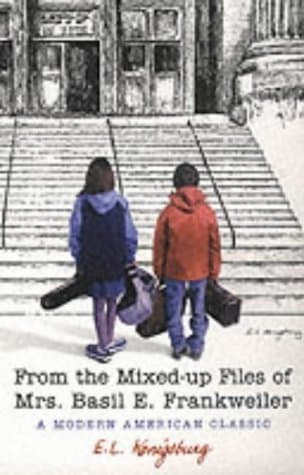
- From the Mixed-Up Files of Mrs. Basil E. Frankweiler
E.L. Konigsburg
4.2 (189k) average on GoodreadsChildren'sFeatures resourceful children embarking on a memorable adventure.
- Pippi Longstocking
Astrid Lindgren
4.1 (168k) average on GoodreadsFantasyShowcases quirky, independent children and their unique family dynamics.
- Coraline
Neil Gaiman
4.0 (23k) average on GoodreadsFantasyWhile both involve children facing challenges, The Vanderbeekers is grounded in realistic urban community and family resilience, whereas Coraline delves into dark fantasy and surreal, isolated threats. Glaser's work focuses on human connection and everyday heroism, contrasting with Gaiman's exploration of psychological horror and otherworldly dangers.
- Harry Potter and the Sorcerer's Stone
J.K. Rowling
4.5 (7M) average on GoodreadsFantasyRescued from a miserable life under the stairs, an orphaned boy discovers he's a wizard destined for a magical school, where he uncovers a dangerous secret tied to the dark wizard who murdered his parents.
- The Hobbit, or There and Back Again
J.R.R. Tolkien
4.3 (2.9M) average on GoodreadsFantasyA comfort-loving hobbit named Bilbo Baggins is whisked away by a mischievous wizard and a band of dwarves on an unexpected journey to reclaim stolen treasure from a fearsome dragon, discovering courage and a magical ring along the way.
- Harry Potter and the Goblet of Fire
J.K. Rowling
4.6 (2.6M) average on GoodreadsFantasyA bewildered Harry Potter, underage and thrust into a deadly Triwizard Tournament, must brave dragons, mermaids, and a resurgent dark magic to survive a year that will forever alter the wizarding world.




Enjoyed the summary?
A summary gives you the shape of the book. The book itself has the detail, the examples and the voice.
Find The Vanderbeekers of 141st Street on AmazonAs an Amazon Associate, BookBrief earns from qualifying purchases. How we're funded